


Today, the biggest news comes from Ukraine.
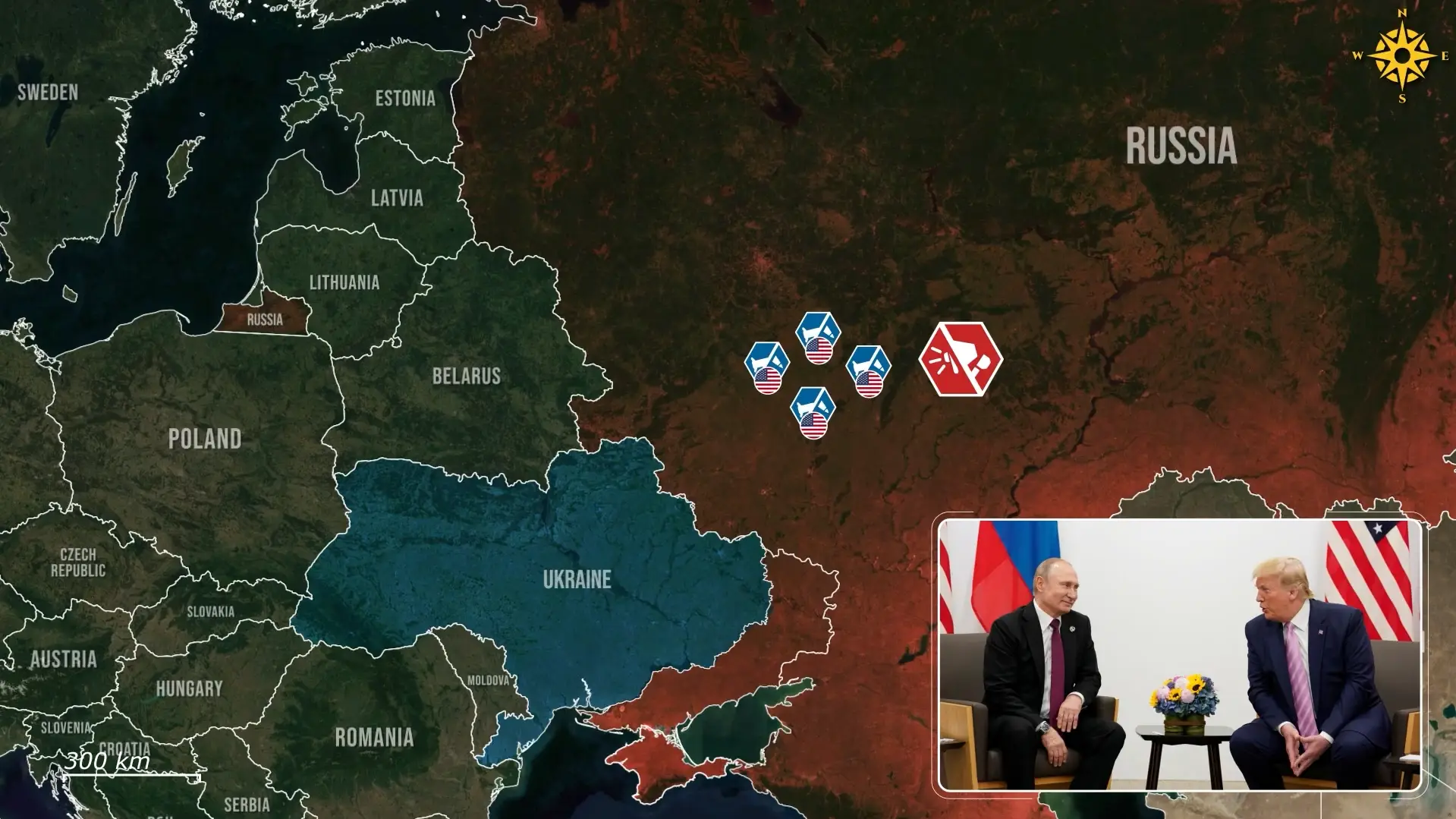
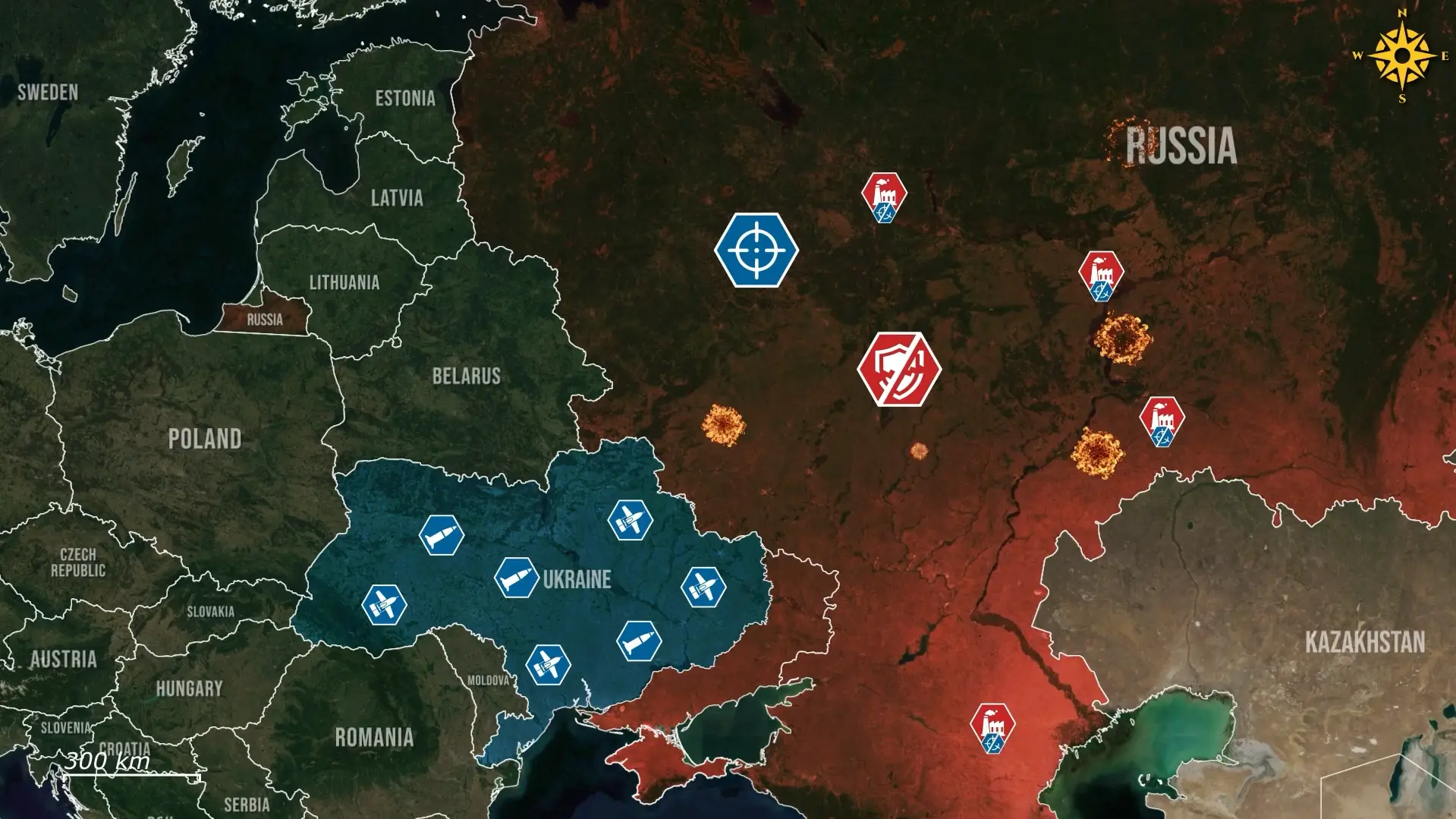
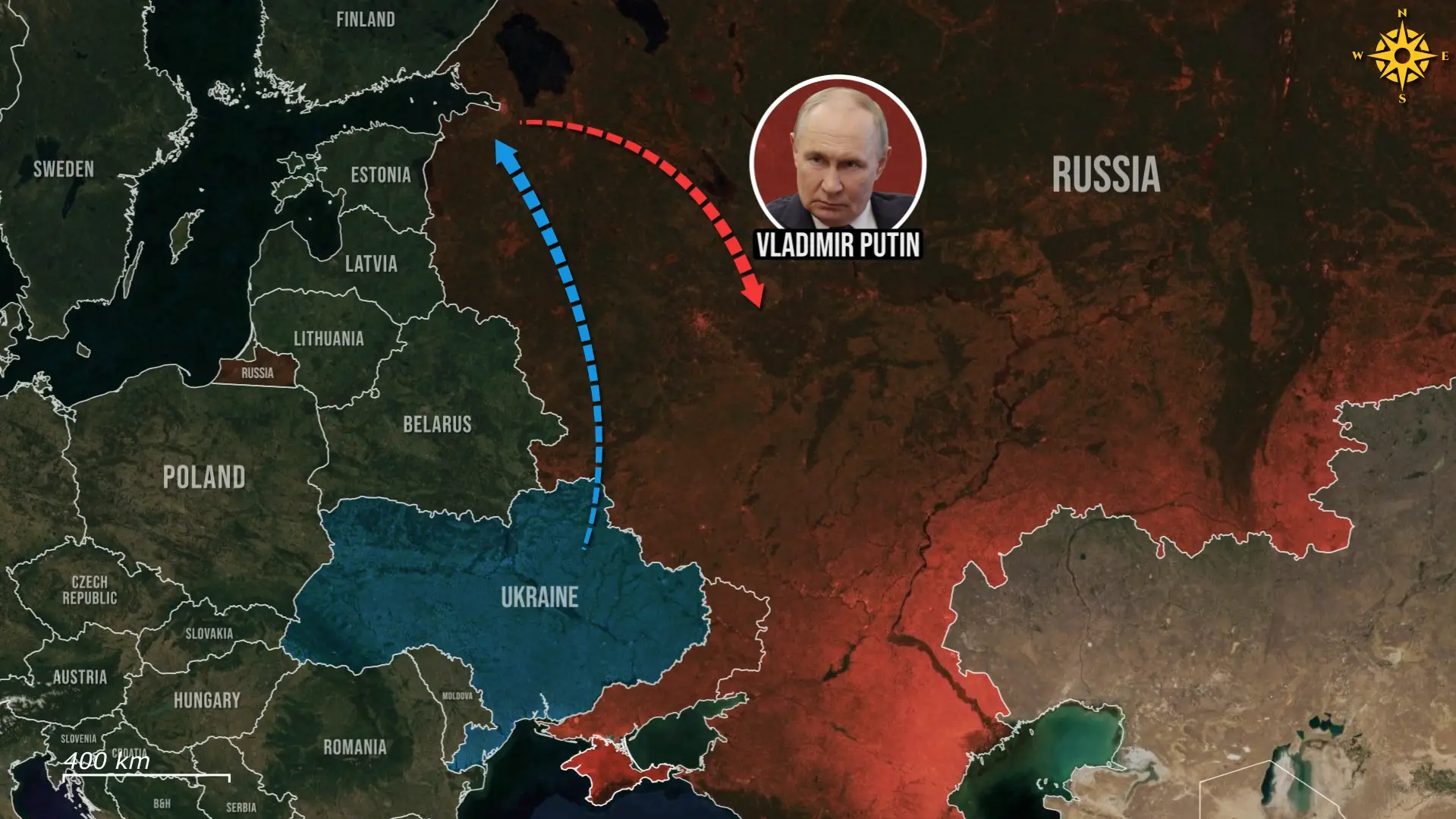
Russia's Defense Ministry claims it intercepted four Rusty Dagger cruise missiles, a US-developed weapon under the Exteneded range attack munitions program. The ministry provided no evidence or locations, and later removed the statement from its official channels. The reported use of the missiles comes as Putin contacts Trump, suggesting that Moscow is taking Ukraine’s new long-range capabilities seriously. However, it is plausible that Ukraine is already using these missiles, as eight hundred and forty were scheduled to be delivered by October two thousand and twenty-six.
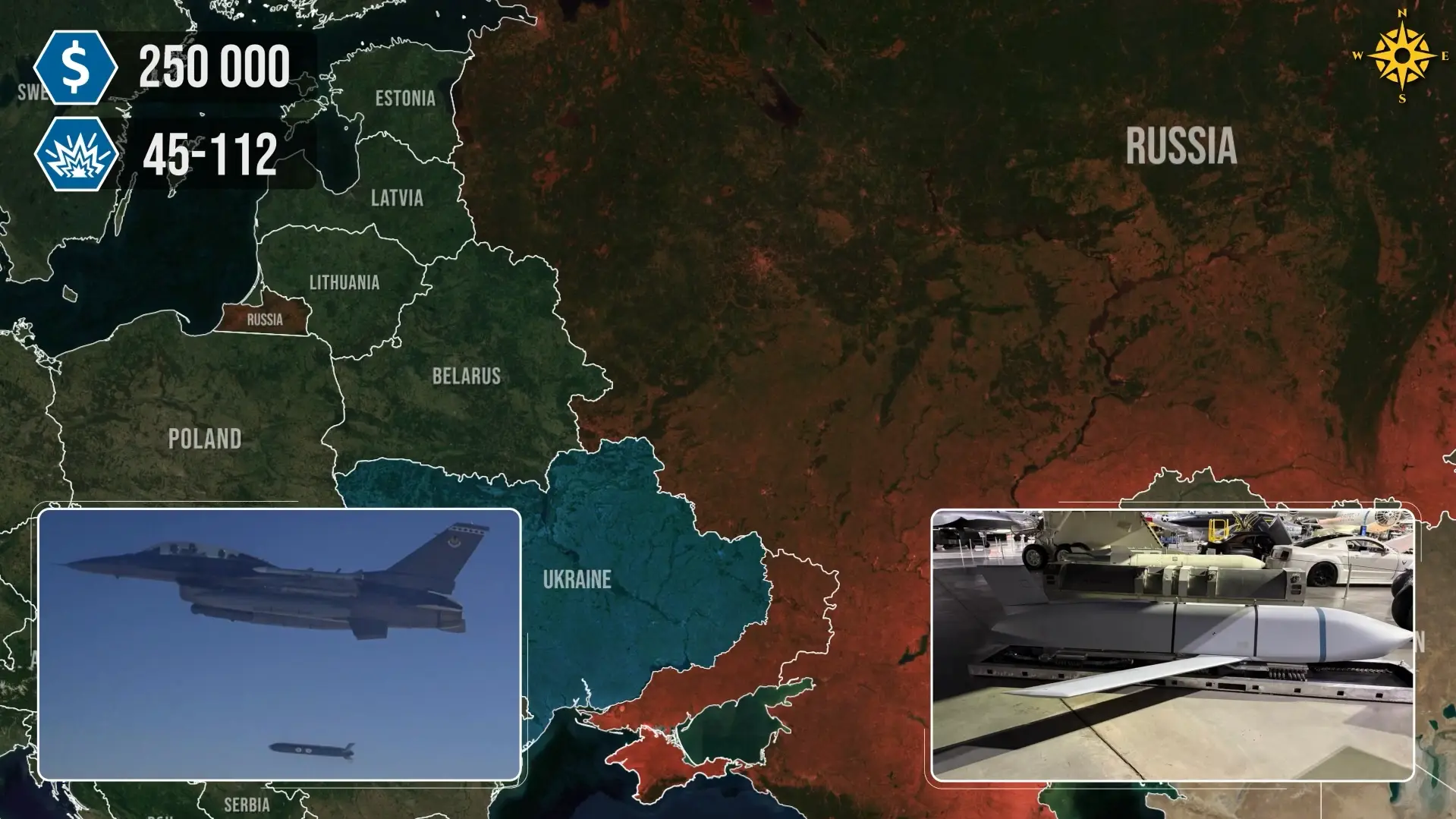
The missile was built specifically to be sent to Ukraine to give it affordable long-range missile capabilities. Eram was originally developed as an air-launched precision-strike weapon that could be produced in large numbers at a relatively low cost of around two hundred and fifty thousand dollars per missile. According to Boeing, it can carry different types of warheads, including blast-fragmentation, anti-ship, and air-to-air variants. Its warhead can weigh between forty-five and one hundred and twelve kilograms. The missile can also be adapted for ground or sea launches by fitting a solid-fuel booster to its tail.
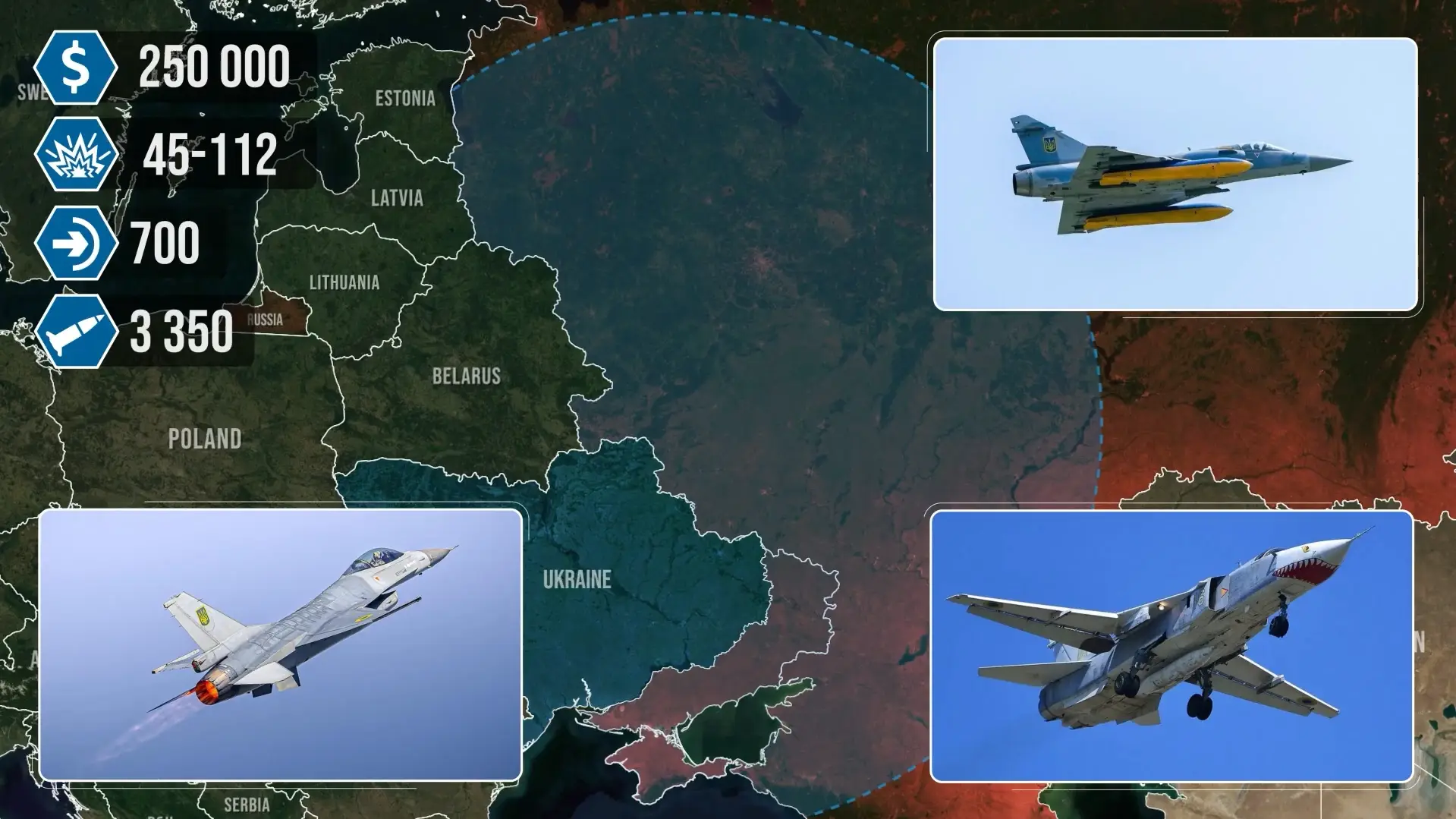
The air-launched version has an estimated range of nine hundred and twenty-six kilometres from medium altitude. The range of the ground-launched variant, however, has not been disclosed. The missile can reach speeds of approximately seven hundred kilometres per hour, making it a challenging target for Russian air defence systems. It can be launched from F-sixteen fighters and Su-twenty-four tactical bombers, while Mirage two thousand fighters could also carry the missile following the necessary modifications. The USA approved a potential sale of up to three thousand three hundred and fifty missiles in two thousand and twenty-five, which will be financed by Europe.
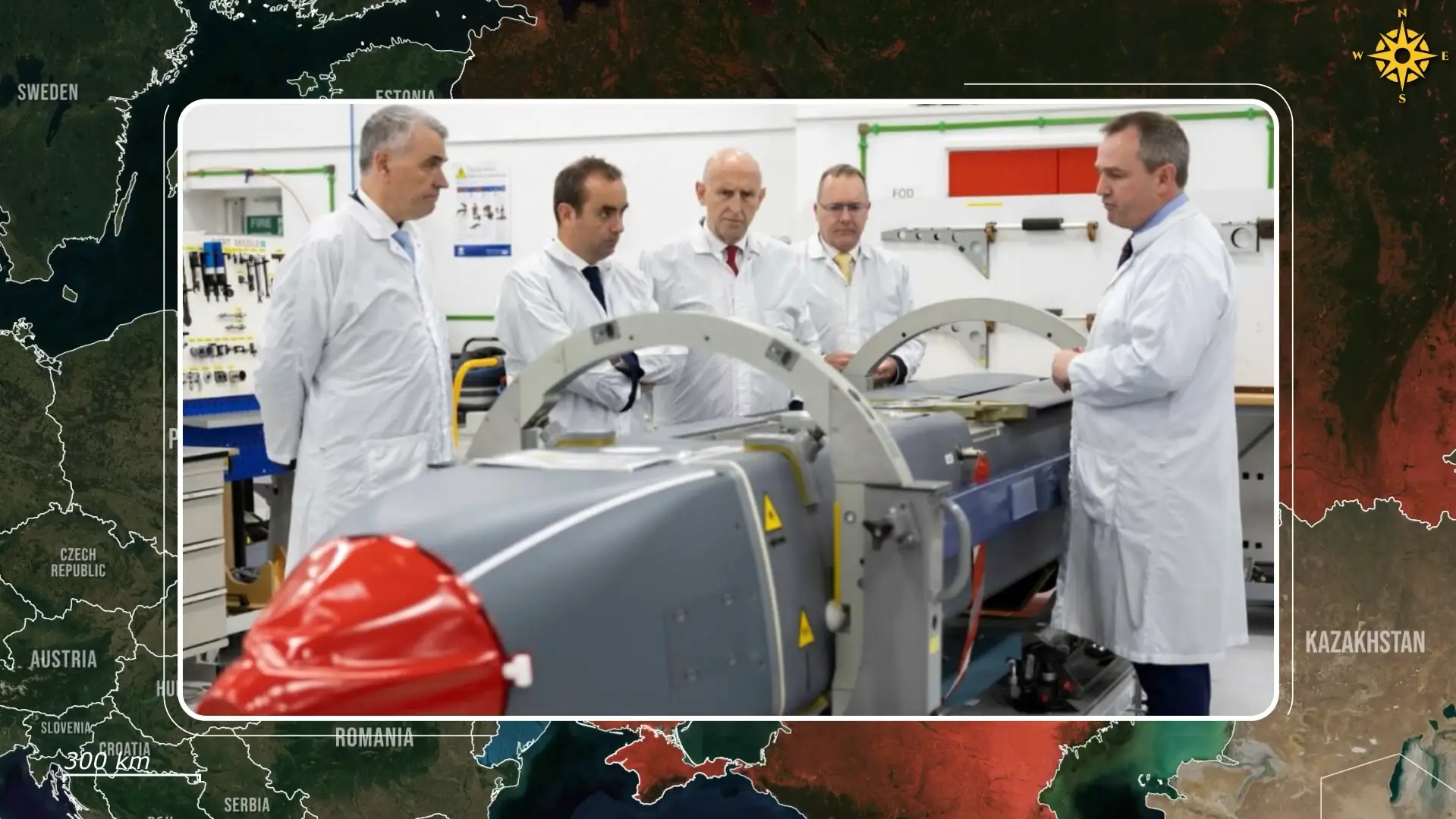
This quantity would fill a crucial gap in Ukraine’s long-range strike capabilities because Western countries have been so far unable to scale up their production. Additionally, Ukraine is only able to produce a small quantity of cruise missiles domestically, which is why the new Dagger missile will be an important addition.
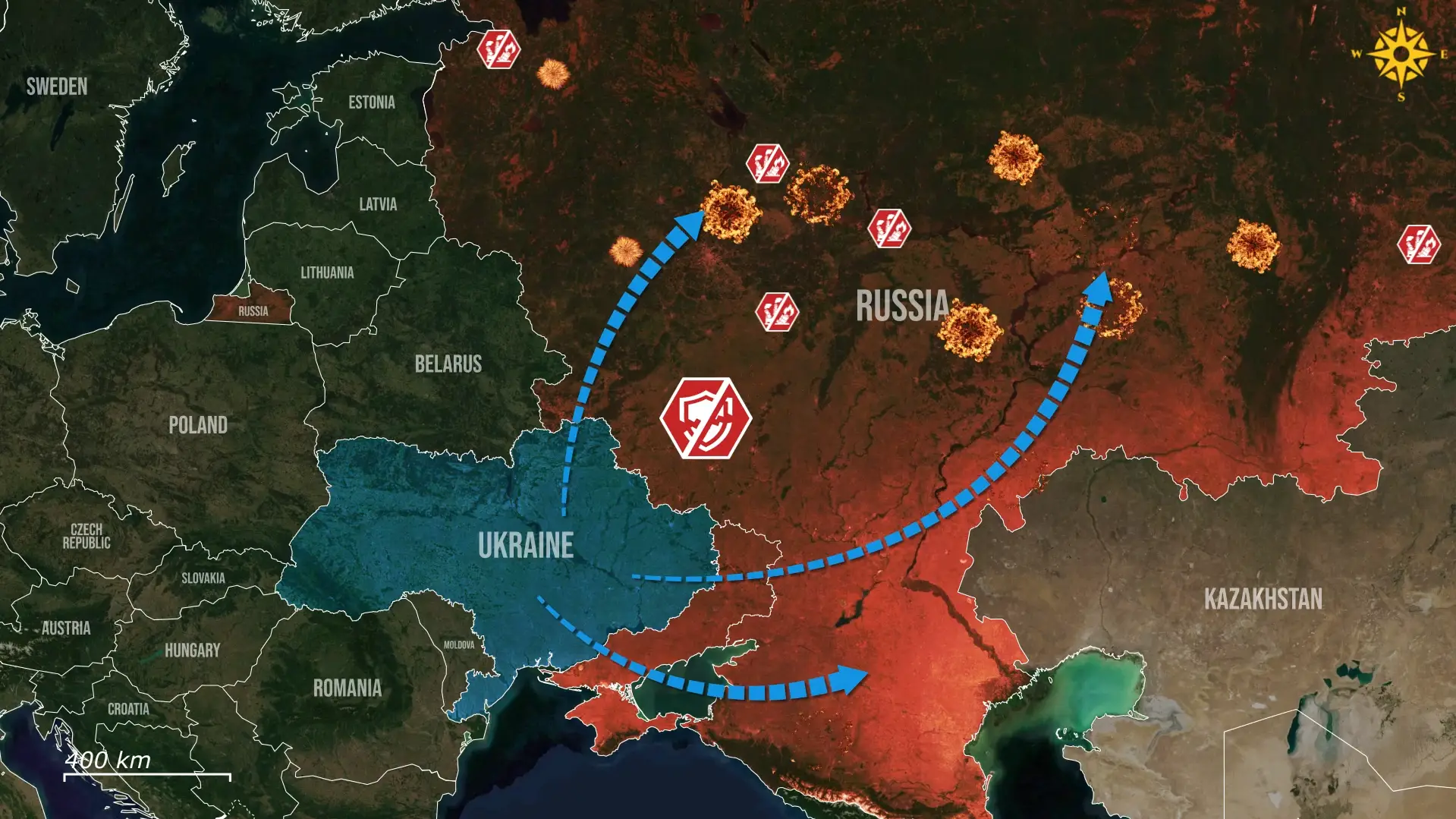
This creates a serious problem for Russia because its air defence was never designed to deal with so many relatively cheap, precision-guided weapons arriving alongside drones and domestically produced cruise and ballistic missiles. Every incoming target forces Russian commanders to make a difficult decision to spend expensive interceptors protecting a particular facility or risk allowing the missile through.
If Ukraine can launch these weapons in large and repeated waves, Russia will face a growing shortage of interceptors and be forced to spread its air-defence systems across an enormous territory. This could leave critical facilities increasingly exposed, particularly hardened military installations that require much more destructive warheads than drones can deliver. As Russia moves air-defence systems between military bases, factories and oil facilities, it will inevitably leave other areas less protected. Ukraine could then exploit these gaps with missiles carrying larger warheads than its long-range drones, causing damage that is more difficult and expensive to repair.
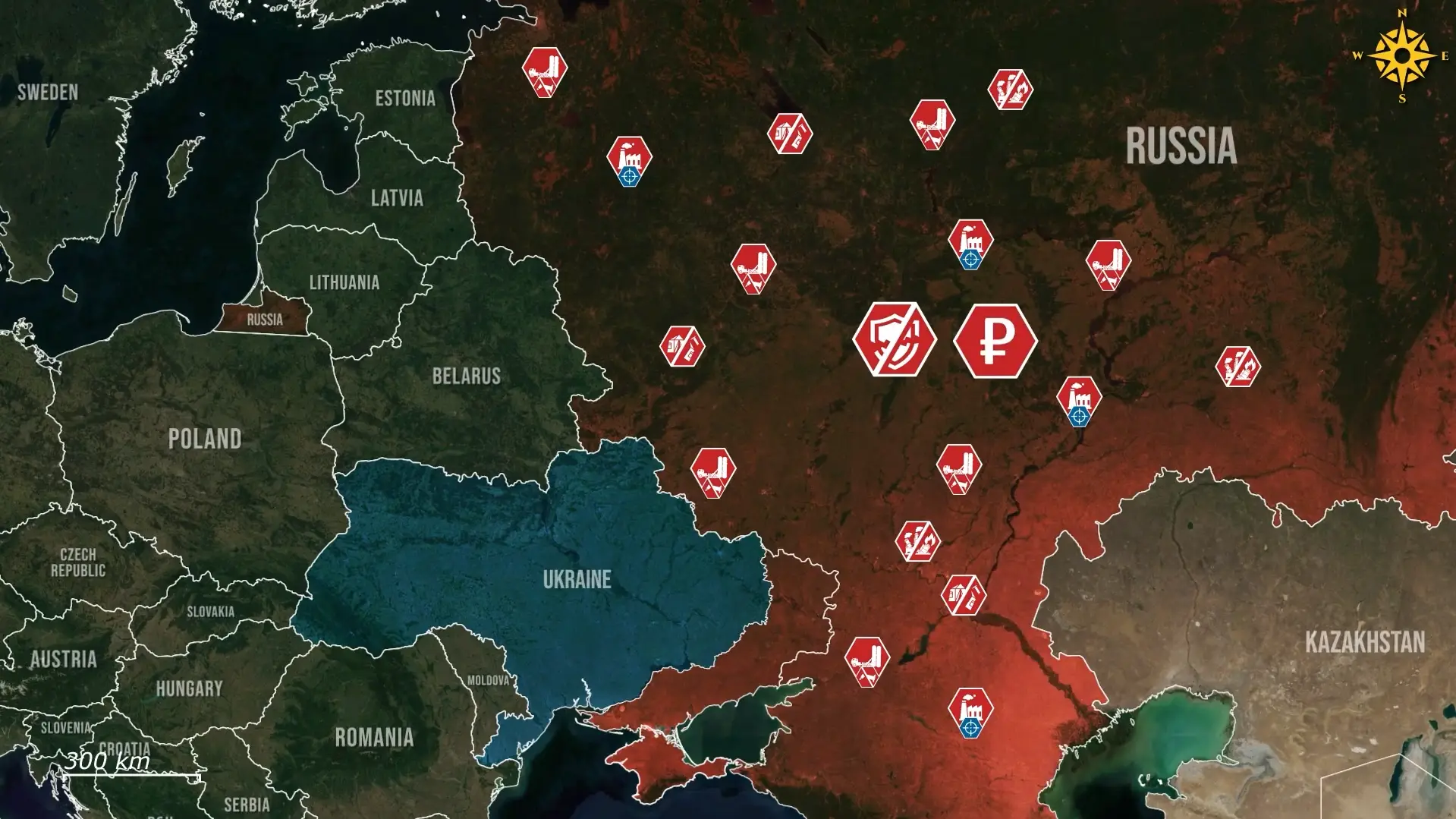
Overall, the real significance of this development is that Russia may soon face a completely different kind of air war. Until now, Moscow could anticipate the relatively high cost and limited availability of Western missiles to keep its most valuable facilities beyond Ukraine’s reach. But cheap, mass-produced weapons change that calculation, as Russia will no longer know which incoming threat deserves its limited interceptor missiles most. More importantly, Ukraine is not just gaining another missile, it is making Russia’s entire defensive strategy increasingly expensive and difficult to sustain. As Ukraine’s drone and missile production is increasing, the new Western missiles in huge quantities will allow it to devastate Russian military and oil infrastructure even more.




Comments