


Today, there are interesting updates from the Russian Federation.
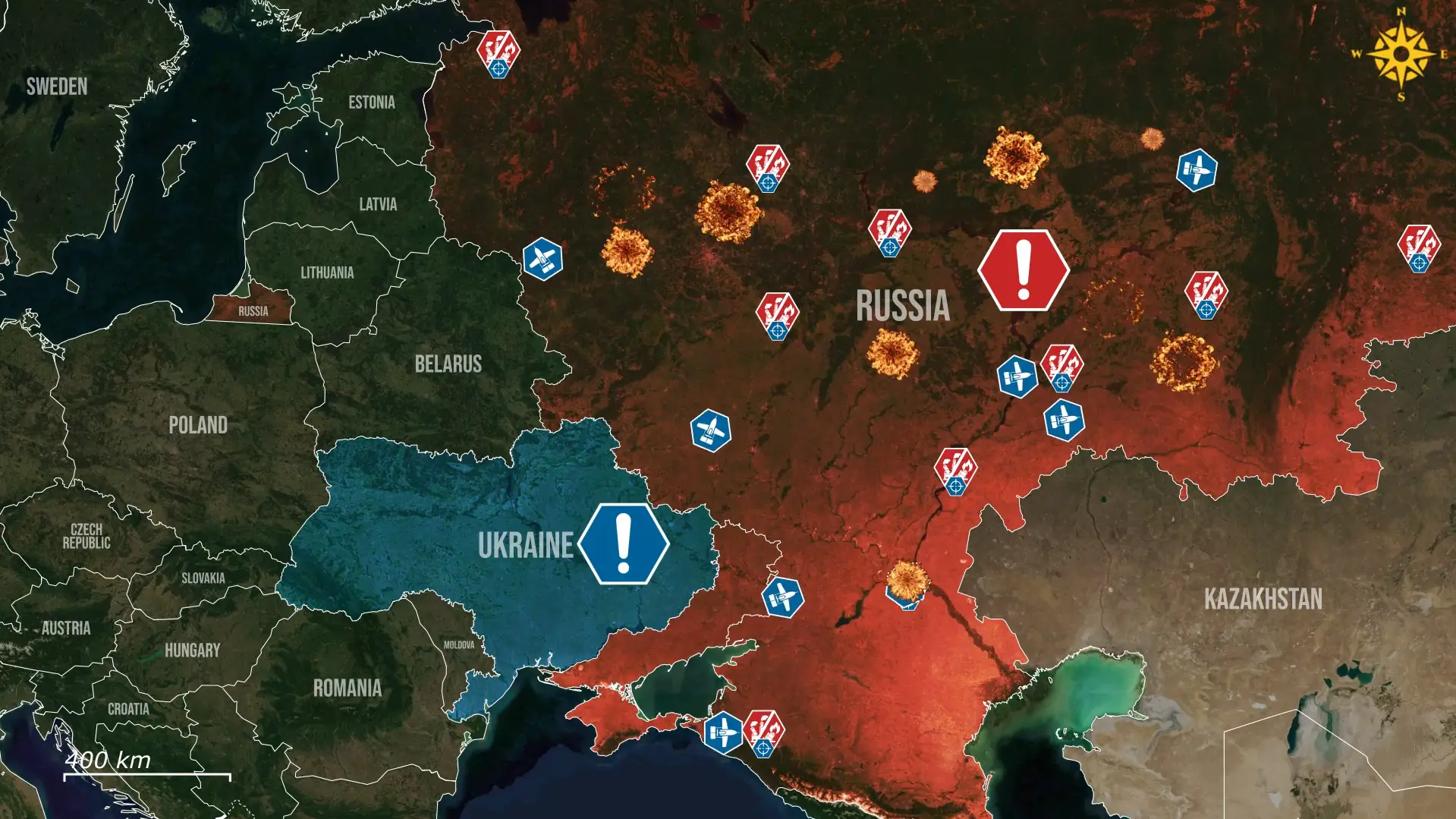
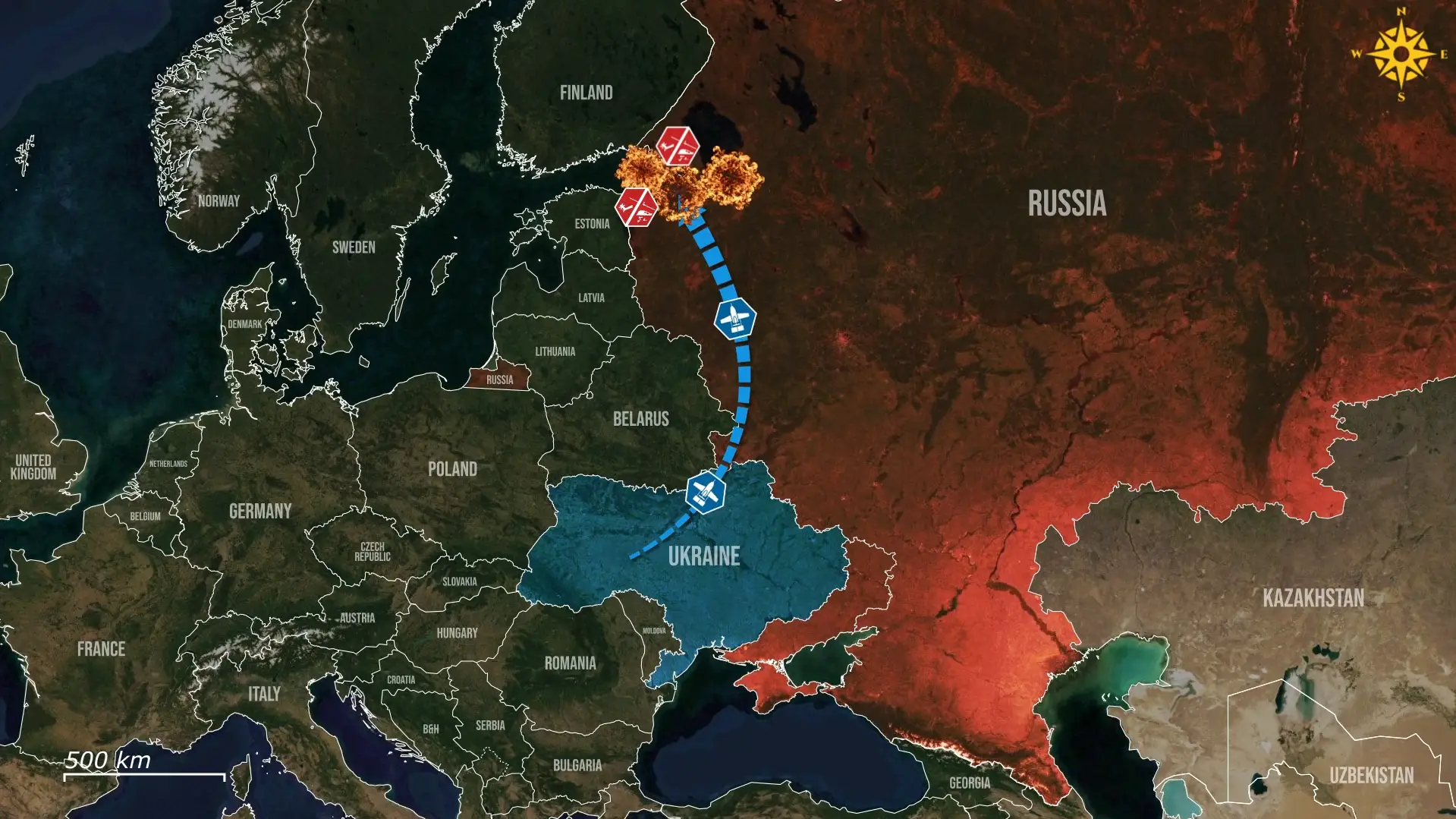
Here, Ukraine has unleashed another devastating wave of attacks against Russia’s oil industry, striking, among others, all five of the country’s largest refineries recently: Omsk, Kirishi, Ryazan, Nizhny Novgorod, and Yaroslavl. The scale of these attacks is becoming a nightmare for Moscow, exposing serious weaknesses in Russian air defenses as Ukrainian drones repeatedly penetrate supposedly protected key industrial facilities.
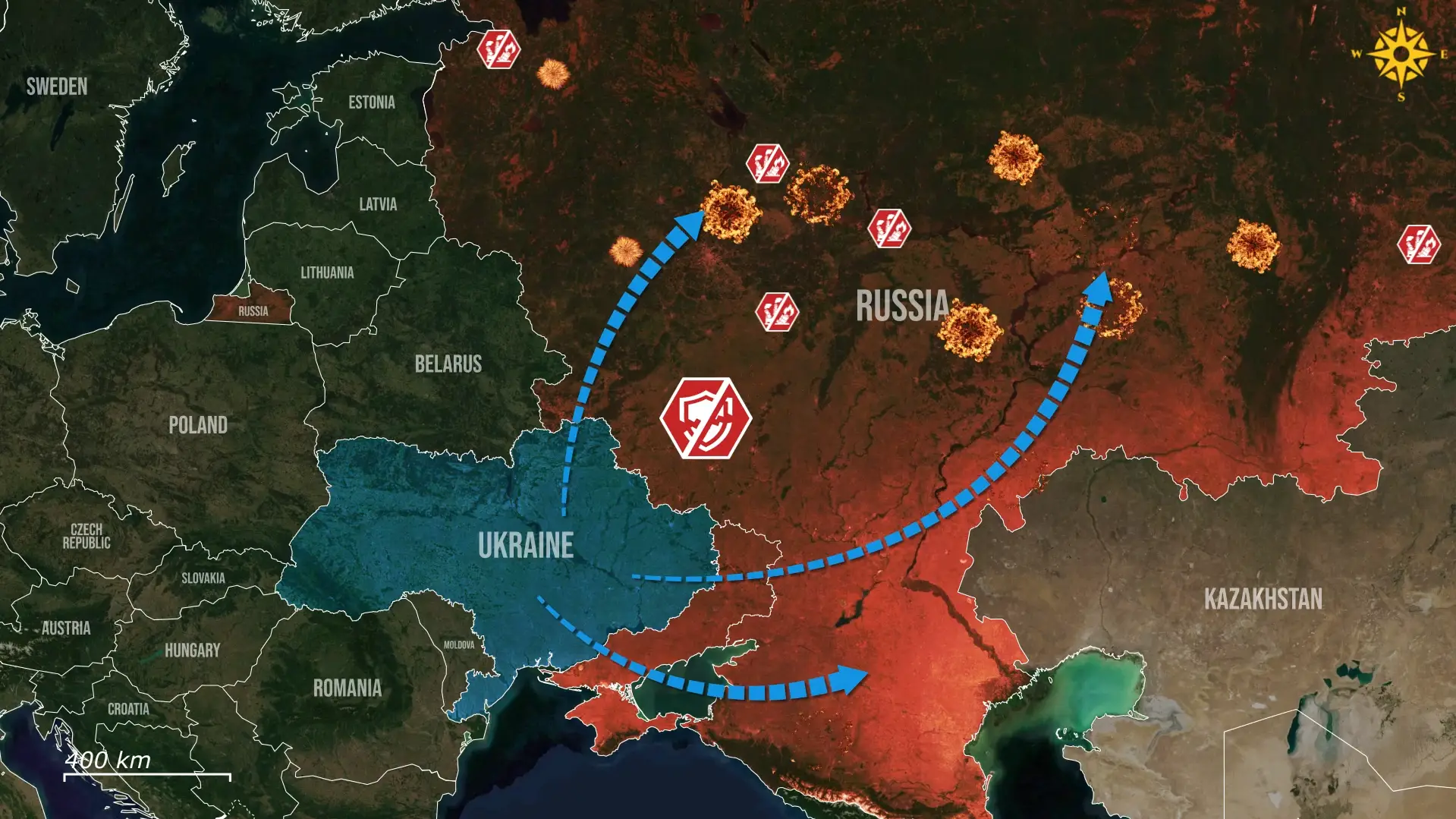
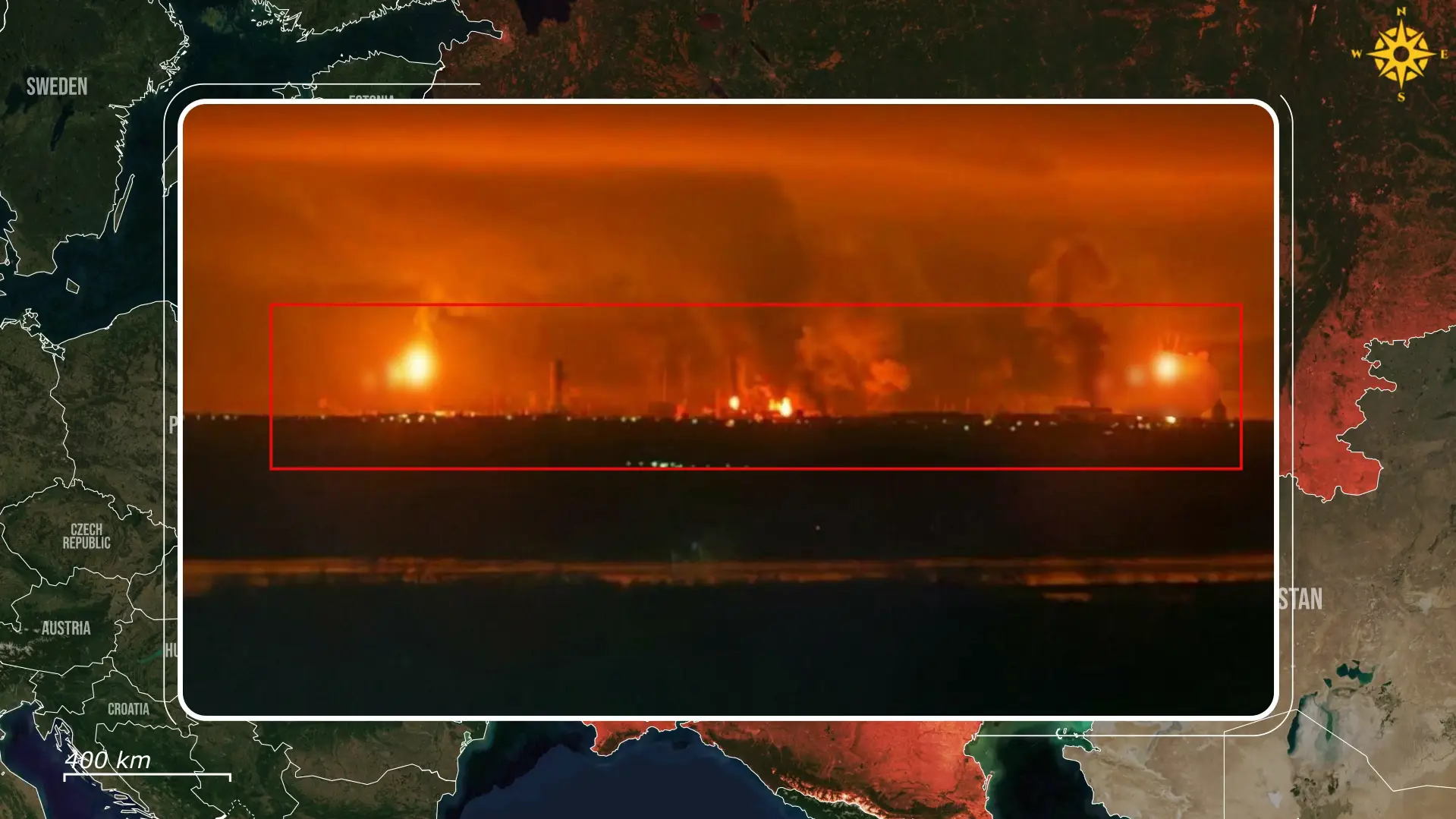
The latest strike occurred in Volgograd, where enormous fires erupted at the Lukoil refinery when Ukrainian drones struck two crucial processing units, responsible for approximately seventy percent of the refinery’s primary crude-processing capacity. Storage tanks have also been damaged, but with both processing units suffering extensive damage, the consequences are substantial, as Volgograd processes approximately fifteen million tons annually, representing around five percent of Russia’s refining capacity.
Following the energy ceasefire associated with US President Trump, Russia received an opportunity to repair damaged refineries and restore production, with Russian crude processing rebounding approximately twenty-five percent, with Moscow keen on rebuilding an industry generating enormous revenues for its war effort.
Ukraine is now reversing that recovery, as the refineries and the other connected infrastructure around Volgograd, Omsk, Kirishi, Saratov, Afipsky, Ryazan, Nizhny Novgorod, Yaroslavl, Ufa and Samara collectively represent approximately one-hundred-and-fifty million tons of annual processing capacity. If twenty to thirty percent of that capacity generated exportable products valued at seven hundred US dollars per ton, potential gross annual export sales would reach approximately between twenty-one and thirty-one billion US dollars, illustrating the economic stakes for Russia.
At Omsk, Russia’s largest refinery, capable of processing approximately twenty-two million tons annually, residents reported prolonged explosions, fires, and air-defense activity during another Ukrainian drone attack. The Kirishi refinery also suffered similar serious damage, as the facility, capable of processing approximately twenty million tons annually, was also struck by Ukrainian drones. Subsequent analysis identified damage to three primary processing units, fuel-oil equipment, cooling-water infrastructure, and connecting pipelines. Such extensive damage to refineries is particularly consequential because repairing interconnected refinery equipment can require even more time, specialized components, and extensive testing.
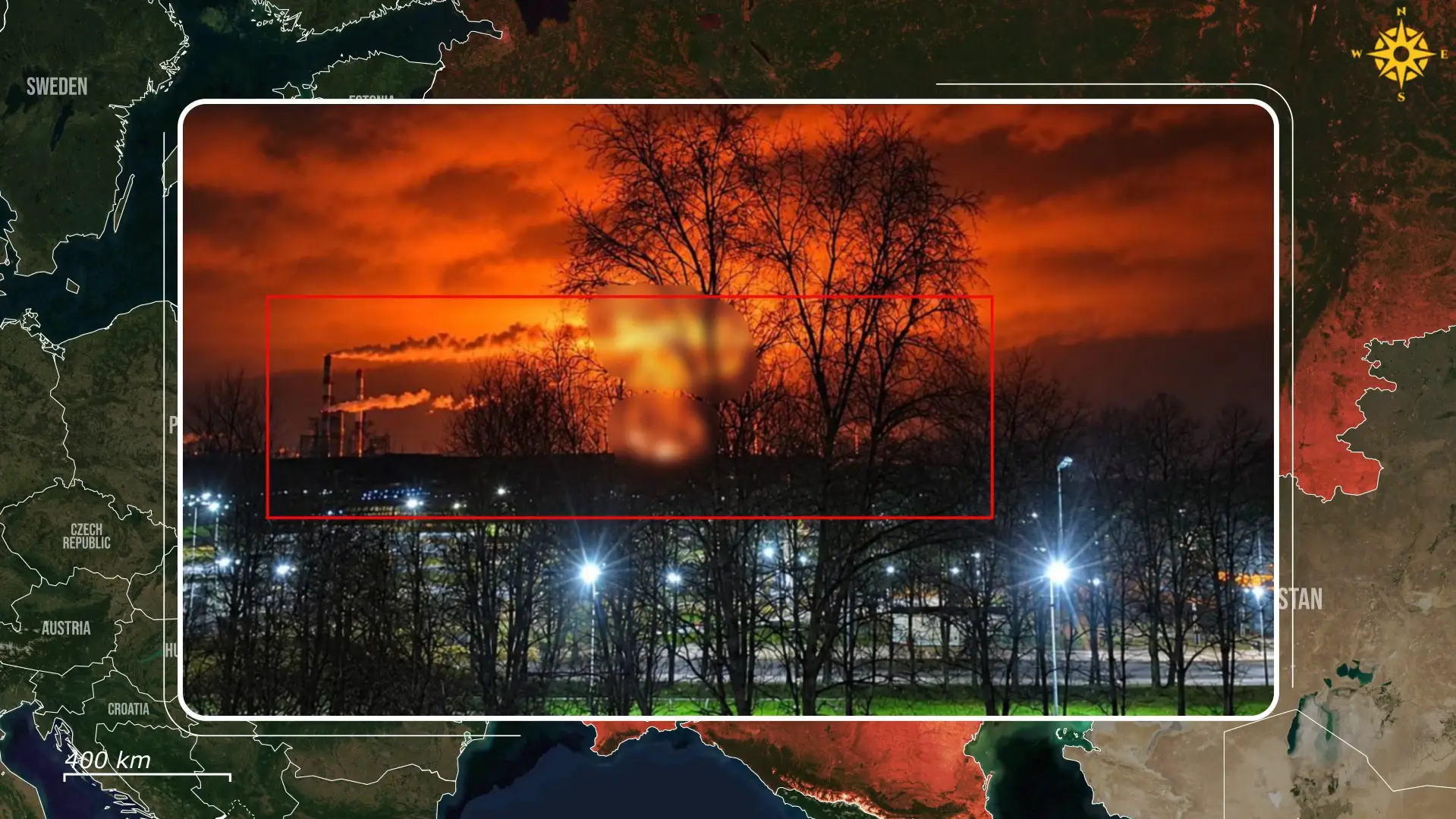
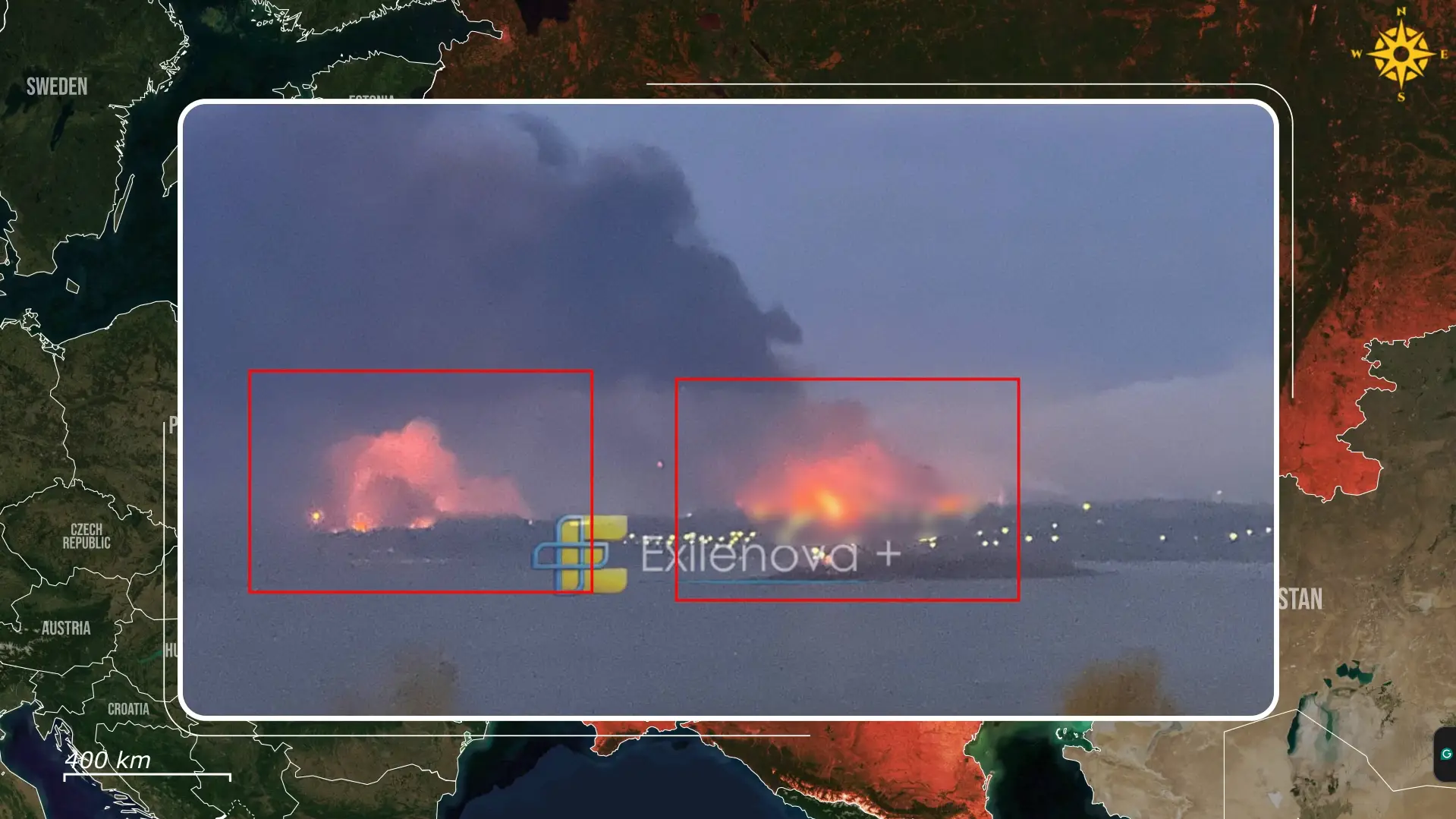
At Saratov, another Rosneft facility processing approximately seven million tons annually, suffered mutliple fires triggered by Ukrainian drones. The Afipsky refinery in Krasnodar, capable of processing approximately six million tons, also experienced explosions and fires during a substantial drone attack. Ryazan, with capacity exceeding seventeen million tons annually, suffered several massive fires after another Ukrainian strike. The refinery produces gasoline, diesel and aviation fuel, making disruptions relevant to both civilian consumption and military logistics. Further attacks were reported at Yaroslavl, where fire appeared in the refinery area, and Kstovo, where the enormous Norsi refinery was set ablaze. In Bashkortostan, drones struck Ufa’s Bashneft-Novoil refinery, with a catalytic reforming unit burning for several days, damaging equipment that is important for producing gasoline components. Finally, Ukraine struck Novokuybyshevsk in Samara, a refinery processing approximately nine million tons annually and producing jet fuel alongside other petroleum products.
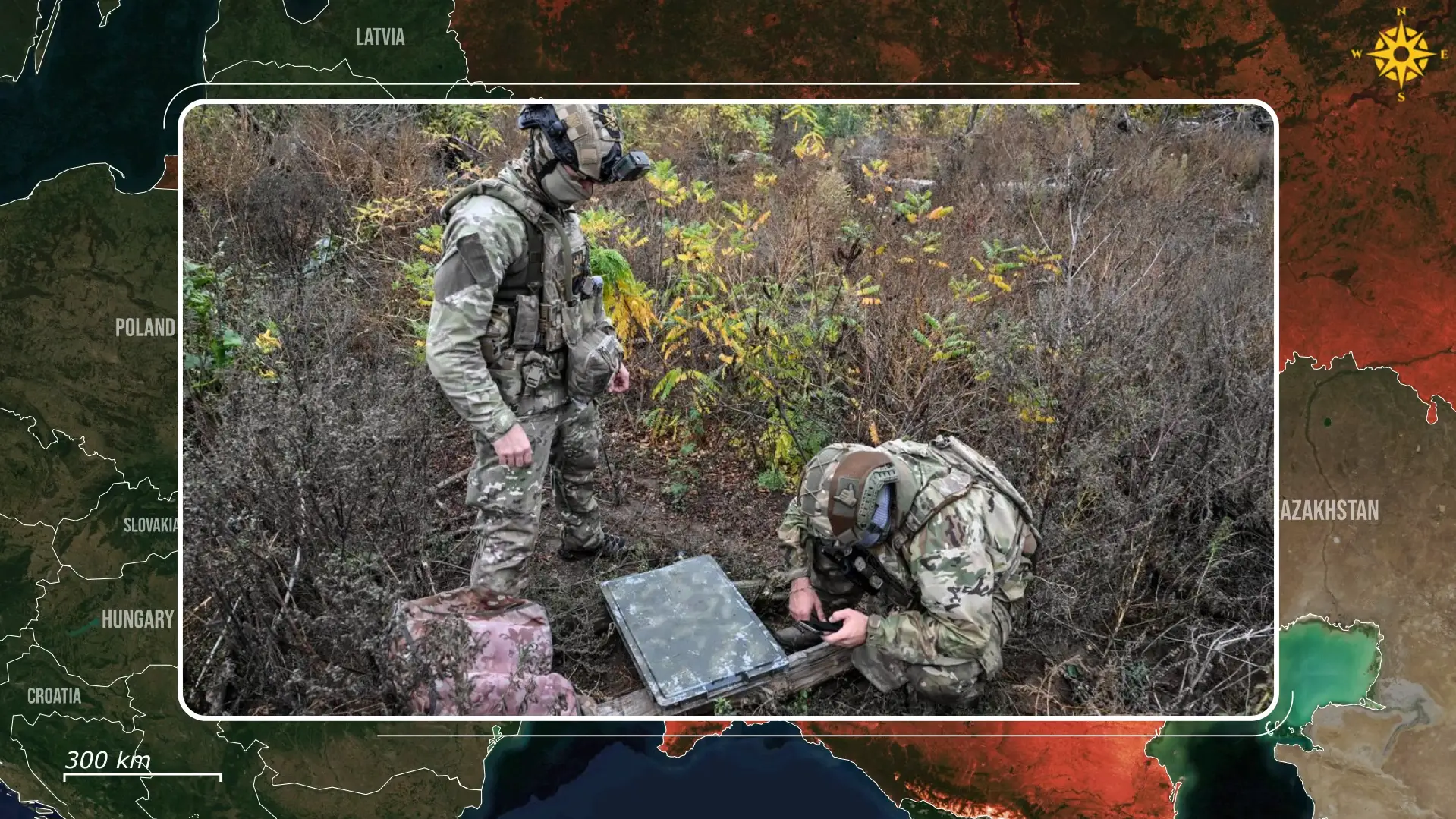
Together, these Ukrainian attacks damage Russian refining throughput, domestic fuel availability, export earnings, and military supply chains. Repeated strikes also reduce Russia’s ability to divert air-defense systems toward industrial facilities across an enormous territory. The growing number of refinery fires suggests Russian defenses are struggling to prevent successful penetrations, to the point where the Russian air-defense network has nearly collapsed.
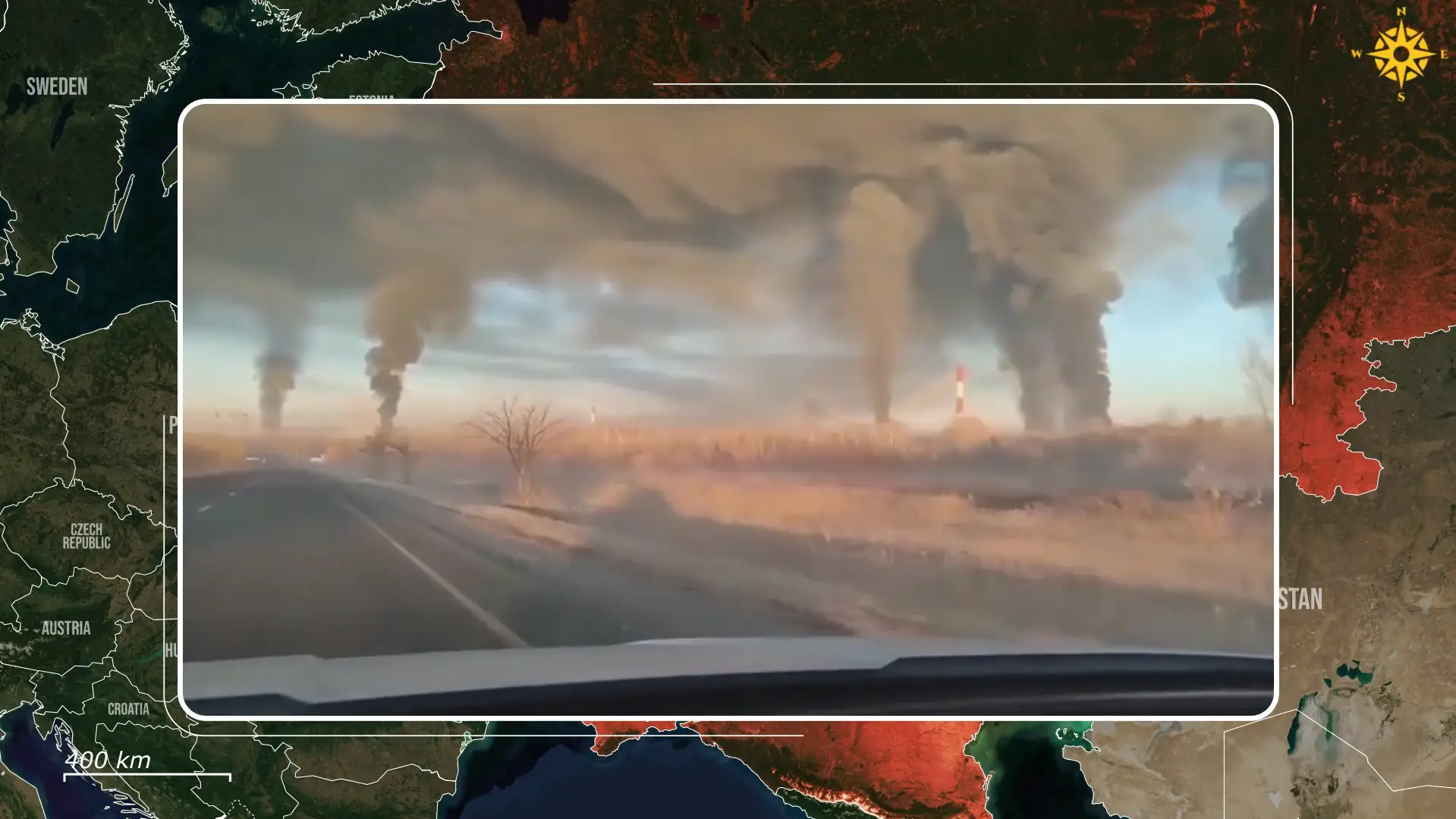
Overall, as confirmed damage continues to accumulate, Russia faces prolonged production interruptions and increasingly expensive repairs. This is Ukraine’s response to a pause that allowed Russian refining to recover without ending attacks against Ukrainian infrastructure. Russia hoped to restore its oil revenues while continuing its war, but Ukraine is demonstrating that renewed production remains vulnerable and that every repaired refinery can become a target again, only that this time Ukrainian strikes are much more efficient and destructive.




Comments