


Today, the biggest news comes from the Russian Federation.
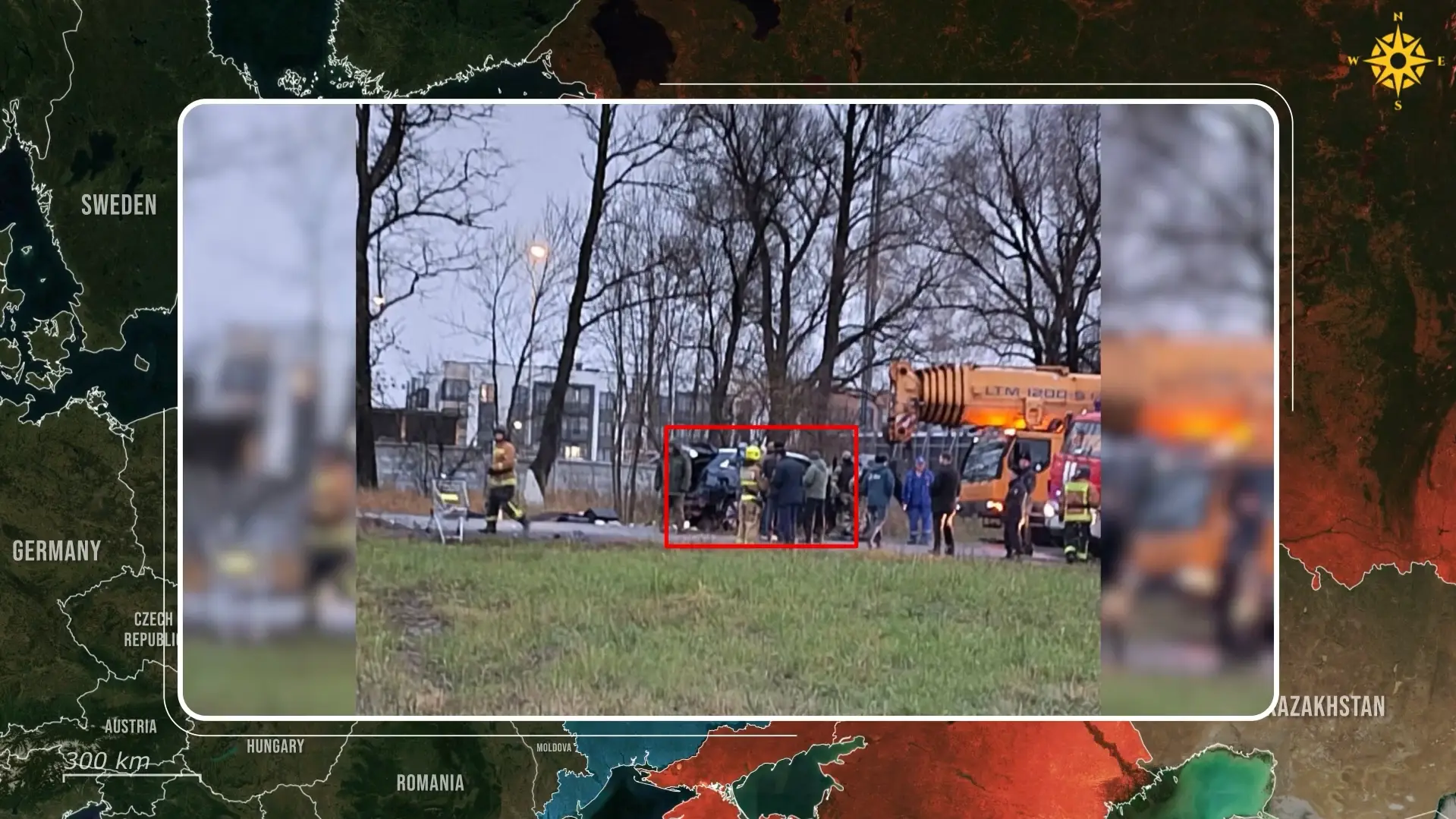
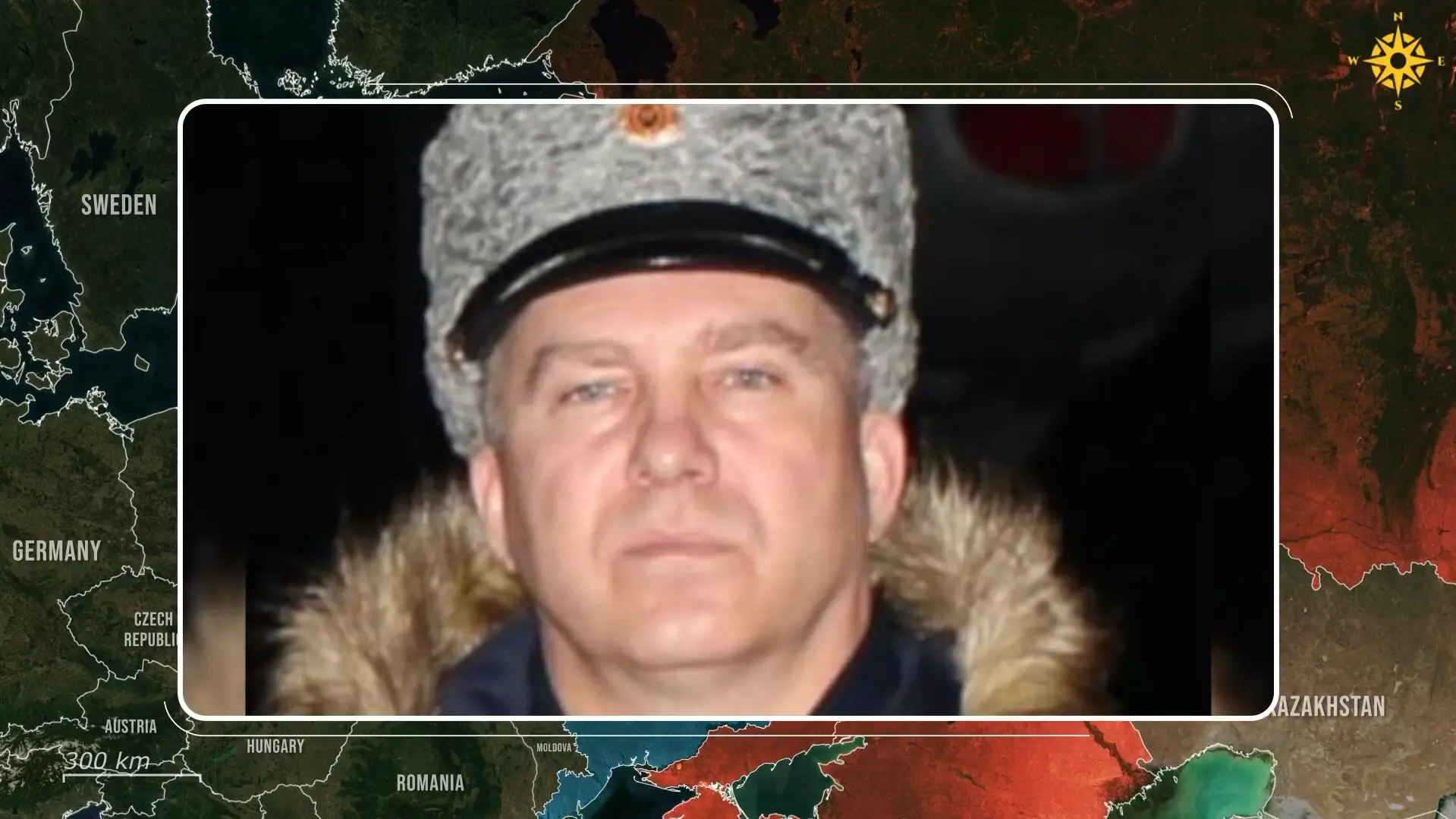
A Russian colonel was targeted in a car bombing in Saint Petersburg. The vehicle, reportedly carrying the chief navigator of the sixth Air Army of the Russian Air Force and Air Defense Forces, was fitted with an explosive device beneath its chassis during the night. The bomb detonated this morning as the car was pulling onto a highway.
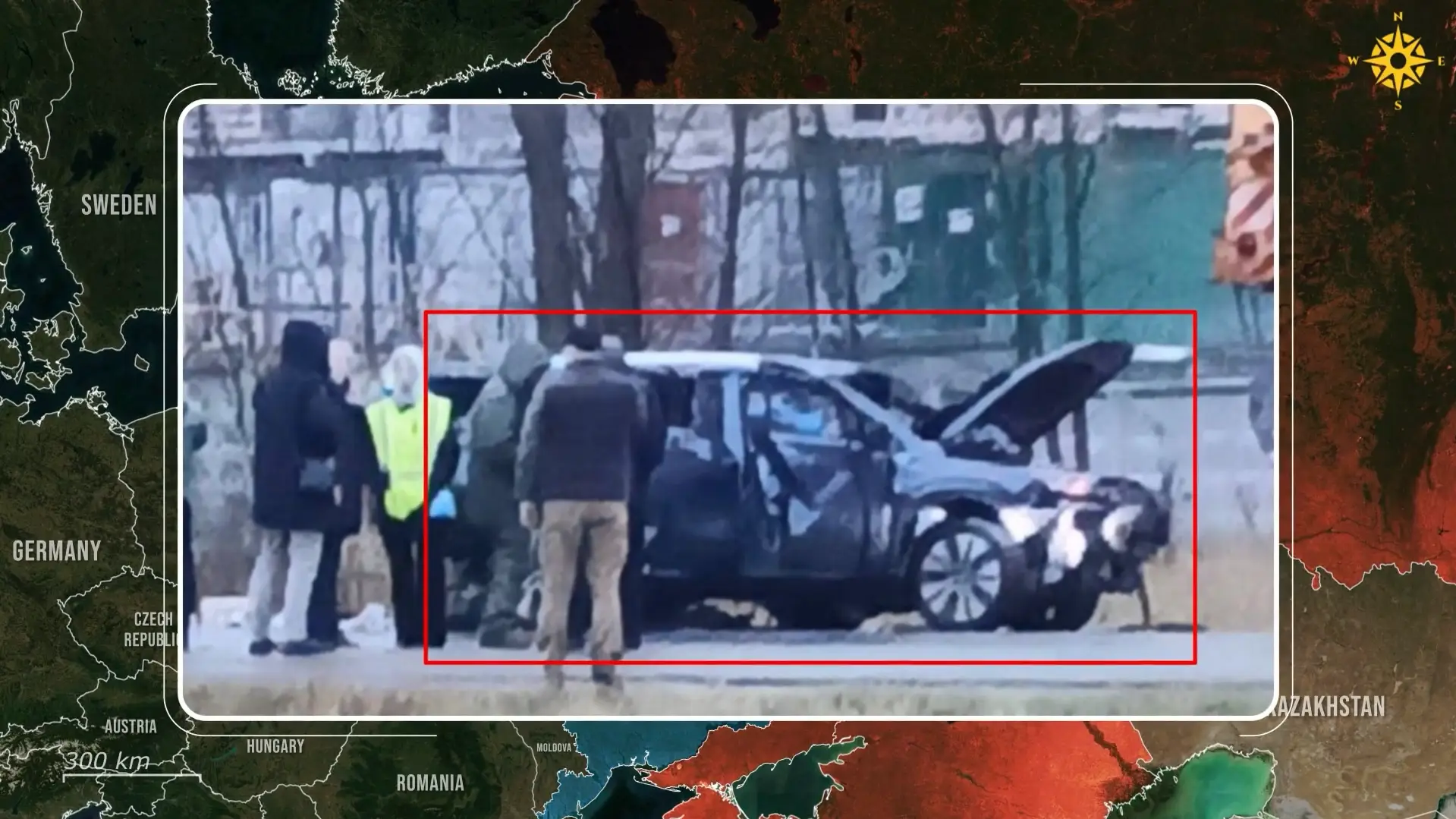
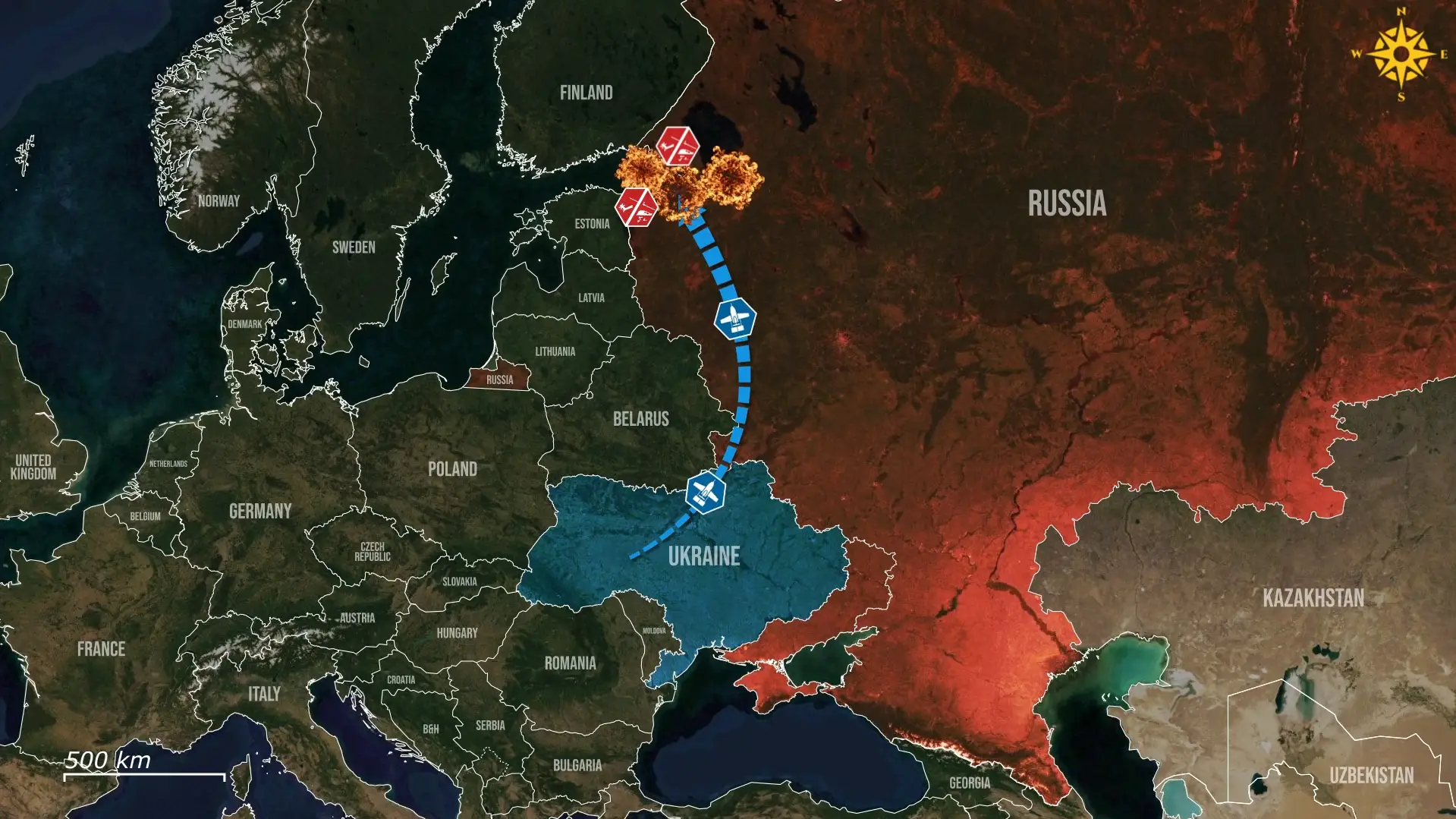
According to Russian reports, the suspected perpetrator is a thirty-one-year-old resident of Saint Petersburg who followed the Russian colonel for months and planted the device before fleeing the country. Just two hours after the explosion, the perpetrator was already at Pulkovo Airport, where he boarded a flight to Turkey. Russian security services contacted their Turkish counterparts in an attempt to locate him, only to discover that he had already left Turkey and traveled to Moldova, out of Russian services’ reach. Russian media have also claimed that the explosive device itself was brought into the Leningrad region by a balloon launched from the Baltic region, although no evidence of this was provided.
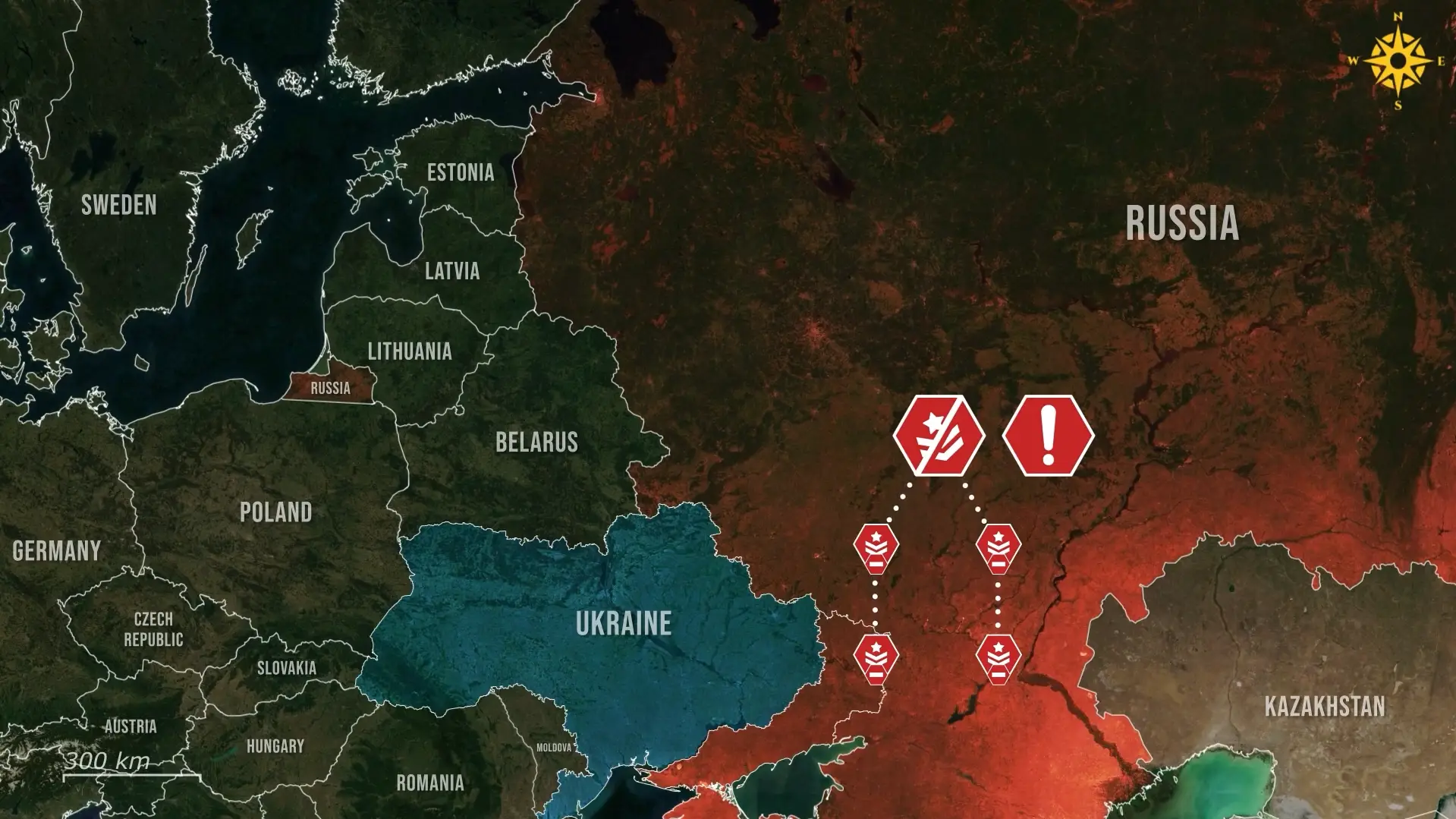
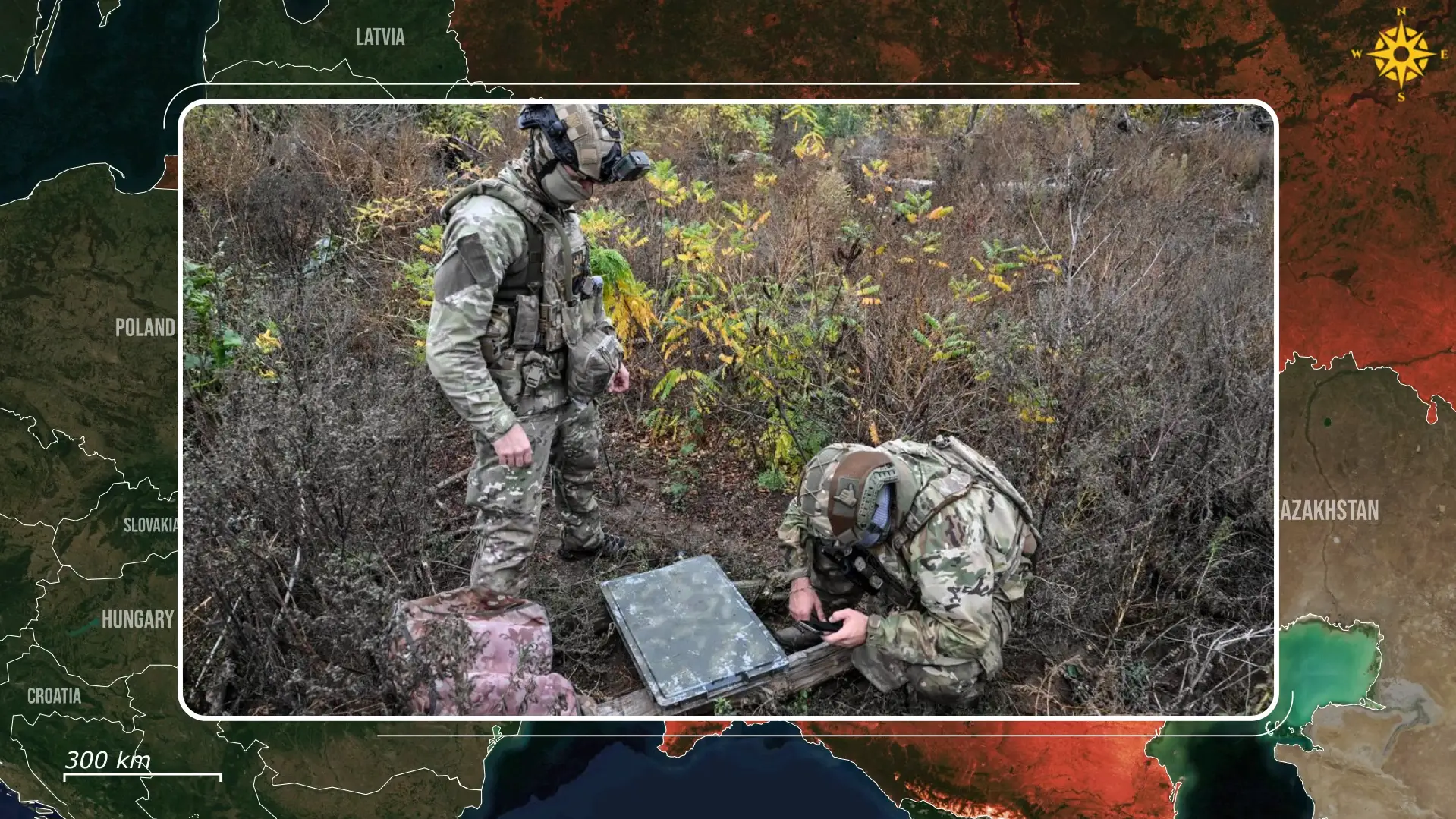
However, this wasn’t a standalone incident, as Ukraine has been conducting a campaign since Russia’s full-scale invasion to eliminate Russia's high-ranking officers. Notably, Ukraine has been tracking down and liquidating Russian officers in the Russian-controlled parts of Ukraine and in Russia itself. After finding them, Ukraine uses Himars and drone strikes inside Ukraine, or improvised explosive devices and undercover agents to kill Russian officers inside Russia.
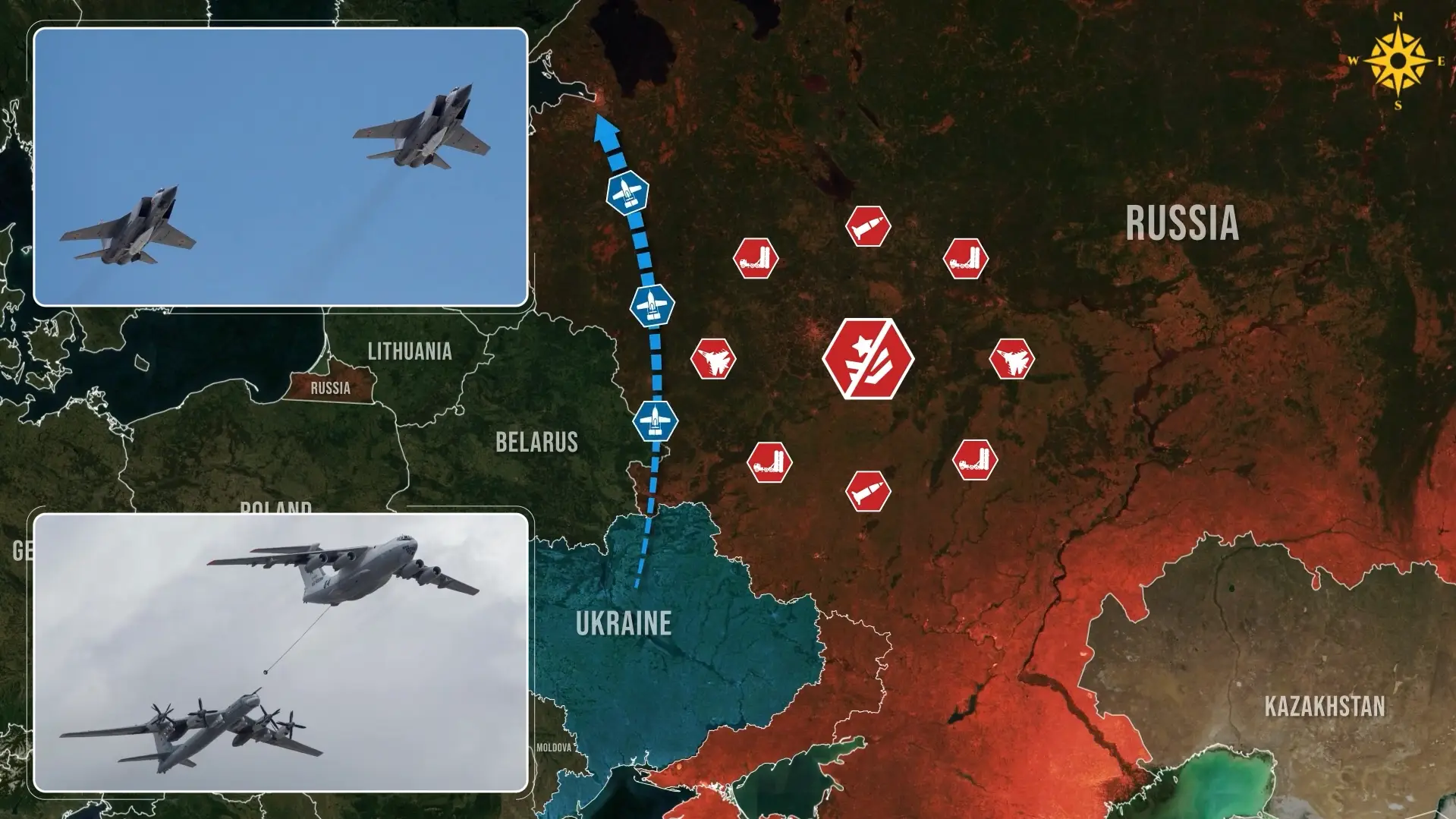
The chief navigator of Russia’s sixth air army is responsible for the navigation, flight routing, and weapons-targeting precision of an entire regional aviation and air defense formation. He acts as the head of the navigation service across multiple aviation regiments and air defense units.
His task is to design complex flight paths, strike corridors, and interception routes for bomber, fighter, and transport units. This includes calculating fuel consumption, safe minimum altitudes, and precise timing so multiple aircraft reach targets simultaneously. With his elimination, Russia lost a highly skilled expert, which could undermine its strike campaign and the effectiveness of its air defense, which already proved inefficient during yesterday's massive Ukrainian drone strike on the region. Additionally, losing generals cumulatively costs the command effectiveness, experience, and operational coordination, rather than causing a sudden collapse. Senior officer deaths undermine coordination between subordinate units and create disruptions until deputies can fill in. However, successors need time to understand the operational picture, build relationships with subordinates, and restore staff processes.
Independent tallies put confirmed Russian high-ranking officer deaths at approximately nineteen, while at least five thousand mid-ranking officers have been killed since the full-scale invasion. Notably, Ukraine targeted Lieutenant General Vladimir Alekseyev, who was the first Deputy Head of the Main Directorate of the General Staff. He was shot multiple times at the entrance of his Moscow apartment building. After that, Ukrainian agents blew up Colonel General Alexander Chayko, the recently appointed head of Russia’s Aerospace Forces. An explosion occurred at a restaurant in Moscow during what was reported as his appointment celebration.
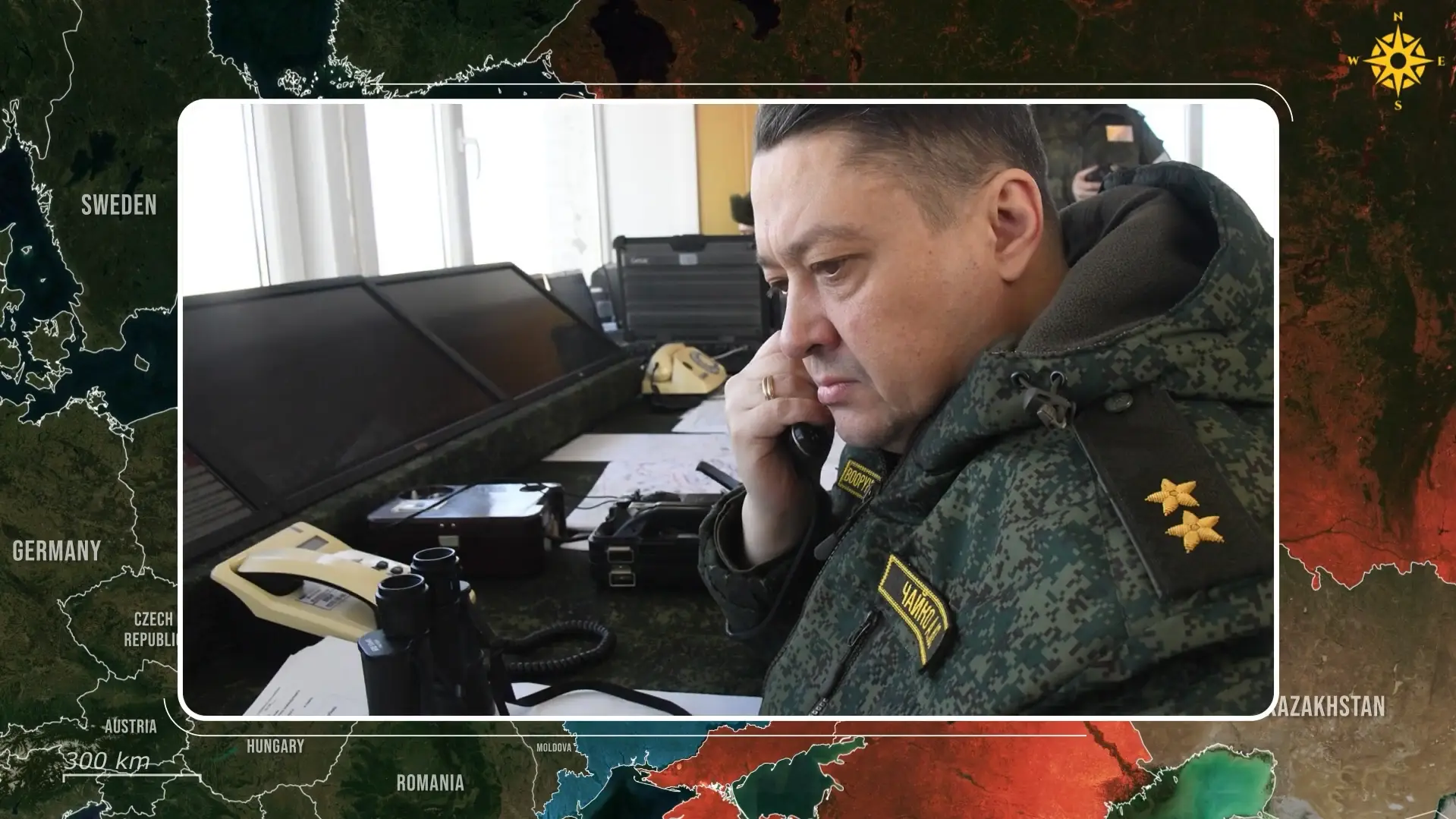
Overall, Ukraine’s campaign against Russia’s senior officers is about weakening the military machinery behind the invasion, not simply eliminating individual commanders. Every experienced officer killed represents years of knowledge, established relationships, and an understanding of how different units operate together. Russia can appoint replacements, but it cannot instantly replace that experience, while over time, these losses create friction throughout the command structure, making planning, coordination, and execution increasingly difficult.



Comments