


Today, there are important updates from the Russian Federation.
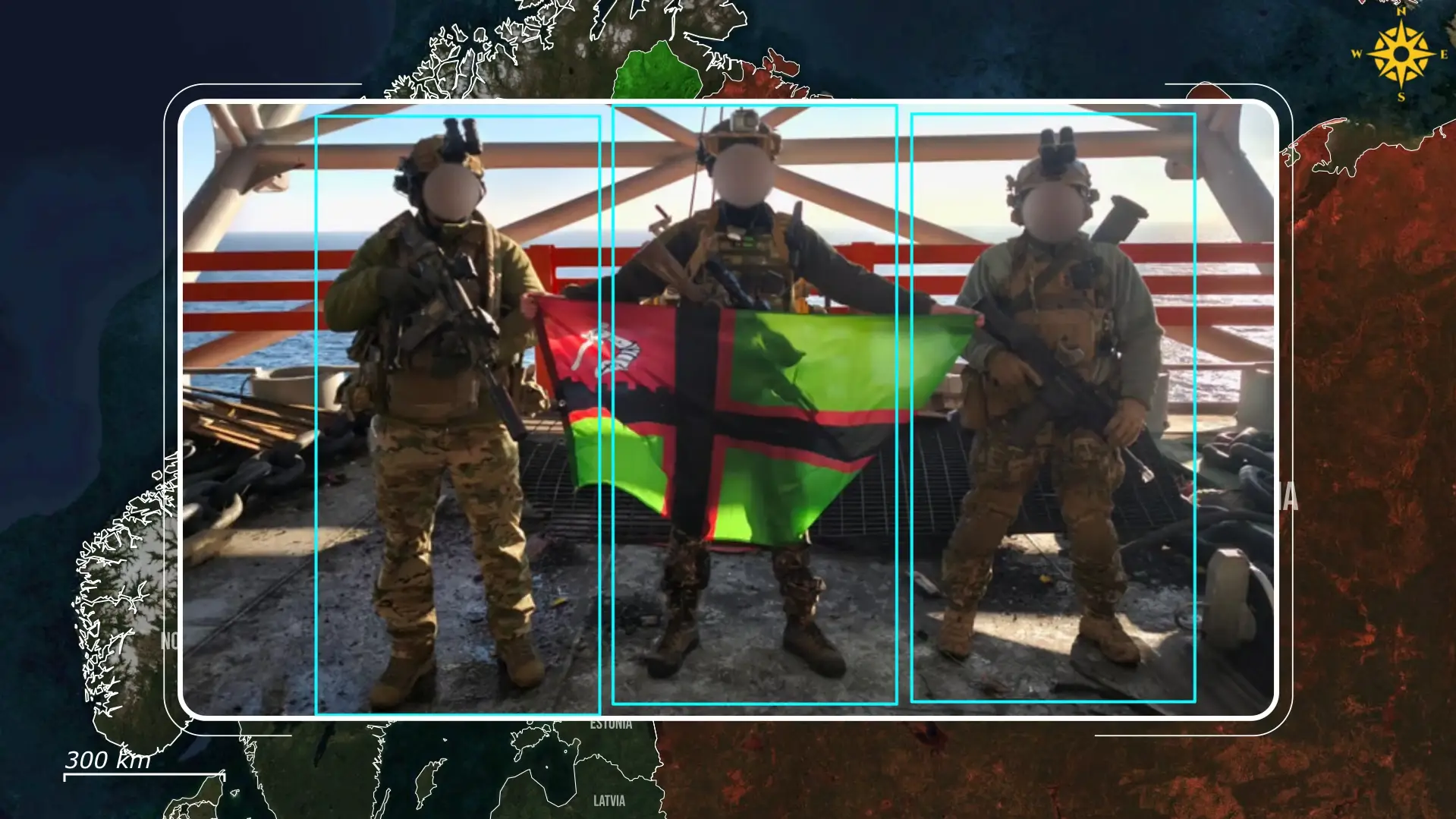
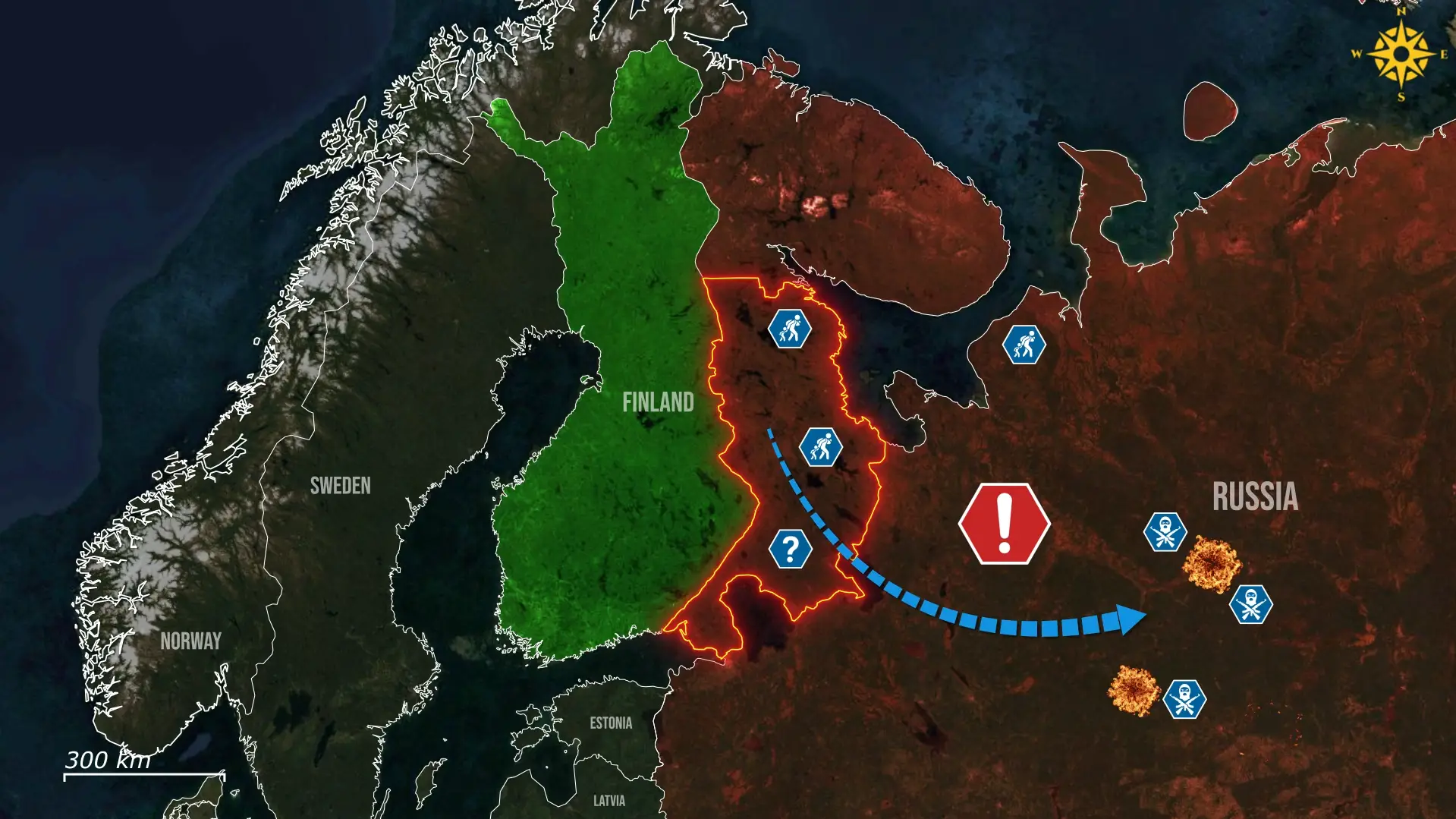
Here, Russia is facing a new separatist challenge from within, as armed Karelian activists have declared their intention to fight Moscow and pursue independence for Karelia, the northern region bordering Finland. Calling themselves the Northern Brotherhood, masked men carrying weapons have appeared in videos announcing preparations for partisan resistance against Russian authorities. The organization claims to defend people of Finnic origin and is recruiting supporters for information campaigns, underground activities, and armed operations.
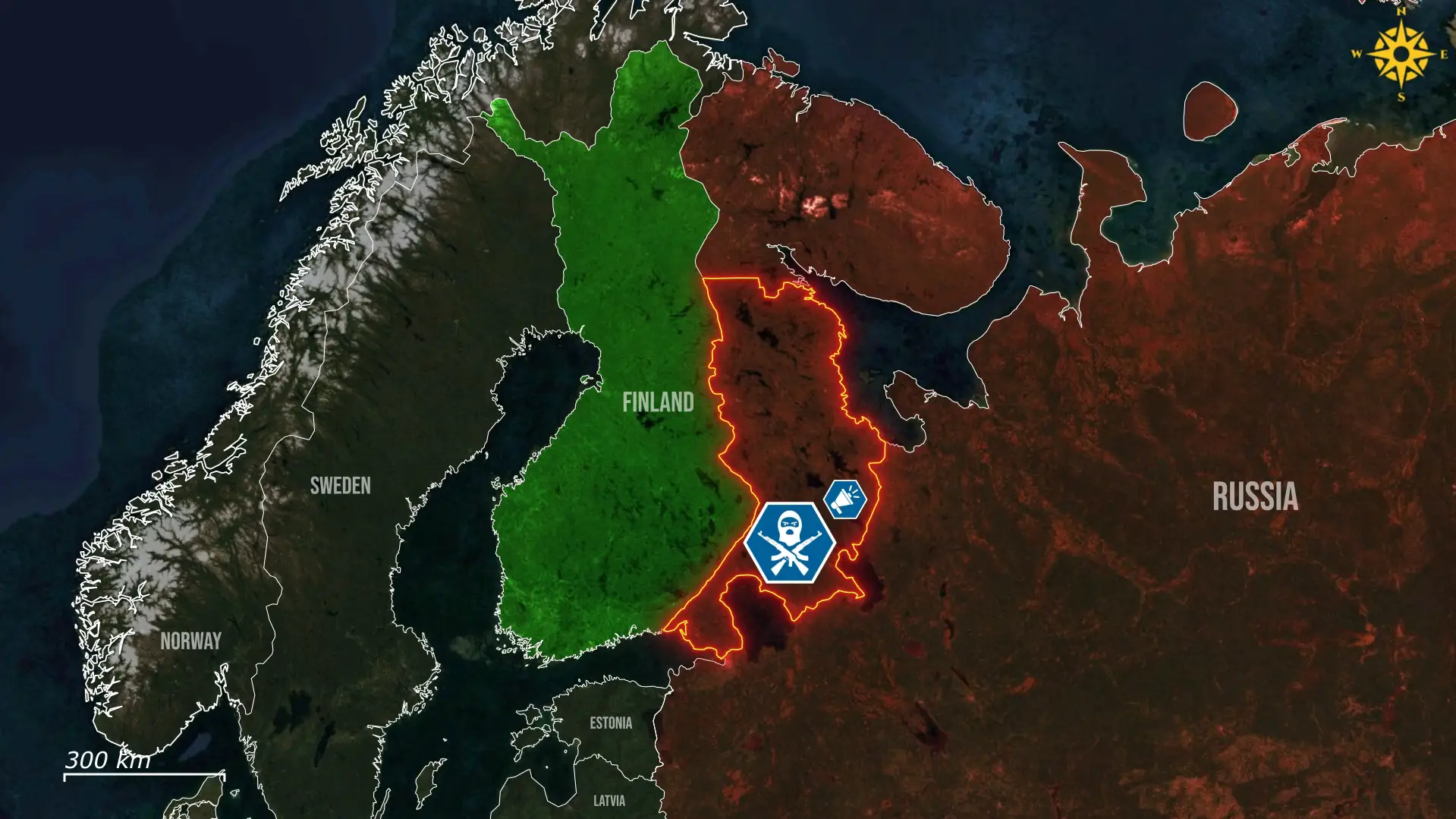
Although its membership and capabilities inside Russia remain unverified, its emergence highlights a vulnerability for the Russian government, as ethnic minorities increasingly question Moscow’s authority during the war against Ukraine.
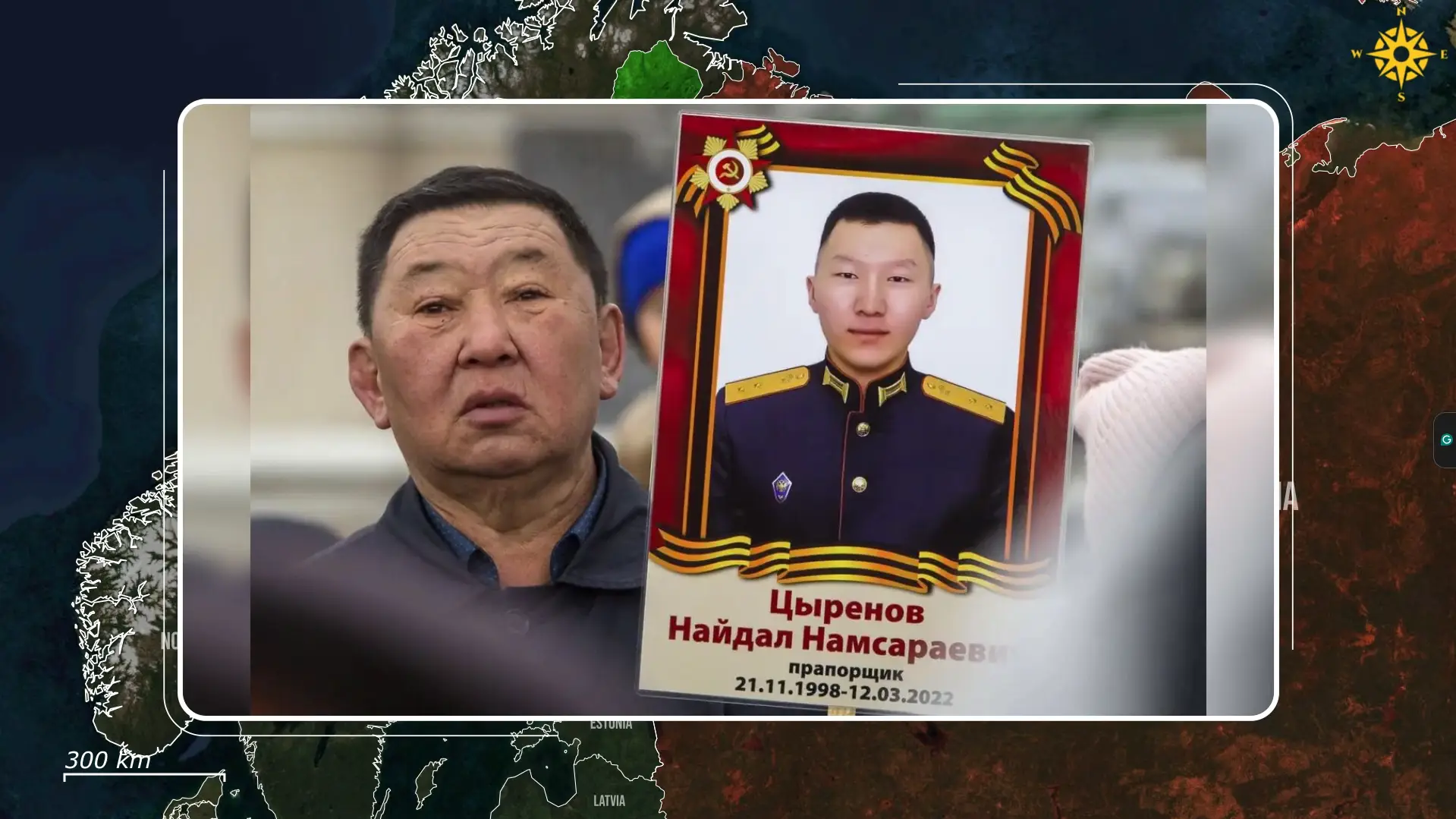
One major motivation is Russia’s military recruitment policies, because for smaller ethnic communities, conscription threatens more than individual lives. Every young man killed in Ukraine represents another demographic loss for populations already struggling with assimilation and declining numbers. Separatist activists maintain resentment toward Moscow’s military demands, demanding independence as protection against being sacrificed in Russia’s war.
Karelia’s historical relationship with Finland makes this movement particularly significant because it is a historically divided region containing territories belonging to both Finland and Russia. During the Soviet invasion of Finland in the previous century, Moscow attempted to seize Finnish territory, triggering the Winter War. Finland surrendered substantial parts of western Karelia under the peace agreement the following year, and even though Finnish forces temporarily recovered these territories in during World War two, they were finally relinquished again at the end. Approximately four-hundred-thousand Finnish residents were forcibly relocated into Siberia from the ceded territories, permanently transforming the region’s demographic composition.
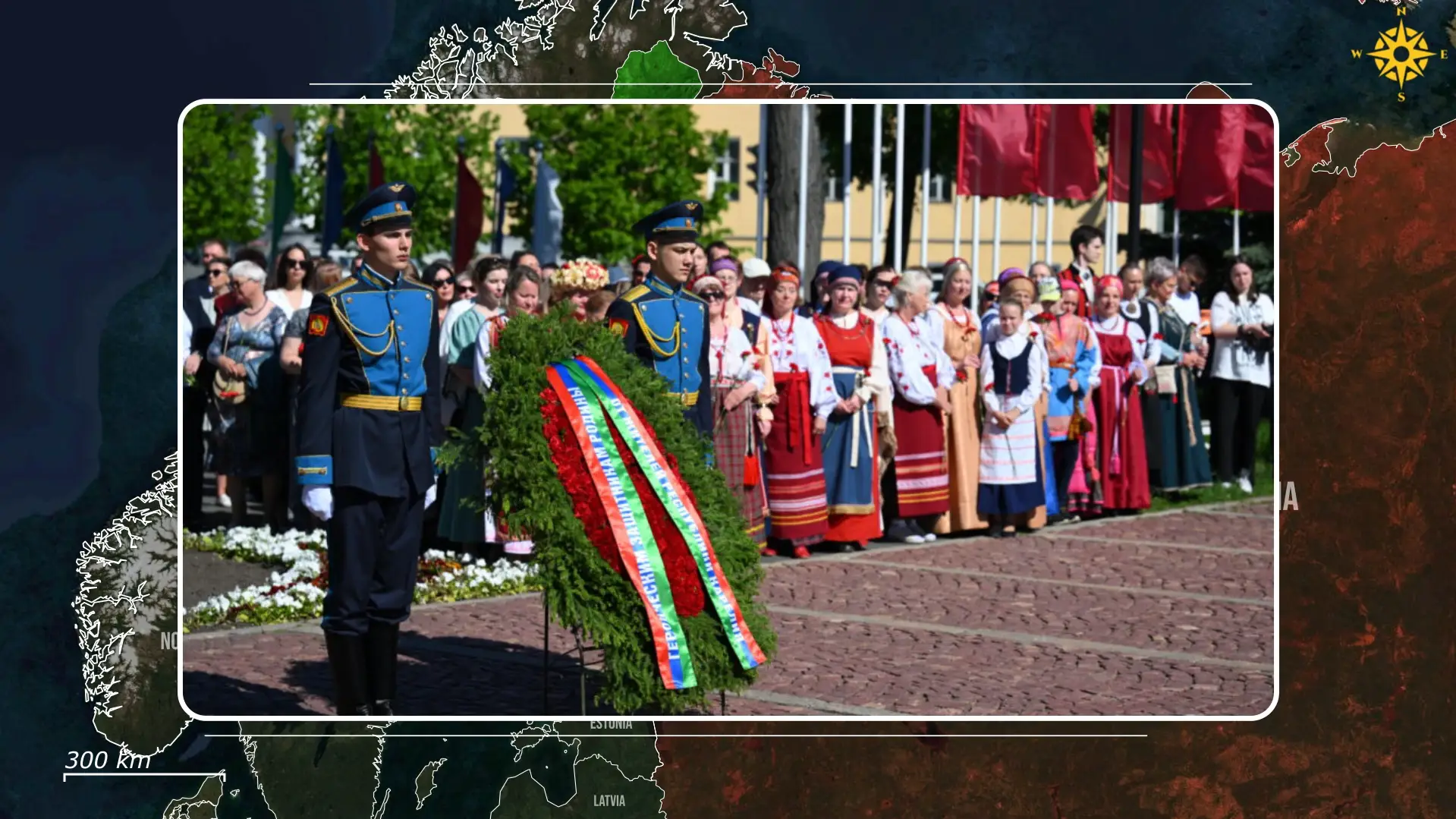
The region’s indigenous Karelians are closely related linguistically and culturally to Finns, constituting a Finnic ethnic group, and according to Russia’s two-thousands-twenty-one census, approximately twenty-six-thousand ethnic Karelians and three-thousand-four-hundred ethnic Finns remained in the republic. Some activists advocate independence or closer relations with Finland, while Finland itself maintains no territorial claims against Russia. Separatist organizations have periodically emerged, particularly following the Soviet Union’s collapse, with the Karelian National Movement being one example, advocating for greater self-determination before Russian authorities banned it in two-thousand-twenty-four. Some activists have subsequently connected their struggle directly to Ukraine’s resistance, with Karelian volunteers establishing a battalion named after Vasily Levonen, a leader of a past uprising against Soviet Russia. The Nord combat group, associated with Ukrainian military intelligence, has likewise attracted Finnic volunteers opposing Moscow’s rule.
Notably, Ukraine’s First Azov Corps commander Denys Prokopenko has Karelian ancestry and has connected his family’s history of resistance to Soviet expansion with his own fight against Russia. For these activists, Ukraine’s war represents an opportunity to weaken the Russian state, and their calculation is that sustained battlefield casualties, economic pressure, and political instability will eventually undermine Moscow’s control over its peripheral republics.
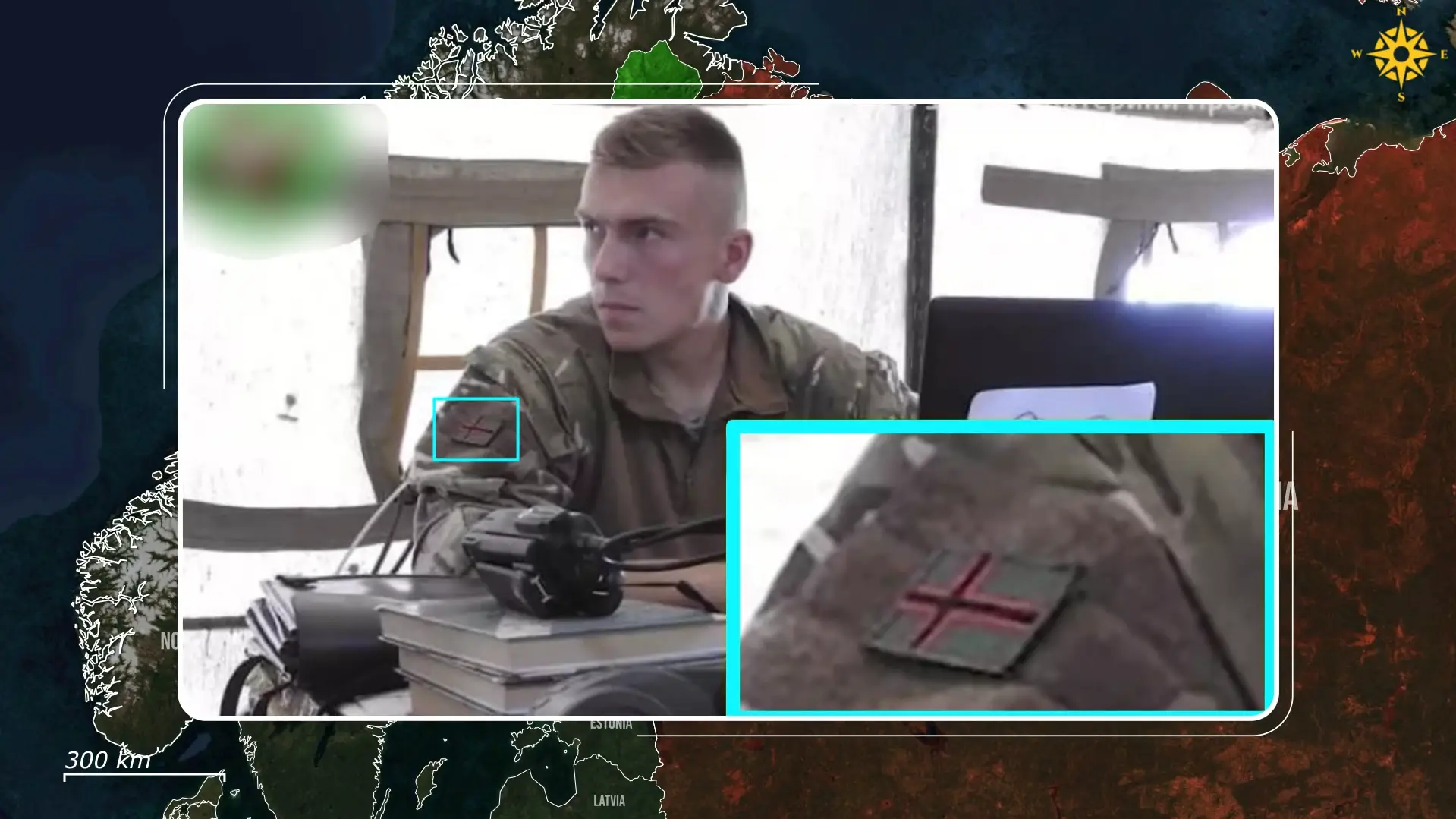
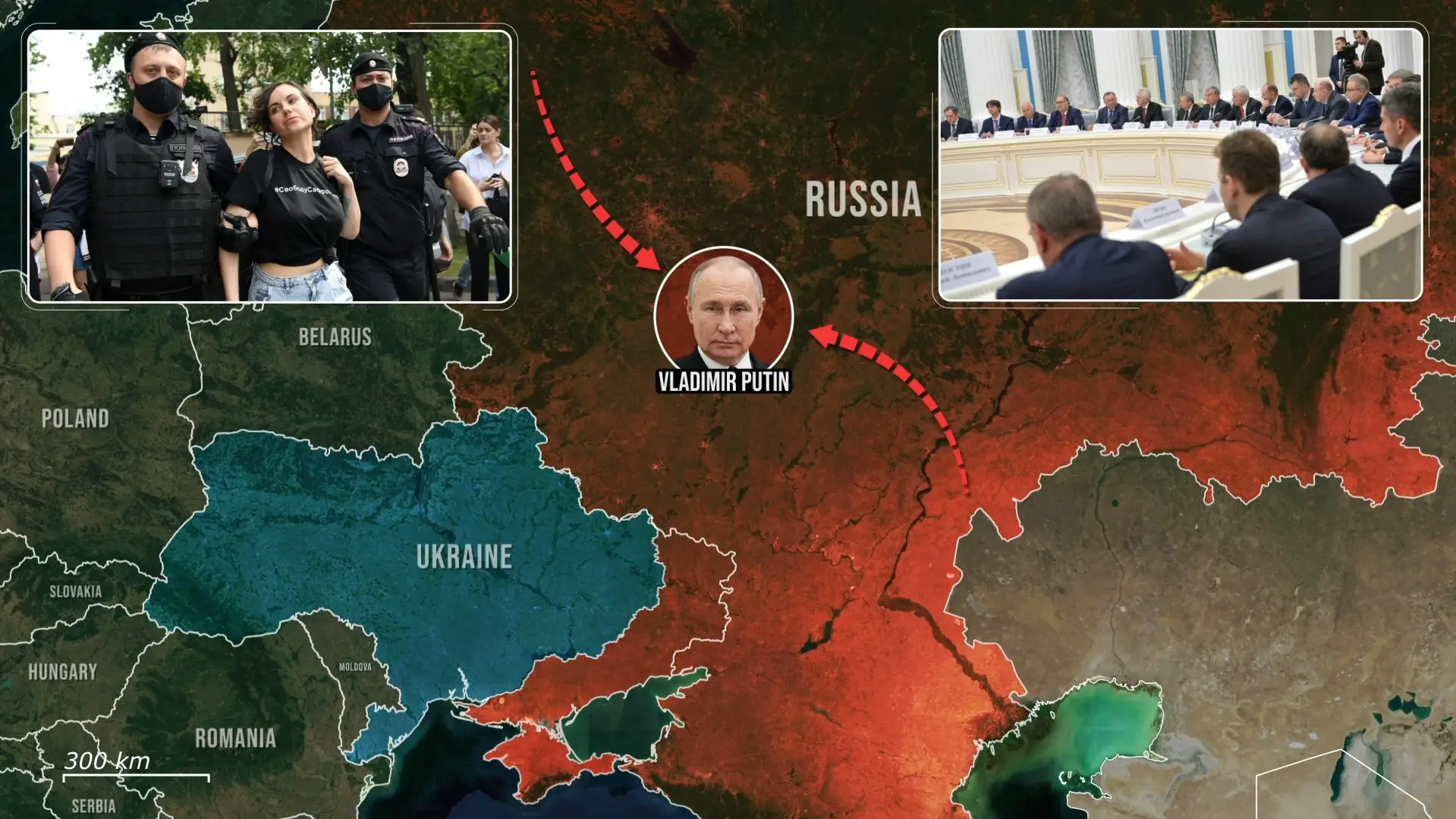
Overall, the Northern Brotherhood’s actual strength remains unknown, but even small underground movements can force authorities to devote intelligence, police, and security resources to internal threats. Potential sabotage campaigns could create additional pressure, and for Putin, the broader danger is cumulative. Russia’s prolonged war risks deepening resentment among ethnic minorities who believe Moscow disproportionately demands their sacrifices while restricting cultural and political autonomy. If similar movements expand across multiple regions, Moscow will confront growing internal security challenges precisely when its military resources remain committed to Ukraine. The Northern Brotherhood’s declaration therefore represents another warning that Russia’s war abroad may be generating new political vulnerabilities at home.



Comments