


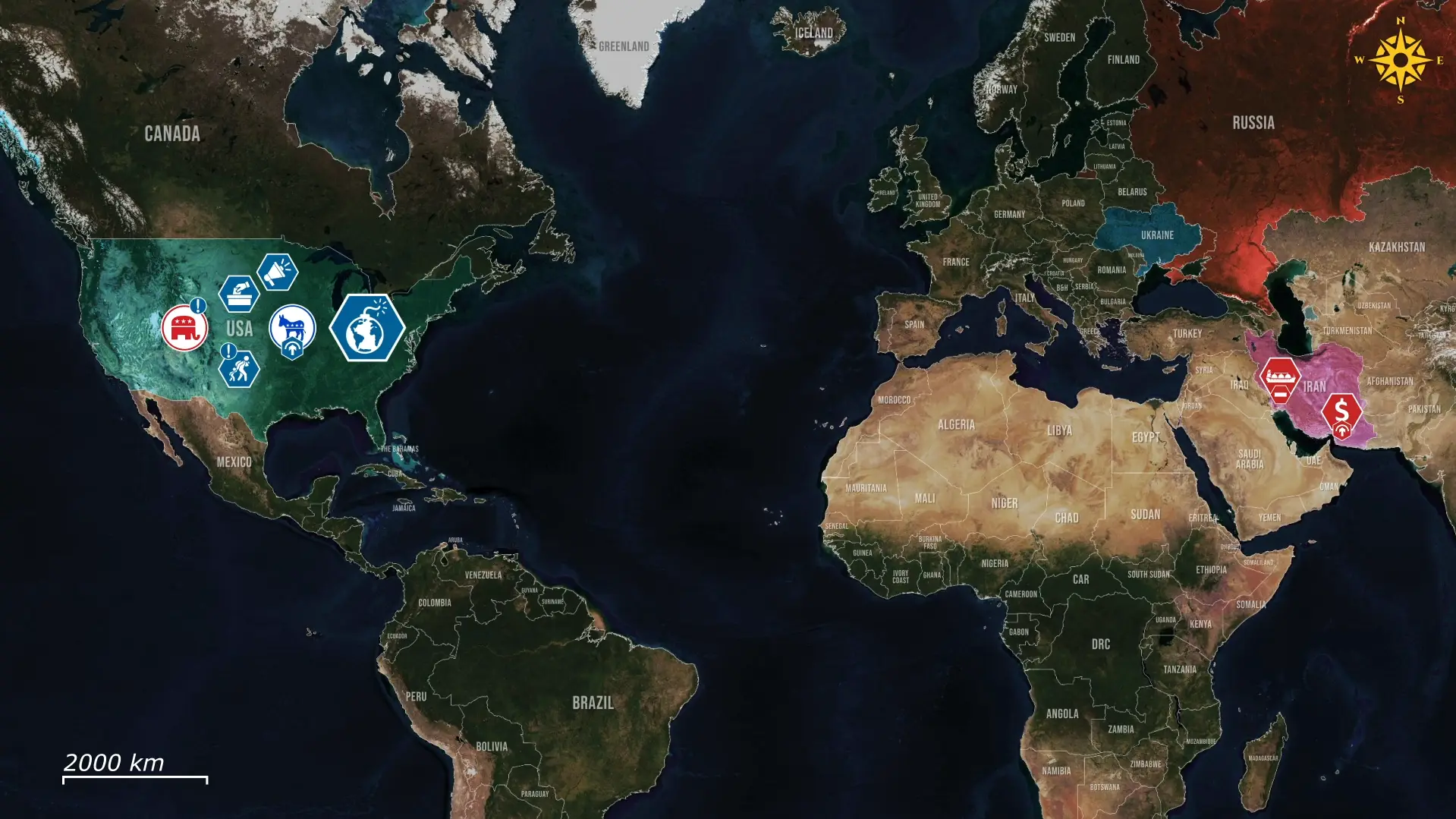
Since the US midterm elections, one of the biggest foreign policy debates has been whether the conflict with Iran could resume. The previous confrontation left a deep mark on the region and on US politics, driving up energy prices, disrupting global shipping, and creating a massive war bill.
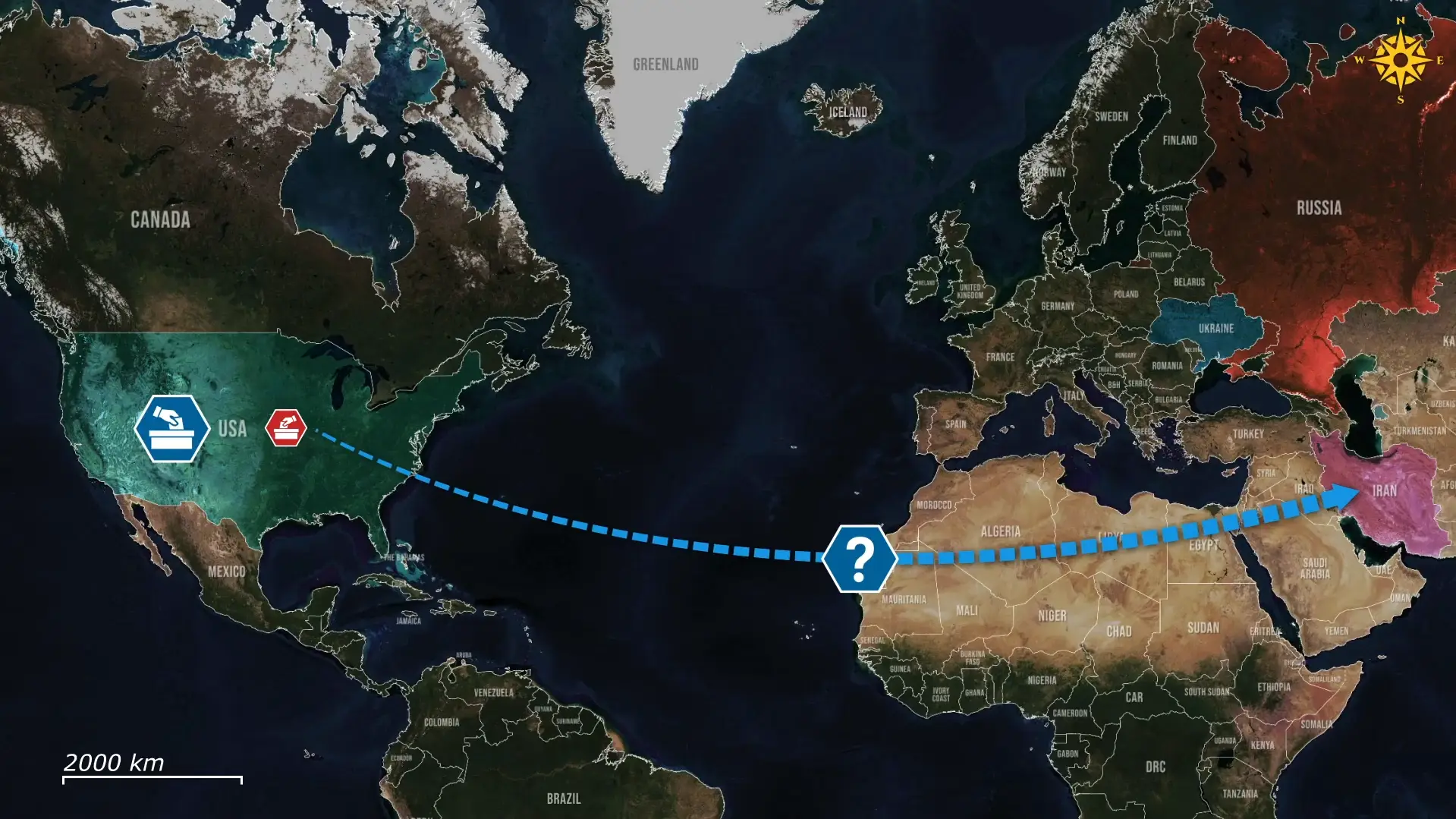
The failure to achieve meaningful objectives and the mounting costs pushed the Trump administration to slow the conflict, seeking a way out through negotiations. However, opposition to an agreement inside Iran complicated the negotiations, and many tensions remained unresolved even after the direct fighting decreased. In fact, the war's effects on oil prices are still having a major impact, with ripple effects also visible in the latest midterm elections and the resounding defeat of the current administration.
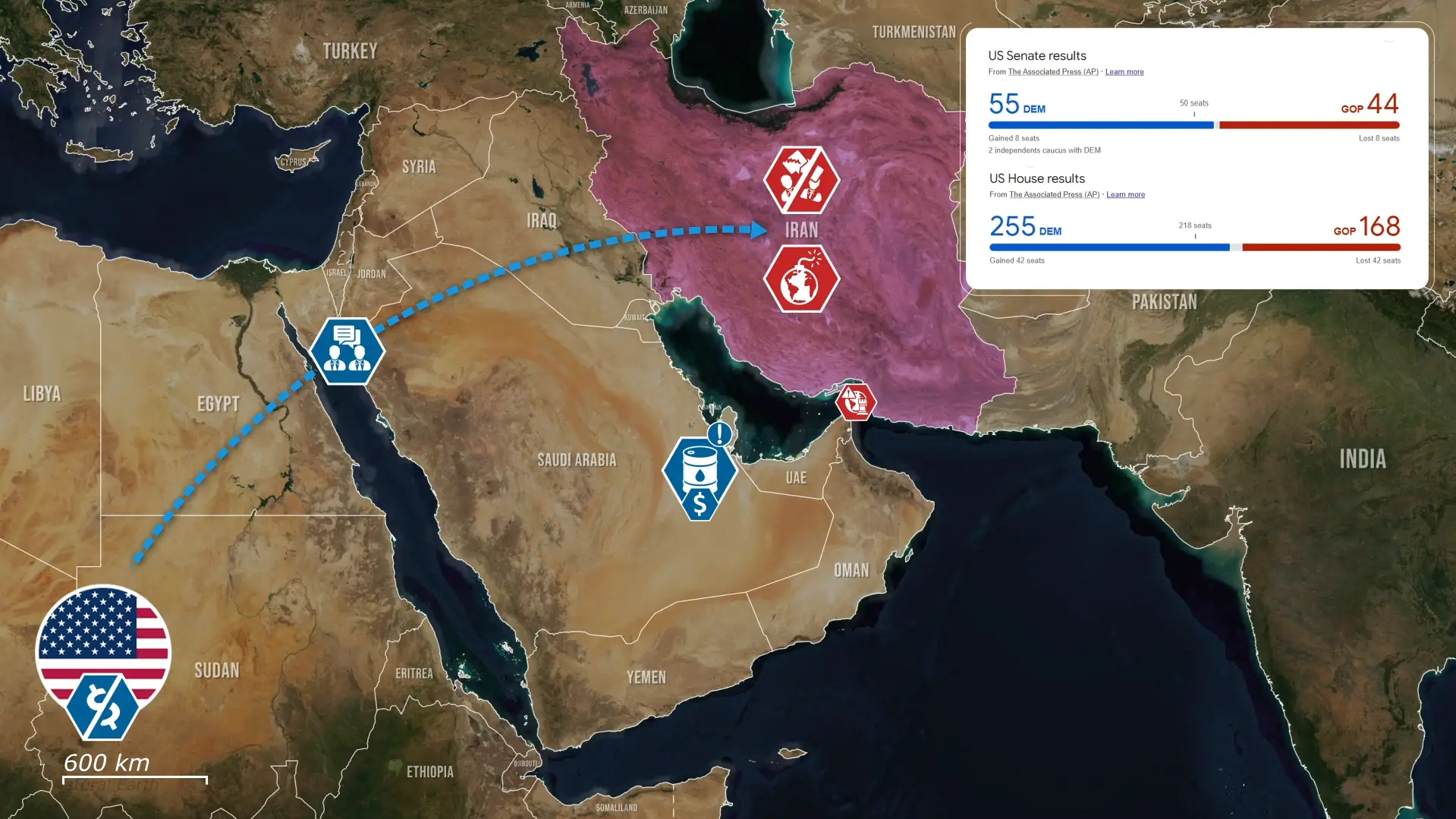
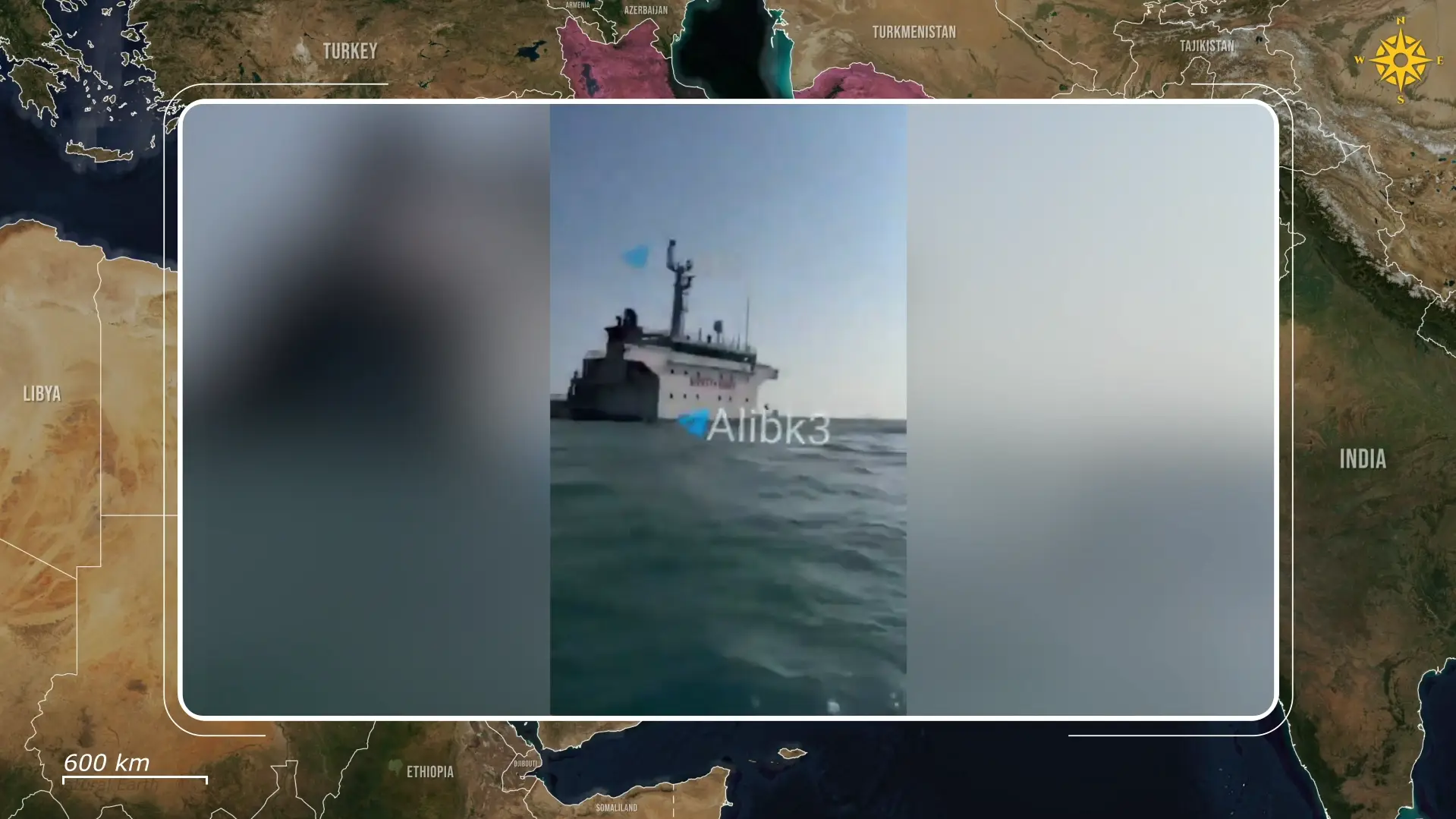
Currently, the United States continues to maintain a presence around the Strait of Hormuz, with its naval forces escorting commercial vessels against threats. However, traffic levels remain sixty five to seventy five percent of those seen before the conflict, as many companies remain reluctant to fully return because of the risks and continued uncertainty about renewed escalations. Those that still do are paying higher insurance costs, as Iran's Revolutionary Guard Corps continues to target commercial shipping as part of its efforts to enforce the blockade. Meanwhile, the United States continues to enforce a counter blockade, using its naval presence to constrain Iranian commercial and military movements.
However, not everybody in the US agrees with this policy, as critics argue that maintaining a long term military presence is expensive and risks drawing the United States deeper into regional disputes. On the other hand, others support a more aggressive US policy to break the stalemate and force Iran to settle on more favorable terms.
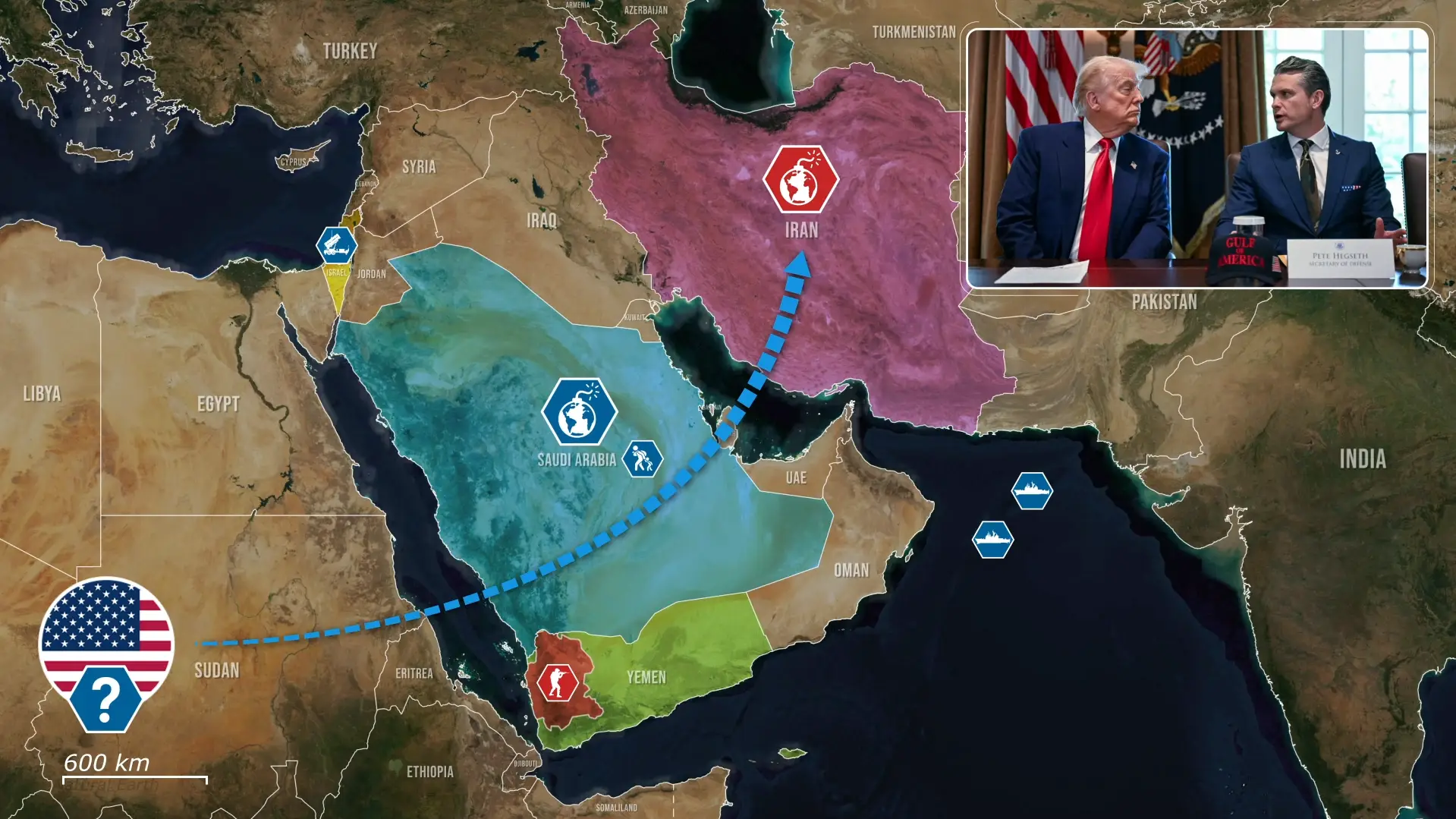
Several recent developments have raised concerns about reignition of the war, and the most visible is the deployment of the USS Theodore Roosevelt aircraft carrier to the region. One possible explanation is that the new carrier will simply replace the one that was operating there during the conflict, USS Abraham Lincoln, which, after a prolonged and overextended deployment, had to be recalled for repairs and maintenance.
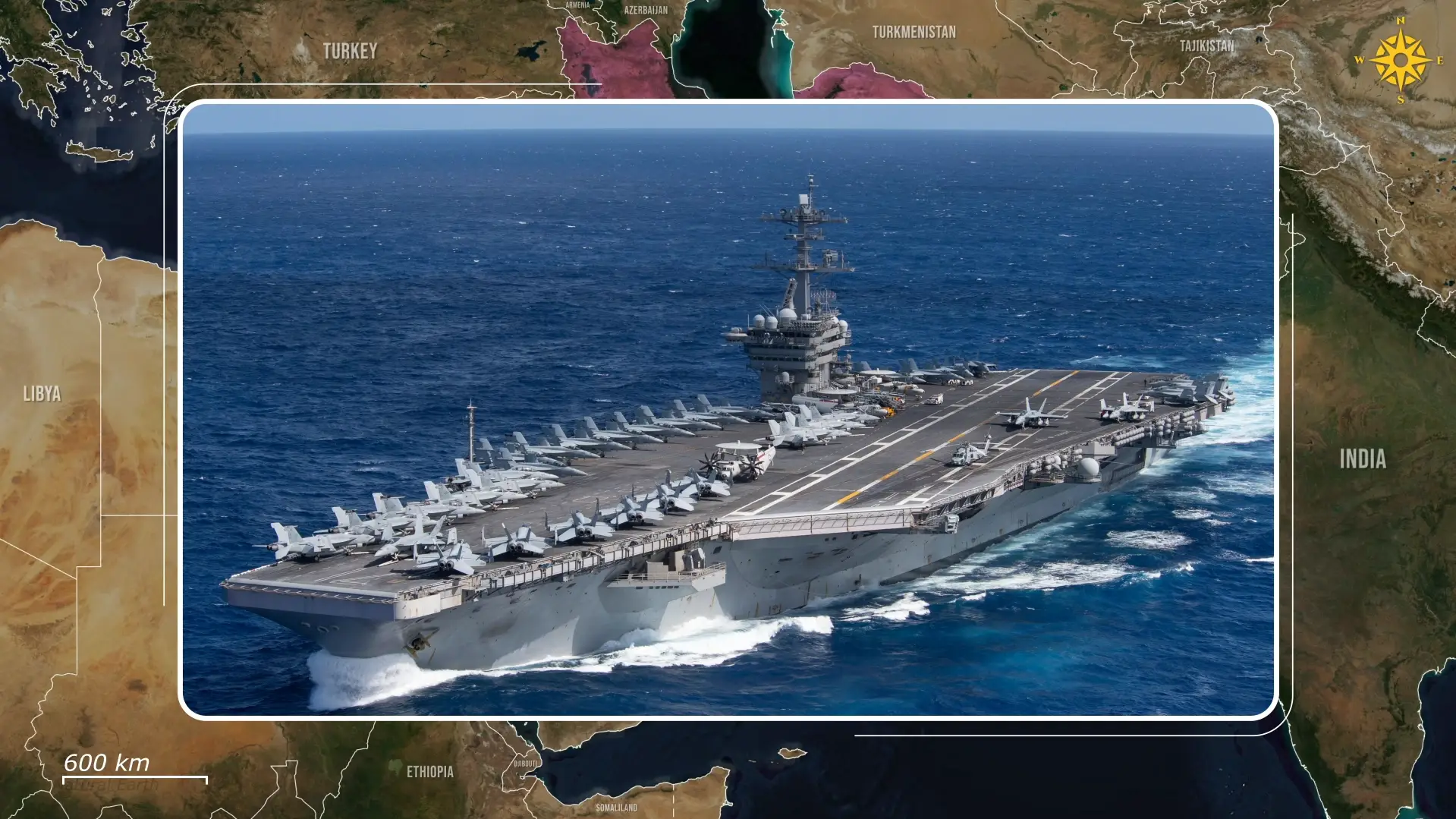
Still, aircraft carriers carry enormous political and military significance, as they are among the most visible symbols of US power and are often positioned where Washington expects a potential crisis. Notably, the last time three carriers were operating in the same area, the US invaded Iraq. But other signals are also attracting attention, such as reports that non essential US officials and family members have been evacuated from Saudi Arabia. Once again, this could possibly just represent concerns over possible intensification of strikes by the Houthis, directly backed by Iran, which have already targeted regional infrastructure deep in Saudi territory. The transfer of additional Patriot air defense systems from the United States to Israel has also fueled the debate, as additional protection from ballistic missiles could mean an anticipation of higher risks, or additional deterrence.
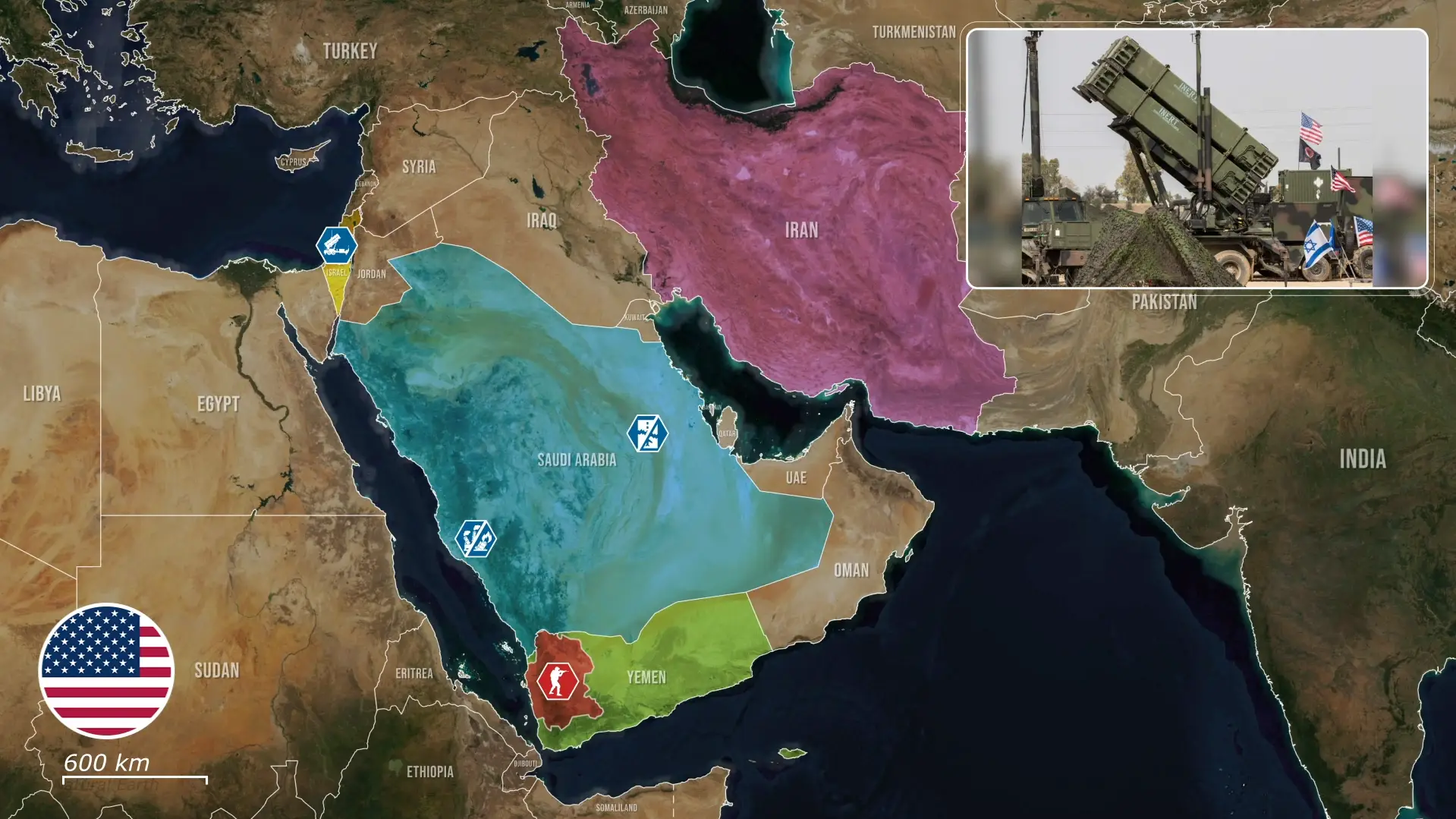
Overall, the available signals suggest that the possibility of renewed conflict with Iran remains real, or that the US administration is evaluating the possibility. While none of these developments, individually, provide clear evidence that another reignition of the war is imminent, the emergence of a pattern makes those warning signs more serious. Speculation about renewed escalation is also rising after the disastrous results in the current administration's elections, which may look again for ways to achieve a decisive victory and regain the edge before the next presidential elections. Moreover, the greatest risk may also not come from a deliberate decision to launch a war, but from the worsening situation for Saudi Arabia and a chain of incidents involving Iran or maritime security that gradually escalates.



Comments