


Today, there is important news from southern Ukraine.
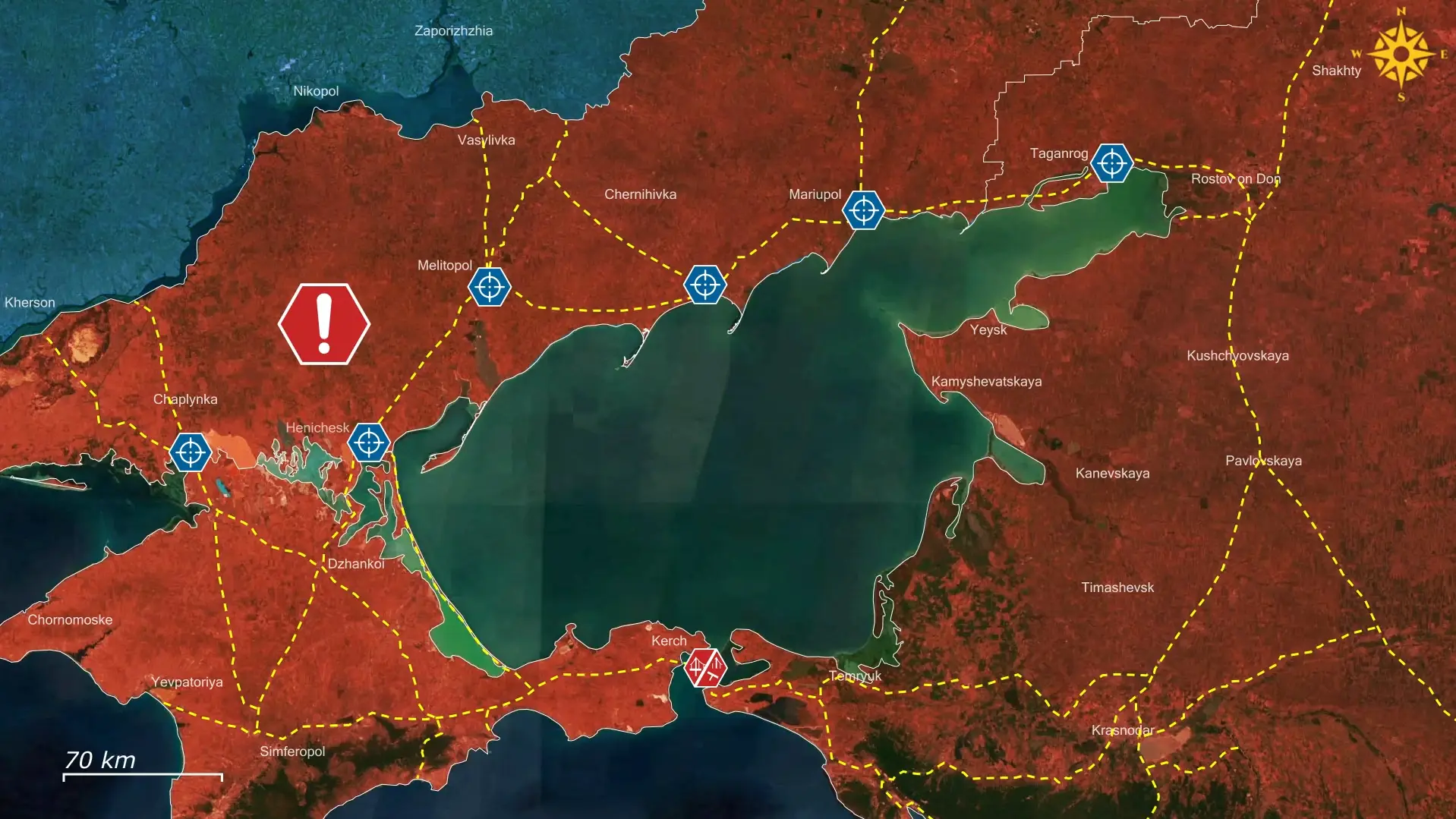
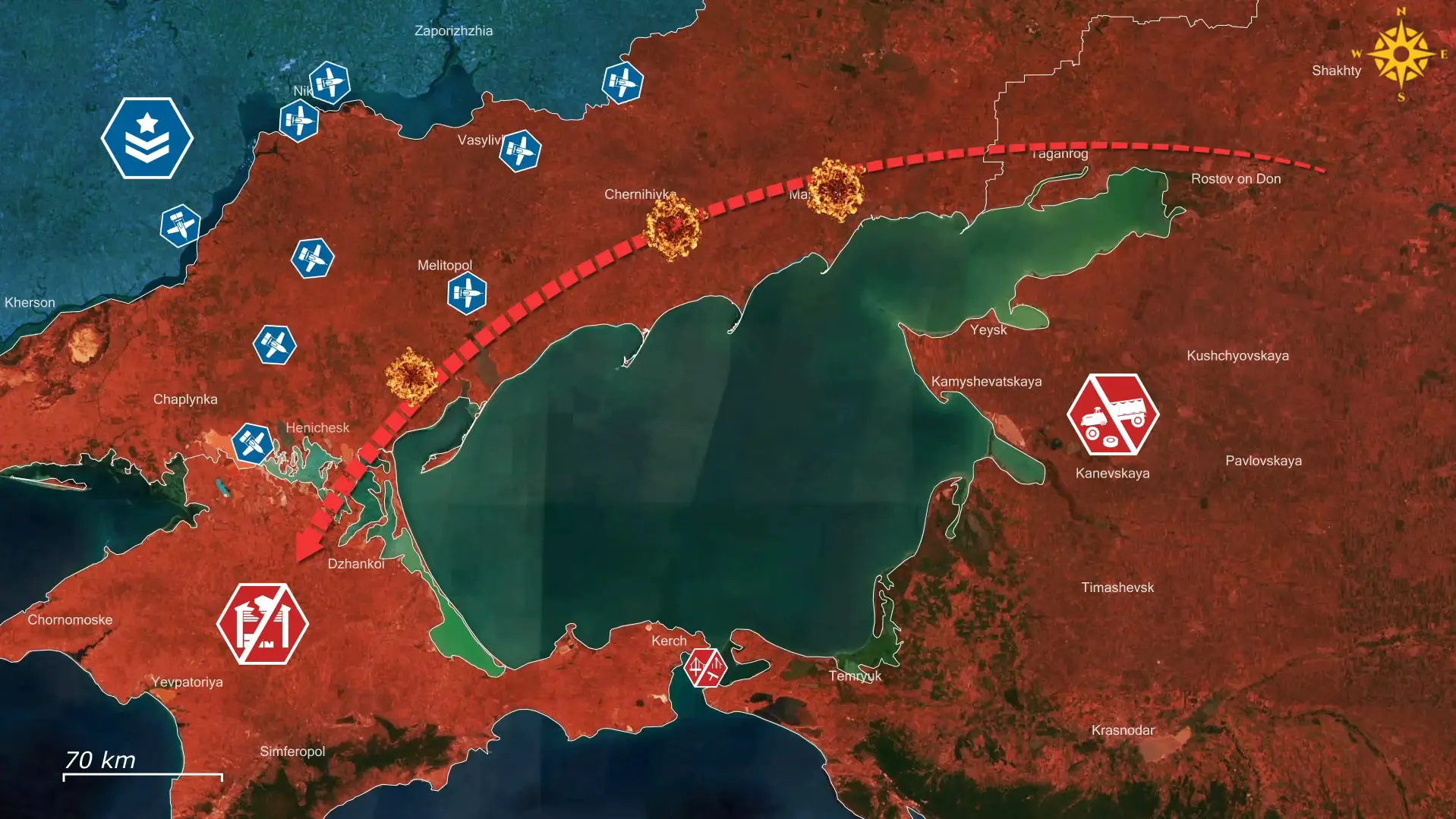
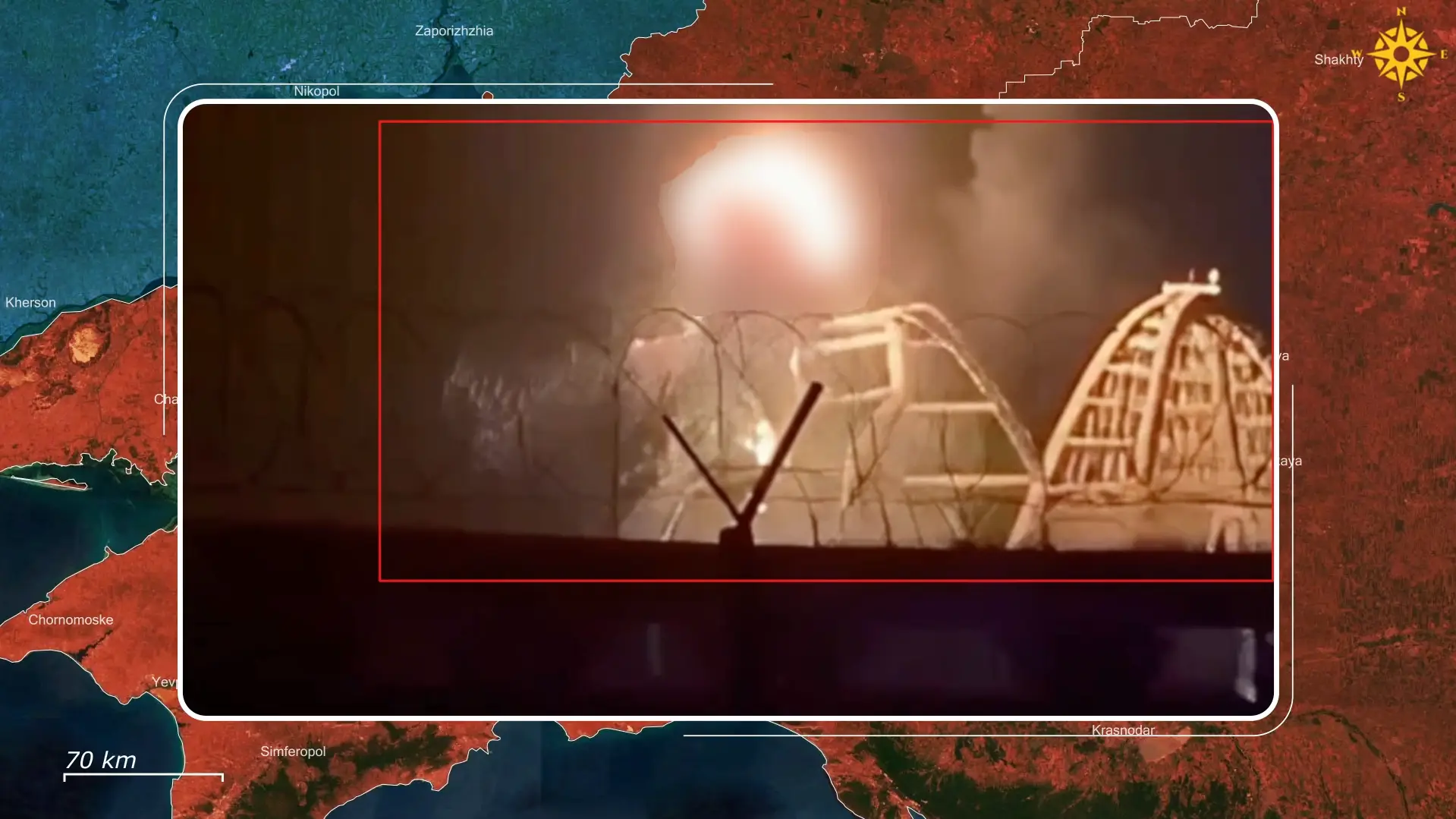
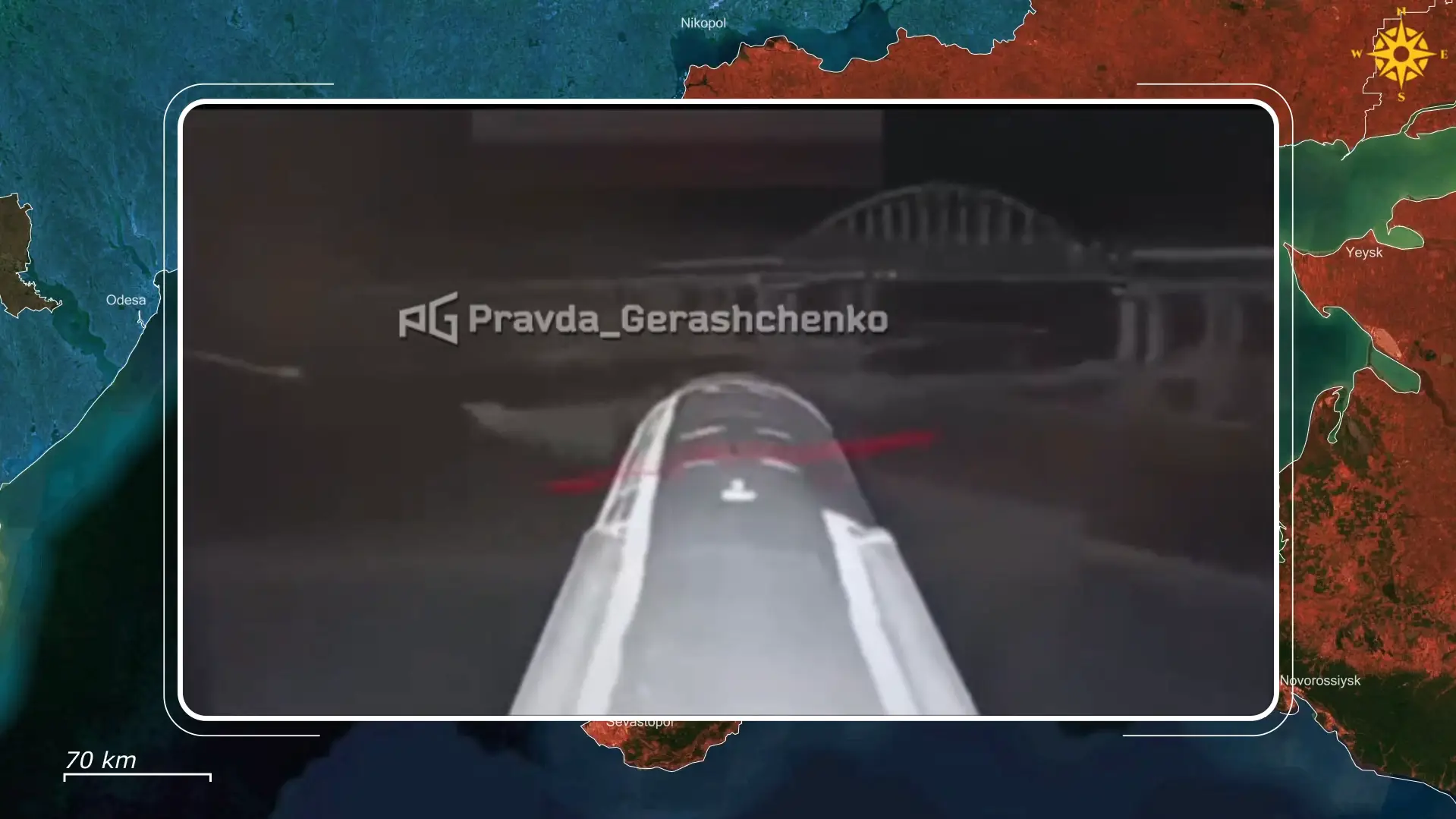
Here, Ukraine launched the next phase of its campaign against Russian logistics, turning the land corridor toward Crimea into a deadly transportation bottleneck. Following the destruction of the Kerch Bridge, Ukrainian mid-range drones are systematically targeting Russian supply vehicles attempting to reach the peninsula as seen in recently released videos.
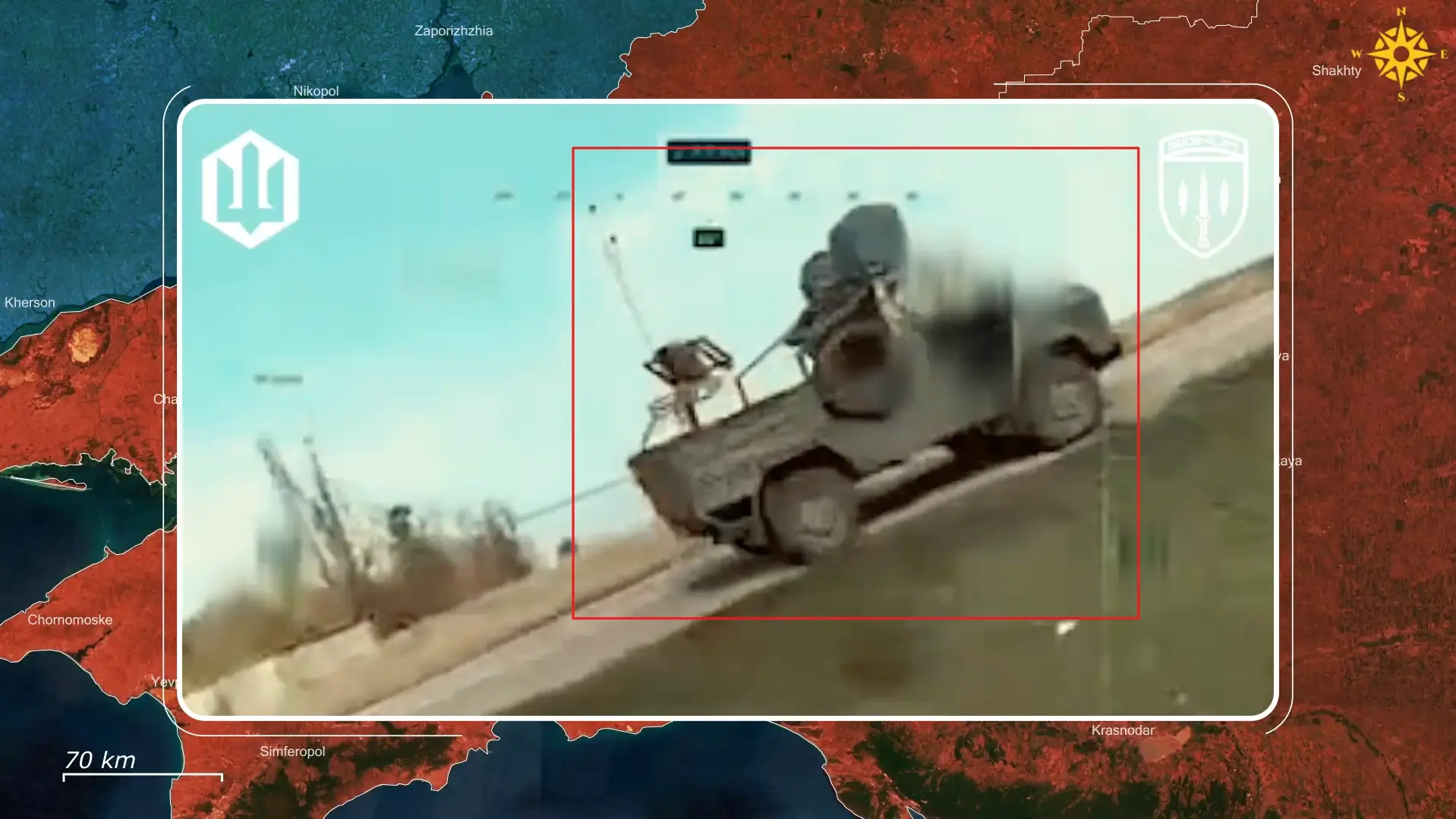
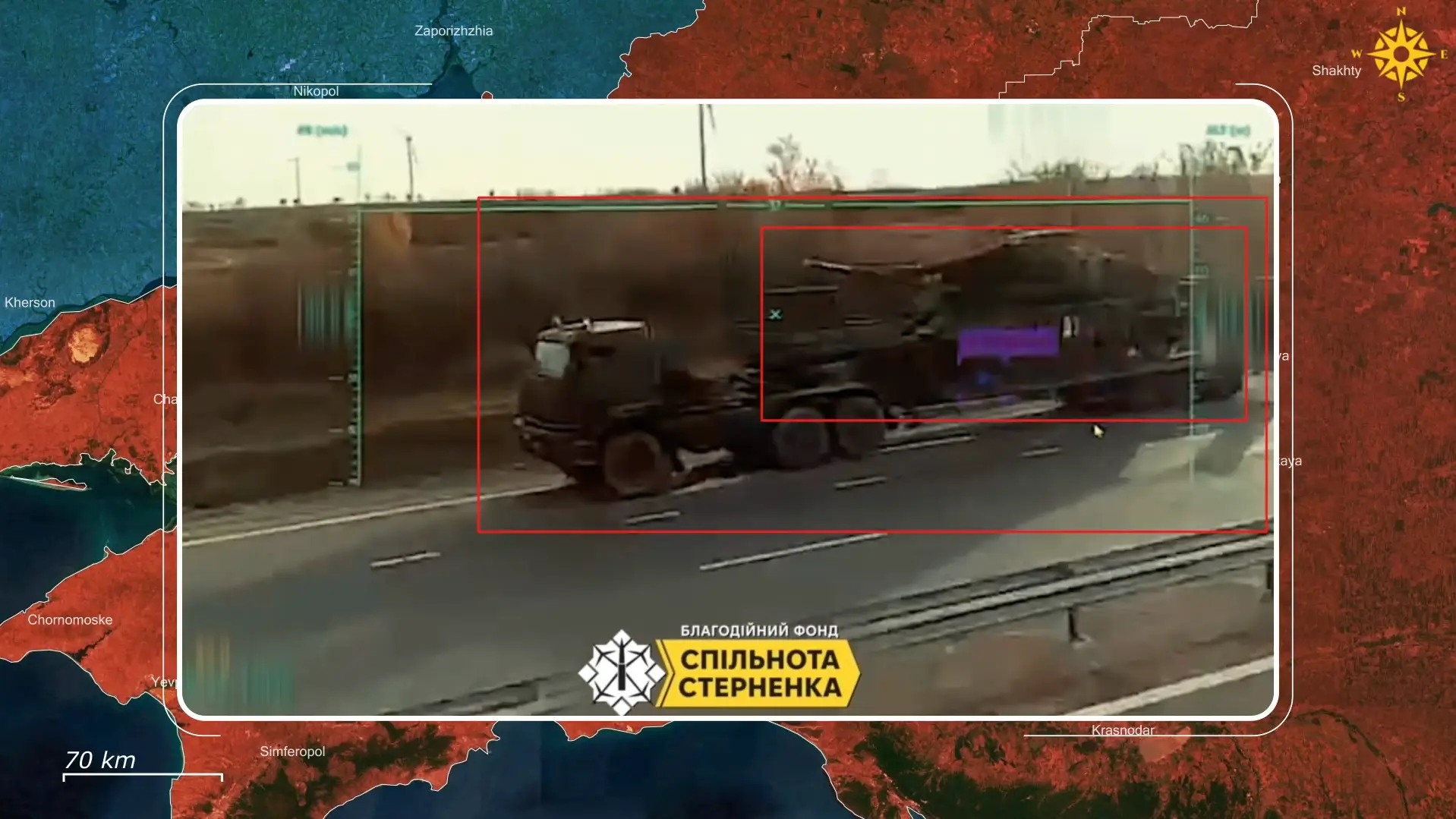
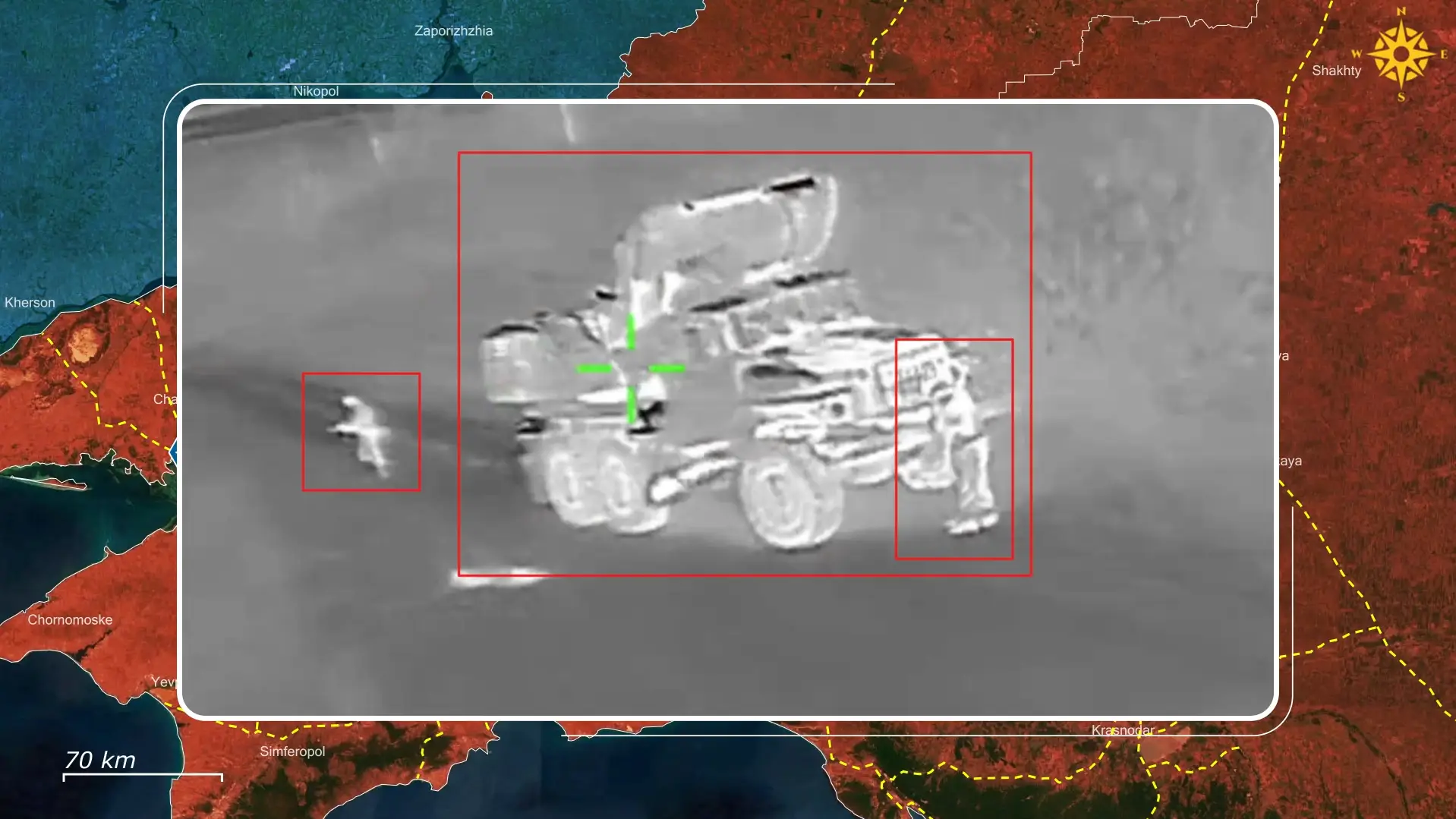
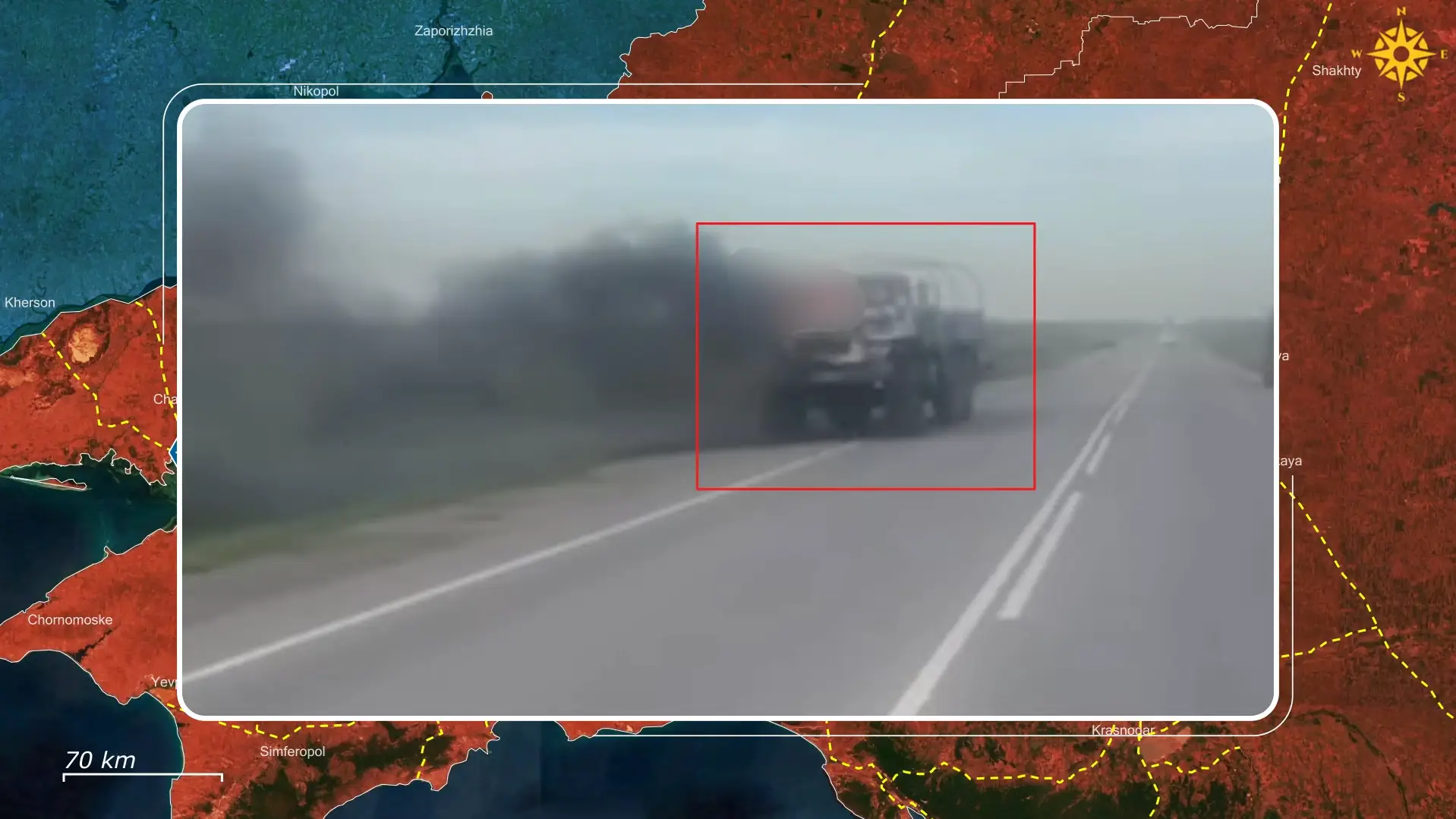
Footage shows Ukrainian operators identifying and striking military trucks, mobile air-defense systems, and tanks being transported toward the front. Another video, filmed by a Russian driver, reveals the consequences from ground level, with dozens of burning trucks scattered along the roadside, with destroyed vehicles and smoking wreckage stretching across a short distance. These scenes demonstrate Ukraine’s expanding effort to destroy Russian military supplies before they reach their destinations and damage the whole transportation network, in addition to attacking individual warehouses.
As a result, after the collapse of the Kerch Bridge’s roadway arch and the damage to its railway section, Moscow faces serious restrictions on its most important direct connection to Crimea. This corridor lies within range of Ukrainian mid-range drones, allowing Kyiv to target vehicles moving between supply hubs, military bases, and frontline positions. Despite Russia trying to avoid the disruption by distributing ammunition, fuel, and equipment across southern Ukraine in advance, stockpiles cannot sustain military operations indefinitely. Every destroyed truck reduces transportation capacity, while repeated attacks complicate efforts to replenish dispersed reserves.
Crucially, Ukraine had already demonstrated the effectiveness of this strategy during its late-summer interdiction campaign, when the Kerch Bridge remained operational as an alternative capable of absorbing some disrupted traffic. Now, with it destroyed, that flexibility is disappearing, as additional supplies must travel through corridors already subjected to Ukrainian surveillance and strikes. Greater traffic concentration creates more predictable movements and potentially more opportunities for interception. As Ukraine is now raising the pressure, Russia would face increasingly serious problems replacing equipment, rotating troops, and sustaining offensive operations.
The broader strategy of the second stage of Operation Starvation extends far beyond destroying military convoys. Crimea supports approximately two and a half million residents alongside a substantial Russian military presence. Civilian fuel requirements approach seventy thousand tons monthly, equivalent to approximately eighty tanker-truck deliveries every day. Estimates also suggest daily demand of around five thousand tons of food and essential goods.
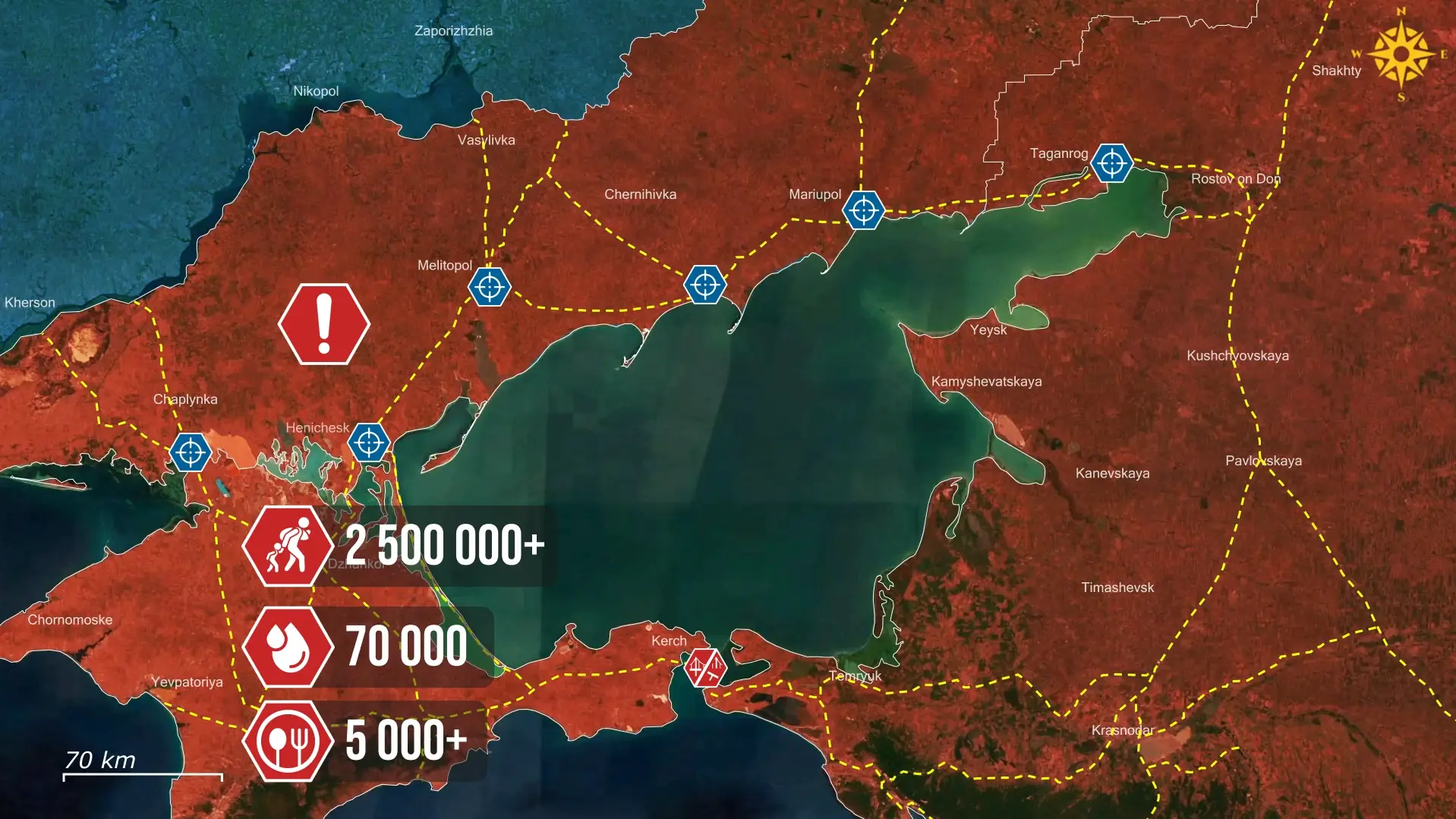
These enormous requirements demonstrate why uninterrupted transportation is indispensable, and why replacing the Kerch Bridge’s capacity through vulnerable roads and limited ferries would impose considerable logistical and financial pressure. Prolonged disruption would increase fuel prices, complicate civilian deliveries, undermine tourism, and force Russian authorities to prioritize scarce transportation capacity. Militarily, the consequences could become even more serious, as ammunition, fuel, replacement vehicles, and maintenance supplies must continuously reach Russian formations across southern Ukraine, while every additional delay reduces operational flexibility and increases the resources required to sustain the occupation.
Overall, the Kerch Bridge destruction was not the culmination of Ukraine’s campaign, but the beginning of a more intensive effort to exploit Russia’s remaining logistical vulnerabilities. Stage two of Operation Starvation aims to extend pressure beyond Crimea itself, targeting the transportation arteries sustaining Russian forces throughout the southern front. Ukraine does not need to destroy every convoy or completely seal every road to achieve meaningful results, as sustained disruption can gradually exhaust stockpiles, increase delivery costs, and force Russian commanders to divert resources away from offensive operations. The strategic objective is clear: transform Crimea from Russia’s principal southern military hub into an increasingly expensive liability, while steadily weakening the logistical foundations of Moscow’s entire southern war effort.



Comments