


Today, there is important news from the Sea of Azov.
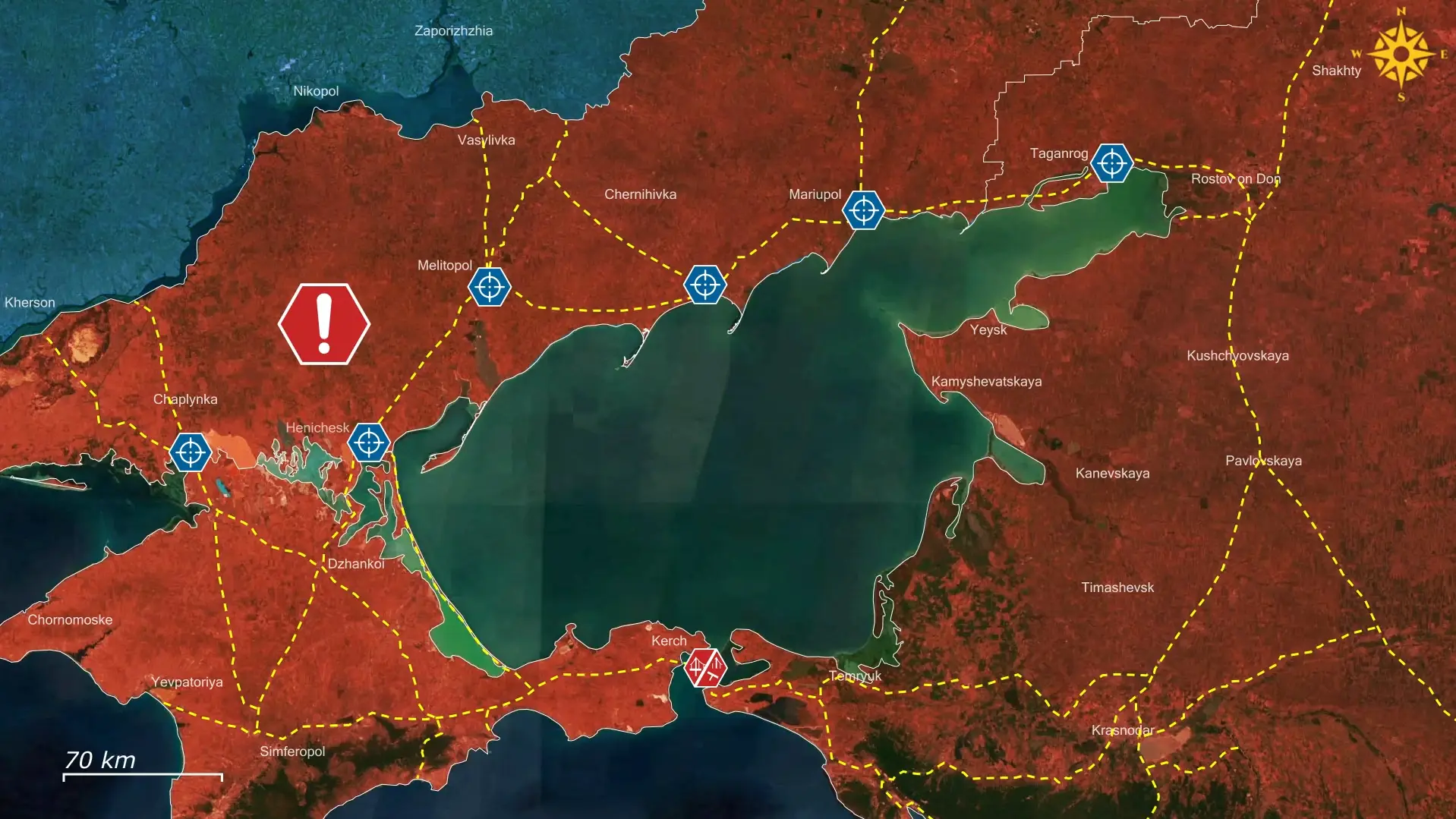
Here, Ukraine has effectively locked down the Sea of Azov after destroying a critical section of the Kerch Bridge, trapping Russian ships behind the collapsed structure. The destruction of the bridge threatens to trigger a comprehensive logistical crisis for Russia and set the stage for a massive naval battle looming in the Black Sea.
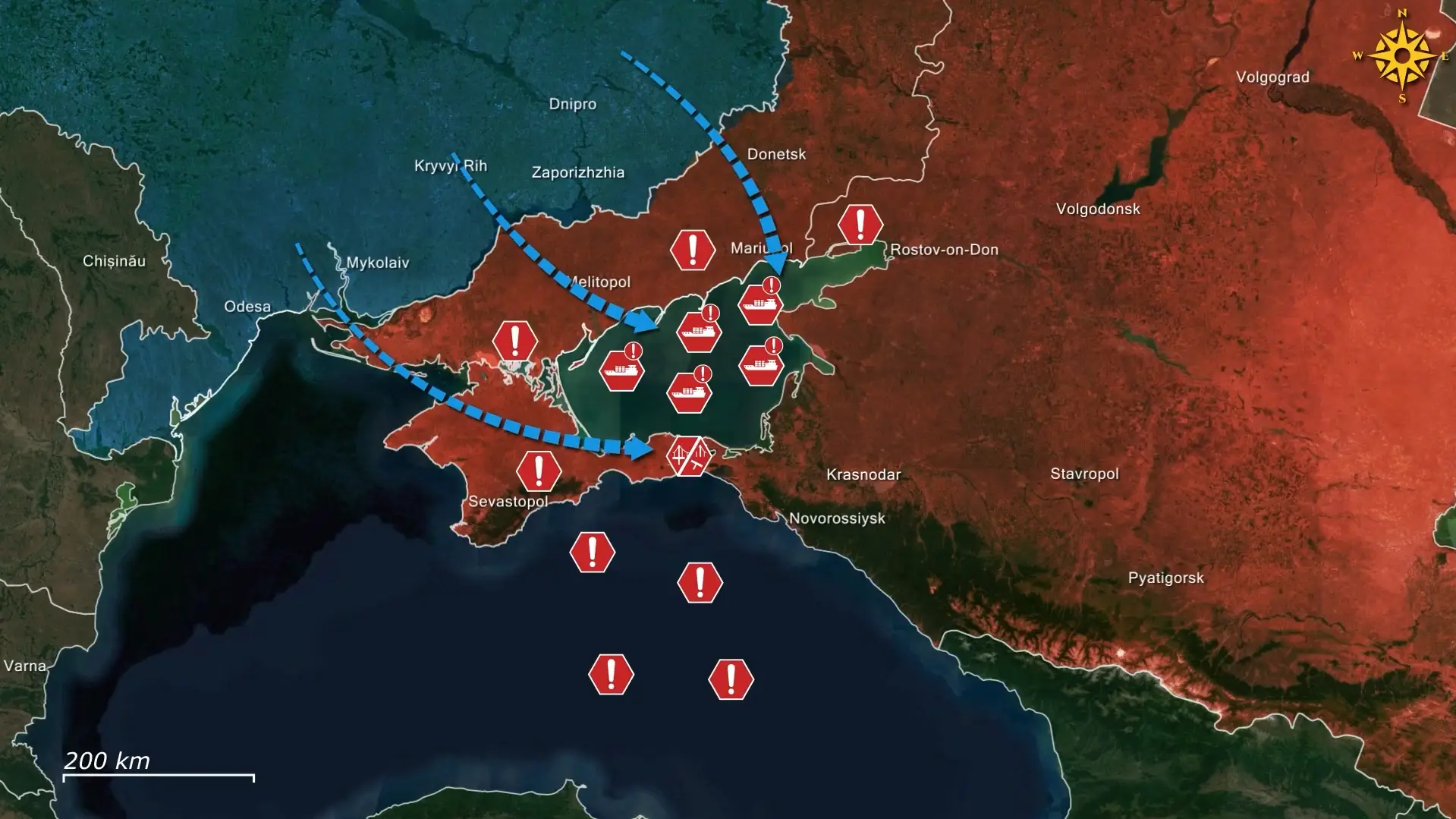
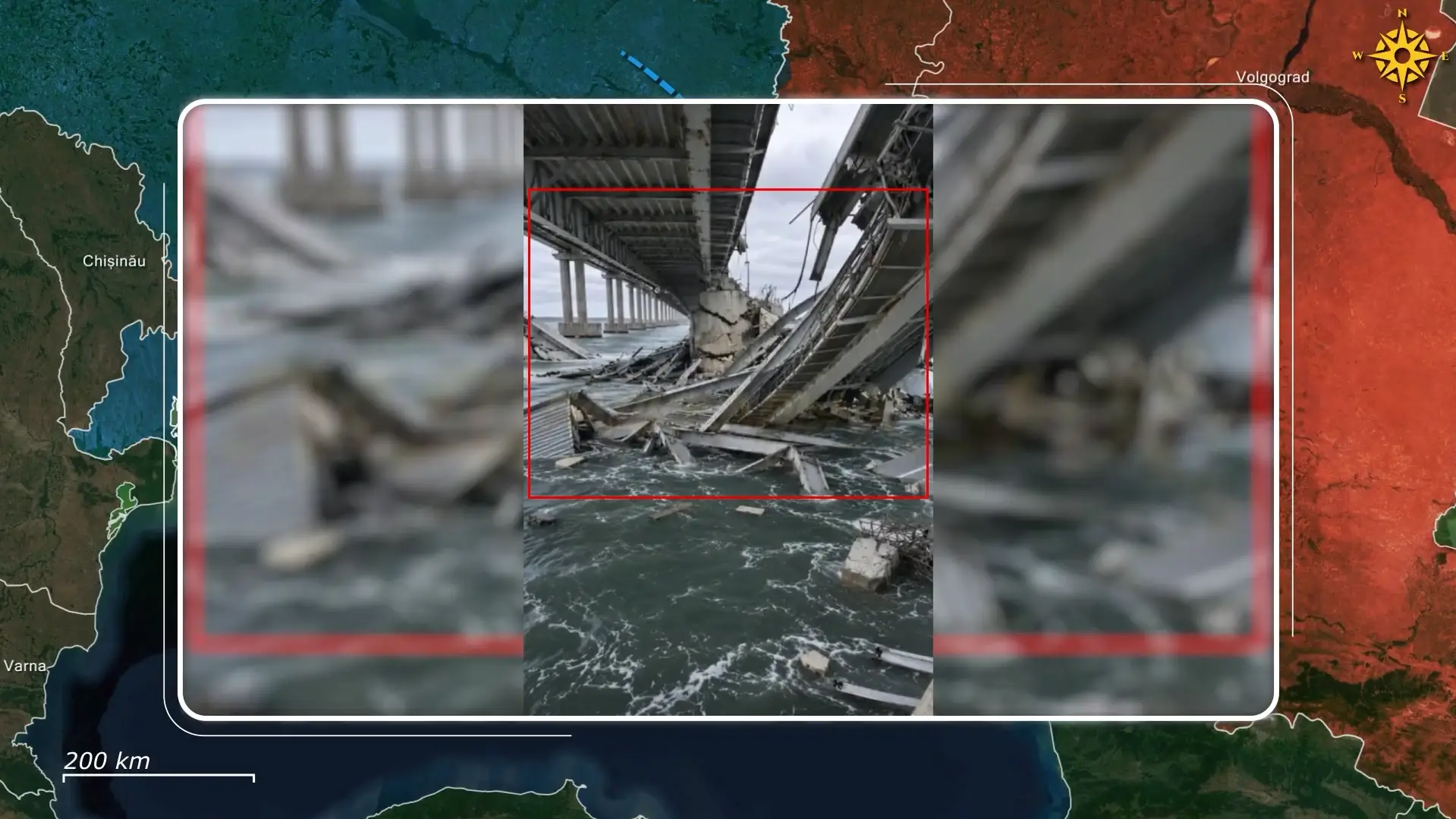
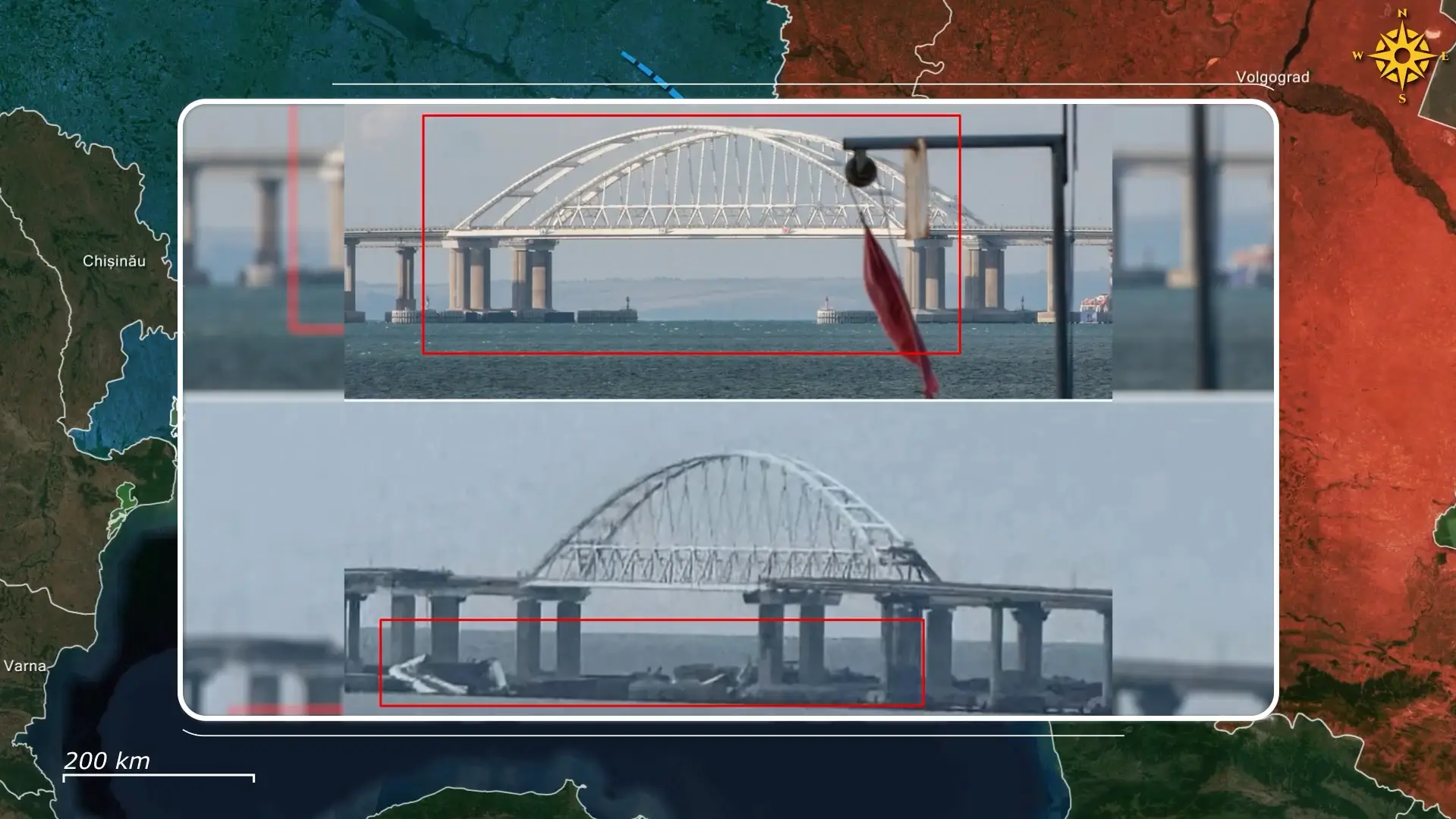
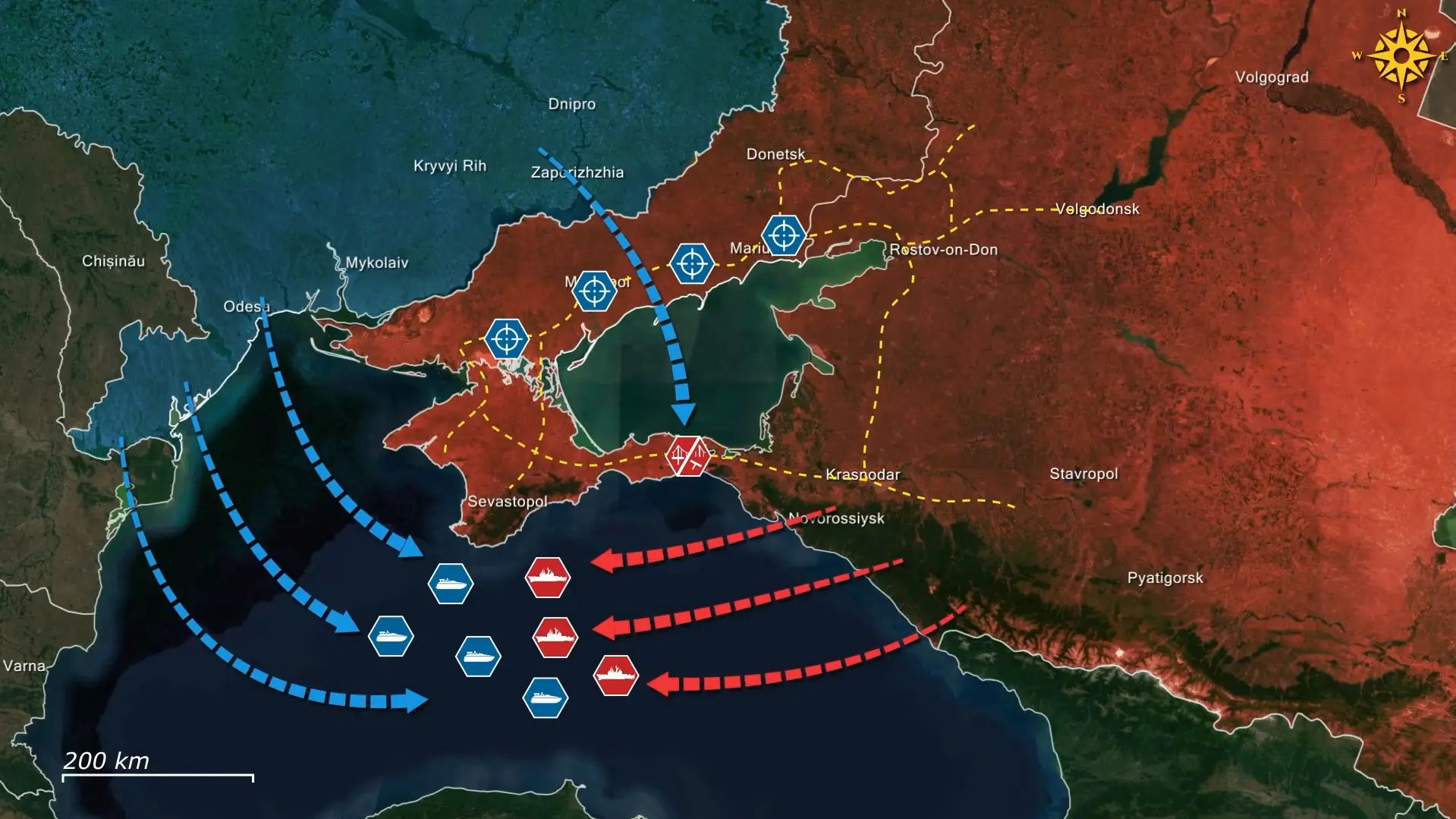
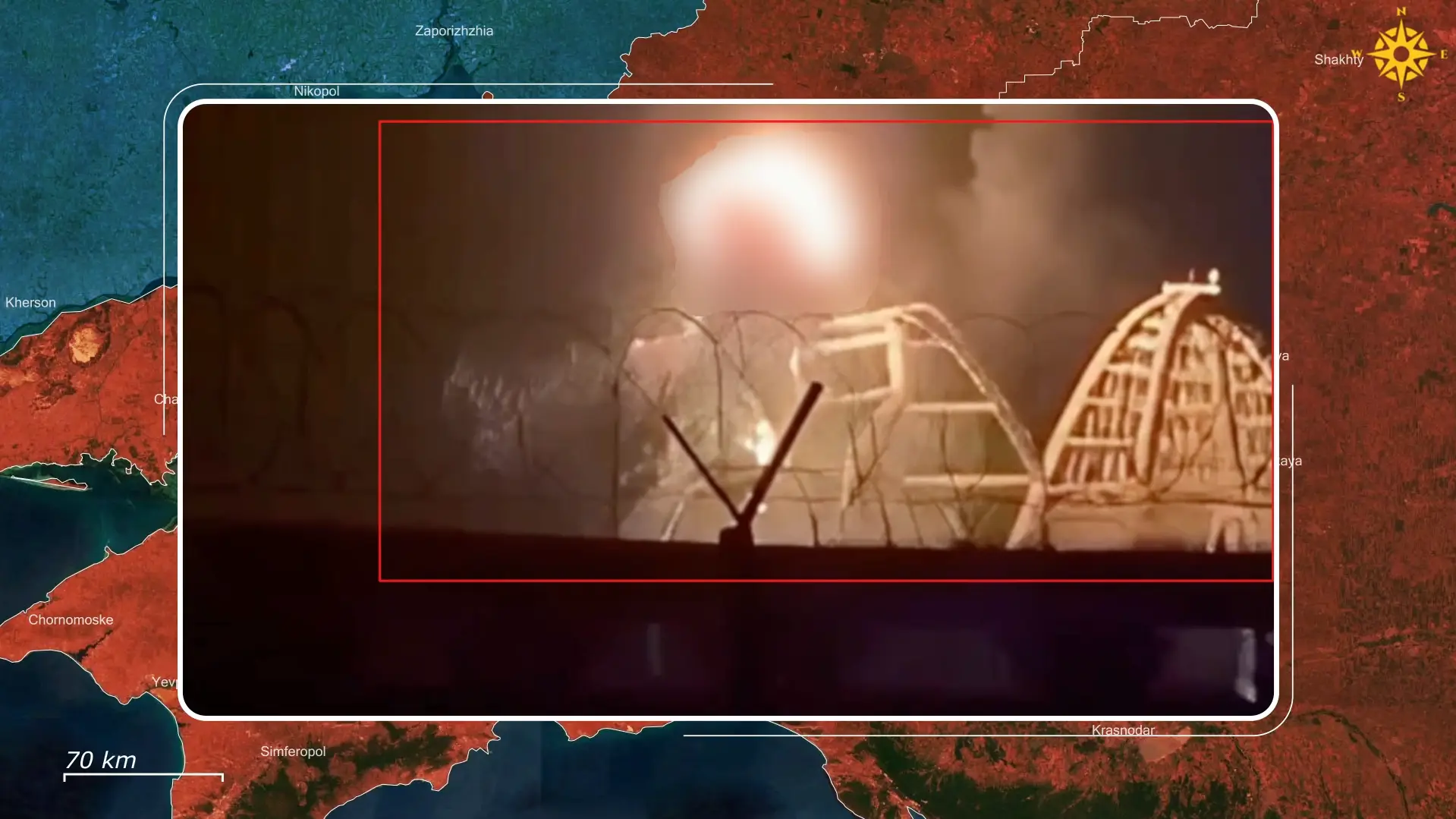
As a result of the Ukrainian strikes on the Kerch Bridge, the entire two-hundred-seven-meter road arch collapsed directly into the sea. Notably, the arch stood above the only canal passage in the strait deep enough for large commercial and military vessels to travel between the Black Sea and the Sea of Azov. The waters underneath the remaining sections of the bridge are too shallow, as well as support beams standing in the way of larger vessels trying to pass through. This means that Ukraine has effectively sealed off the Sea of Azov, trapping Russian vessels inside until thousands of tons of submerged steel and asphalt can be removed from the strait.
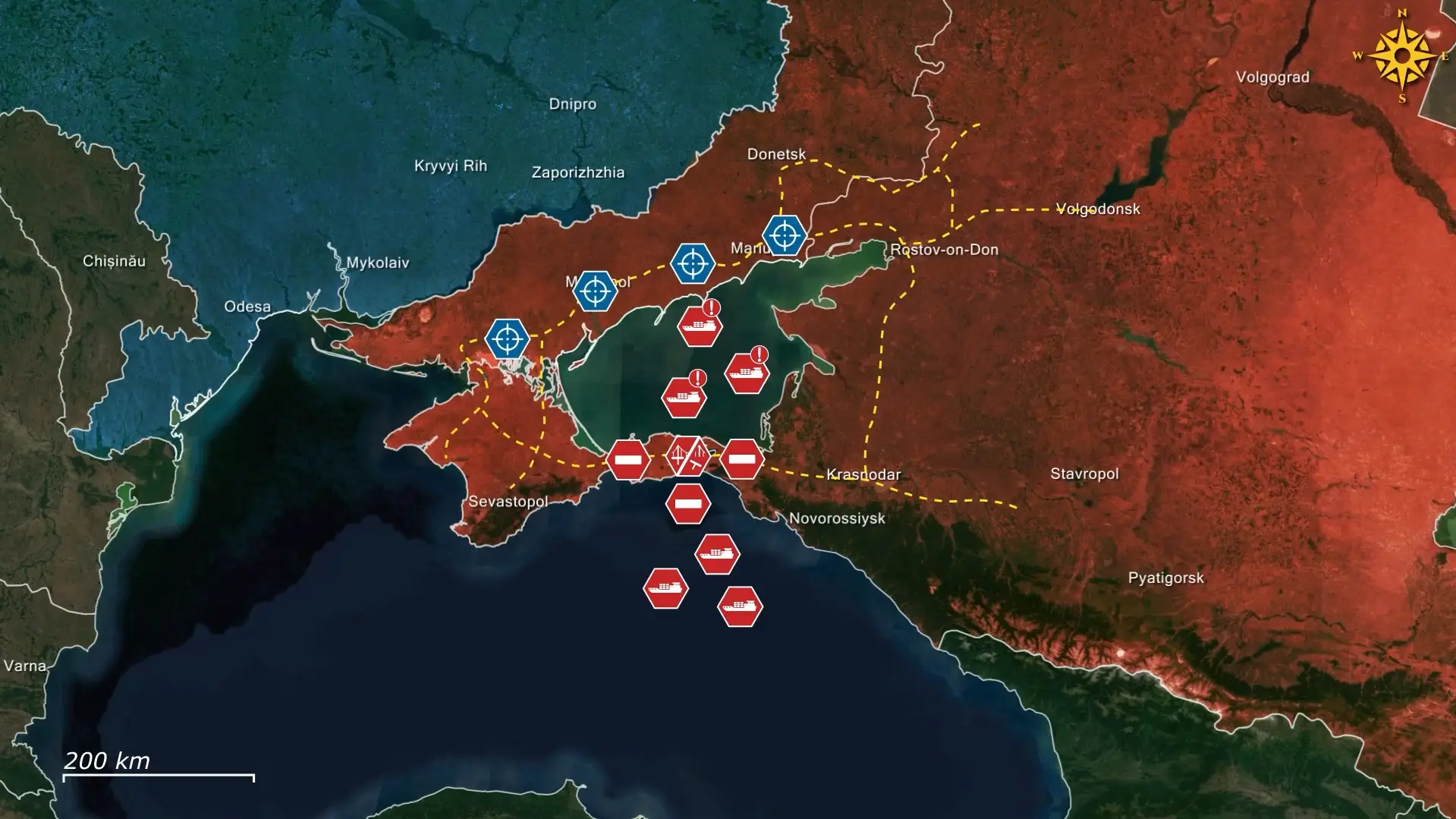
The problem for the Russians is that virtually the entire Sea of Azov is already within range of Ukrainian mid-range strike capabilities, effectively trapping the stranded Russian ships like fish in a barrel. Back in July, Ukrainian forces hit a confirmed one-hundred -five Russian vessels in just eight days during their mid-range strike campaign. The strikes demonstrated the extent of Ukraine's ability to disrupt Russian shipping across the Sea of Azov. While the exact number of vessels currently trapped remains unconfirmed, large Russian ships can no longer retreat into the Black Sea to escape the increasingly dangerous conditions.
However, the logistical consequences of the bridge's destruction are far more severe. With the road connection completely severed and the railway repeatedly damaged, Russia faces significant difficulties maintaining the flow of military supplies into Crimea. The alternative land corridor through southern Ukraine is already under considerable pressure from the Ukrainian mid-range strike campaign, making military and logistical transportation increasingly dangerous. Under normal circumstances, Russia could compensate for these disruptions by expanding maritime transportation. However, the obstruction of the Kerch Strait and past destruction of transport ships prevents new vessels from entering the Sea of Azov, severely limiting Russia's ability to restore its increasingly vulnerable transportation of logistics.
This leaves maritime transportation through the Black Sea as one of Russia's few remaining alternatives to continue to supply Crimea. However, these are the same waters where Ukrainian naval drones roam, and have already inflicted devastating losses on the Russian Black Sea Fleet. Approximately thirty percent of the Russian Black Sea Fleet's combat vessels have already been destroyed or seriously damaged, with the remainder operating as far away from Ukrainian naval drones as they can. However, if transport through the Black Sea becomes the only option for Russia to continue to supply their occupation of Crimea, the remaining Russian warships would be forced to escort the transports against the threat of Ukrainian naval drones, aerial drones, and missiles, pulling the Russian Black Sea fleet back into an engagement they have been consistently losing for the past four-and-a-half years. With Russia increasingly dependent on maritime transportation and Ukraine continuing its campaign against Russian military logistics, a major naval battle is looming in the Black Sea, one that could see the end of the Russian Black Sea Navy as we know it.
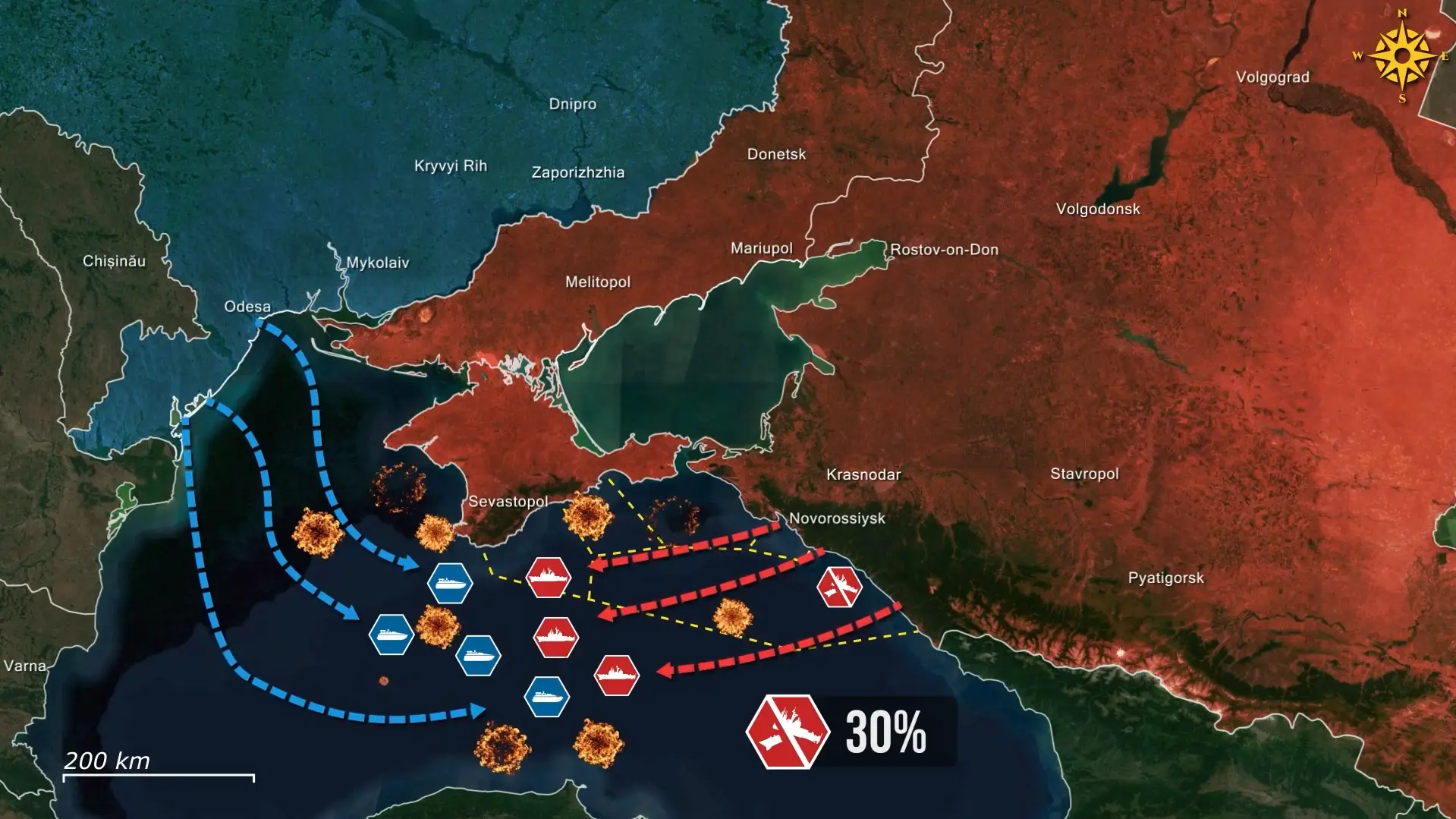
Overall, Ukraine's destruction of the Kerch Bridge has significantly reduced Russia's ability to move military and civilian supplies. The simultaneous disruption of road and maritime traffic means that Russia has fewer alternatives to compensate for further logistical losses. Furthermore, the increasing demand for naval escorts could force the already severely weakened Russian Black Sea Fleet to divert more resources toward defensive operations. The battle over Crimea's logistical connections could therefore develop into a much broader struggle over military transportation across the Black Sea.



Comments