

.svg)
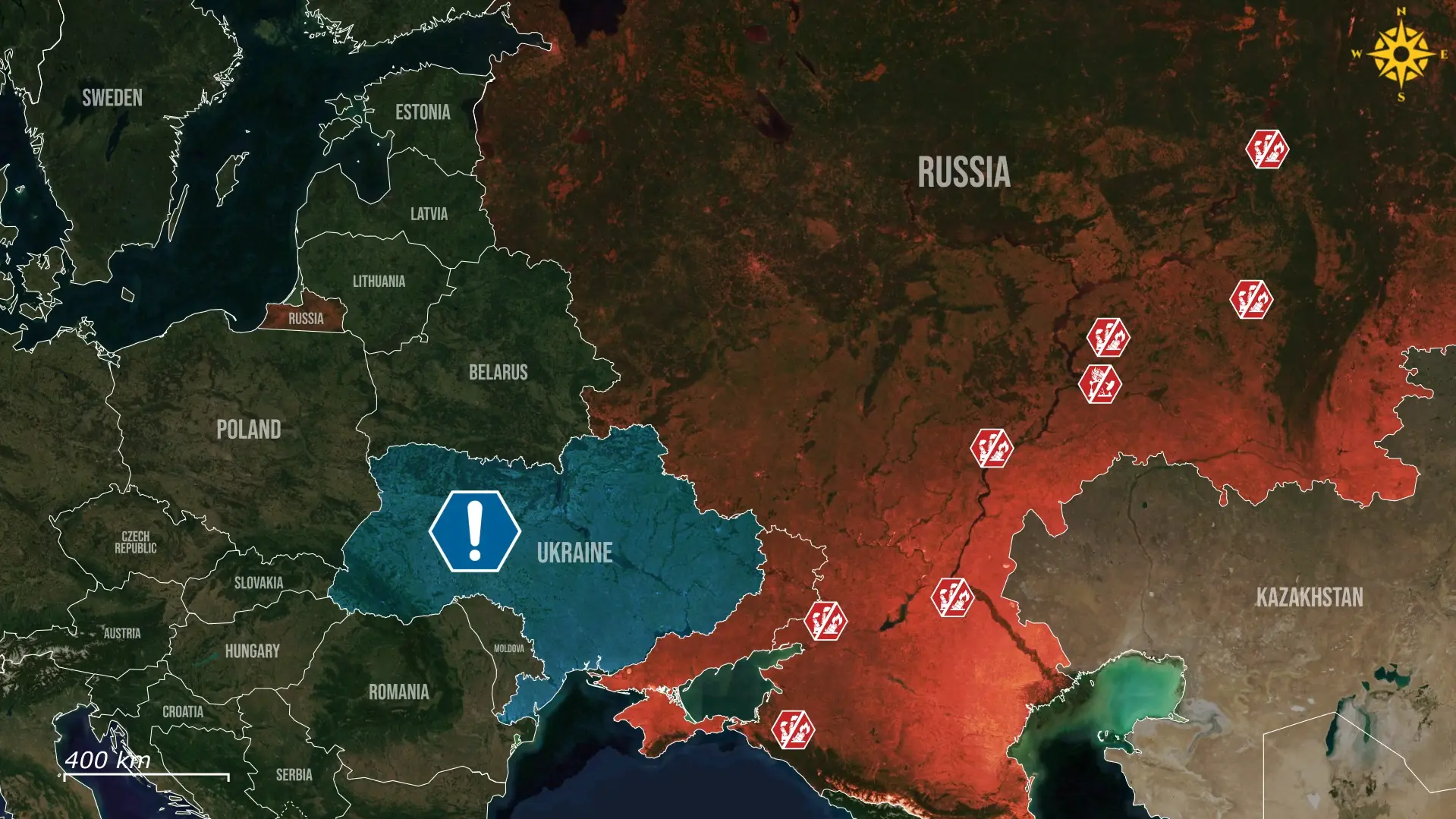
Today, there is important news from the Russian Federation.
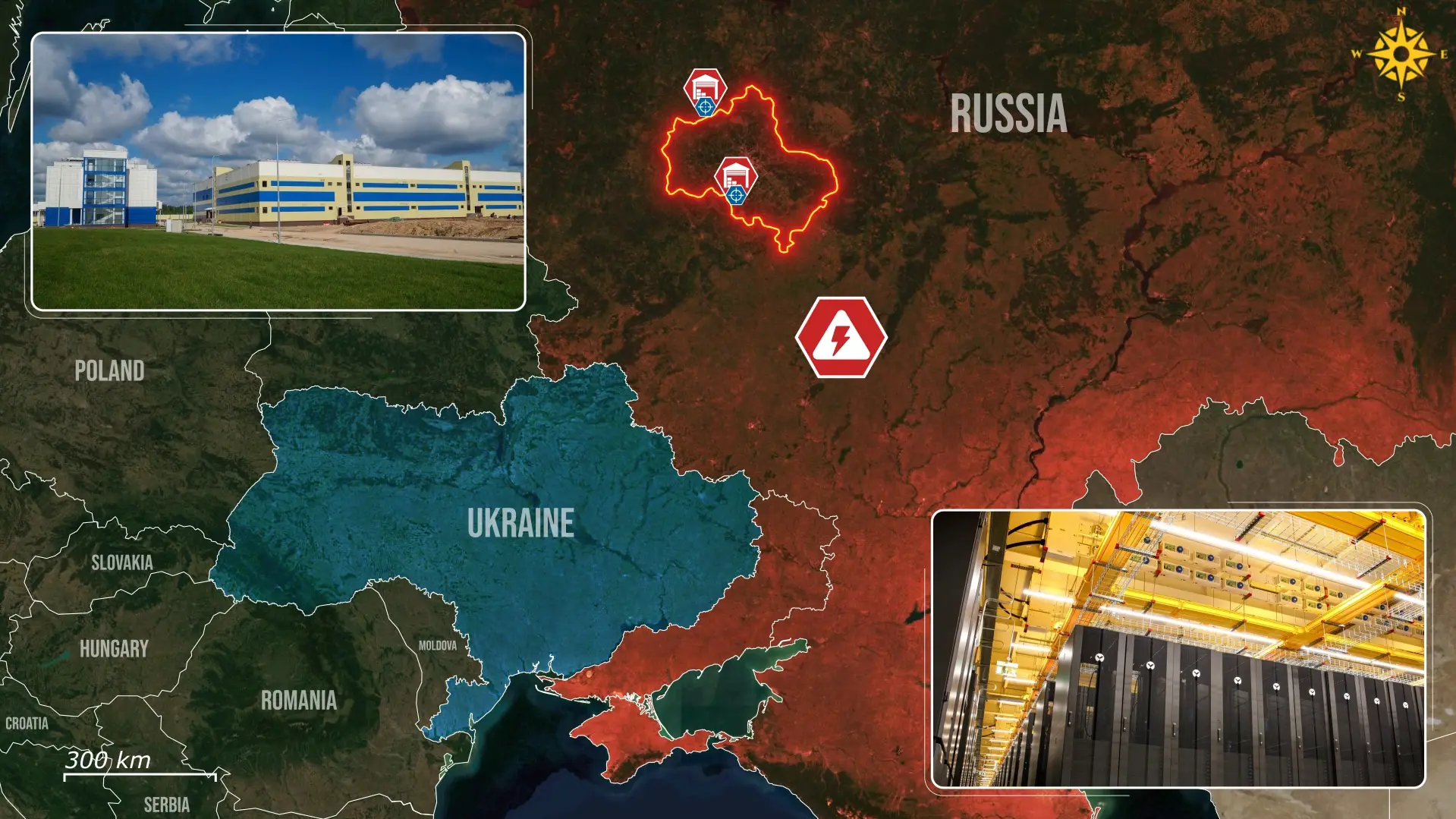
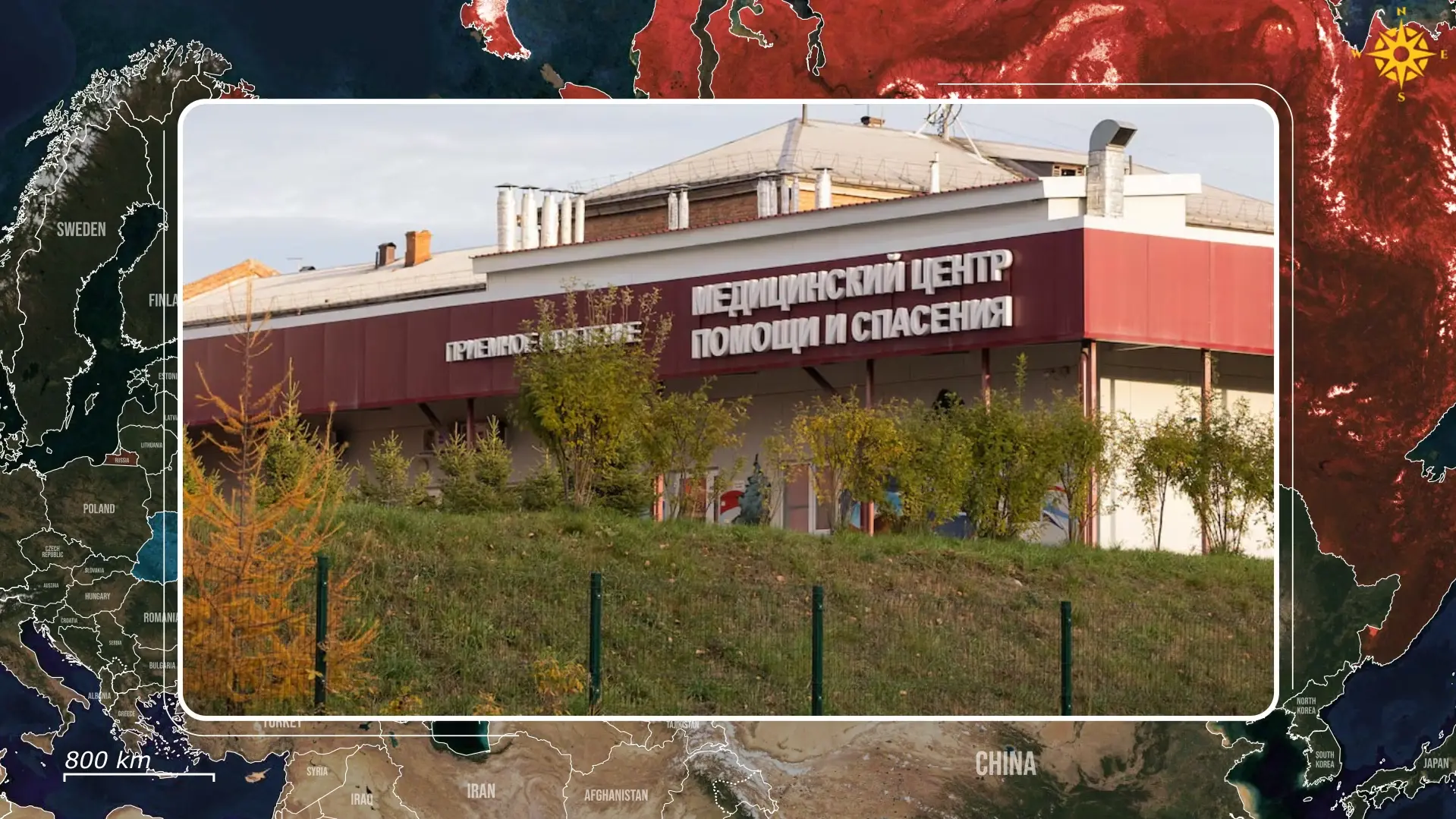
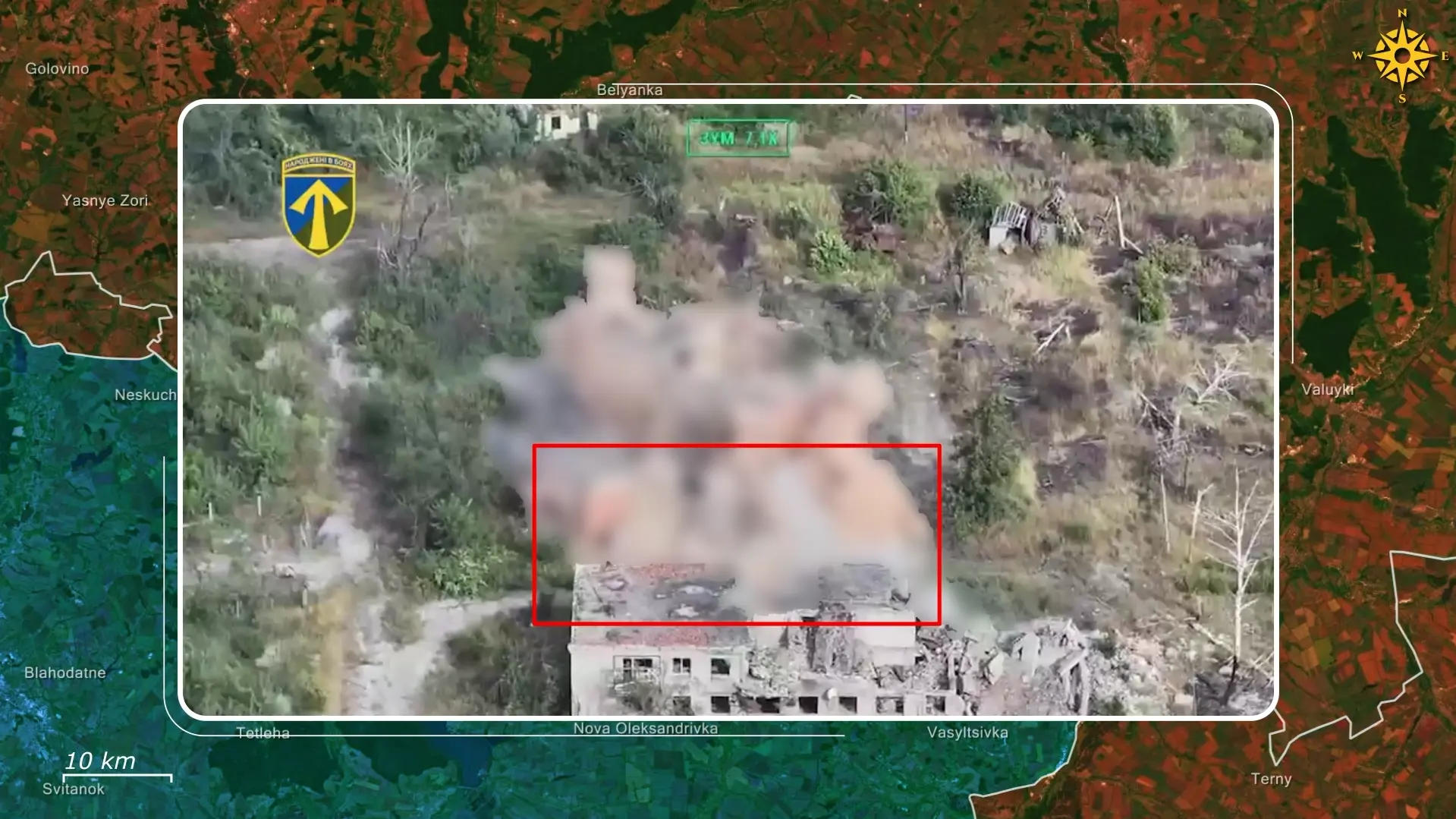
Here, Russia’s technology sector has suffered a major blow after drones struck Yandex’s biggest data center in Sasovo, in the Ryazan Region, triggering a fire and forcing the facility to shut down completely. Located on the former premises of the Sasta machine-tool plant, which supplies Russia’s engineering industry and was also targeted in the attack, the complex hosts tens of thousands of servers and represents Yandex’s most important computing facilities.
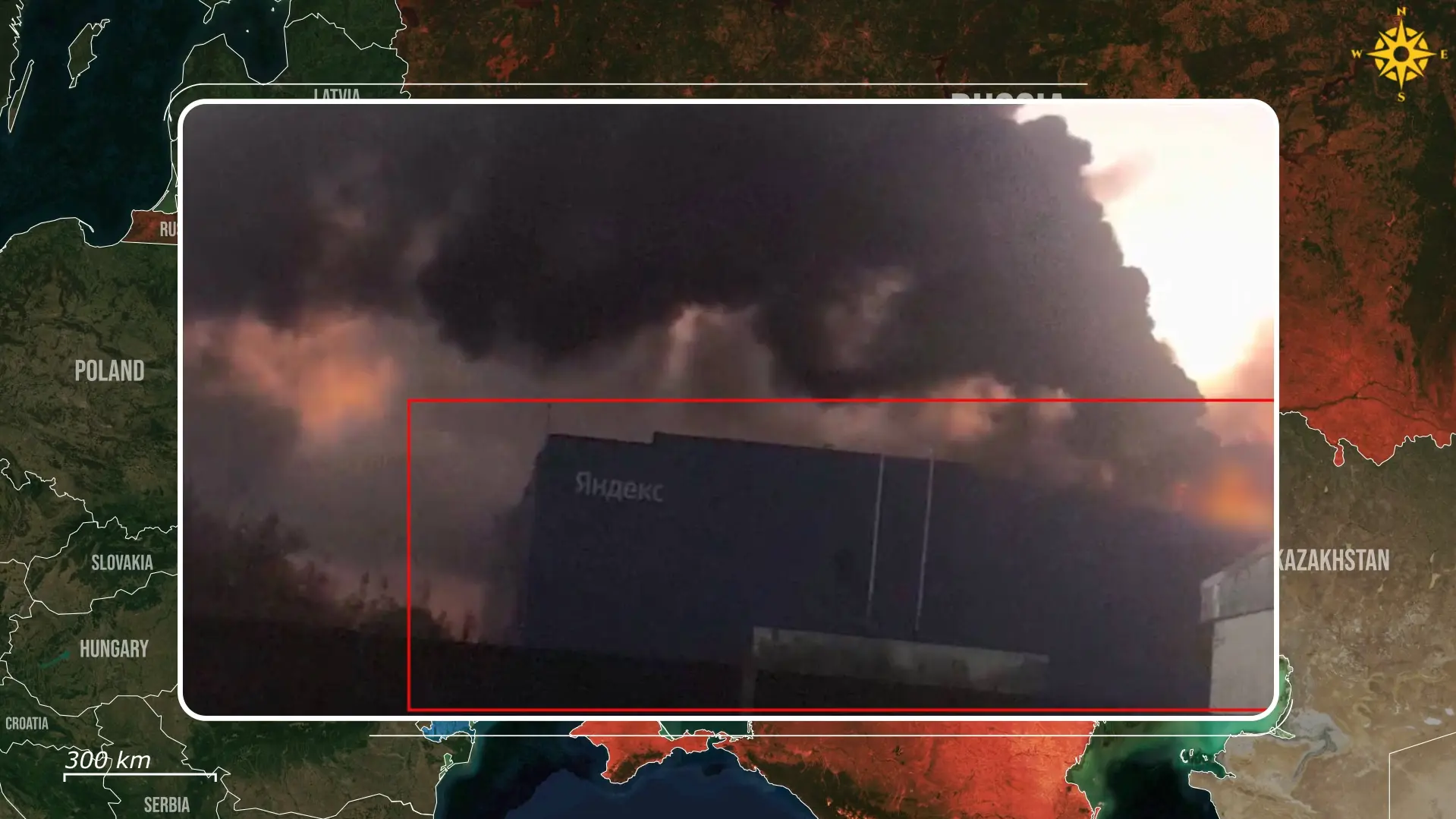
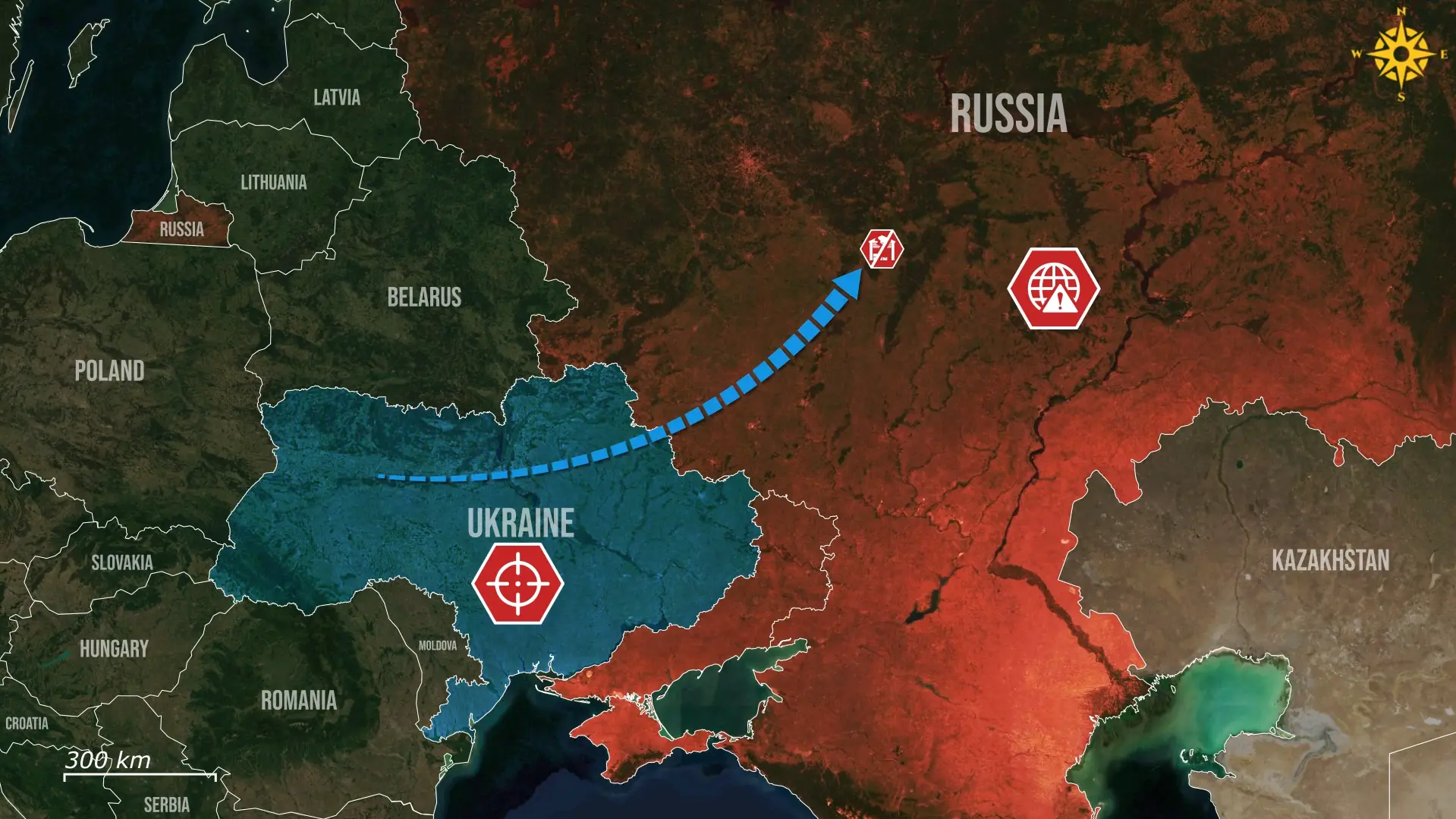
The Ukrainian attack immediately disrupted cloud infrastructure, as Yandex acknowledged electricity problems affecting one availability zone and advised customers to switch to alternatives. Although the company maintained that its principal consumer services remained operational, the complete shutdown demonstrated how quickly a physical strike can interrupt digital infrastructure supporting thousands of businesses, as problems were reported throughout various internet services in Russia within minutes after the attack.
Financial markets reacted immediately in panic as well, with Yandex shares falling approximately four percent during early Moscow trading, as investors were suddenly confronting a new risk: Russia’s most important technology companies could become increasingly vulnerable to the same type of disruption already affecting its energy and logistics sectors.
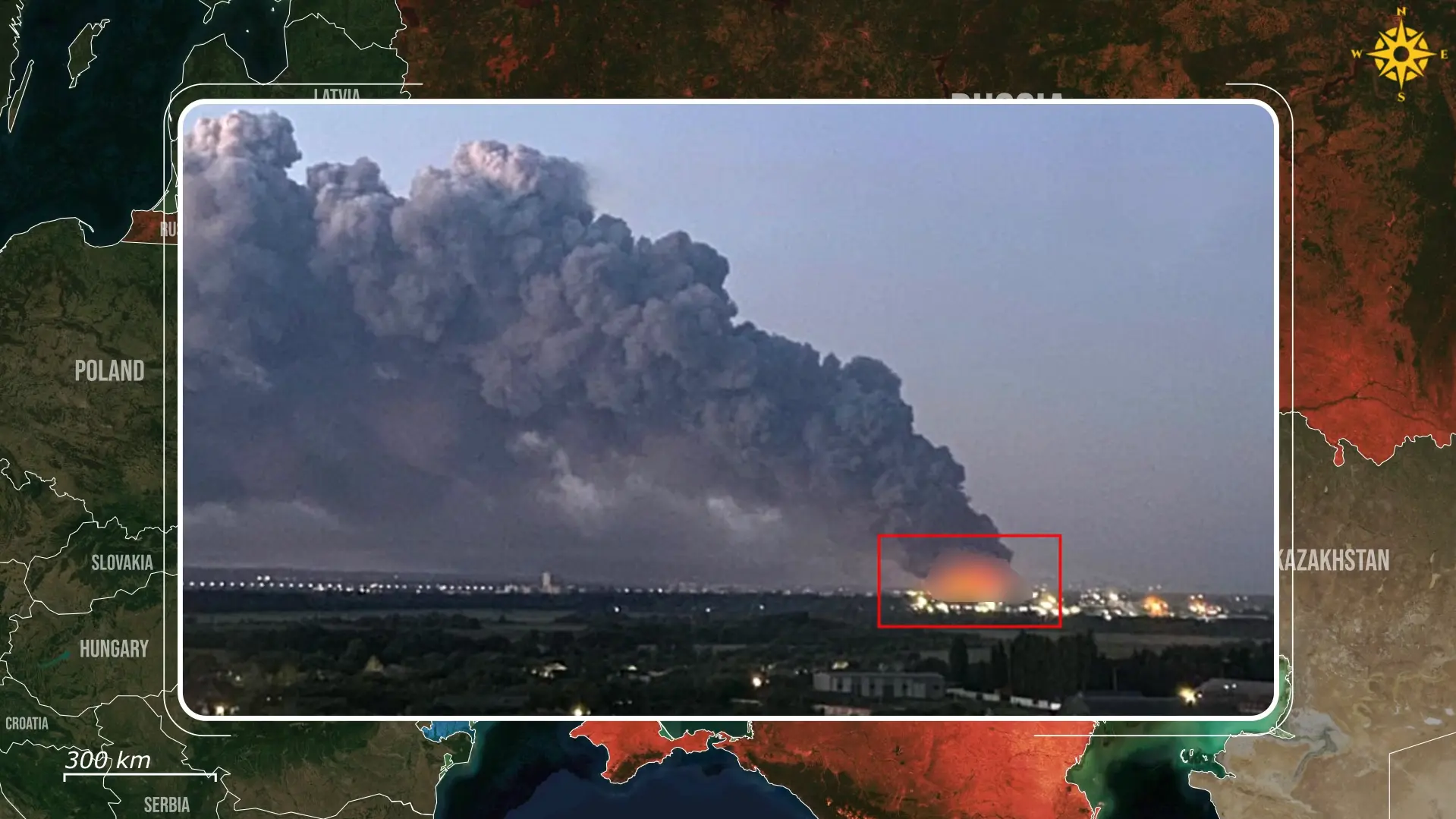
The timing is particularly significant because Russian strikes have recently targeted Ukrainian data centers, and now Russia is experiencing the consequences of attacks against its own digital infrastructure, while the economic implications could extend far beyond Yandex. Earlier attacks on Wildberries and Ozon facilities demonstrated how physical destruction can disrupt online commerce. Data centers represent an even more complicated challenge because they support the software systems that allow businesses to function.
What makes it even more dangerous, warehouses can often be replaced through smaller storage facilities, alternative distribution routes, and dispersed inventories. Large data centers are harder to replicate quickly, as they require enormous electrical capacity, cooling equipment, specialized servers, high-speed connections, and carefully coordinated software environments. Although workloads can be transferred between facilities, relocating massive datasets and computing capacity requires substantial investment and technical preparation. Consequently, repeated disruptions could create mounting costs even when companies successfully restore their services.
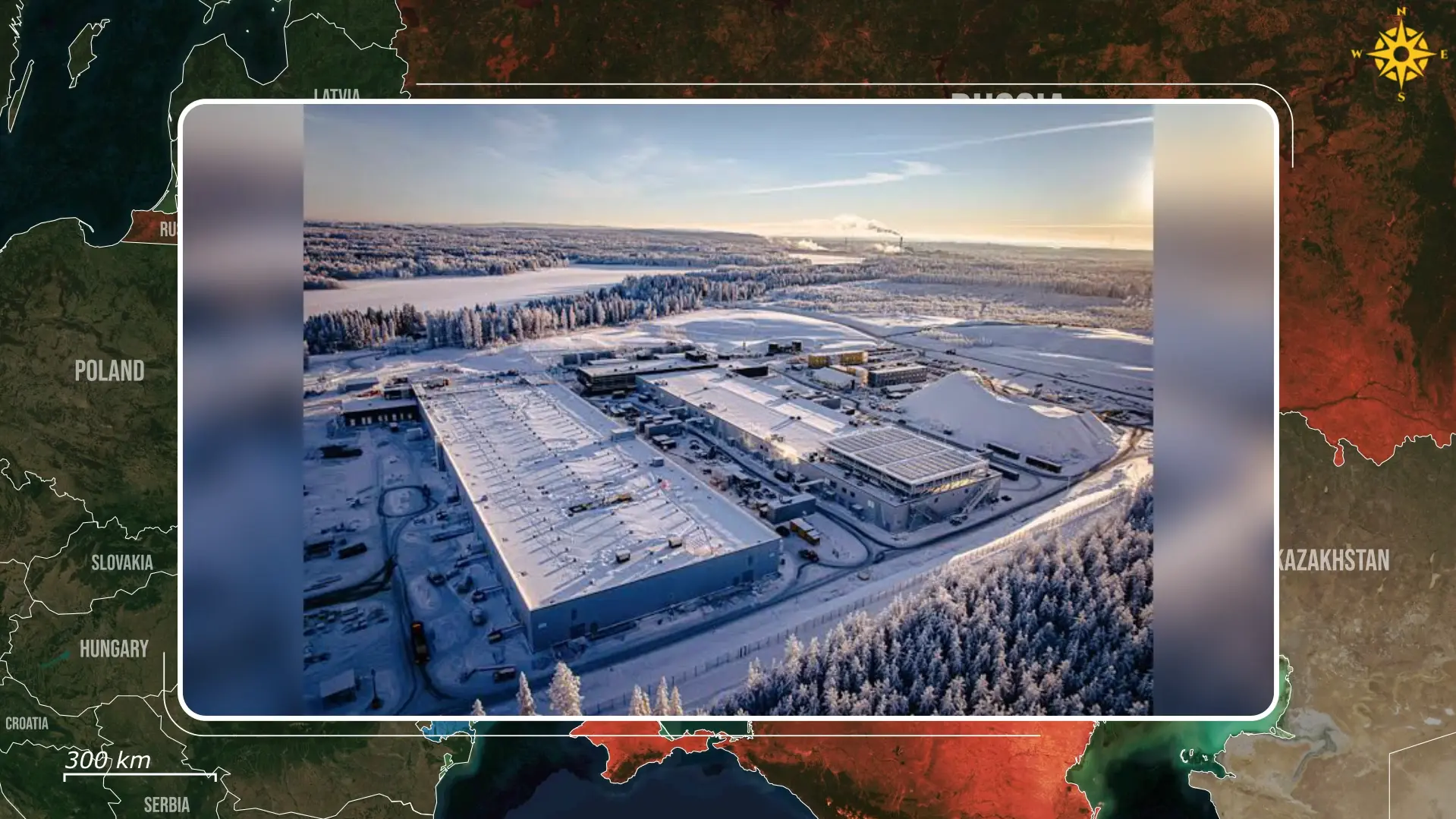
Russia’s digital economy depends upon these systems for cloud storage, financial transactions, corporate databases, telecommunications and government administration. Yandex itself operates search, navigation, transportation, storage and artificial-intelligence services, including YandexGPT. Disruption across several independent providers could therefore produce cascading problems: slower applications, interrupted online payments, unavailable business records, delayed administrative services and increasingly unreliable commercial platforms.
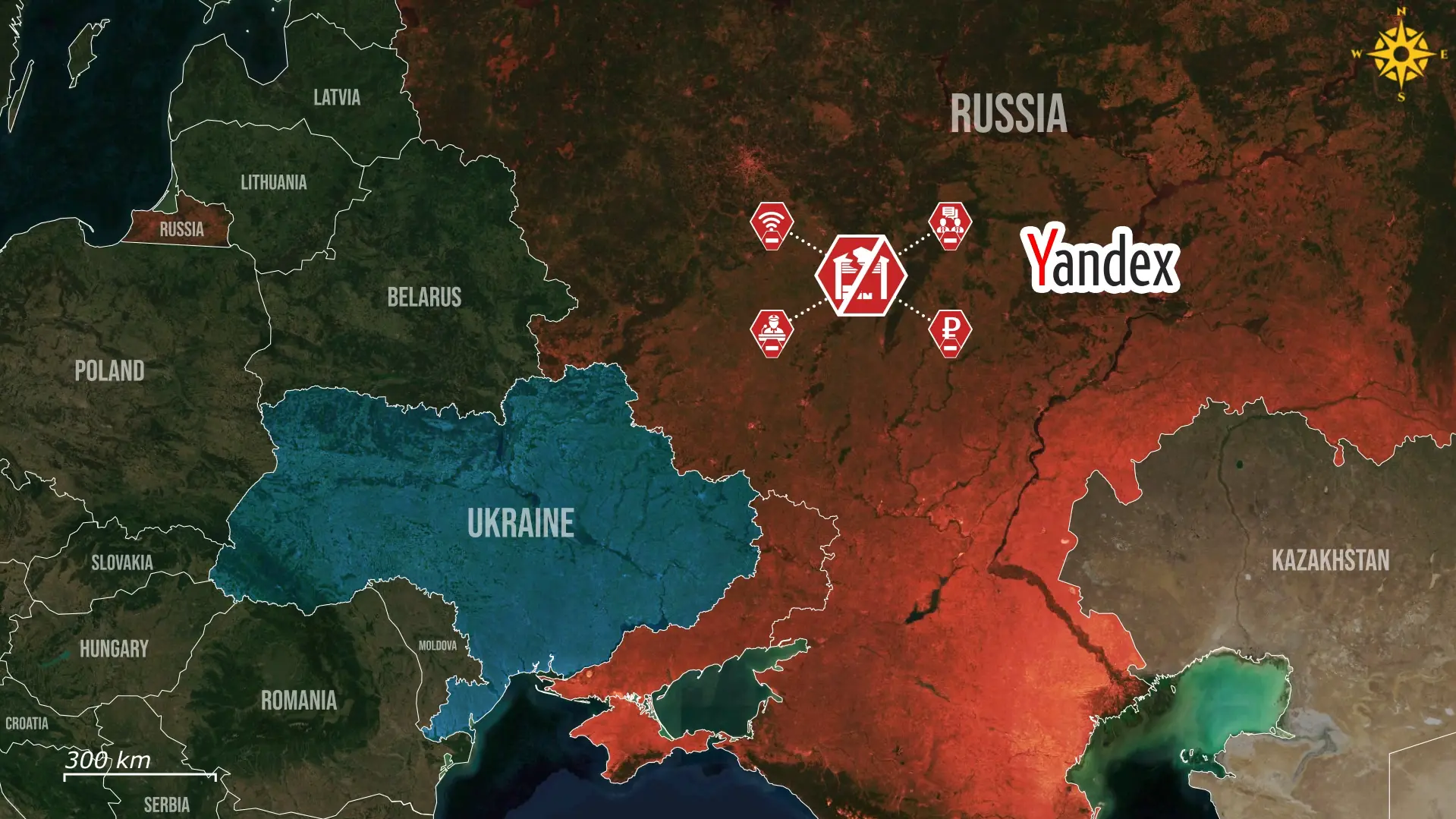
The next potential biggest target could be the Udomlya data center in Tver Oblast, processing nuclear-reactor simulations and storing state video archives from across Russia, the destruction of which could disrupt the work of the Russian government. The second major target could become Moscow’s M-Nine data center, which is a hub that, if taken offline, could cause a large part of the Russian internet to suffer immediate disruption, potentially affecting banking transactions, mobile connectivity, and government portals. Despite Russia possessing a geographically distributed data-center industry, most of the operational facilities are located inside or near Moscow.
After such a campaign, Russian companies will have to restore data access, redirect workloads, investigate interrupted transactions, and reassure customers. Some may need additional backup capacity, while others could reconsider relying exclusively on domestic infrastructure. For the Russian government, repeated incidents would create another expensive challenge alongside protecting refineries, transportation networks and industrial facilities.

Overall, the scale of the risk for Russia makes the Sasovo attack fundamentally different from previous attacks on warehouses. The immediate damage concerns physical equipment, but the secondary consequences can spread through businesses that never experienced the attack directly, demonstrating a vulnerability that Moscow can no longer ignore but can’t fix quickly enough as well. After years of Russian attacks against Ukraine’s civilian infrastructure, the consequences are increasingly reaching Russia’s own digital economy. Sasovo will ultimately mark the beginning of a much broader period of technological disruption, with Ukraine having already proven its long-range strike capabilities against other valuable targets.

.jpg)

Comments