

.svg)
Today, there is important news from the Russian Federation.
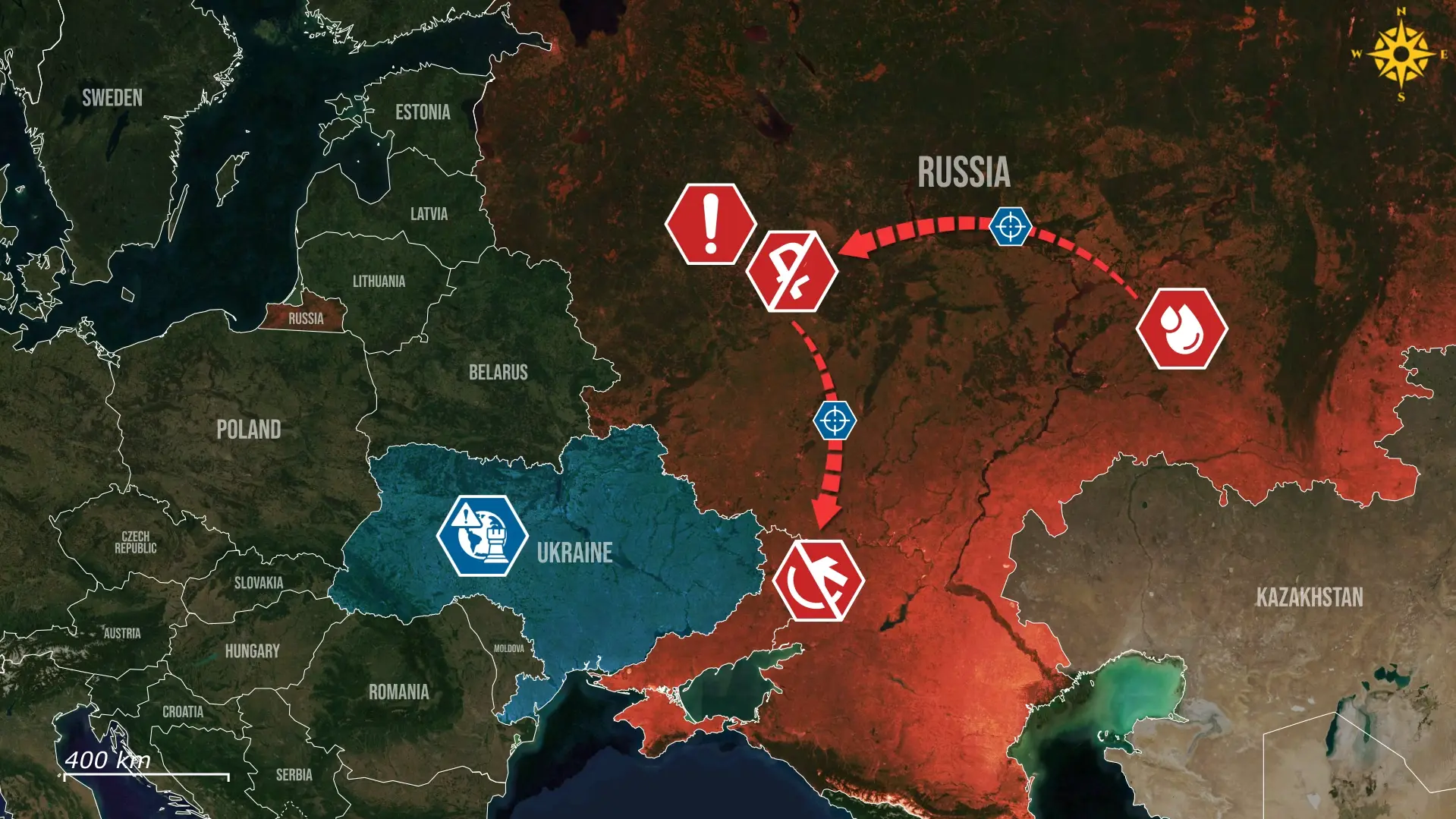
Here, Ukraine’s campaign against Russia’s oil industry intensified, with explosions and fires reported at Lukoil’s massive Volgograd refinery. Processing roughly fifteen million tons annually, the facility produces gasoline, diesel and aviation kerosene essential to Russia’s economy and military. During the same attack wave, Ukraine also struck the Samara oil-distribution station, an important node involved in producing Russia’s oil export blend. These attacks followed an extraordinary week in which Ukraine reported strikes against six Russian refineries, demonstrating that individual raids can easily be turned into a systematic campaign with dangerous results for Russia.
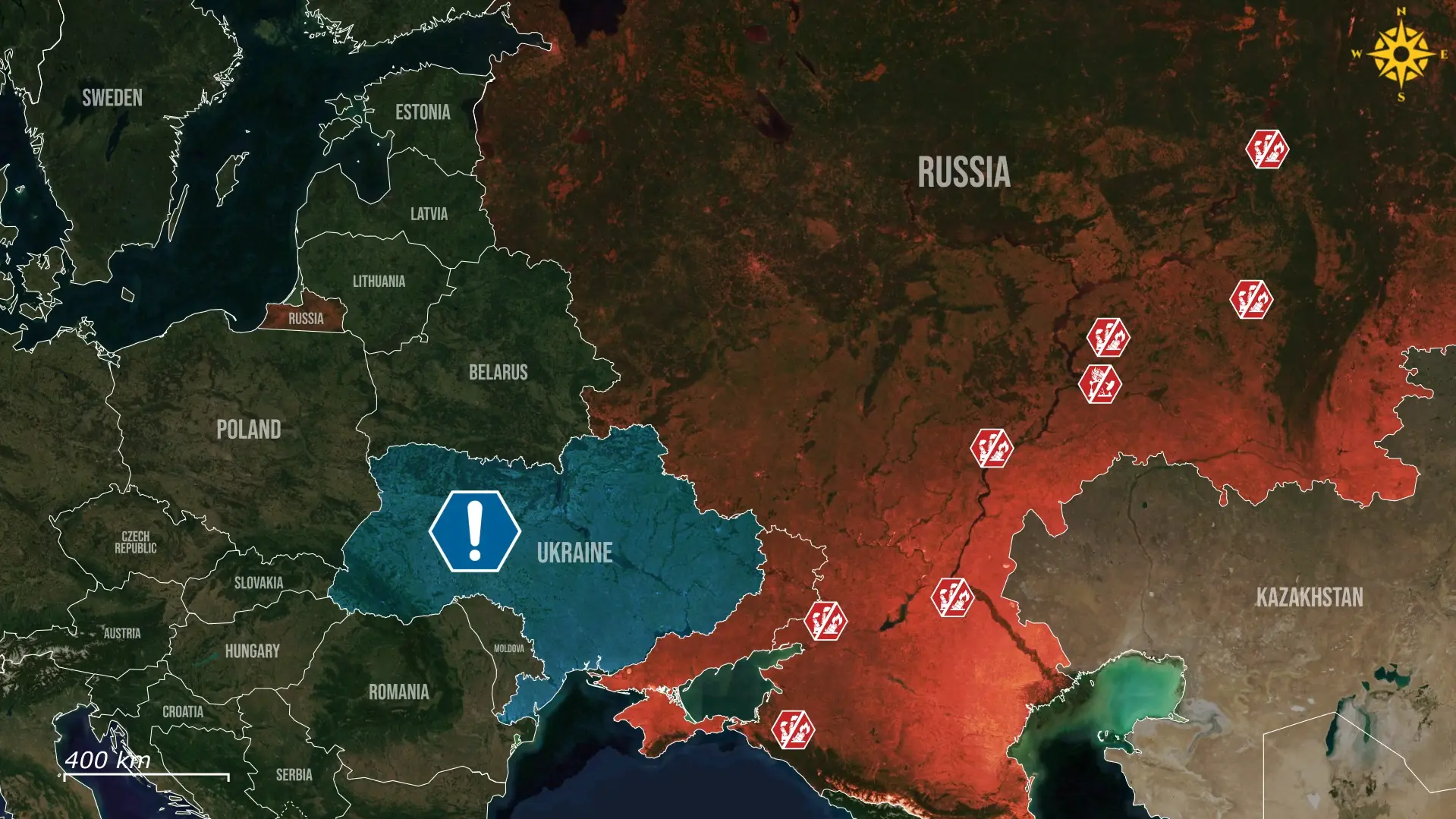
As a result, the scale is becoming economically significant, as Ukraine’s Defense Ministry stated that more than fifty-one percent of Russia’s refining capacity has now been put out of operation, describing the objective as bleeding Russia’s military-economic system. Despite Putin acknowledging that attacks on energy infrastructure are affecting economic performance, his tactic is to translate this into a percentage change in gross domestic product only to hide the real economic effect and mislead the Russian public. Putin openly admitted a decrease of only about one percent of a roughly two-point-seven-trillion US dollar economy, which is approximately twenty-seven billion dollars. The broader cumulative consequences of the Ukrainian strikes, however, extend far beyond direct refinery damage through disrupted production, transportation, exports, repairs, and military fuel supplies, making опенUkrainian strikes deal even more harm due to their repetitive nature.
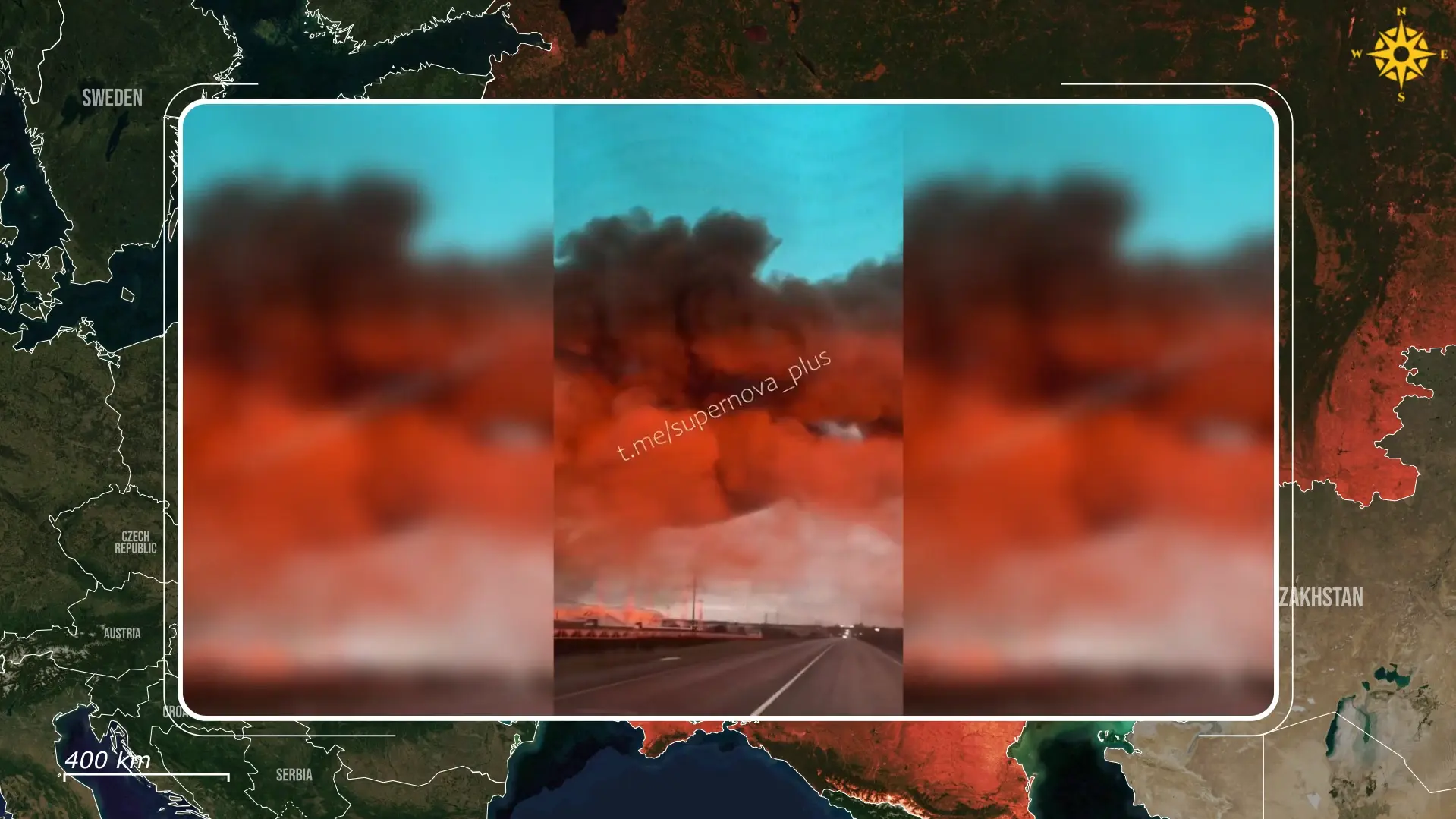
At Ilsky, Ukrainian drones damaged all three primary processing units, destroying almost the whole refining capacity. With the tank farm also damaged, production reportedly stopped at the key refinery supplying southern Russia and military logistics.
Novoshakhtinsk, capable of processing approximately five-point-six million tons annually, was also attacked by Ukrainian drones. Its connections to major rail and oil terminals make disruption there particularly damaging to fuel transportation across southern Russia.
Then Ukraine reached Perm, approximately one-thousand-and-five-hundred kilometers away. Fires were reported around several sections of the thirteen-million-ton Lukoil refinery, including the Avt-Five unit, responsible for roughly one-third of primary processing.
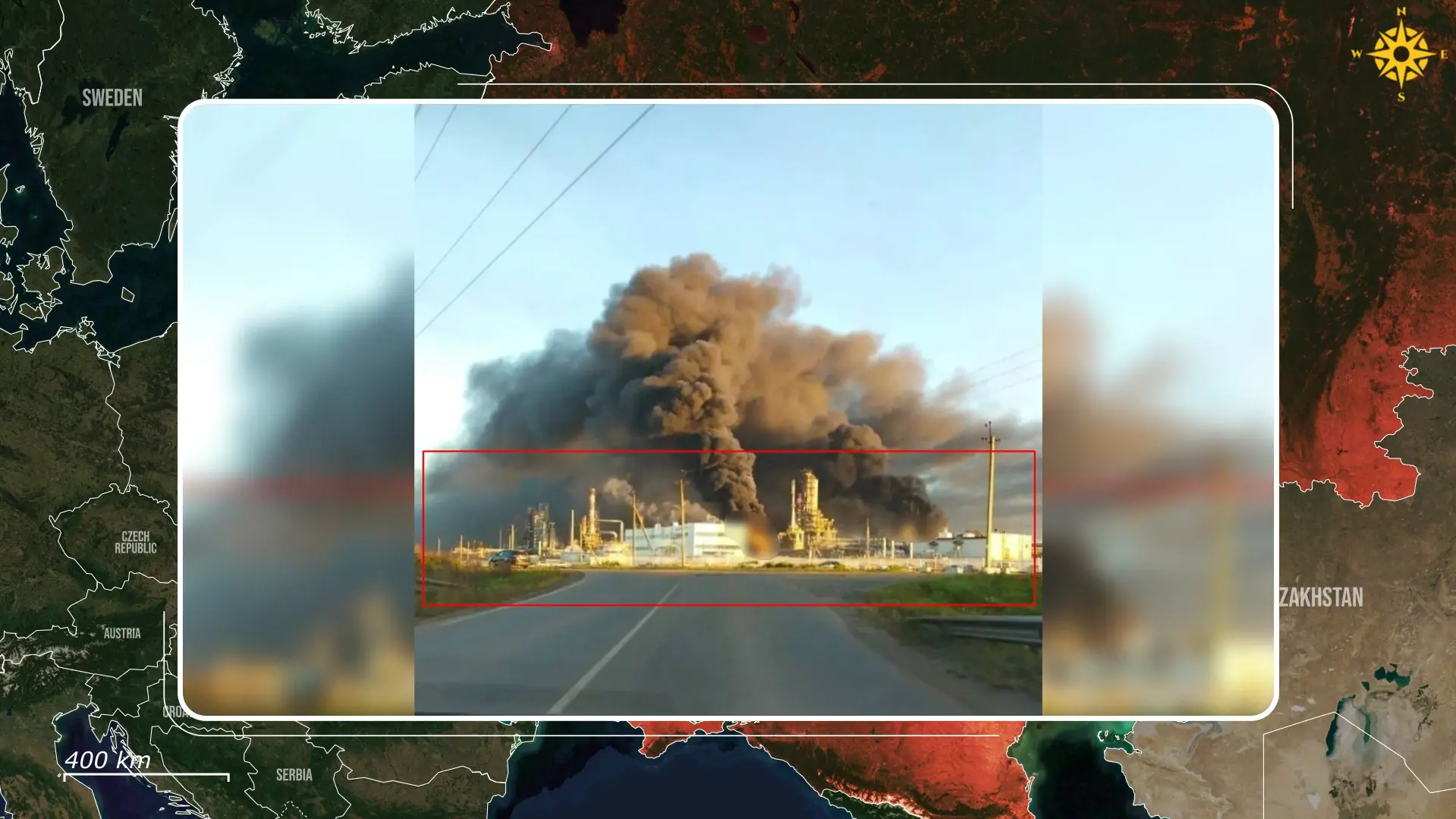
The next Ukrainian strike in Ufa also demonstrated that even distance no longer guarantees protection. Ukrainian drones attacked Bashneft’s enormous refining cluster more than one-thousand-three-hundred kilometers from Ukraine on consecutive days, damaging facilities producing diesel, gasoline, and aviation fuel.
At Kuibyshev in Samara, large fires were reported around the primary distillation infrastructure after incoming drone strikes. The refinery can process approximately seven million tons annually and produces substantial quantities of diesel, gasoline, and fuel oil, with the process now halted.
The Saratov refinery was hit again as well after previous strikes earlier this year. The Rosneft refinery processes up to seven million tons annually and produces fuels used by both civilian consumers and Russia’s military-industrial system.
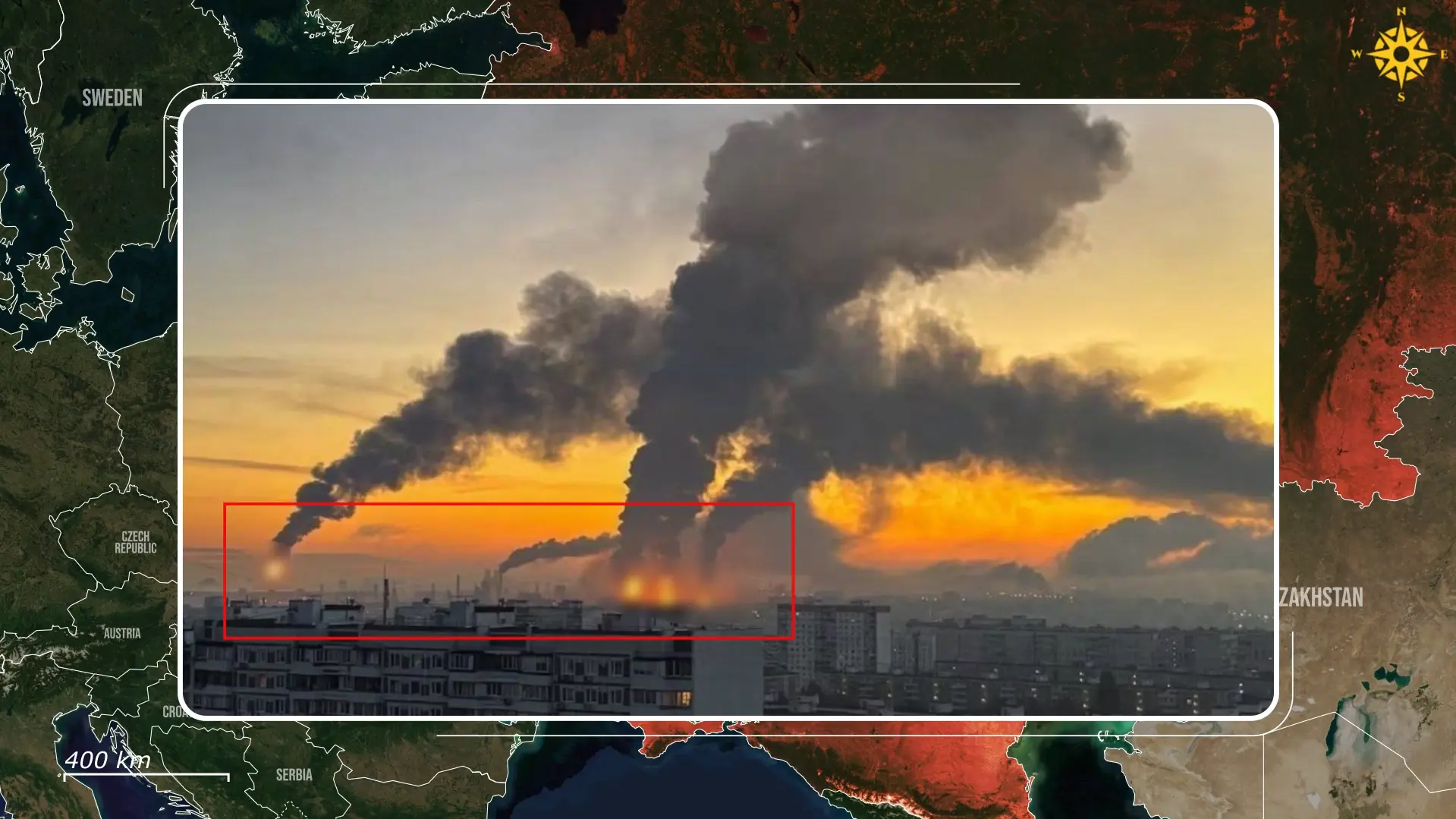
The Ryazan refinery represents an even larger target, as it can process approximately seventeen million tons annually, and Ukrainian strikes ignited its primary-processing units, threatening an important source of motor fuel around Moscow.
Repeated strikes matter because repaired units can be damaged again, forcing Russia into an expensive cycle of restoration while simultaneously protecting an enormous network of refineries, pipelines and pumping stations. The consequences therefore extend far beyond destroyed equipment, as Russia requires petroleum products to move tanks, trucks and aircraft, while energy exports and taxation remain crucial sources of state revenue. Refinery disruption creates repair expenses, logistical bottlenecks, and pressure on domestic fuel availability while forcing additional resources into air defense.
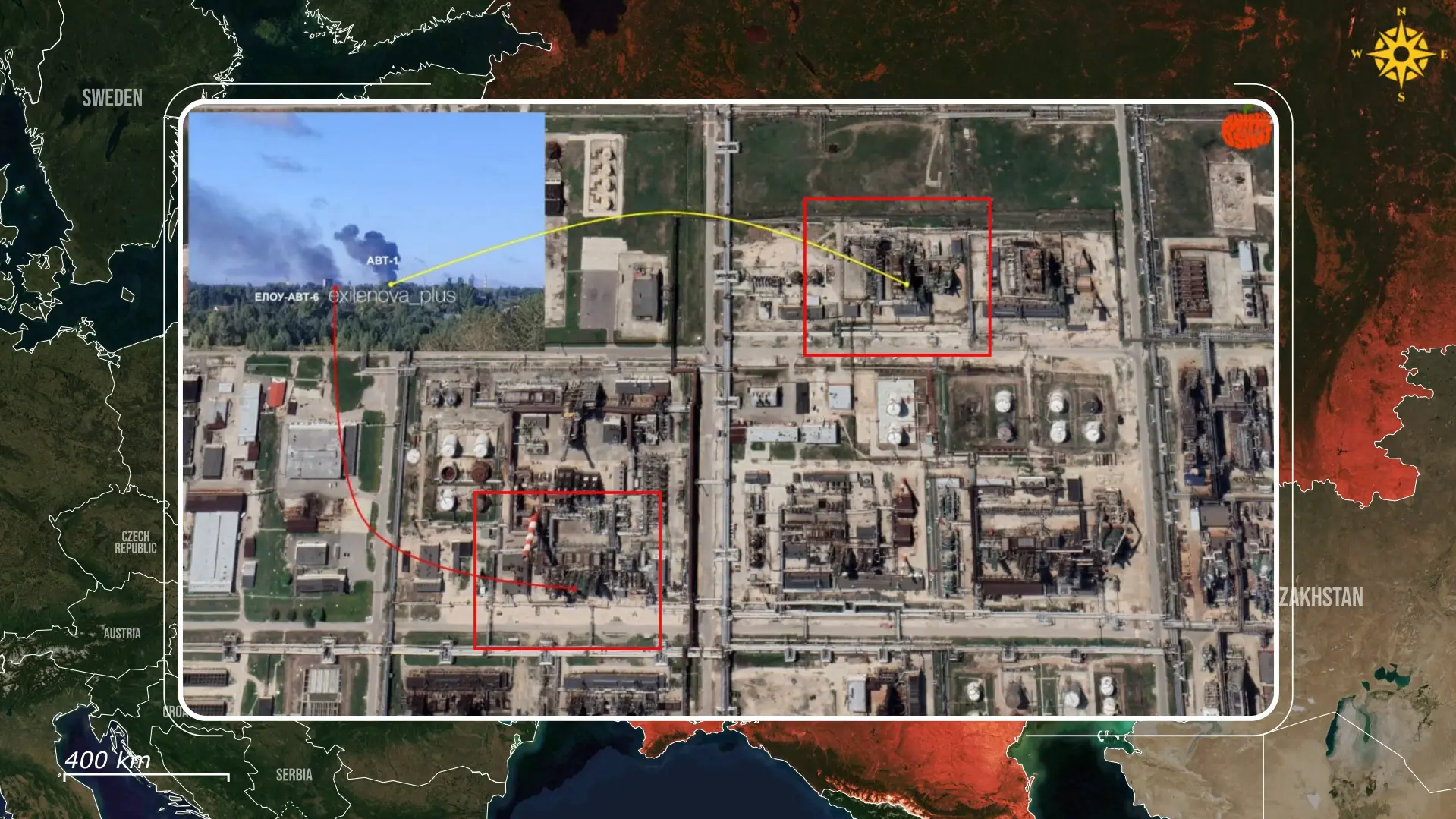
Overall, Ukraine’s strategy is methodical, repeatedly attacking the infrastructure that converts Russian crude oil into economically and militarily valuable products. If Ukrainian estimates of more than half of refining capacity being disabled even temporarily are sustained, the pressure will increasingly reach Russia’s war machine itself. Putin must simultaneously finance the war, replace military losses, repair energy infrastructure, and protect facilities scattered across an enormous territory, while Ukrainian drones are demonstrating that increasingly little of that territory remains safely beyond their reach.

.jpg)

Comments