

.svg)
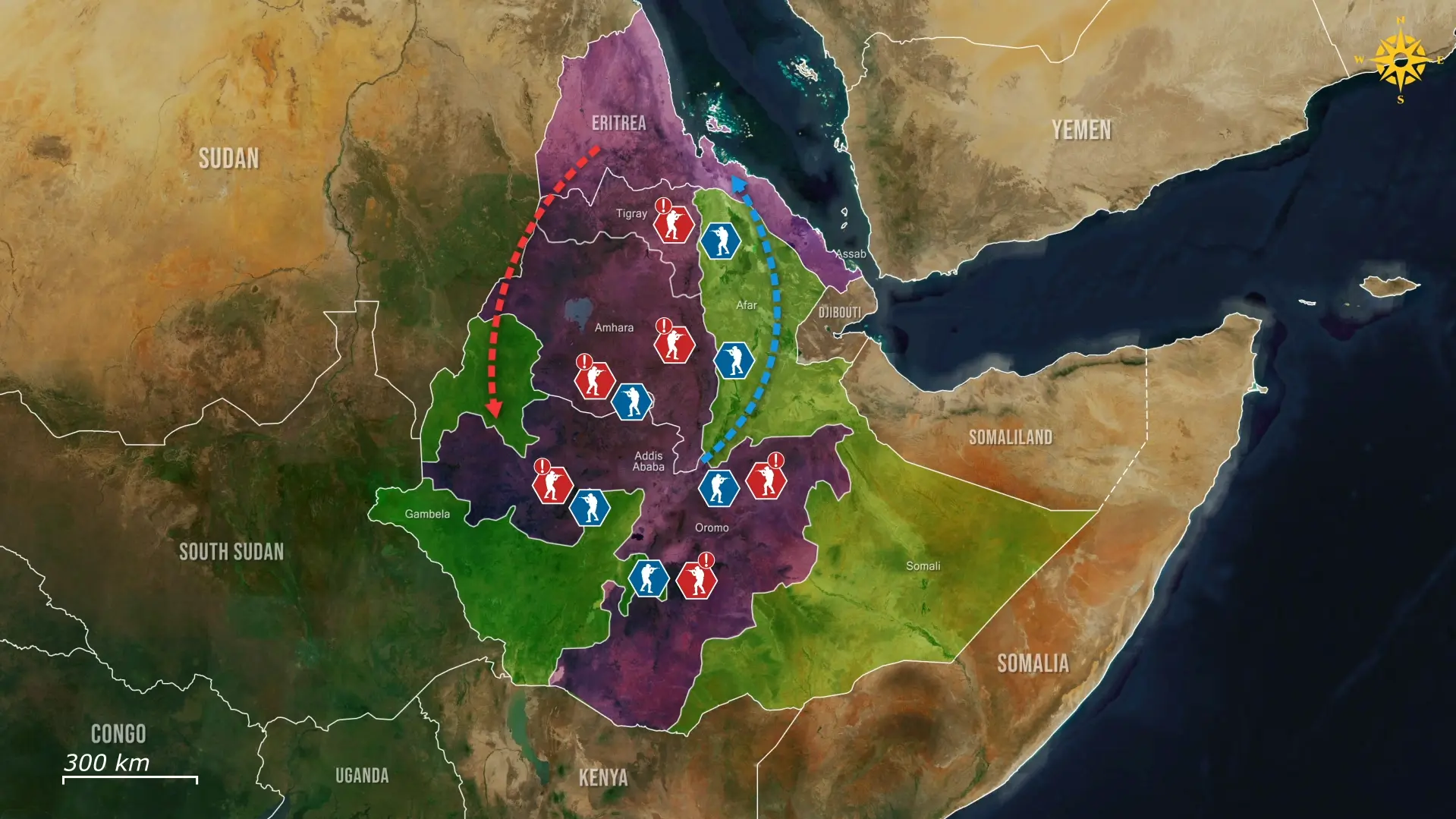
On September twenty third, Tigrayan forces seized airports in Tigray and launched attacks against federal positions in neighboring Afar and Amhara. Clashes were reported around Abala and Erebti in Afar, and around Lalibela in Amhara. Ethiopian Airlines suspended flights to three airports in Tigray as the fighting intensified. The offensive came only days after seven armed groups announced an alliance aimed at removing Prime Minister Abiy Ahmed’s government. The alliance brings together the Tigray People’s Liberation Front, Amhara Fano, and the Oromo Liberation Army.
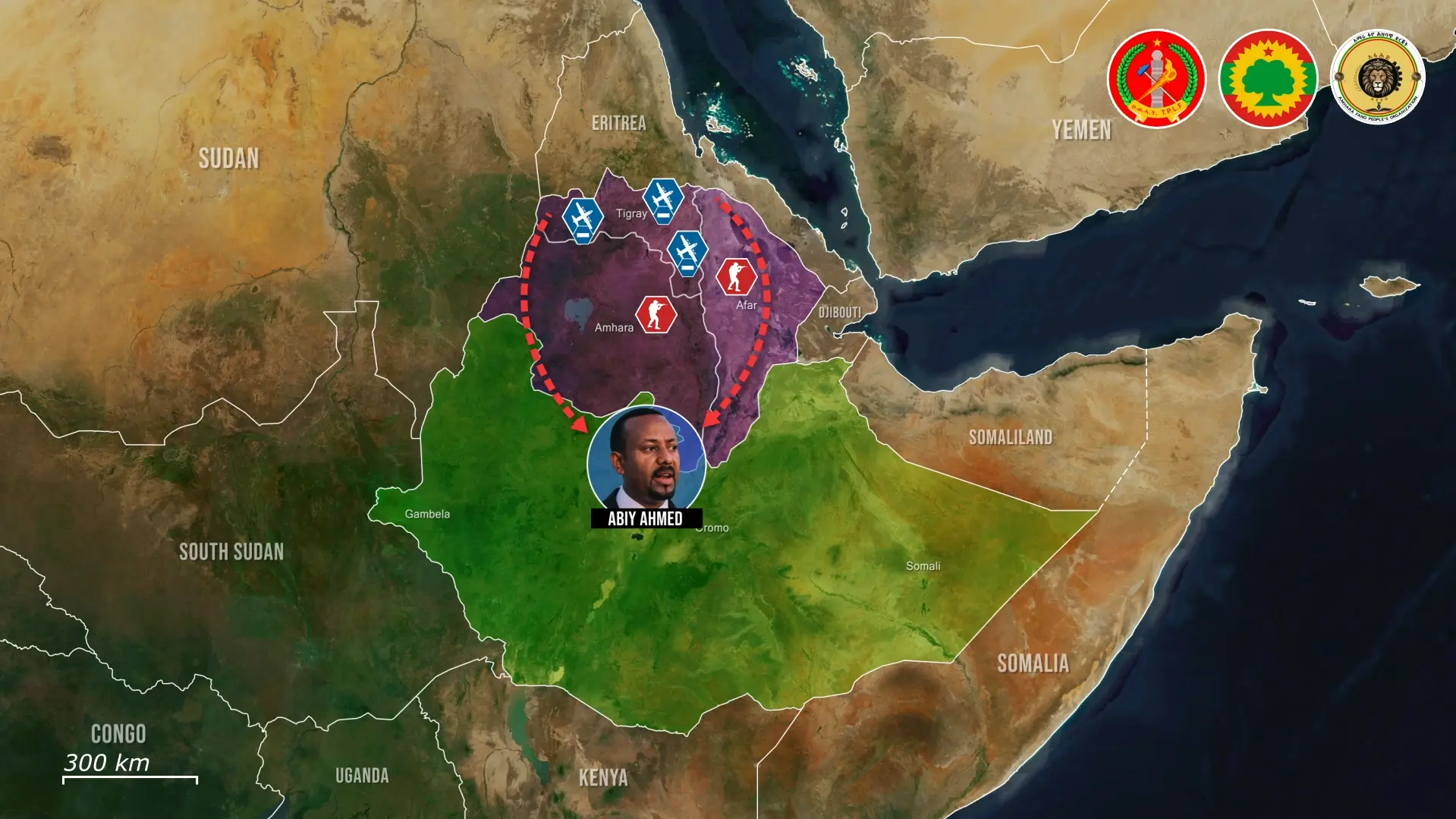
The TPLF and Fano fought on opposite sides of the Tigray war, while the OLA fought the federal government separately and maintained political ties with the TPLF. What makes the development significant is that the groups are no longer acting entirely on separate fronts, but are beginning to converge around a single enemy in the form of Abiy Ahmed’s government.
These three groups followed very different military paths before joining the new alliance. Their cooperation marks a dramatic reversal of the alliances that shaped the two thousand twenty two Tigray war. The TPLF fought the federal government, while Fano fought alongside federal and Eritrean forces against Tigrayan forces. The OLA was not a main participant in that war but has fought the government separately in Oromia since two thousand eighteen.
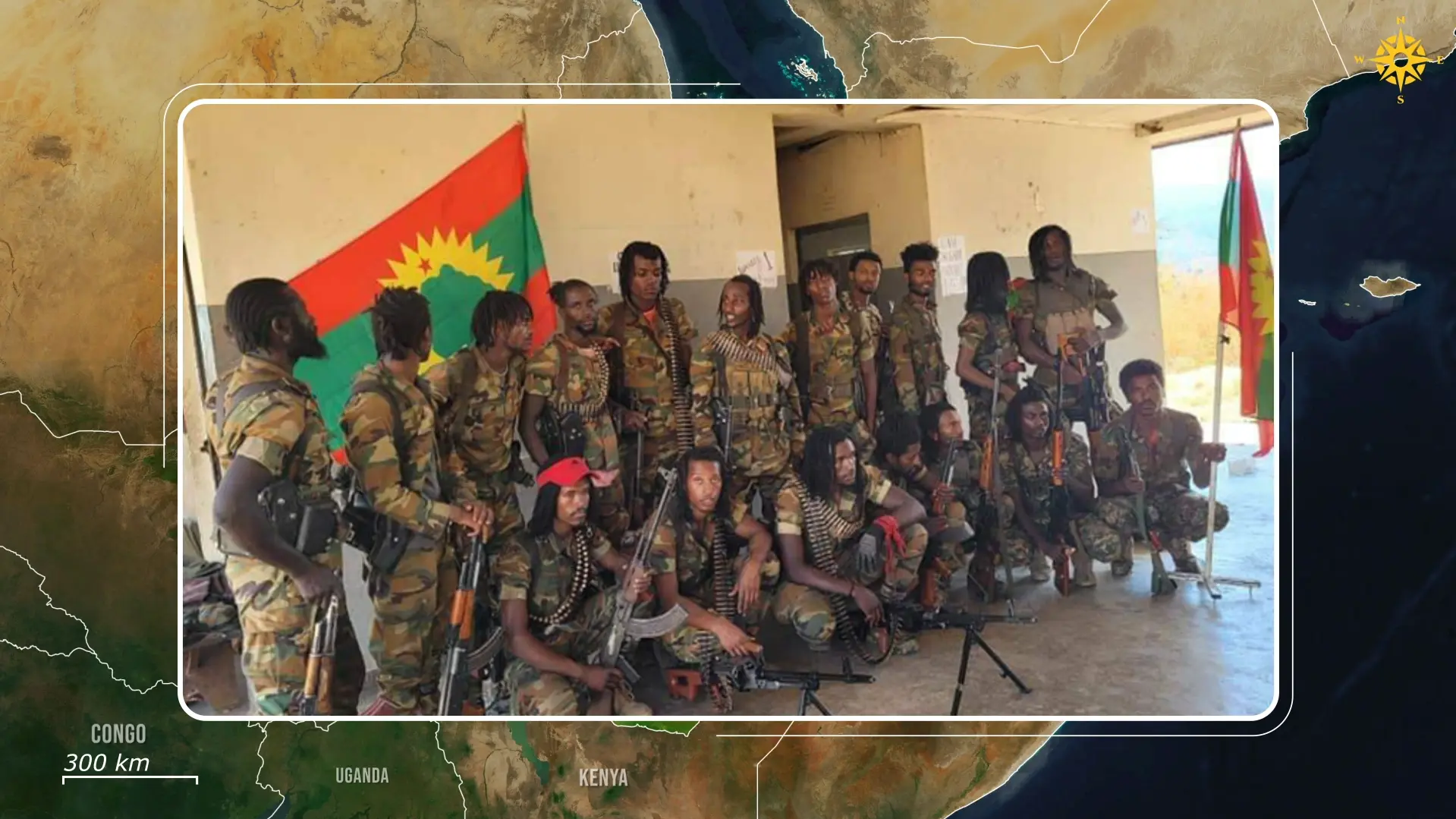
Today, all three regard Abiy’s government as their principal opponent, but their shared opposition does not mean they are already operating as a single military force. That shift could create a major military problem for Addis Ababa, as the groups operate in different parts of the country, from Tigray and Amhara in the north to Oromia in central Ethiopia. If their cooperation develops into coordinated military action, the Ethiopian army would have to deploy forces across several regions at once, potentially dividing its strength between multiple fronts.
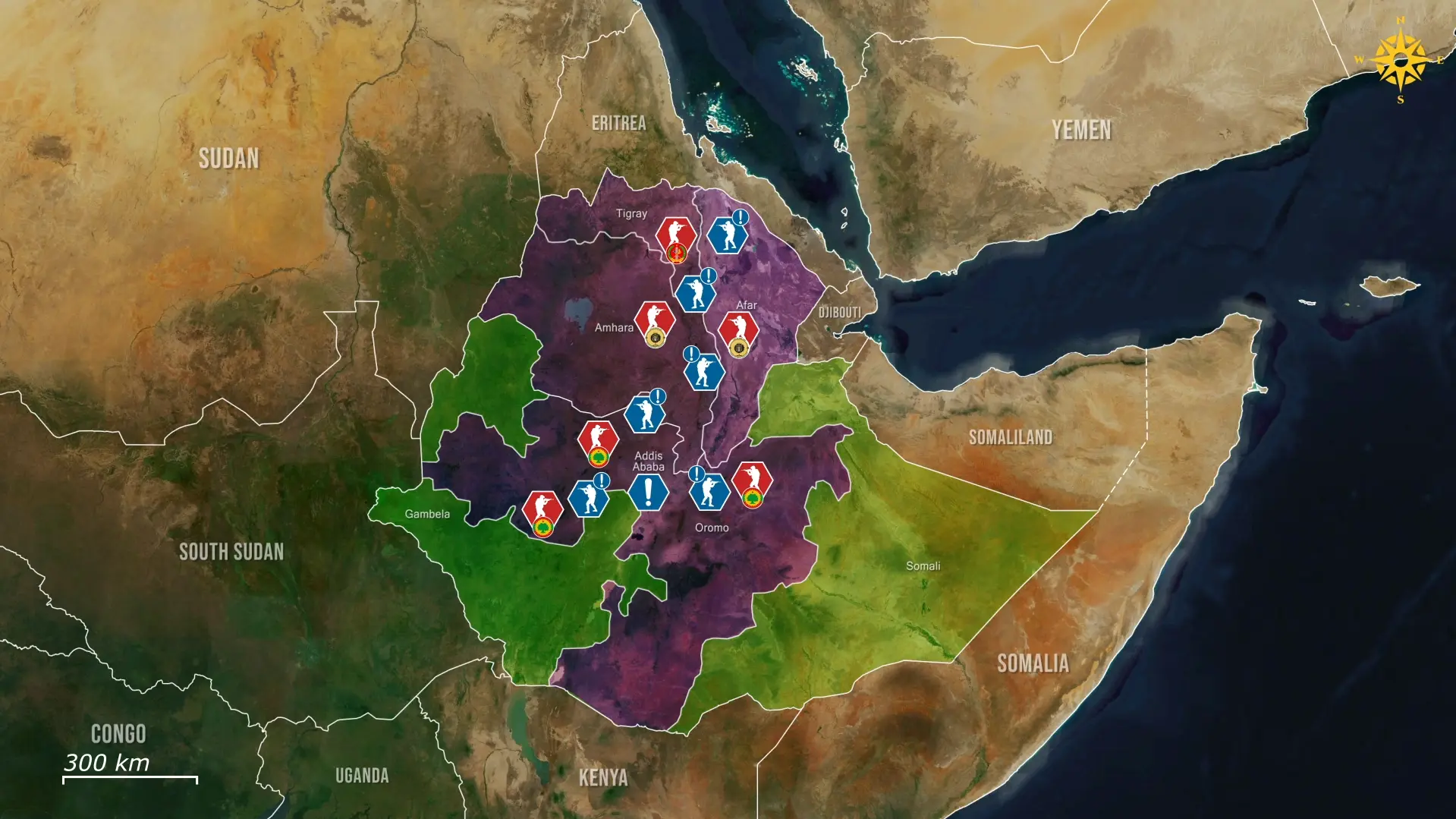
The groups’ opposition to Abiy comes from different grievances, but they now have the same enemy. The TPLF accuses Abiy of failing to fully implement the two thousand twenty two Pretoria peace agreement and resolve disputes over territory and the return of displaced Tigrayans. Fano’s rebellion grew after Addis Ababa moved to dismantle regional special forces and integrate them into the national security structure. Fano and other Amhara actors opposed the move, arguing that it weakened the region’s ability to defend itself. The OLA’s grievances are rooted in a longer struggle over Oromo political power. The OLA demands greater Oromo self rule and argues that Oromos still lack sufficient political control over their own region, despite Abiy himself being Oromo. However, their different political goals could also limit the alliance, since cooperation against Abiy does not necessarily mean they agree on what Ethiopia should look like after his government is weakened or removed.
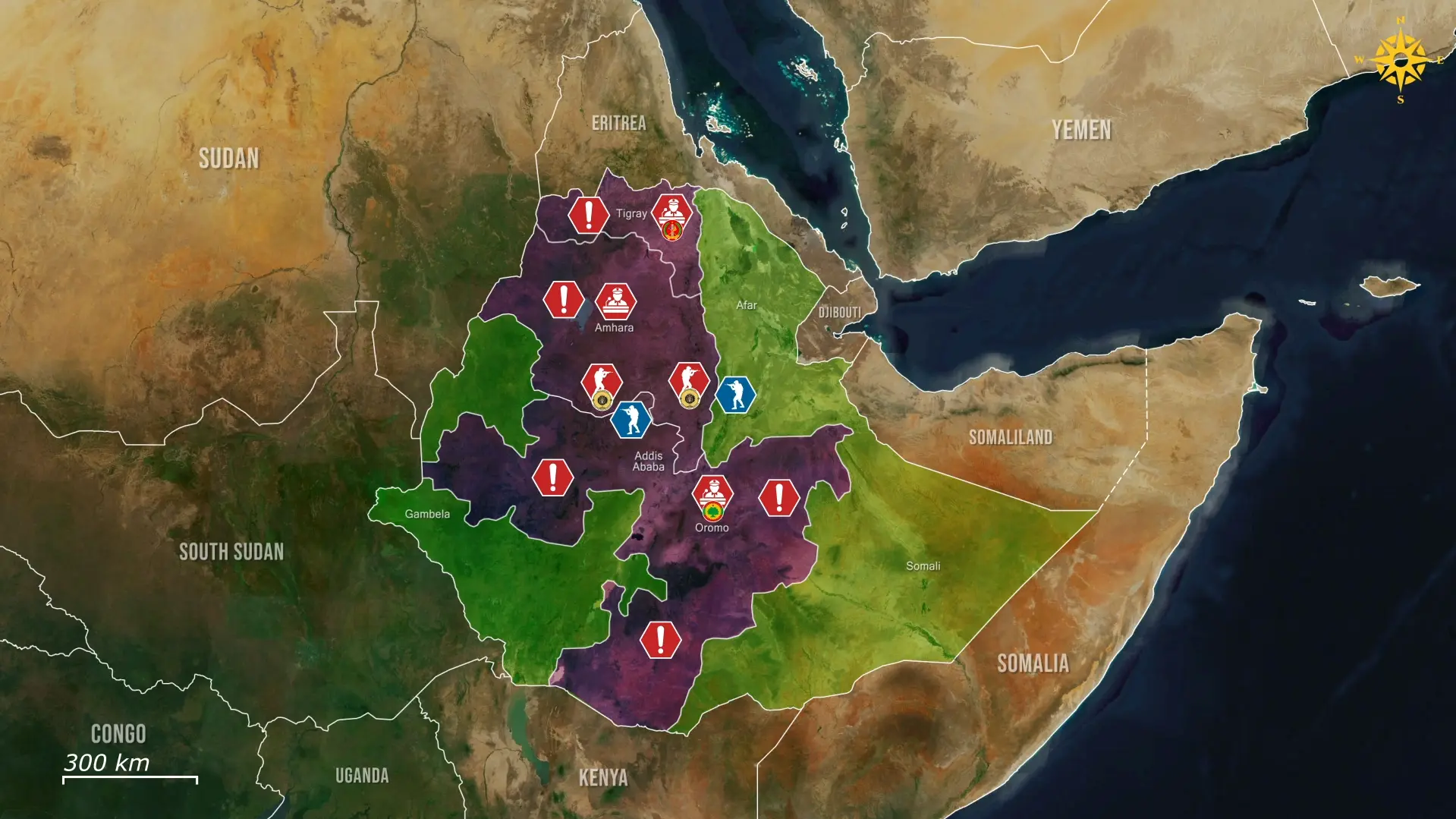
Eritrea’s possible involvement raises the risk of a wider war. During the Tigray war, President Isaias Afwerki was a close ally of Abiy Ahmed, and Eritrean forces fought alongside Ethiopian troops against the TPLF. That relationship has since deteriorated sharply. Ethiopia now accuses Eritrea of supporting armed groups opposed to Abiy, while Eritrea denies the allegations. The dispute is also tied to Ethiopia’s efforts to gain access to the Red Sea. Abiy has repeatedly expressed interest in securing access to a port, including Assab, which Eritrea controls. As relations have worsened, Addis Ababa has increasingly viewed Eritrea as a potential threat rather than a partner. If Eritrea begins openly supplying or supporting the anti-government alliance, the conflict could expand beyond Ethiopia’s internal insurgencies.
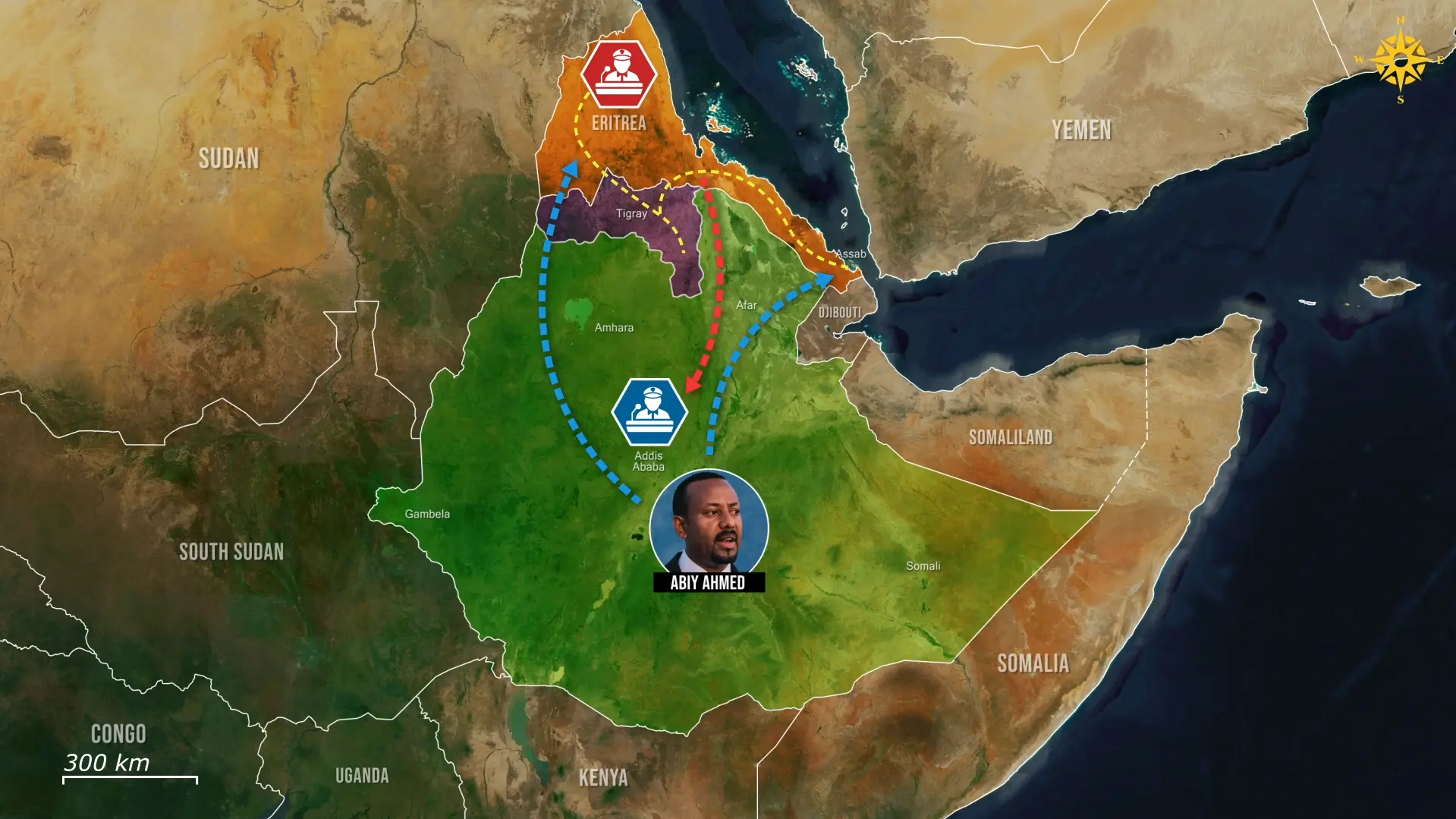
Overall, the alliance’s greatest strength is its reach across several regions, but its survival will depend on whether former enemies can prevent their old disputes from returning. Their shared desire to remove Abiy may support short-term cooperation, but it does not give them an agreed command structure, territorial settlement or plan for governing Ethiopia afterwards. If those divisions return, Abiy could isolate the groups and continue fighting them separately, while successful coordination would place his government under pressure across much of the country. Eritrean support could strengthen that coordination, but it would also increase the risk that Ethiopia’s struggle for power develops into another war between Ethiopia and Eritrea.

.jpg)

Comments