

.svg)
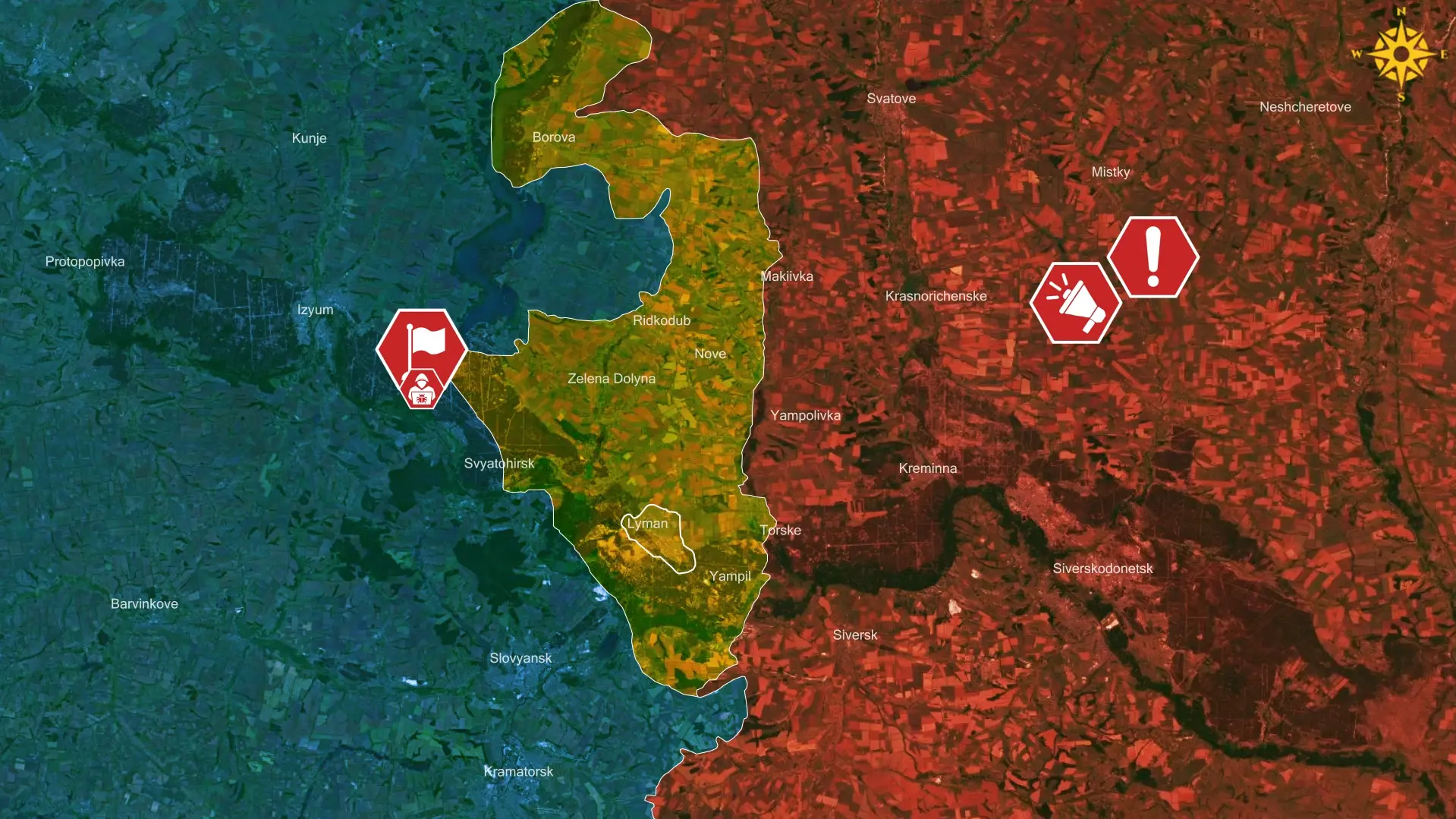
Today, there are interesting updates from the Liman direction.
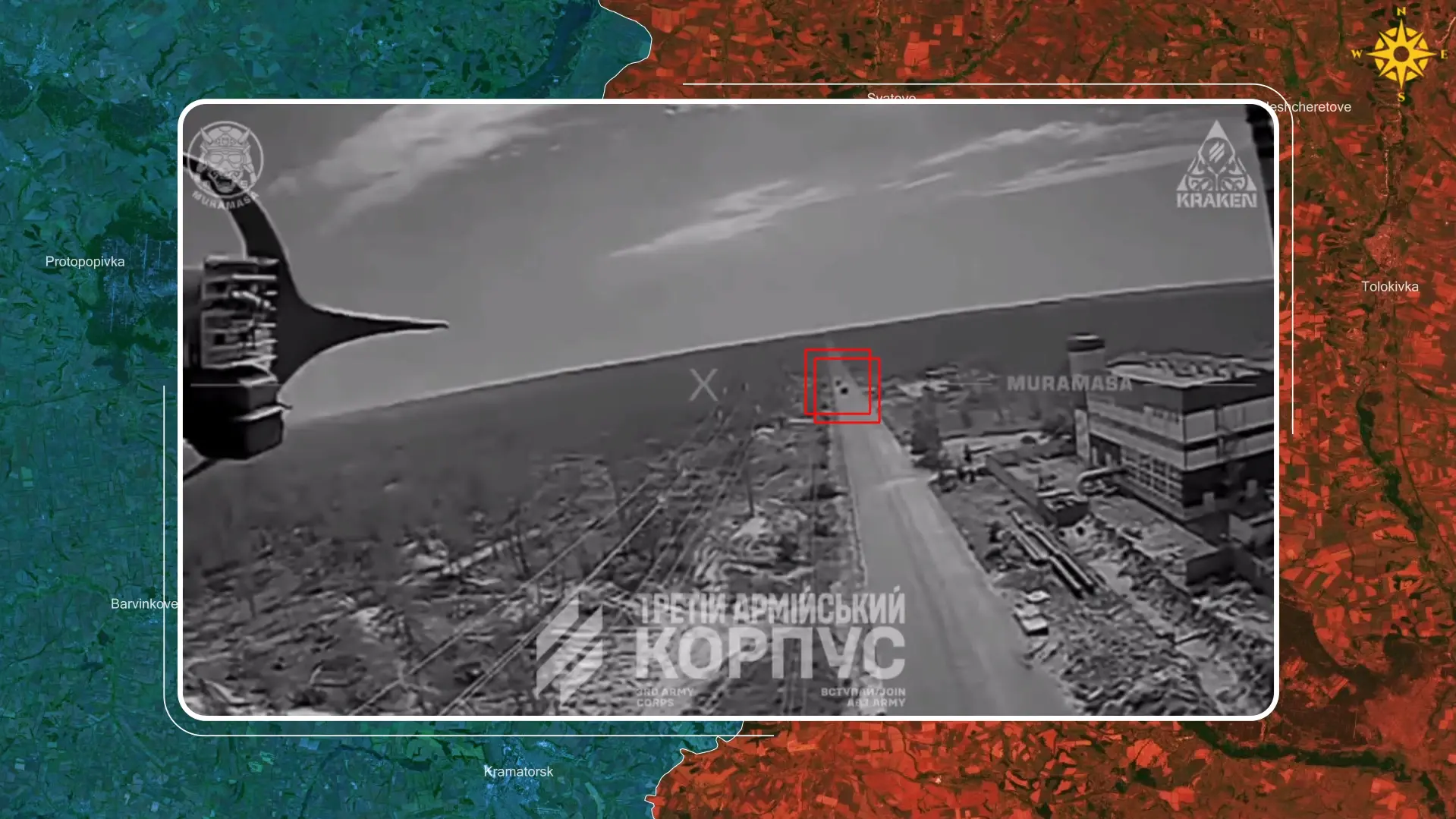
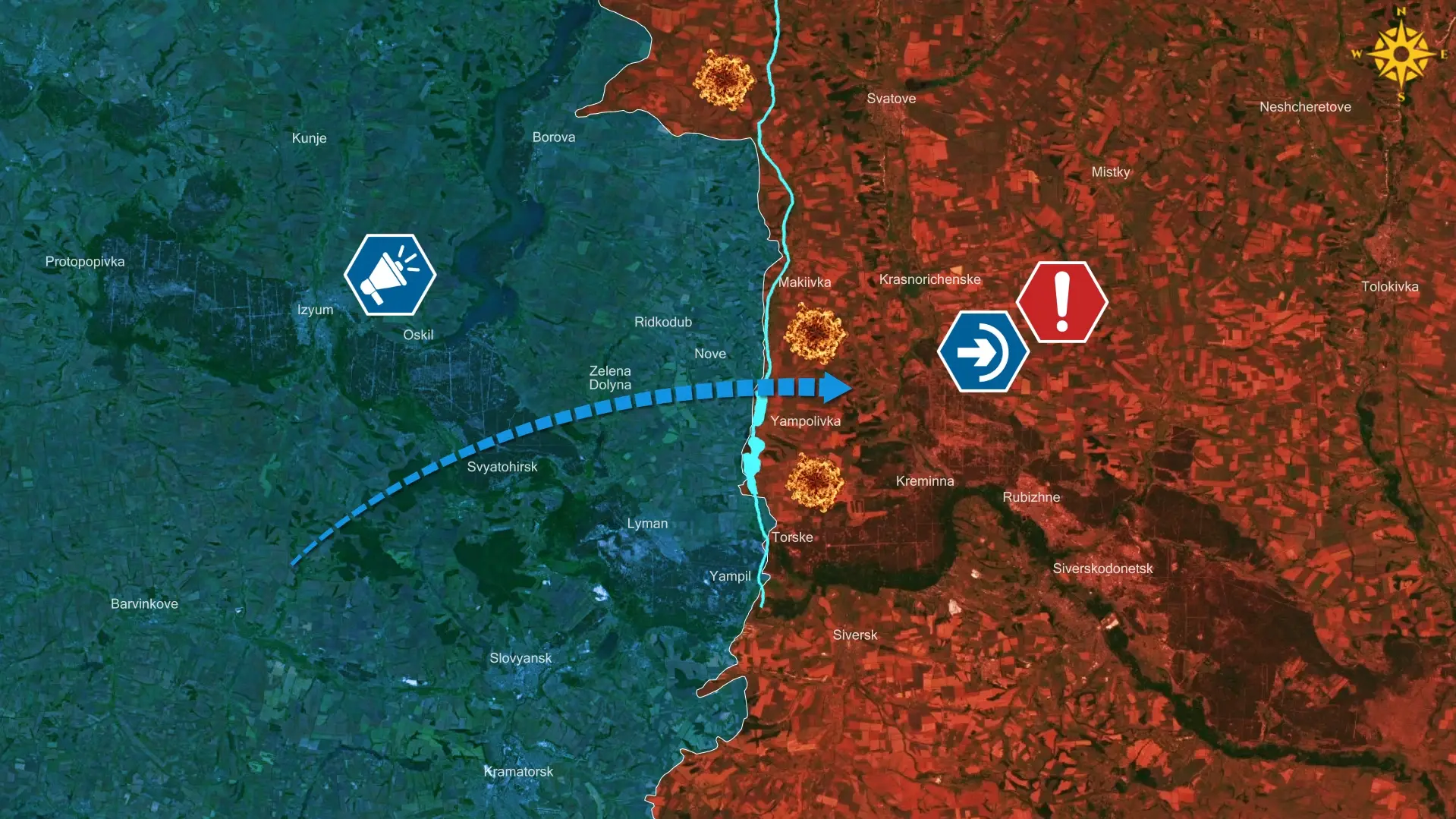
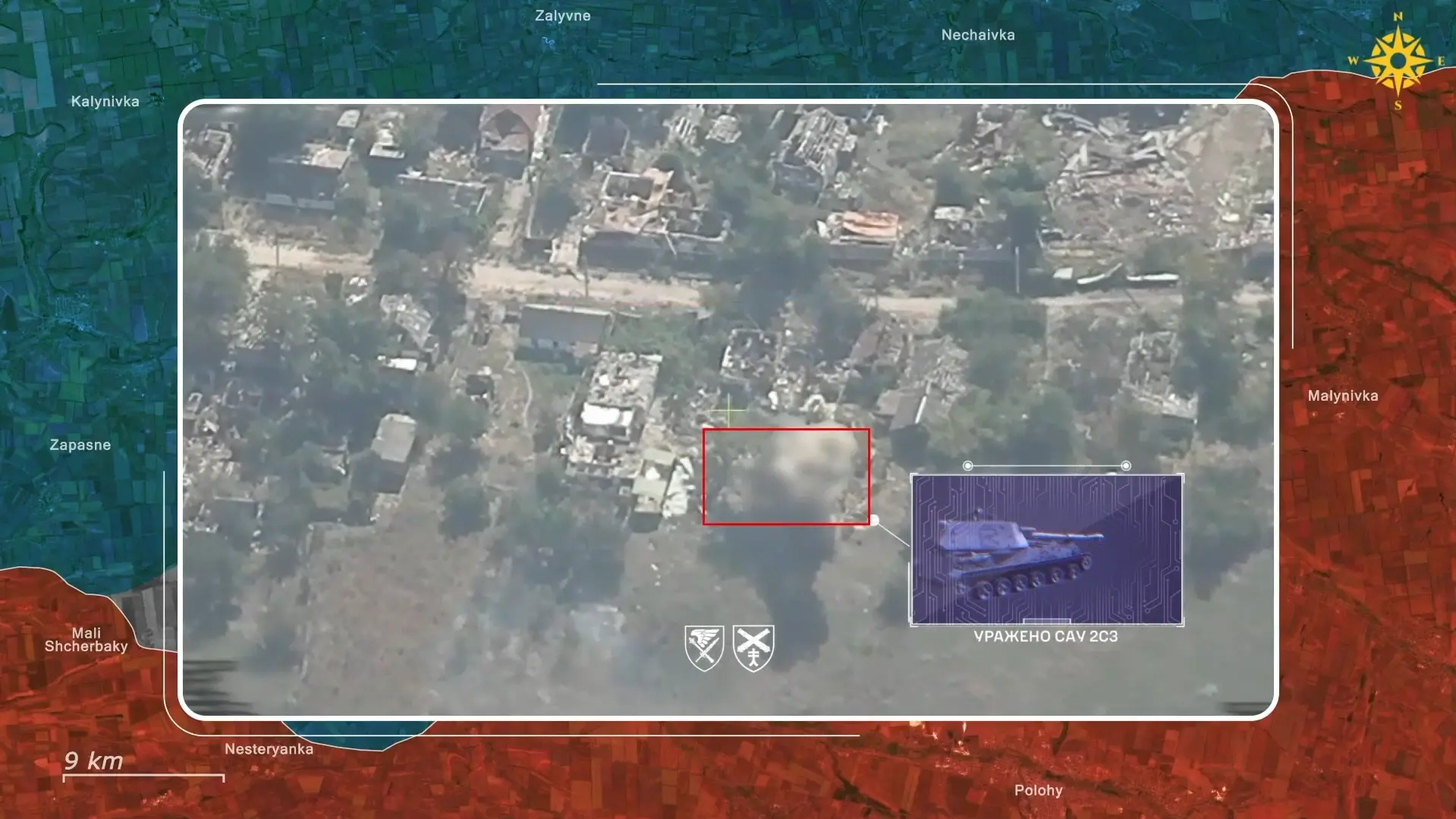
Here, Russian reinforcements attempting to stabilize the collapsing situation east of the Zherebets River are increasingly being destroyed before they can even reach the frontline. Ukraine’s Muramasa drone unit, operating as part of the Third Army Corps, has released footage showing strikes against Russian columns moving through the Kreminna area, demonstrating how Ukrainian forces are extending their campaign deeper into the Russian rear.
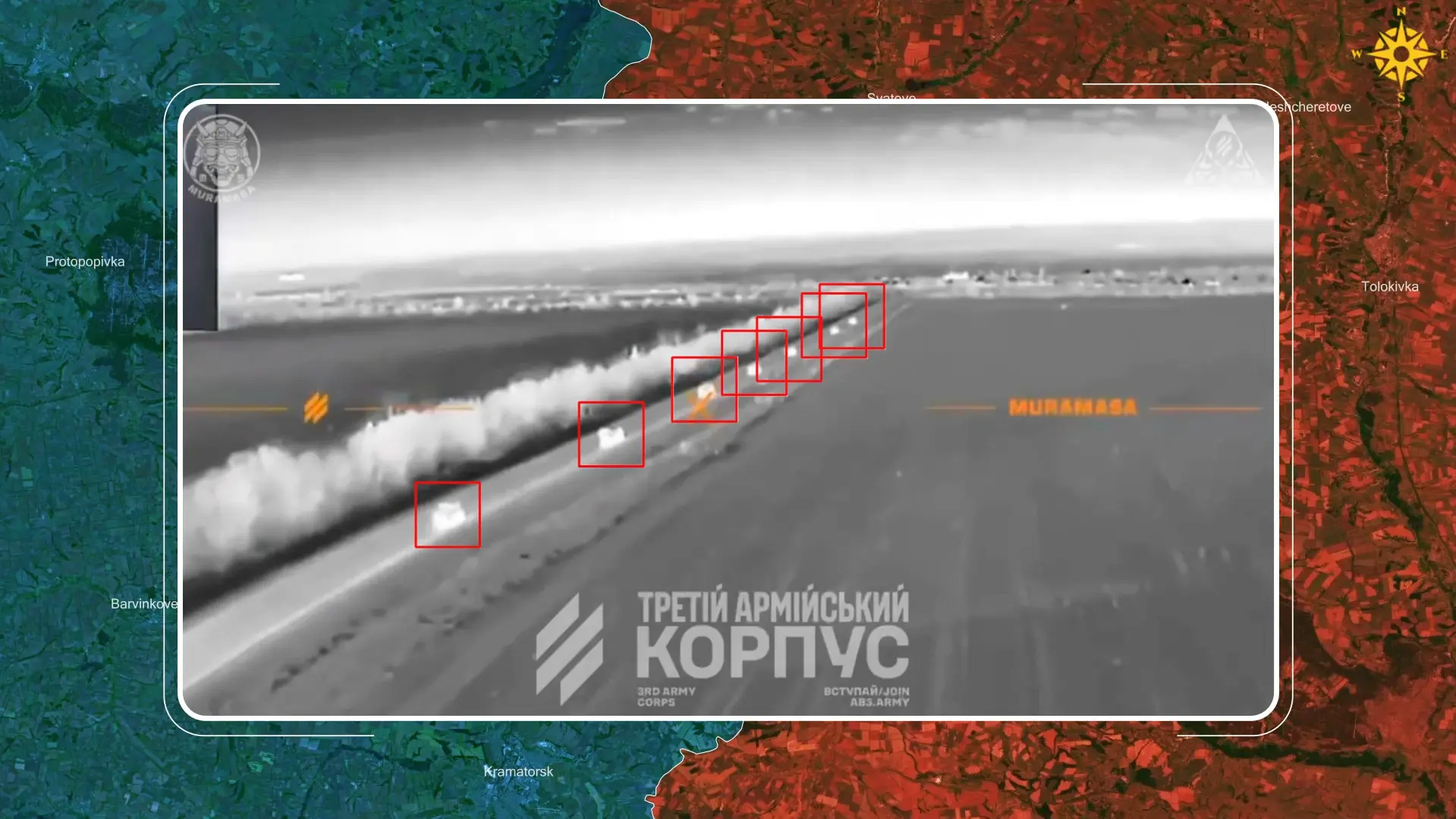
The targets are not limited to large convoys, as Ukrainian operators are systematically hunting individual vehicles, groups of soldiers, firing positions, and logistical assets moving toward Russian defensive positions. This creates a serious problem because Ukraine is simultaneously applying pressure toward and across the Zherebets.
As a result, every reinforcement vehicle destroyed around Kreminna represents troops or equipment that cannot replace losses farther west, with entire columns wiped out while still moving through the Russian rear, long before they can reach the positions they were dispatched to reinforce. Instead of fresh troops arriving to stabilize the frontline, Ukrainian drones are turning the roads leading toward it into a continuous attrition zone where Russian columns can be detected, tracked, and destroyed while still in transit.
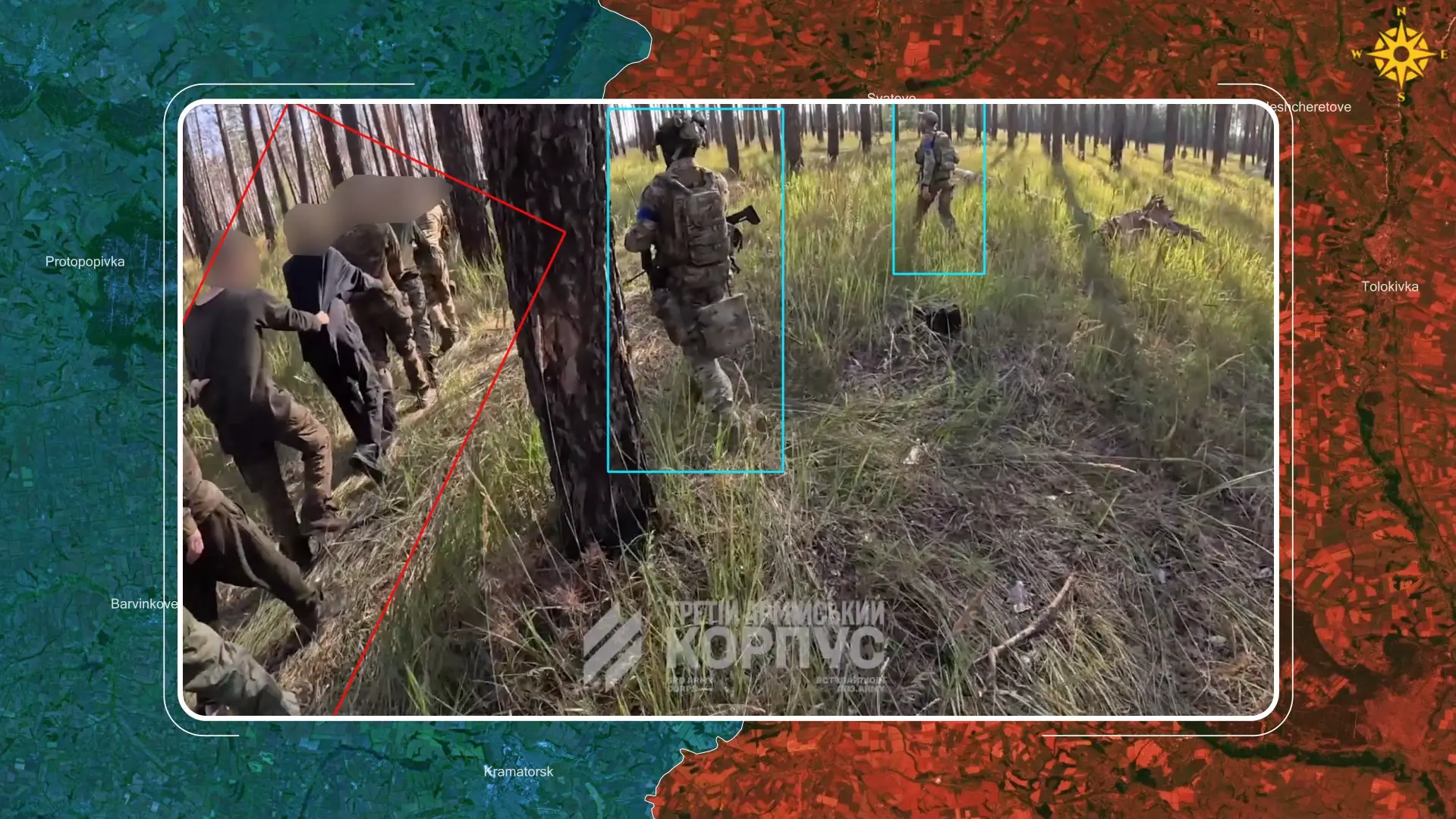
However, according to the Third Army Corps commander Andriy Biletsky, this is only the beginning. During a meeting with captured Russian soldiers, Biletsky told them they were fortunate to have surrendered now rather than later. He explained that Ukrainian forces would continue fighting until Russian troops had been driven from Ukrainian territory, before adding an ominous warning that his troops have a surprise prepared for the Russians over the coming two months.
Some indications of what is happening are already emerging, as Ukrainian troops are capturing not merely ordinary infantrymen, but increasingly valuable military specialists like mortar crew members, drone operators, electronic-warfare personnel, and other soldiers responsible for maintaining the support network behind Russian assault formations. Losing these personnel is considerably more damaging than simply losing another infantryman, which Russia usually sends forward in one-way suicide attacks.
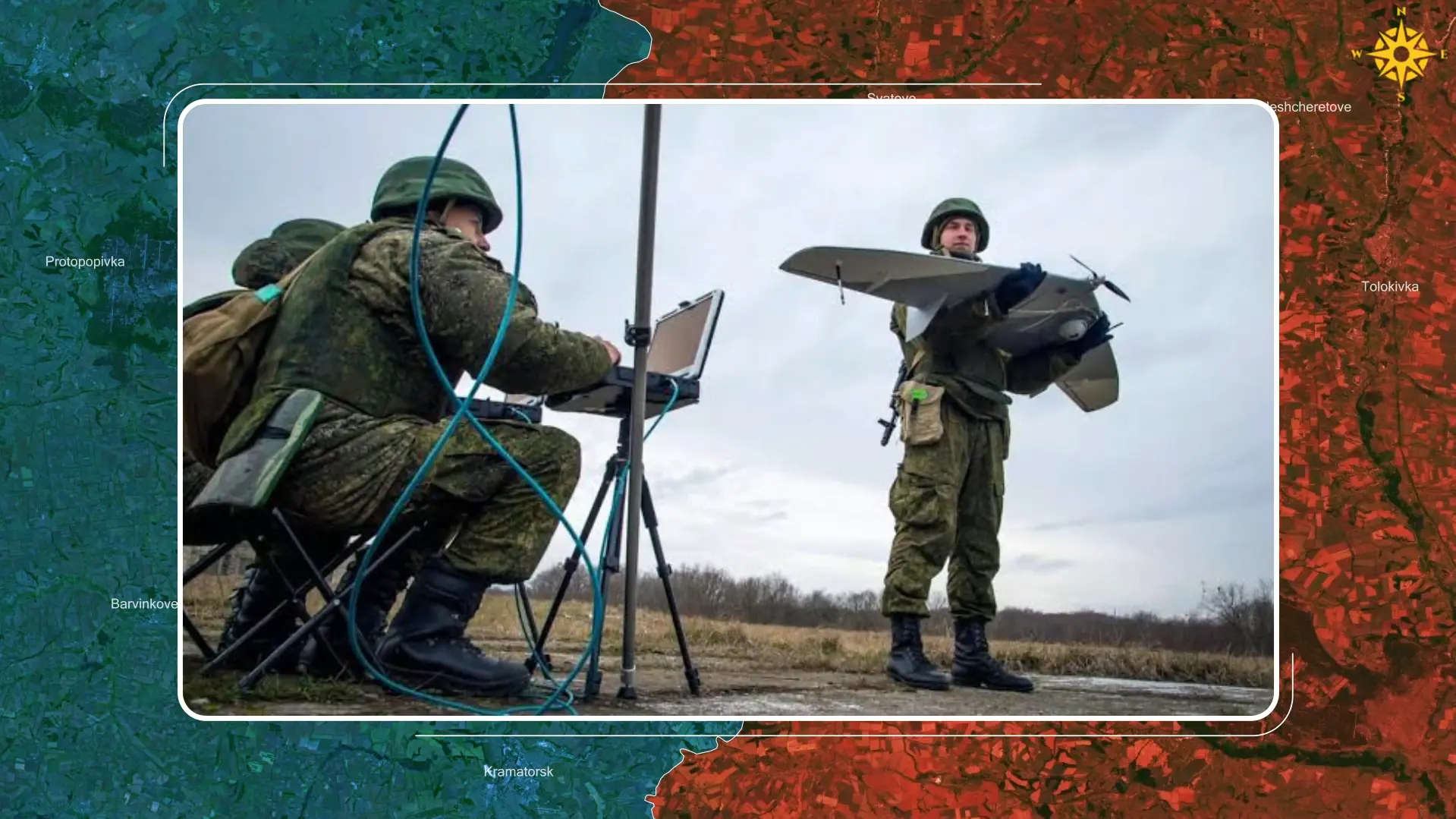
Despite Russia replacing ordinary assault infantry at enormous human cost, replacing experienced and technically trained soldiers is much harder, as such specialists require training, experience, and integration into functioning battlefield networks.
Every captured drone operator means fewer Russian drones are searching for Ukrainian assault groups, while every missing mortar specialist removes another source of immediate fire support. Every lost electronic-warfare operator potentially creates another opening through which Ukrainian drones can penetrate Russian positions and logistics, as confirmed by the footage from the Muramasa unit around Kreminna. As a result, even now Ukrainian drones are operating deep enough behind Russian lines to find and destroy moving reinforcement vehicles.
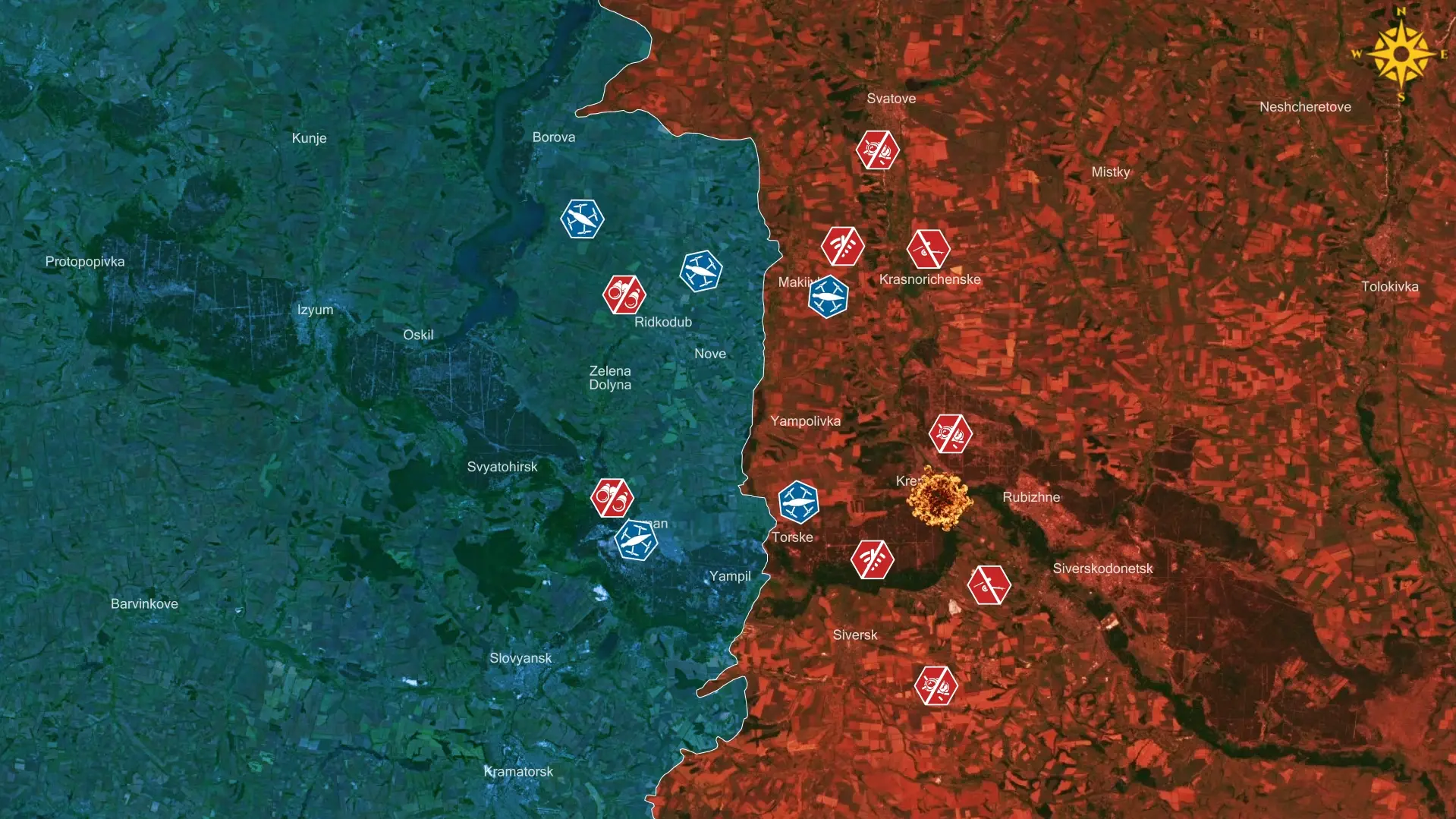
If Russian electronic-warfare coverage, reconnaissance, and command structures continue to deteriorate, these rear areas will become progressively less protected, allowing Ukrainian operators to extend their kill zone farther east.
Crucially, it remains unclear where all these Russian specialists are being captured, as some could have been trapped during the destruction of Russian positions west of the Zherebets, while others may have been captured during Ukrainian raids farther east. That uncertainty itself is significant because the Third Army Corps has again imposed extensive operational silence over its continuing actions.
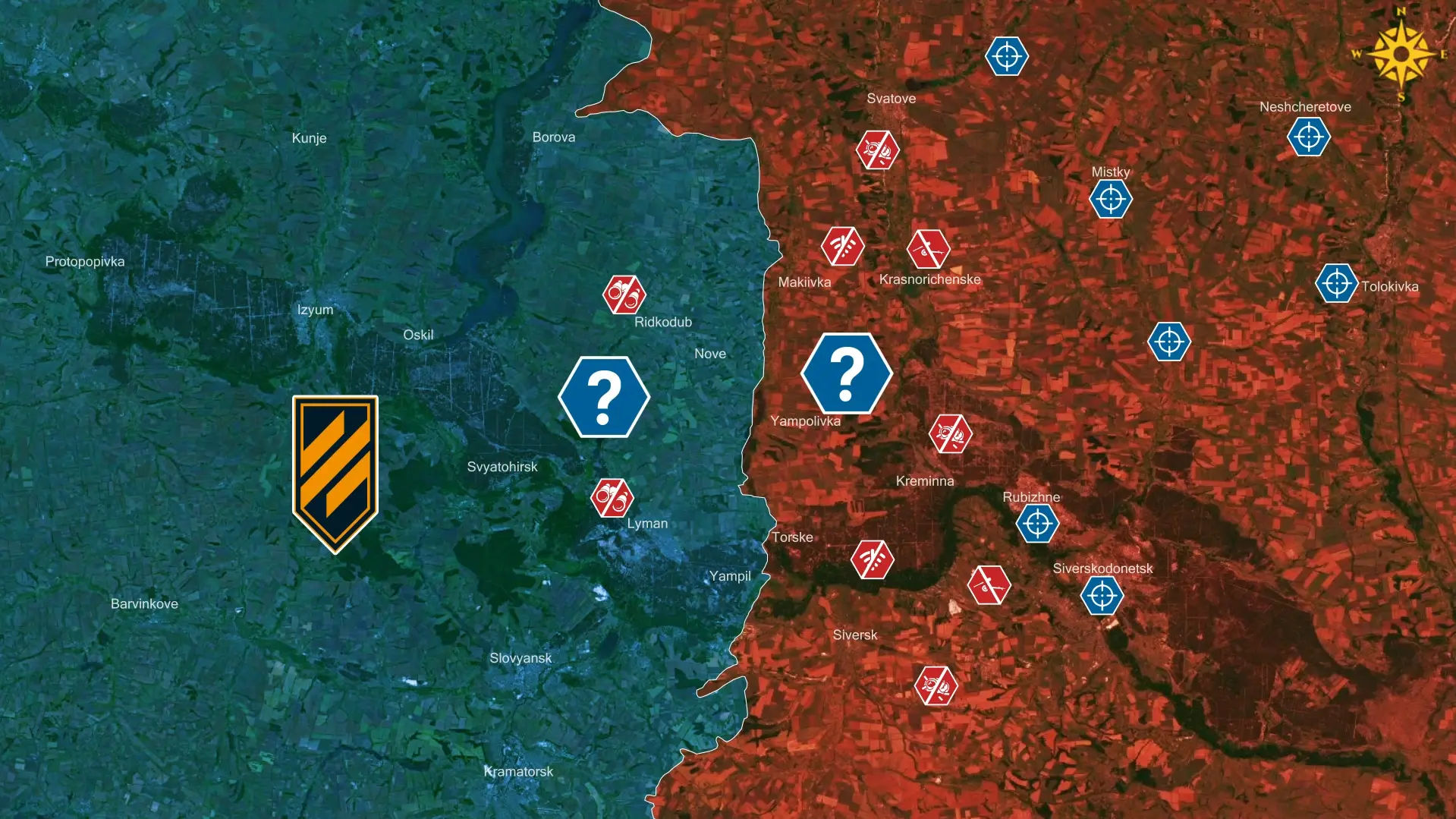
Captured Russians reinforce the picture of increasing organizational breakdown, as they describe being abandoned by their commanders, receiving few or no reinforcements, and frequently operating with inadequate supplies, as the problem extends beyond battlefield casualties into command, logistics and unit cohesion.
Overall, the situation east of the Zherebets would become even more dangerous for Russia, as reinforcement columns are already being destroyed around Kreminna while specialists disappear from frontline formations and Ukrainian raids continue under operational silence. If General Biletsky’s promised surprise represents the next stage of Operation Vivaldi, Russia may discover that the collapse west of the river was not the end of Ukraine’s offensive operation, but merely the preparation for something considerably larger and more painful.

.jpg)

Comments