

.svg)
Today, there is dangerous news from Poland.
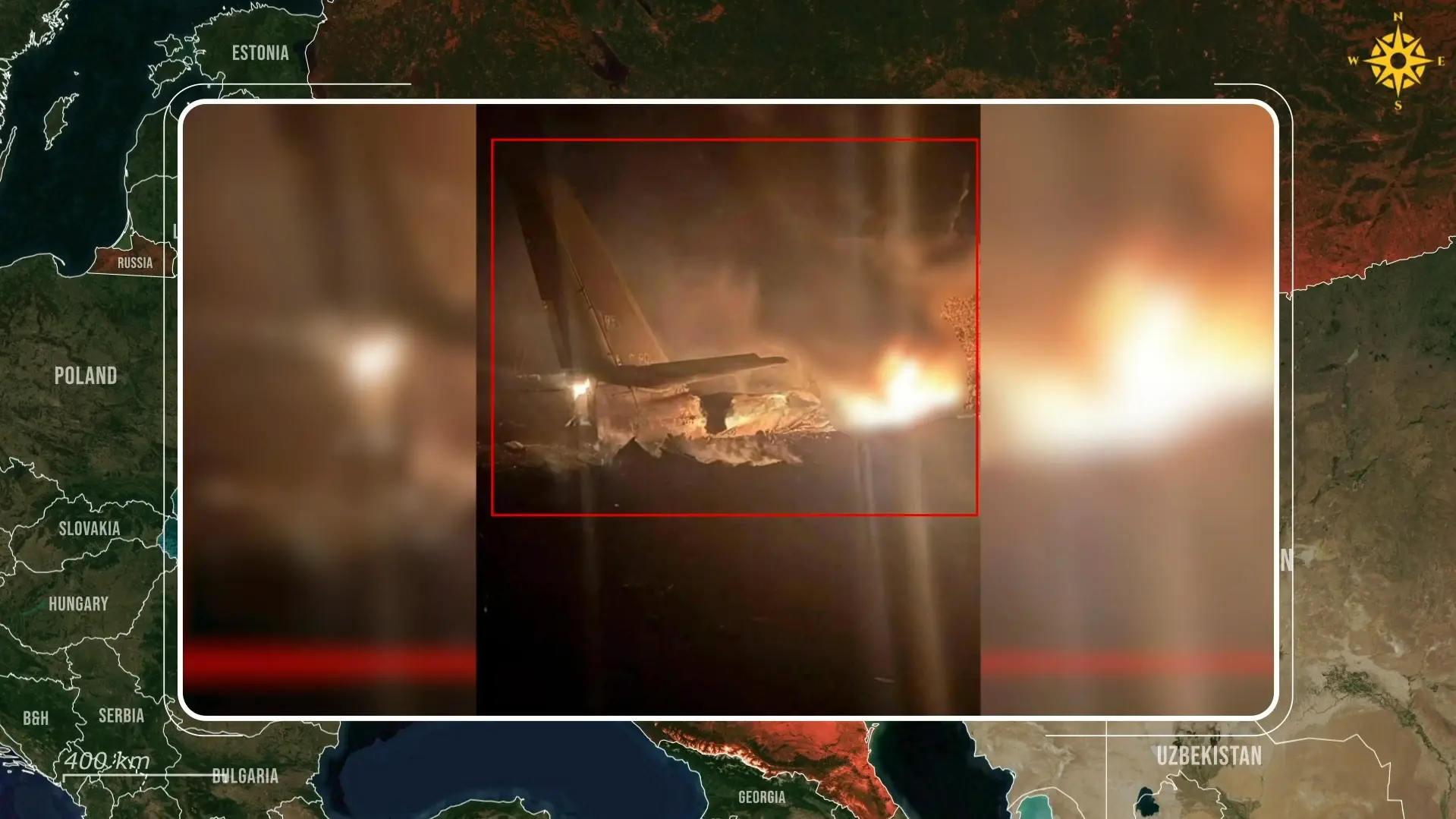
Here, the story surrounding Russia’s crashed TU Ninety-Five strategic bomber has suddenly acquired an even wilder dimension. After the aircraft went down in Russia’s Amur region killing six crew members, many suspected internal sabotage. However, General Ireneusz Nowak, Operational Commander of the Polish Armed Forces, has just publicly remarked that this particular aircraft had fired the KH one-hundred-and-one missile that entered and hit Polish territory near Tarnawa.
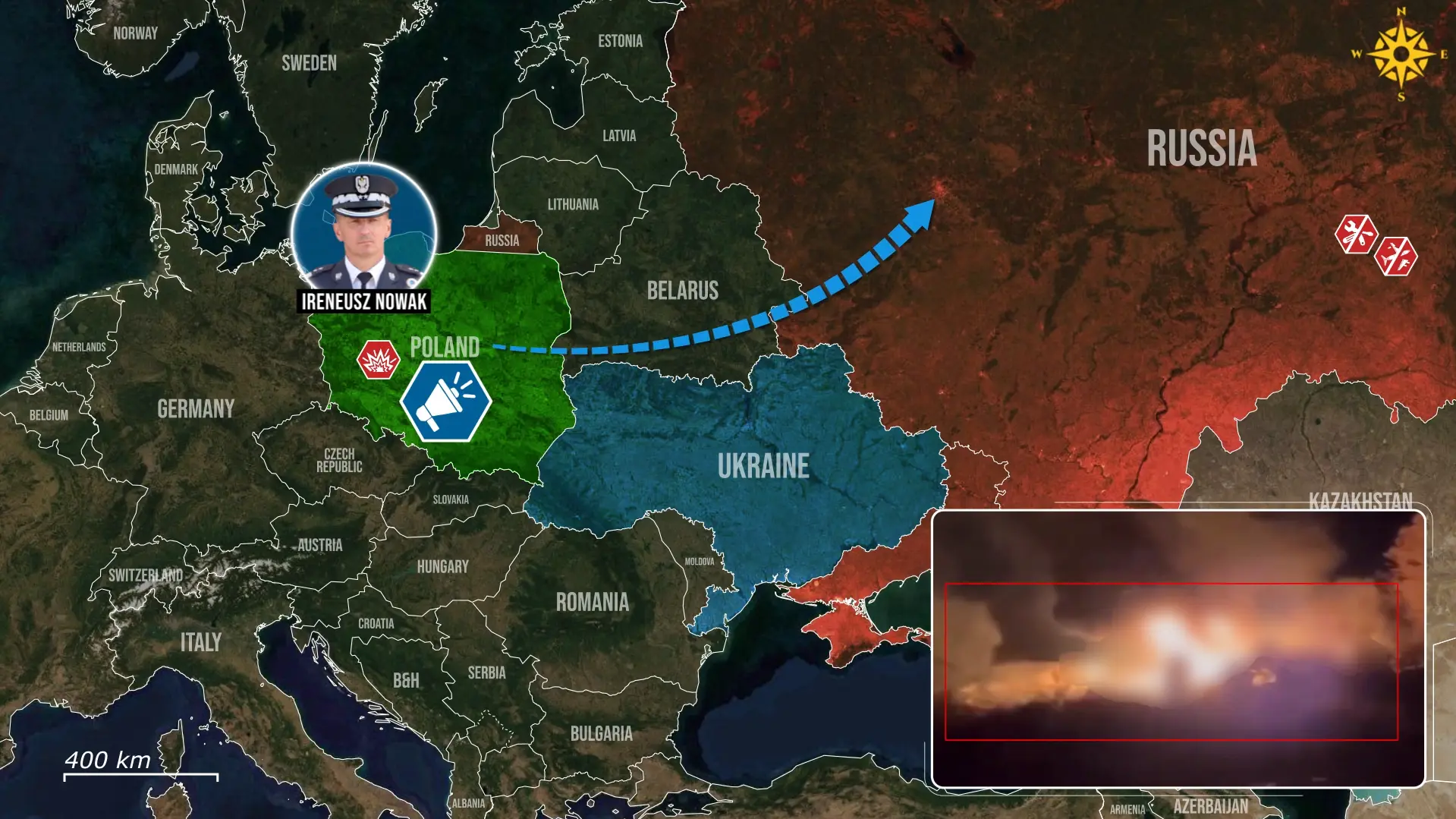
That statement immediately generated speculation about whether the sabotage causing the crash was solely Ukrainian or had a more Polish connection. Despite Russian reporting that has pointed toward technical failure, the simultaneous failure of three engines shortly after takeoff are reported as highly, highly unusual by military experts. The comments of the most senior Polish military commander made the sabotage operation all but official, as analysts state such public statements from him are rare and always serve as a way to deliver a subtle warning.
The Tarnawa incident at the end of July explains the Polish reaction, as a Russian Kh-One-hundred-and-one cruise missile penetrated Polish airspace during Russia’s attack on Ukraine and crashed near Tarnawa in the Lublin Region. Polish military officials subsequently said they were convinced that the missile had been deliberately directed into Poland rather than accidentally straying across the border.
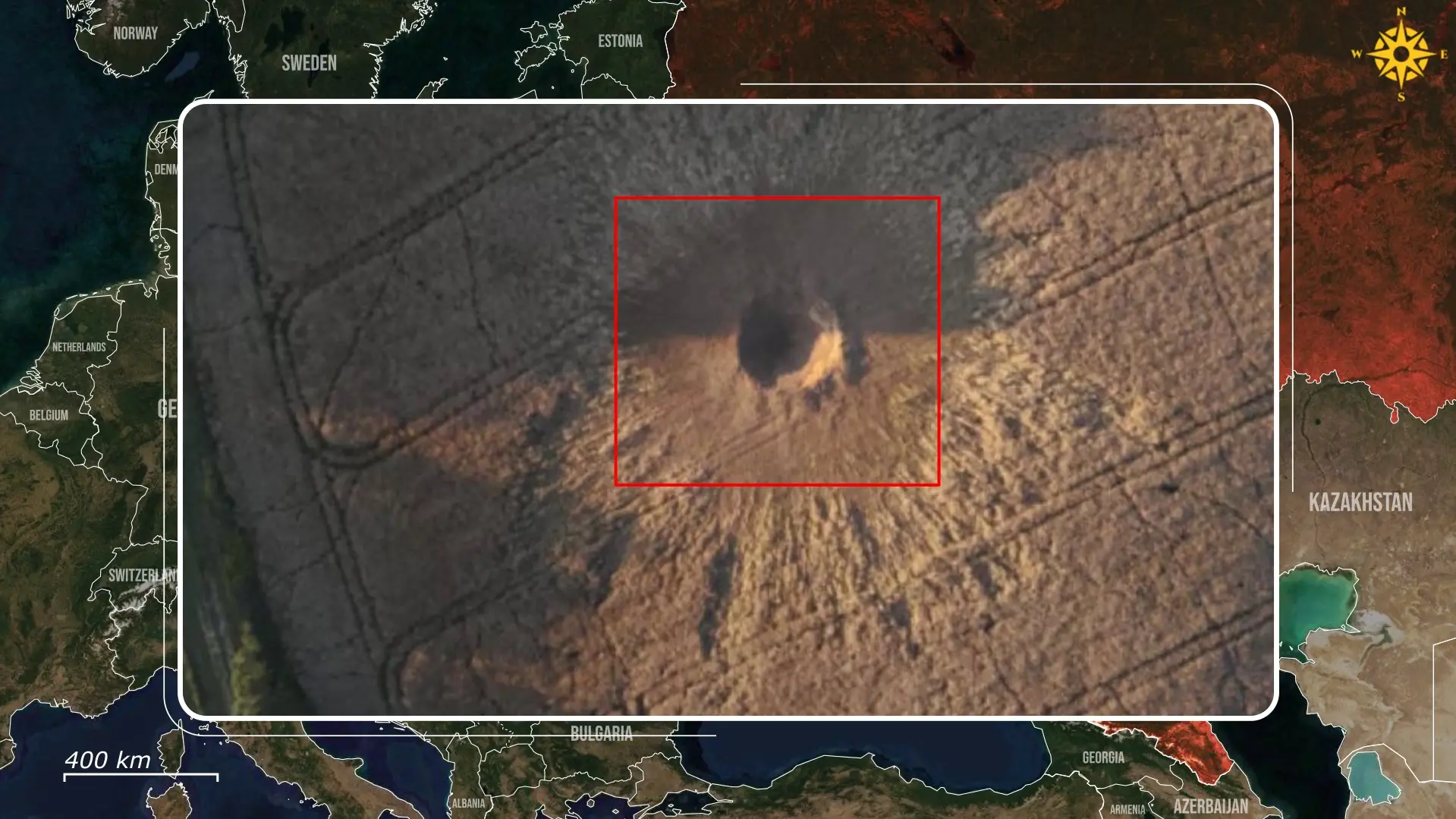
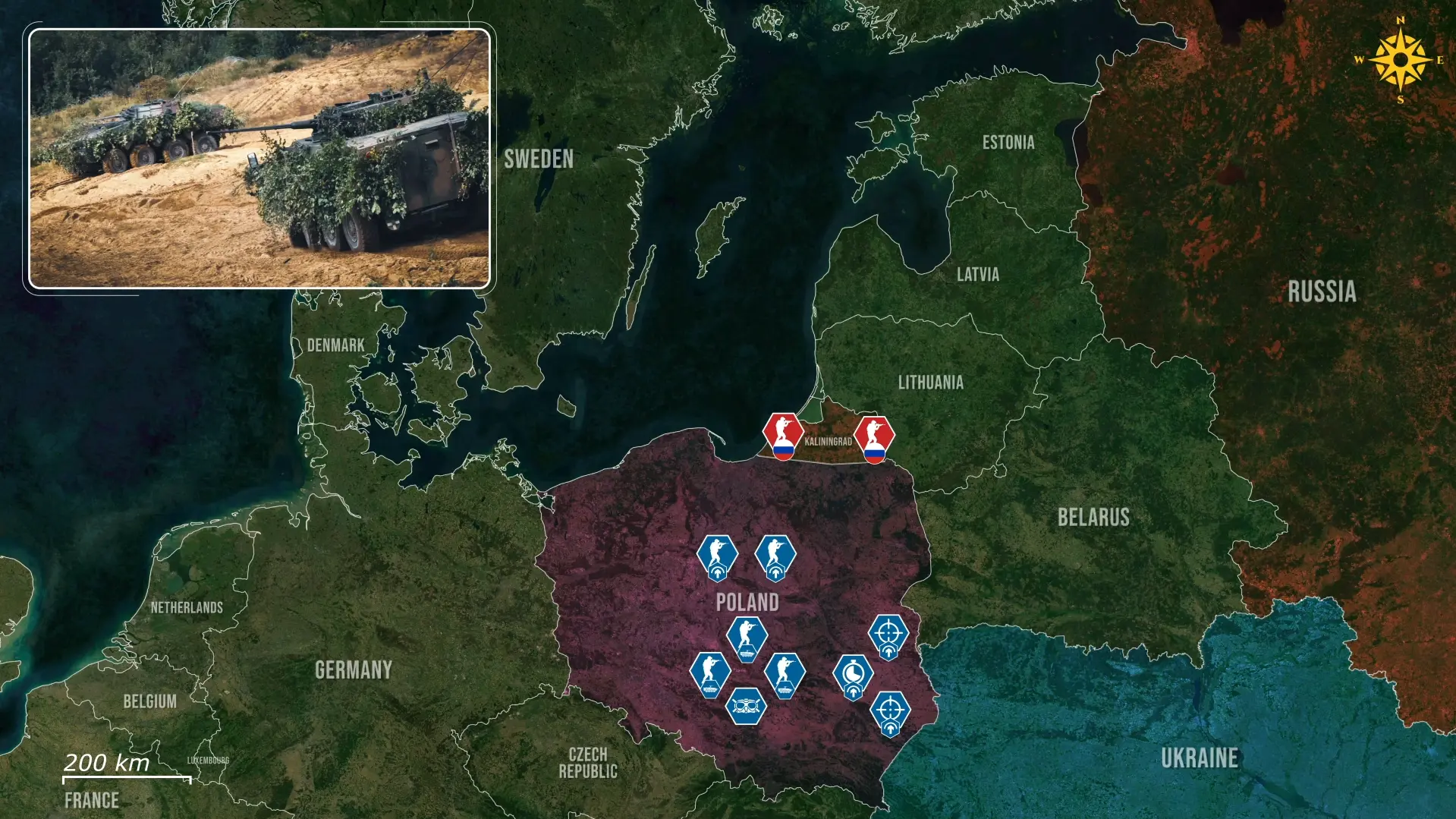
And this was hardly an isolated episode, as Russian strikes have repeatedly approached Poland’s border, including attacks around the Yahodyn border crossing. Recently, a Russian Mi-Eight helicopter entered Polish territory from Kaliningrad, penetrating approximately three hundred meters and remaining inside Polish airspace for forty-two seconds before turning back. Poland’s military explicitly described the incident as another Russian attempt to test its air defenses, with fighter jets consequently scrambled during Russian attacks on western Ukraine. However, Russia’s pressure on Poland has extended beyond the airspace.
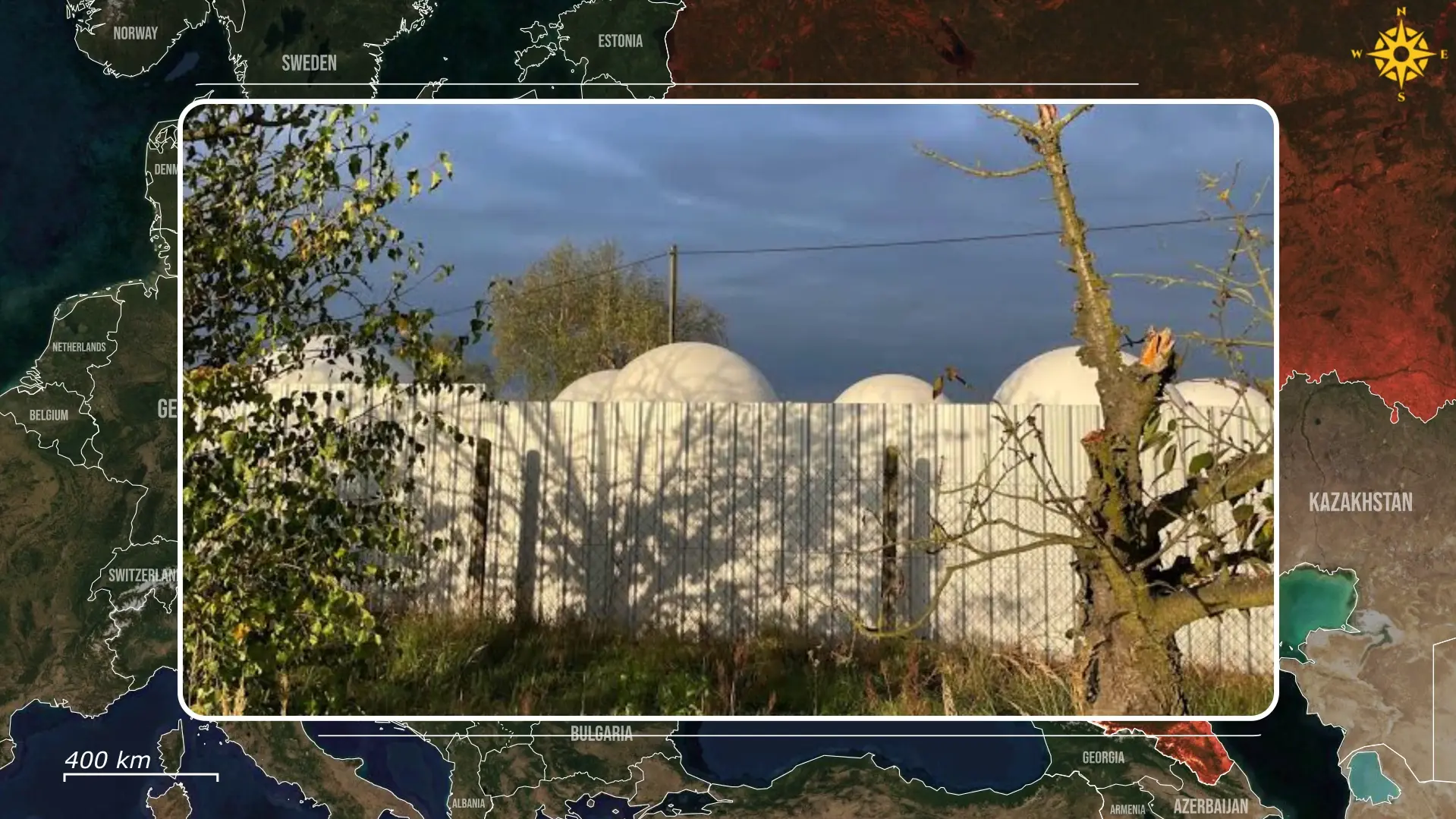
A fire damaged the power infrastructure and backup generator of a Starlink ground station in central Poland supporting connectivity that extends into Ukraine. Polish Deputy Prime Minister Krzysztof Gawkowski called the incident sabotage designed to disrupt communications, especially targeting the connectivity used by the Ukrainian military. Polish authorities have not identified the perpetrators responsible yet, although they place the incident within the pattern of hybrid warfare Poland faces from Russia.
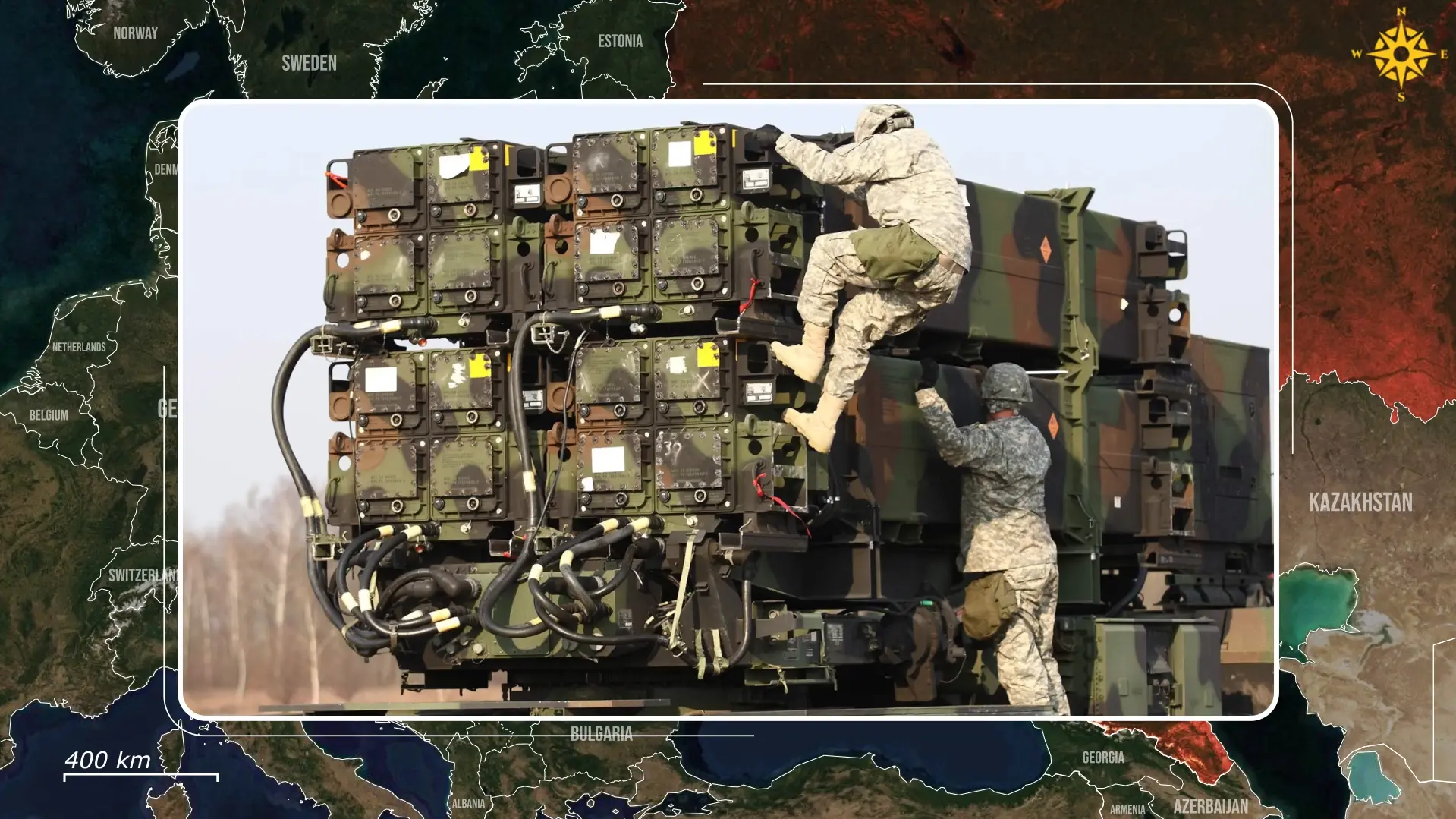
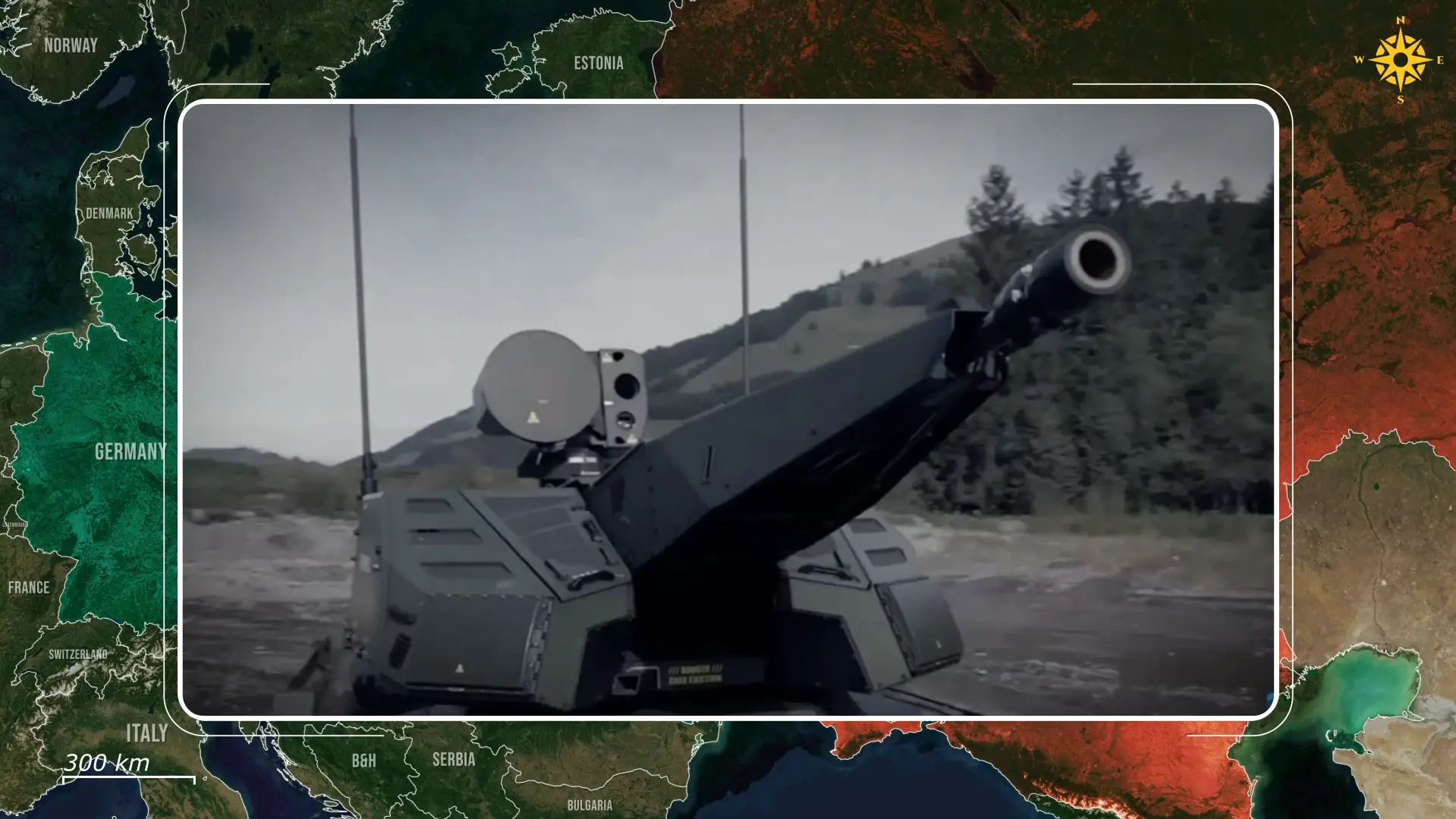
As a result, Warsaw’s response is now becoming substantially harder, and beginning in October, Poland is changing its air-defense procedures so hostile aerial objects will no longer necessarily require visual identification before engagement. Instead, commanders can rely on combined information including radar tracks, trajectory, speed, restricted-airspace penetration, and identification data with the straightforward purpose of reducing the time between detecting a potentially hostile object and authorizing its destruction.
That changes the calculation behind future Russian incursions, because a missile or drone entering Polish airspace can face a faster engagement decision, while another Russian aircraft repeating the Mi-Eight’s penetration risks encountering a Polish defense system operating under more permissive procedures, as Poland is effectively removing ambiguity as protection for unidentified intruders.
Against that background, the Polish army commander’s TU Ninety-Five comment carries considerably greater symbolic weight by publicly connecting the loss of an irreplaceable Russian strategic aircraft with a missile that was deliberately fired into his country. Coming from the officer responsible for Poland’s operational military response, Russia can hardly ignore the message, as Poland’s posture is therefore changing from repeated warnings toward hard deterrence. After missiles, drones, border strikes, aircraft incursions, and sabotage against critical infrastructure, the Polish army is shortening its engagement procedures and making clear that further violations will produce consequences, and that Poland will not accept Russian aggression.
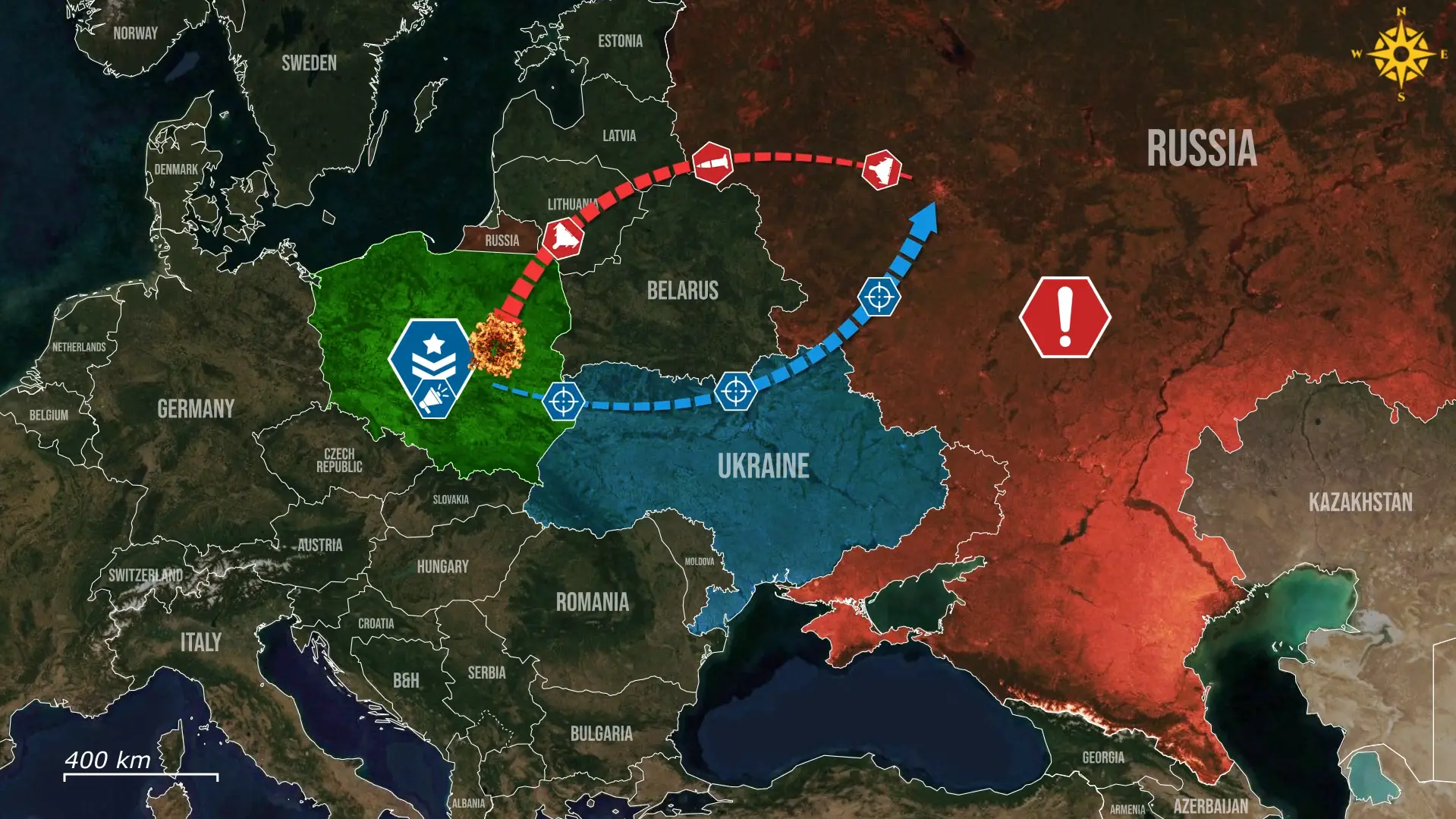
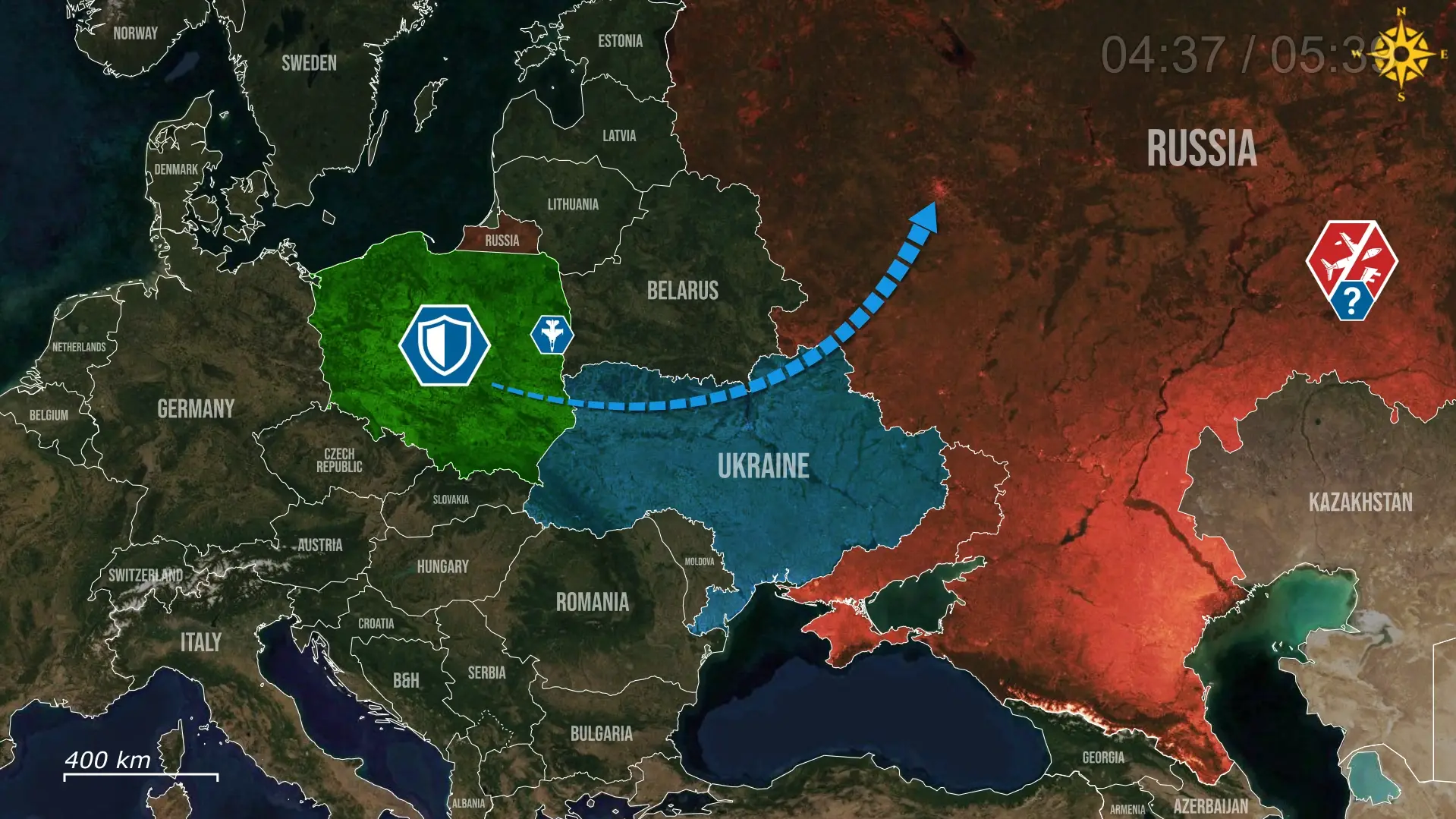
Overall, whether the Tu-Ninety-Five crash was caused by Ukrainian or Polish sabotage remains unresolved, but what is no longer ambiguous is Poland’s response to Russia’s escalating pressure. Polish aircraft are now ready for combat duty and are scrambled each time Russia attacks western Ukraine, while their engagement rules are tightening and the Polish senior military leadership is signaling publicly that incidents involving Polish territory will not simply disappear from the ledger.
.jpg)

Comments