

.svg)
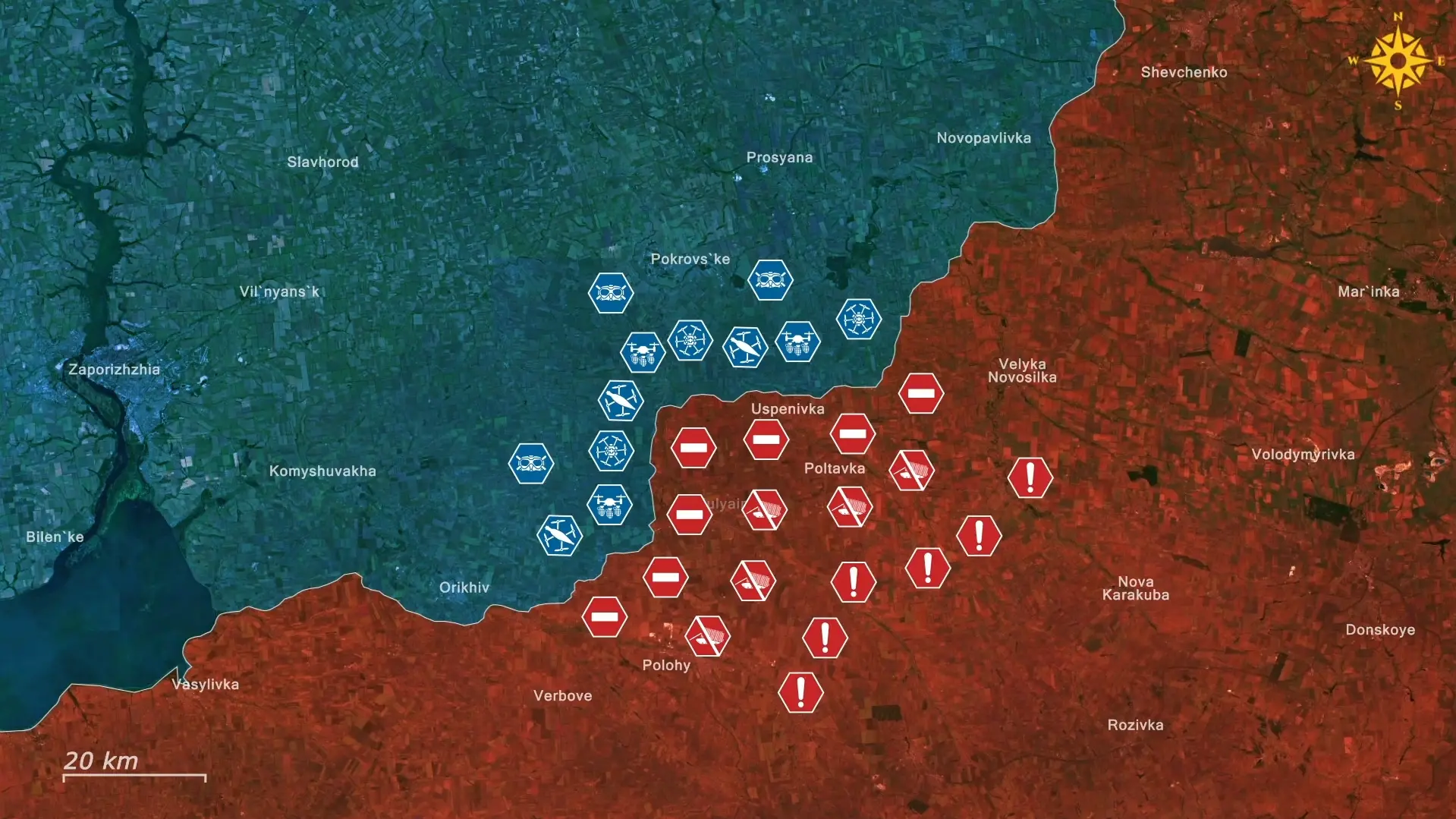
Today, the biggest news comes from the Huliaipole direction.
Here, Russian forces are reigniting their infamous mechanized offensives in a desperate bid to overturn their stalling progress. Ukrainians however, are demonstrating furiously how they seek to counter Russia’s new plans.
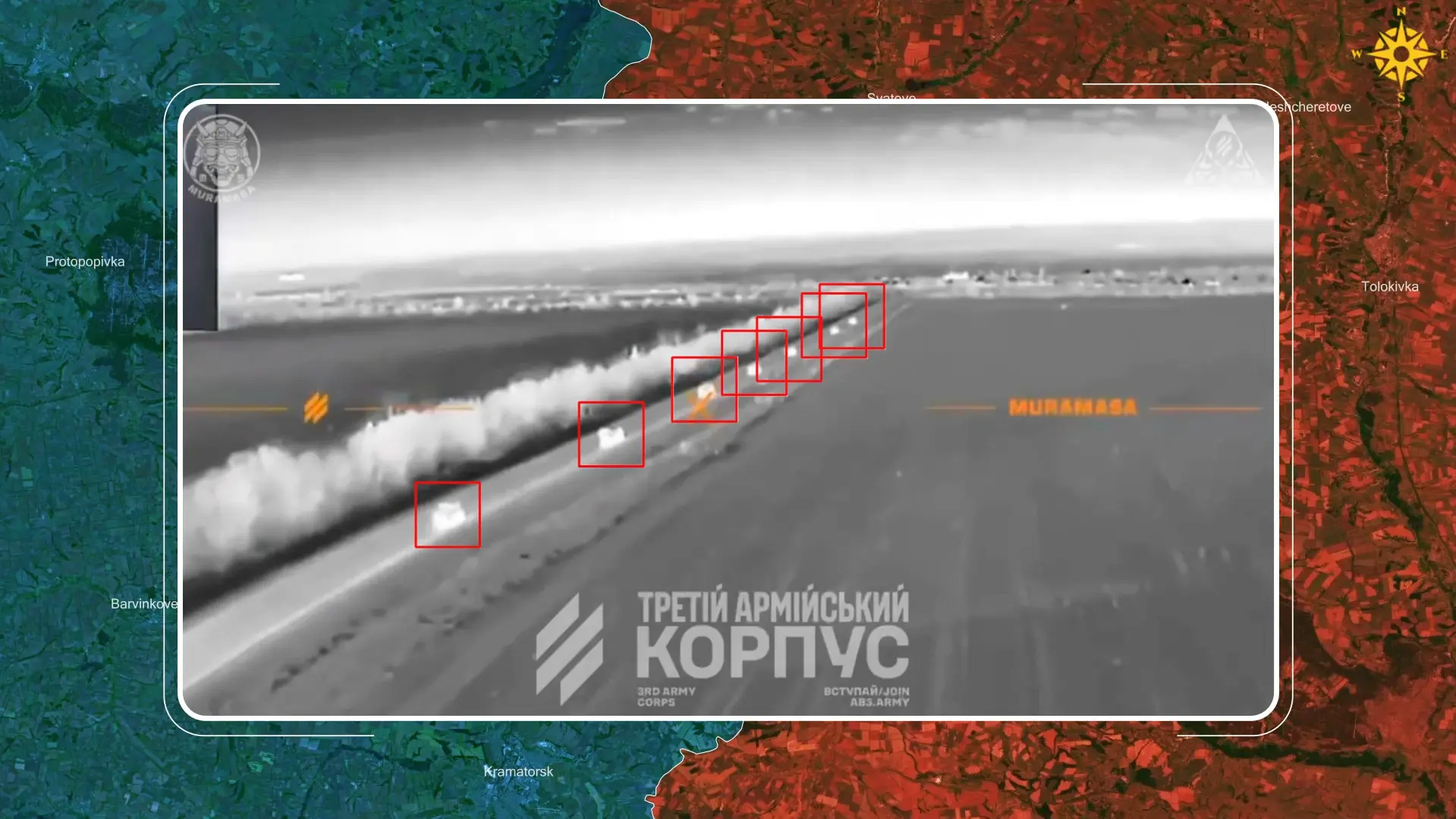
Recently released footage shows how Russian forces are massively up-armoring their remaining armored vehicle reserves, trying to protect them against Ukrainian strikes. Rollers mounted on the front of the tanks are meant to trigger Ukrainian anti-tank mines and other explosives from destroying either the vehicle itself or its tracks.
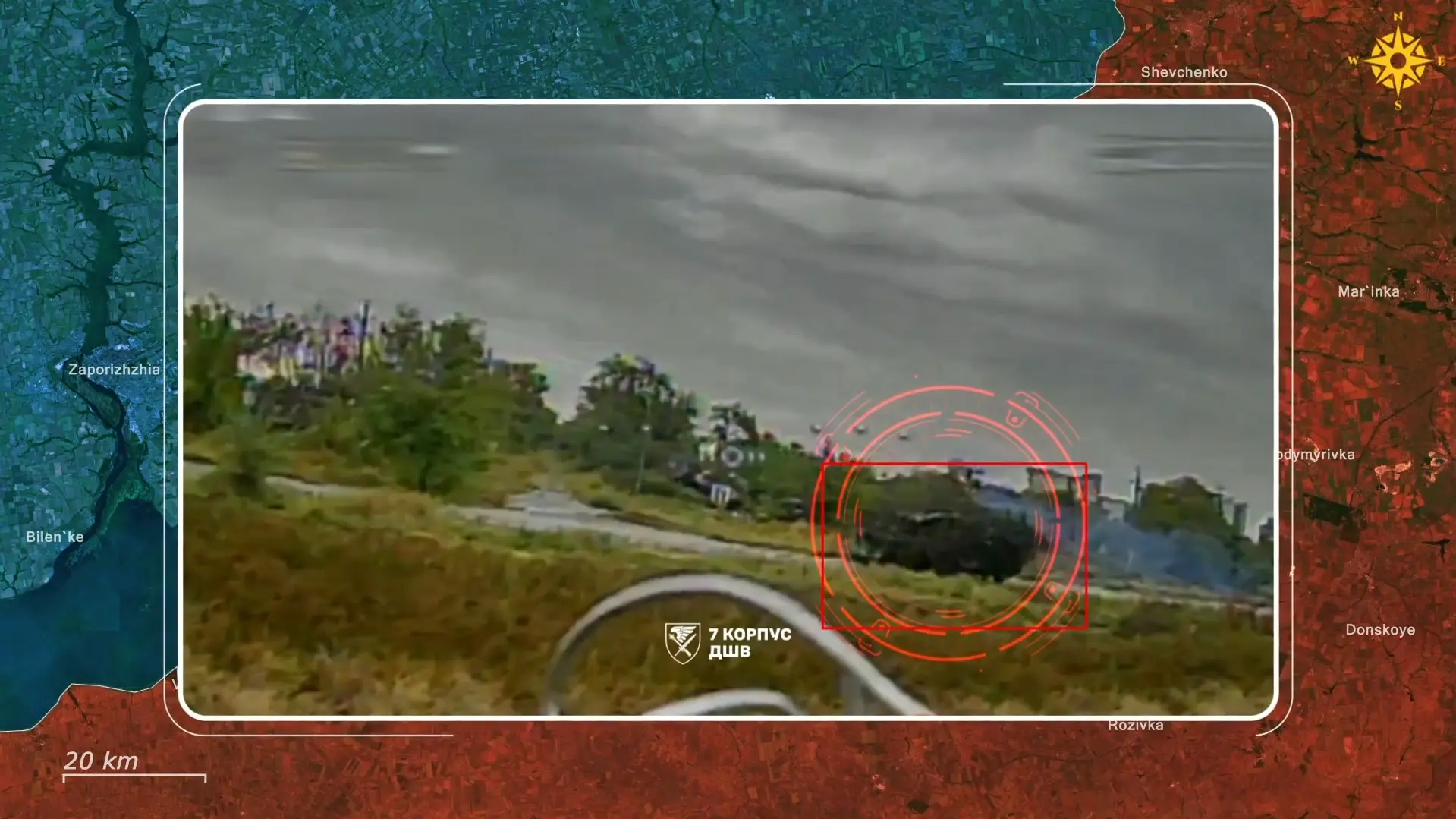
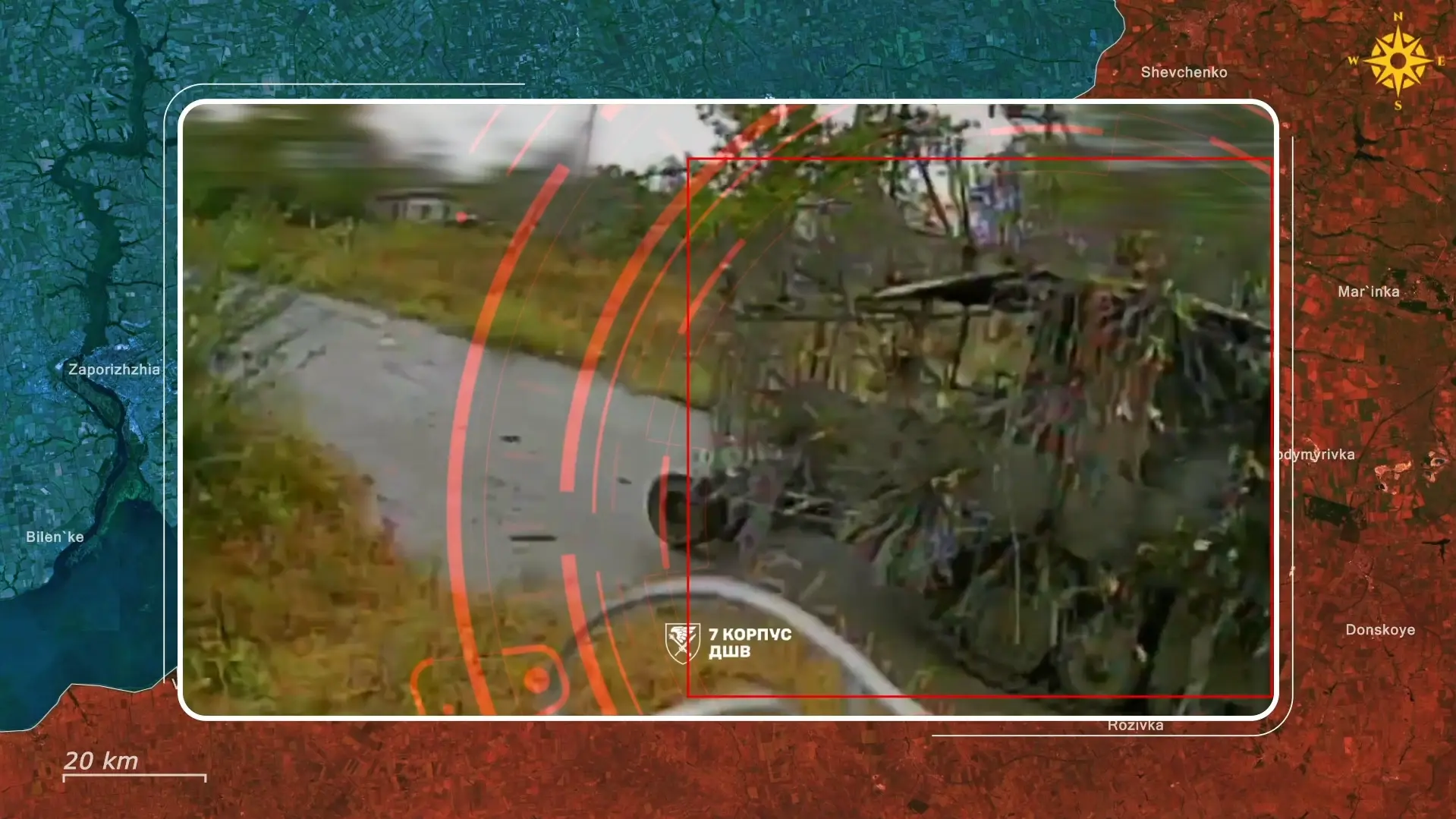
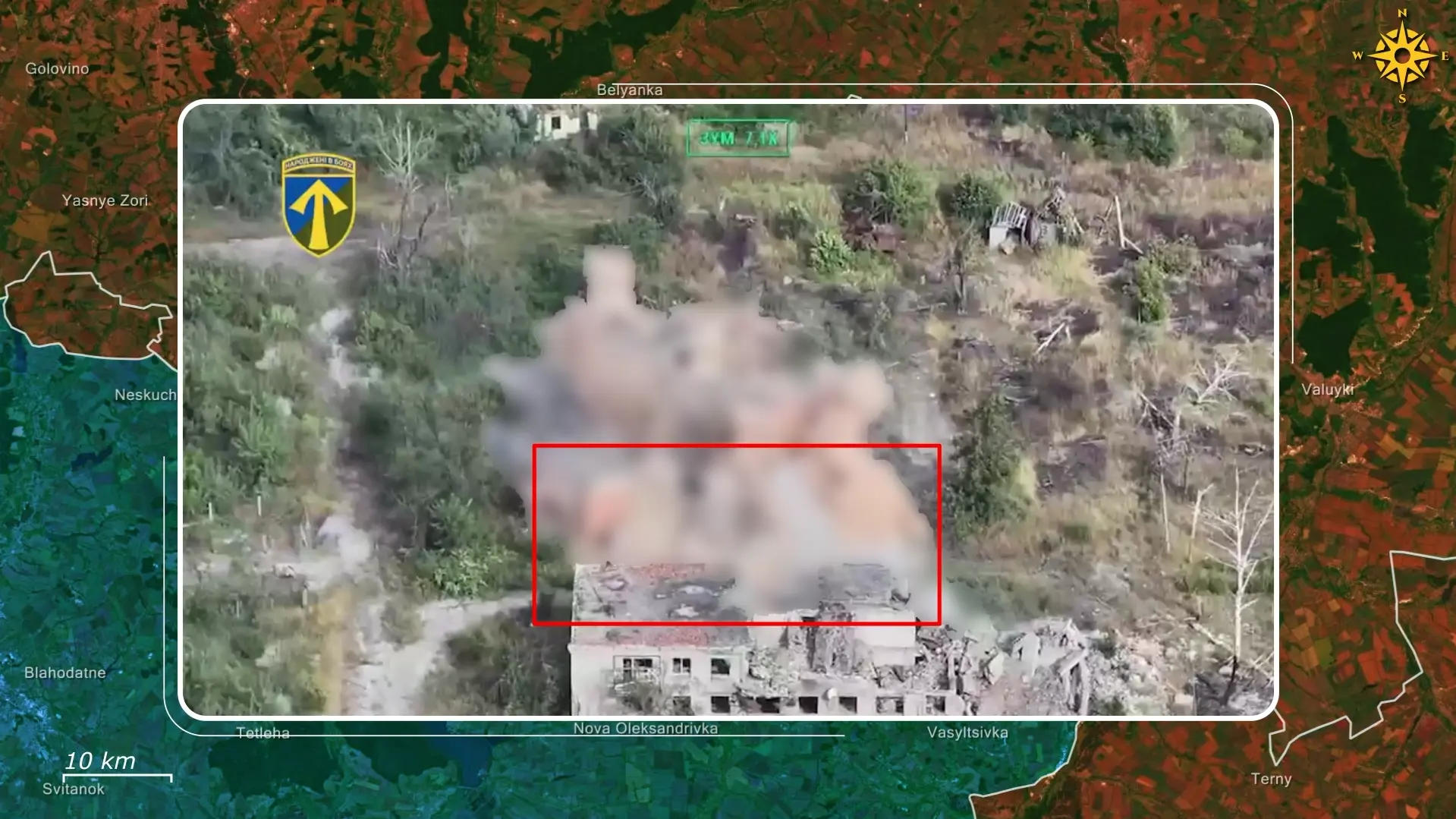
Massive cages mounted with steel wires protruding from them like a porcupine add several layers of additional defenses against incoming Ukrainian FPV drones. While these provide effective cover for the tanks, any gaps left in the armor for any reason at all become an immediate target for Ukrainian pilots. Additionally, Ukrainians have discovered that while the extra armor cages around the vehicle protect it against direct strikes, dropped munitions are extremely effective against them. Through this, vehicles are quickly struck and immobilized as the crew and infantry assault groups are forced to dismount the now compromised vehicle. If this happens in the middle of a field as is often the case, the Russian foot soldiers are as good as dead with Ukrainian kamikaze drones swarming around the massive target.
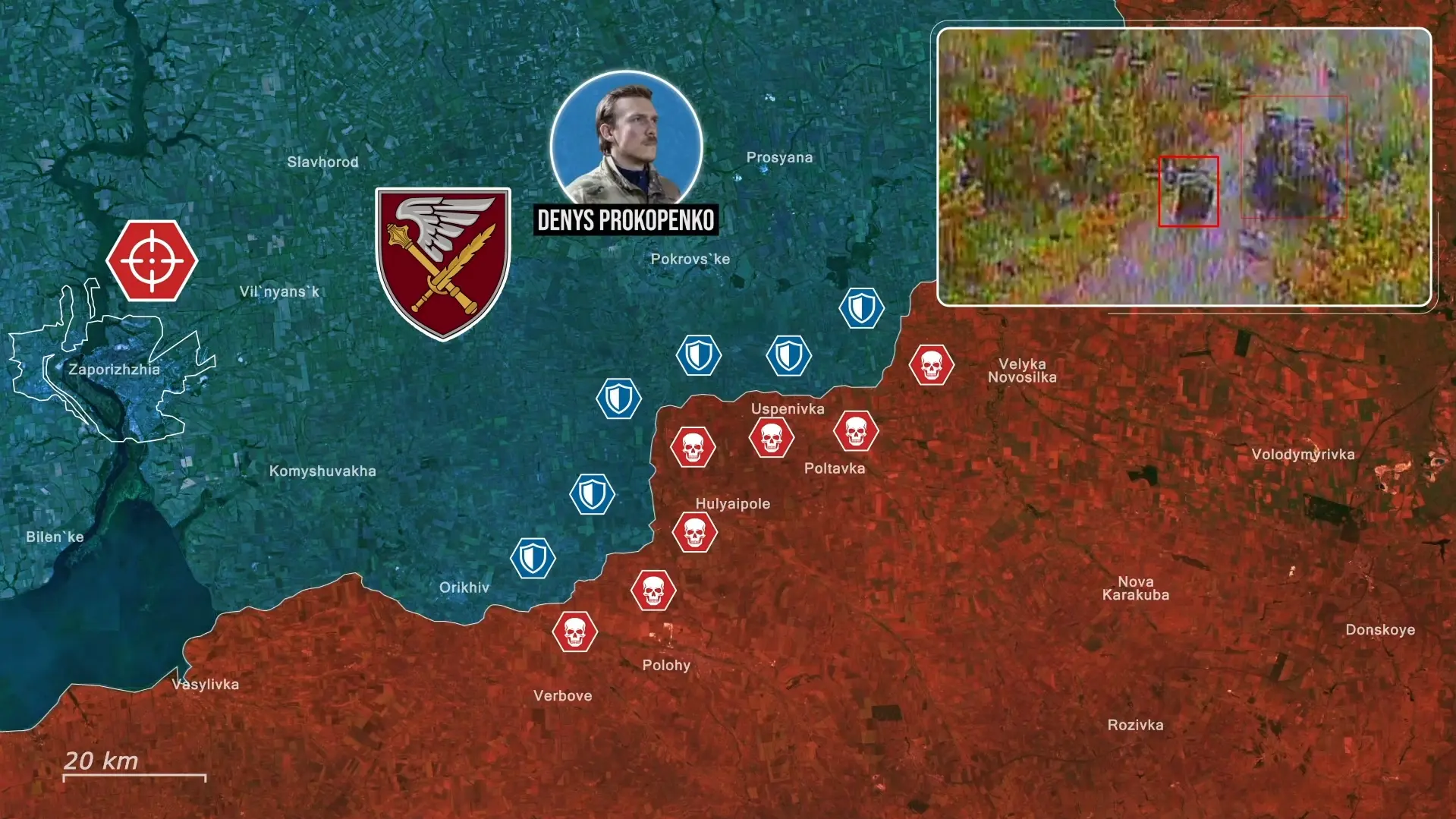
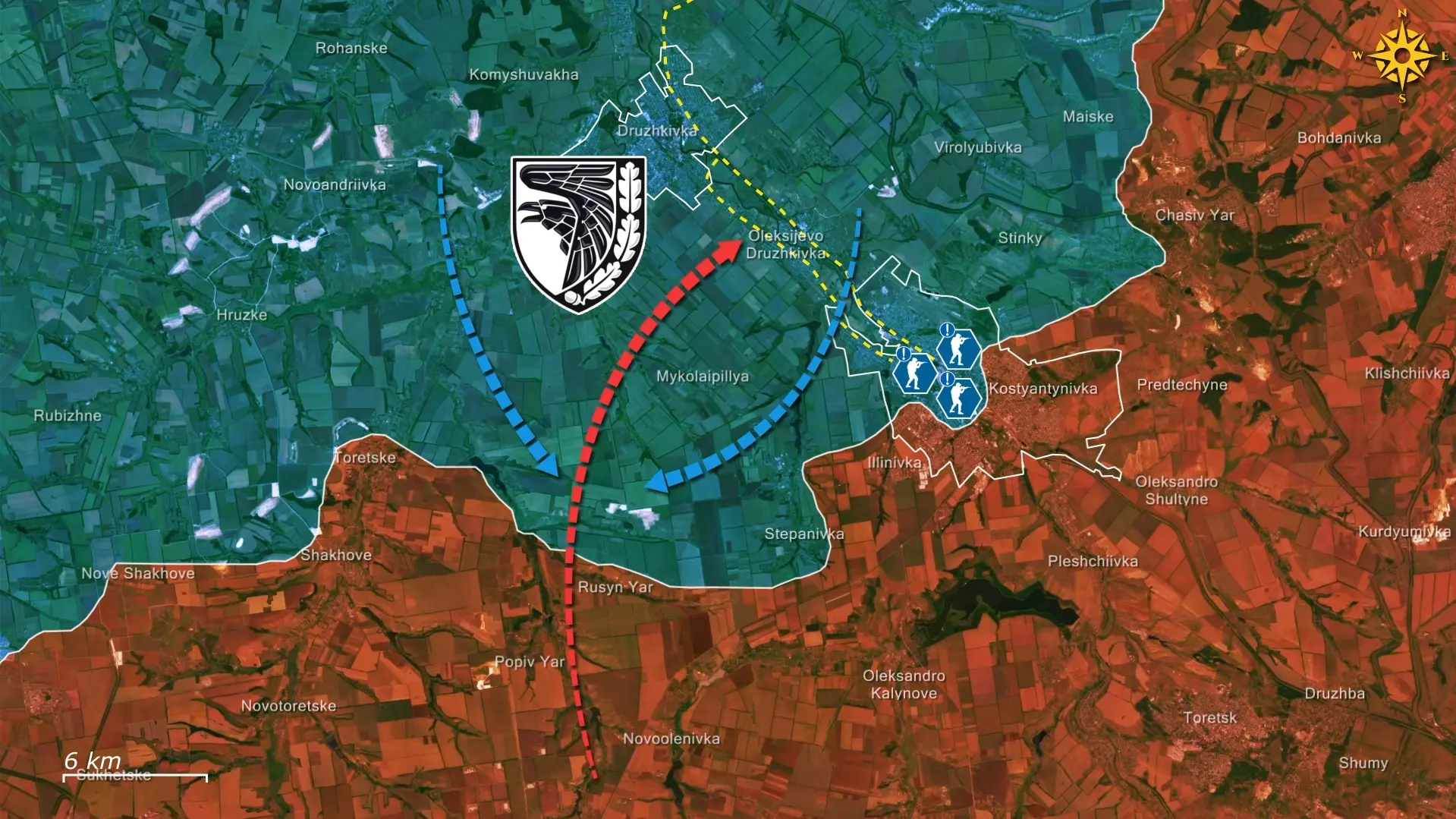
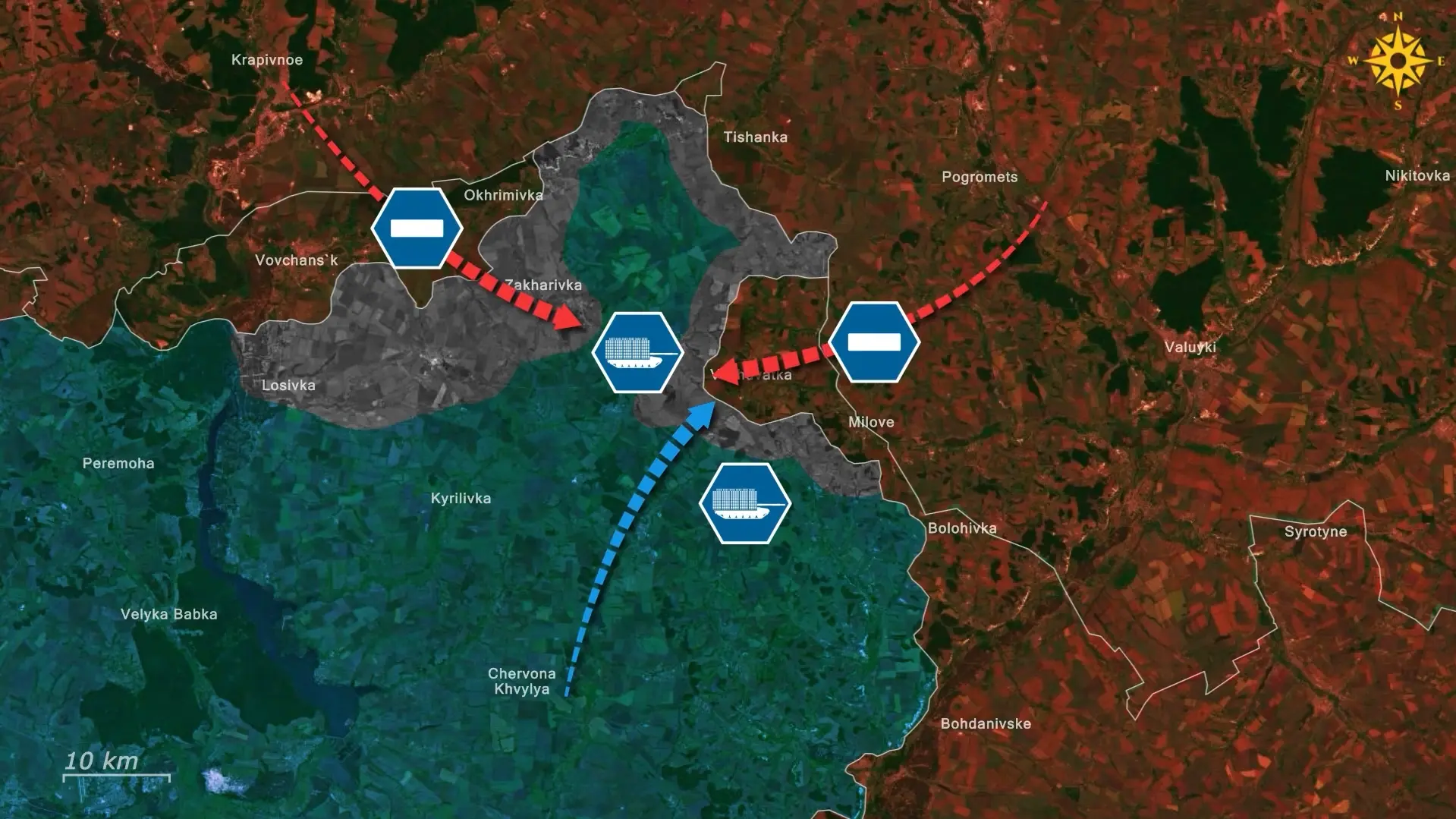
In this sector, Russians are targeting the provincial capital of Zaporizhia city. Defended by the newly repositioned Ukrainian seventh air assault army corps, the area is quickly becoming a new focal point for the Russian autumn offensive. All across the corps new area of responsibility, Russian forces have been launching these probing assaults with heavily up-armored mechanized vehicles. Frequently these attacks are accompanied by Russian soldiers driving motorbikes or other all-terrain vehicles, trying to quickly advance and make it to forward positions while the big armored tank soaks up Ukrainian fire and attention. However as Ukrainians have repeatedly shown, these fast-moving Russian assaulters rarely make it to their mission target alive. The reason for the sudden reversal of Russian infiltration tactics is explained by Ukraine’s Azov Army Corps Commander Denys Prokopenko.
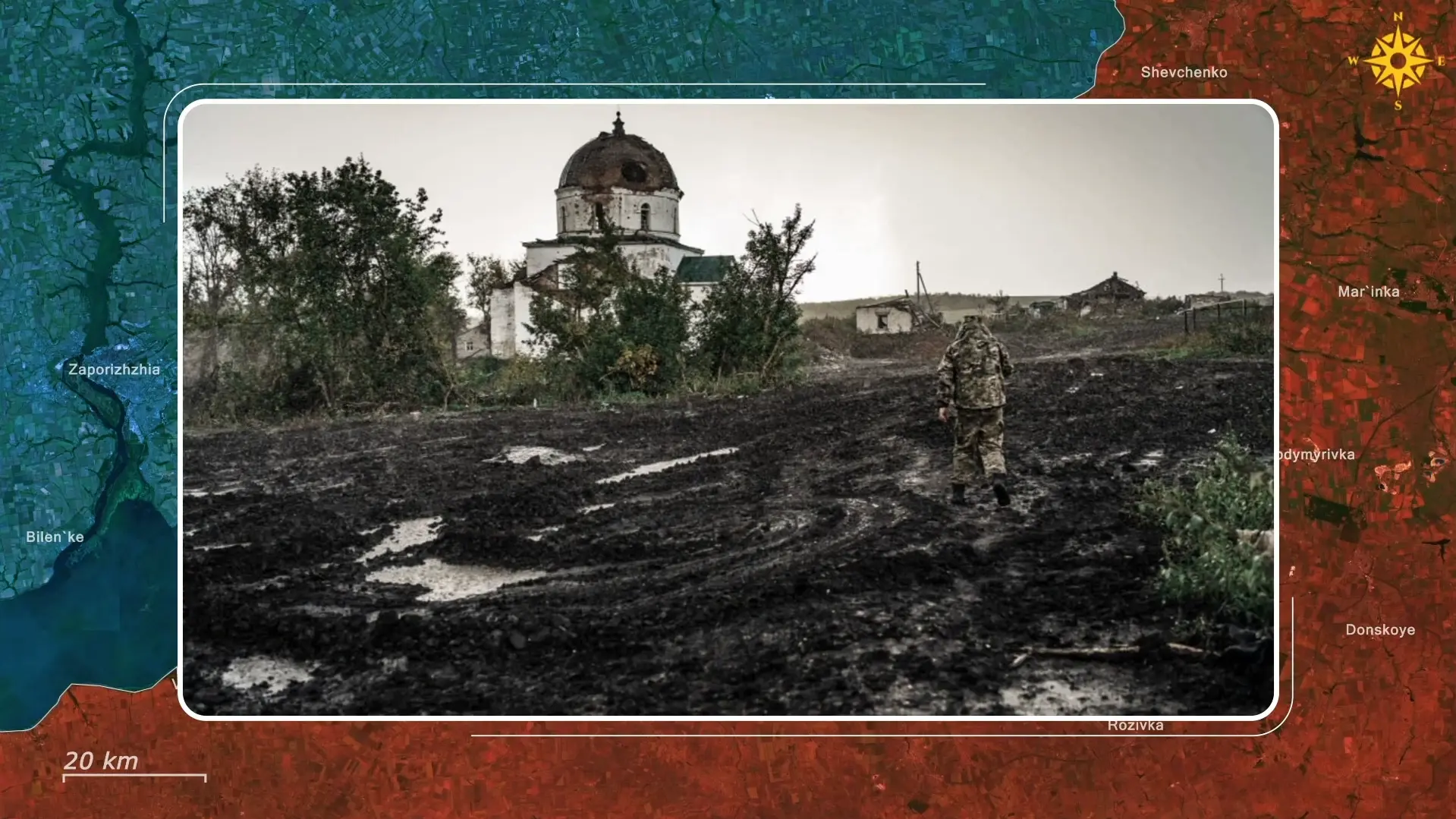
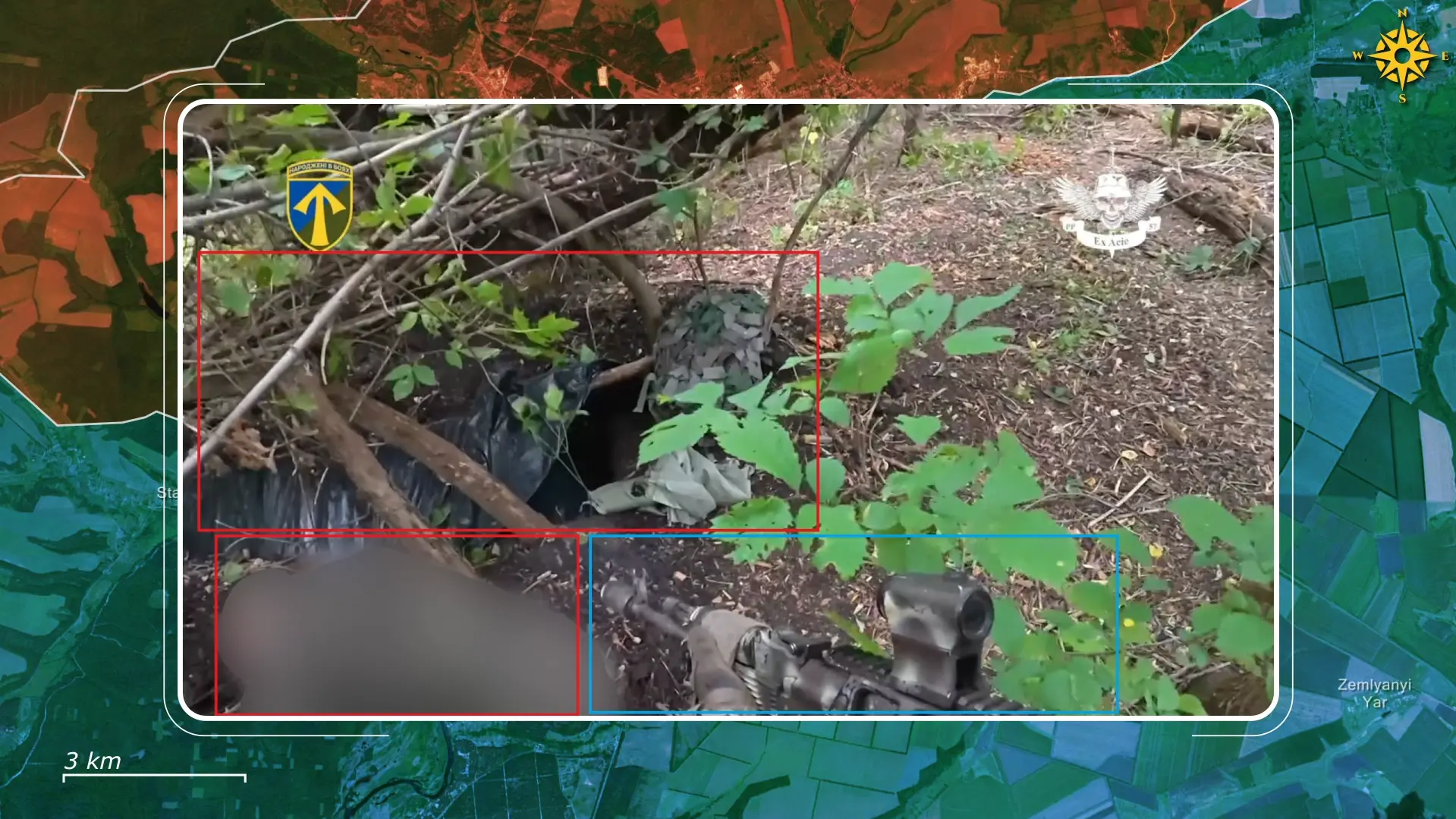
He recently discussed how the autumn season completely removes the foliage on the tree lines and forests that cover Ukraine’s southern and eastern fields. This foliage has been a crucial component in the Russian infiltration tactics that they have been using during the spring and summer months over the past two years, as it made detection of Russian infantry significantly more difficult. Additionally, the approaching autumn rains will turn much of Ukraine’s eastern fields into a thick and deep mud in the low grounds. This in turn further limits the possible avenues for infiltration to high ground only, making it easier for Ukrainians to concentrate their efforts on detecting advancing enemy soldiers. Coincidentally, high ground also means much stronger signal strength for Ukrainian drones, reducing their reliance on repeater drones or high-placed antennas.
As infiltrations become less viable as an effective offensive tactic for Russia, armored assaults remain as the only option to sustain offensive pressure on Ukraine. However, as the war continues to develop and evolve, they must first find counters to all of Ukraine’s new weapon systems and tactics. These first assaults have primarily used existing Russian tactics they used last year to try and advance with their armored vehicles. As Ukrainians have expertly demonstrated that they are able to effectively counter these tactics, Russians must find a new way of advancing through mechanized warfare if they want any hope of retaining overall pressure on Ukraine throughout the autumn and winter months.
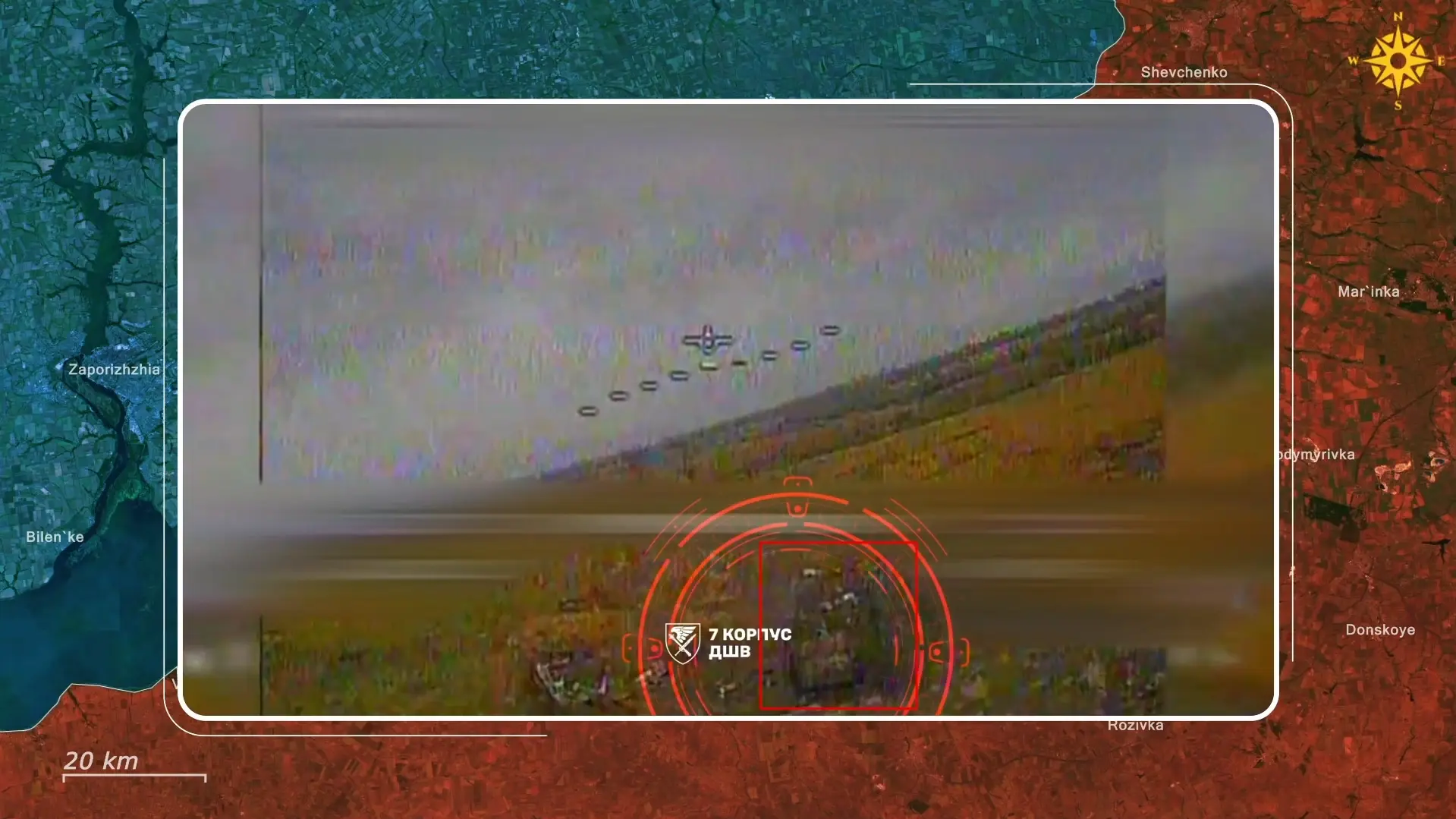
Overall, Russia’s mechanized probing assaults have failed to deliver them the desired results. Attacks using heavily up-armored vehicles that only rarely worked the year before are now shown to be even less effective through Ukraine’s increased availability of bomber drones, FPV drones, and pilots that allow them to take out both the fast-moving all-terrain vehicles and the heavy armor simultaneously. Russians must now find a new way to keep their armored assaults alive, while using up their scarce reserves in the meantime just to keep the pressure going.

.jpg)

Comments