

.svg)
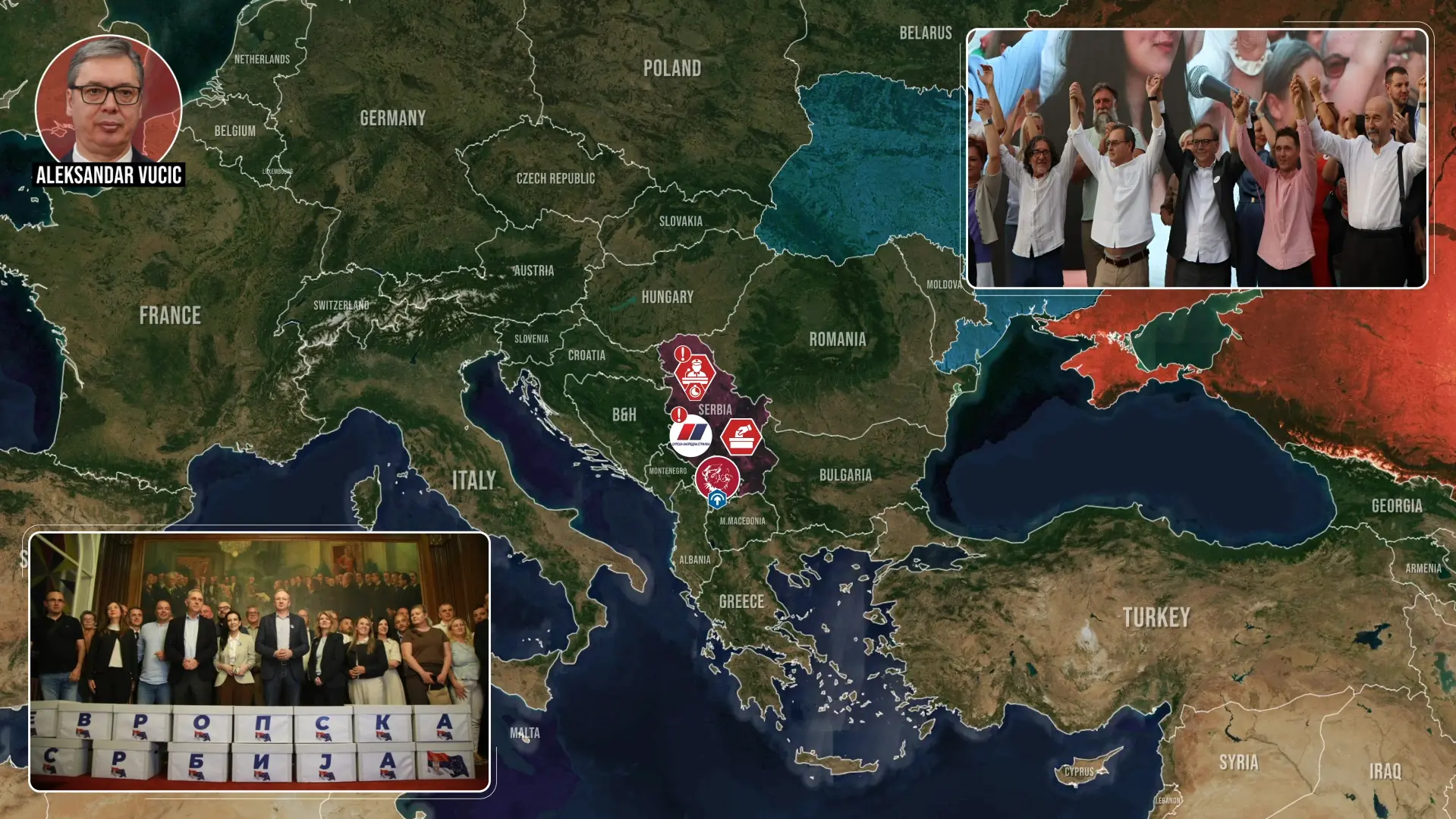
On September twenty seven, Serbian President Aleksandar Vucic resigned from the presidency to run as the prime ministerial candidate for his party, SNS, in the October parliamentary election. He has dominated Serbian politics for more than a decade. But his long standing political dominance now faces a major challenge. After nearly two years of student led anti corruption protests, a new political party called Students Win has emerged from the movement. Meanwhile, Western oriented opposition parties have joined forces to form a new coalition called European Serbia. Public opinion polls indicate a neck and neck race between Students Win and Vucic’s party, with some surveys even showing Students Win ahead of SNS.
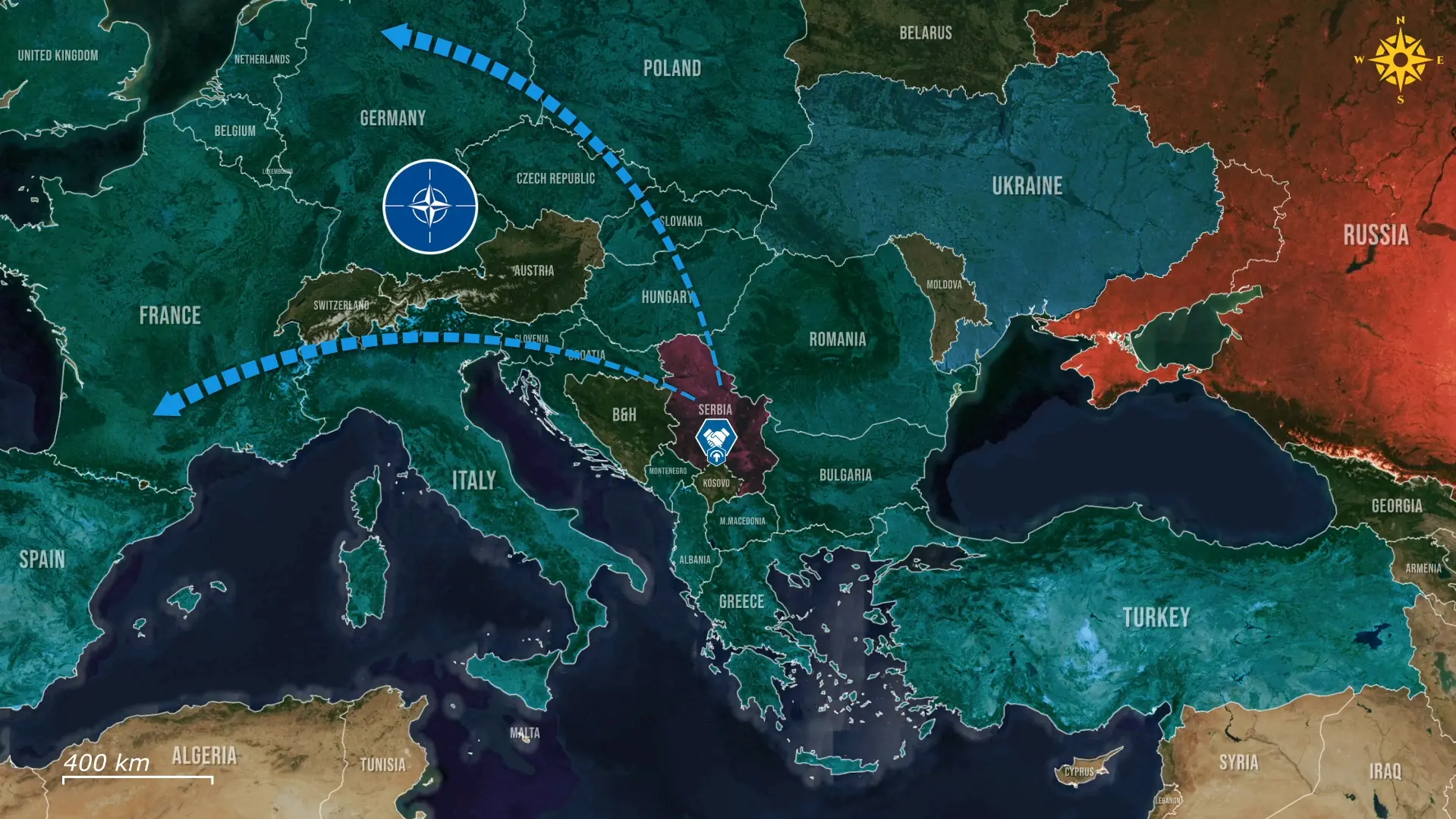
Aleksandar Vucic pursued a balancing foreign policy during his tenure as both Prime Minister and President of Serbia, allowing him to maintain good relations with multiple sides simultaneously. Serbia has long been seeking membership in the European Union and has more closely integrated its economy with European markets and investment. At the same time, the country is not a member of Nato, but it has maintained practical cooperation with the alliance through military training, defense cooperation, and joint activities.
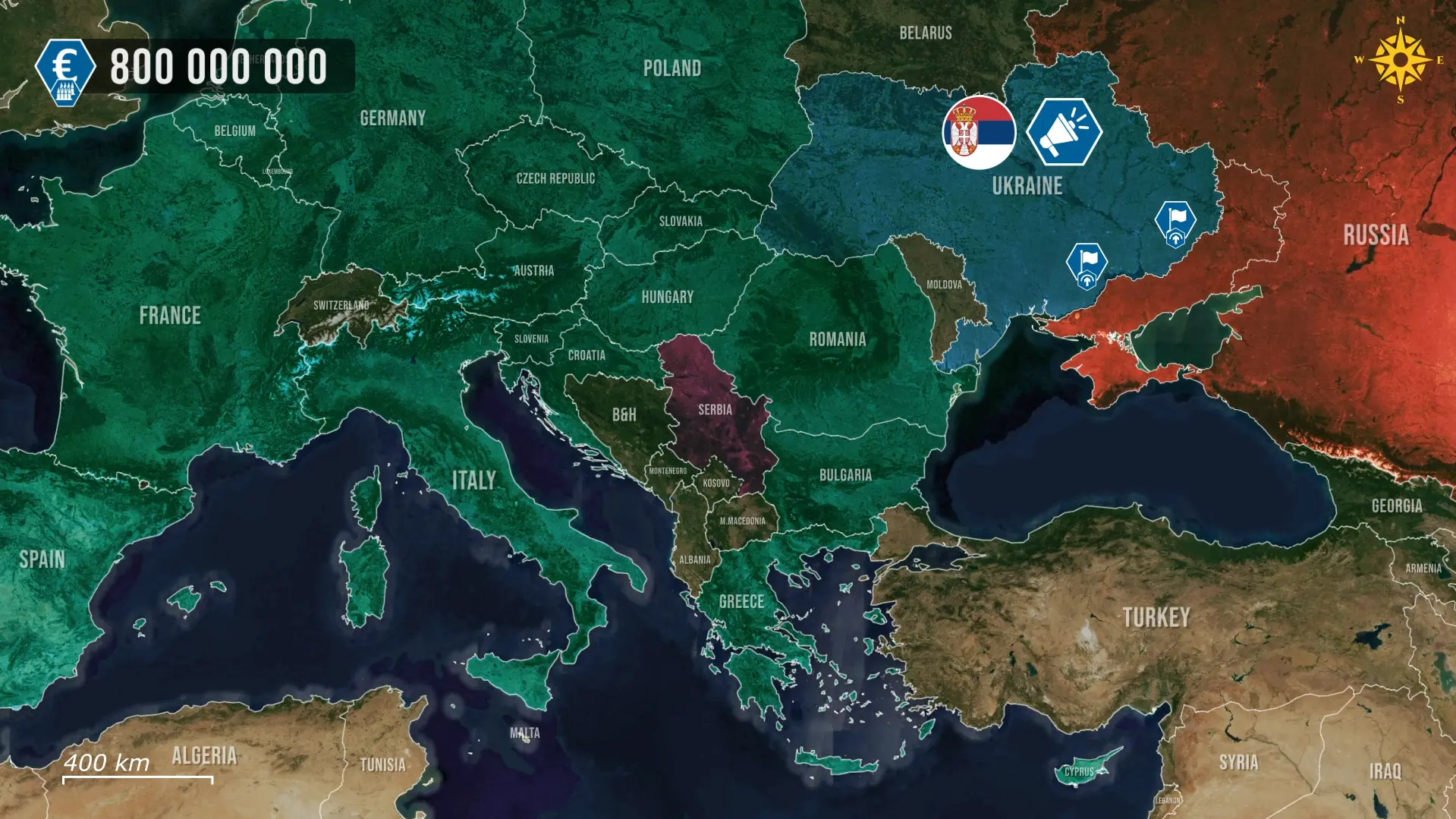
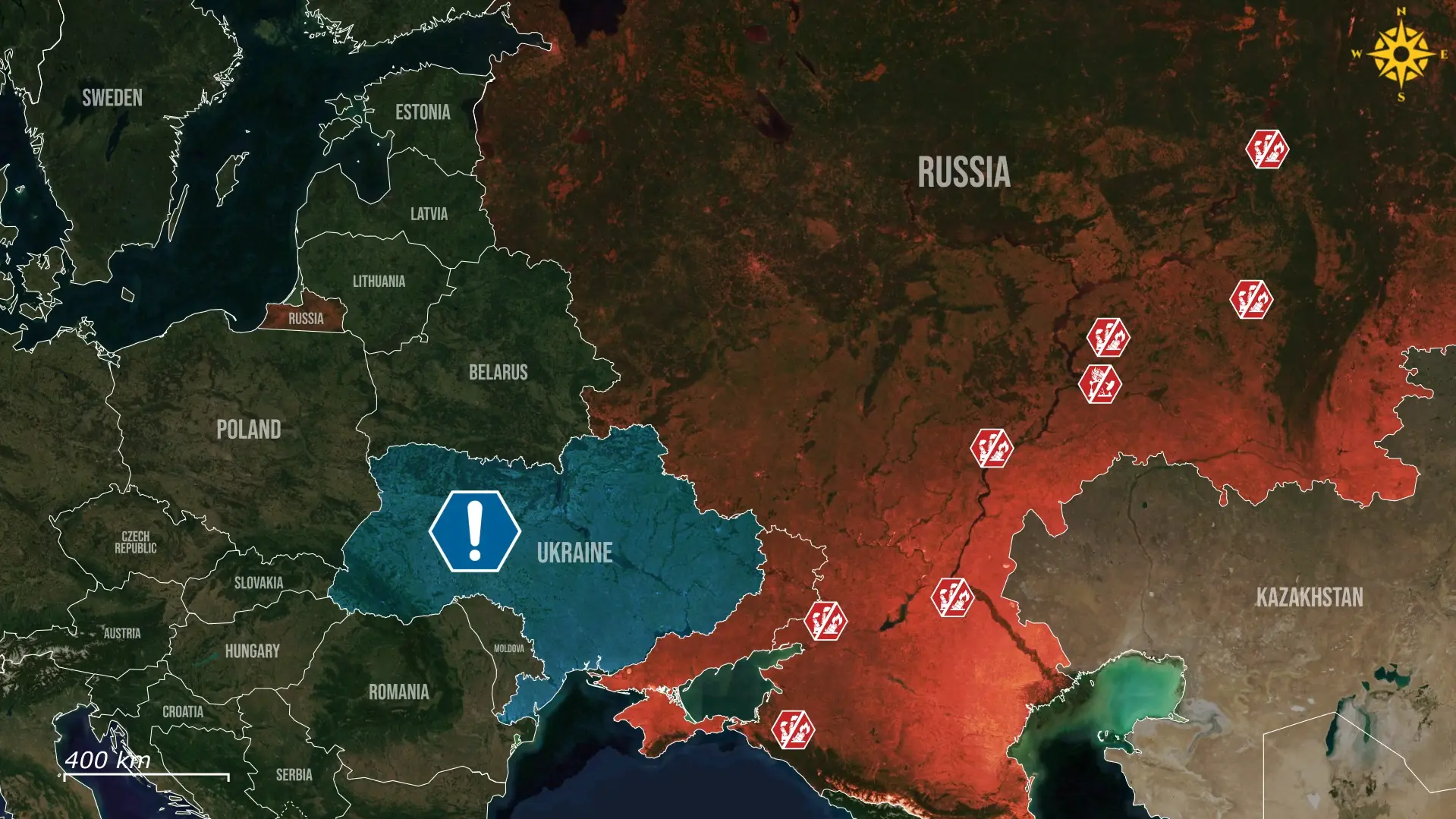
Meanwhile, Serbia has long purchased gas from Russia at prices nearly three times lower than those in the European market to keep its energy sector running. Serbia also refused to join Western sanctions against Russia after the full scale invasion of Ukraine. On the other hand, Serbian produced ammunition is reaching the Ukrainian battlefield through third countries, where it is being used directly by Ukrainian forces against Russia. In June two thousand twenty four, the Financial Times estimated that about eight hundred million euros worth of Serbian ammunition had reached Ukraine through third countries since the invasion began. Serbia also continues to recognize Ukraine’s internationally recognized borders, including territories occupied by Russia.
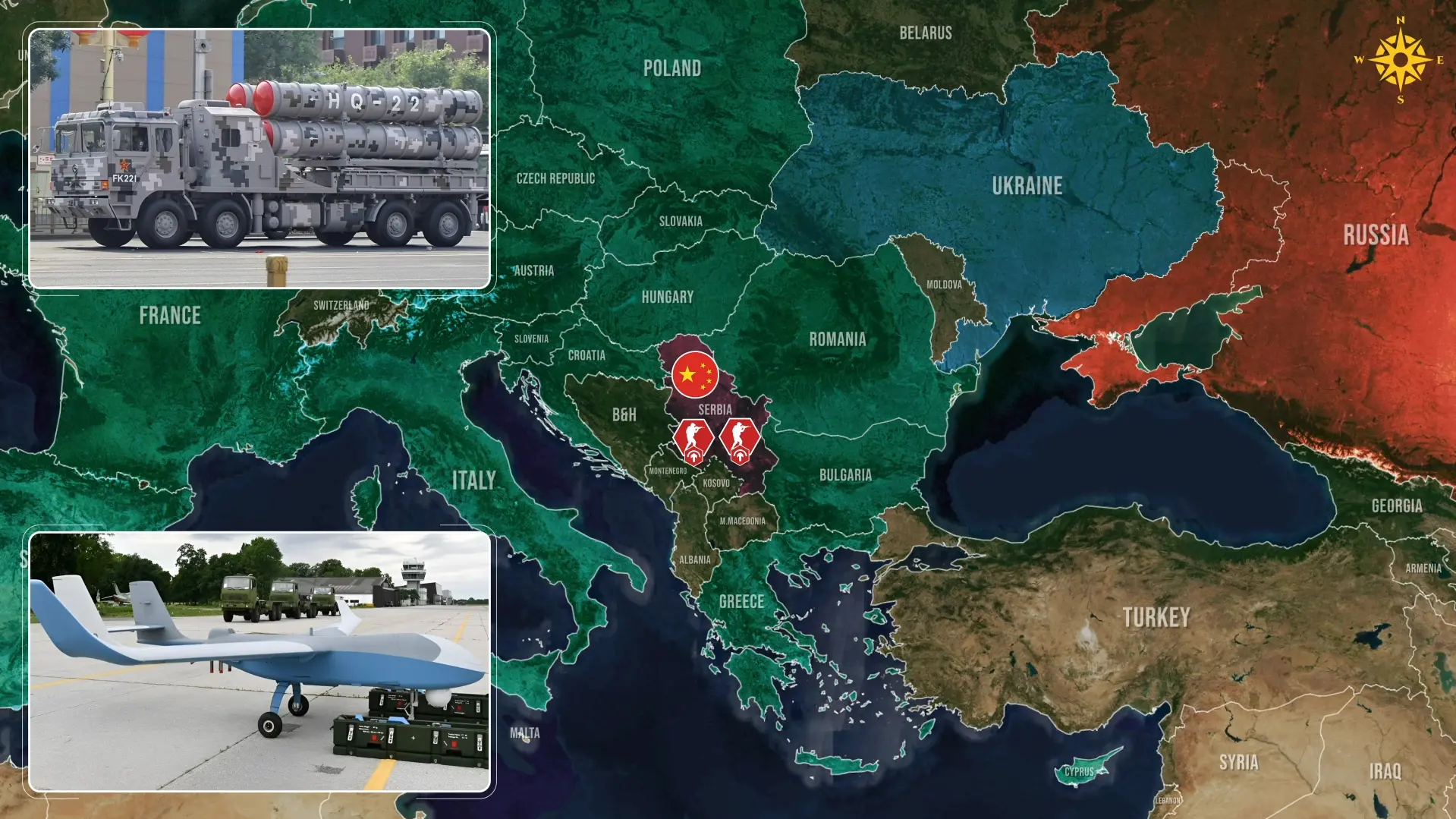
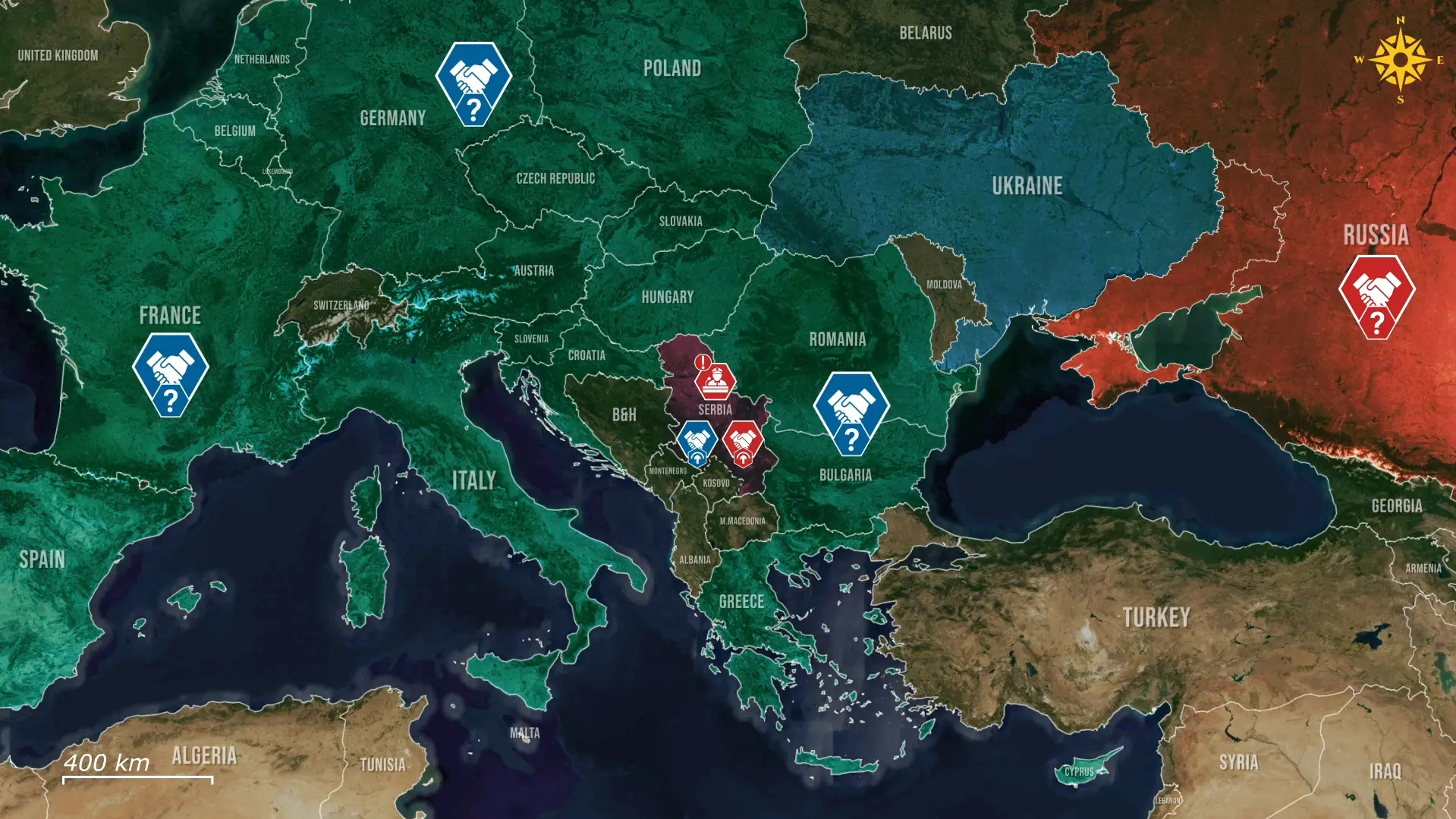
Furthermore, the impact of this balancing foreign policy is becoming increasingly evident in Serbia’s military capabilities. Currently, the Serbian military operates MiG-twenty nine fighter jets, Pantsir-S one air defense systems, and T-seventy two tanks, which were directly supplied by Russia. Alongside, Serbia has also purchased Chinese air defense systems and armed drones to further strengthen its air defense capabilities. In addition, Serbia signed an agreement with France in two thousand twenty four to purchase twelve Rafale fighter jets, which are expected to be delivered by two thousand twenty nine. At the same time, Serbia recently established a drone production facility in Simanovci jointly with Israeli defense company Elbit Systems. The facility will produce FPV drones as well as strike drones capable of operating at altitudes of up to six kilometers, including Israel’s SkyStriker kamikaze drones and Serbia’s Pegaz and Osica drones.
The upcoming elections could put that balancing policy under pressure. If Vucic becomes prime minister after the October twenty-five parliamentary elections and one of his political allies wins the subsequent presidential election, this approach will continue. This is because the prime minister and head of state would come from the same political camp, making coordination on major foreign policy decisions easier. On the other hand, if a member of Student Win or European Serbia is elected to either of the two positions the prime minister or president after the election, divisions could emerge over foreign policy decisions. As a result, maintaining balanced relations with the European Union, Nato, and Russia simultaneously could become more difficult for Serbia.
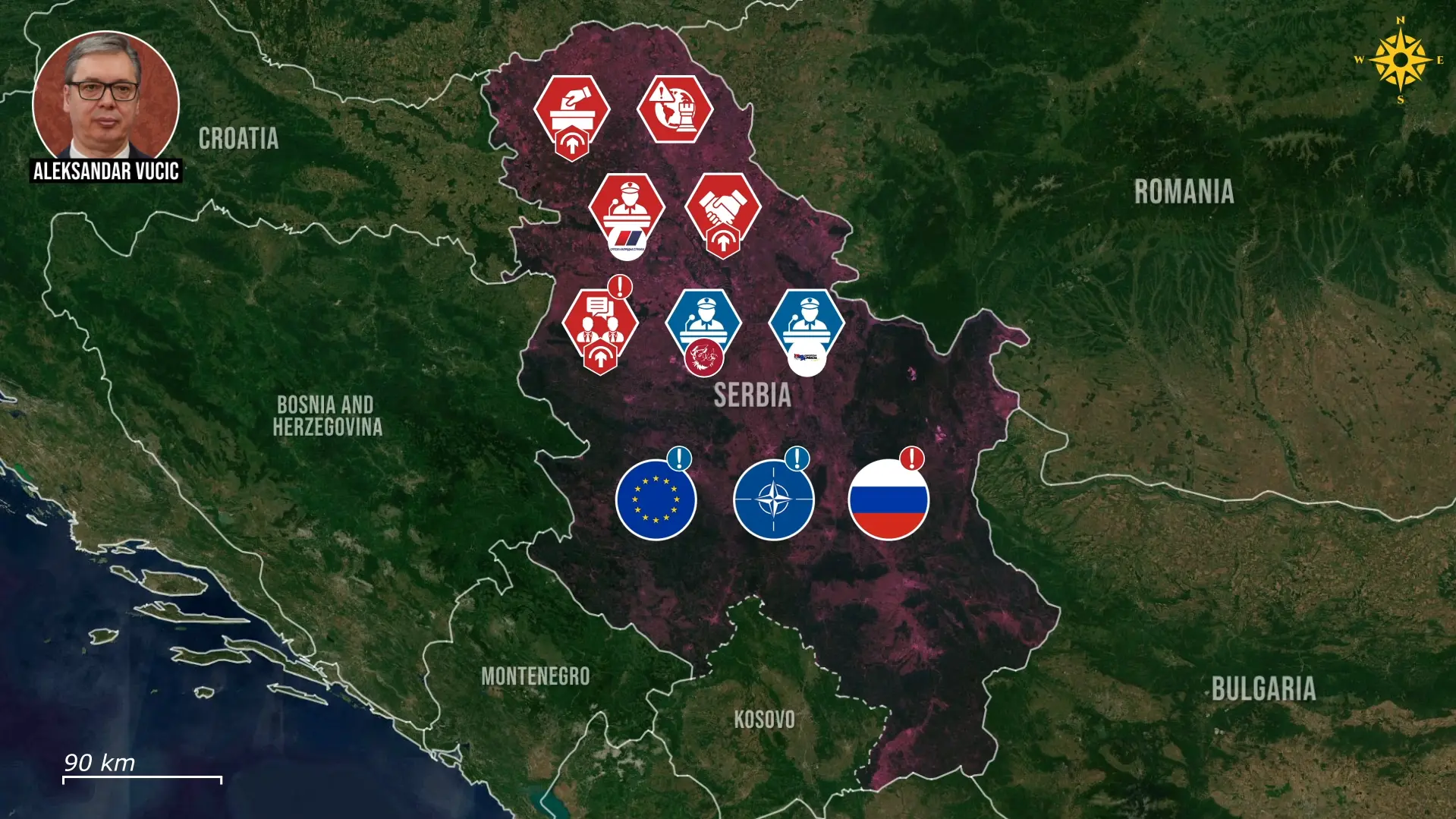
Serbia is a militarily powerful country in the Western Balkans and is geographically situated among Nato member states. This position gives it considerable strategic significance for both Russia and the West. Moscow seeks to consolidate its influence in Serbia to preserve its role in the Western Balkans and counter Nato and EU influence in the region. Western governments, meanwhile, want closer ties with Serbia and less Russian influence in the region.
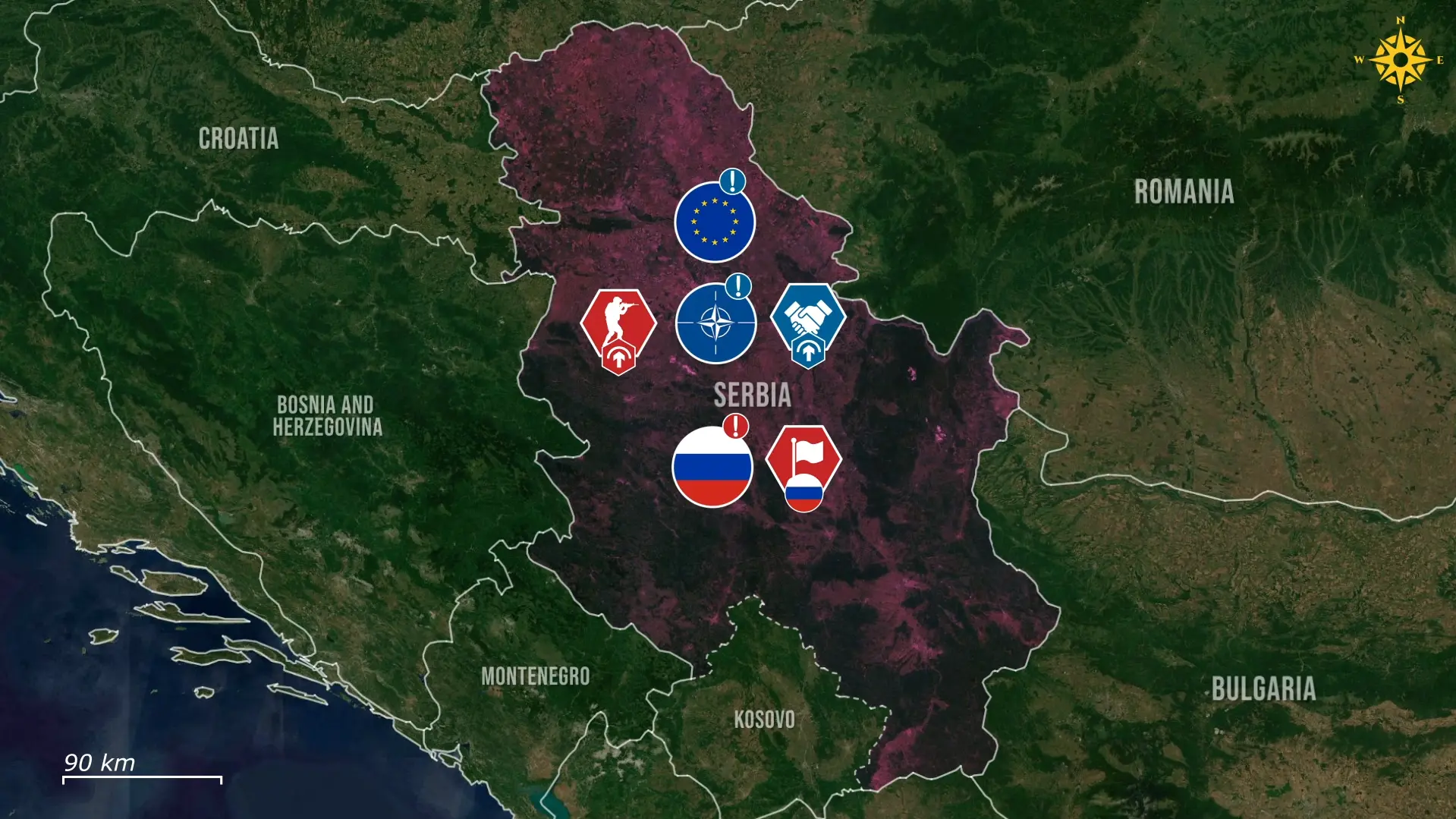
Overall, Serbia’s ties with competing powers will be difficult for any government to untangle. Its economy is closely linked to Europe, its energy supply still depends heavily on Russia, and its military draws on suppliers from several rival countries. Even if Vucic loses power, those commitments will remain. The bigger test is whether Serbia’s next government can use these relationships to preserve its freedom to act, or whether pressure from its partners will increasingly limit its choices.

.jpg)

Comments