

.svg)
Today, the biggest news comes from the Lyman direction.
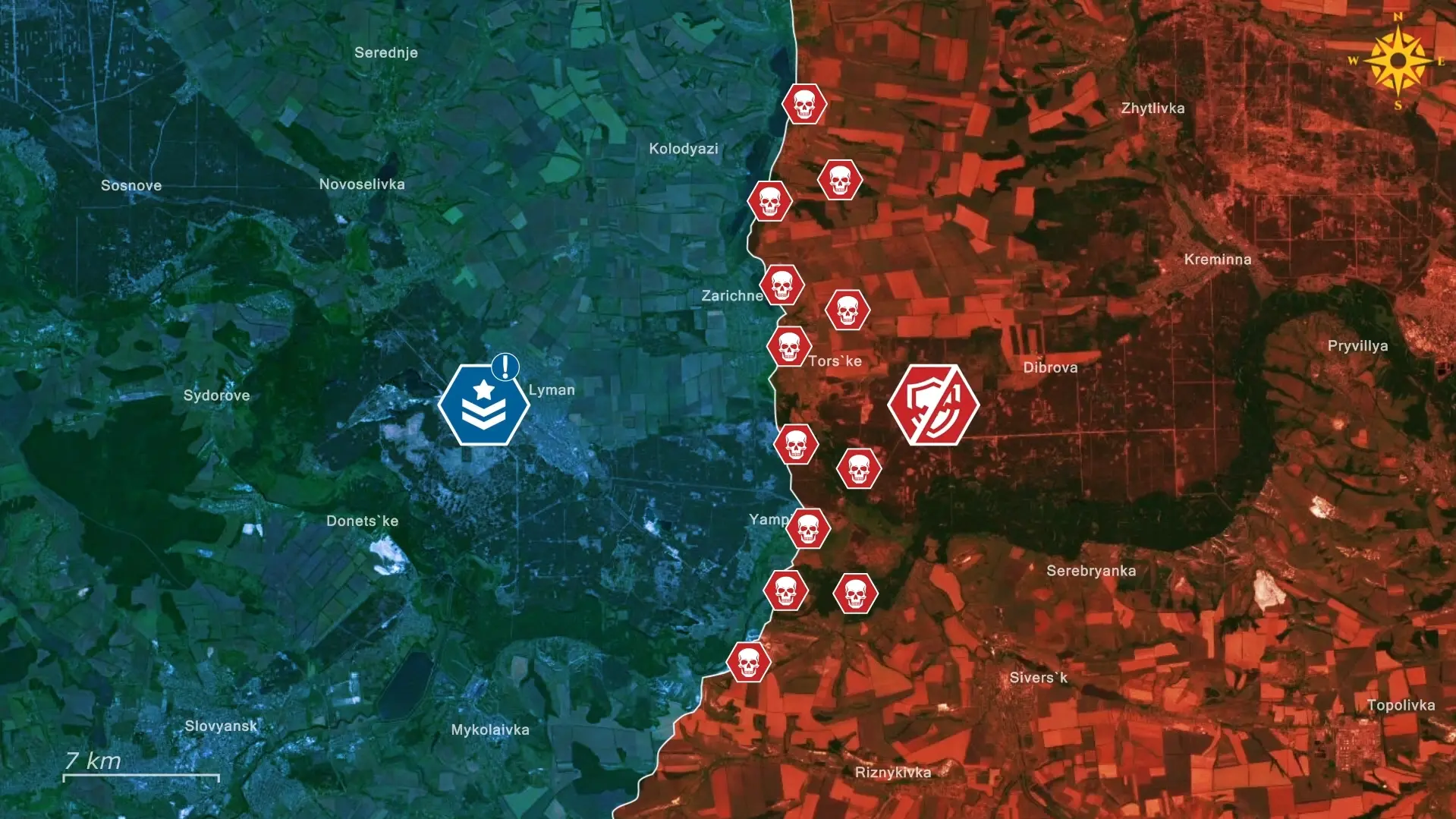
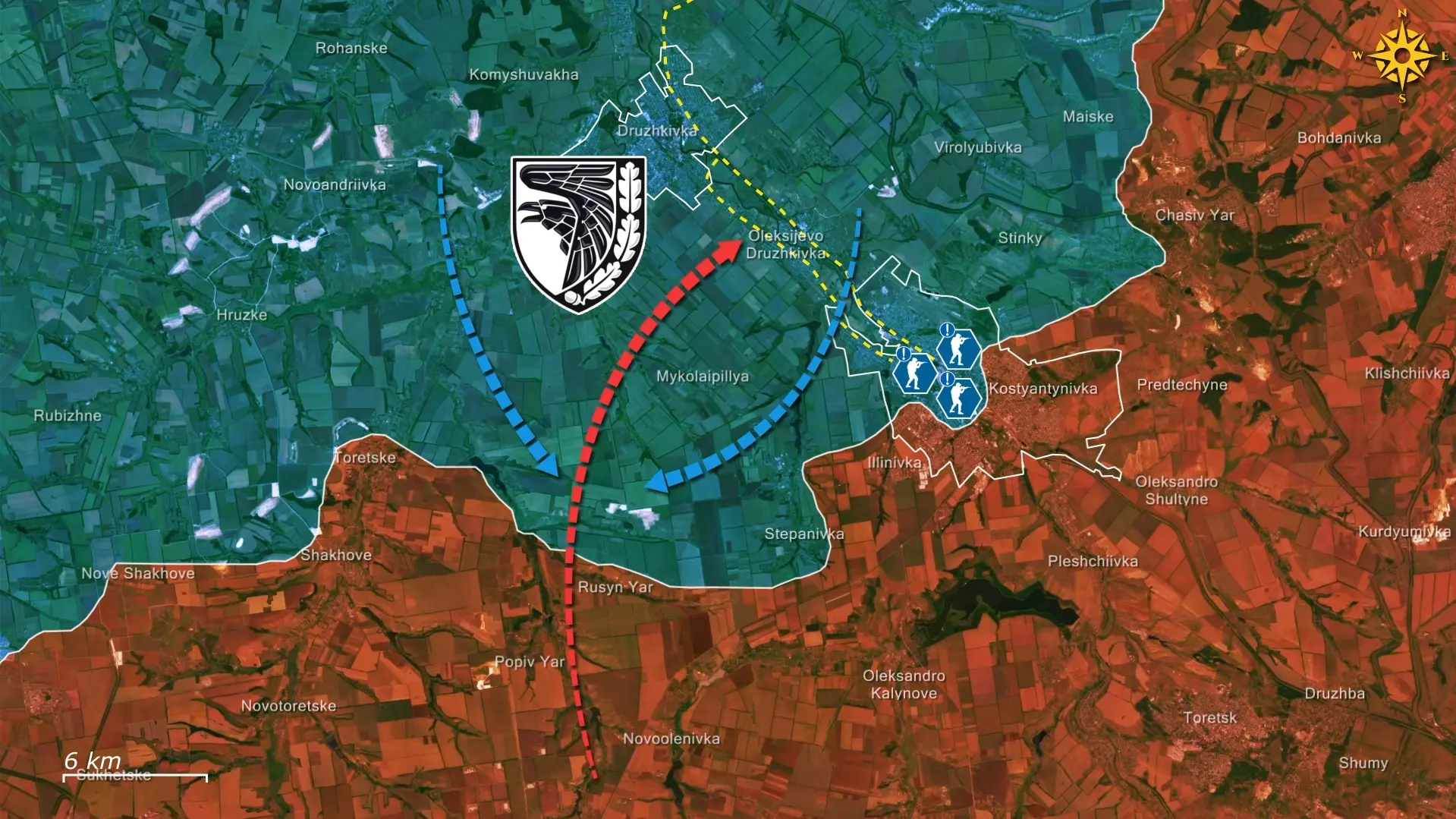
Although the frontline around Lyman has barely moved, the intensity of the fighting has reached extraordinary levels. Russian forces are committing thousands of soldiers to repeated counterattacks in an effort to halt Ukrainian advances and restore their positions, but these assaults are coming at a tremendous cost. In Zarichne, Russian troops are attempting to push back Ukrainian infiltrators who are trying to cross the Zherebets River and advance into the centre of Torske. Meanwhile, in the forests east of Lyman, Ukrainian forces are clearing the remaining Russian positions north of Yampil. Russian troops are still present in the area, but their positions have become increasingly scattered, leaving them struggling to maintain a coherent bridgehead. Russia is also counterattacking inside Yampil itself, attempting to regain control of positions in the grey zone.
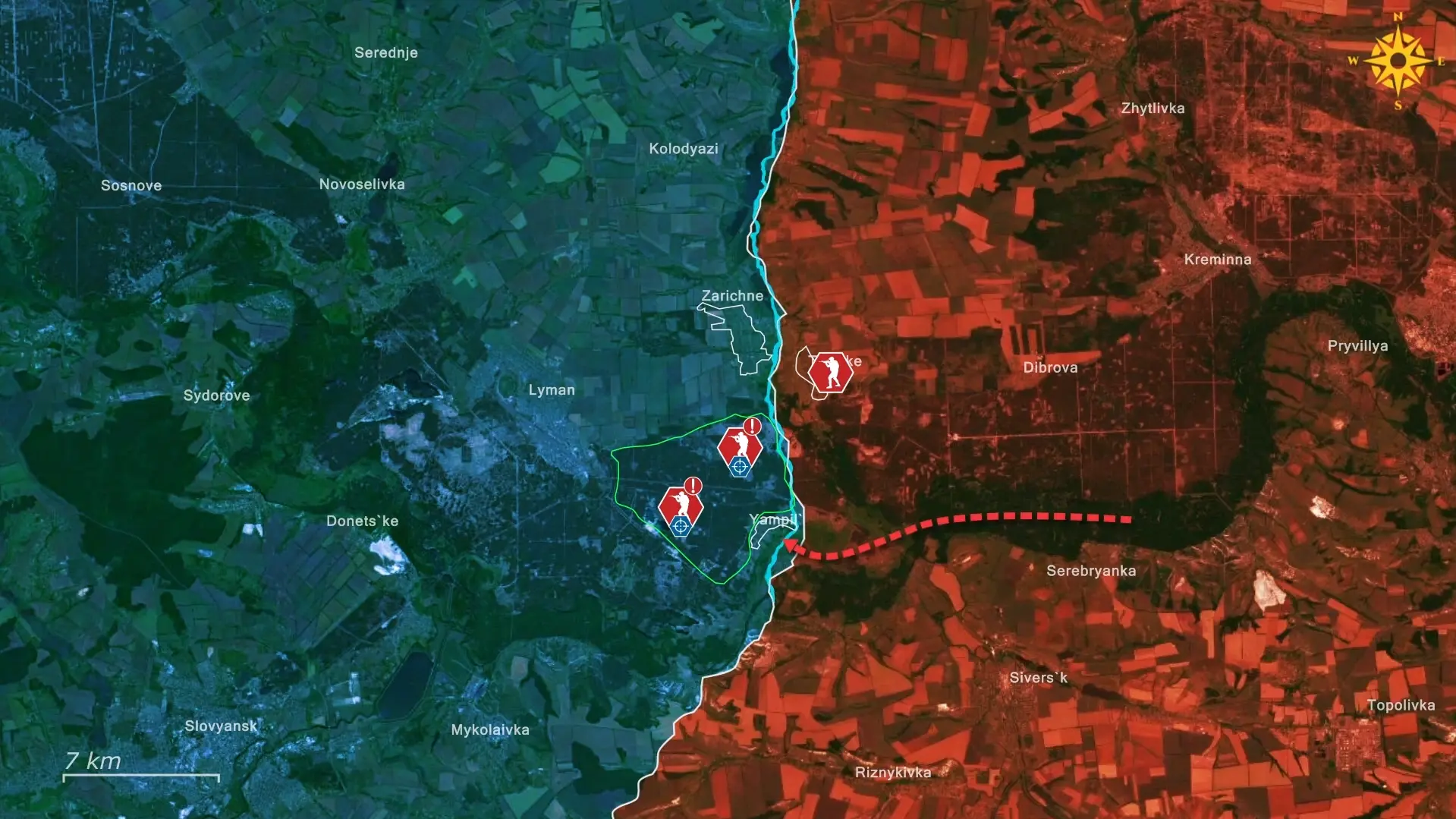
Their objective is to reopen access to the vast forested areas beyond these positions, where Ukrainian forces could otherwise exploit gaps in Russian defences. These repeated attacks and counterattacks have gradually pushed the frontline towards a more stable position along the river, but that stability has come at a staggering human cost for the Russians.
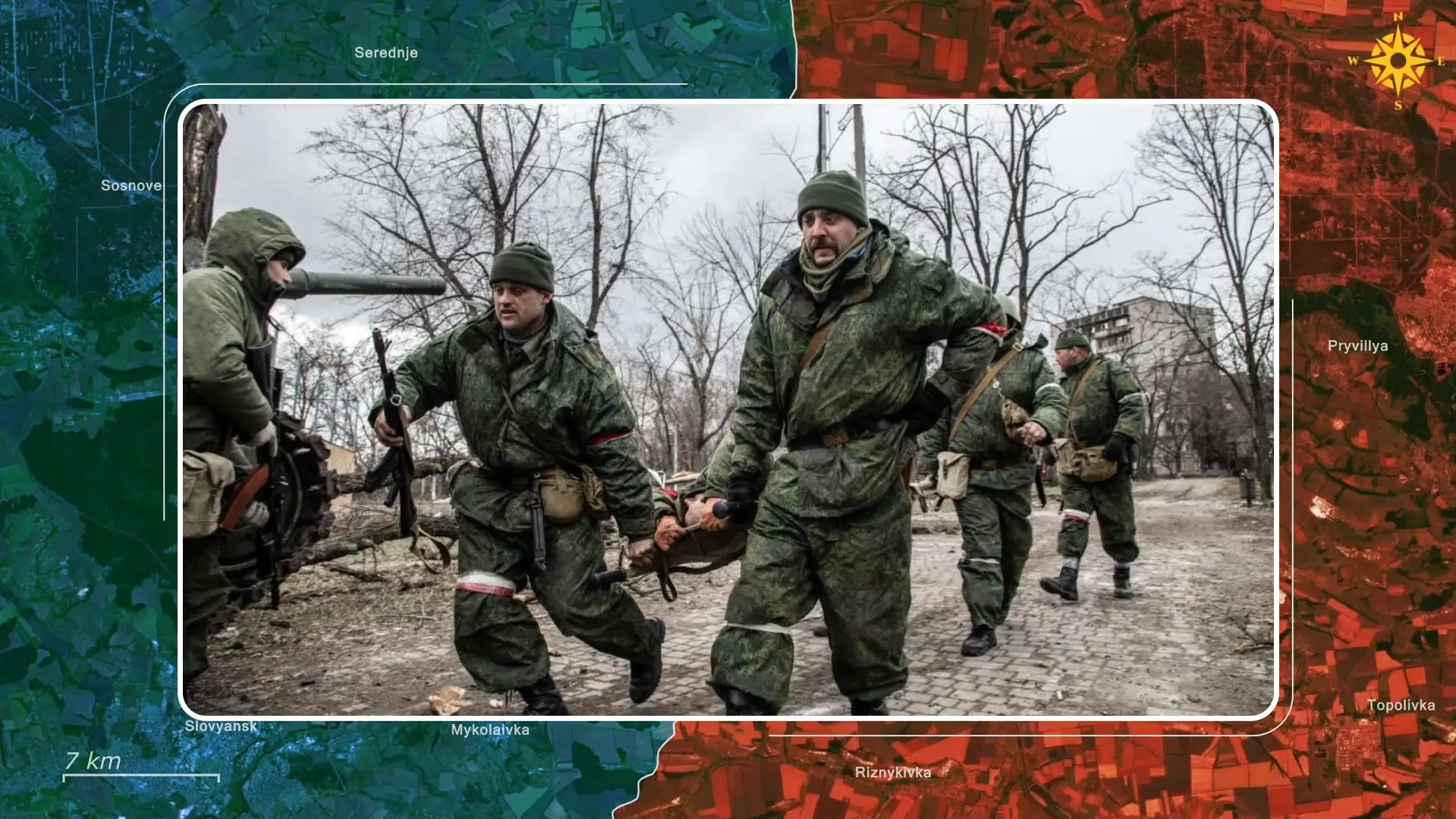
At the end of September and the beginning of October, Russian forces suffered daily personnel losses exceeding two thousand on three separate occasions. On one of those days, reported losses reached two thousand and ninety, the highest daily figure since the beginning of Russia’s full-scale invasion. These losses reflect the intensity of Russia’s efforts to contain the Ukrainian counterattacks, as commanders continue sending troops into contested areas to prevent further advances and recover lost positions. This is largely because Ukrainian forces eliminated Russia’s drone operators and specialist personnel during Operation Vivaldi.
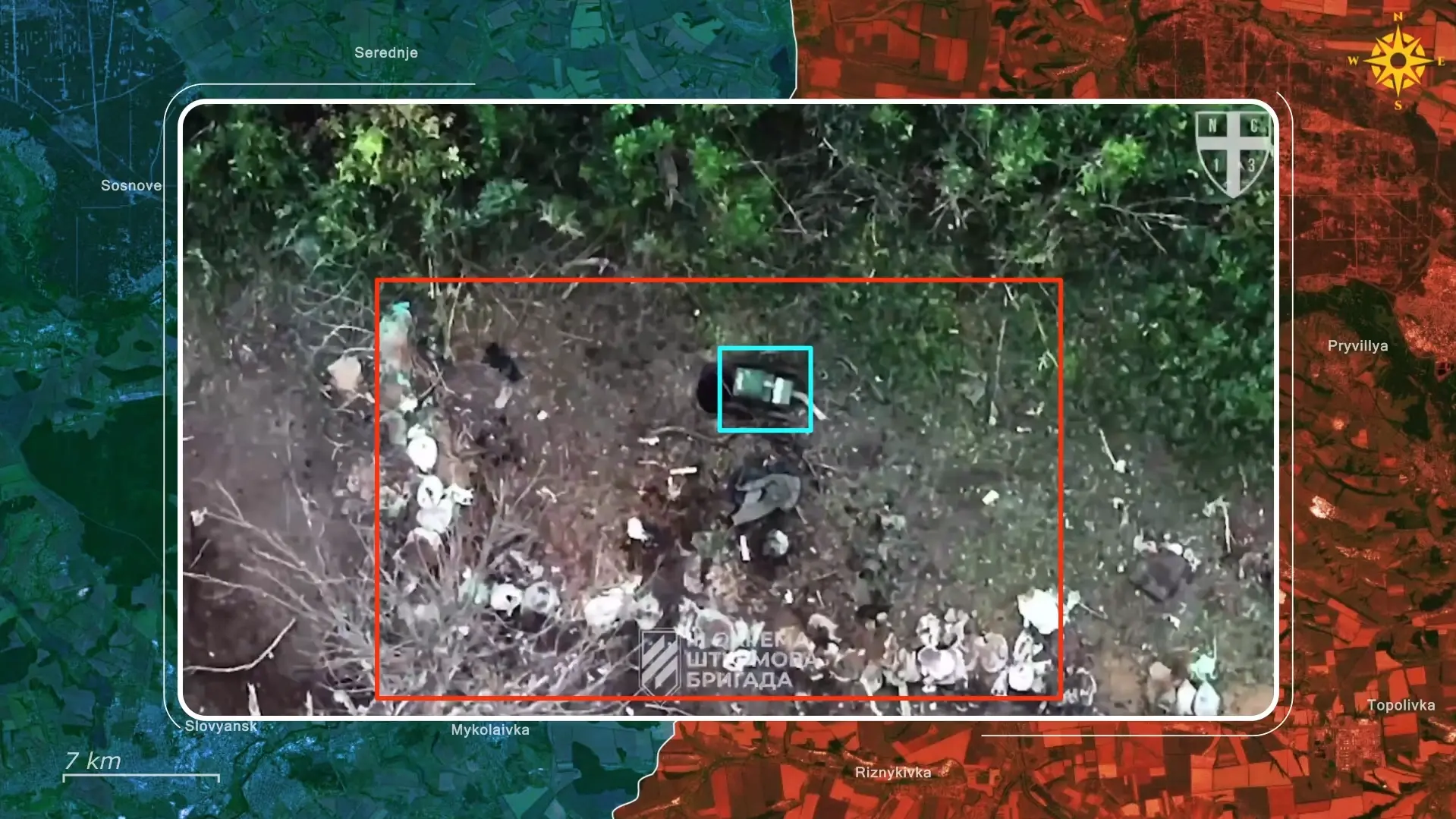
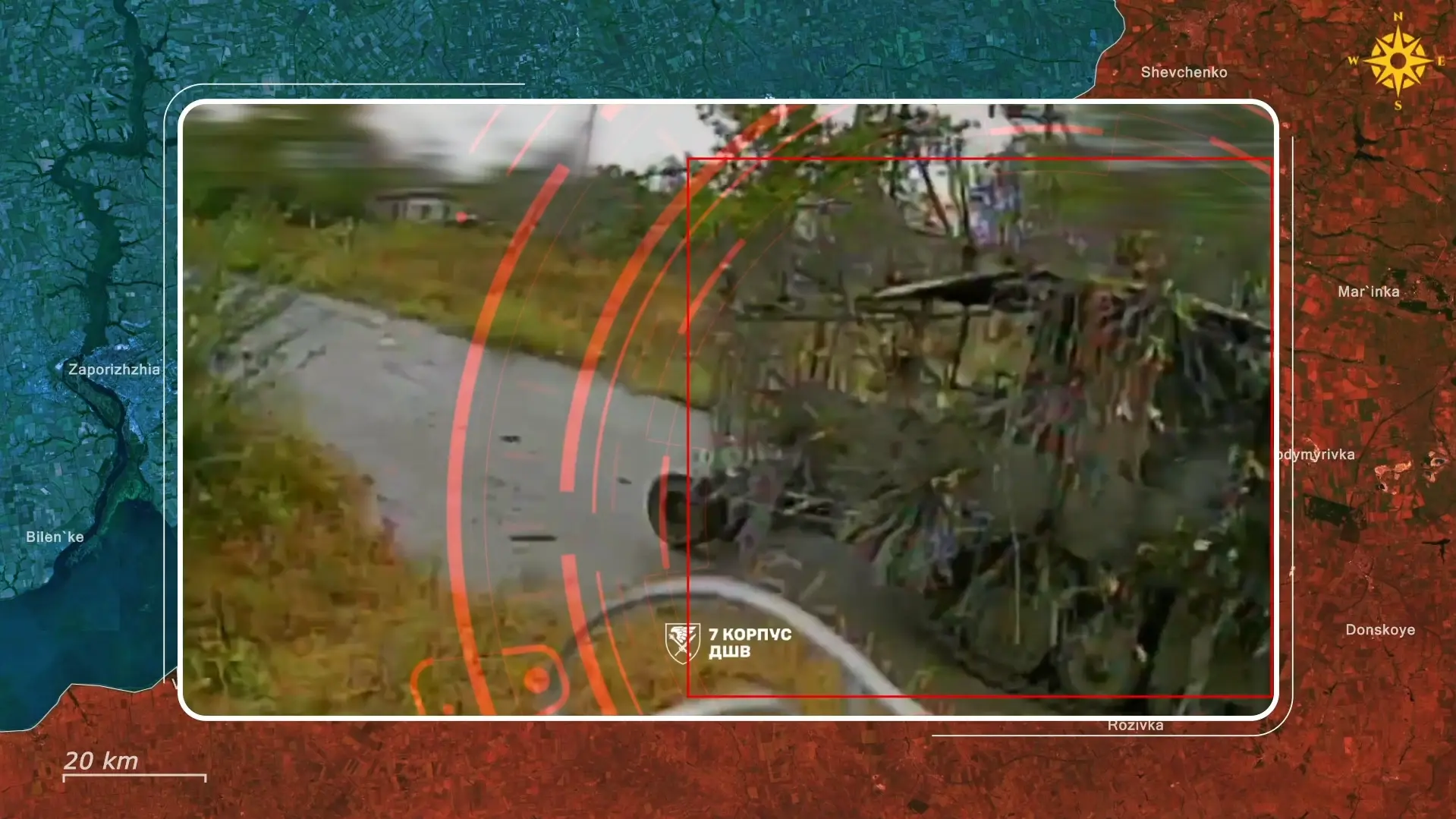
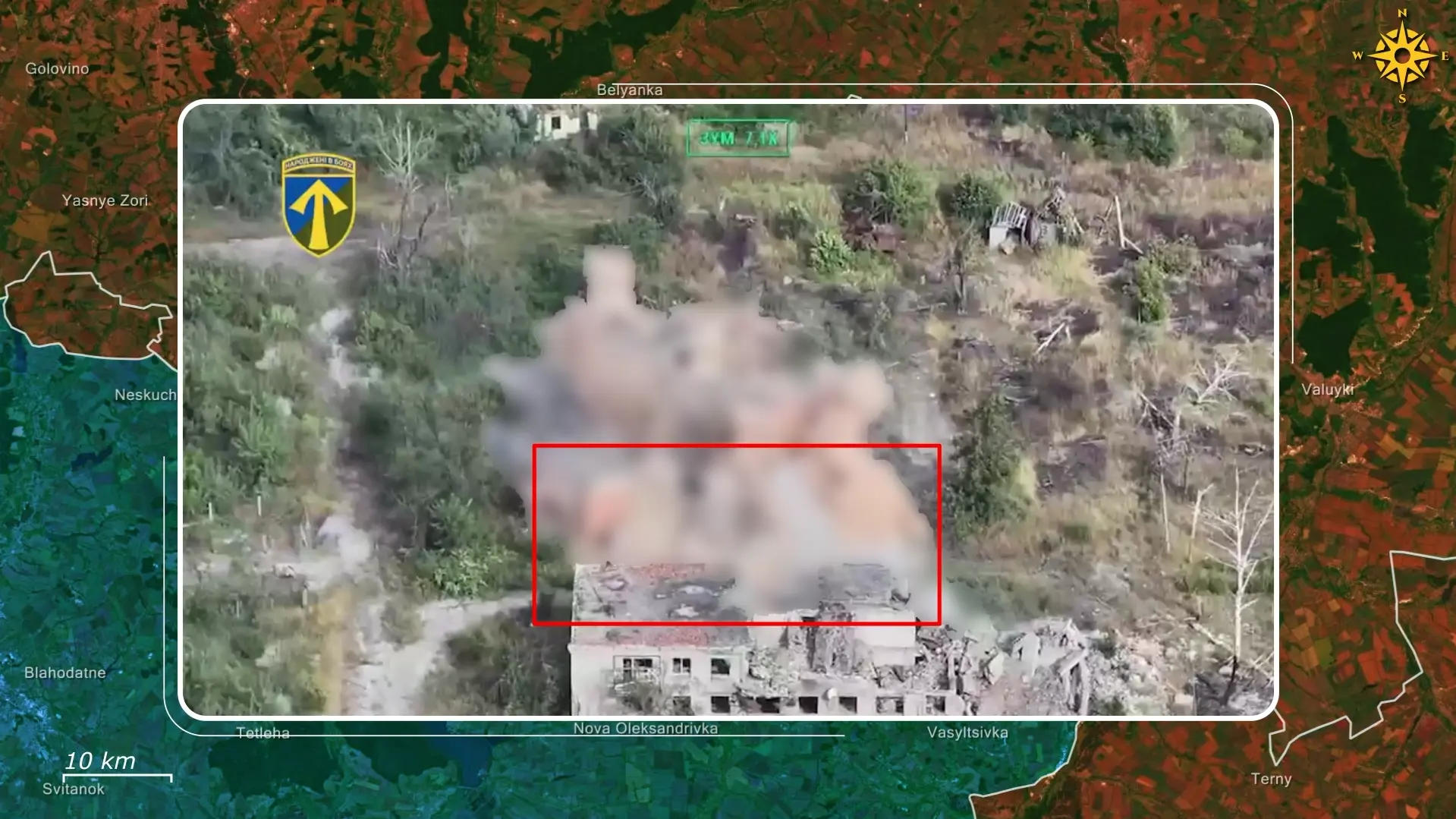
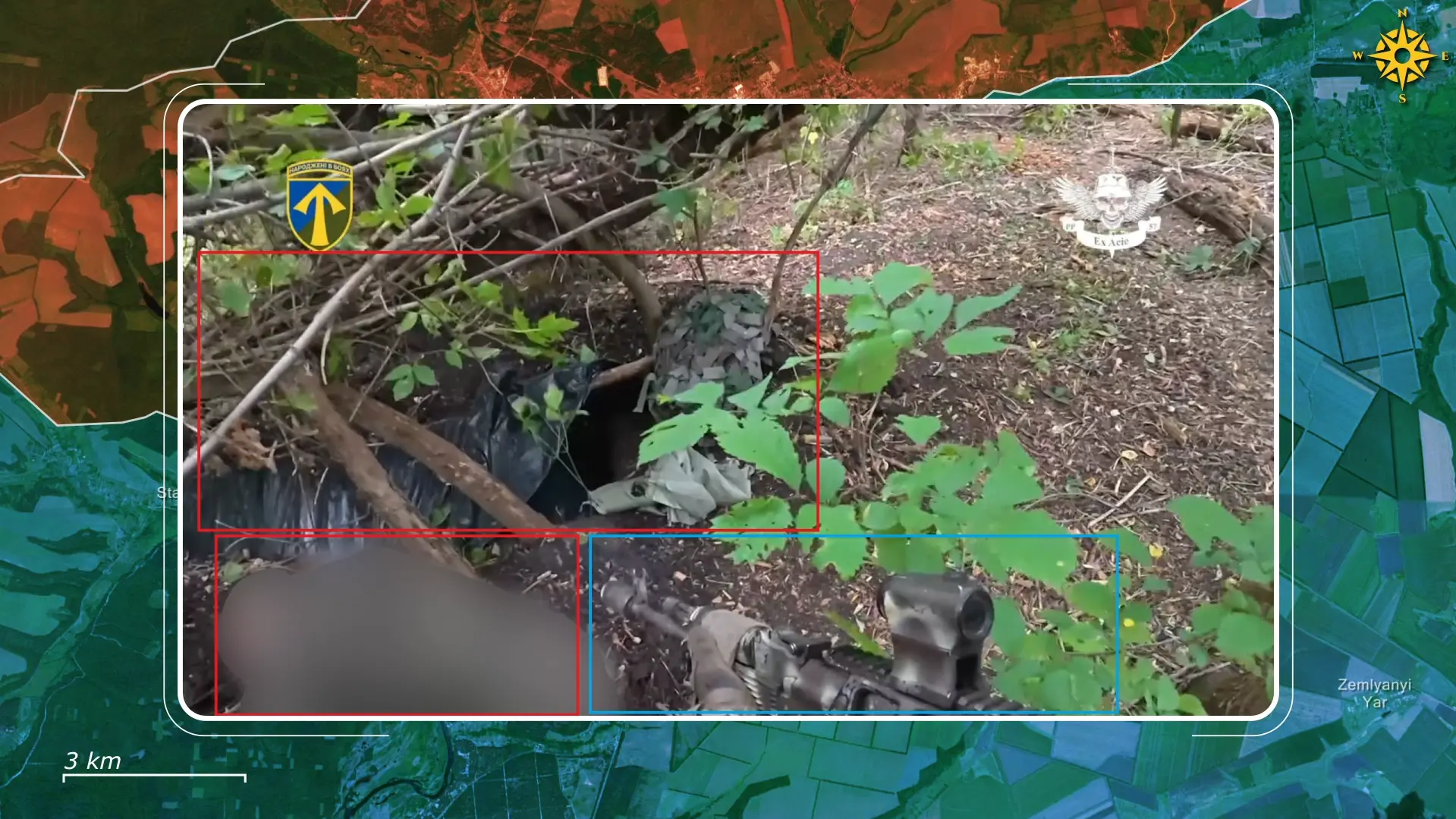
A notable part of the operation involved Ukrainian drone operators using unmanned ground vehicles to reach Russian positions in the rear. These ground drones were used to strike concealed Russian shelters, command posts, and locations where Russian forces were concentrating and launching drones. The third Assault Brigade said these strikes destroyed a large number of such positions, along with the personnel operating from them. With fewer experienced drone operators and other specialized personnel available to support the frontline, Russia has increasingly had to compensate by committing large numbers of conventional troops to plug gaps, reinforce threatened positions, and launch repeated counterattacks.
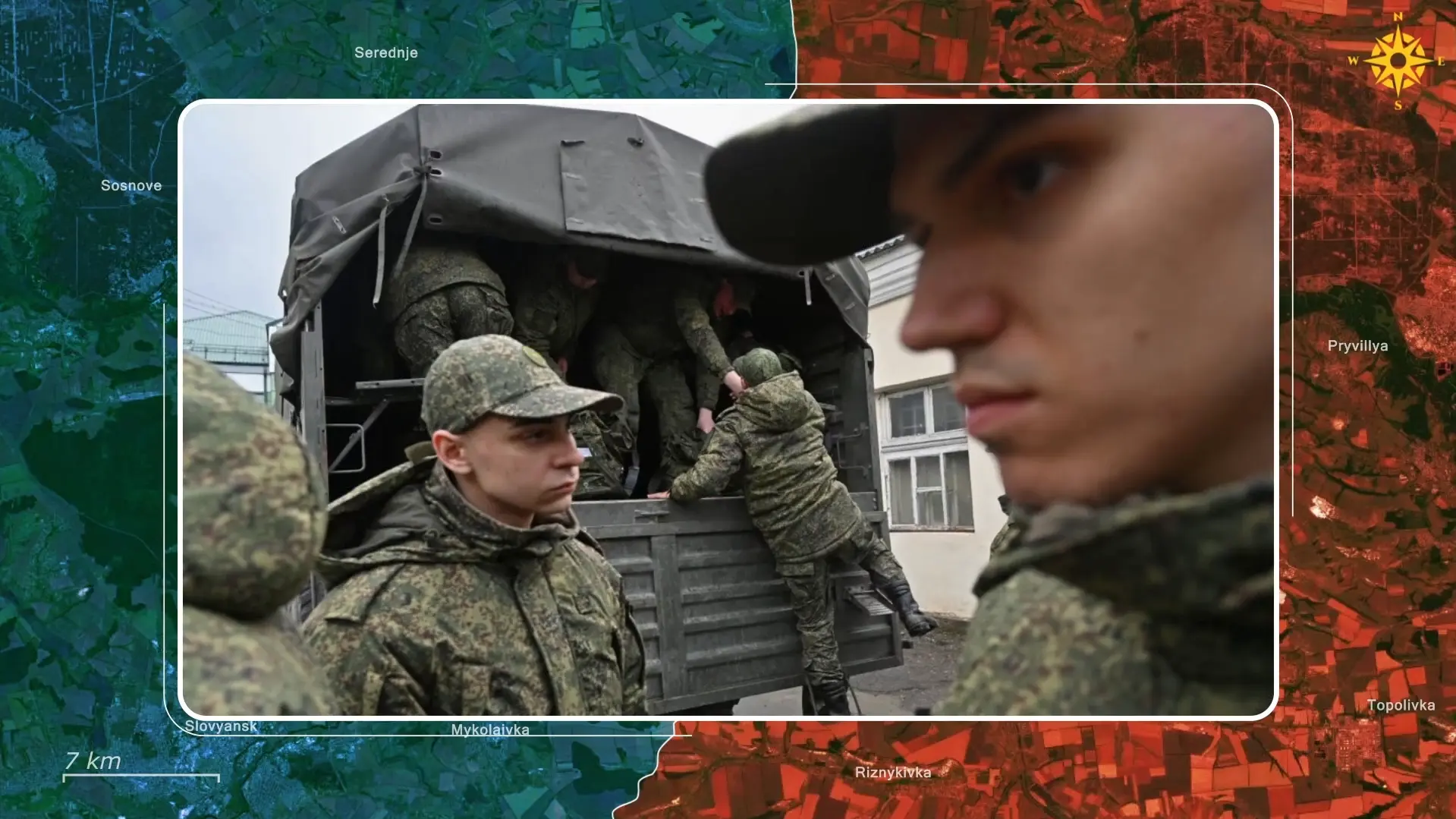
As a result, Russia is committing a significant portion of its available reserves simply to slow the Ukrainian advance and temporarily stabilize the frontline. This may prevent a total collapse of the Russian line, but it also means that large numbers of troops are being consumed just to maintain the current defensive line rather than being preserved for future operations.
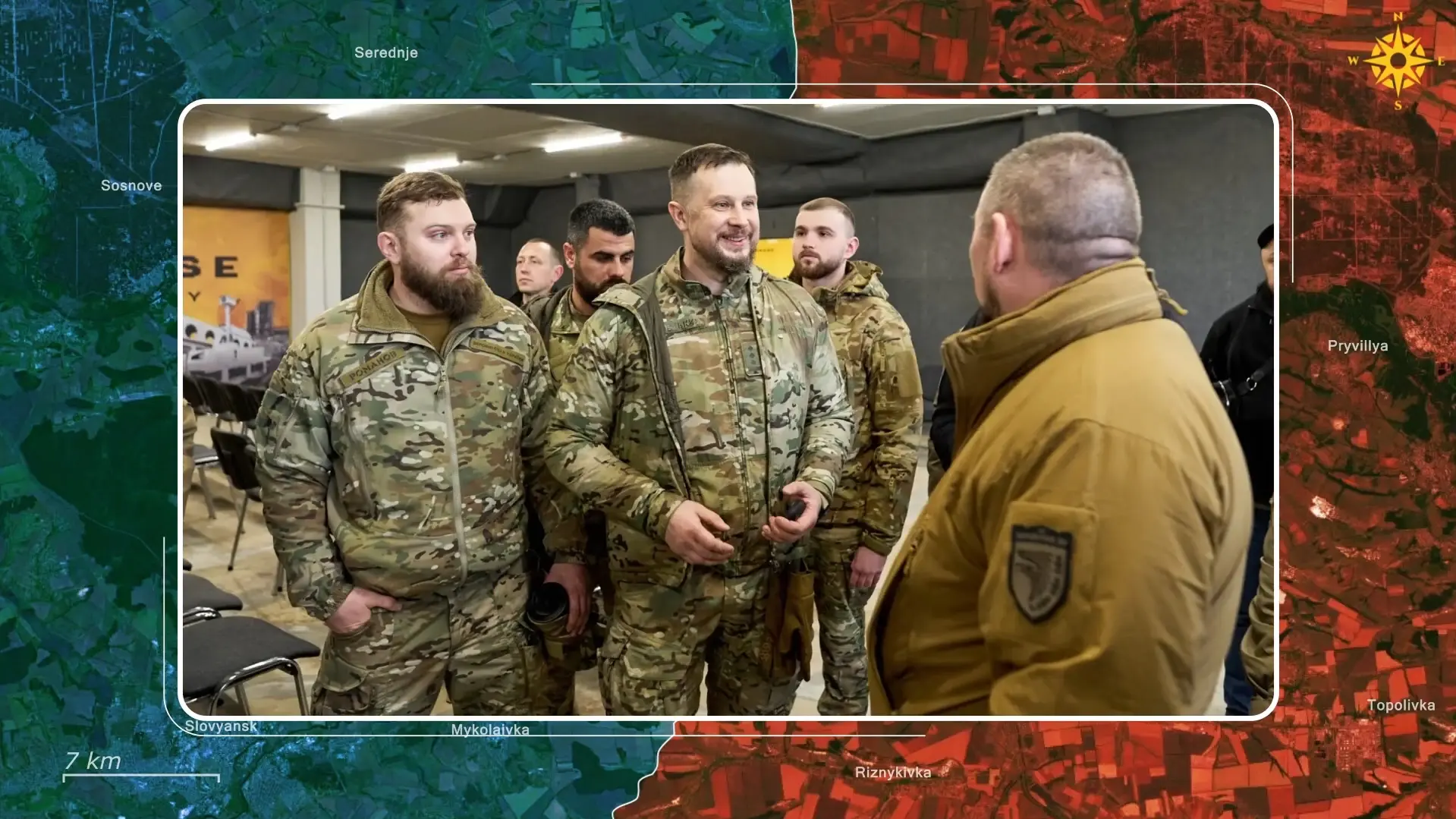
This could be exactly what Ukraine was planning from the beginning, as proven by the commander of the Third Army Corps. Andriy Biletsky said that the Russian prisoners of war were lucky to have surrendered early, because the next stage of the operation will make the situation a lot worse for Russians. Based on his remarks, it is highly likely that the Ukrainian commanders anticipated that the Russians would launch massive meat wave attacks once the scope of Ukraine's counterattack became clear. As a result of these preparation, the Russians were walking straight into a trap, leading to their massive losses.
Overall, the key issue is that Russia may be stabilizing the frontline while simultaneously exhausting the forces needed to hold it. By forcing Russia to commit more troops just to contain a limited area, Ukraine can turn every counterattack into a drain on Russia’s remaining combat power rather than simply fighting for territory. If Ukrainian commanders anticipated this response, the objective may have been not only to advance, but to provoke Russia into spending its reserves under increasingly unfavorable conditions. In that case, the real significance of the operation will be measured not by how far the frontline moves today, but by how much weaker Russia becomes when Ukraine launches its next phase.

.jpg)

Comments