

.svg)
Today, there are dangerous updates from the Russian Federation.
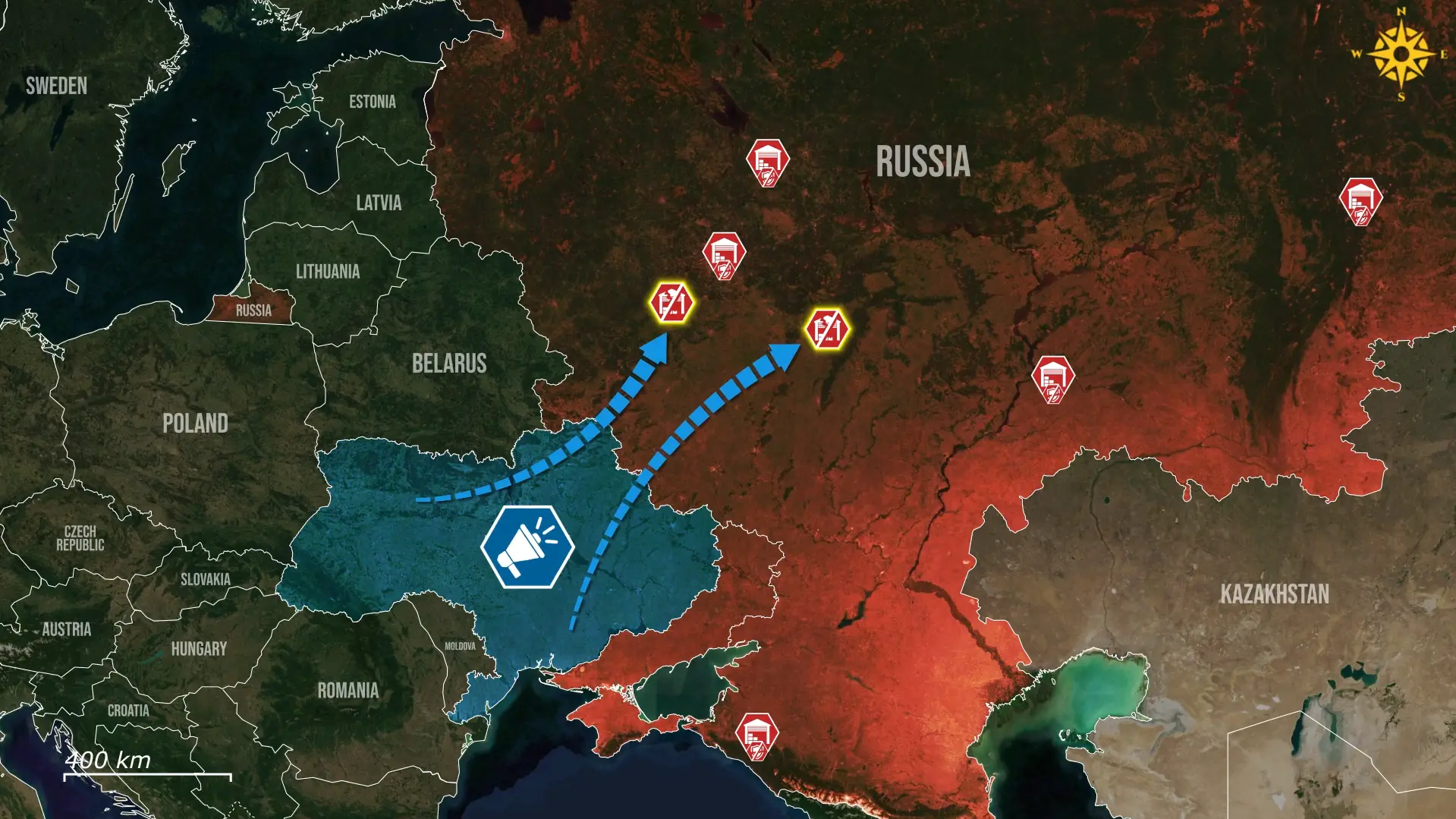
Here, Russia’s technology sector has suffered another major blow, as Ukrainian drones struck a second Yandex data center in just two days. This turns the initial attack into a broader campaign against Russian digital infrastructure, with President Volodymyr Zelensky confirming that Ukraine is responding to Moscow’s strikes against Ukrainian data centers.
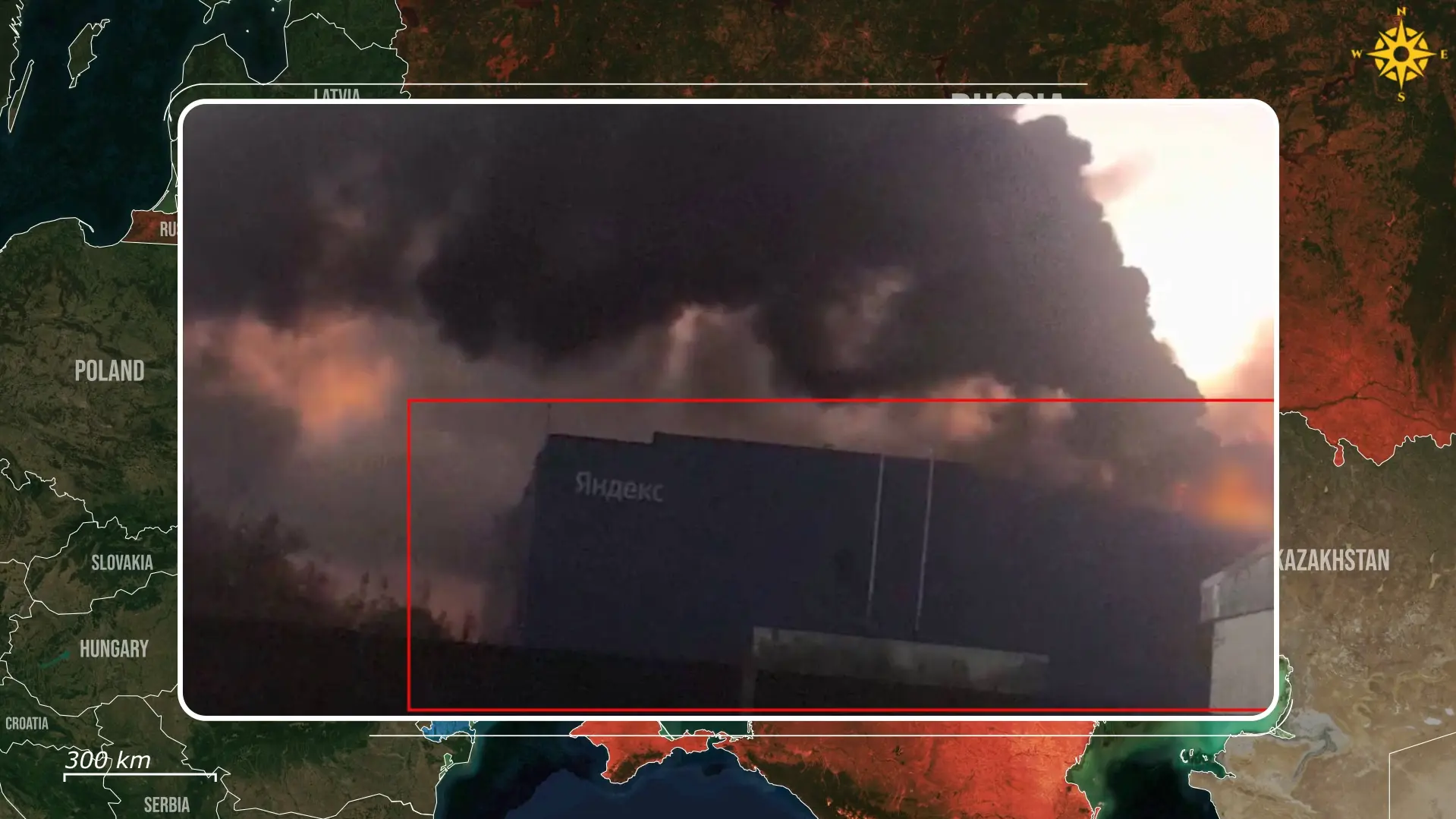
In the morning hours today, drones struck Yandex’s facility in Kaluga, southwest of Moscow. Russian air defenses reportedly operated throughout the night, with regional authorities claiming twenty-six Ukrainian drones were intercepted. However, the facility suffered damage, as seen in footage published by locals, and later Yandex confirmed that several data-center modules were completely disabled, halting the operation of the data center.
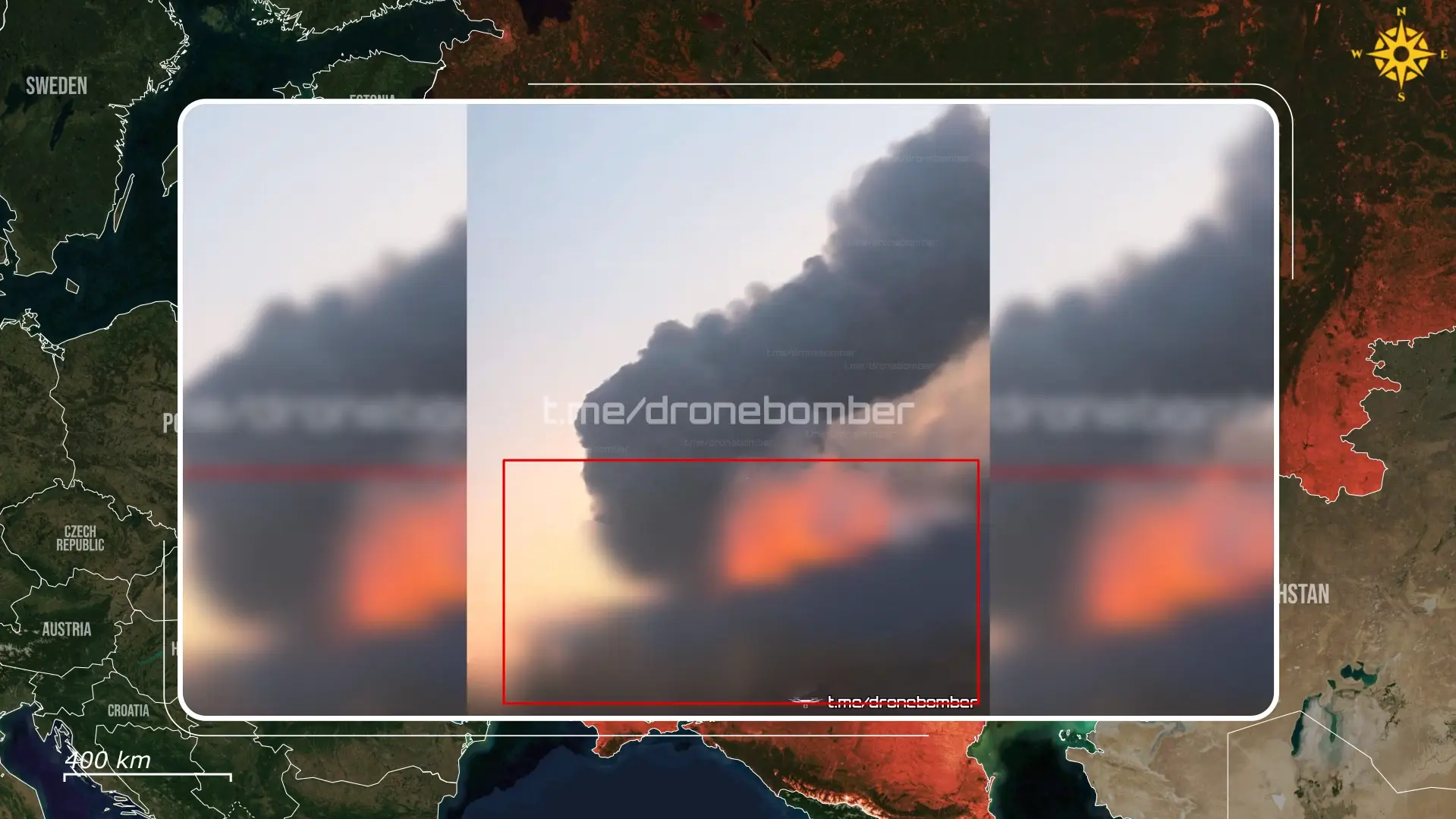
The complex accommodates more than three-thousand-eight-hundred server racks, making it another significant component of Russia’s digital economy, as Yandex warned its customers that some services will experience interruptions while company engineers started assessing the damage.
And this was the second successful attack in just forty-eight hours, as Ukrainian drones struck Yandex’s largest data center in Sasovo yesterday, triggering a major fire and forcing operations to stop. The consequences are particularly serious because the facility houses two of the three supercomputers used to develop Yandex’s artificial-intelligence models, and Yandex subsequently acknowledged that the destruction was so extensive that it could not determine whether the damaged equipment could even be restored.
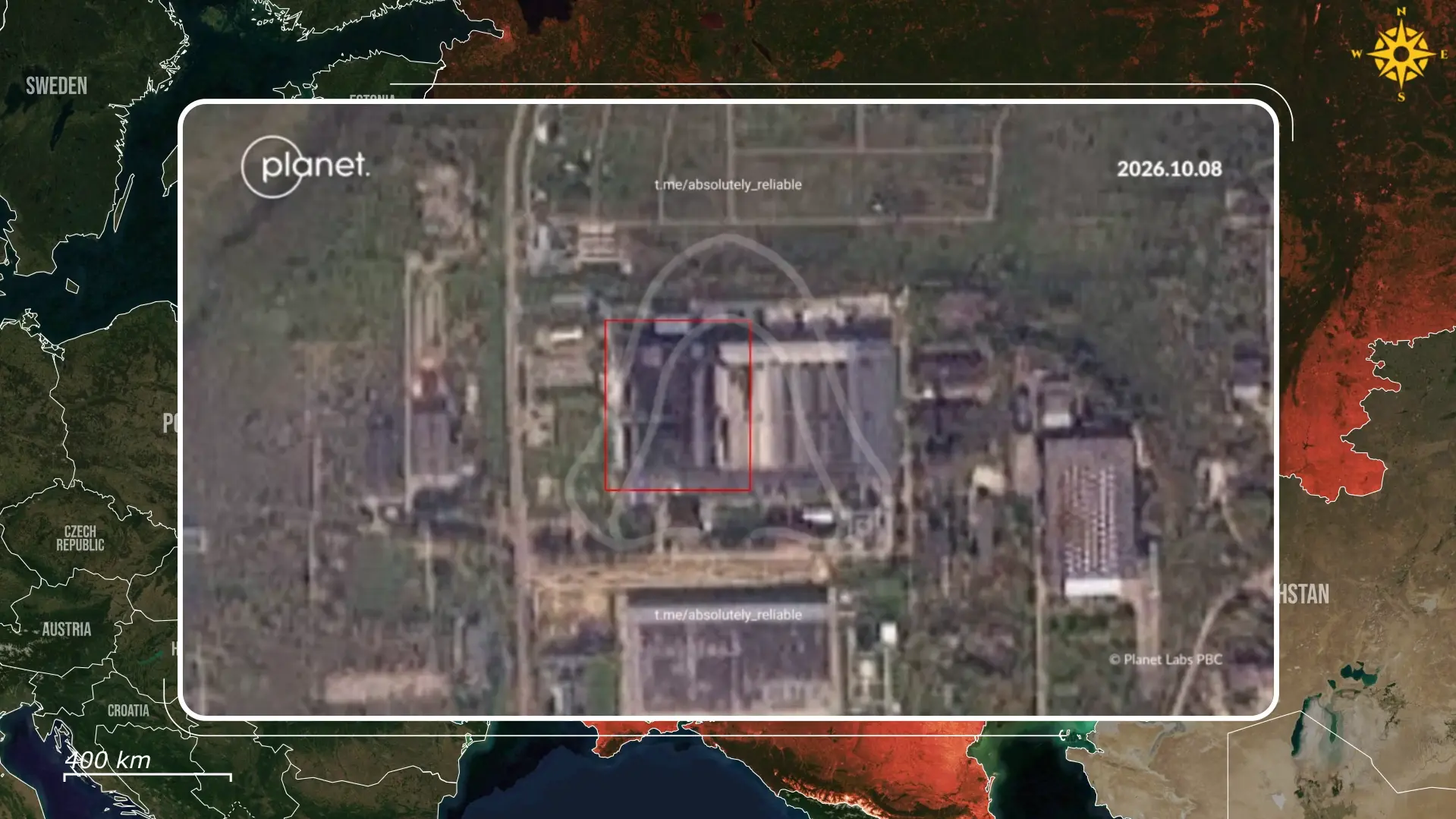
Together, the attacks have affected two of Yandex’s five major data centers, representing forty percent of its principal facilities, eliminating this computing capacity and crippling critical infrastructure.
Yandex itself described data centers as the technological heart of its operations, as millions of Russians depend upon its services for navigation, transportation, entertainment, cloud storage, and everyday information. Hundreds of thousands of businesses also rely on its infrastructure for commercial operations. Normally, Yandex could compensate for damaged equipment by transferring workloads to unaffected facilities. However, that solution becomes increasingly difficult when multiple centers experience simultaneous outages, and with forty percent of the capacity gone, while the Ukrainian campaign is just starting, it may soon become impossible rather than just difficult.
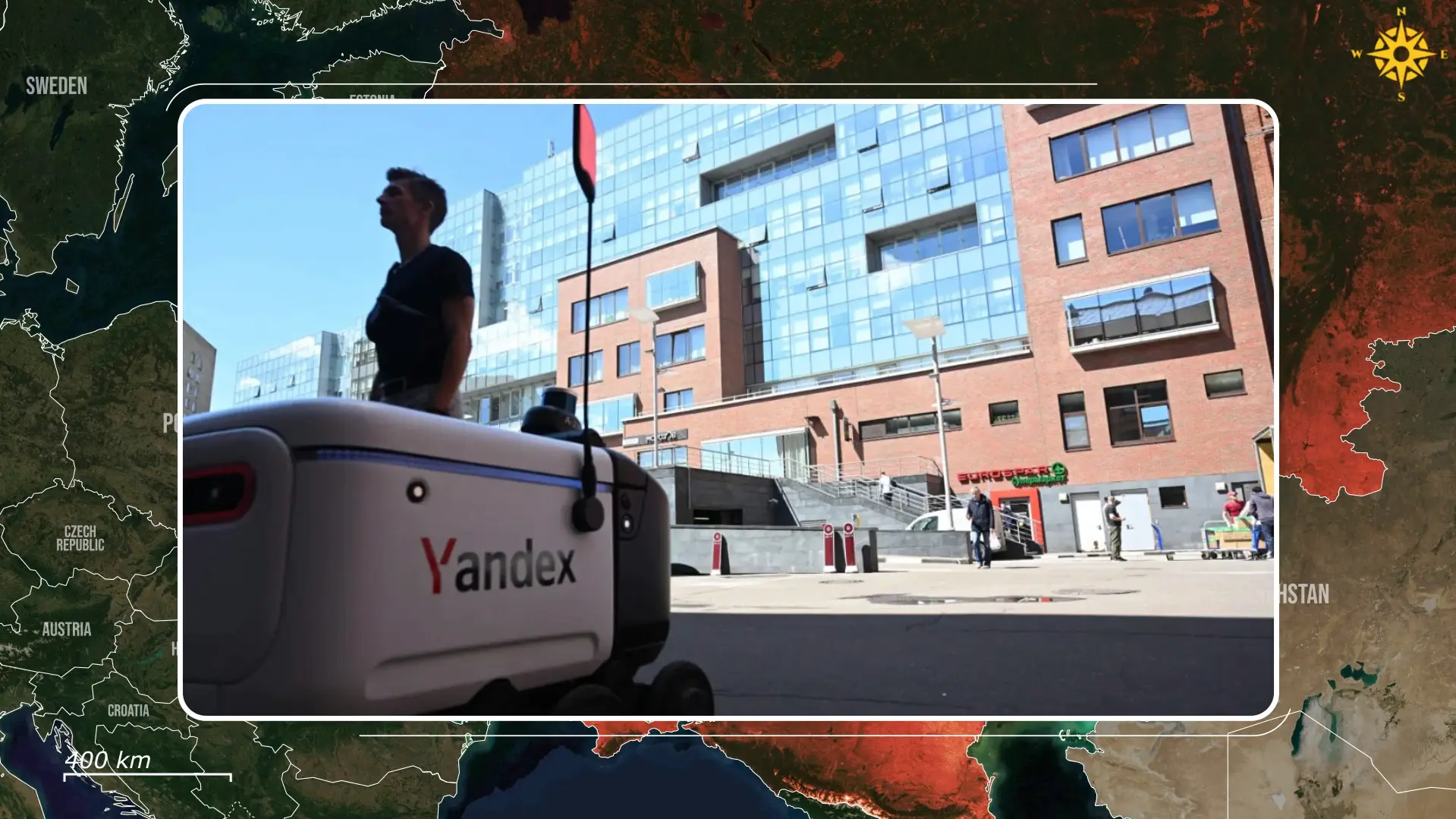
Russian analysts warned that continued attacks could eventually exhaust the company’s ability to redistribute computing loads, creating substantially more serious consequences. This resembles the pressure Ukraine previously applied against Russian e-commerce infrastructure, including Wildberries and Ozon warehouses. Repeated attacks against different facilities imposed mounting repair costs and complicated efforts to maintain uninterrupted operations.
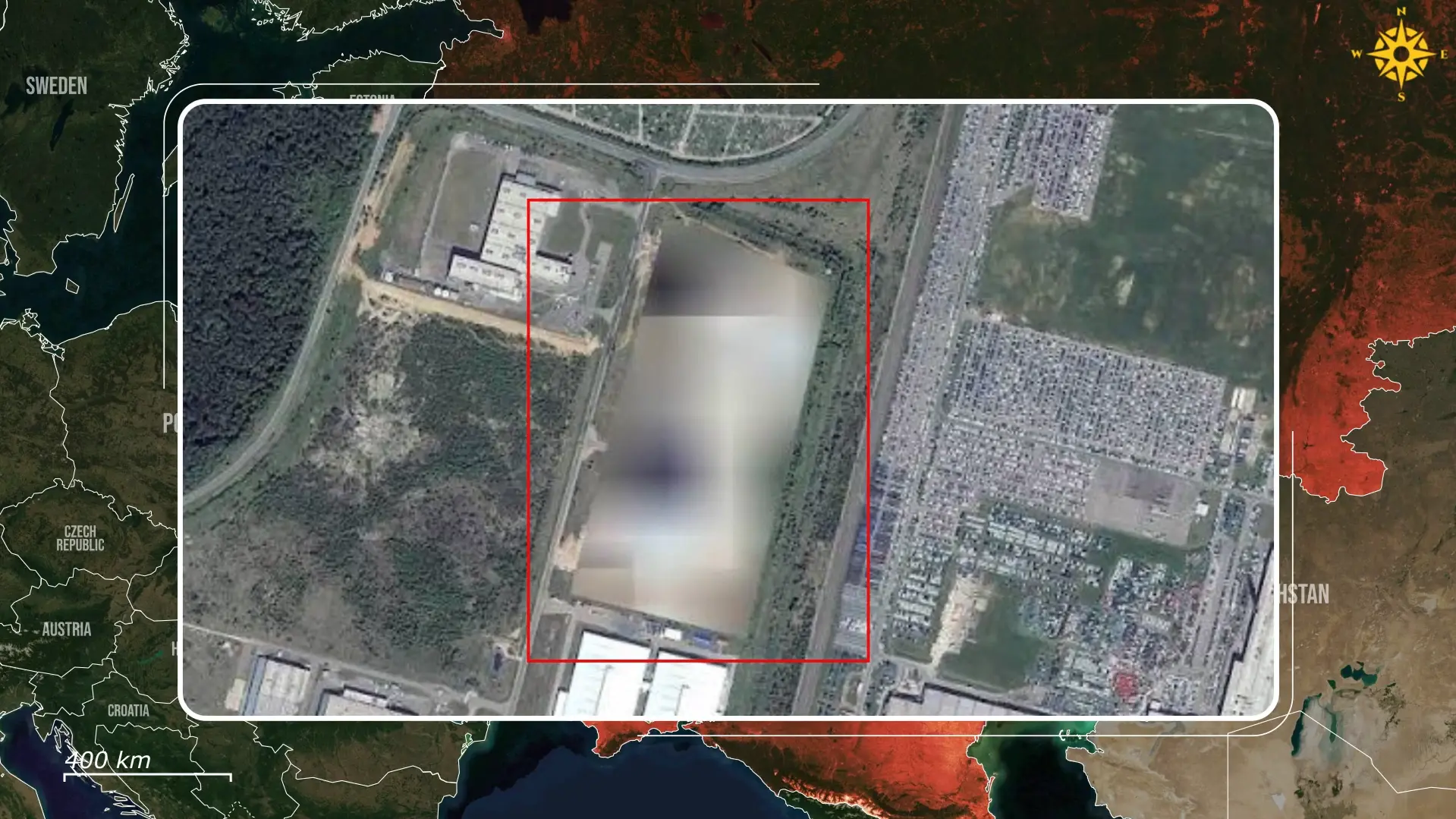
The difference is that digital infrastructure supports numerous economic activities simultaneously. Russia’s telecommunications providers, banking institutions, government agencies, and technology companies depend upon extensive data-center networks. The main Russian data centers are located in Samara, Yaroslavl, Krasnodar, Yekaterinburg, and Moscow, and are obviously lacking any protection, as confirmed by Yandex’s panicked decision in the aftermath of the first strike to censor the buildings on its own satellite map service.
For ordinary Russians, the consequences would probably appear gradually rather than through one nationwide internet blackout, as navigation applications would slowly become unreliable, online purchases would start failing, payment processing would slow down before stopping completely, and businesses would lose access to essential software and customer databases.
For Yandex and other data center operators, the financial consequences extend beyond immediate repairs, as repeated service interruptions threaten customer confidence, business contracts, and revenue while forcing additional investment into redundancy and physical protection against Ukrainian drones that have proven themselves highly effective.
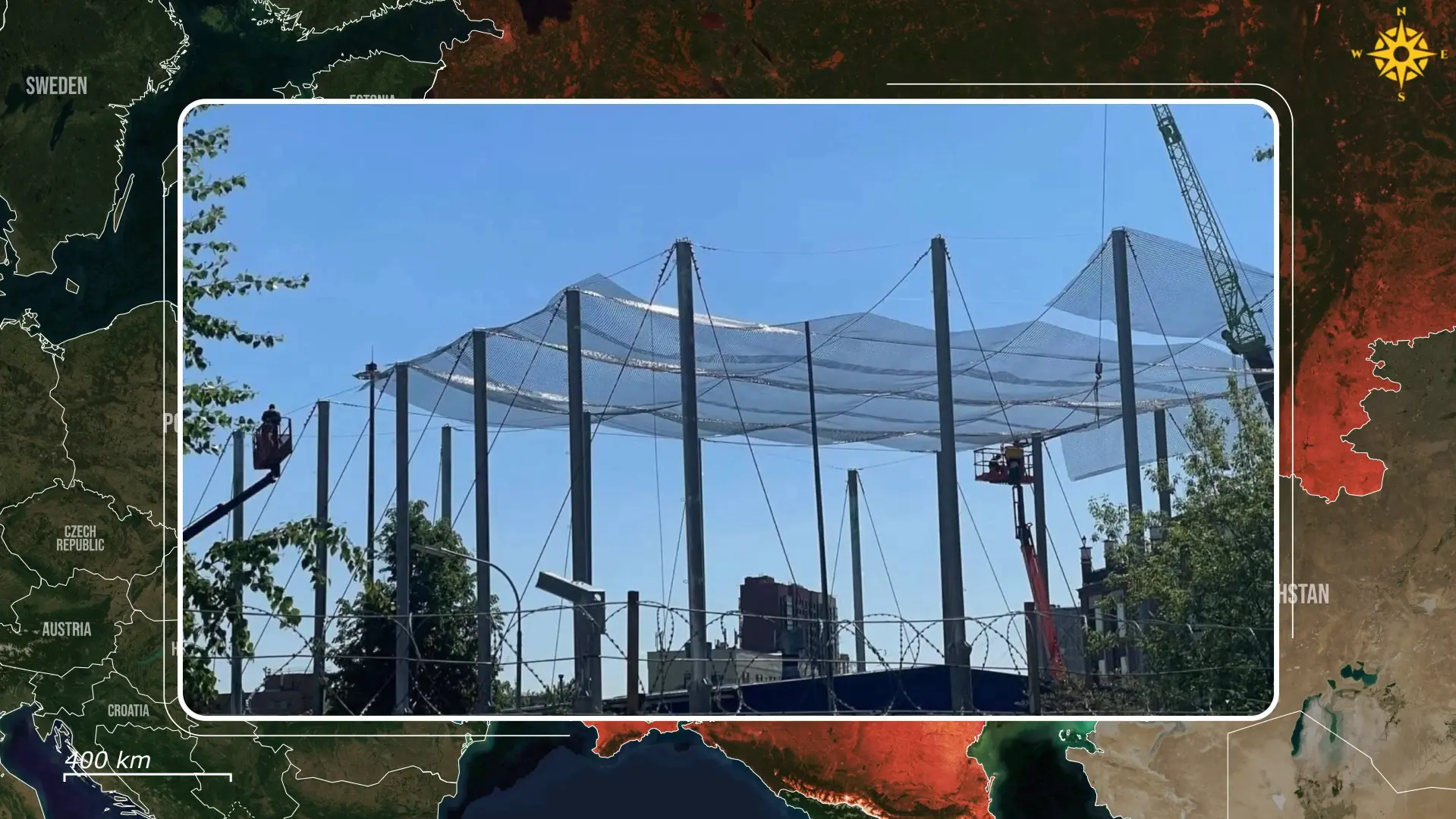
Overall, the two Ukrainian strikes within forty-eight hours that damaged two key Yandex facilities are significant, as they exposed another major weakness in Russia’s protection of key infrastructure, this time essential to its digital economy. As the Ukrainian leadership announced the start of the campaign, the speed of this escalation also suggests that Moscow must now prepare for another sustained Ukrainian campaign. As additional disruptions will surely follow, Russia will face increasingly expensive technological instability alongside its existing economic and military pressures.

.jpg)



Comments