

.svg)
Today, the biggest news comes from Poland.
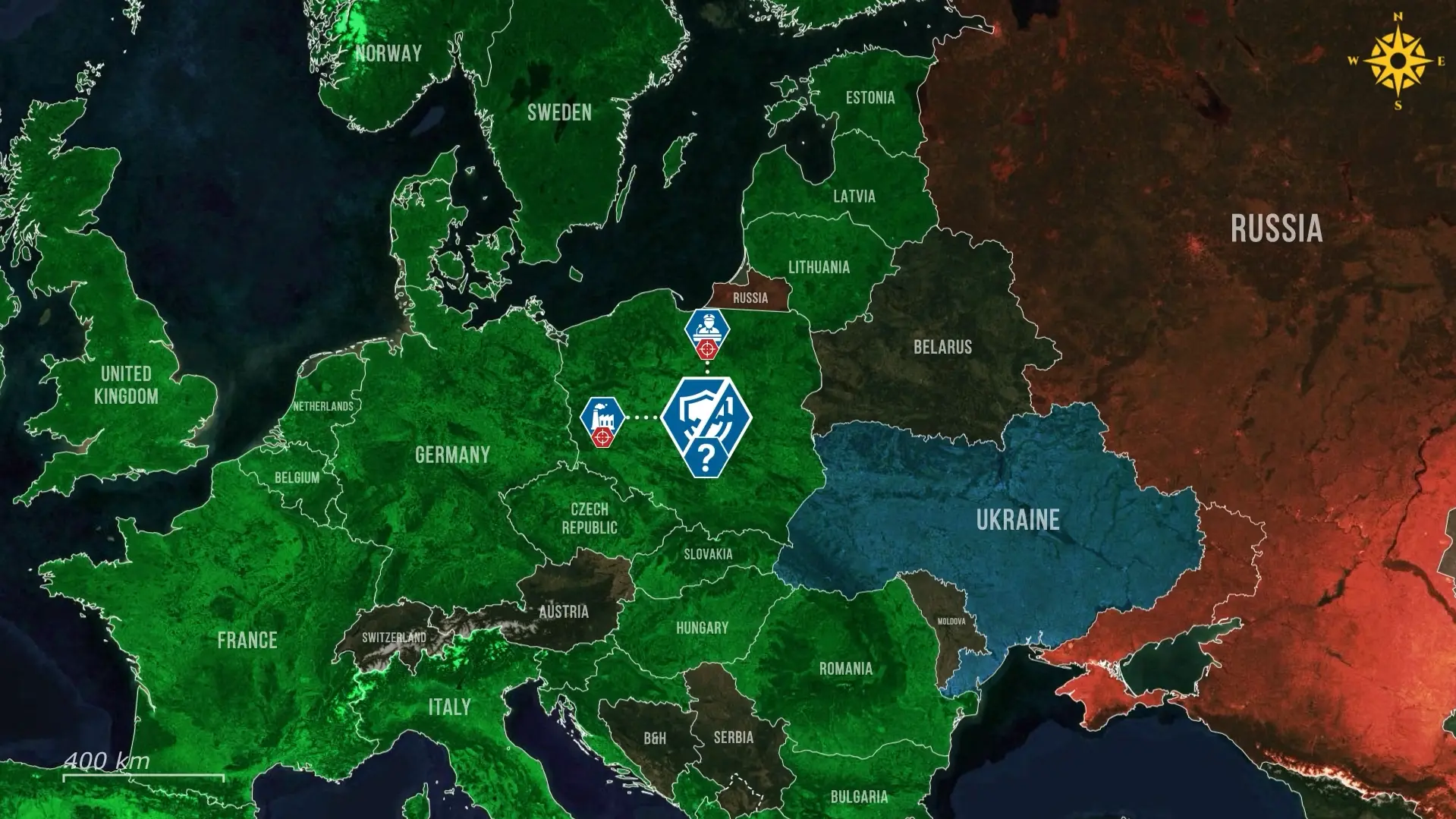
The Polish intelligence service just received information about a planned assassination attempt on Prime Minister Donald Tusk and Defense Minister Władysław Kosiniak-Kamysz. According to the Polish interior minister, a man suspected of plotting the attack has already been detained and is being interrogated to establish whether he was acting on behalf of Russia.
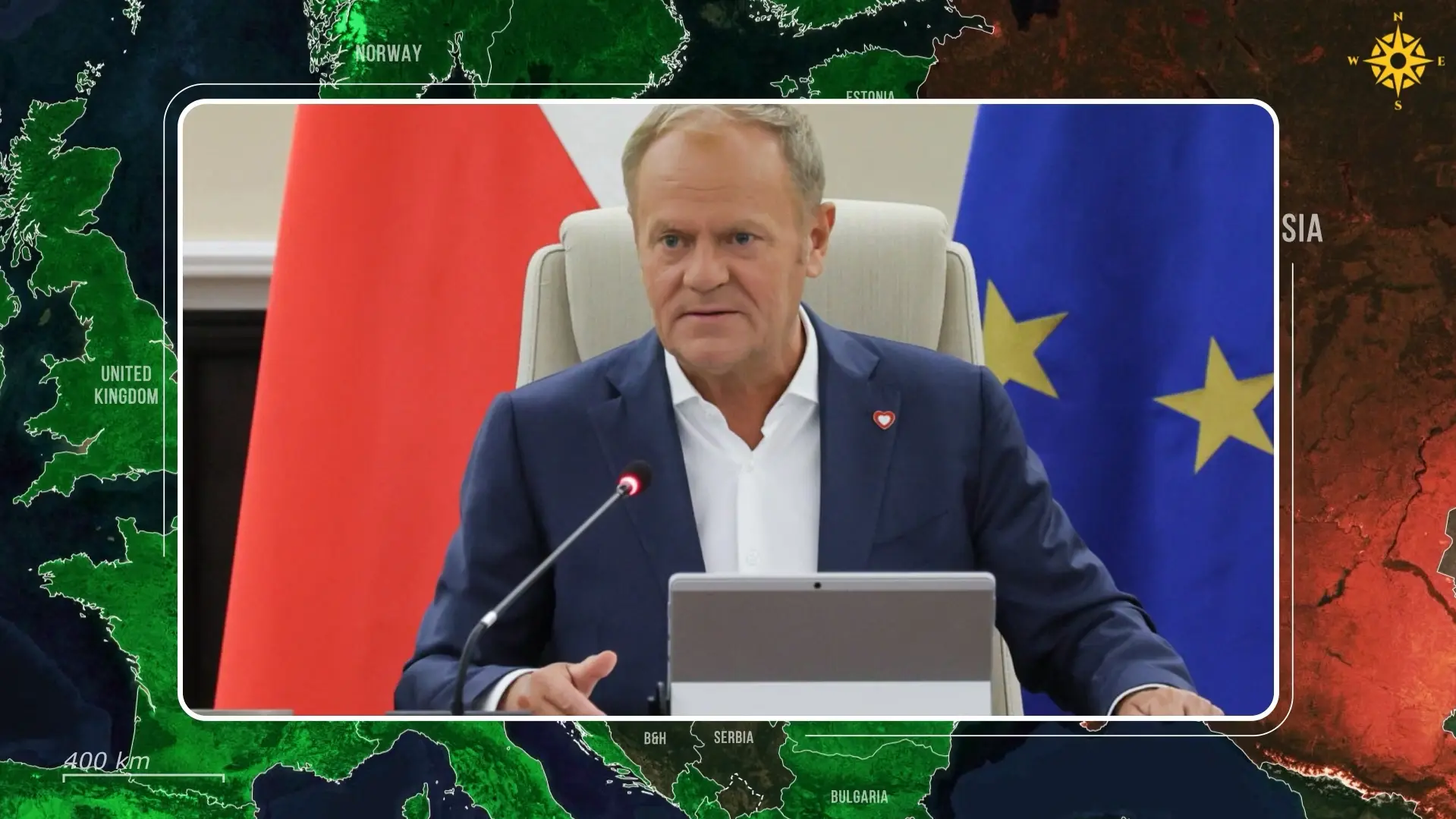
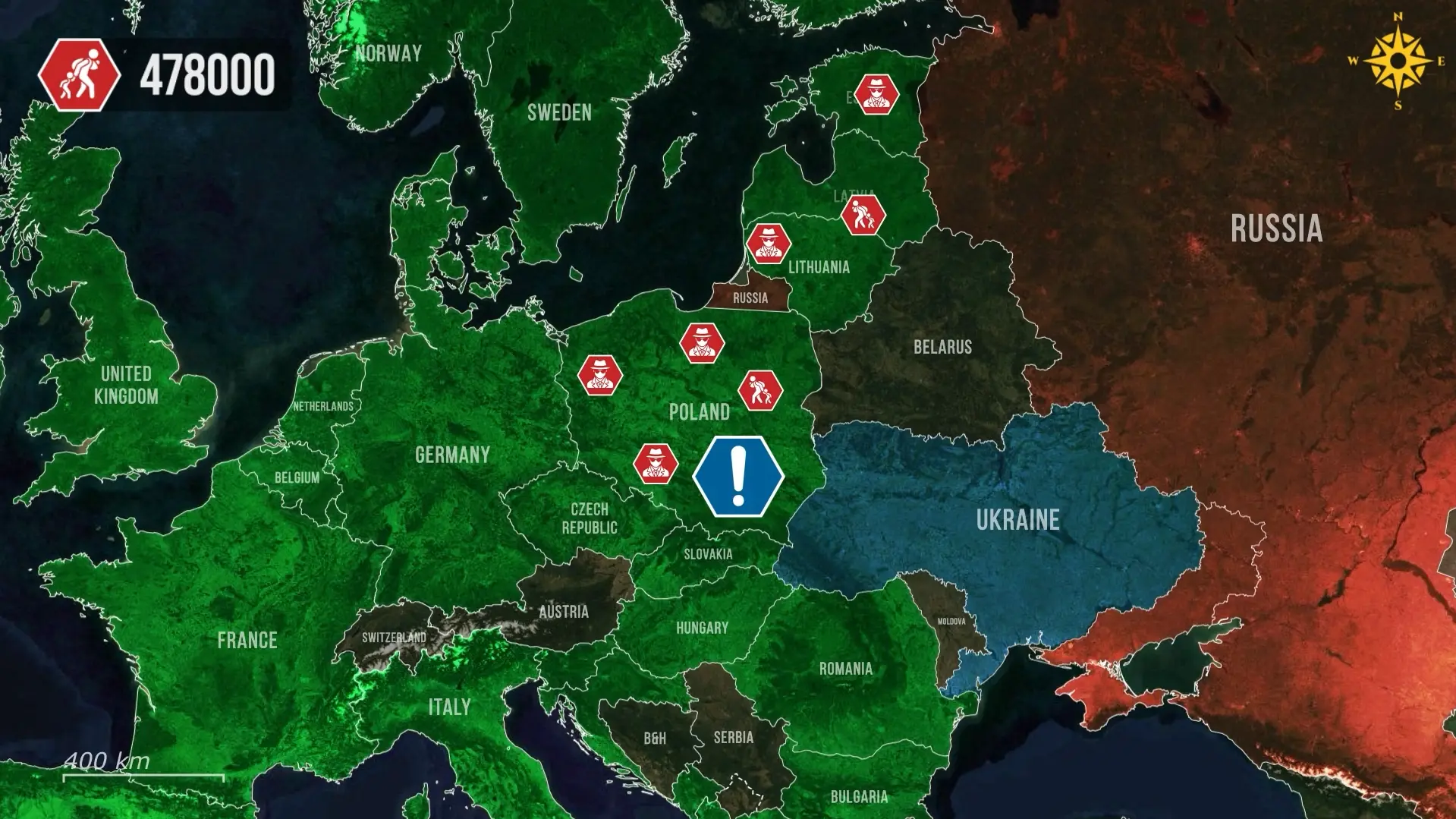
Western intelligence agencies have also collectively warned European defence executives that Russia is stepping up efforts to assassinate senior industry figures, prompting companies to strengthen personal security around their top managers. Firms are reportedly adding armed protection details, varying executives’ travel routes and schedules, and tightening controls on the public disclosure of their movements and home addresses to make it more difficult to track them down. The threat is particularly significant as Europe becomes an increasingly important part of Ukraine’s military-industrial supply chain. Rather than confronting this production network directly, Russia is increasingly turning to covert operations designed to intimidate, disrupt, and undermine it from within. European defence companies are now producing weapons, drones, and critical components for Ukraine, either directly or through indirect supply chains, which makes them increasingly important targets for Russian intelligence services. Because Moscow cannot systematically strike these facilities without risking a direct confrontation with Nato, it has an incentive to use less overt methods.
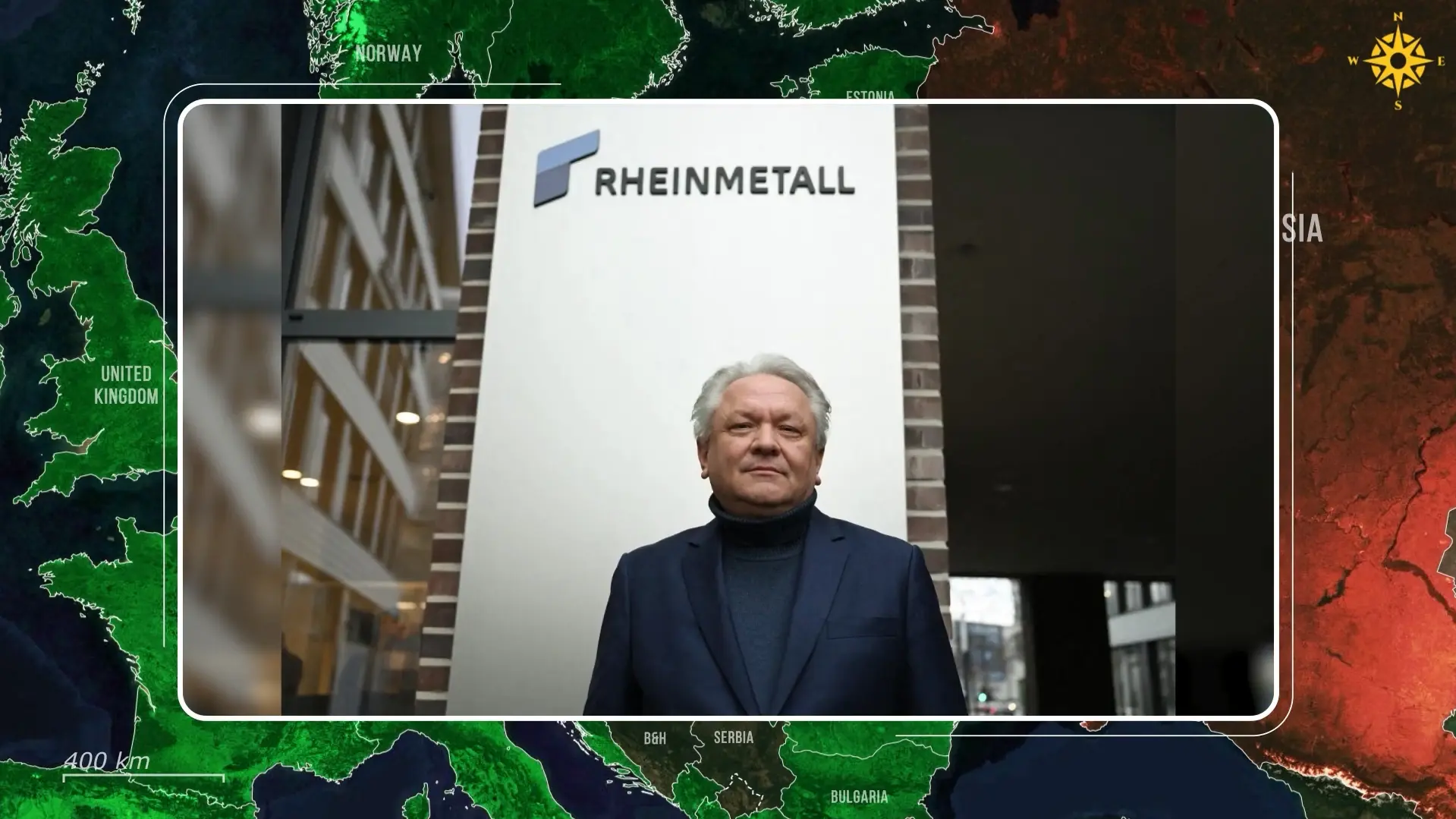
Assassination threats and attacks against corporate executives are intended to frighten decision-makers, discourage new contracts with Ukraine, and prevent companies from expanding their production capacity. Smaller manufacturers, particularly those producing drones and their components, are also considered vulnerable targets. Russian military intelligence is increasingly relying on organized crime groups and cross-border agent networks to carry out operations that provide plausible deniability. These activities include arson, cyberattacks, and physical sabotage aimed at disrupting critical infrastructure and weakening the systems that support European military production.
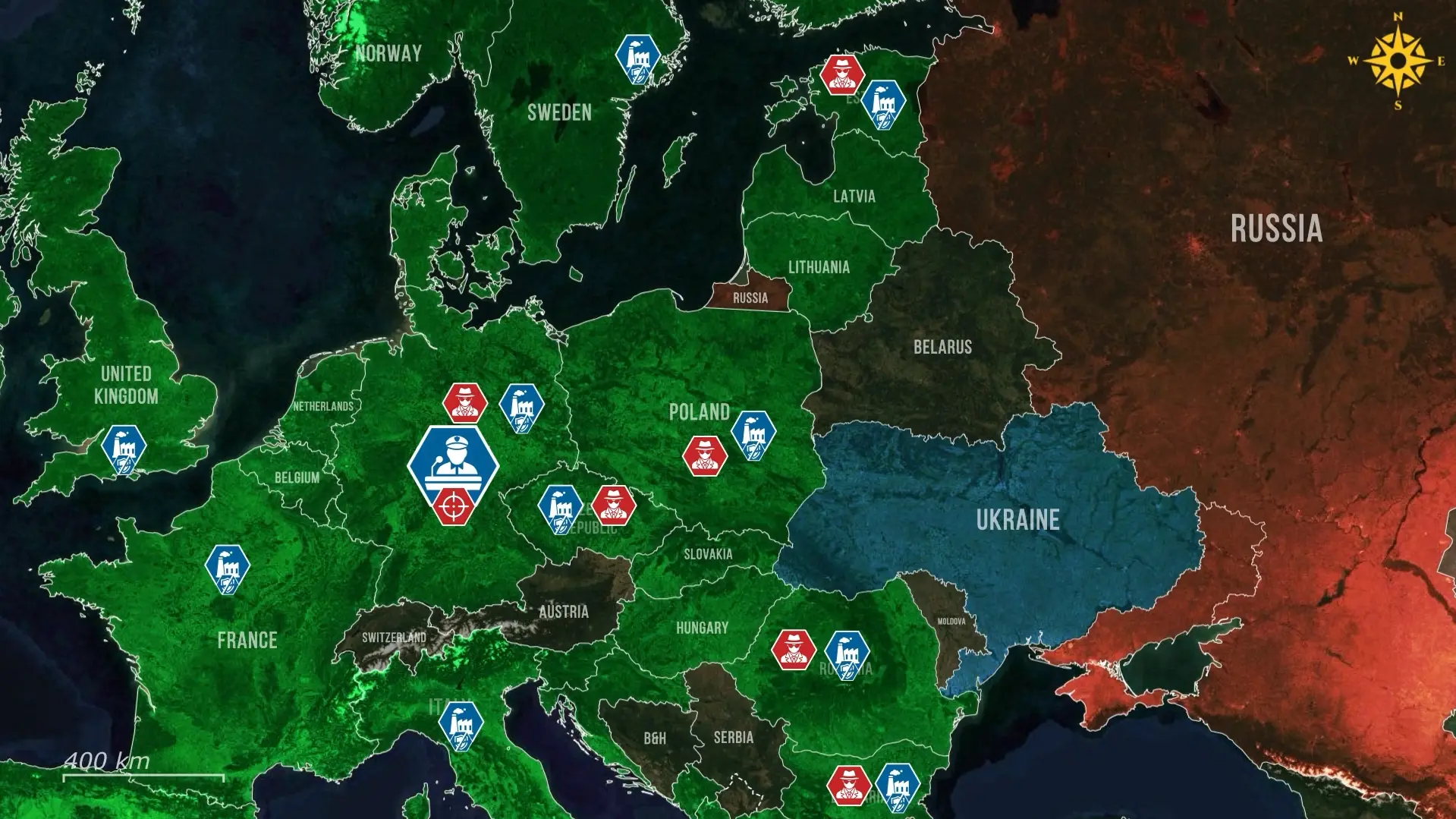
In September, a fire broke out at a satellite communications station serving Central and Eastern Europe, including communications links relevant to Ukraine. Polish authorities described the incident as deliberate sabotage, and prosecutors opened an investigation under legal provisions covering sabotage on behalf of foreign intelligence services, with Russian special services suspected of involvement. In Germany, attempts were made to sabotage electricity-grid infrastructure with improvised devices on high-voltage lines and substations. In Estonia, a fire broke out at a facility of a defense company that supplies unmanned ground vehicles to Ukraine. Meanwhile, Romanian authorities foiled an alleged Russian sabotage operation targeting Nato military bases, communications centres, headquarters, and other critical infrastructure. Investigators said the Russian suspect had filmed potential targets and surveilled a Ukrainian Antonov military transport aircraft while it was in Romania.
Russia’s campaign is now extending to Europe’s political leadership, with intelligence agencies warning of direct assassination plots targeting senior political figures. By targeting democratically elected European leaders, Moscow is attempting to weaken the political opposition to its authoritarian regime and undermine the unity sustaining Europe’s support for Kyiv. In response to these growing threats, the European Union is preparing tougher visa restrictions for Russian tourists as part of a broader effort to strengthen its defenses against hybrid warfare. Approximately half a million Schengen tourist visas were issued to Russian citizens last year, raising concerns that the visa system could be exploited by Russian intelligence services to send operatives into Europe under civilian cover. Once inside the Schengen Area, these individuals could potentially conduct surveillance, prepare sabotage operations, or support attacks against European targets.
Overall, Russia is trying to turn Europe’s industries and freedom of movement into vulnerabilities that can be exploited from within. By making political leaders, defence executives, and critical infrastructure operators feel personally threatened, Moscow hopes to weaken Europe’s willingness to support Ukraine without ever having to fight Nato directly. The real test for Europe is whether it can protect itself against this growing shadow war waged by Russia.

.jpg)

Comments