

.svg)
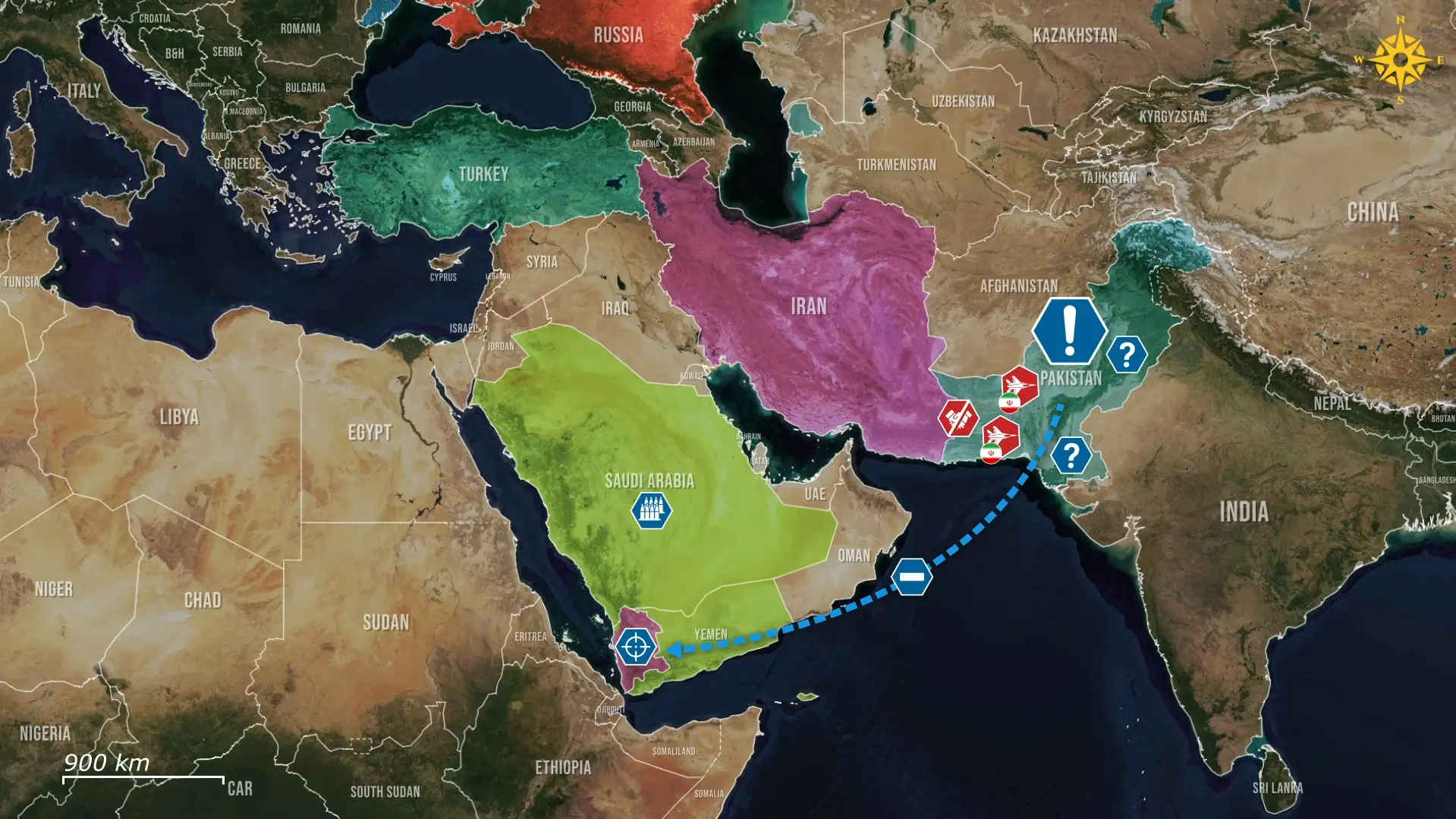
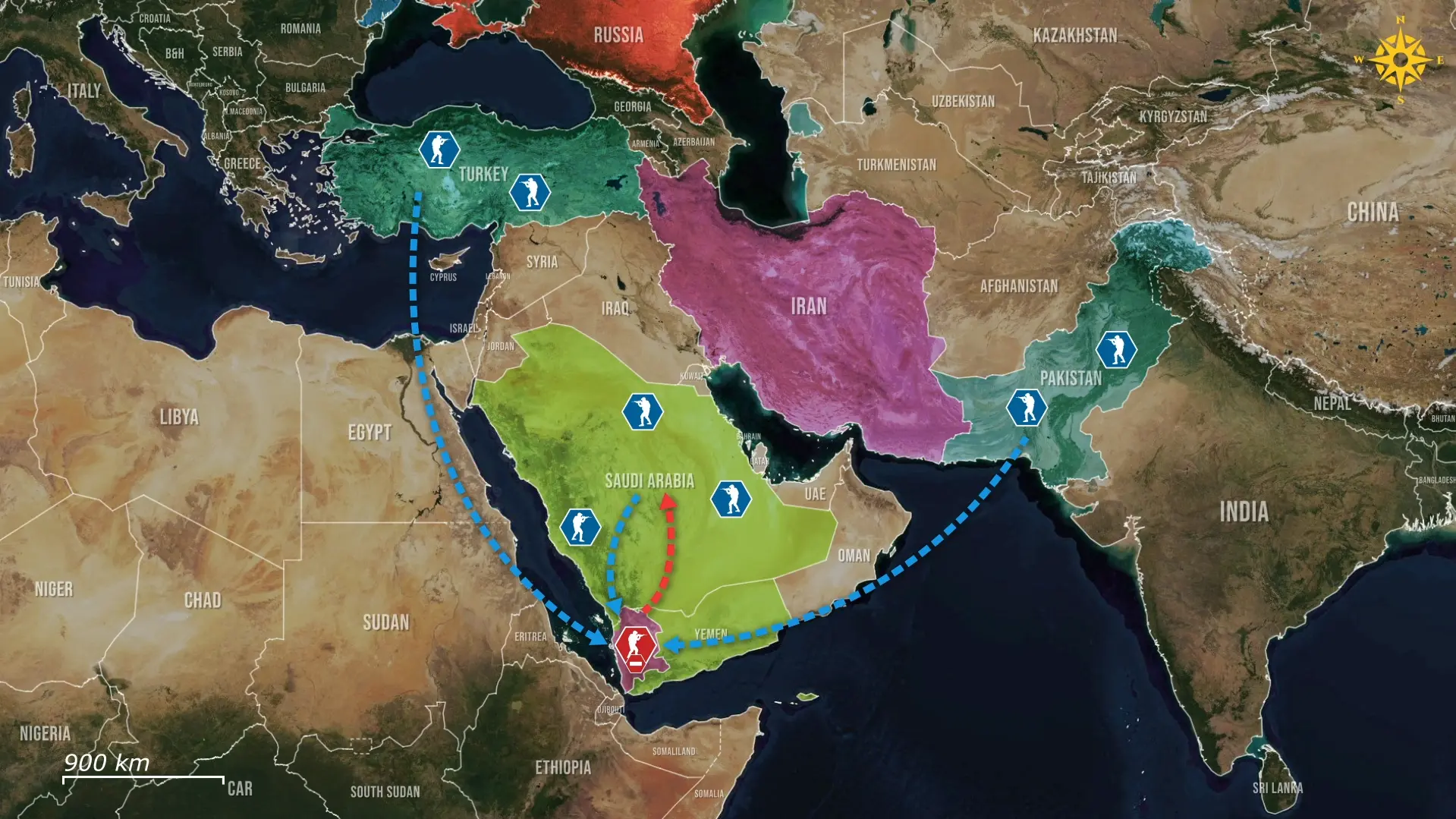
The Houthi attack on Riyadh airport on October eleven two-thousand-twenty-six has raised the risk of a wider regional confrontation. Countries participating in the Mecca Pact condemned the attack and began providing military support to Saudi Arabia, including weapons intended to strengthen its defenses. The response could widen the conflict by drawing additional countries into Saudi Arabia’s efforts to counter Houthi attacks. Repeated attacks could test how far the pact’s members are willing to go in supporting Saudi Arabia. Countries that initially contribute weapons or defensive equipment may become more directly involved if Saudi Arabia faces repeated attacks or requests additional assistance. For the Houthis, this creates the risk that every new strike brings Saudi Arabia more outside help.
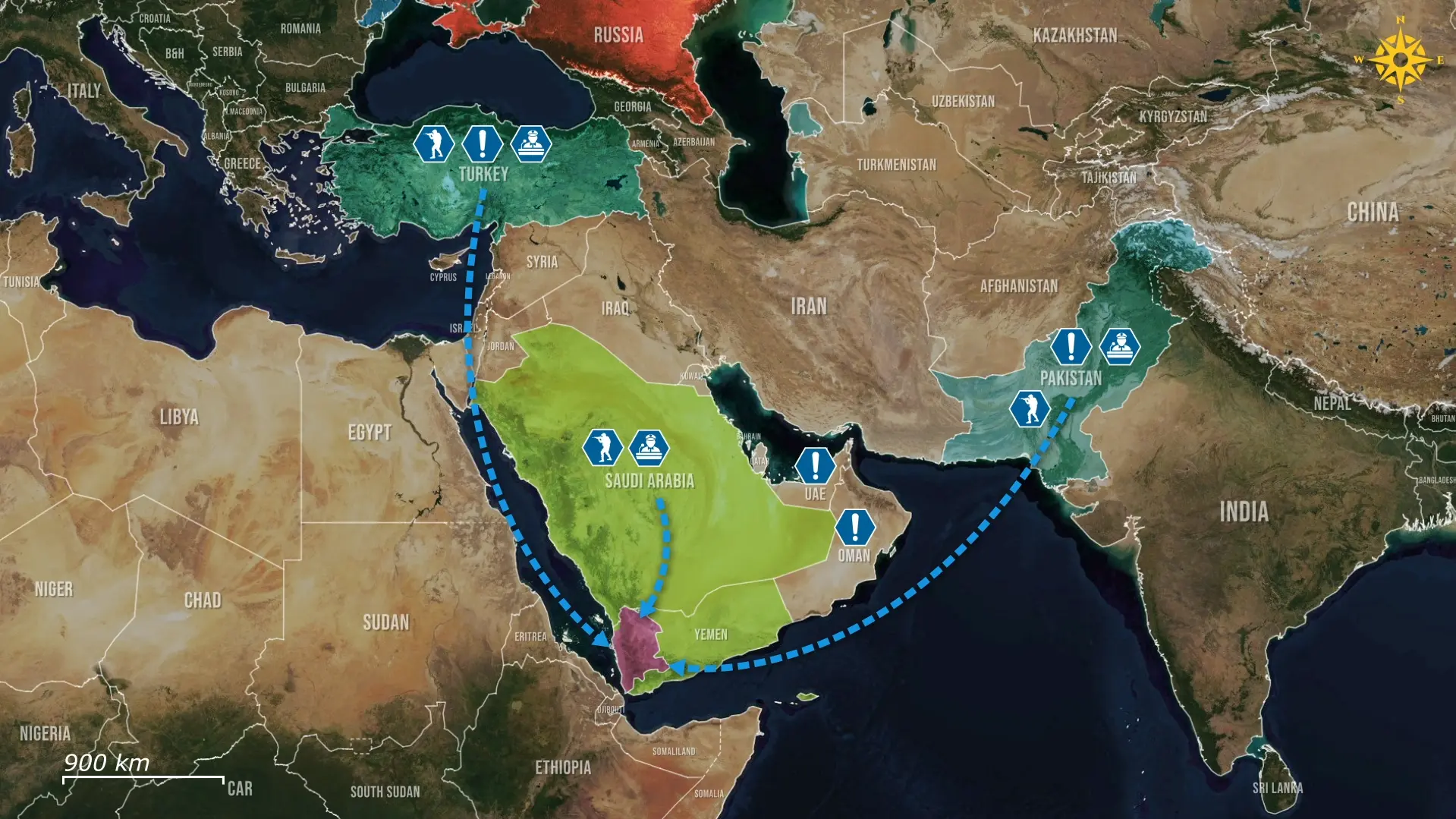
The Mecca Pact is a defense agreement designed to strengthen Saudi Arabia’s security through military cooperation with other countries. Its participants include Turkey and Pakistan, which have committed to supporting Saudi Arabia. The agreement creates a framework for military assistance if Saudi Arabia faces an attack, potentially including weapons, equipment and defensive support. The pact could change the scope of the Yemen conflict, because until now, the fighting has mainly involved the Houthis, Saudi Arabia and their partners inside Yemen. This would give Riyadh more ways to defend its territory, while making the pact’s credibility depend on whether its members fulfil their promises. Such support would not automatically mean that their forces would fight the Houthis directly. The important question is whether this limited help would remain enough after another major attack.
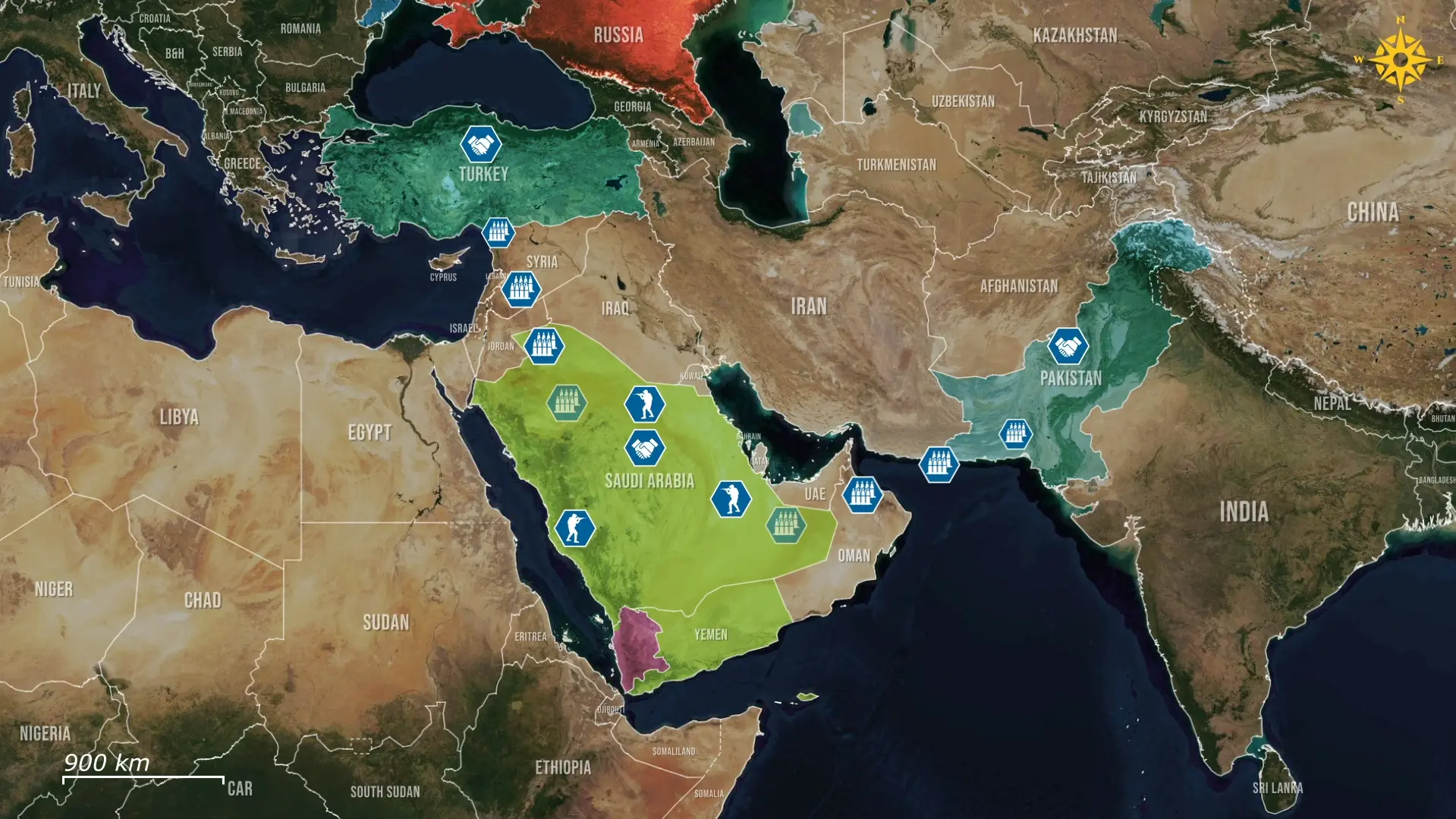
Turkey’s role in the Yemen conflict could expand through its military cooperation with Saudi Arabia. Turkish made military equipment is already being used by Saudi forces, creating an existing link between Ankara and the kingdom’s defense efforts. On October eight two-thousand-twenty-six, the Houthis reportedly shot down a Saudi drone manufactured by a Turkish company, highlighting how Turkish defense products are becoming part of the conflict. The Mecca Pact could deepen this involvement by encouraging Turkey to supply additional weapons or help strengthen Saudi air defenses.
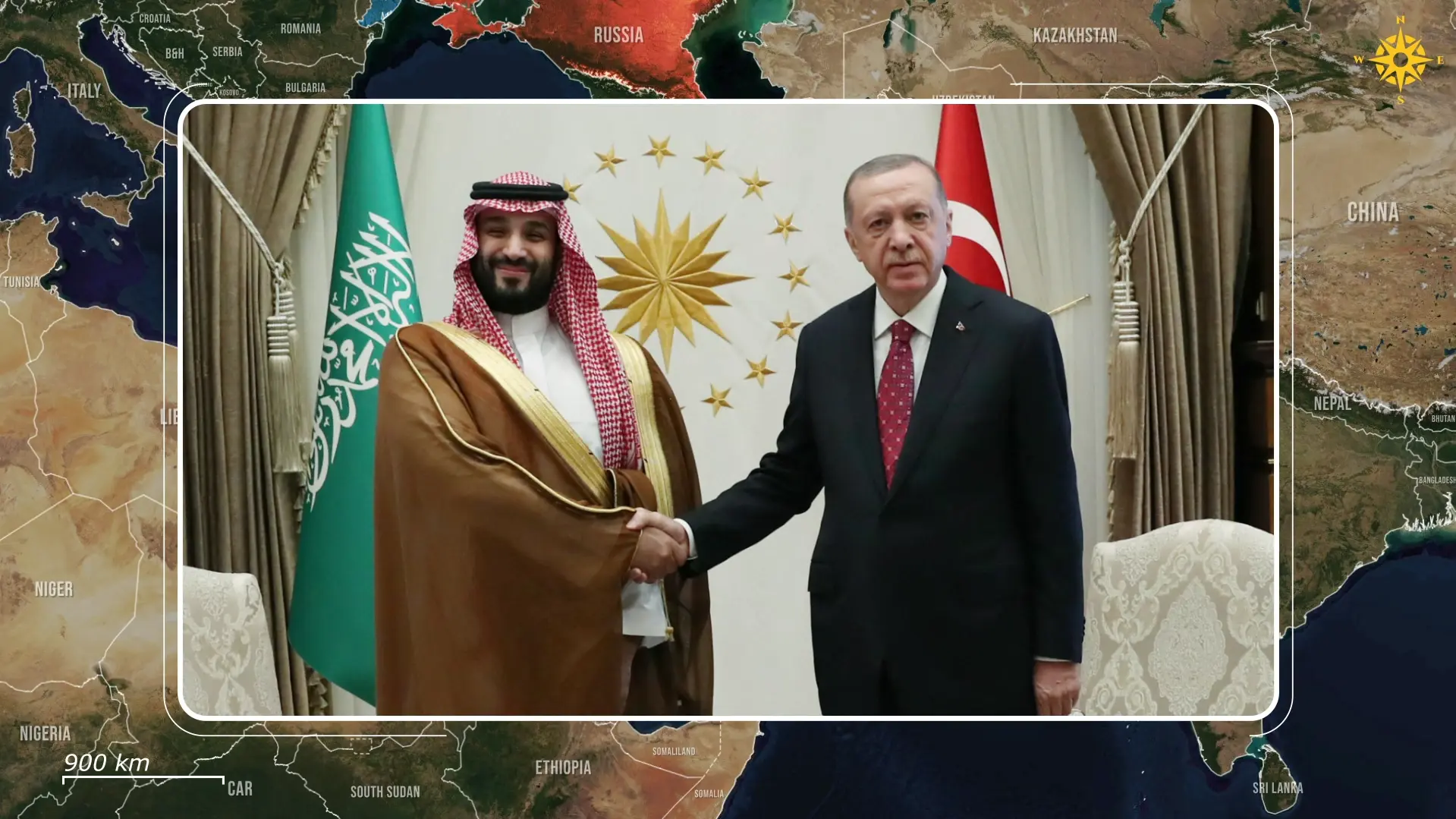
Such assistance could improve Saudi Arabia’s ability to intercept incoming drones and missiles, but it would also tie Turkey more closely to the kingdom’s military response. However, direct Turkish attacks on the Houthis would not be necessary for this shift to occur. This distinction matters because Ankara could become involved indirectly through technology and defensive support, while retaining distance from frontline combat.
Pakistan, on the other hand, faces a more complicated choice than Turkey because it must balance its defense commitment to Saudi Arabia with its relationship with Iran. Under the Mecca Pact, Pakistan has pledged to support Riyadh, potentially bringing it closer to a conflict involving the Houthis. However, Iran is an important regional neighbor and a supporter of the Houthi movement. Pakistan therefore has strong reasons to avoid actions that could seriously damage its ties with Tehran.
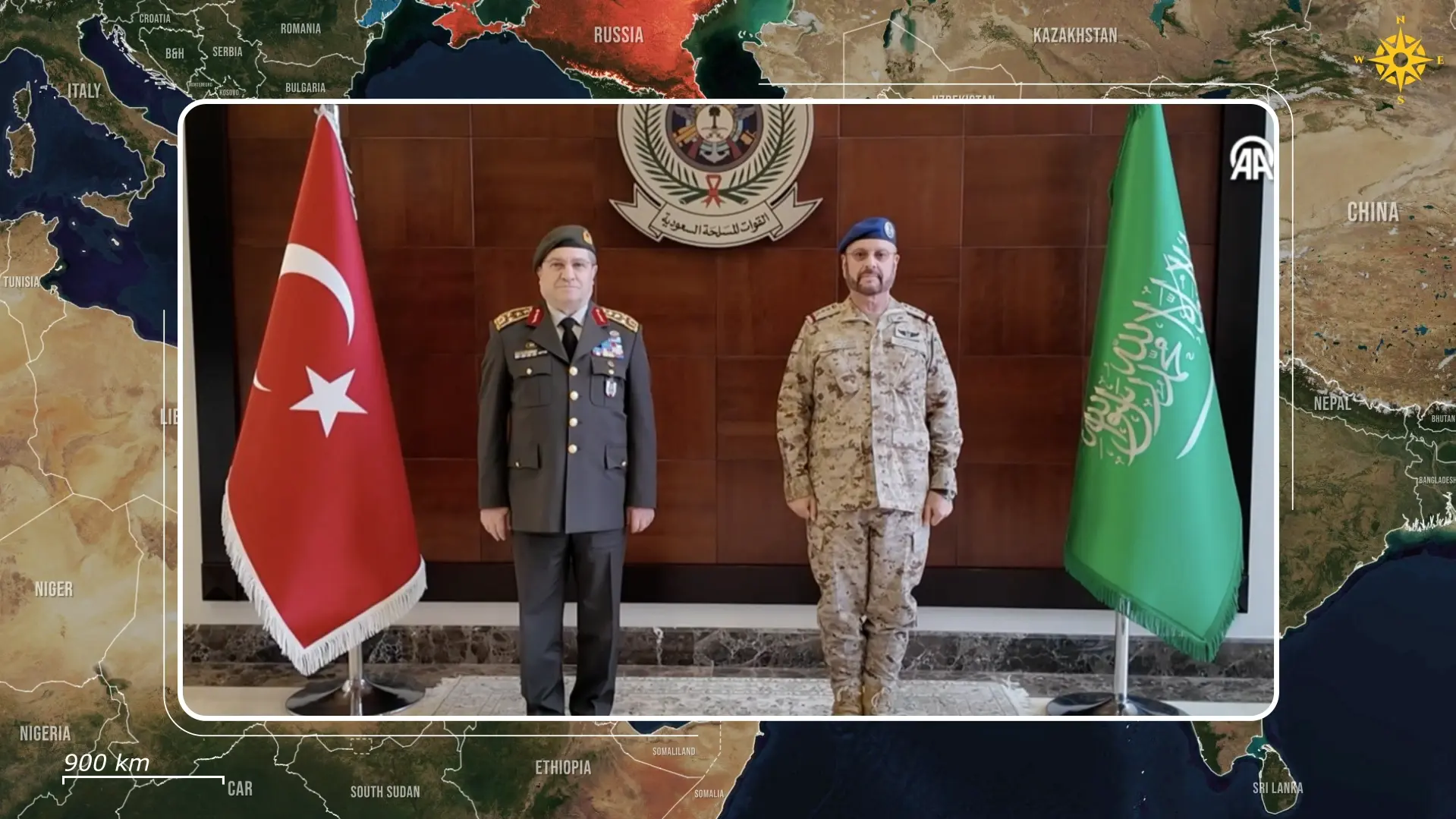
This balancing act is further complicated by reports that Pakistan allowed Iranian military aircraft to shelter on its territory during American attacks. If the Yemen conflict widens, Islamabad may seek to provide Saudi Arabia with defensive assistance without taking steps that directly threaten Iranian interests. This could limit the scale of Pakistan’s involvement and constrain how effectively the Mecca Pact operates during a broader regional war.
Overall, the Mecca Pact could have two opposing effects on the Yemen conflict. By signaling that an attack on Saudi Arabia could trigger a response from several countries, it may deter the Houthis from launching further attacks. However, if deterrence fails, the same commitments could pressure pact members to increase their involvement in the fighting. The agreement’s ultimate effect will therefore depend on whether its collective defense commitments prevent further attacks or instead draw more countries into the conflict.

.jpg)

Comments