

.svg)
Today, there are dangerous updates from Ukraine.
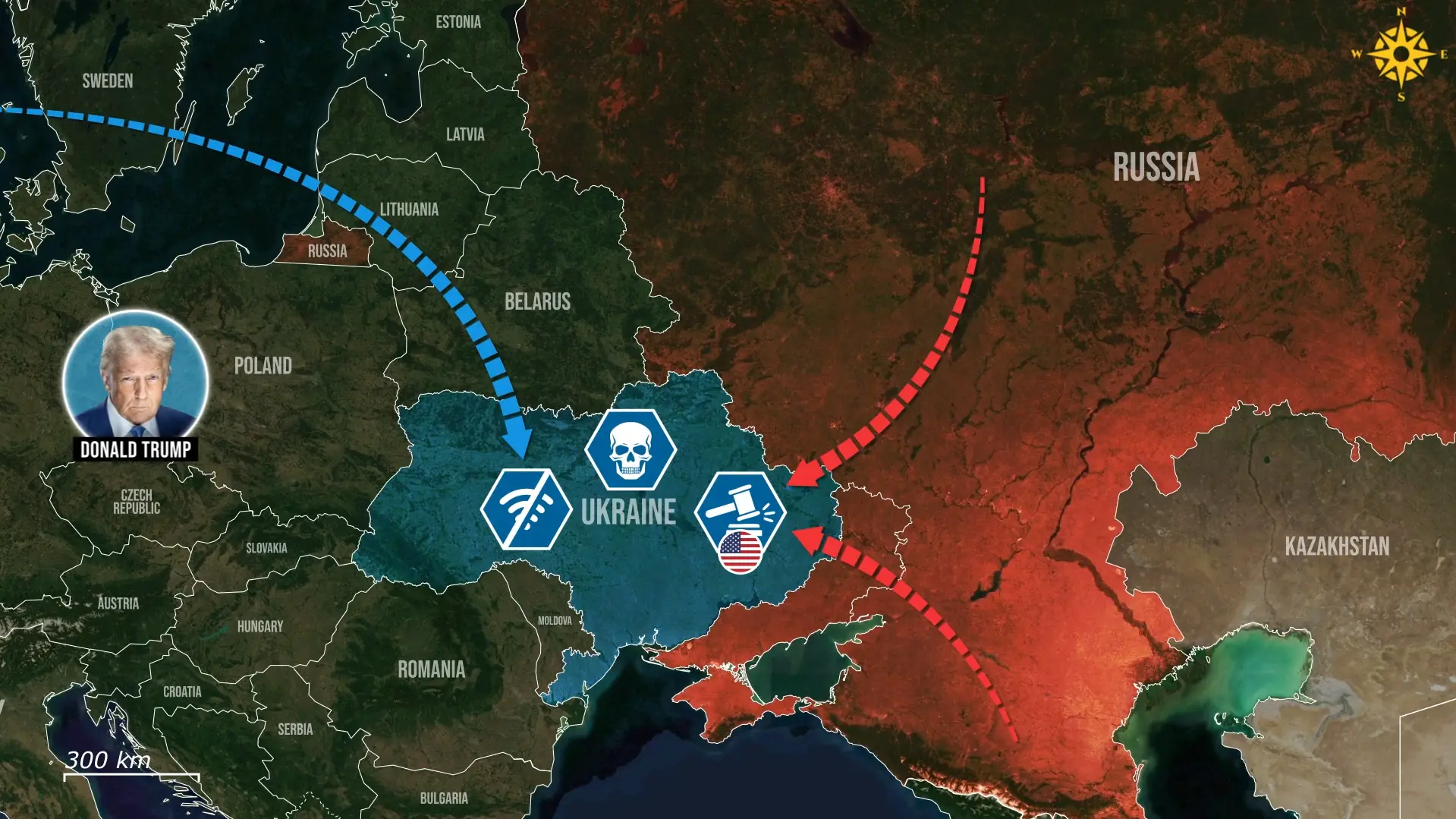
Here, Ukraine’s counteroffensive campaigns have been stabbed in the back by a disruption of American satellite communications. Mid-combat, Ukrainian forces discovered that Starlink terminals were losing connectivity whenever drones they were attached to exceeded certain speeds. Depending on the platform, disconnections occurred between seventy and one-hundred-and-sixty kilometers per hour.
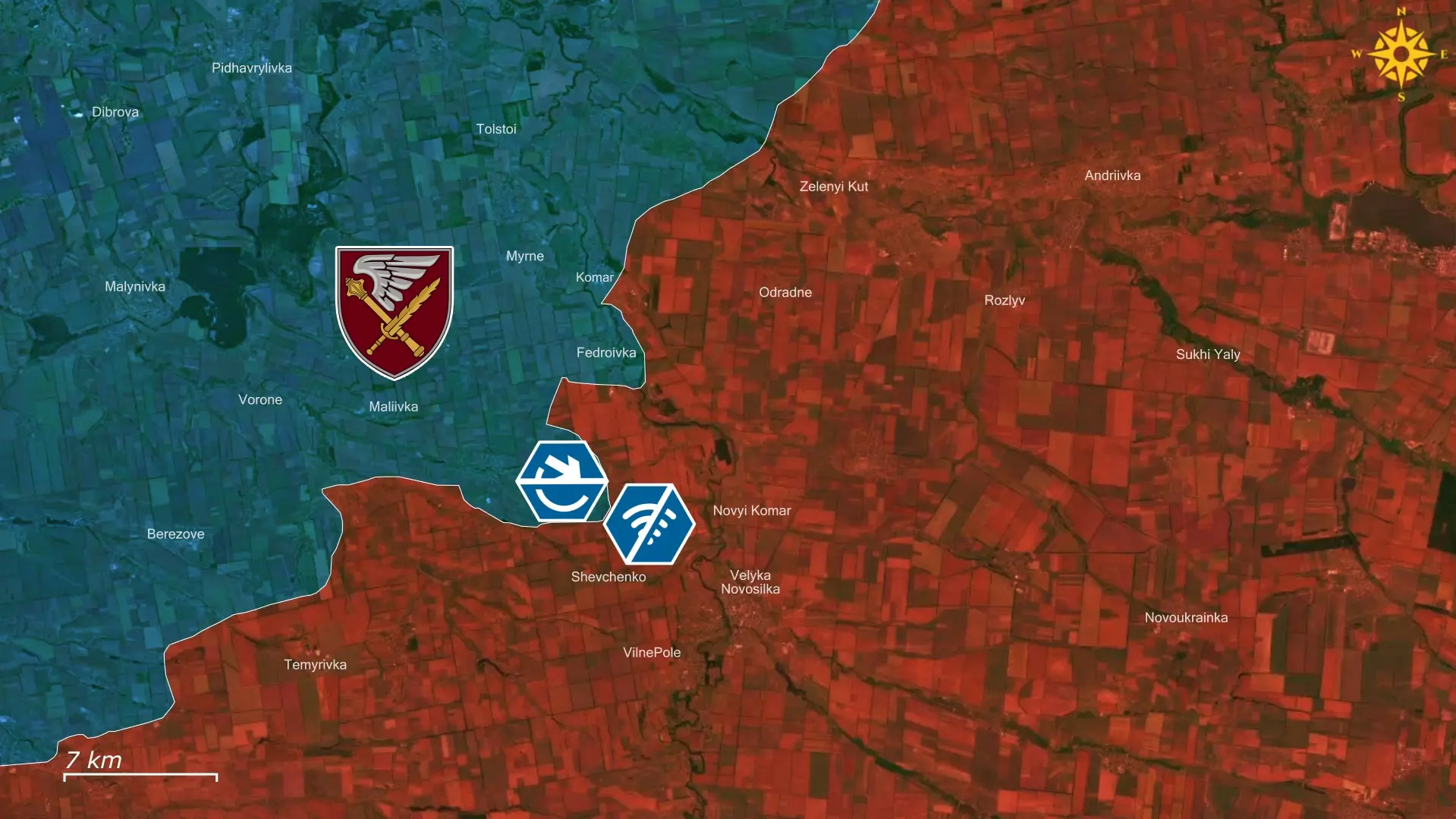
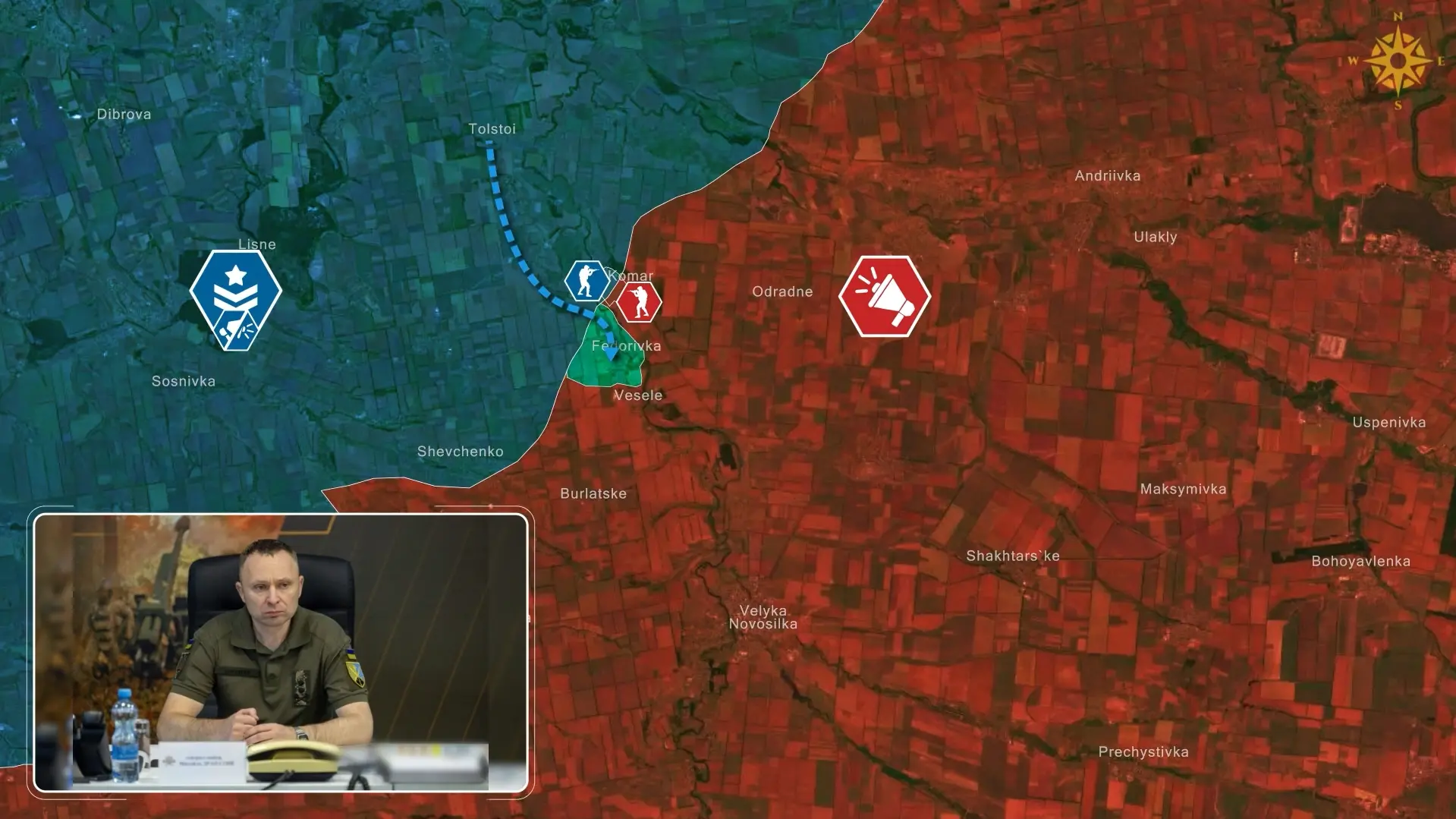
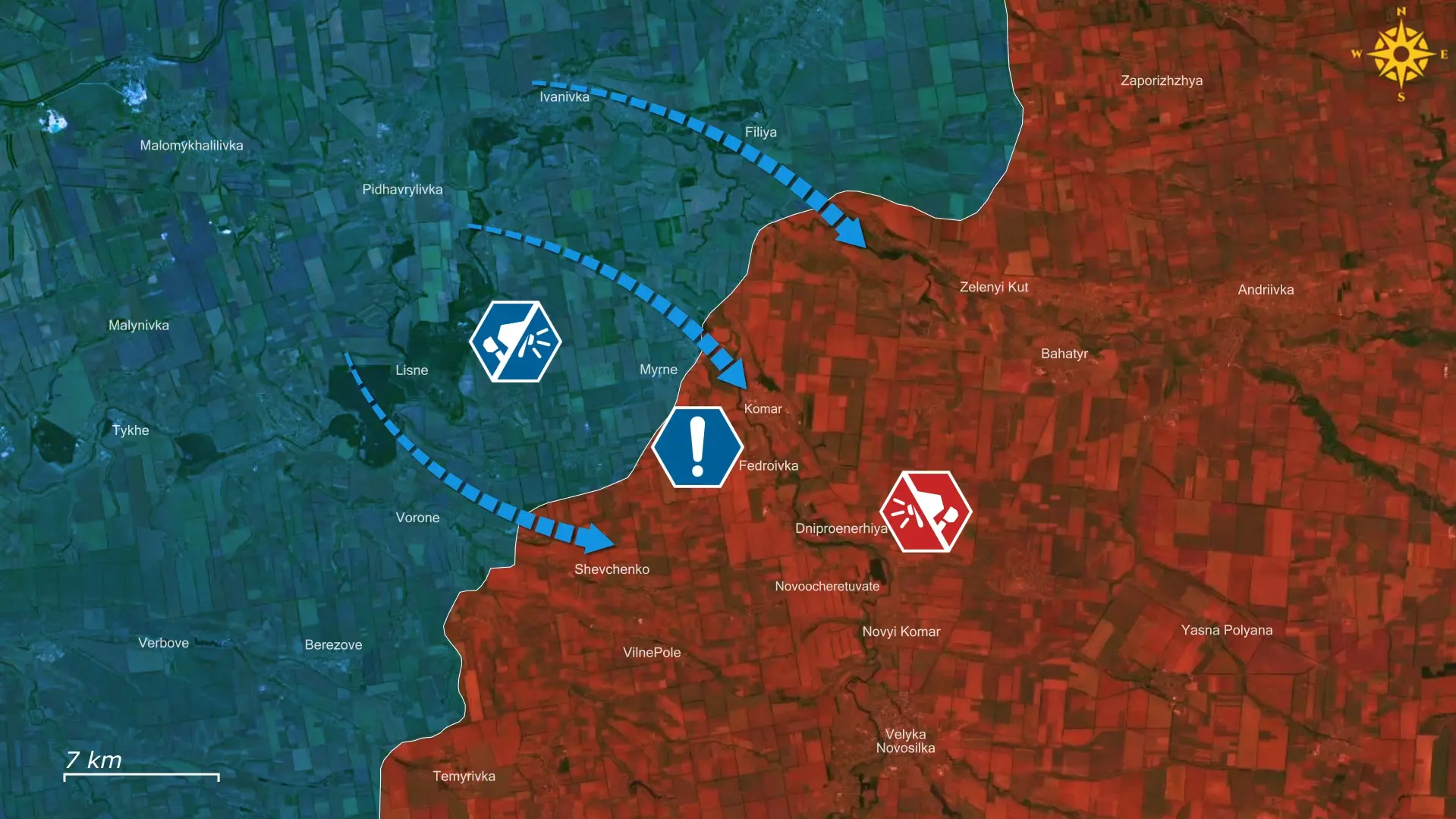
Ukraine’s Seventh Air Assault Corps reported disruptions around Huliaipole, with Ukrainian unmanned units canceling their missions, while Ukrainian commanders scrambled to understand restrictions imposed without advance warning.
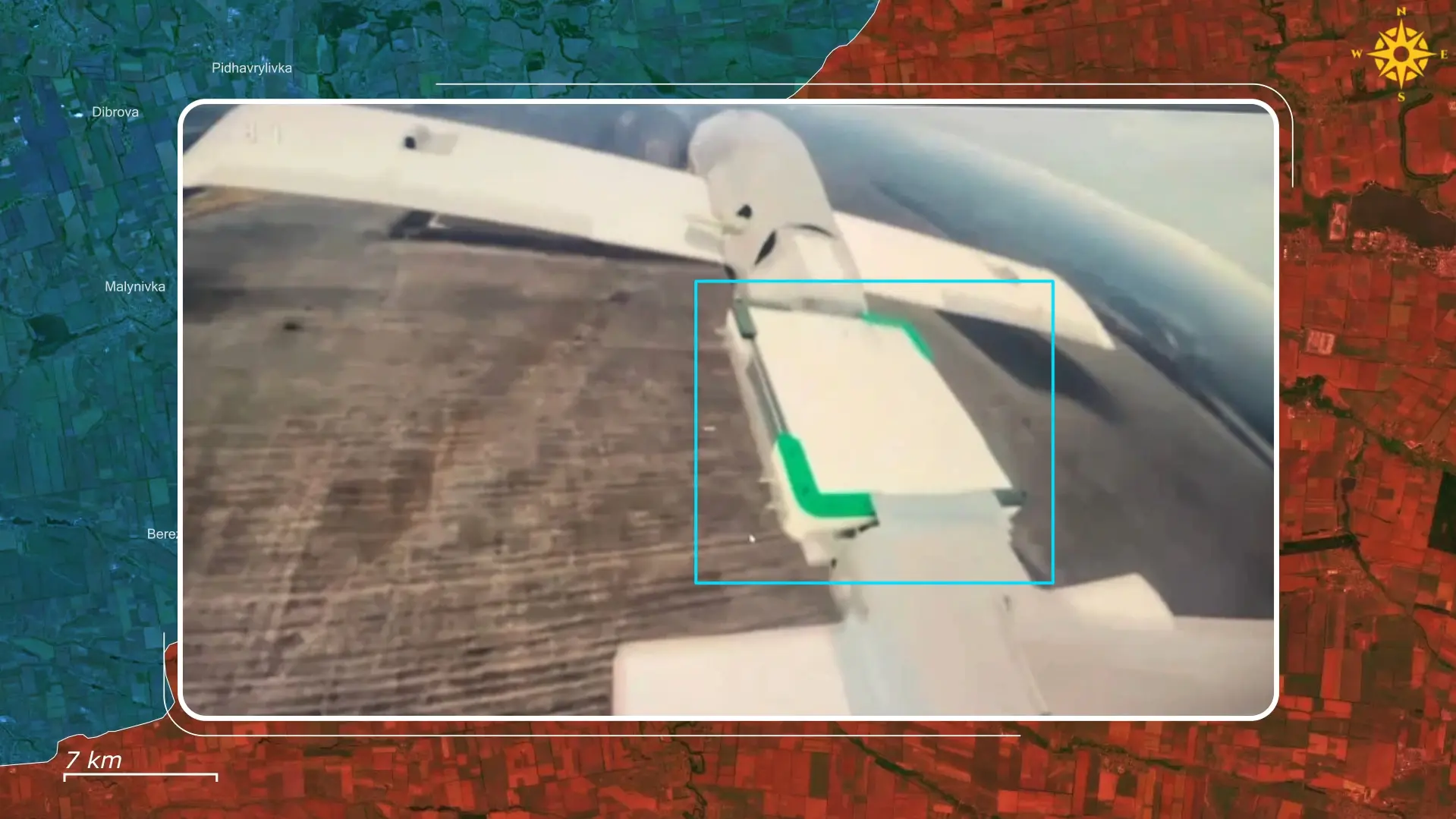
Meanwhile, the political circumstances have triggered accusations that Ukraine is being stabbed in the back by the American government, as Trump has pressured Ukraine over strikes against Russian energy infrastructure, blaming Zelensky for rising global oil prices. Yet the Middle Eastern conflict and continuing shipping risks around the Strait of Hormuz are the real major factors behind the energy-market instability, as currently around a million barrels are moved through it per day, while before the war there were twenty million per day. As a result, Ukrainian officials suspect the satellite restrictions represent another attempt to force them toward Washington’s proposed energy arrangement with Moscow.

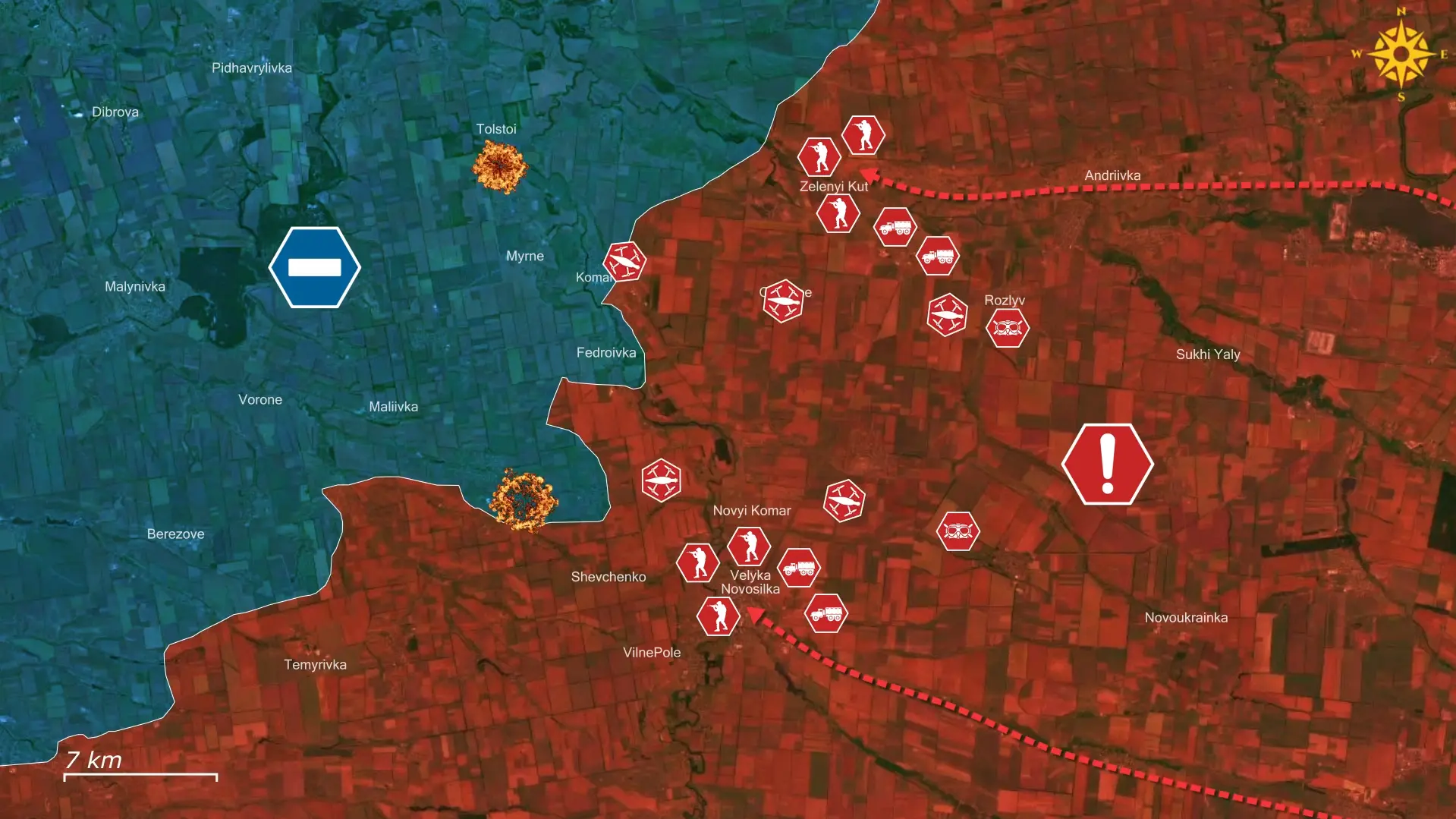
The timing could hardly be worse, as Ukraine’s recent counteroffensives around Huliaipole, Liman and other sectors depend heavily on medium-range drones destroying Russian reinforcements before they reach the battlefield. Starlink terminals are used to identify moving trucks, ammunition convoys, troop transports, and command vehicles, then attack before the Russian targets disappear, and without reliable high-speed satellite connections, that entire process becomes considerably harder.
Russian columns could begin moving more freely through areas previously dominated by Ukrainian drones. Additional ammunition, fuel, and reinforcements could reach frontline formations, allowing Russian commanders to rebuild depleted units and prepare renewed winter assaults.
The consequences would extend beyond logistics, as Russian drone operators, previously threatened by Ukrainian strikes against their vehicles and positions, could regain operational freedom. That would increase pressure on Ukrainian infantry, complicate counterattacks, and make positions harder to defend. This threatens the operational foundation of campaigns such as Vivaldi, where months of Ukrainian strikes against Russian rear-area logistics helped prepare successful ground advances.
Long-range operations face a different challenge. Drones requiring continuous communications benefit from live course corrections, updated targeting information, and the ability to respond to changing conditions, while losing those capabilities makes missions less adaptable and less effective.
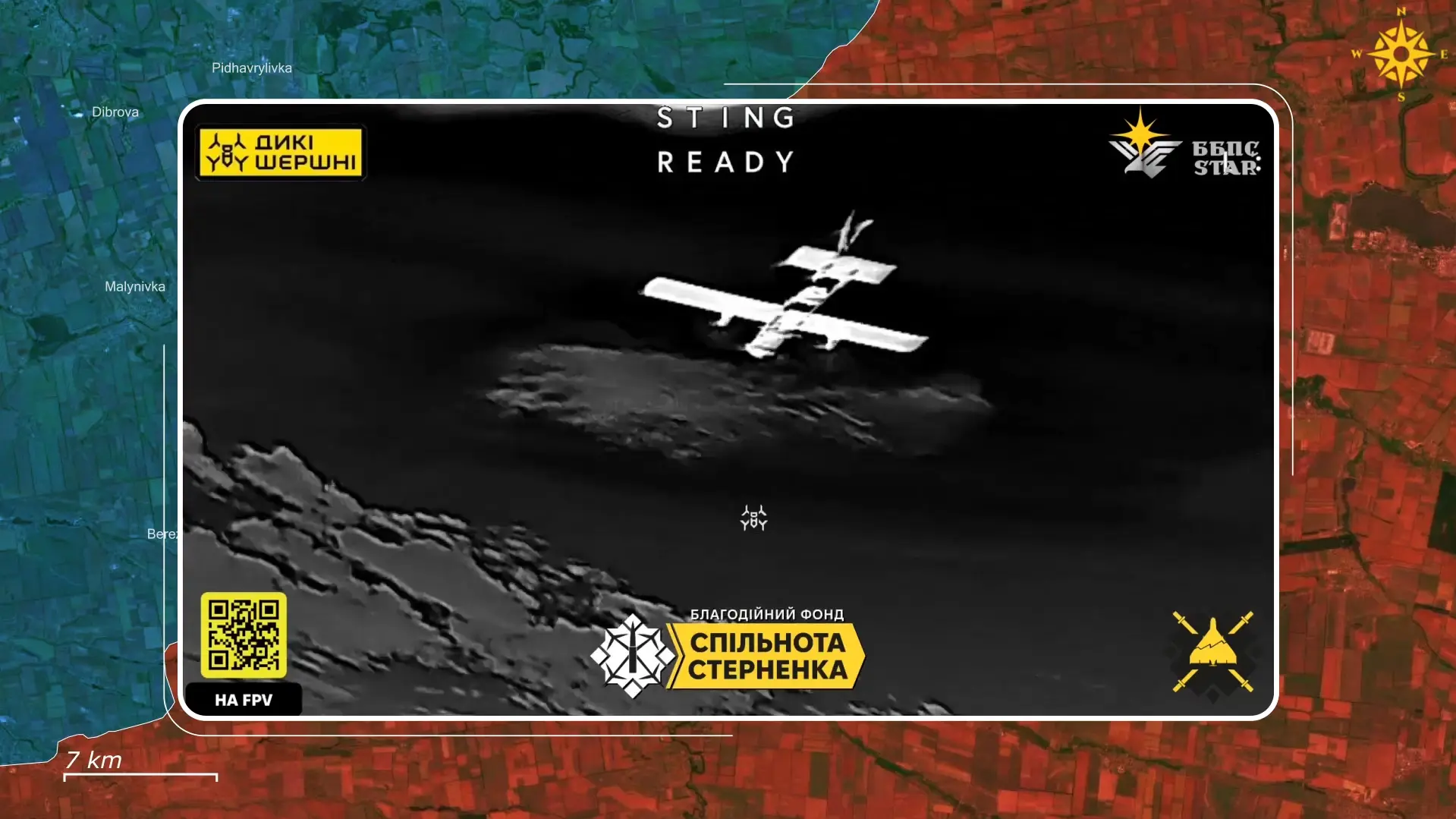
However, Ukraine’s strikes deep inside Russia generally use alternative communications and navigation systems because Starshield is geographically restricted. Consequently, the immediate disruption primarily threatens mid-range operations and air defense rather than stopping Ukraine’s strategic strikes.
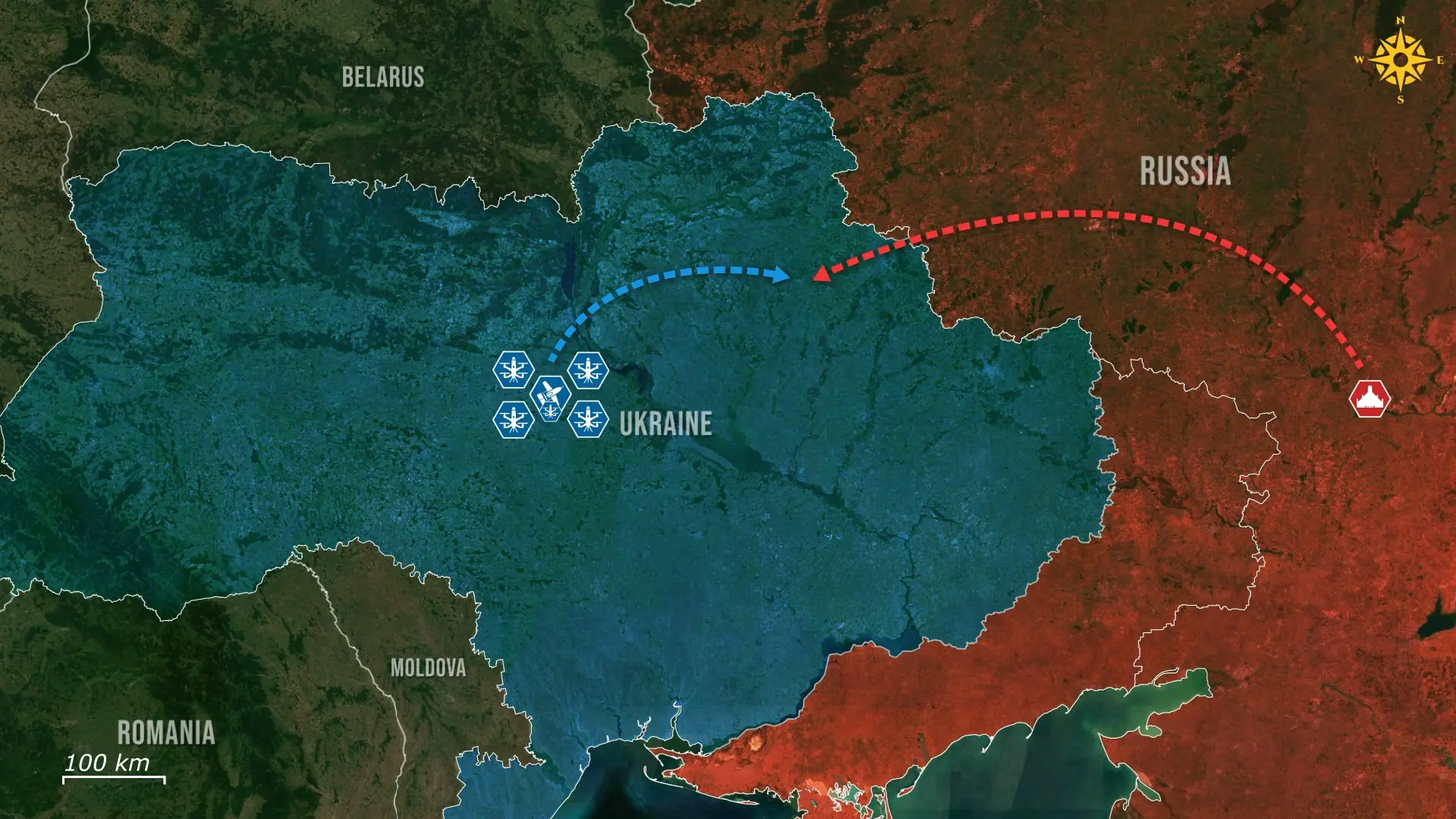
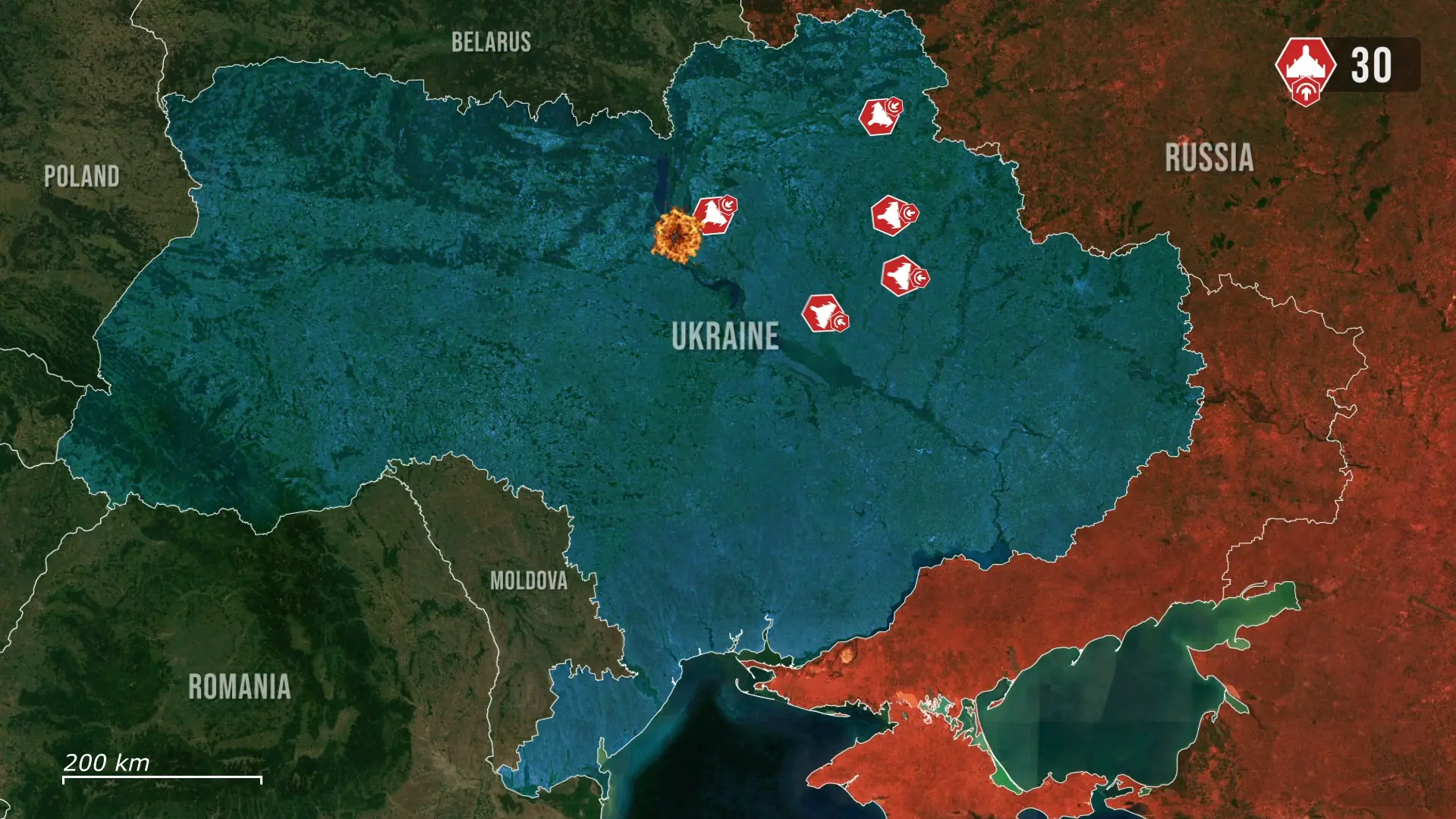
The defensive consequences are particularly alarming, as Ukraine increasingly relies on interceptor drones to destroy incoming Russian Shaheds before they reach cities and energy infrastructure. These systems require rapid coordination, targeting updates, and reliable communication while pursuing fast-moving targets, and if satellite connectivity disappears during acceleration, interception opportunities shrink dramatically. More Russian drones could penetrate Ukrainian defenses, forcing missile batteries, electronic-warfare systems, and conventional weapons to compensate, which would result in additional pressure on the already stretched Ukrainian defenses and potentially more civilian casualties.
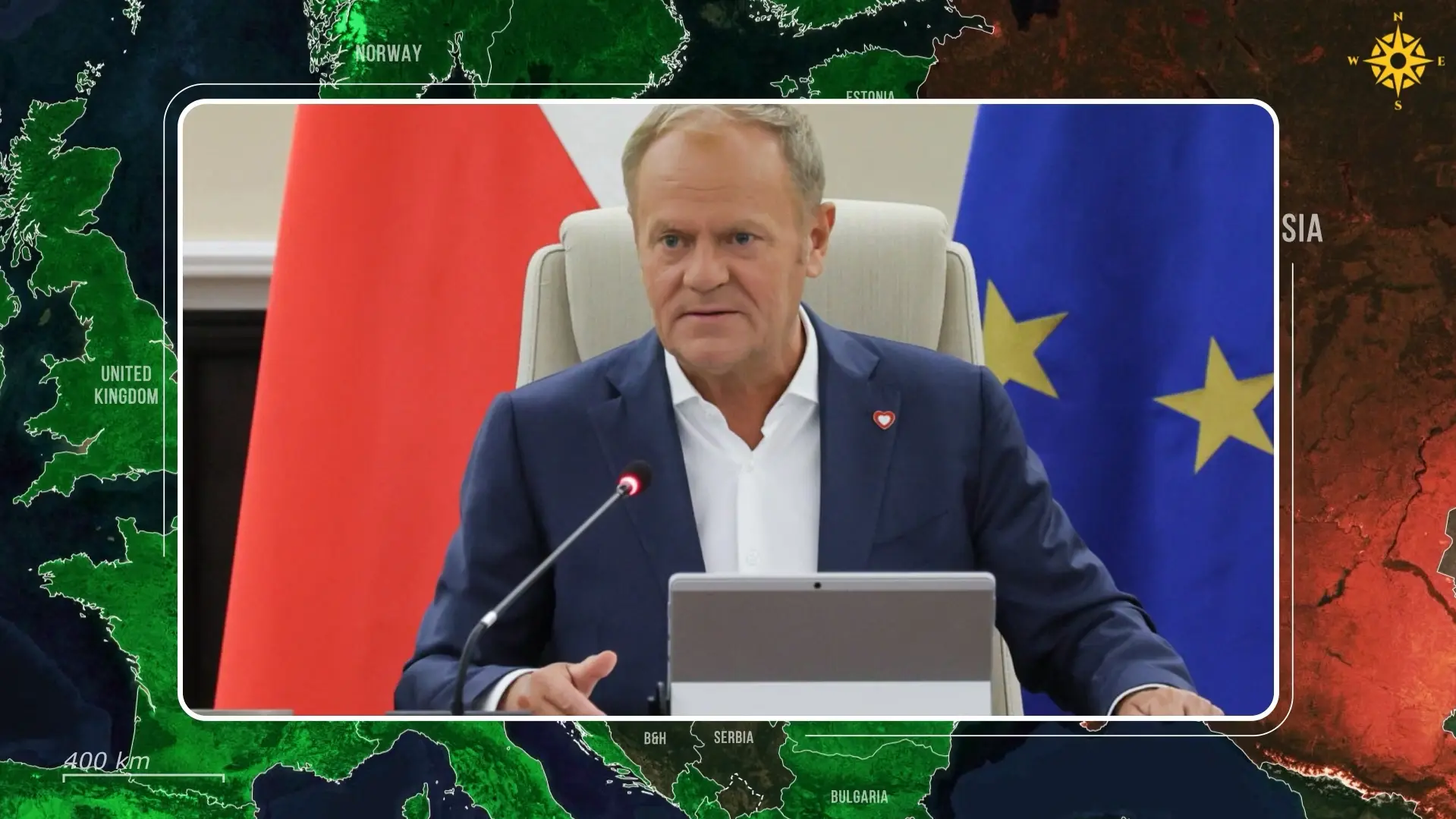
At the same time, responsibility for the cutoff remains disputed, as Elon Musk declared that Starshield operates under American government control, with restrictions ultimately determined by the US military and the president. The White House denied ordering the limitations, while American officials reportedly suggested a technical malfunction, with all sides shifting the blame. Polish Foreign Minister Radosław Sikorski publicly challenged Musk over the treatment of his European customers, reminding him that Poland helps finance Ukraine’s satellite connectivity. As a result, some service was restored, with Ukrainian officials reporting improved connectivity up to one-hundred-and-sixty kilometers per hour. However, restrictions above that threshold remained an unresolved concern, limiting Ukraine’s capabilities by a decision made thousands of kilometers from the battlefield.

Overall, the strategic effect of the restrictions imposed on Ukraine is unmistakable. Russia stands to benefit whenever Ukrainian drones lose their communications, while Ukraine faces renewed pressure to accept arrangements that Moscow has shown little willingness to respect. For Ukraine, that makes restoring unrestricted connectivity not merely a technical problem, but an urgent question of battlefield survival.

.jpg)

Comments