


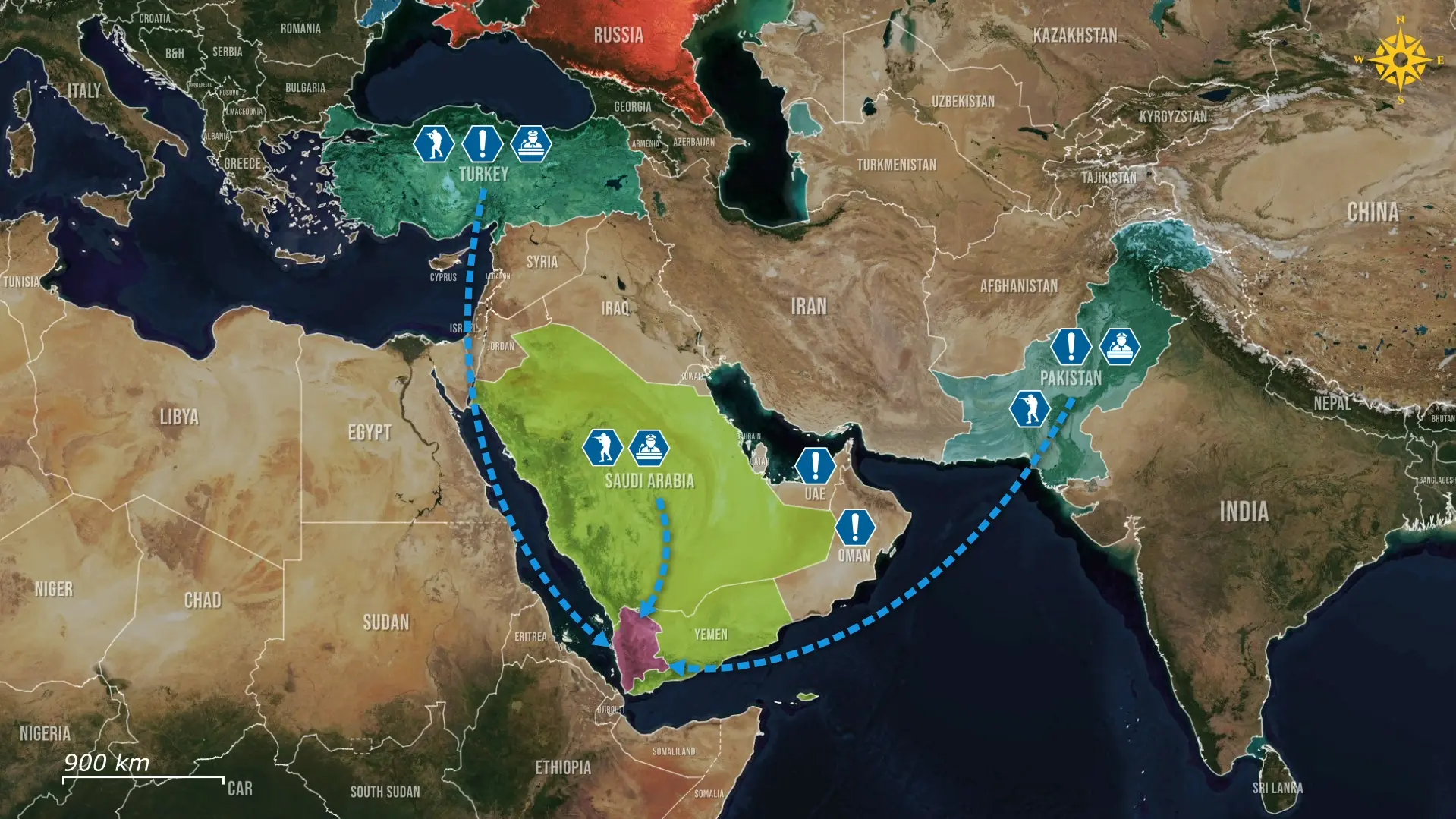
Recently, Yemen’s anti Houthi National Resistance Forces claimed that the bodies of members of Somalia’s armed group Al Shabaab were found among those of Iran backed Houthi fighters killed along Yemen’s western coast. The deceased were identified as Al Shabaab members after documents and personal belongings found with the bodies were examined. However, the claim has not yet been independently verified. Because Iran supplies the Houthis with weapons, training and money, their growing cooperation with Al Shabaab could indirectly extend Iranian influence across the Red Sea into Africa.
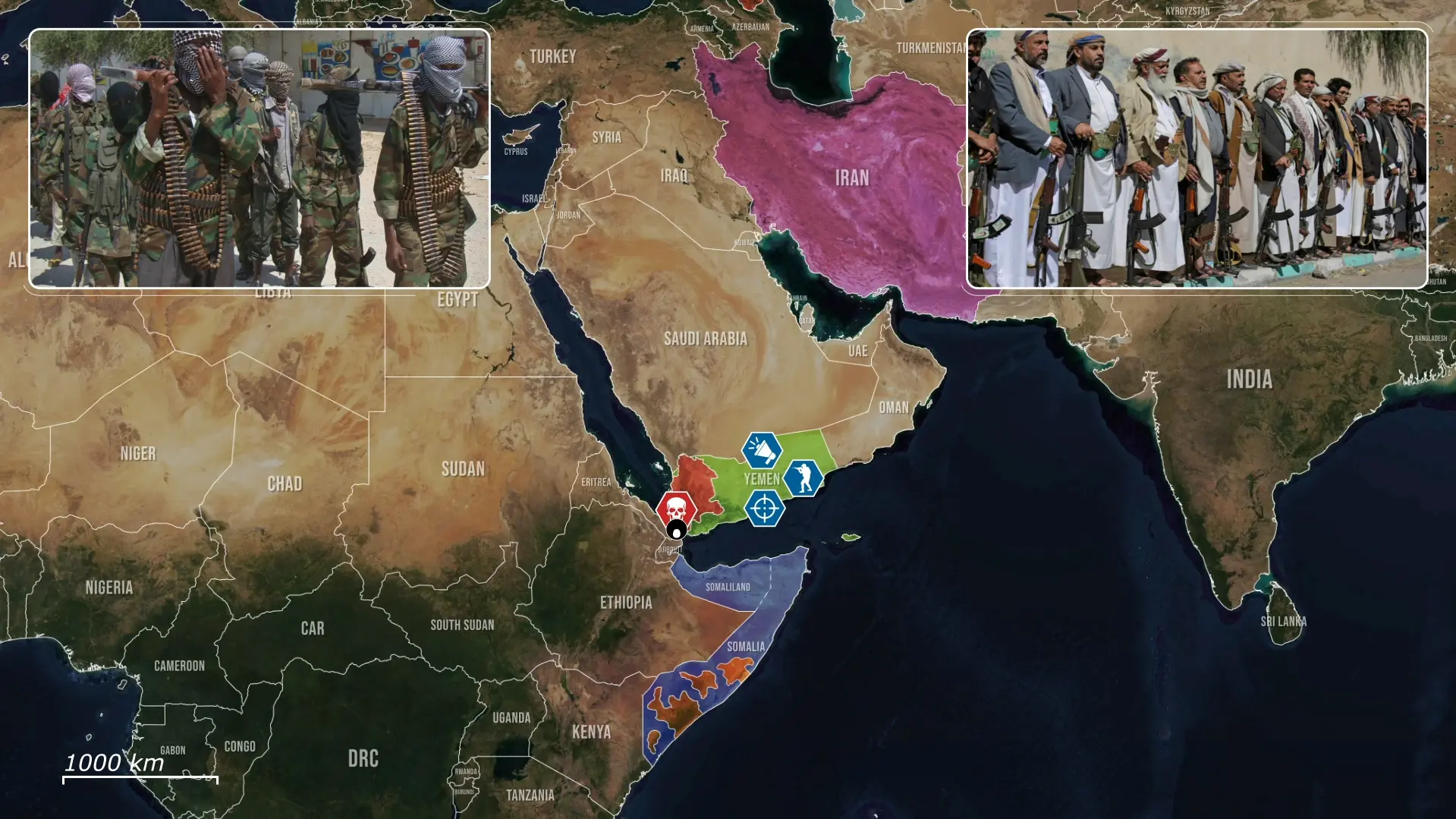
The relationship between the Houthis and Al Shabaab did not emerge suddenly. According to a report by The Wall Street Journal, this relationship has been developing since at least two thousand twenty three. In addition, an October two thousand twenty five report also documented ties between the two groups involving arms smuggling, military training, and logistical support. The Wall Street Journal also reported that more than a hundred Al Shabaab fighters had traveled to Yemen to learn how to operate drones, use advanced weapons, and employ explosives. The newspaper also identified several Somali operatives who have been working to deepen ties between the two groups by arranging weapons purchases, transporting military equipment, and establishing contact with Houthi commanders.
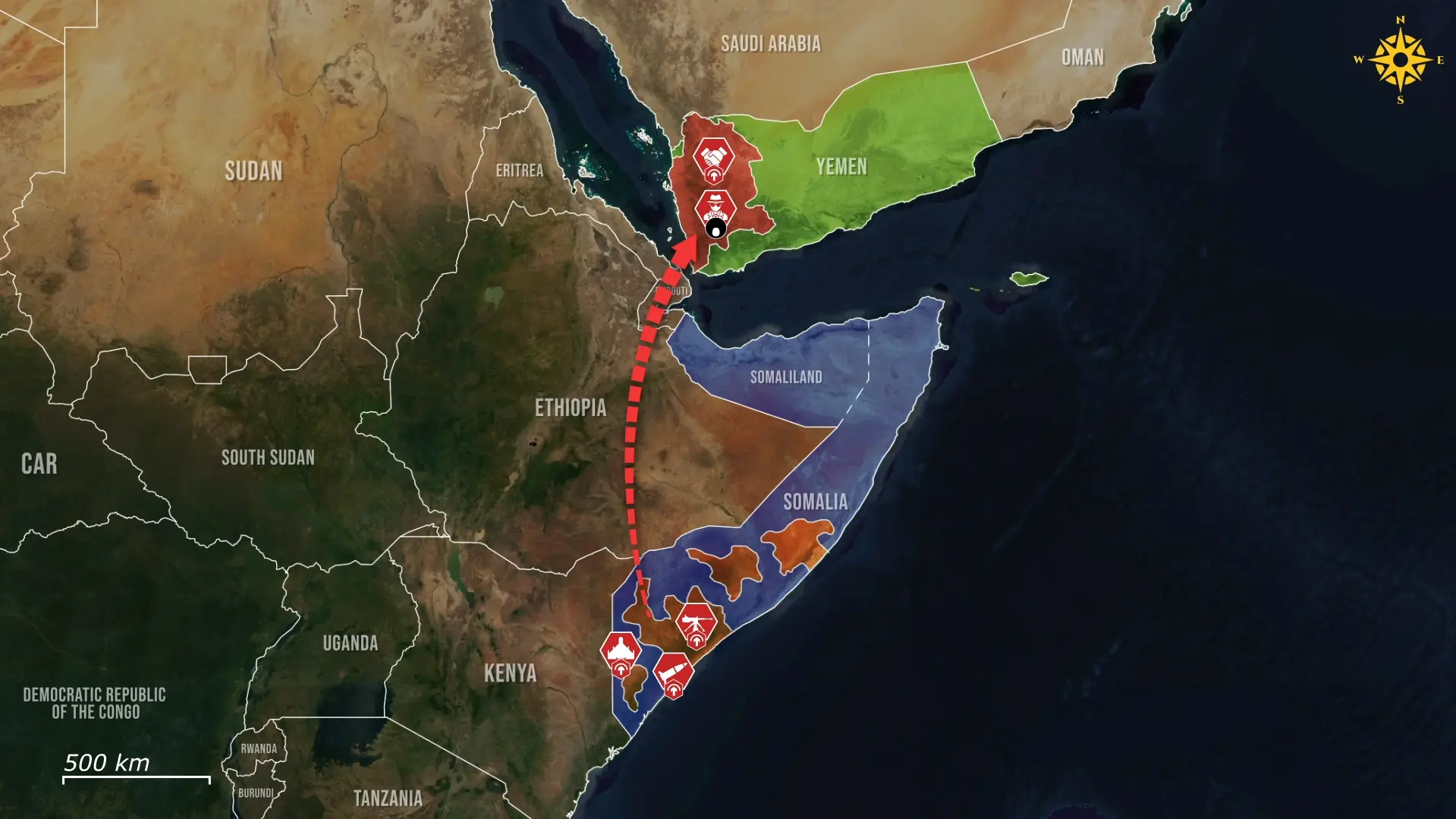
Therefore, if Somali fighters have joined Houthi forces in direct combat in Yemen under the current circumstances, this would suggest that cooperation between the two groups has expanded beyond arms supplies and military training to include joint participation in combat.
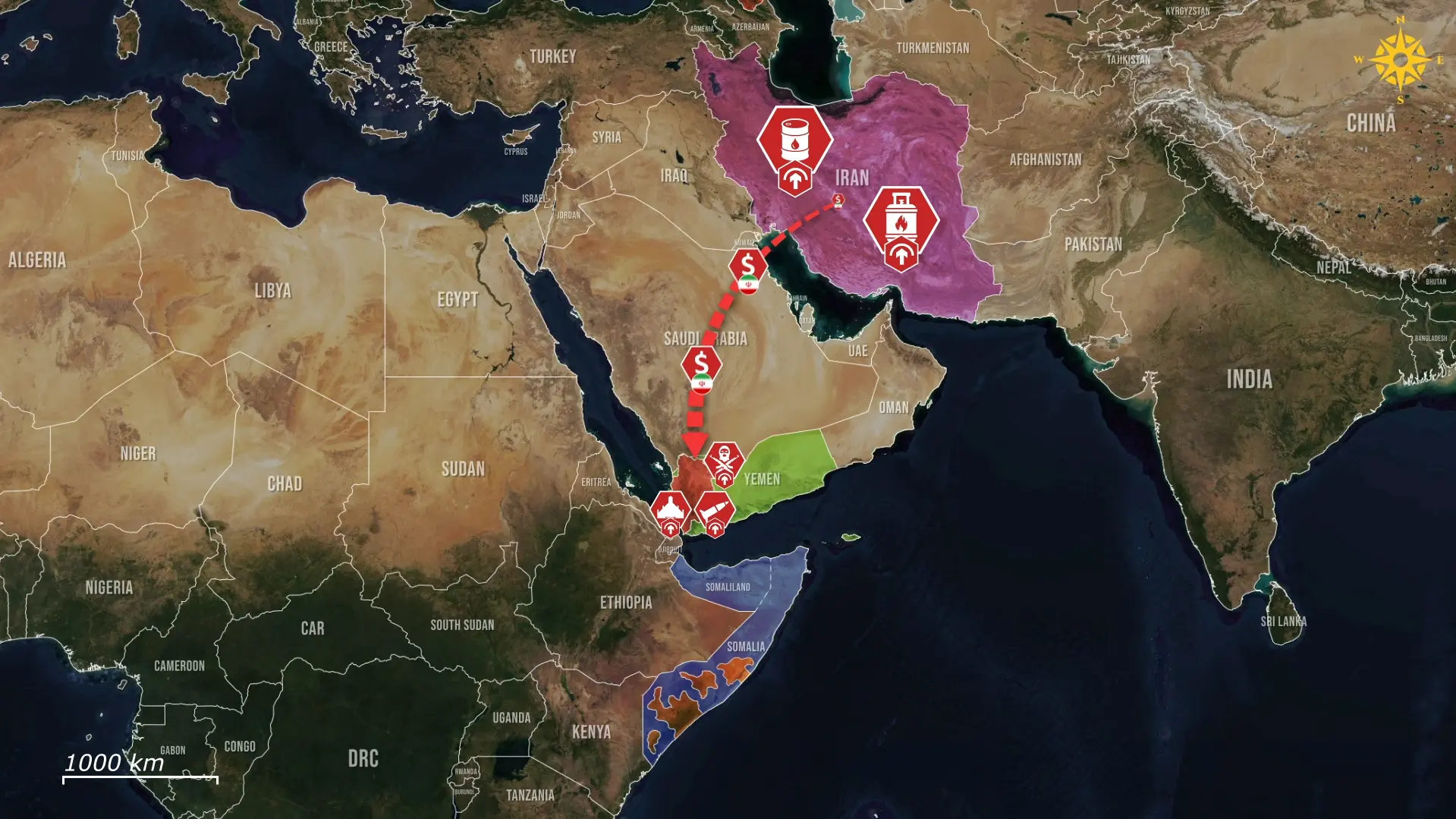
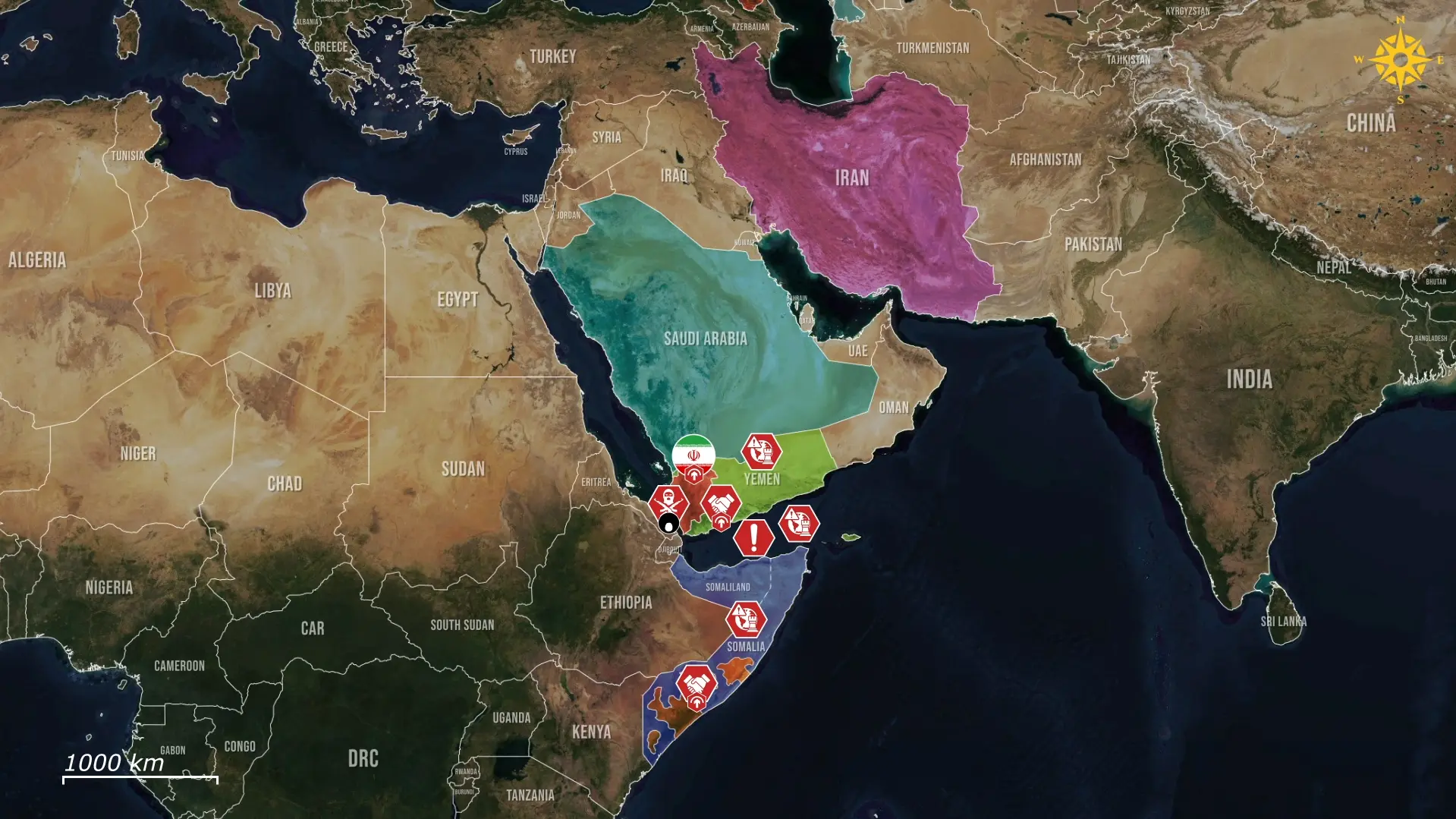
On the other hand, Yemen’s Houthi group relies on Iran to keep its operations running. Iran supports the Houthis by providing weapons, military training, and financial assistance. This military assistance from Iran has helped the Houthis overcome their limitations in independently developing advanced missiles and drones. In addition, Iran linked networks generate tens of millions of dollars by selling petroleum and other goods. This money is subsequently transferred to the Houthis in Yemen through intermediaries and currency exchange companies operating in various countries, helping finance Houthi operations.
Closer ties between Yemen’s Houthis and Somalia’s al Shabaab could benefit both groups. The Houthis currently need additional fighters amid their conflict with Saudi Arabia and ongoing fighting against Yemen’s government forces. In this situation, the Houthis may try to meet their manpower needs by recruiting al Shabaab fighters from Somalia and deploying them on the front lines. On the other hand, cooperation with the Houthis could give al Shabaab access to weapons, military technology, and training that would be difficult for the group to obtain independently.
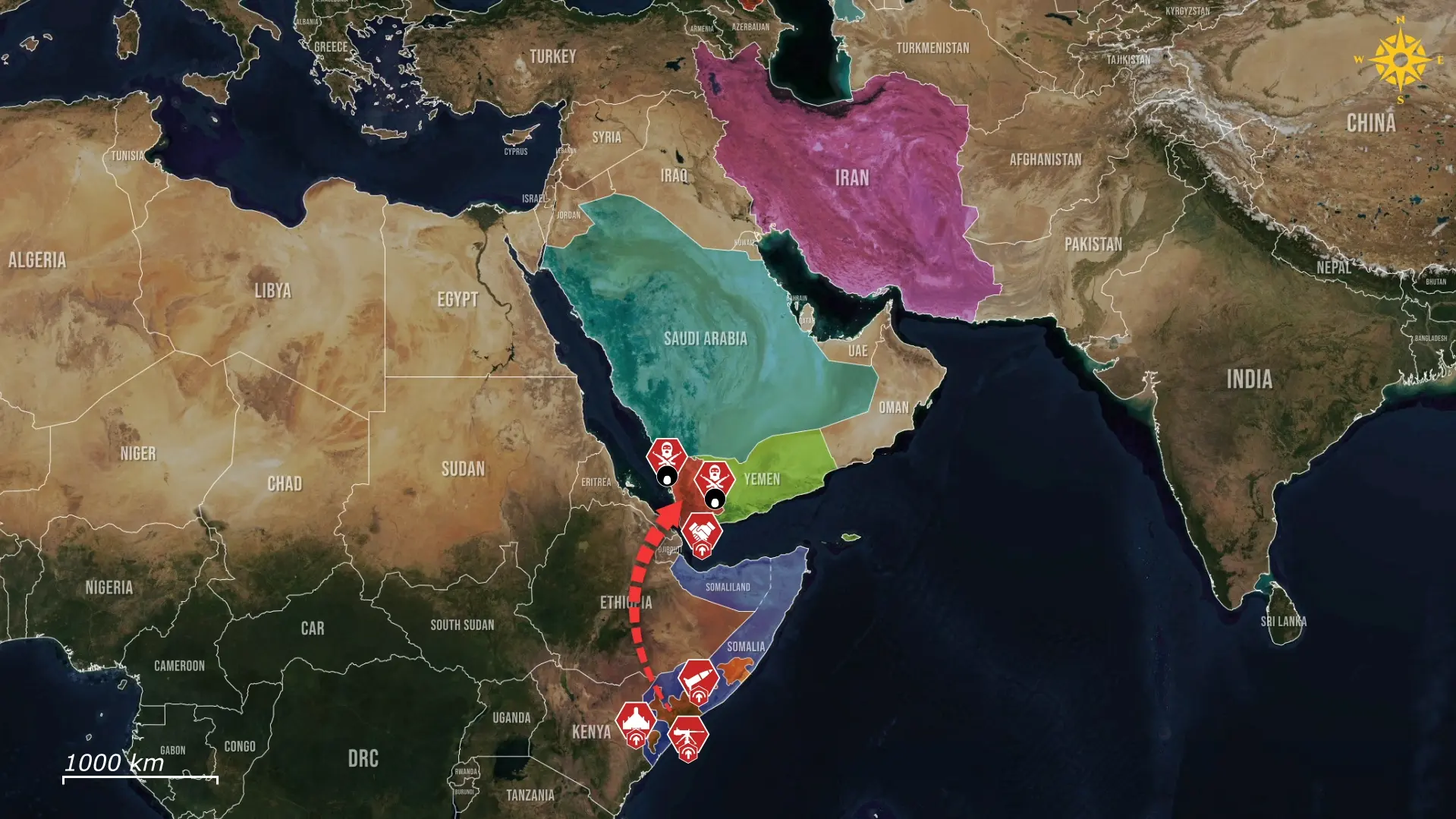
In addition, al Shabaab has connections with smugglers and pirates. According to a February two thousand twenty five United Nations report, al Shabaab had offered to help the Houthis expand piracy activities in the Gulf of Aden in exchange for weapons and military training. Since the beginning of this year, the number of piracy related incidents in the Gulf of Aden has already exceeded ten. If the two groups work together in this area, they could use pirates to seize ships transiting the Gulf of Aden and areas near Somalia’s eastern coast and generate revenue by demanding ransoms for their release. They could also significantly increase the movement of weapons and other goods between Somalia and Yemen by using smuggling networks. As a result, cooperation with al Shabaab could help the Houthis strengthen their military capabilities on land in Yemen while also expanding their influence over the sea routes around the Gulf of Aden.
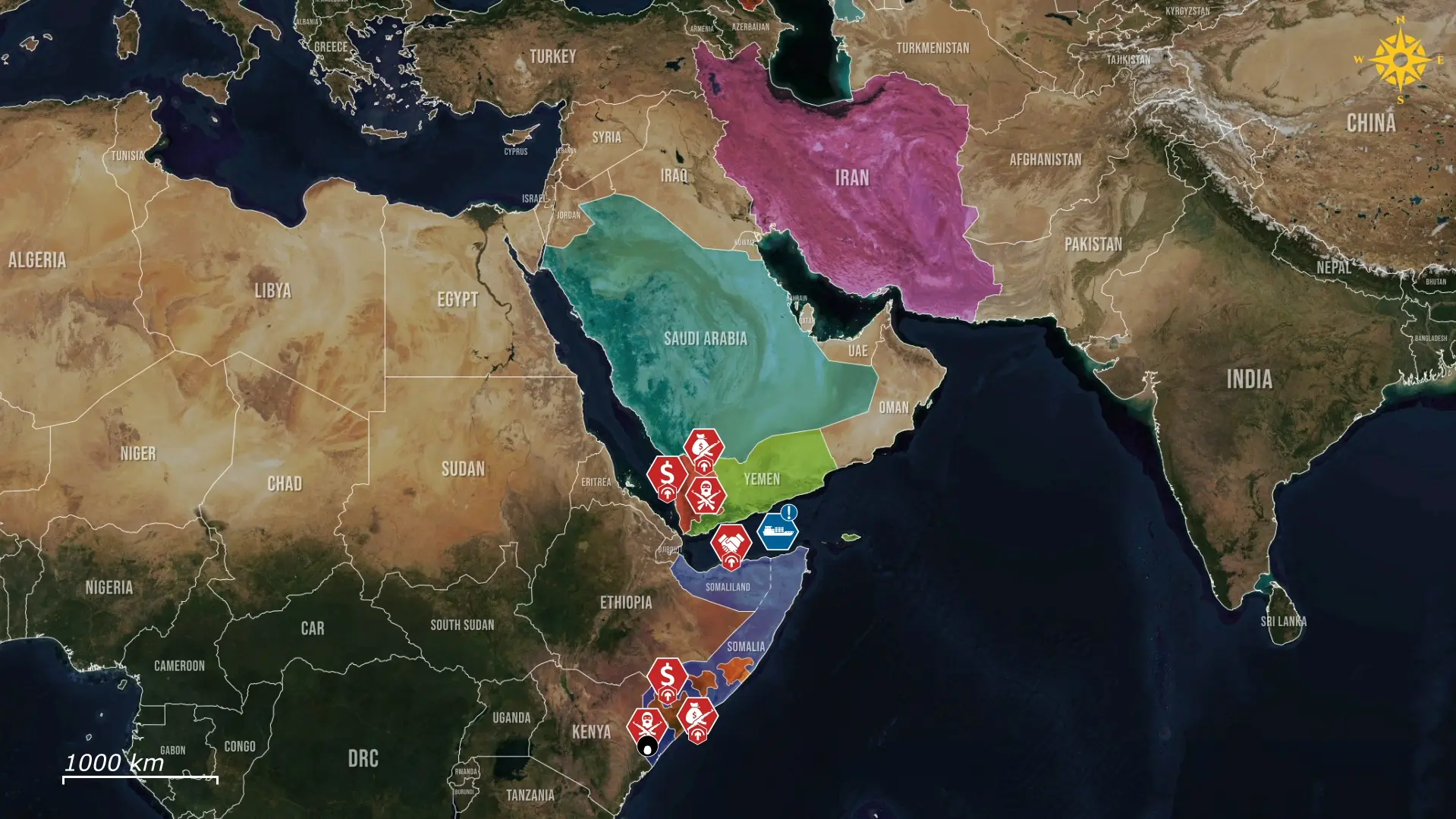
Overall, the reported presence of Al-Shabaab fighters in Yemen would show that the conflict is no longer contained within the Arabian Peninsula. As the Houthis and Al-Shabaab exchange fighters, weapons and training, instability in Yemen and Somalia could increasingly reinforce itself across the Gulf of Aden. Iran would not need to control every part of this cooperation to benefit, because stronger Houthi links in Africa would expand the reach of a movement it already supports. The next question is whether this remains limited cooperation or develops into a lasting network capable of threatening both countries and the shipping routes between them.



Comments