


Today, there are important updates from the Dobropillia direction.
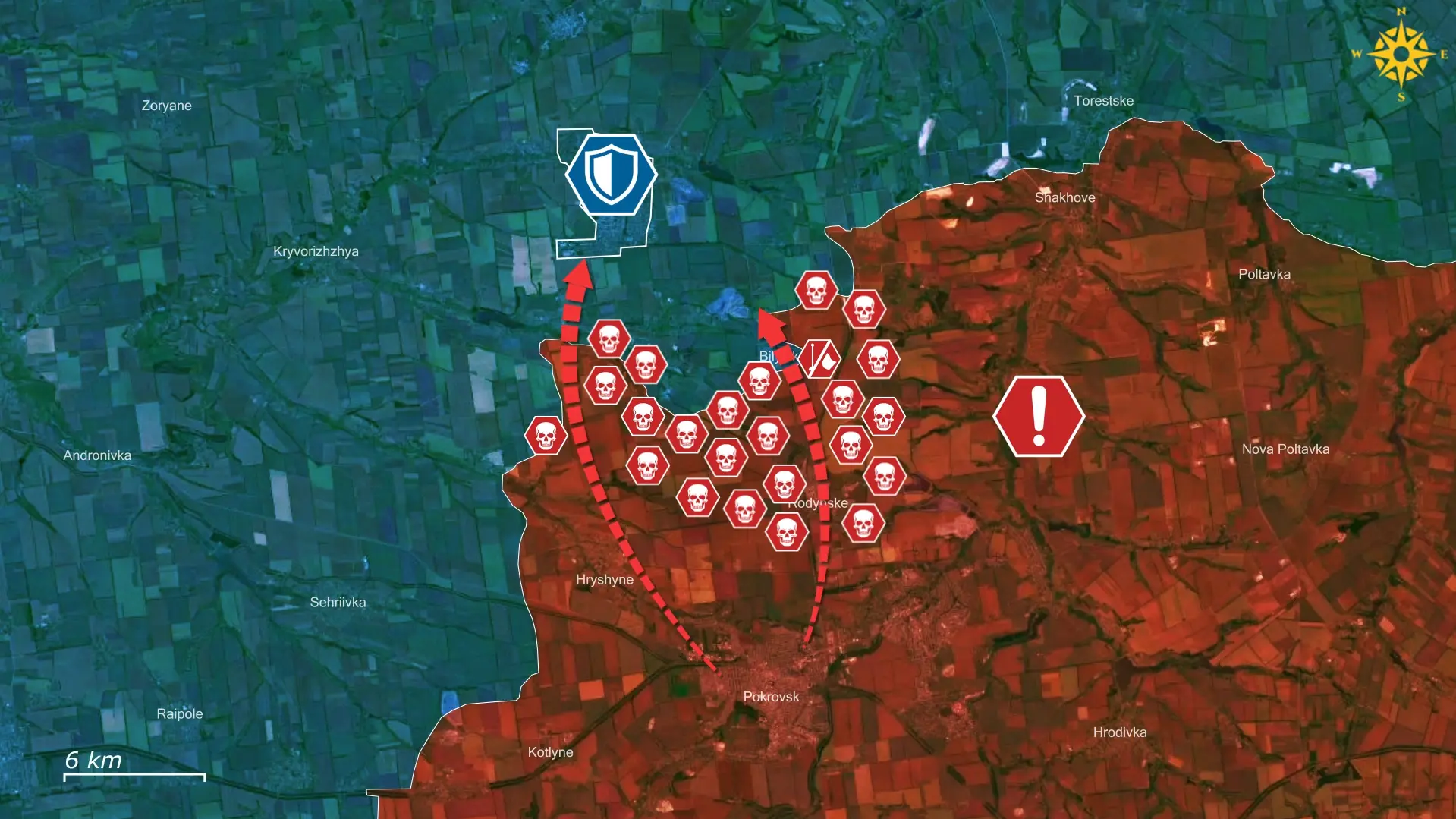
Here, Russian forces attempting to break through toward Dobropillia are walking into an increasingly devastating Ukrainian kill zone, where even the smallest available shelter has become a deadly trap. Despite months of fighting, Russian troops have failed to establish secure control over Bilytske, forcing commanders to continue sending reinforcements through Rodynske and across exposed approaches.
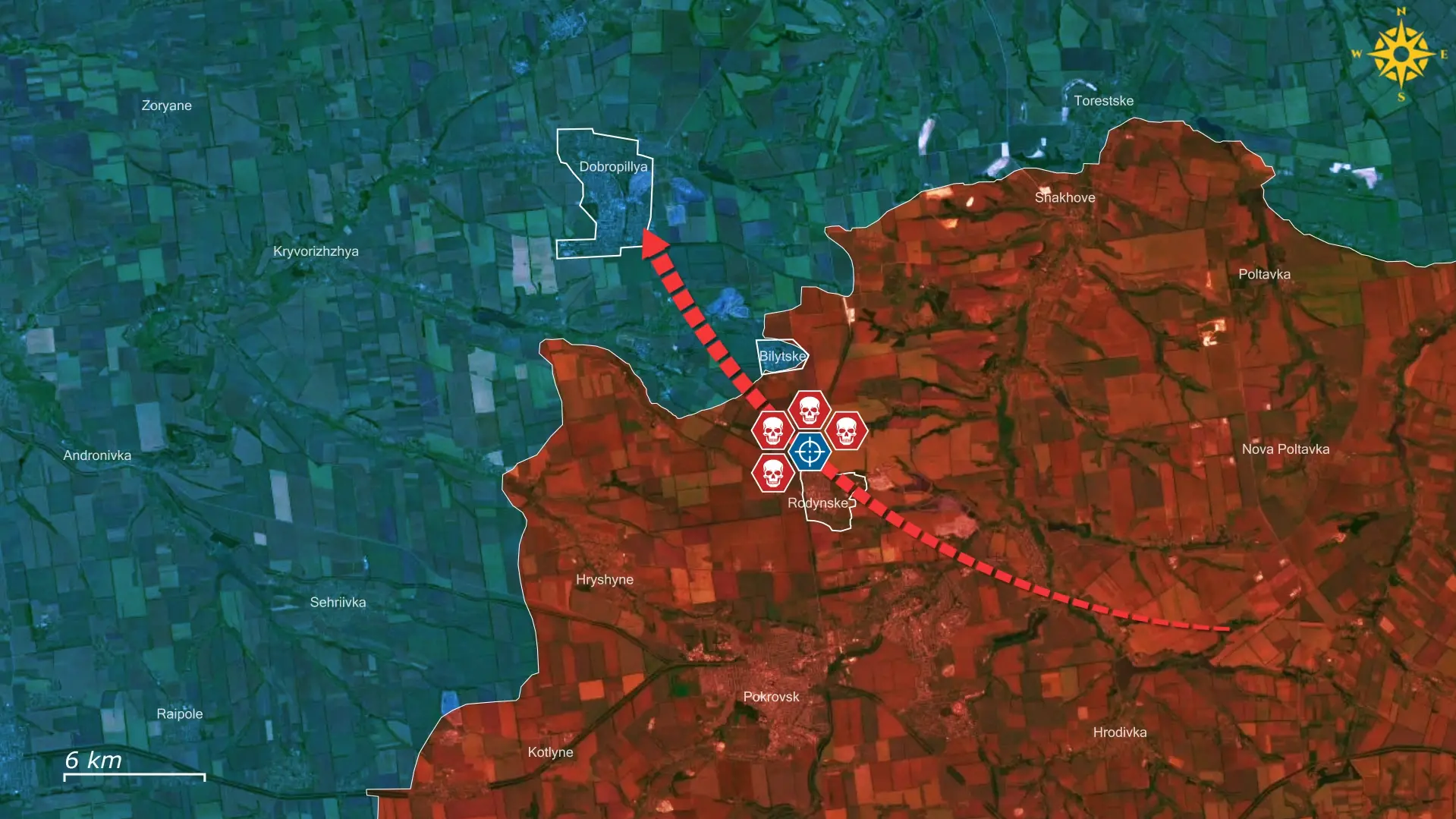
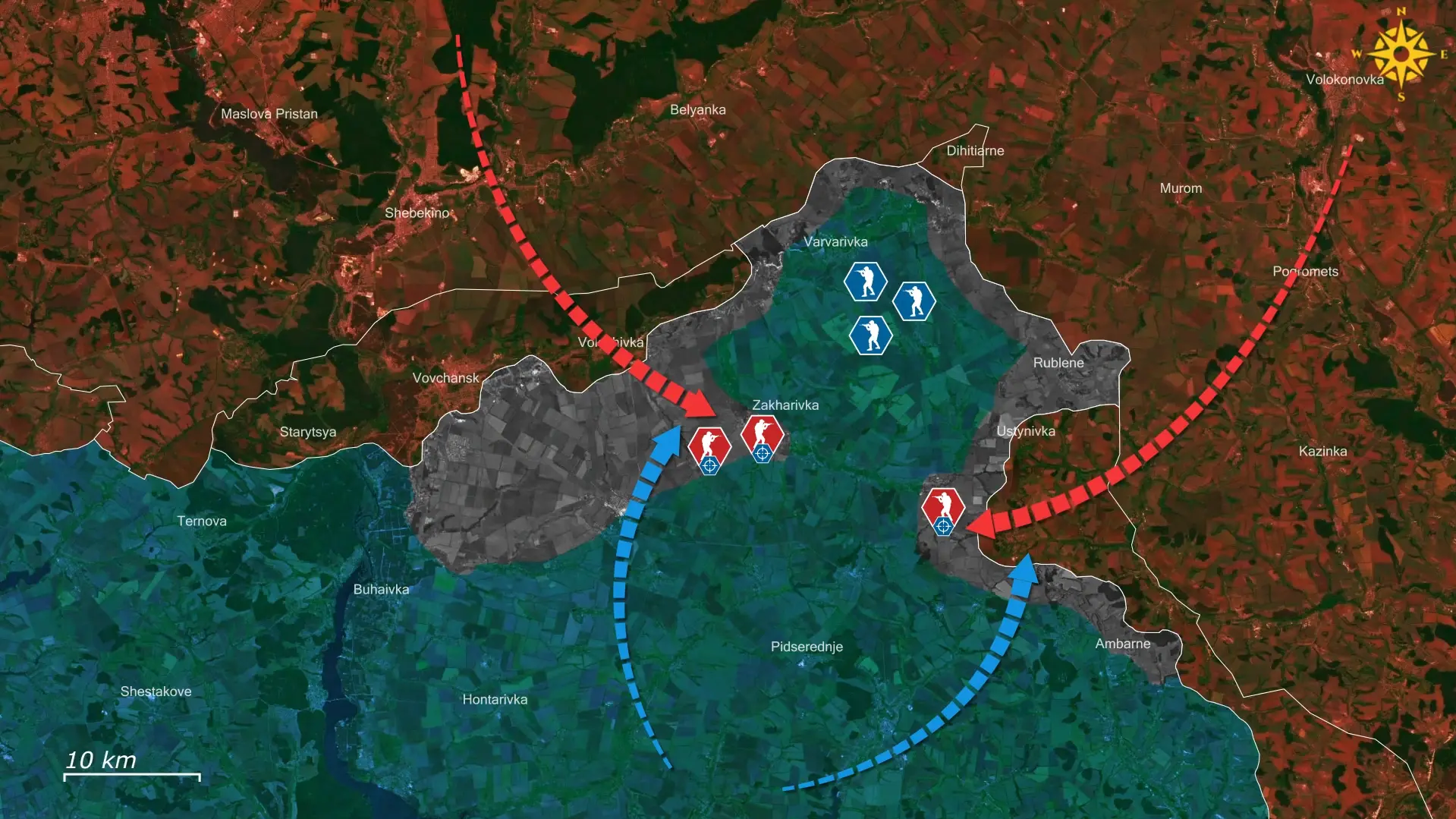
The Russian goal remains unchanged to push north and west, reach Dobropillia, and establish another foothold from which to expand their offensive beyond Pokrovsk. To accomplish this, Russian assault groups are advancing along two narrow routes extending from Rodynske. These approaches offer limited concealment through vegetation and terrain features, but much of the surrounding landscape consists of exposed fields, and that is precisely where Ukrainian drone operators have established their ambushes.
Ukrainian reconnaissance drones continuously monitor Russian movement, while FPV operators wait for soldiers to emerge from cover. Small infiltration groups attempting to cross the open ground become vulnerable long before they reach the frontline, with the resulting casualties being enormous.
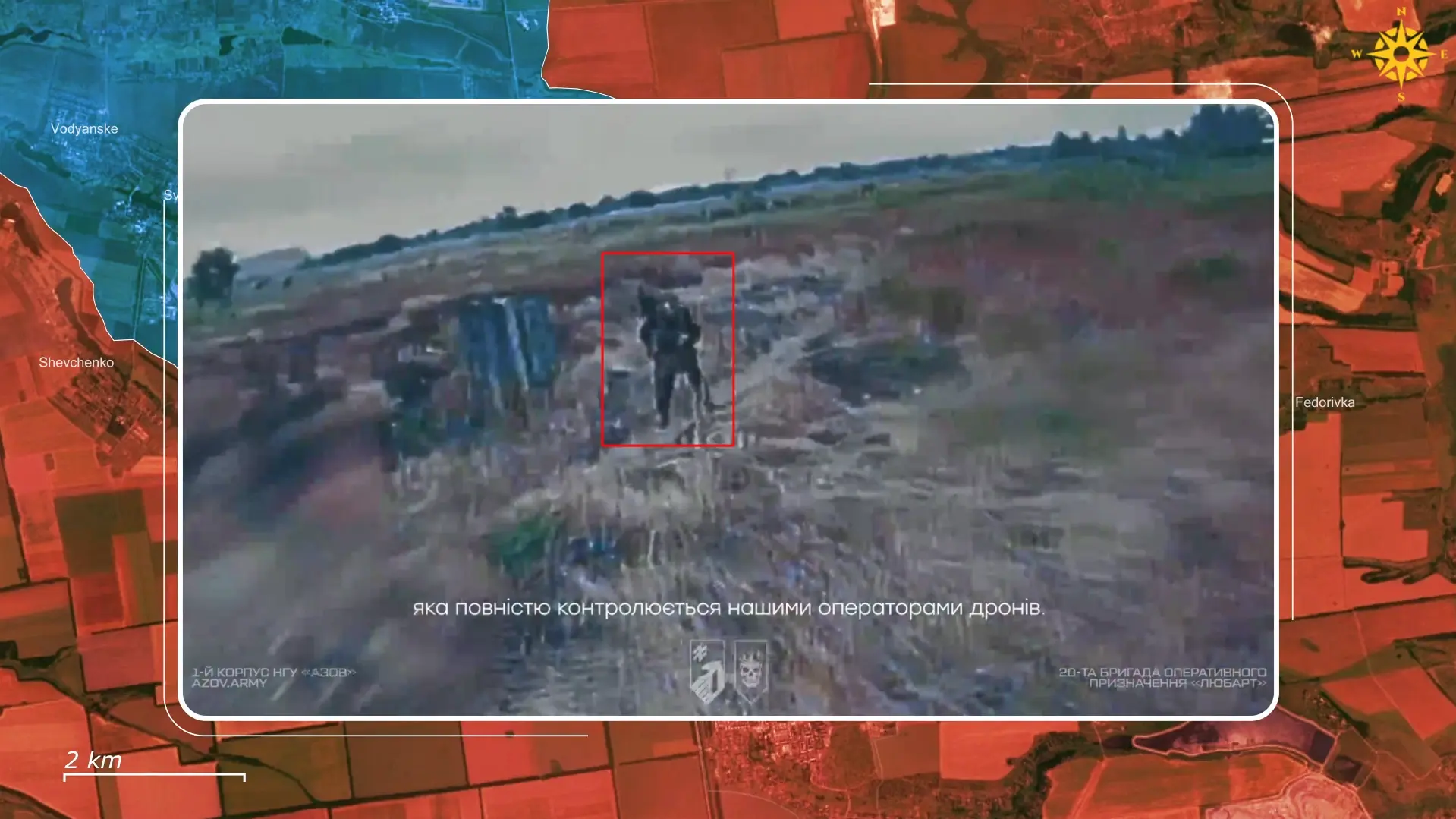
During September alone, Ukraine’s Lubart Brigade, operating within the Azov Corps, reported killing three-hundred-and-sixty-one Russian soldiers and wounding another two-hundred-twenty-nine along these approaches near Rodynske.
But one location illustrates the brutality of the fighting, as Russian soldiers wounded during these attacks frequently receive no assistance or evacuation. Those capable of moving desperately search for shelter, yet the surrounding fields provide almost nowhere to hide.
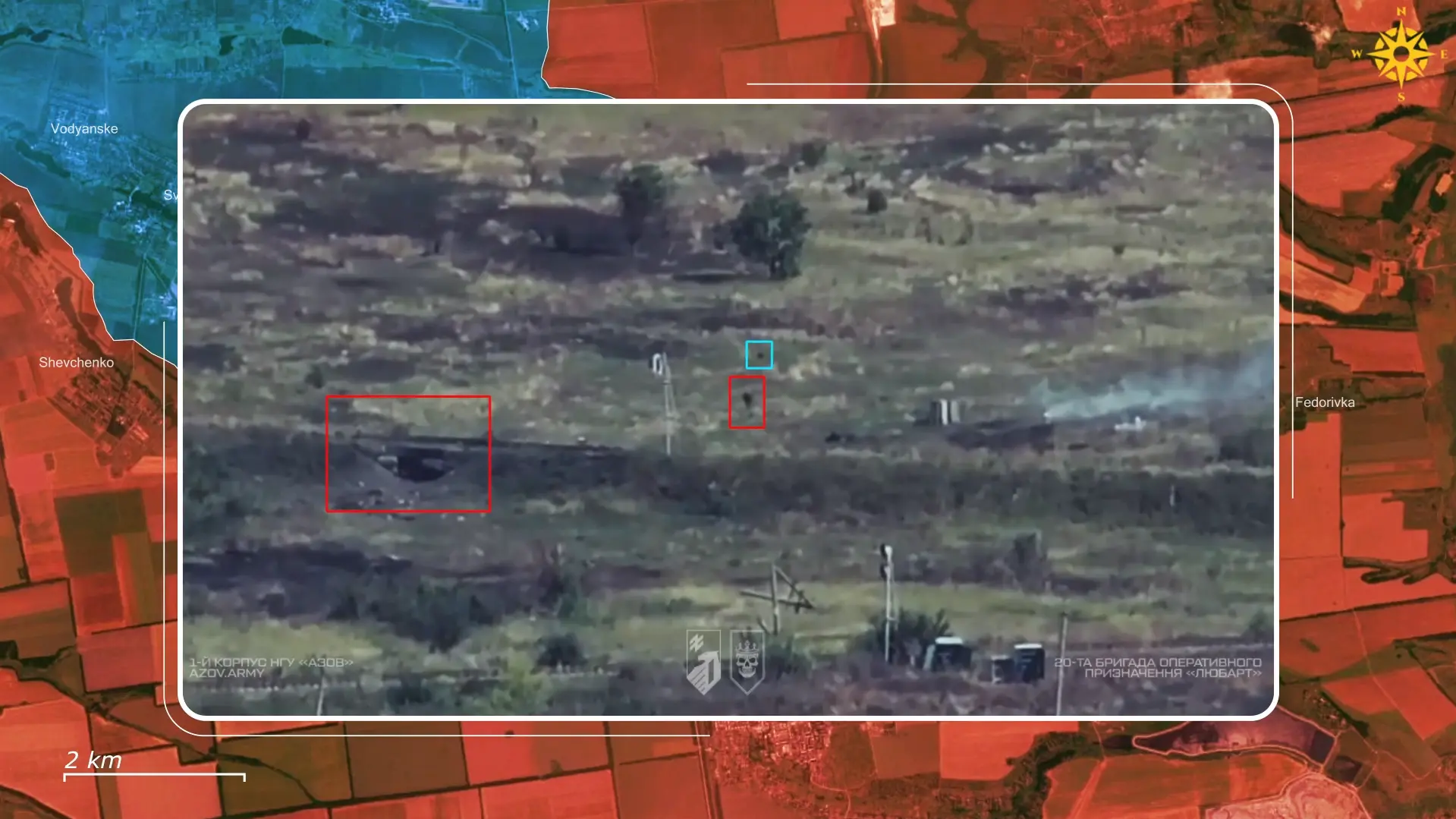
One of the few available structures is a narrow funnel beneath a railway embankment, and the Russians try reaching it, hoping the concrete structure will protect them. Instead, Ukrainian operators recognized the predictable movement pattern and began monitoring the passage itself, with FPV drones positioned to intercept Russians approaching the shelter, turning what appeared to be a refuge into another deadly ambush.
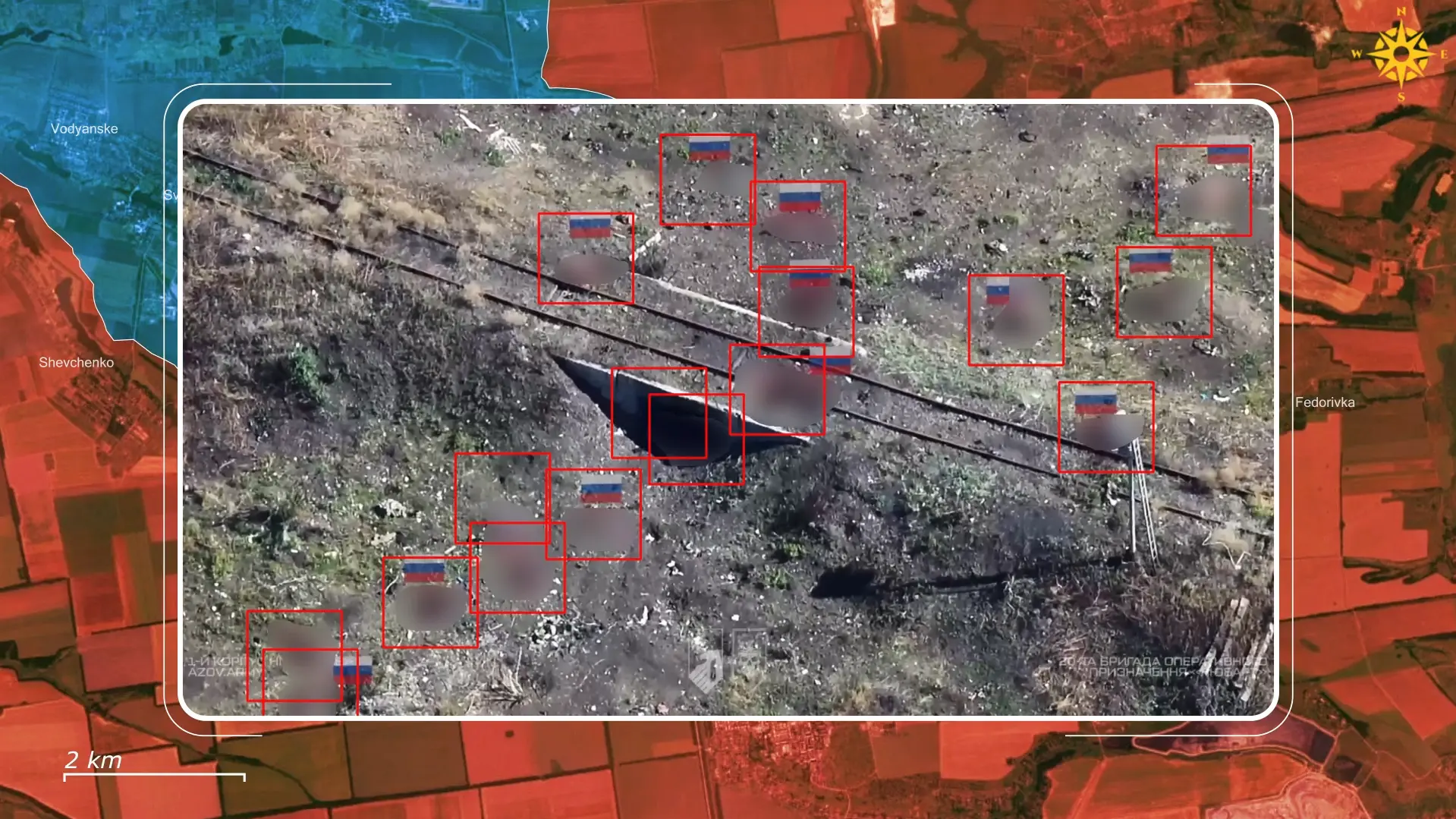
Repeated Russian attempts to use the same route have reportedly left dozens of bodies around the railway crossing, with Ukrainian footage showing casualties scattered along the approaches, marking the path of successive infiltration groups, leading to the railway passage being turned into a death funnel. Yet Russian commanders continue sending additional soldiers through the surrounding fields and into it, because alternative approaches offer even little protection.
This reflects the broader failure of Russia’s offensive north of Pokrovsk, because since capturing the city in February, Russian forces have attempted to exploit this by advancing toward Dobropillia. However, Ukrainian drone defenses have reduced their progress to a costly struggle for individual positions, with nearly twenty thousand killed and more than ten thousand wounded Russians in the sector since the capture. Territorial progress has been considerably less impressive, with Russian military commentators describing advances measured in mere tens of meters.
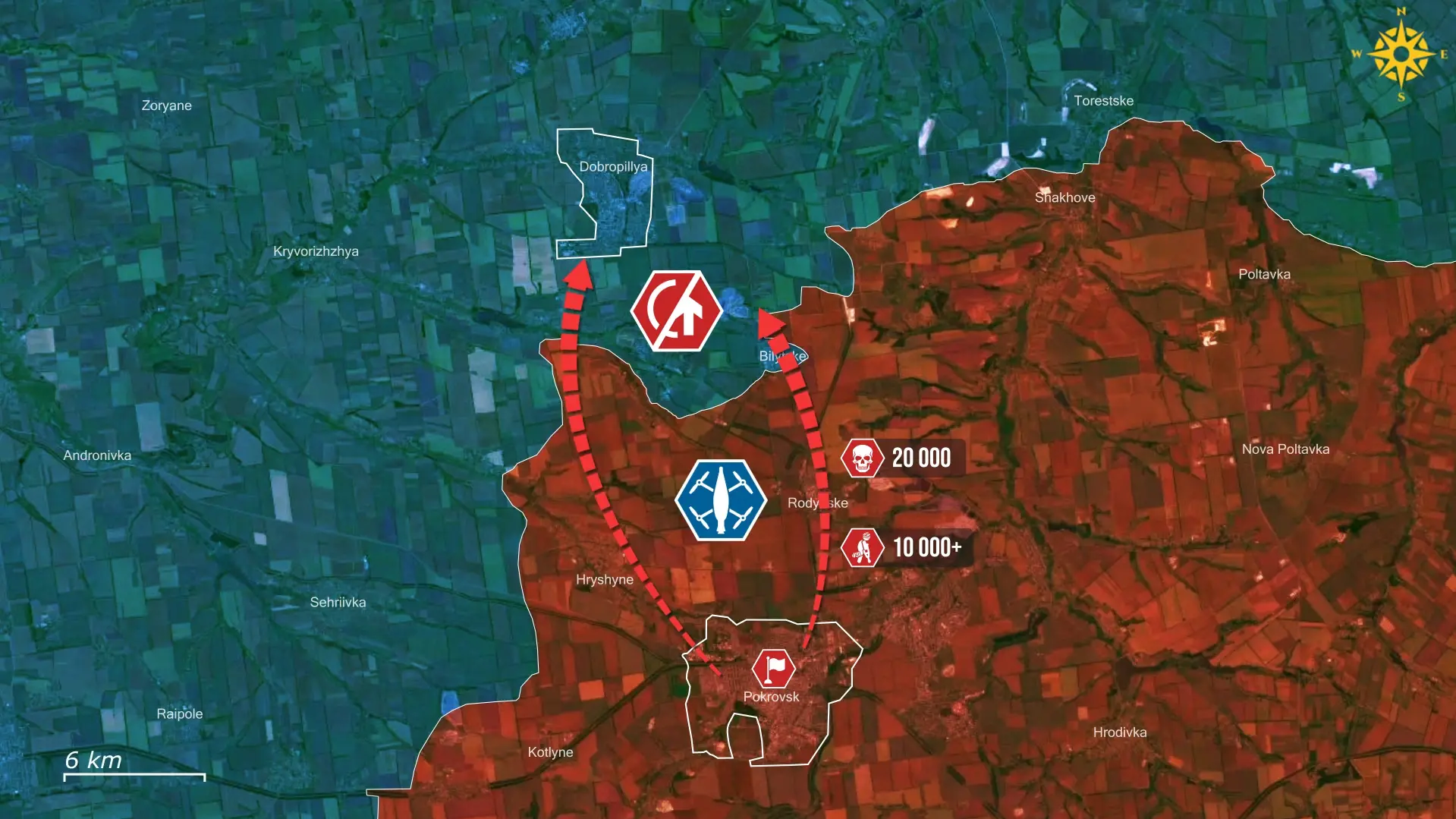
However, time is becoming another enemy now, as the Russian commanders need to reach Dobropillia before autumn rains transform the surrounding fields into deep mud. Infiltration groups already struggling across exposed terrain would become slower, before the incoming winter introduces additional difficulties, including freezing temperatures, reduced vegetation, and even limited opportunities for concealment. Capturing Dobropillia would provide buildings, basements, and hardened positions where Russian troops could shelter, consolidate, and prepare further operations, but reaching those positions requires surviving the Ukrainian drone defenses first.
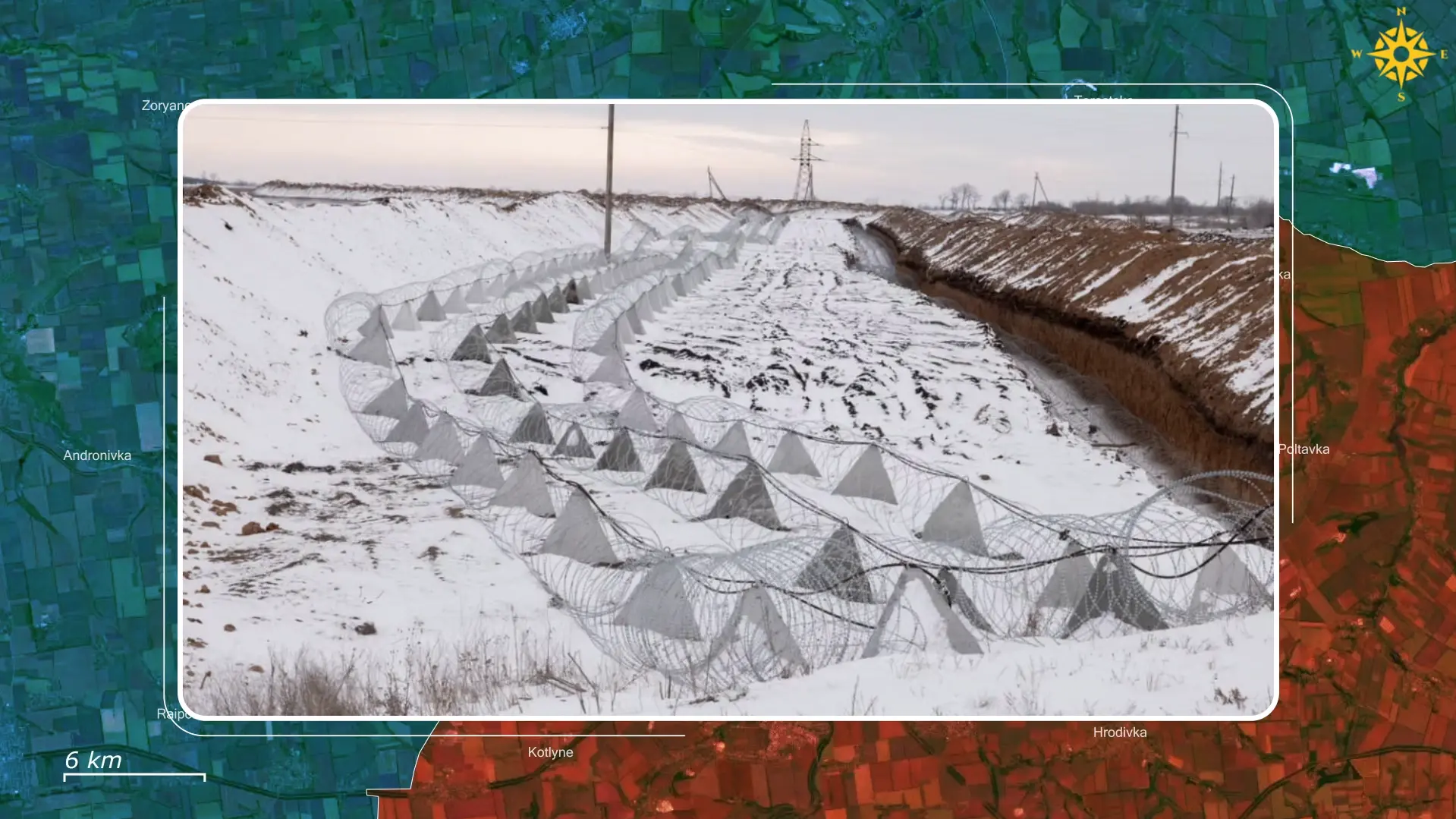
Overall, despite sacrificing thousands of soldiers along the approaches to Dobropillia, Russian forces remain unable to securely control even Bilytske or establish a substantial foothold on Dobropillia’s outskirts. The worsening weather therefore threatens to expose the limits of Russia’s capabilities beyond Pokrovsk: the Russian army captured the city, but its troops are still paying an extraordinary price simply trying to advance beyond it.



Comments