


Today, the biggest news comes from the Russian Federation.
Here, the Russian High Command’s latest briefing on the state of the war shows how detached they really are from the real situation on the ground. While Ukrainians are exploiting this detachment to the maximum militarily, it also exposes a massive problem for Ukraine and its western allies as a whole, as a delusional enemy could be more dangerous than a sane one.
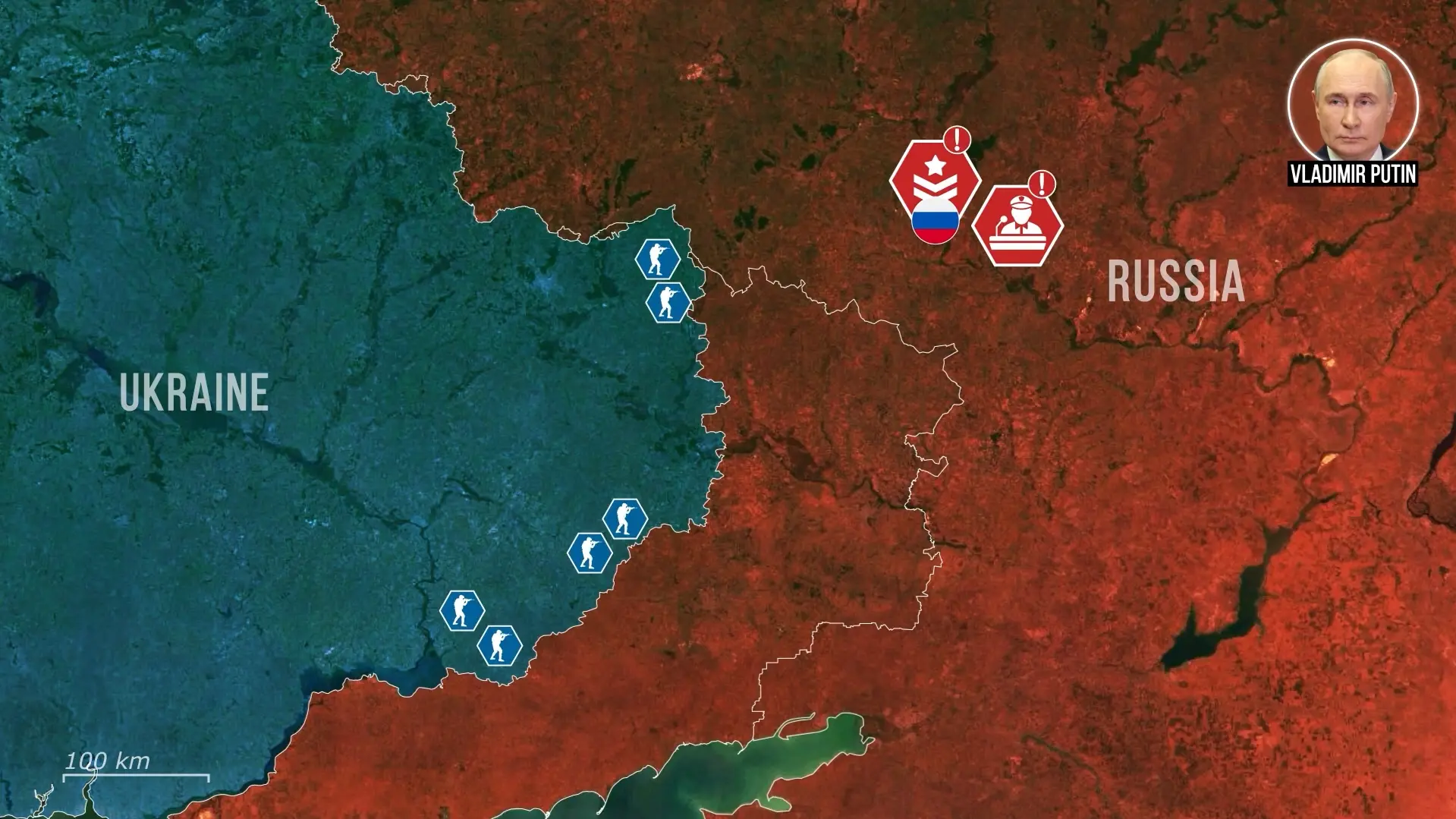
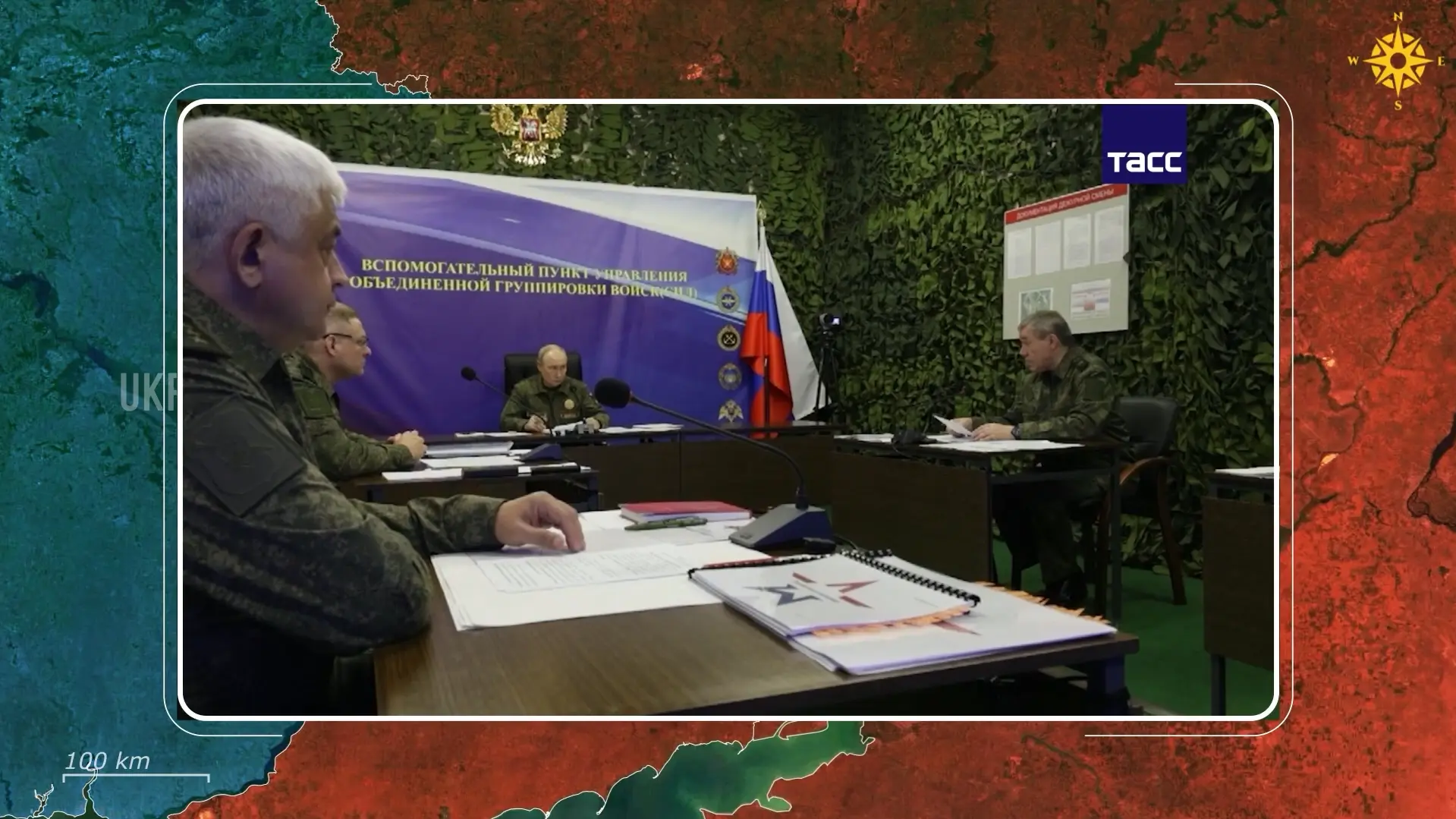
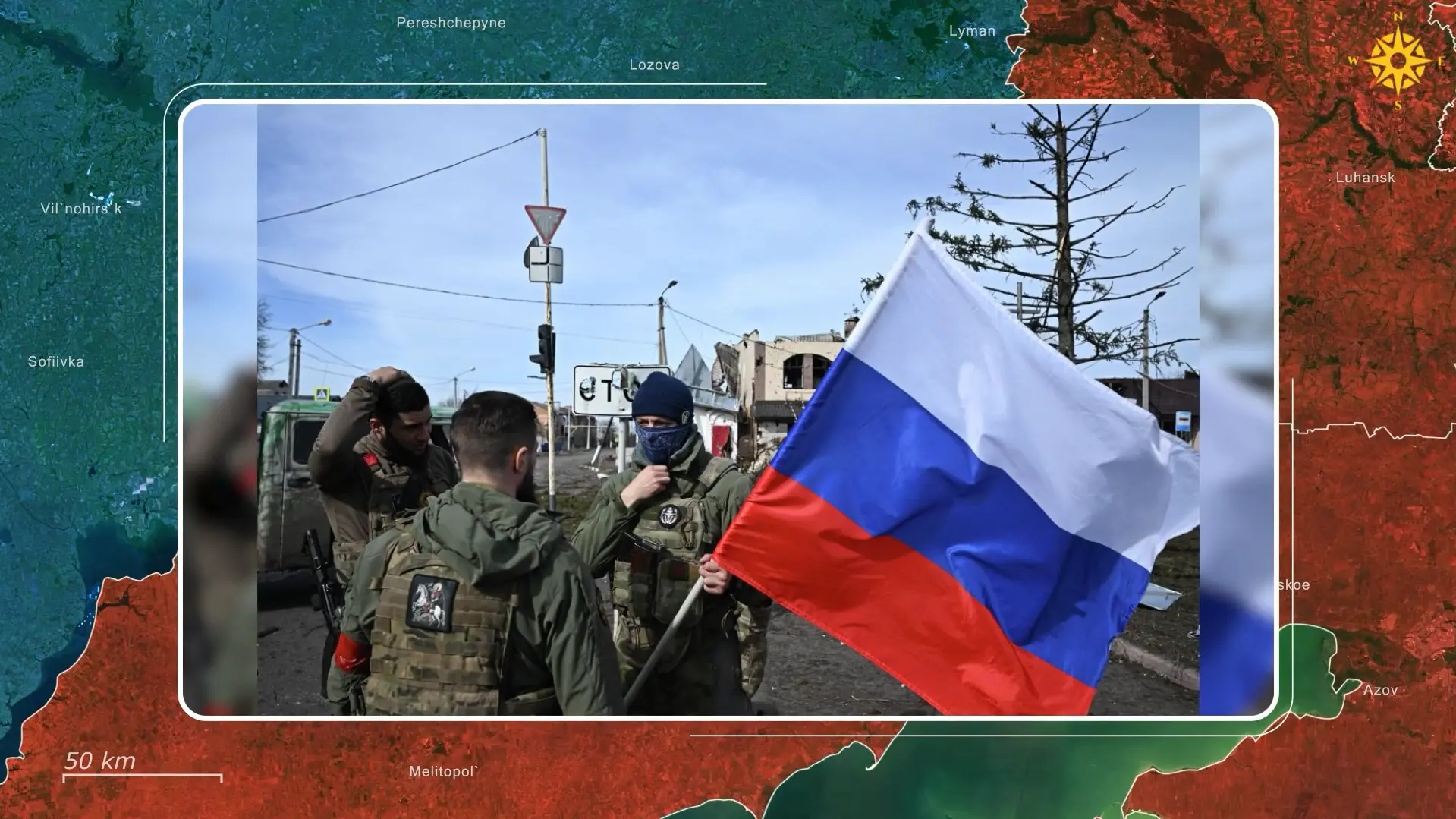
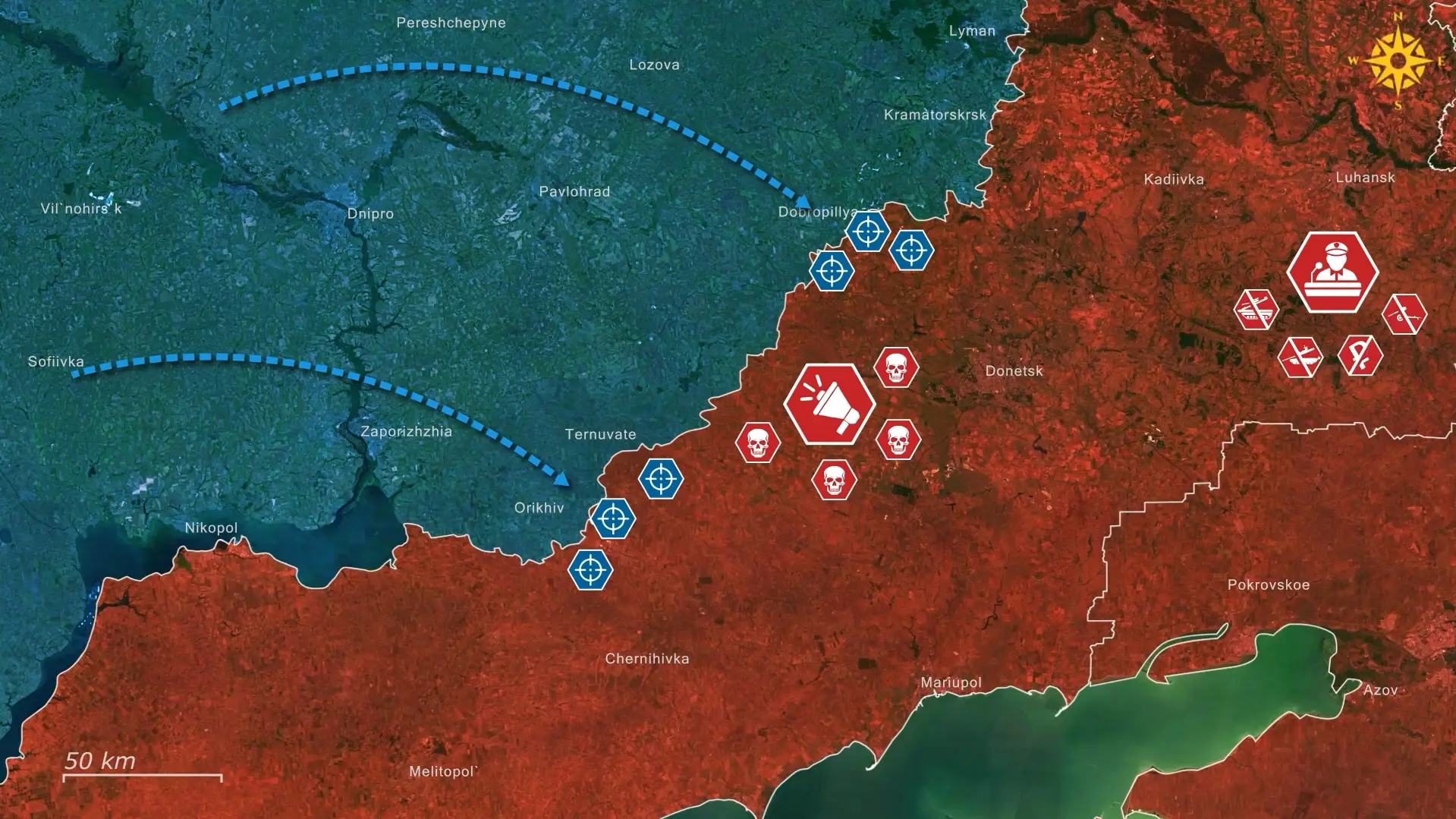
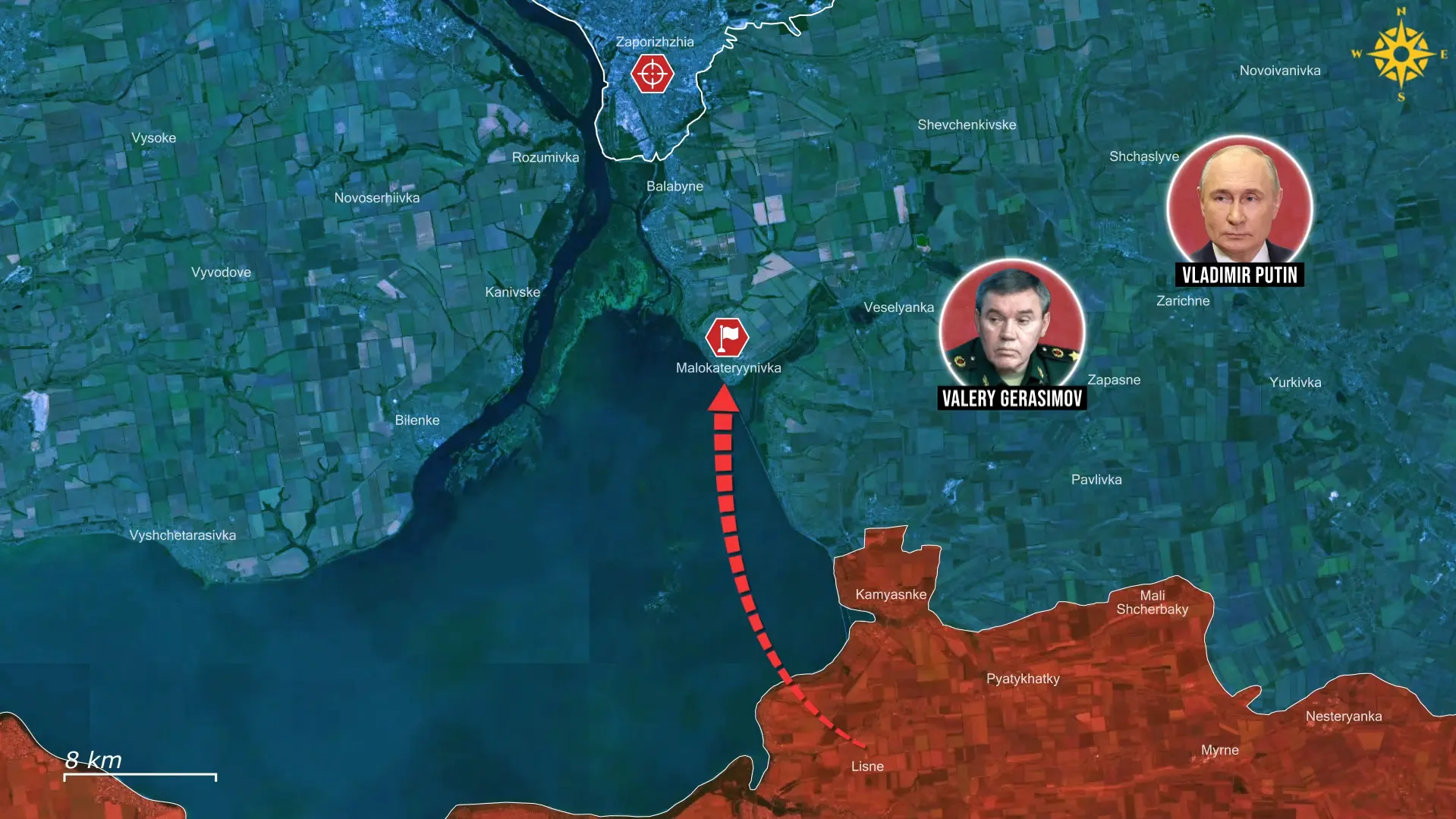
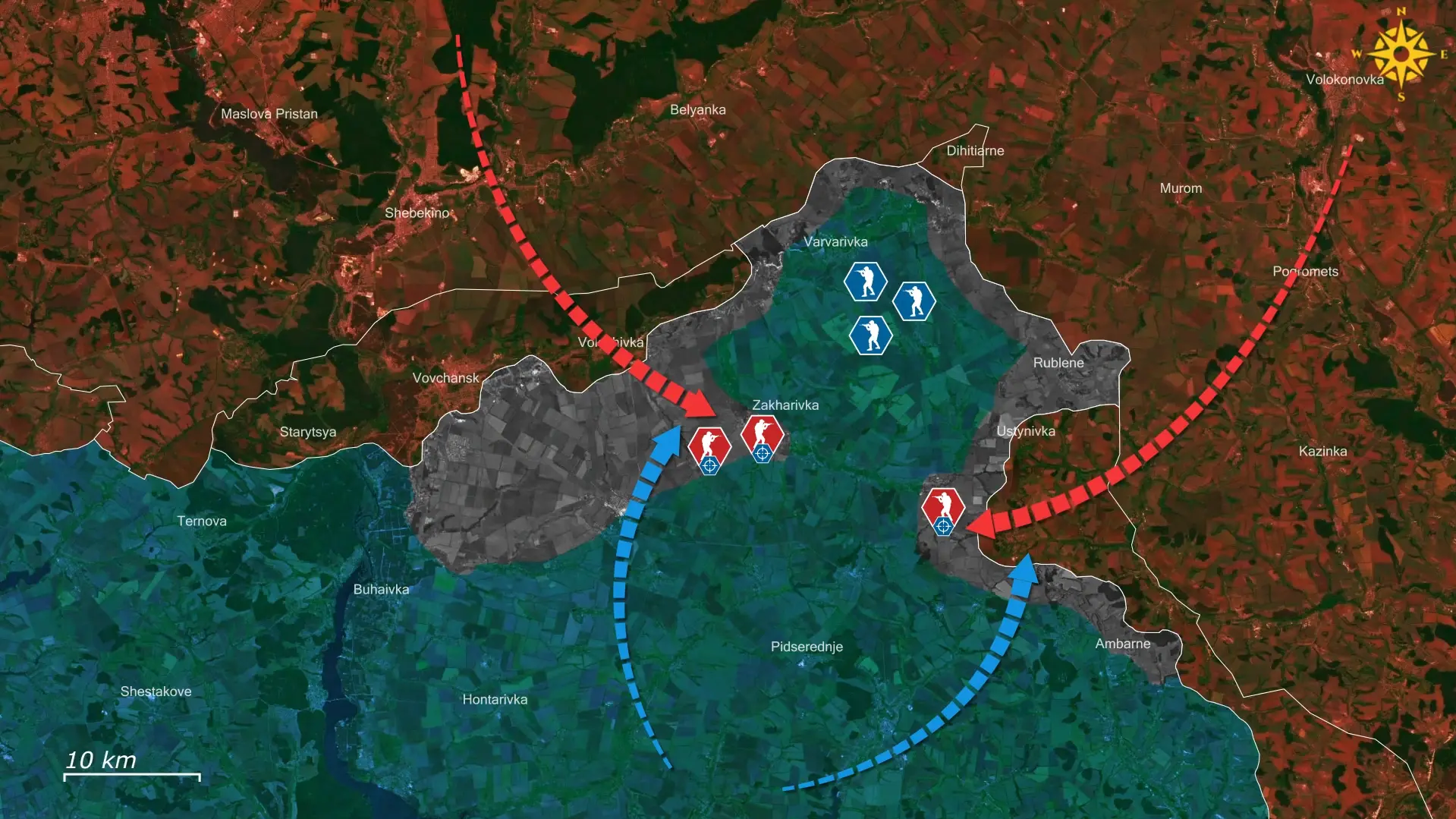
During Putin’s latest briefing on the war, Russia’s top generals presented him with a completely distorted picture of what is happening on the battlefield. Chief of the General Staff Valery Gerasimov described Russian forces as advancing far beyond their actual positions, including claims of major progress around Dobropillia and an encirclement in the Kharkiv region that does not exist. Russian troops were even sent into Dobropillia to briefly raise flags and manufacture evidence supporting these supposed gains. The real problem begins inside the Kremlin, because these reports are reaching Putin as official battlefield assessments, and he appears to genuinely believe that Russia is winning.
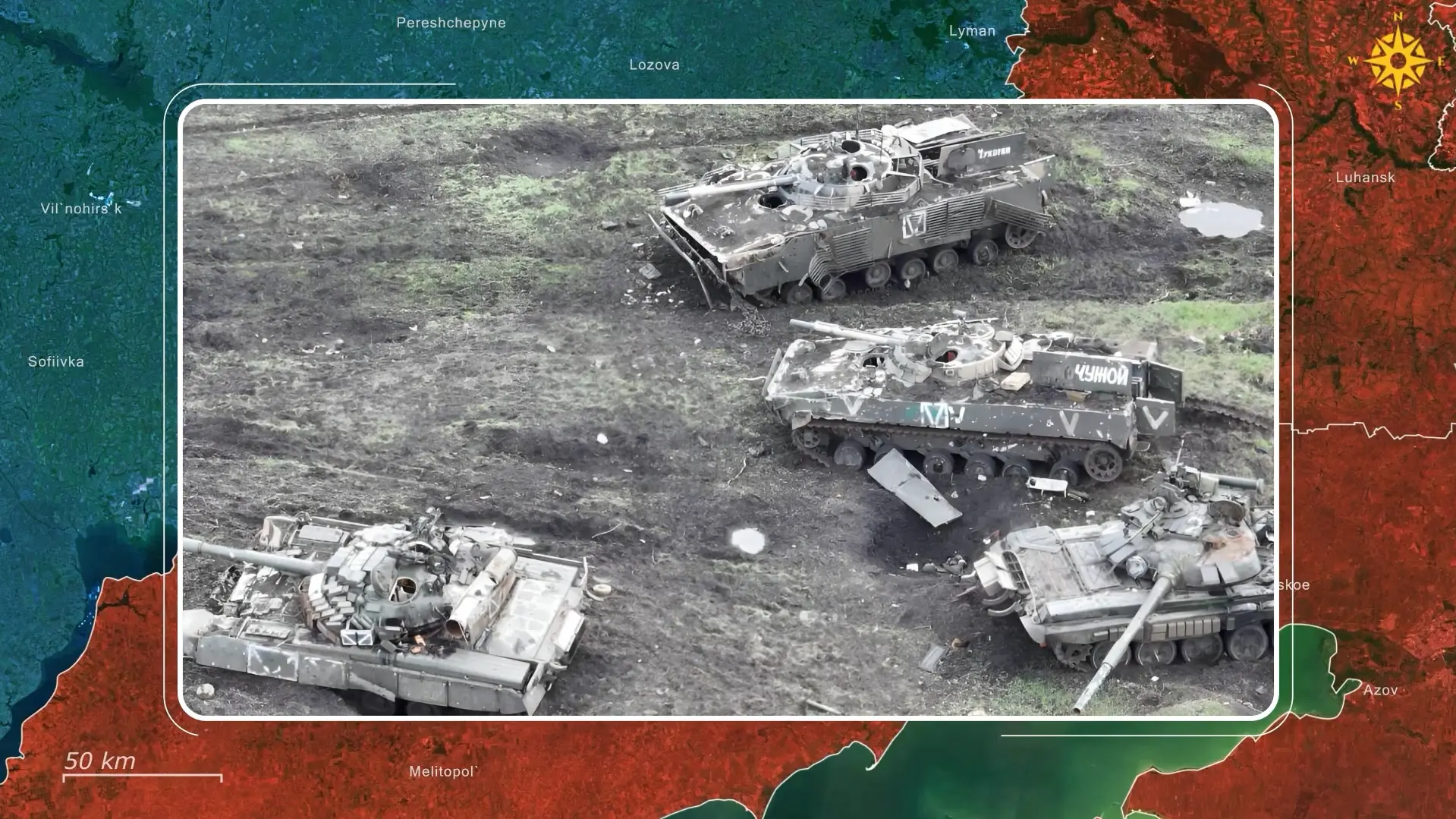
That distorted picture is already causing serious damage to Russian forces on the ground, because commanders are being pushed to achieve objectives that their own reports claim are already within reach. Russian units keep attacking exhausted sectors, reinforcing exposed positions, and committing more manpower and equipment to advances that have already stalled. Ukraine has repeatedly exploited that pressure by striking weakened formations and launching counterattacks once Russian offensive power is drained. The clearest example is the Ukrainian counteroffensive north of Lyman, where months of costly Russian assaults exhausted the forces holding the salient and gave Ukrainian troops the opportunity to break through and regain ground. Similar Russian overcommitment across the frontline is creating further opportunities for Ukraine, as Moscow keeps spending combat power trying to make the real battlefield resemble the successes already reported to Putin.
The larger danger begins once these false reports shape Putin’s decisions about the war itself. From the Kremlin, repeated claims of Russian advances make the current strategy appear successful and convince Putin that continued pressure is bringing Ukraine closer to defeat. Russian losses stop functioning as a warning that the war is becoming too costly, because he is being told that those losses are producing steady territorial progress. That gives Putin every reason to expand the same approach through larger offensives, broader mobilization, and heavier missile and drone strikes against Ukrainian cities, while truces and ceasefires become less attractive when he believes Russian forces are already winning. The more success his generals invent on the battlefield, the stronger Putin’s incentive becomes to continue and escalate the war.
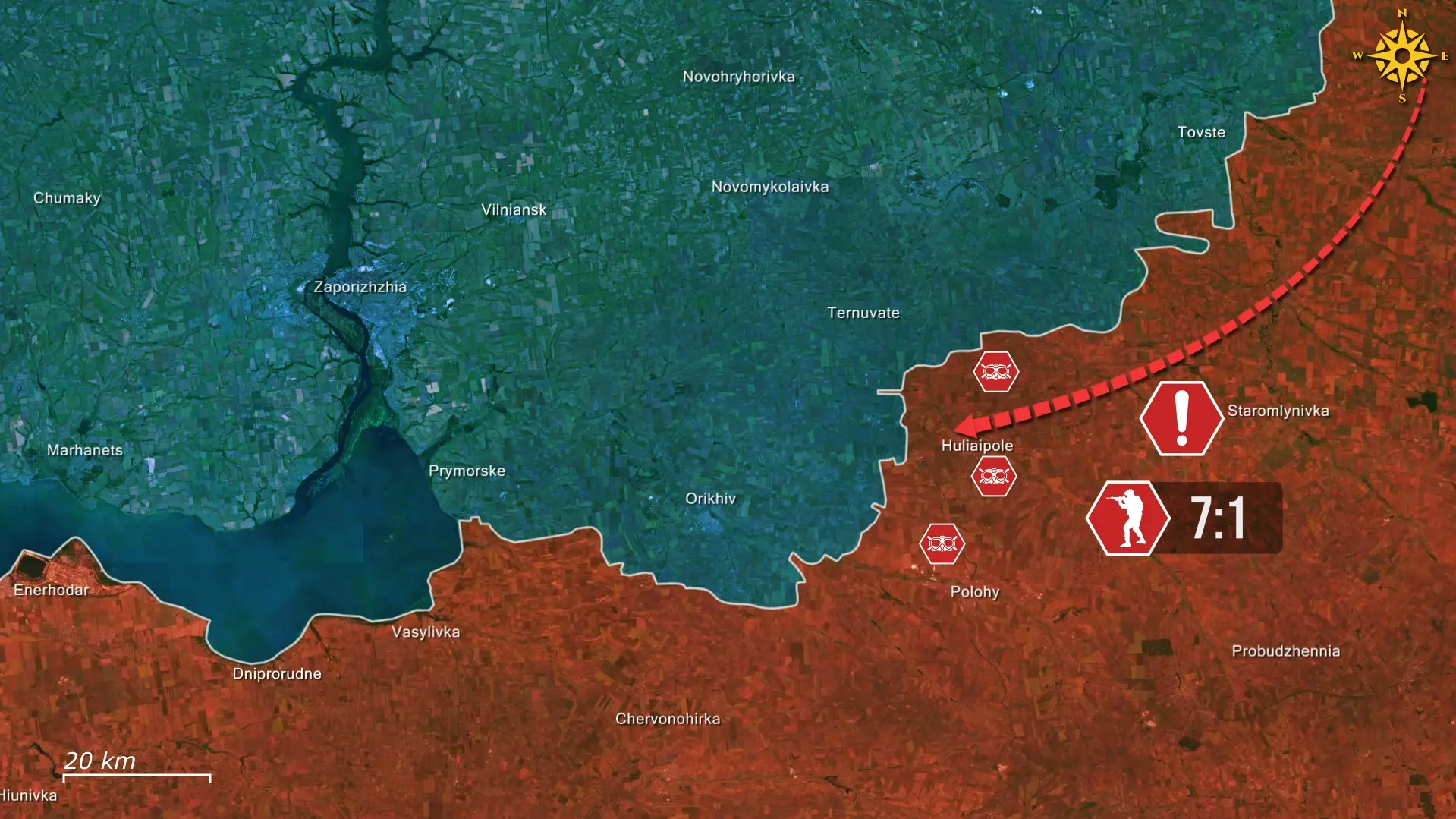
For example, the claim that Russian forces are now only five kilometers from Zaporizhia shows how these false reports can turn into real military decisions. Once Putin is told that his troops are already approaching the city, Russian commanders come under pressure to prepare Zaporizhia itself for attack, increasing glide bomb strikes and moving artillery farther forward so more systems can reach the city directly. That movement reduces Russian fire support on the front while placing valuable artillery systems and aircraft operating around the sector closer to Ukrainian reconnaissance, drones, and medium-range strikes. Ukraine gains more opportunities to destroy Russian assets as they are pushed toward the front. Yet that military advantage comes alongside a far more dangerous situation for civilians as Zaporizhia faces heavier bombardment. Putin also has little reason to abandon the offensive when the reports reaching him say Russian forces are already standing just outside the city. A fabricated advance on a briefing map produces real Russian losses, real attacks on Ukrainian civilians, and another reason for the Kremlin to continue an offensive built around progress that never happened.
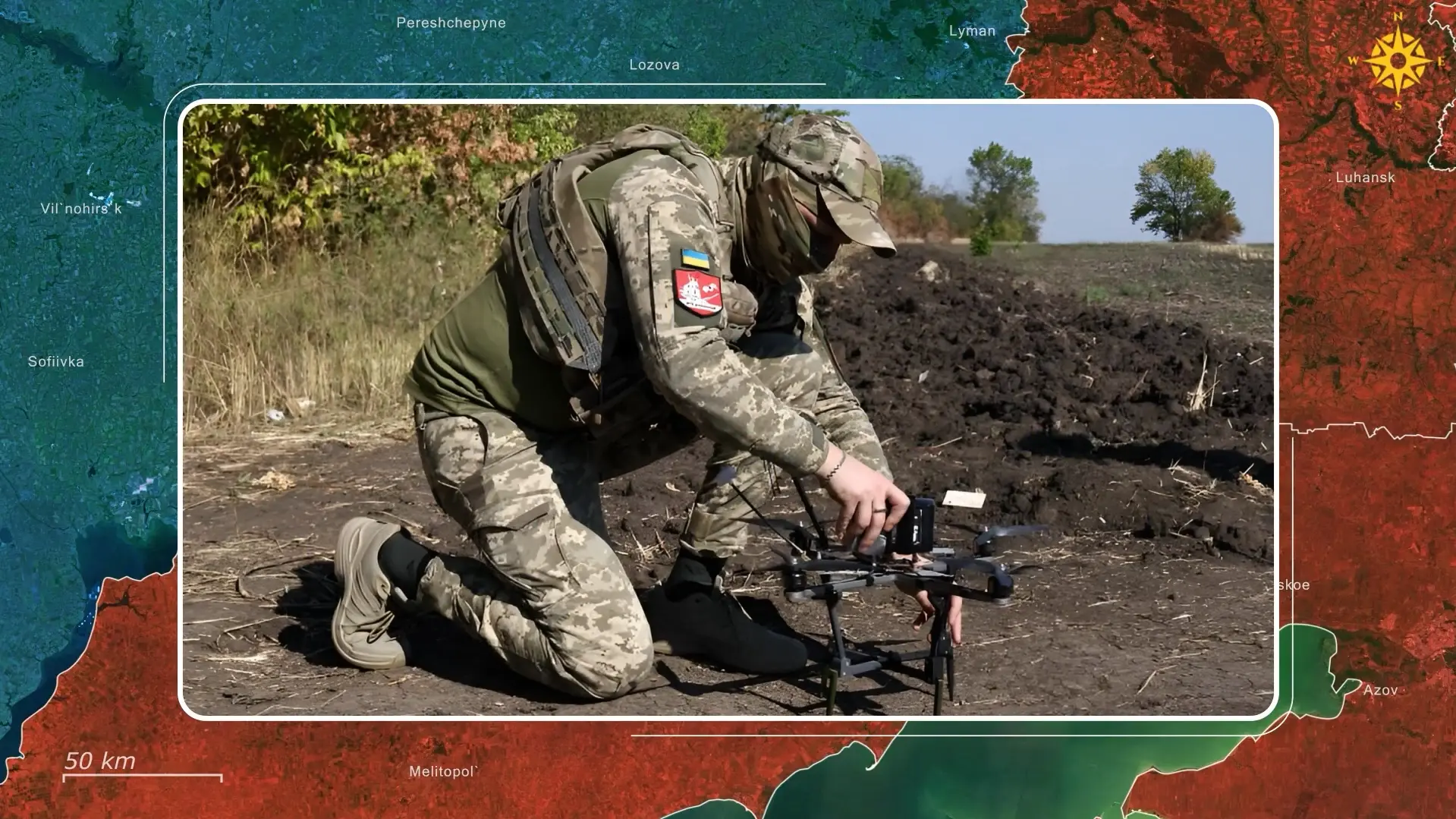
Overall, the greater danger is that Russia’s command system now rewards reports of success more than accurate information, making future military decisions increasingly detached from battlefield reality. As long as commanders protect themselves by exaggerating progress, Moscow will keep committing fresh manpower and equipment to objectives that appear attainable only on paper. Ukraine gains a strategic incentive to concentrate pressure on the sectors where Russian leadership has made the largest promises, because failures there become harder to disguise and more damaging inside the Kremlin. The next phase of the war will depend on whether Ukraine can raise the military and economic cost high enough that even Russia’s own reporting system can no longer hide what continuing the war is actually costing Moscow.



Comments