


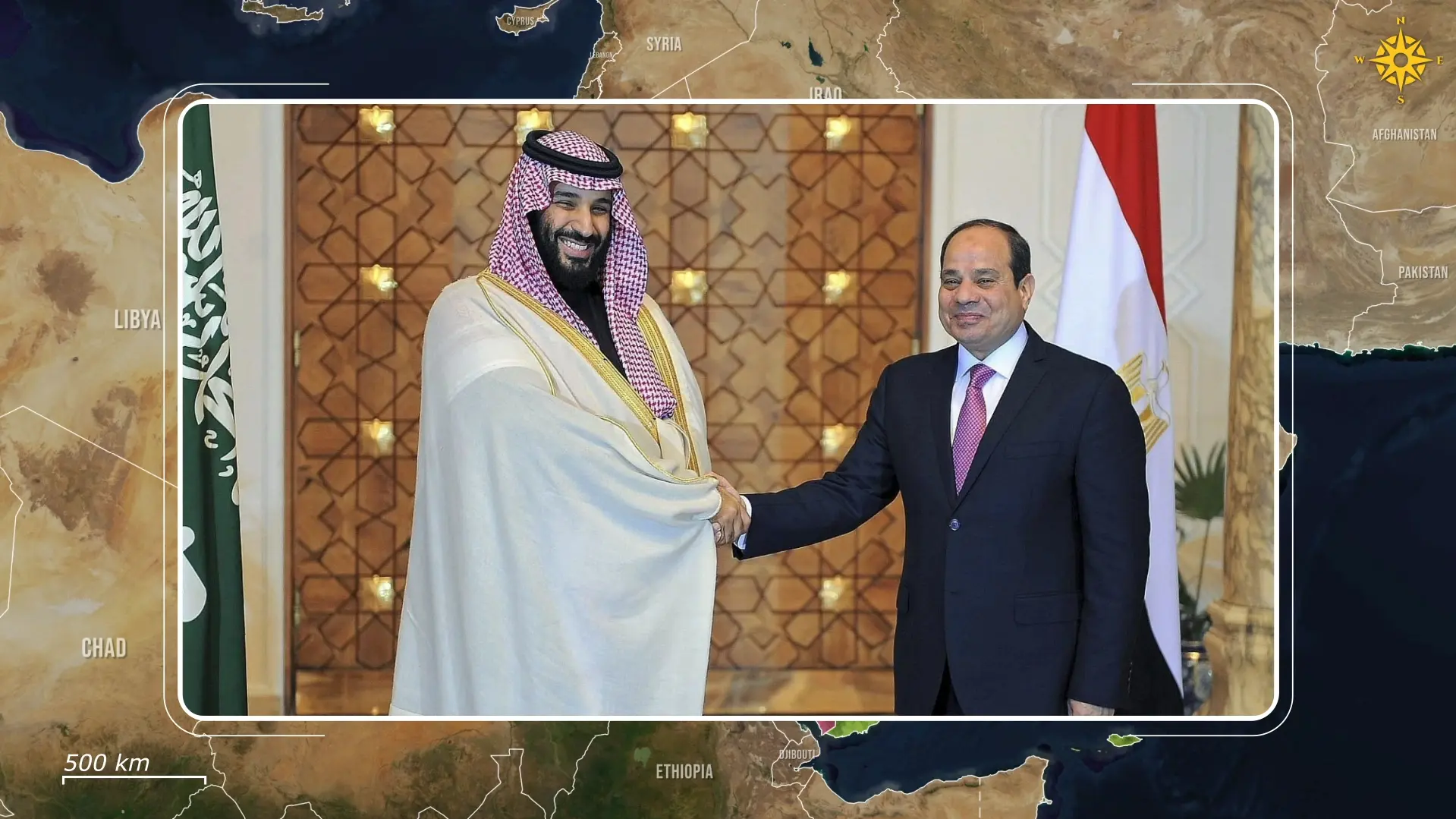
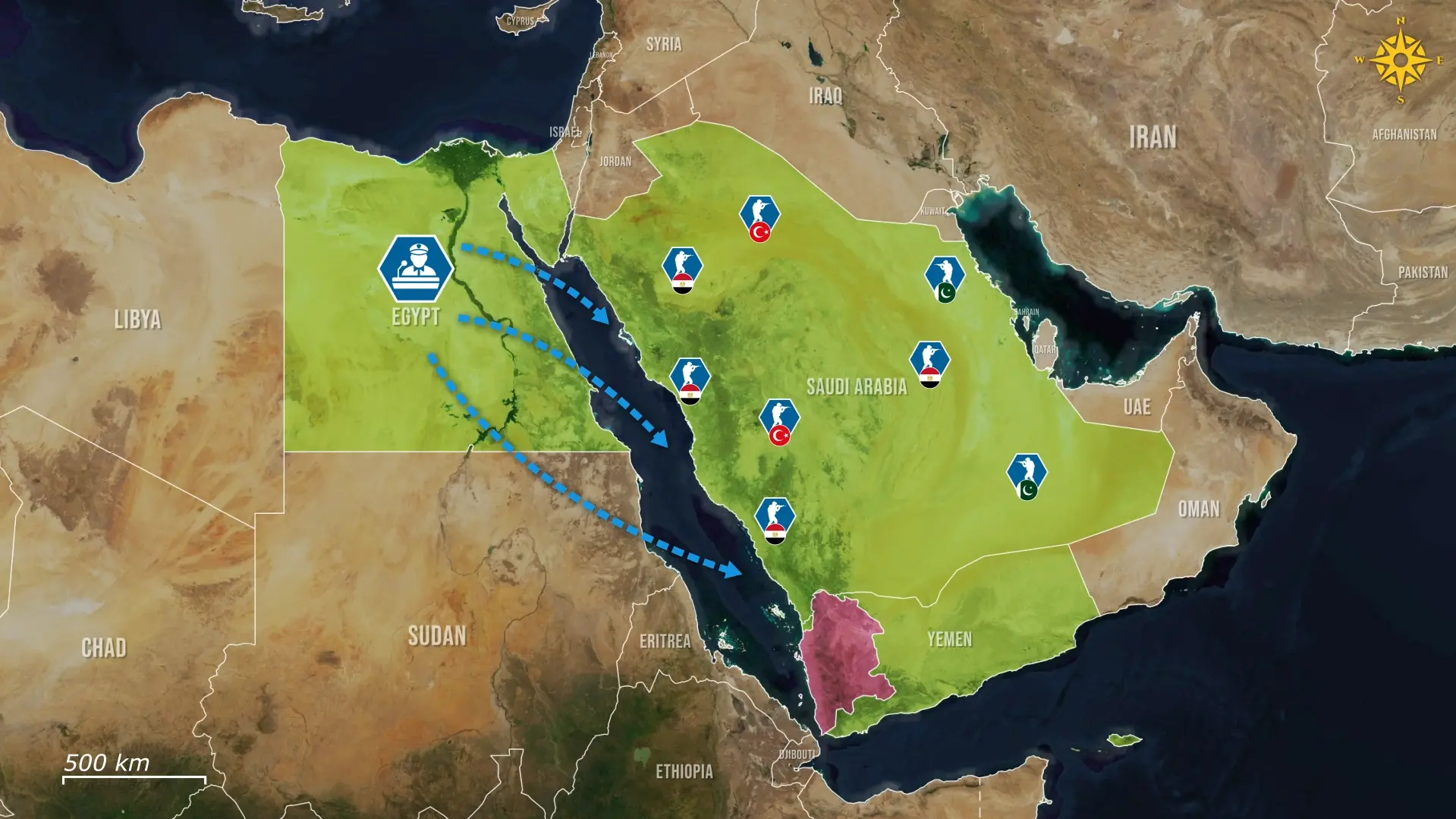
Egypt has taken a significant step towards military involvement in the regional war, with reports mentioning that its National Defense Council approved sending forces to Saudi Arabia following repeated Houthi attacks on the kingdom. The council, chaired by President Abdel Fattah el-Sisi, pledged all necessary support to defend Saudi Arabia’s security, territory and strategic assets. Egyptian MP Mostafa Bakry said the council had approved a defensive deployment, but parliament has postponed its authorization vote until October twenty-six, leaving the mission awaiting final approval. The move could mark a turning point in the conflict, as the first Saudi ally moves towards direct military involvement against Iran-backed forces. Houthi drone and missile attacks have targeted Saudi airports and oil infrastructure, increasing pressure on Riyadh to strengthen its defenses.
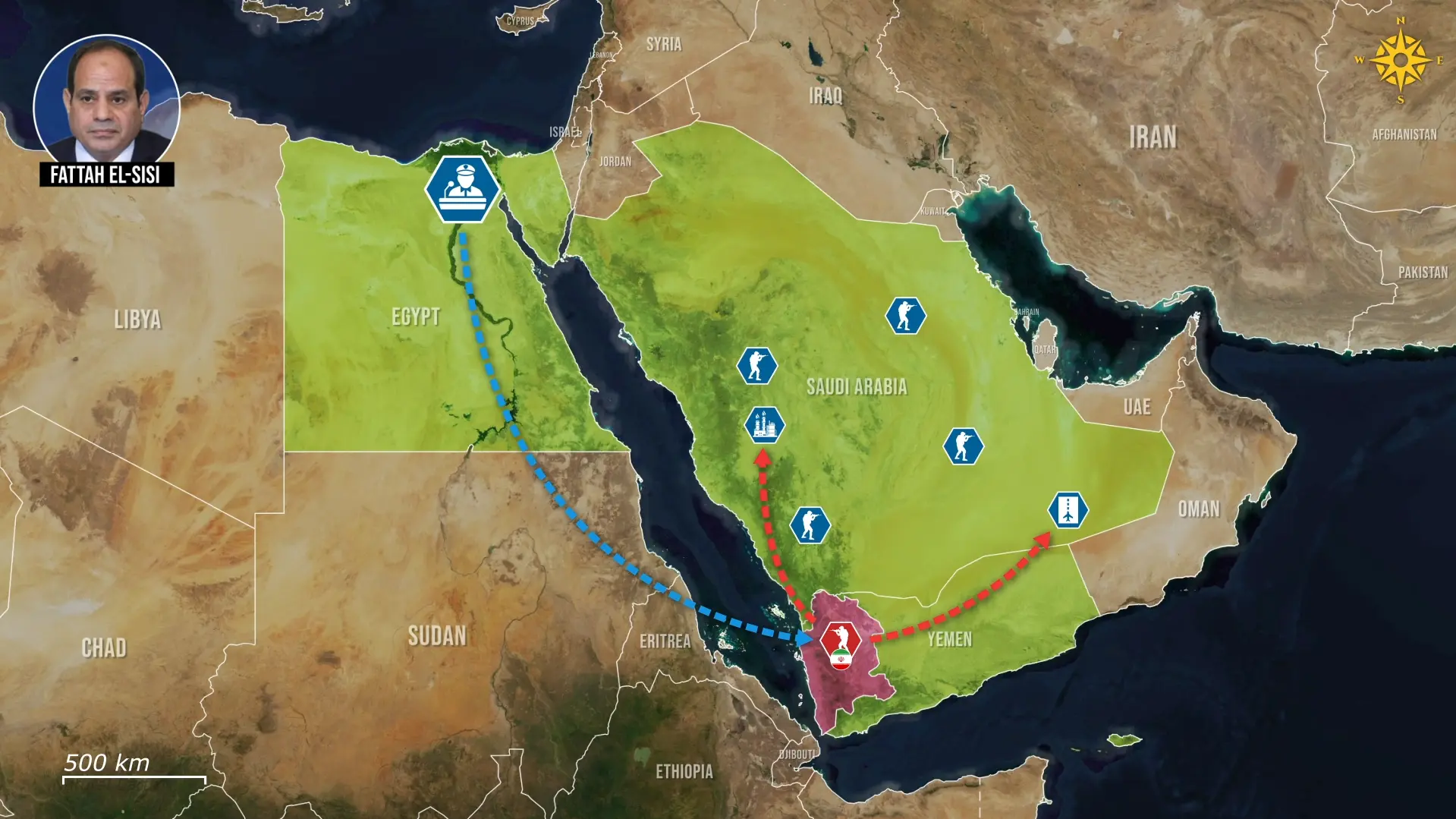
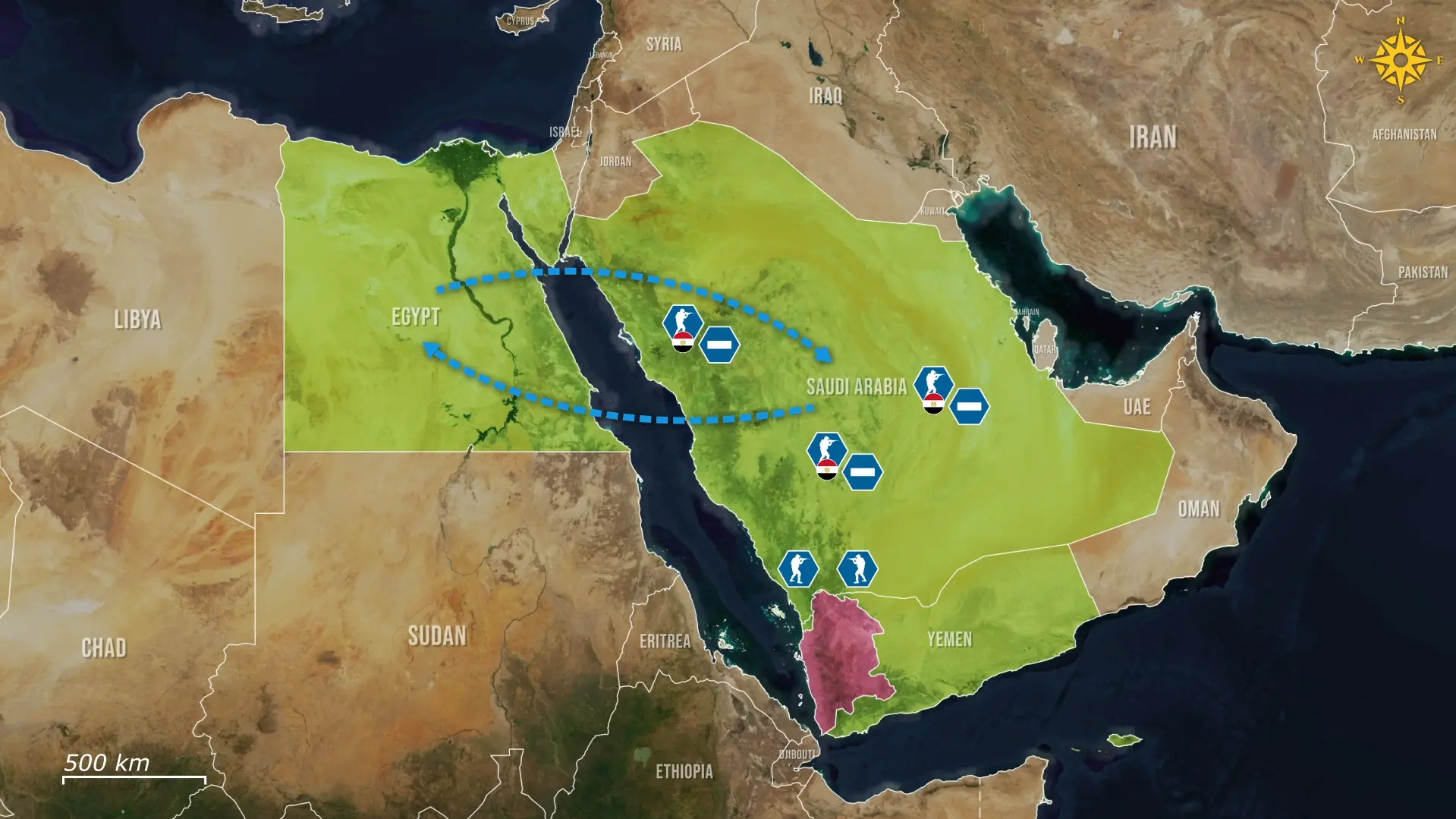
Egypt’s reported deployment is intended to strengthen Saudi Arabia’s defenses rather than open a new front inside Yemen. Egyptian forces could help secure strategic infrastructure and other sensitive sites exposed to Houthi missile and drone attacks. Their presence would also allow Saudi forces to redistribute personnel and resources, easing the burden on units responsible for protecting the kingdom’s territory and critical assets. This arrangement would give Riyadh additional defensive capacity while allowing Cairo to support its ally without immediately committing troops to ground operations against the Houthis. The distinction is important because a deployment inside Saudi Arabia does not automatically mean Egyptian forces will enter Yemen or participate in offensive operations. The key uncertainties concern the number of troops involved and the rules governing their response if Houthi forces attack them.
Egypt’s interest in containing the Houthis extends beyond its strategic partnership with Saudi Arabia. Repeated Houthi attacks on commercial shipping have disrupted traffic through the Red Sea, prompting many shipping companies to divert vessels around the Cape of Good Hope rather than risk passage through the Bab el-Mandeb Strait. These diversions have reduced traffic through the Suez Canal, one of Egypt’s most important sources of foreign currency.
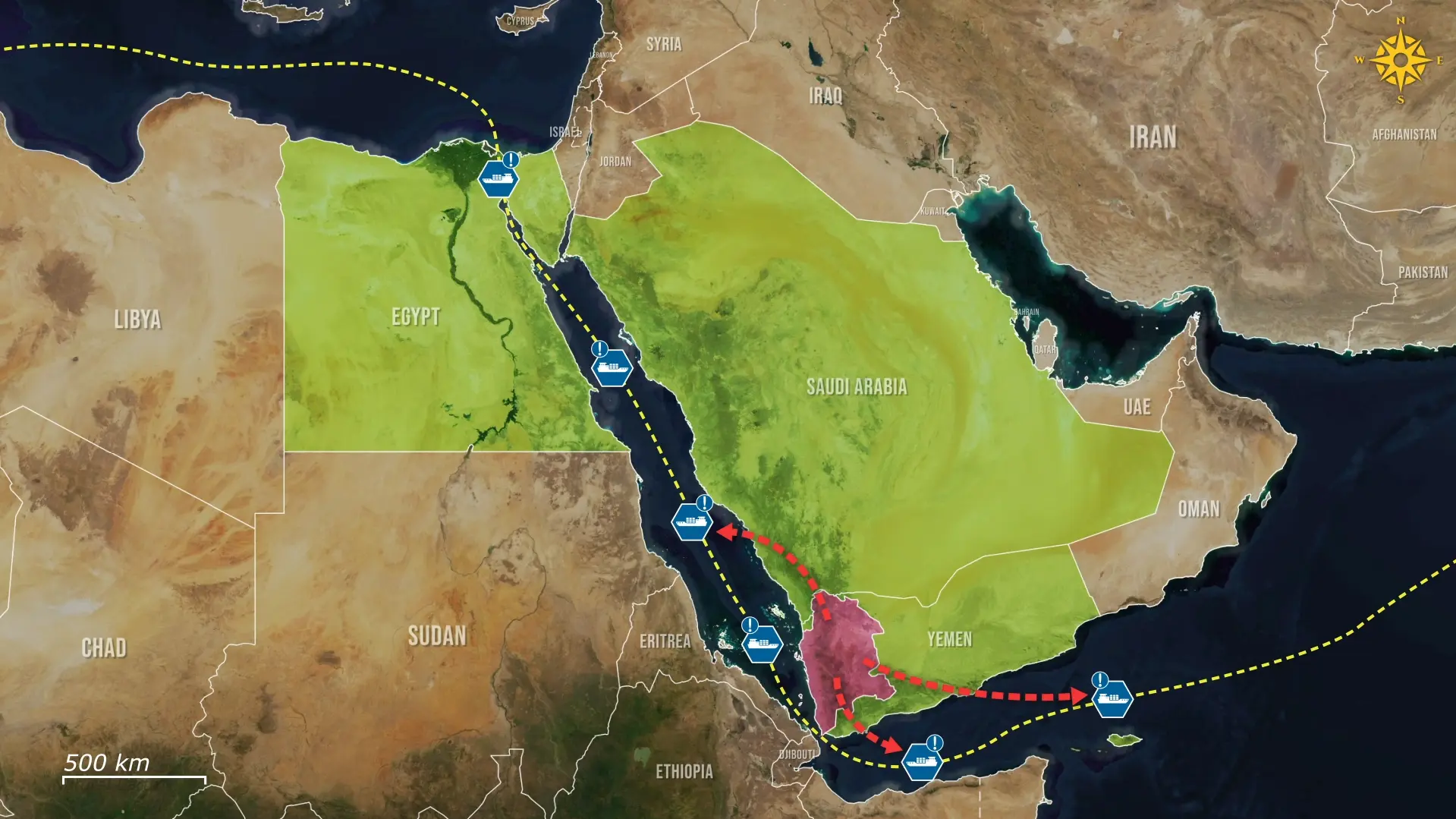
The resulting losses have placed additional pressure on an economy already struggling with financial constraints and external debt. For Cairo, restoring security along this maritime corridor is therefore an economic priority as well as a regional security objective. By reinforcing Saudi Arabia’s defenses, Egypt could help reduce the damage caused by Houthi attacks, but this would not eliminate the threat to shipping originating from Yemen. Cairo’s broader objective would be to support its Saudi ally while contributing to a regional effort to restore security in the Red Sea and revive traffic through the Suez Canal.
However, deploying forces to Saudi Arabia could expose Egypt to a wider confrontation with the Houthis. The group has already warned Cairo against military involvement, raising the possibility that Egyptian personnel could become targets if the deployment proceeds.
Even if their mission remains strictly defensive, troops protecting strategic sites could come within range of Houthi missiles and drones. Any attack resulting in Egyptian casualties would create pressure on the government to respond and demonstrate that its forces cannot be targeted without consequences. Cairo would then face a difficult choice between maintaining a limited defensive role and authorizing retaliatory strikes against Houthi positions. Such a response could transform a mission designed to protect Saudi Arabia into direct military confrontation with the Iran-backed movement. The danger is that Egypt could become involved in hostilities beyond its original mandate, opening another front in an already expanding regional conflict and making further escalation increasingly difficult to contain.
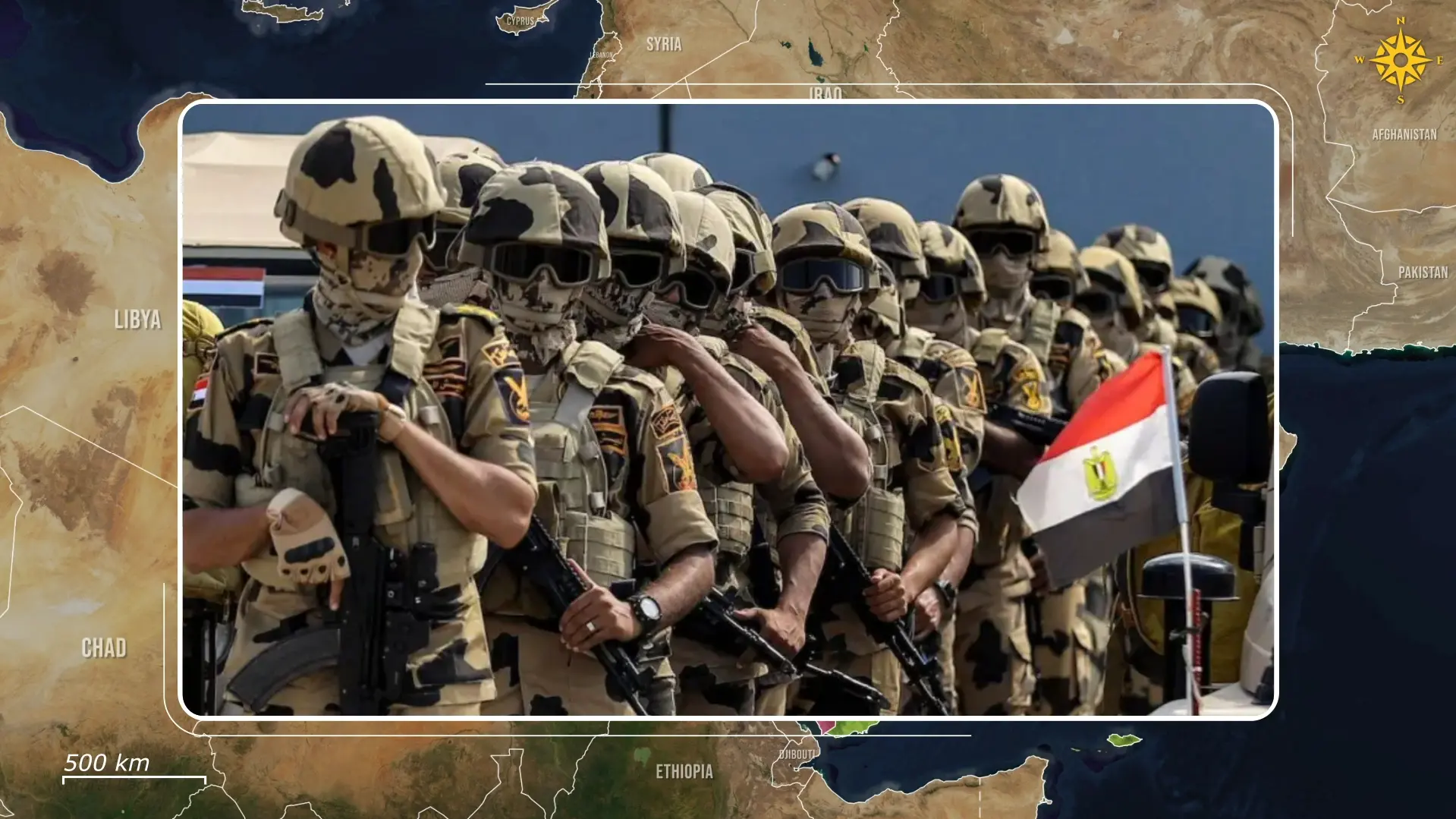
Overall, the mission’s strategic value for Cairo will depend on whether its support for Saudi Arabia helps create conditions for the recovery of Red Sea shipping and the return of commercial traffic to the Suez Canal. For Egypt, success would mean protecting its economic interests and strengthening its regional position without committing to a prolonged military campaign. The challenge is to contribute enough to improve regional security while avoiding obligations that could drain military resources and public finances. Cairo’s experience could also shape the decisions of other Saudi allies, encouraging them to provide similar support if the mission stays limited or making them more cautious if Egypt gets pulled deeper into the fighting.







Comments