


Today, there is important news from the Black Sea.
Here, Ukrainian Navy footage shows an extraordinary development, as unmanned Ukrainian naval vessels are used to destroy Russian attack drones before they can even reach the coastline, which is effectively transforming the Black Sea into an offshore air-defense zone, threatening one of Russia’s most important routes for launching Shahed attacks against southern Ukraine.
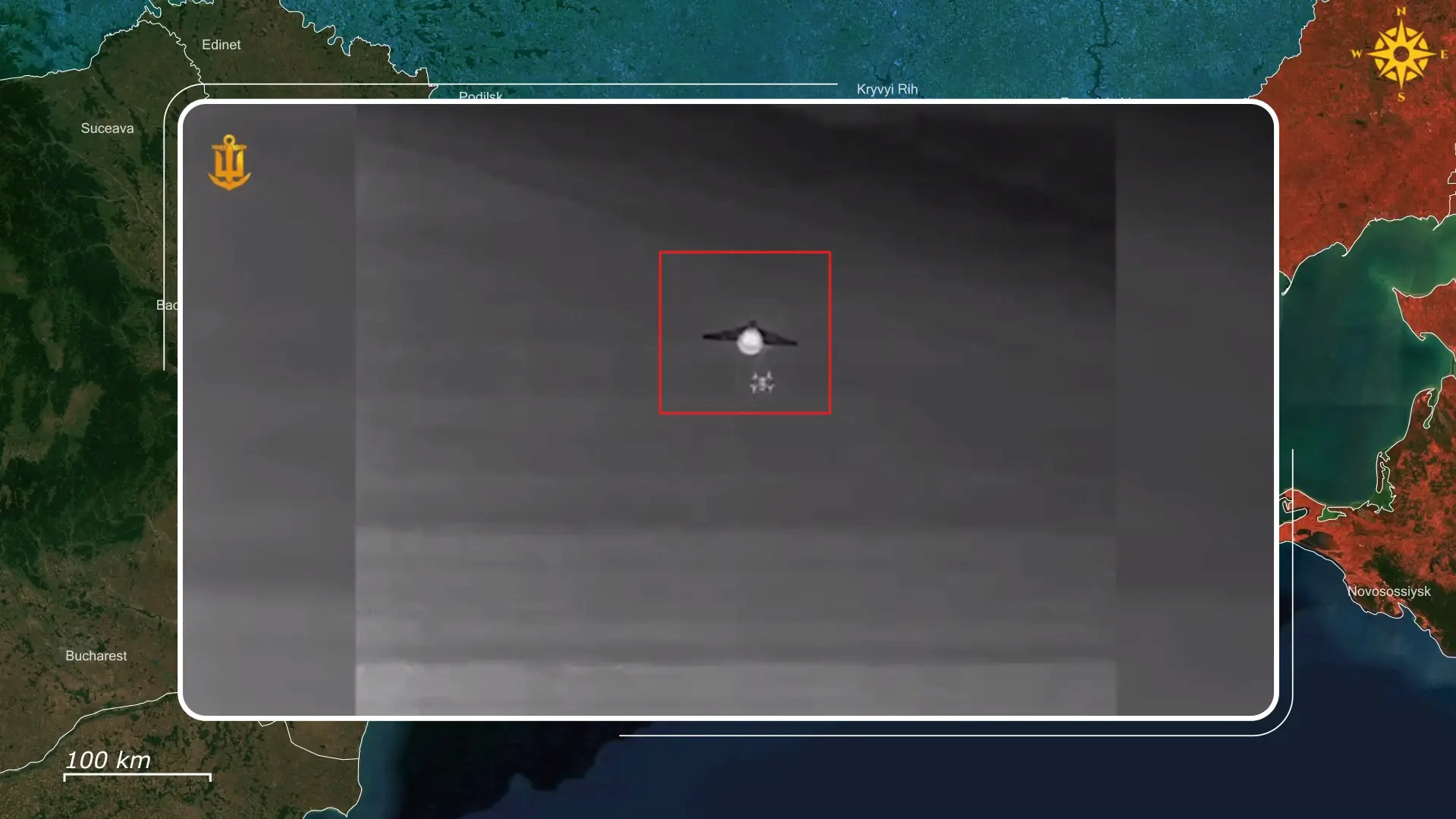
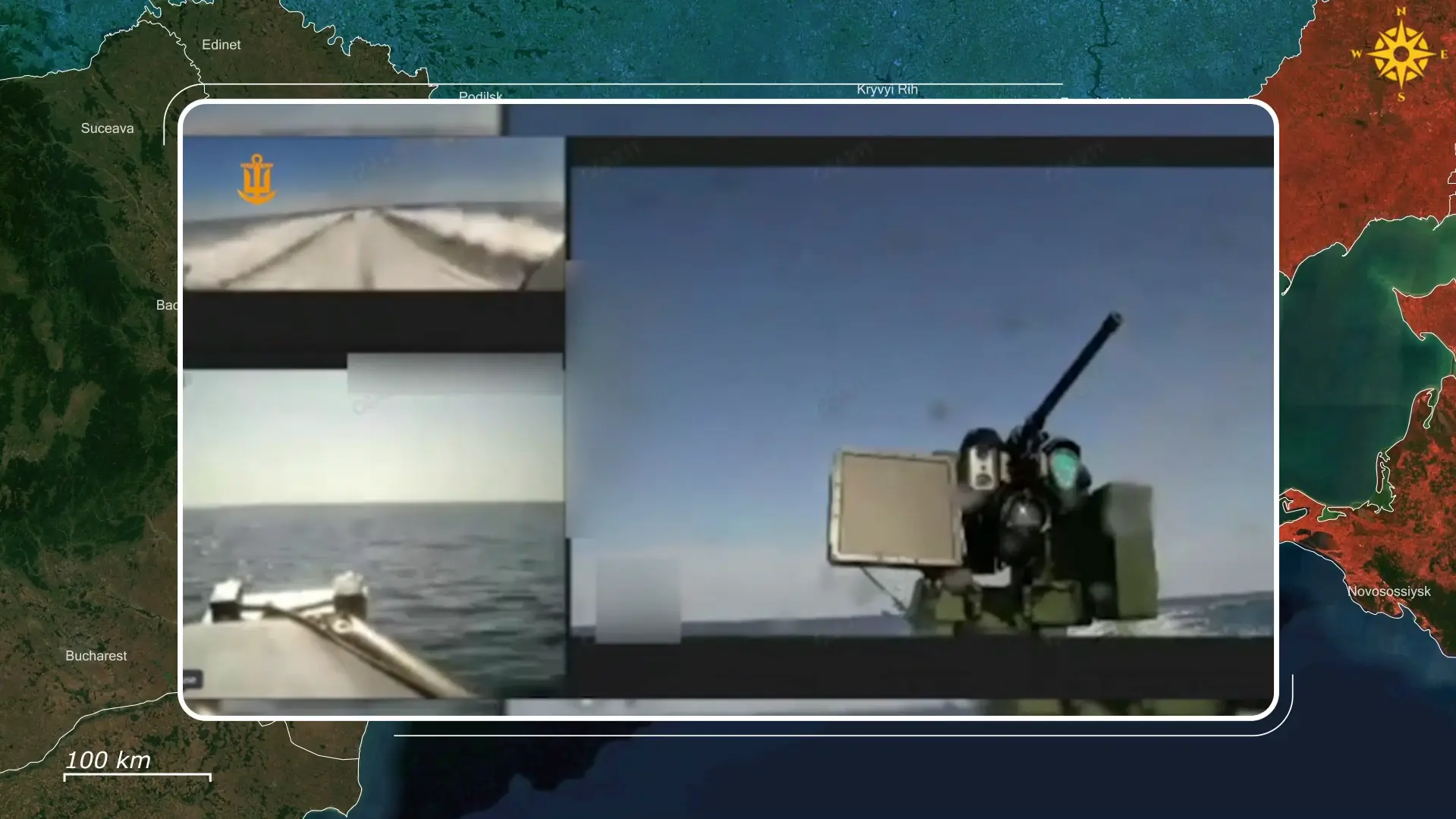
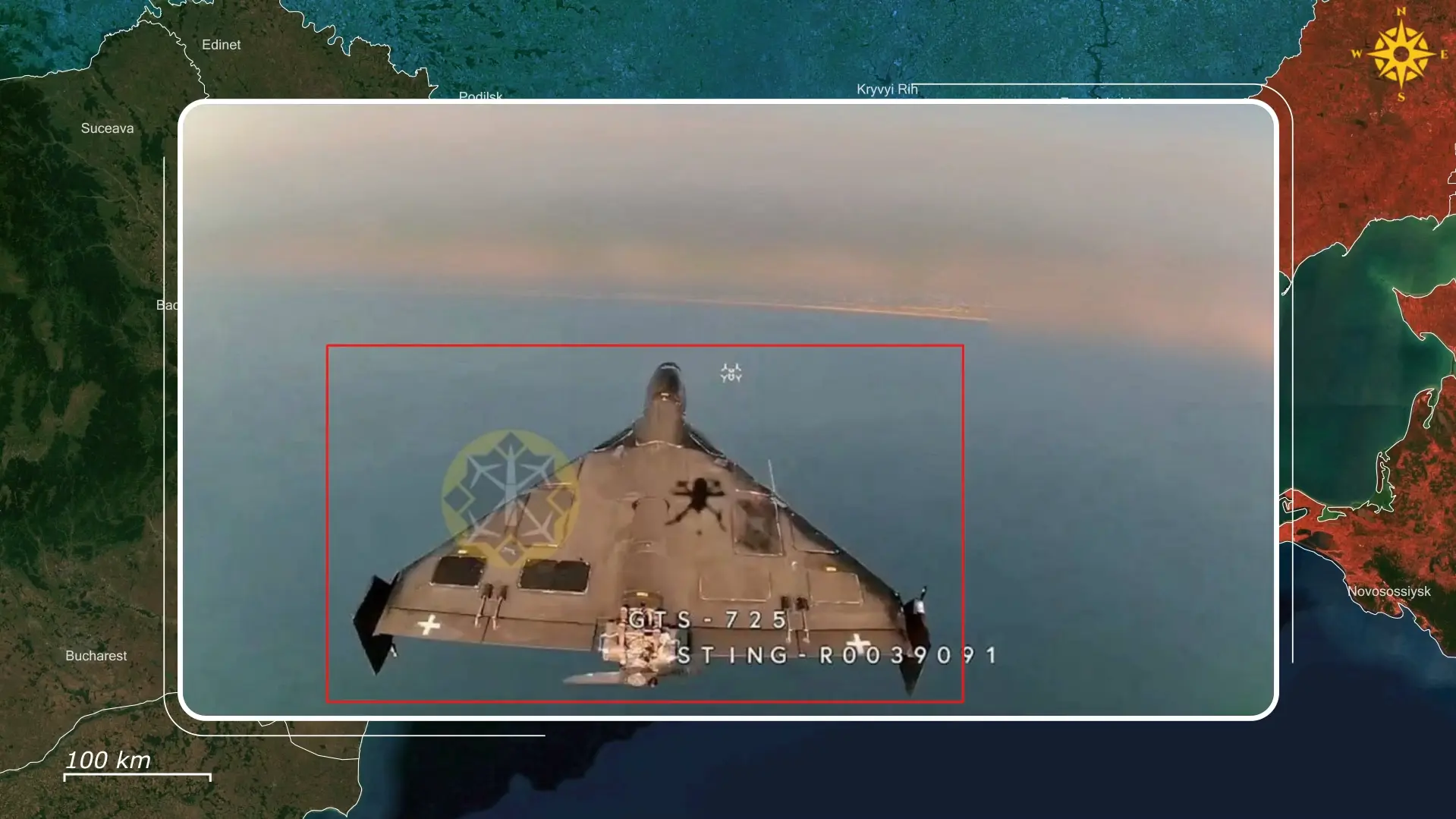
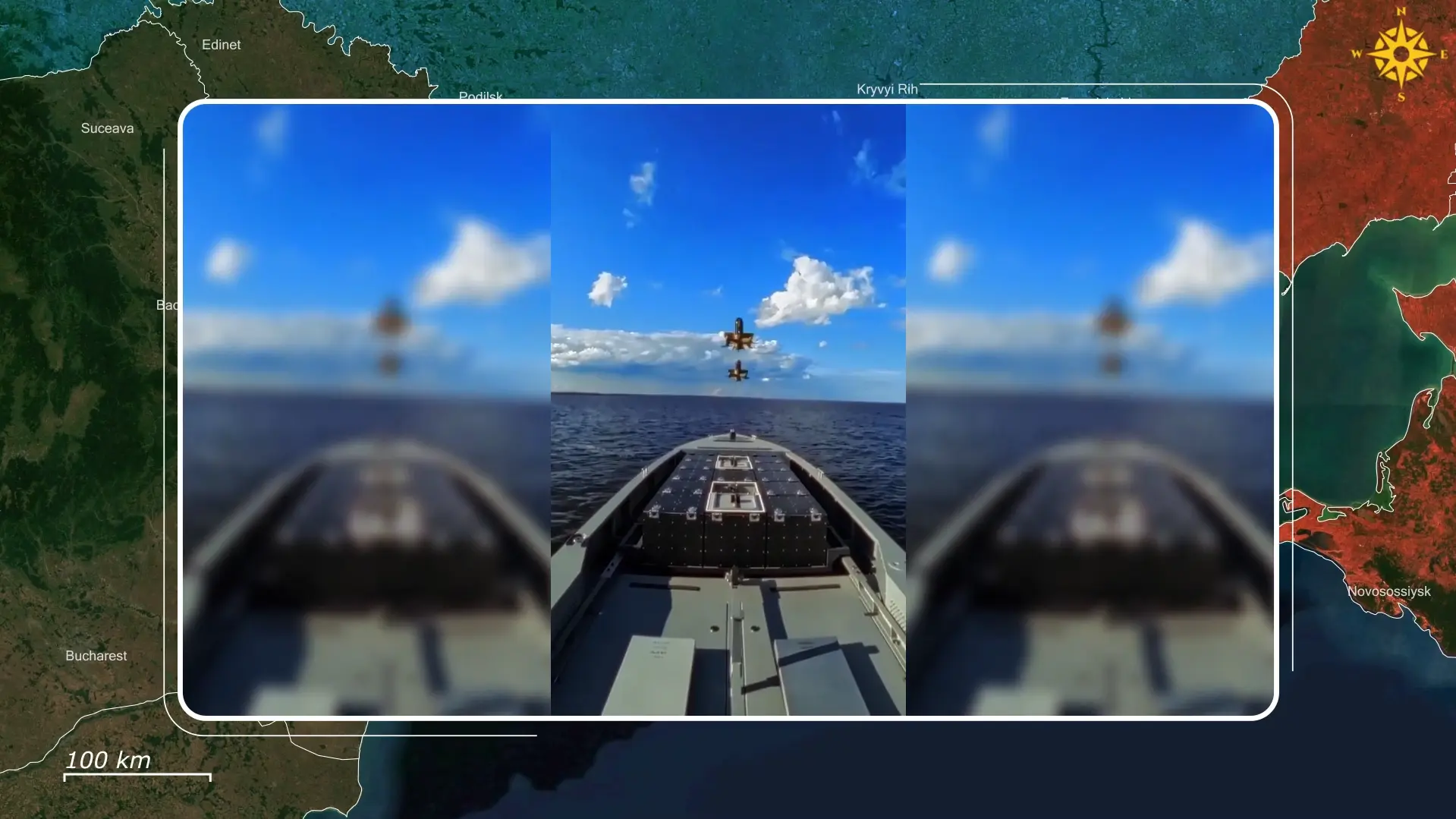
In the first engagement, a Ukrainian Sargan-Three-Thousand sea drone launches a Sting drone directly from the open sea. The interceptor then approaches an incoming Russian Shahed and destroys it in flight successfully. Additional footage demonstrates another Sargan equipped with a remotely controlled gun turret. Once another Shahed enters its range, the turret shoots it down with it automatic fire.
Together, these engagements demonstrate that Ukrainian naval drones are becoming mobile air-defense platforms, exploiting the multipurpose Sargan Three-Thousand, which is capable of carrying up to four-hundred-and-fifty kilograms of payload and operating as far as one-thousand-and-six-hundred kilometers from its base.
Its greatest advantage is mobility, because rather than waiting for Russian drones to approach coastal defenses, Ukrainian operators can position interceptor platforms offshore, extending the defensive perimeter far beyond the coastline.
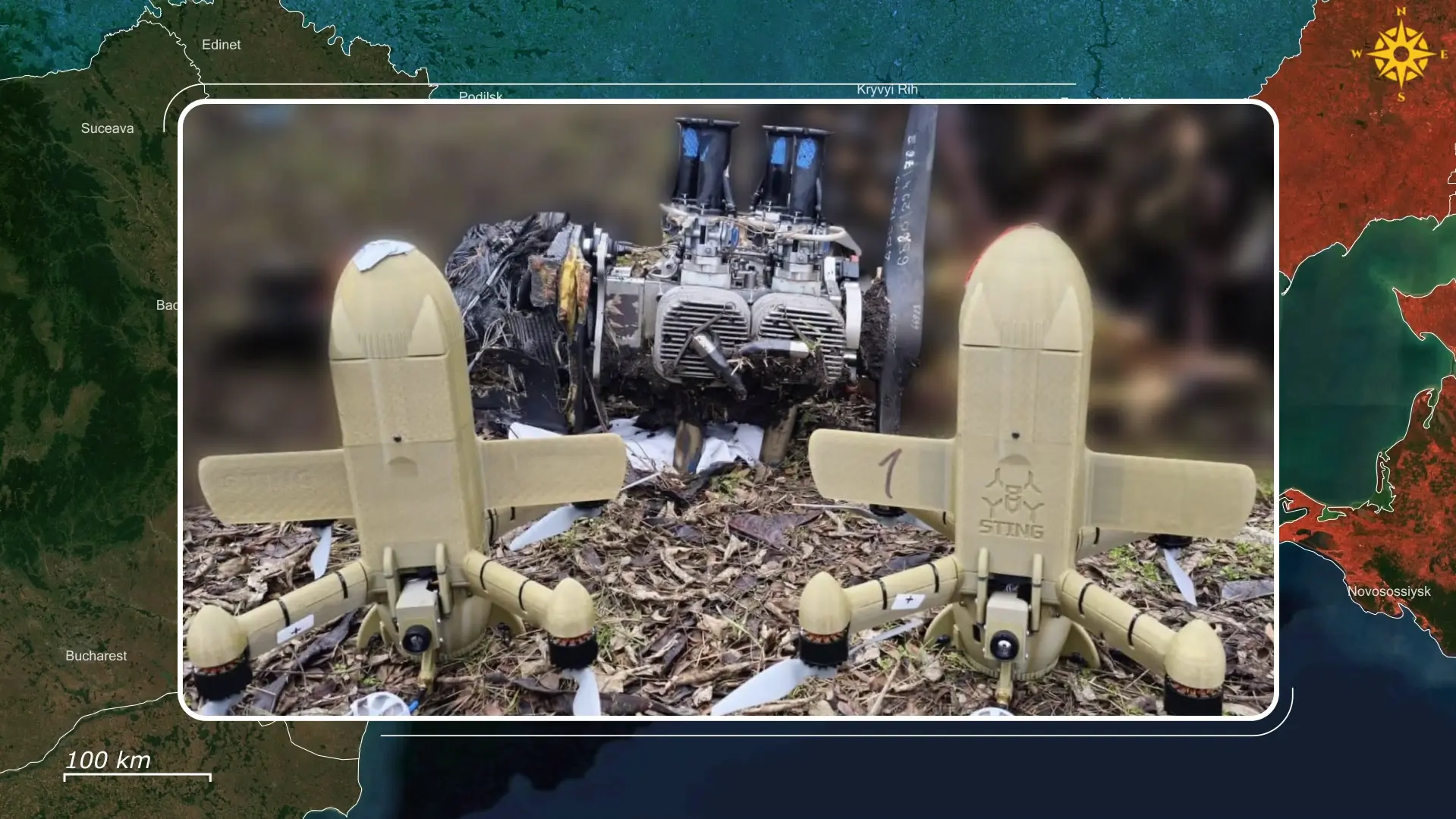
The drone can be armed with low-cost interceptors like Sting, which reach speeds of approximately two-hundred-and-eighty kilometers per hour, with an operational range of around thirty-seven kilometers, and carry an explosive warhead designed to destroy aerial targets through direct impact or detonation.
The alternative Sargan configuration uses a remotely controlled turret armed with a twelve-point-seven millimeter machine gun and electro-optical targeting equipment that provides another defensive option against low-flying drones, especially when targets enter effective gun range.
The implications are considerable, because previously, Russia could exploit the Black Sea as a relatively safe approach toward southern Ukraine. Shaheds flying across the water could avoid many Ukrainian frontline defenses before approaching ports, coastal cities, and critical infrastructure. Consequently, Ukrainian air-defense crews often had limited time to intercept incoming weapons before they reached populated areas, but by moving interceptors offshore, Ukraine fundamentally changes that calculation. Russian drones can now be engaged much earlier, creating additional opportunities to destroy them before they threaten their intended targets, while even an unsuccessful first interception also leaves more time for another defensive system to engage the same drone.
However, the larger consequences extend beyond the Black Sea, as Ukrainian frontline formations already operate interceptor drones against Russian reconnaissance aircraft, loitering munitions, and larger strike drones passing through their operating areas. That makes Russia’s alternative routes across the heavily defended frontline increasingly dangerous. Ukrainian interceptor teams are already monitoring these sectors, creating additional opportunities to detect and destroy Russian long-range drones.
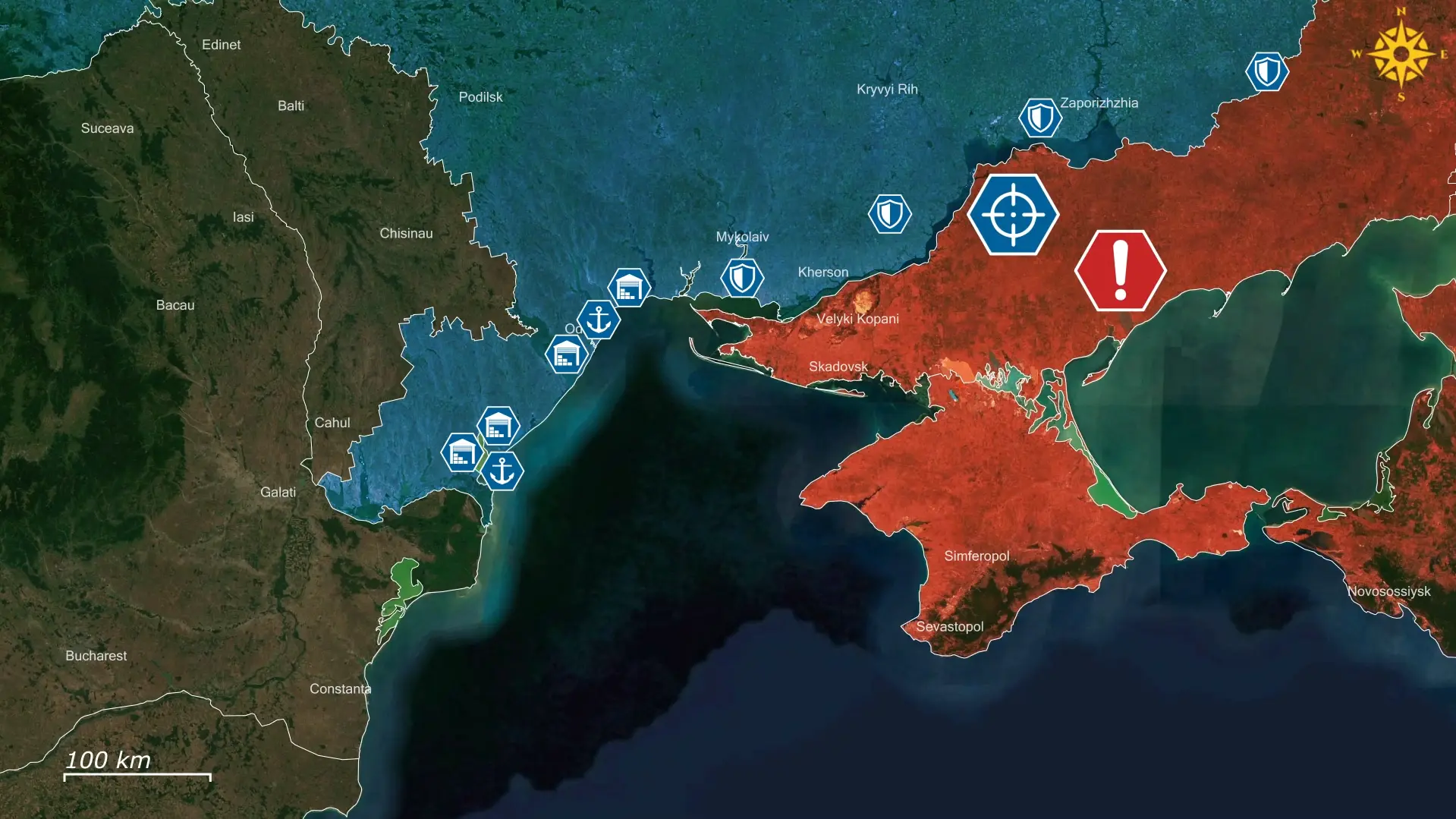
At the same time, the Black Sea previously offered Russia an opportunity to bypass some of those concentrated defenses, but now Ukraine is beginning to challenge that advantage.
Instead of choosing between heavily defended frontline corridors and relatively open maritime approaches, Russian commanders increasingly face interception threats along both routes, which forces flight path changes, longer journeys, or drone exposure to additional Ukrainian defensive positions.
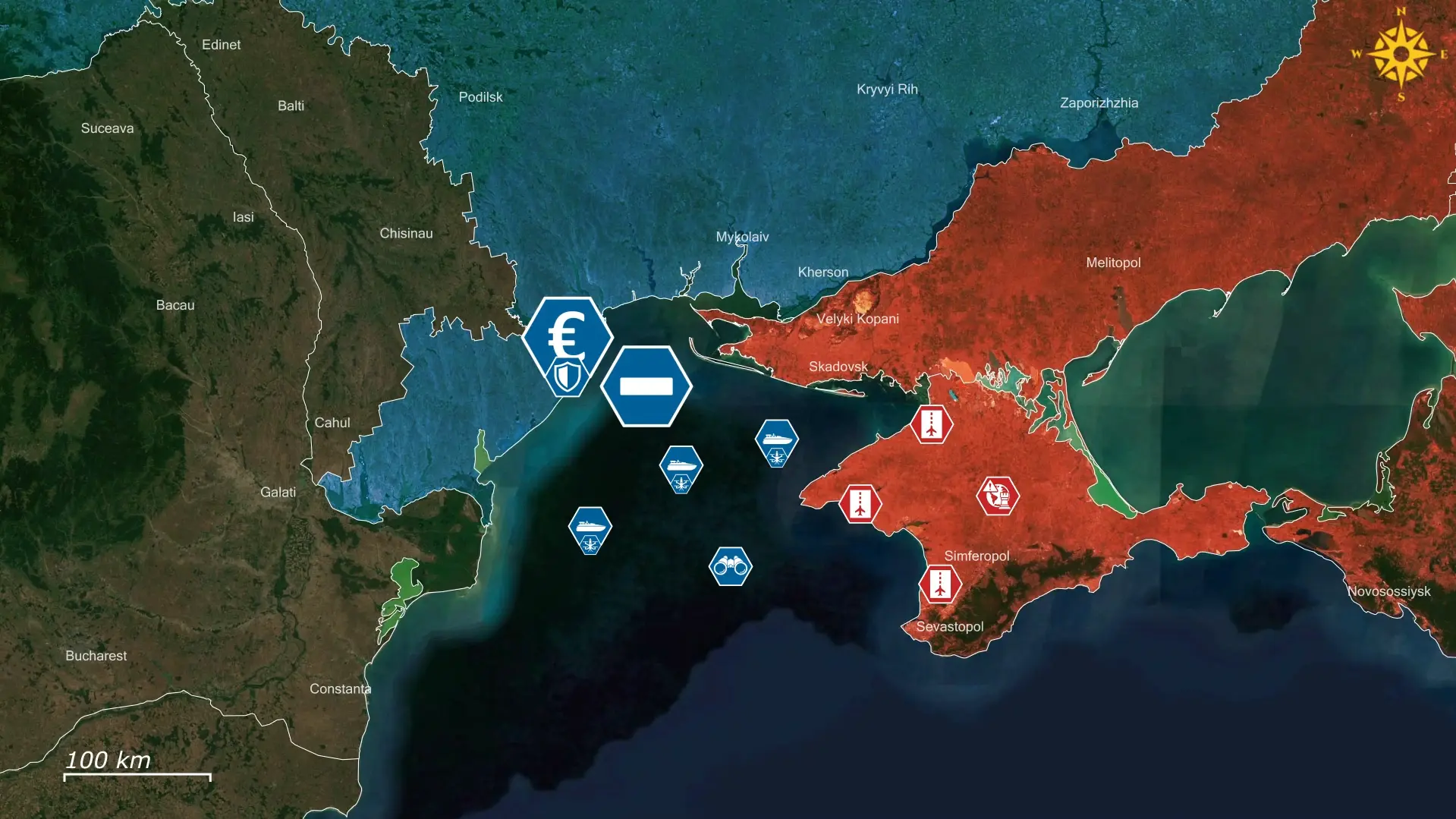
Overall, by intercepting Shaheds offshore, Ukraine can reduce the pressure on coastal defenses and improve protection for infrastructure supporting maritime trade, as the economic implications are equally important, as the Black Sea ports remain essential for exporting goods and generating revenue that supports the national economy during wartime. Russia’s launch infrastructure in Crimea makes the maritime approach particularly important, but Ukrainian naval drones are now extending the defensive perimeter into the same waters. As a result, the Black Sea is becoming another increasingly dangerous interception zone where Ukrainian unmanned systems can destroy Russian weapons before they ever reach land.



Comments