


Today, the biggest news comes from the Russian Federation.
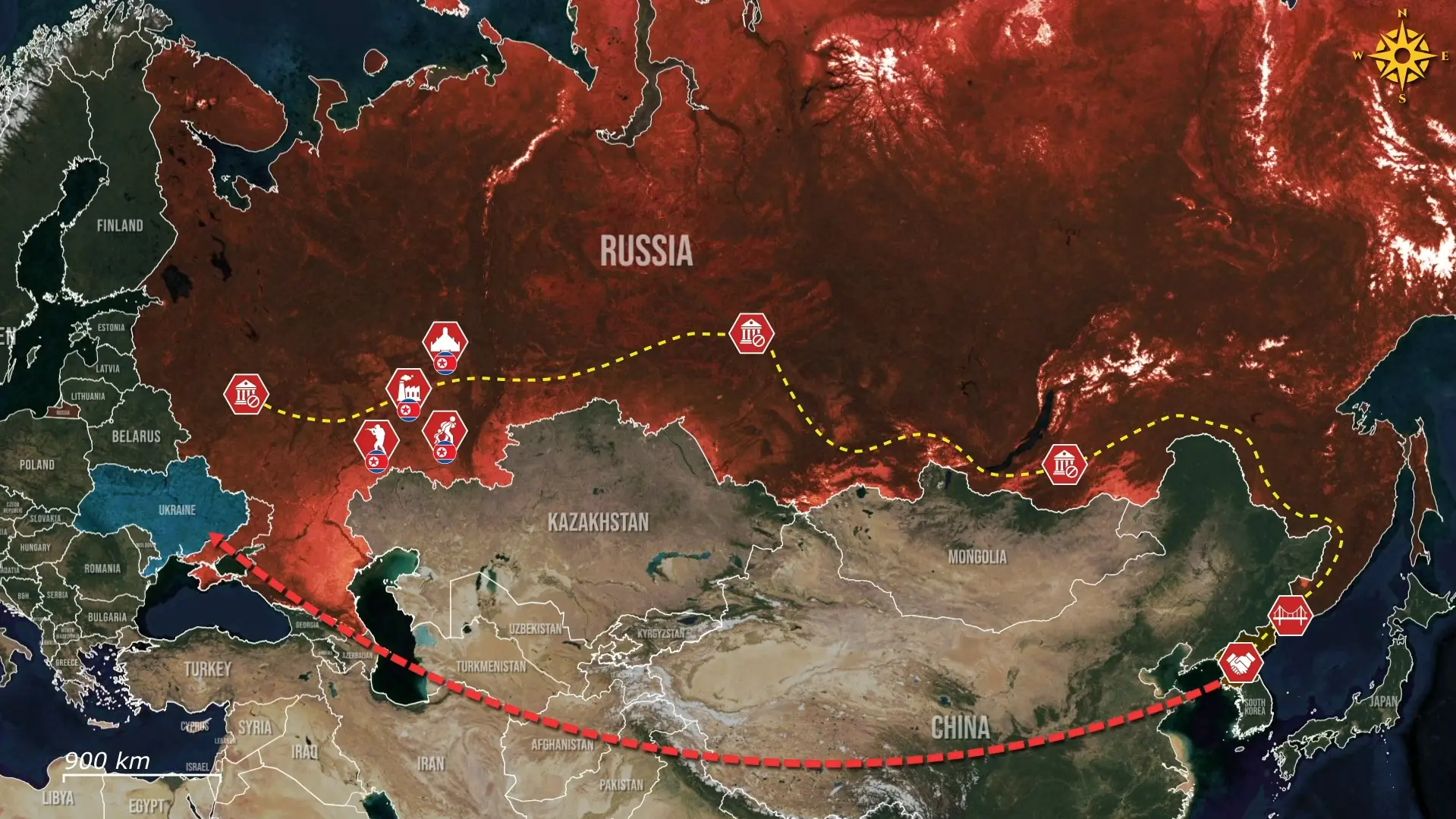
Here, twelve thousand North Korean workers are being sent directly into one of the most important parts of Russia’s wartime drone industry. A joint CSIS and George W. Bush Institute report says twelve thousand North Korean workers have been sent to the Alabuga special economic zone, where Russia assembles Shahed type attack drones used in mass strikes against Ukraine. The workers receive around two dollars and fifty cents per hour, while the North Korean government takes between seventy and ninety percent of their wages. Russian youth and other foreign workers are also employed at Alabuga, which is already producing more than five thousand five hundred drones per month.
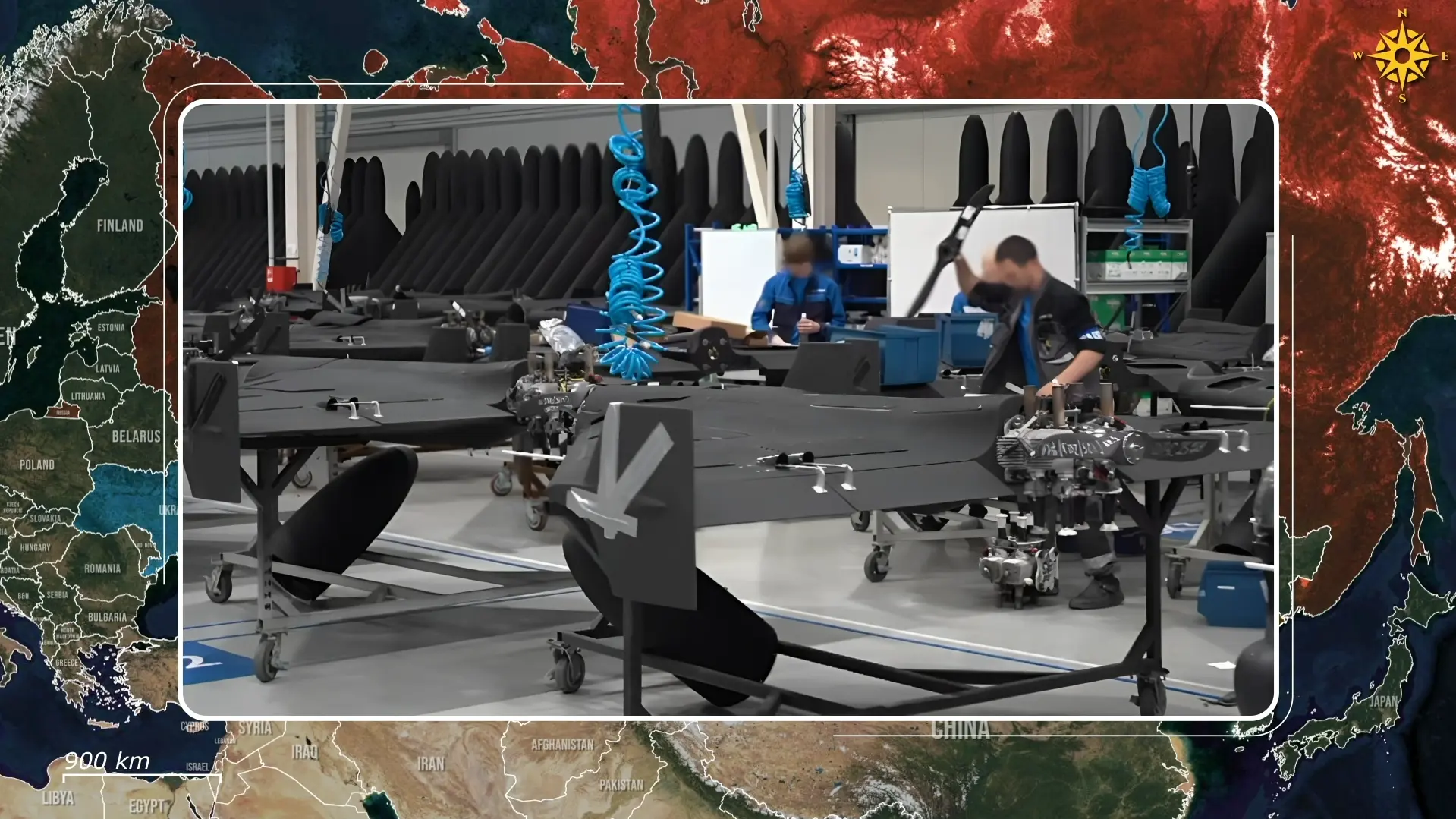
For Moscow, this gives the Shahed program another large source of tightly controlled manpower, while Pyongyang gains another way to profit from sending its workers to Russia.
This deployment follows Kim Jong Un’s pledge to expand and deepen cooperation with Russia, while promising what he called invariable support for Vladimir Putin and the Russian people. Kim said Pyongyang intended to widen cooperation under the countries’ alliance relationship and openly backed Russia’s war, describing it as a sacred struggle that Moscow would ultimately win. Inside Russia, however, North Korea’s expanding role in supporting the Russian war effort is already creating unease.
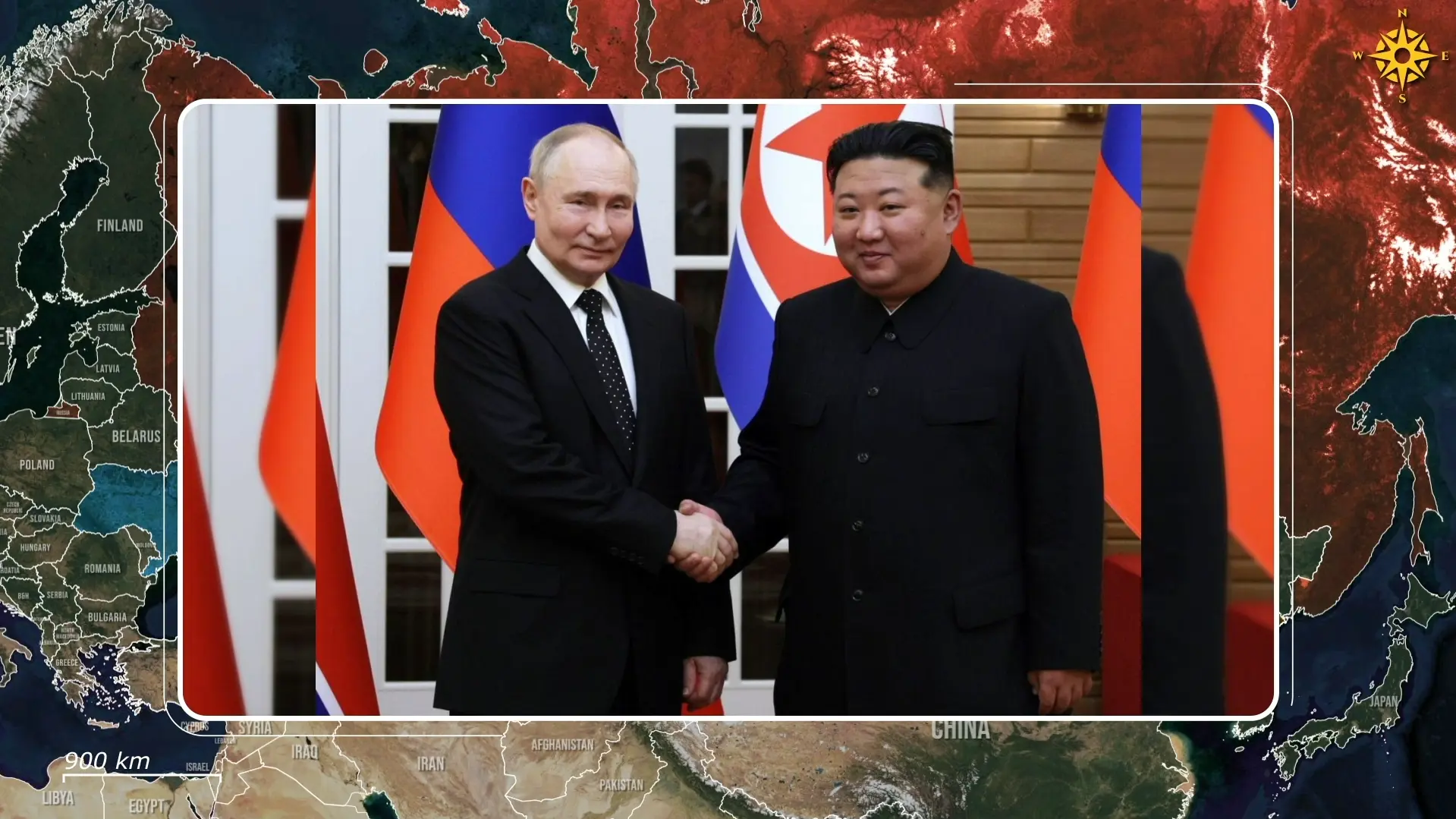
One Russian journalist directly asked Foreign Minister Sergey Lavrov how Russia had reached the point where its closest remaining partners were North Korea and Iran. Lavrov answered by asking what was wrong with such company, exposing the contradiction between the Kremlin’s image of Russia as a modern state and its increasing reliance on heavily sanctioned states such as North Korea and Iran.
North Korean support is also spreading beyond military production, as North Korea is sending organized female labor brigades into the Russian economy through outsourcing companies. These workers are being placed on assembly lines, in sewing factories, kitchens, and farms, with advertised wages starting at around just four hundred eighty rubles, or roughly six dollars, per hour.
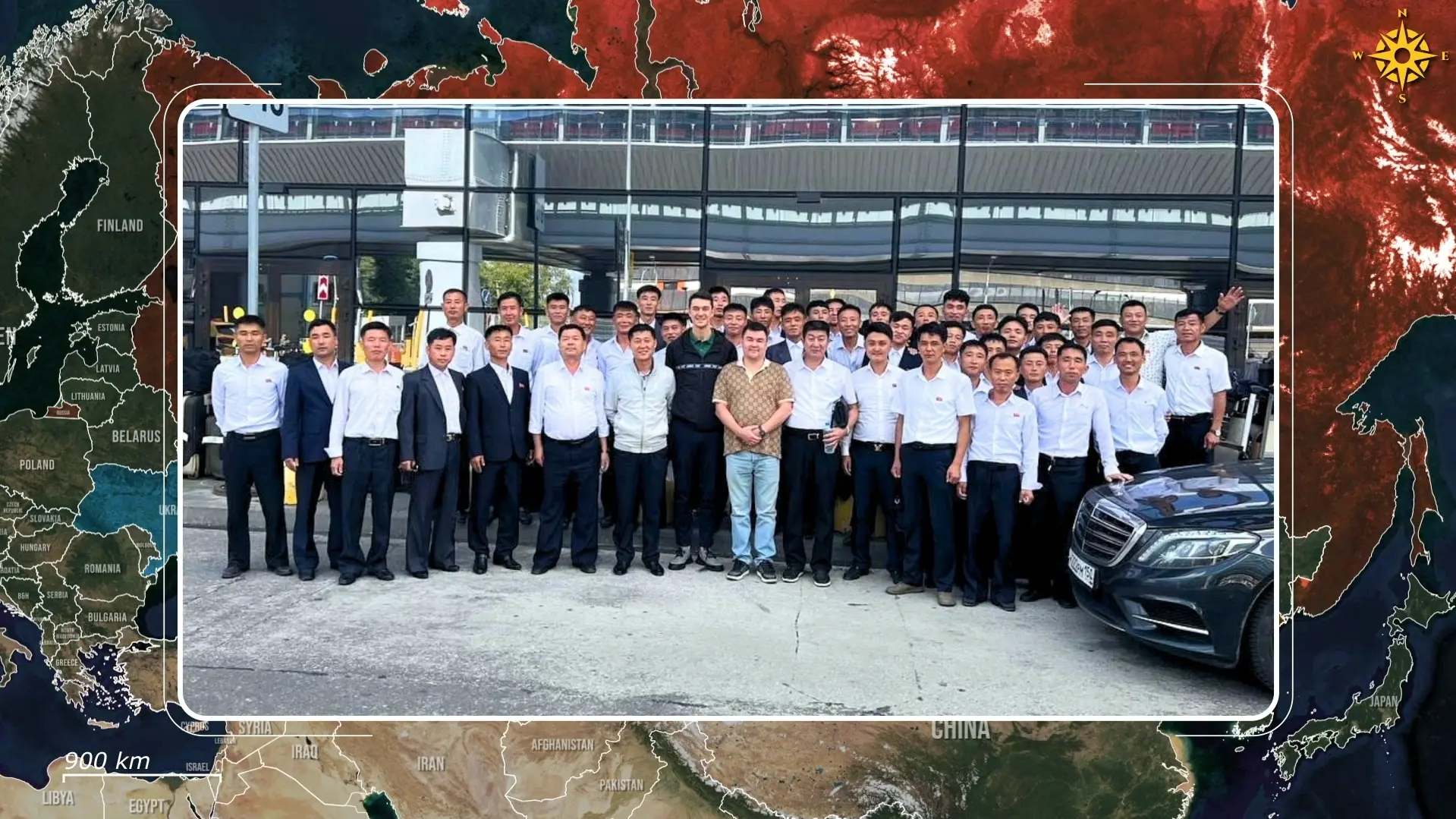
For Moscow, this provides another disciplined workforce at a time when the war is placing pressure on available manpower, while Pyongyang gains another channel for extracting income from citizens sent abroad. With North Korean workers entering more sectors of the Russian economy, both governments are also building the infrastructure needed to move far larger numbers of people and goods across their shared border.
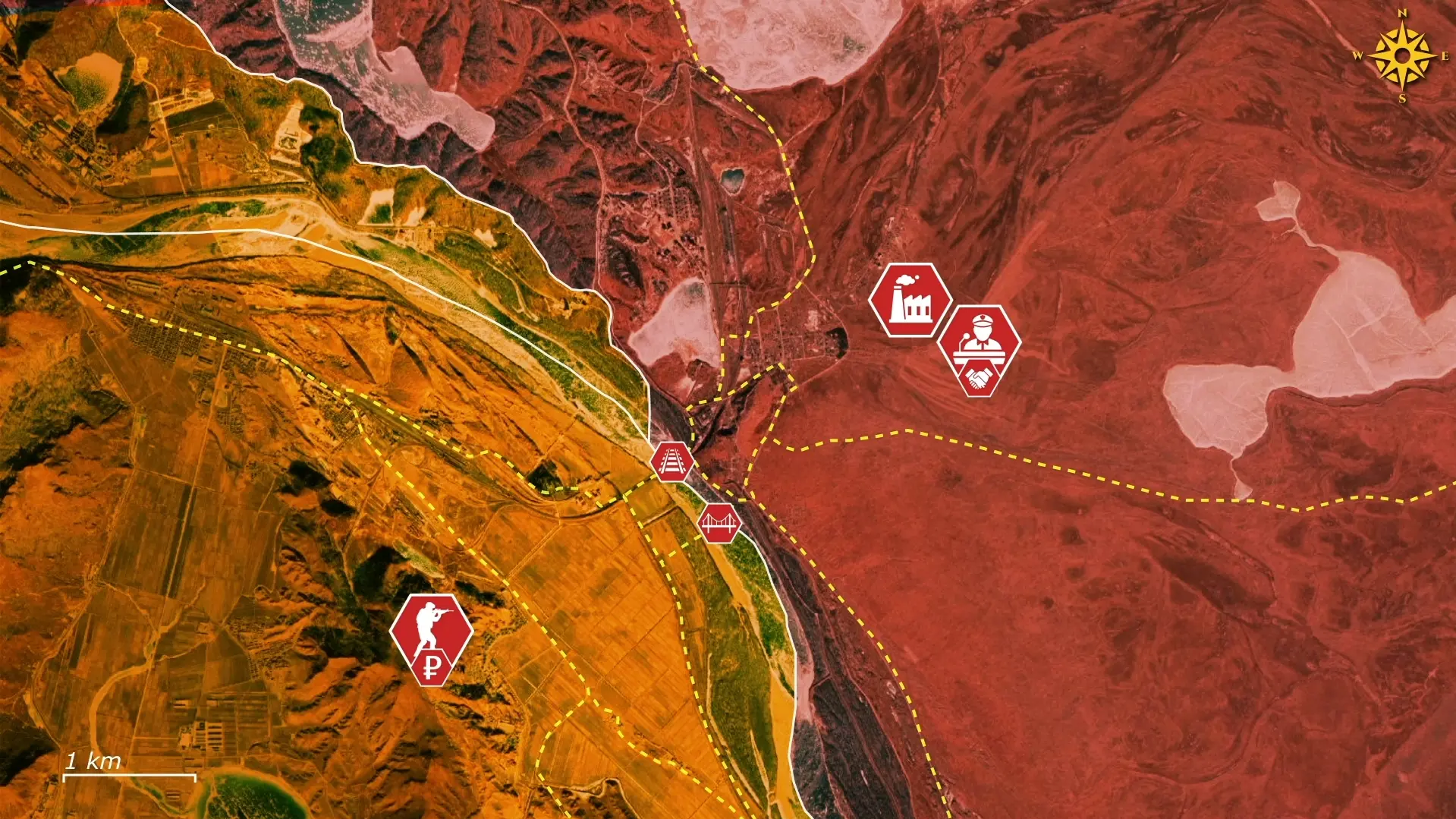
The expansion of North Korean labor inside Russia is being matched by a new transport route capable of moving far more people and cargo across the border. Russia and North Korea have opened their first road crossing across the Tumen River, adding a separate route for trucks, buses, and passenger vehicles alongside the older railway only Friendship Bridge. The new crossing is around one kilometer long, while the nearby Khasan checkpoint is designed to process up to three hundred vehicles and two thousand eight hundred fifty people per day, with plans allowing that capacity to expand further.
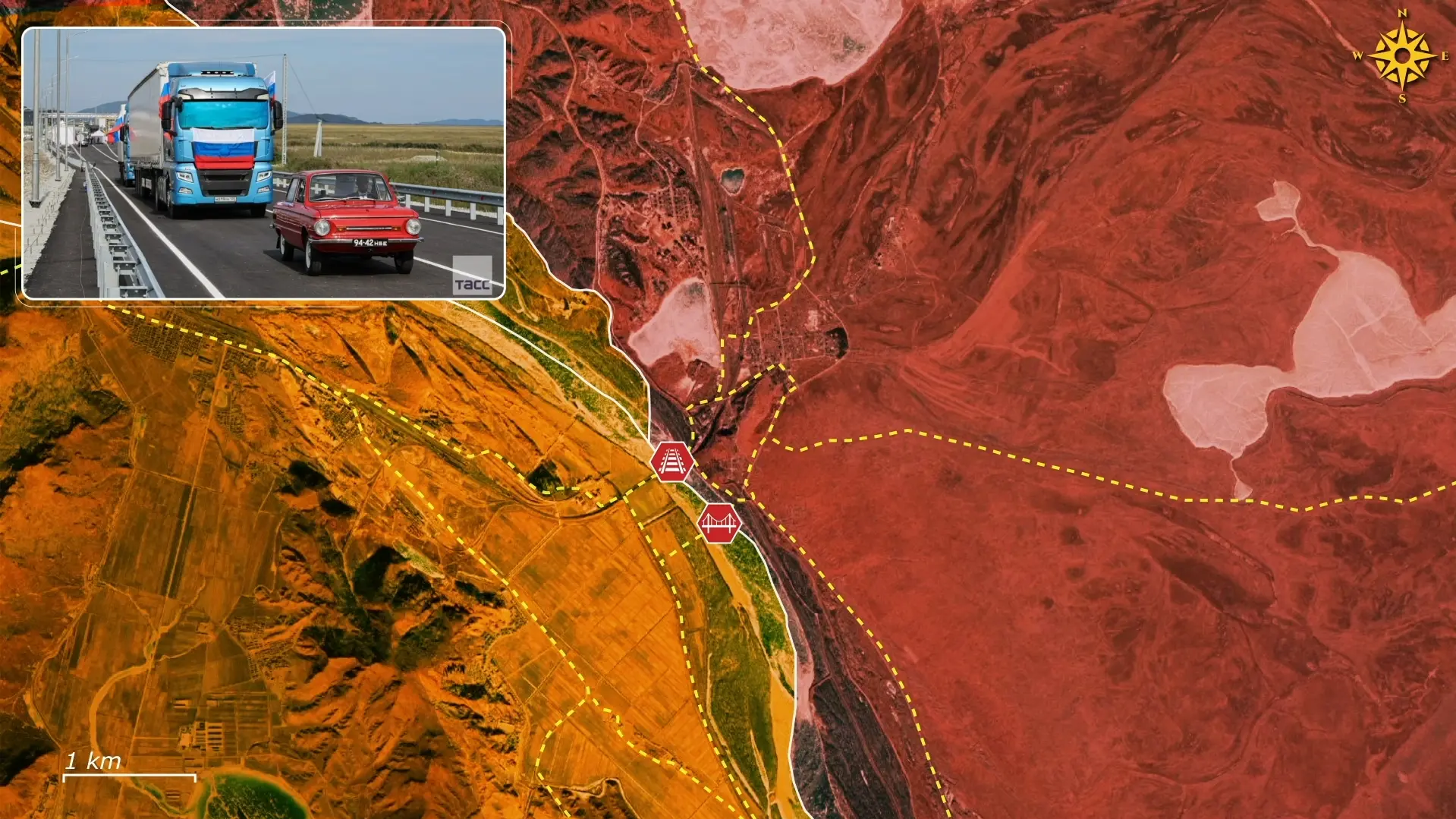
Russian officials promote the bridge as a project for tourism and trade, but it strengthens a relationship in which North Korea already supplies Russia with artillery shells, missiles and troops. The crossing can also move more workers into Russia and carry industrial or military cargo in both directions. By expanding the border from a single railway connection into a road and rail network, Moscow and Pyongyang are creating the transport capacity needed to sustain a much deeper economic and military relationship.
Overall, Russia’s growing reliance on North Korea is creating a support system that can keep expanding even as Western sanctions and diplomatic isolation narrow Moscow’s alternatives. The deeper this system becomes, the more Pyongyang gains leverage over Russian weapons production, labor supply, and access to additional manpower during a prolonged war. Permanent road and rail links also give both governments more ways to distribute trade and military related traffic across smaller movements that become harder to track and disrupt. With North Korean workers entering Russian factories and new transport capacity connecting the two countries, Moscow is allowing Pyongyang to become part of the industrial machinery sustaining the war rather than remaining an outside supplier of weapons and ammunition.



Comments