


Today, the biggest news comes from Russia.
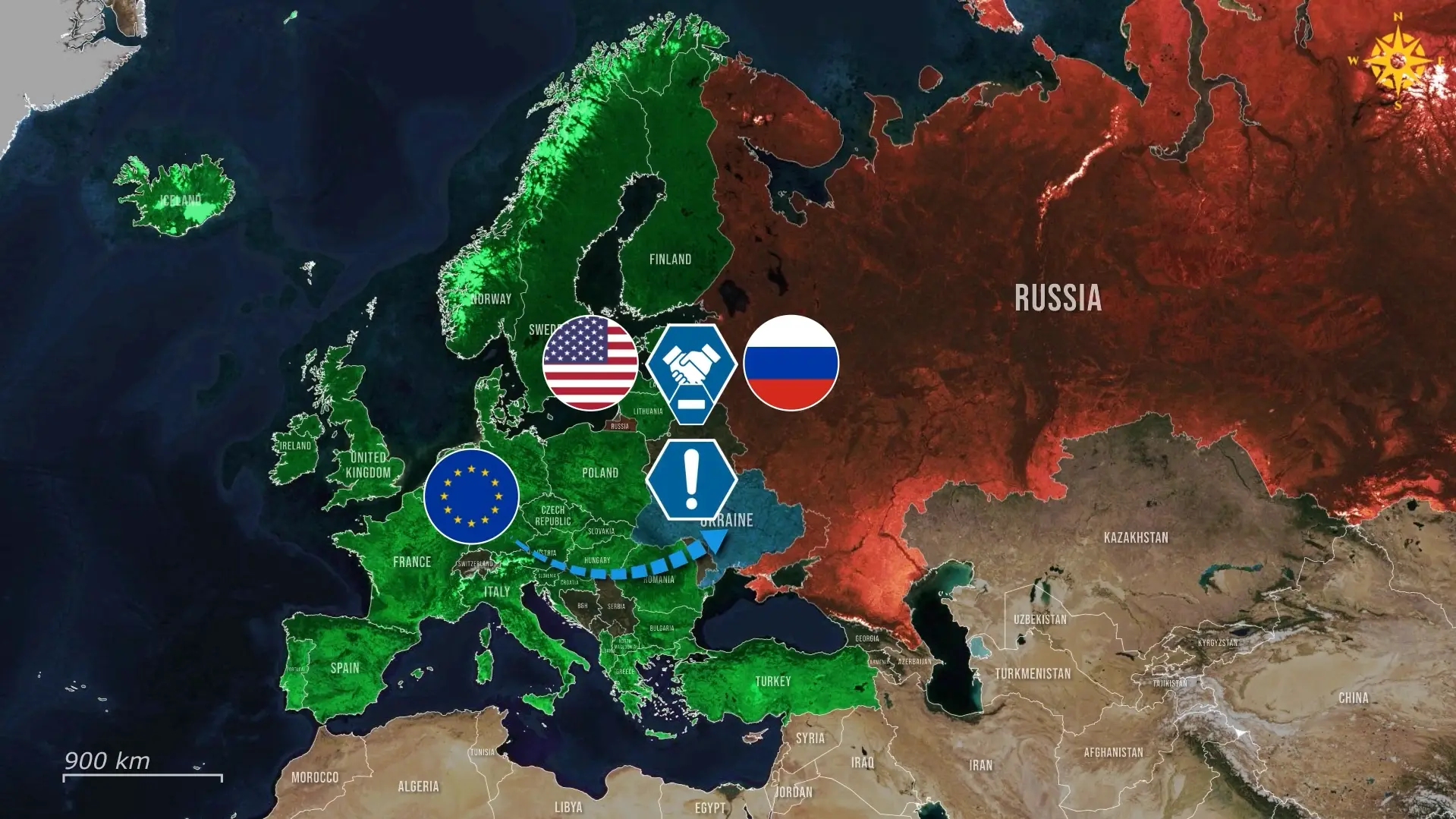
Recently in a groundbreaking turn of events, the Kremlin’s foreign policy adviser Yuri Ushakov stated that Europe should be included in the talks between Russian, Ukrainian, and American officials, because it will play a decisive role in reaching an agreement to end the war. The statement came as a surprise, given that previously, Russia had tried in every way possible to exclude Europe from such participation.
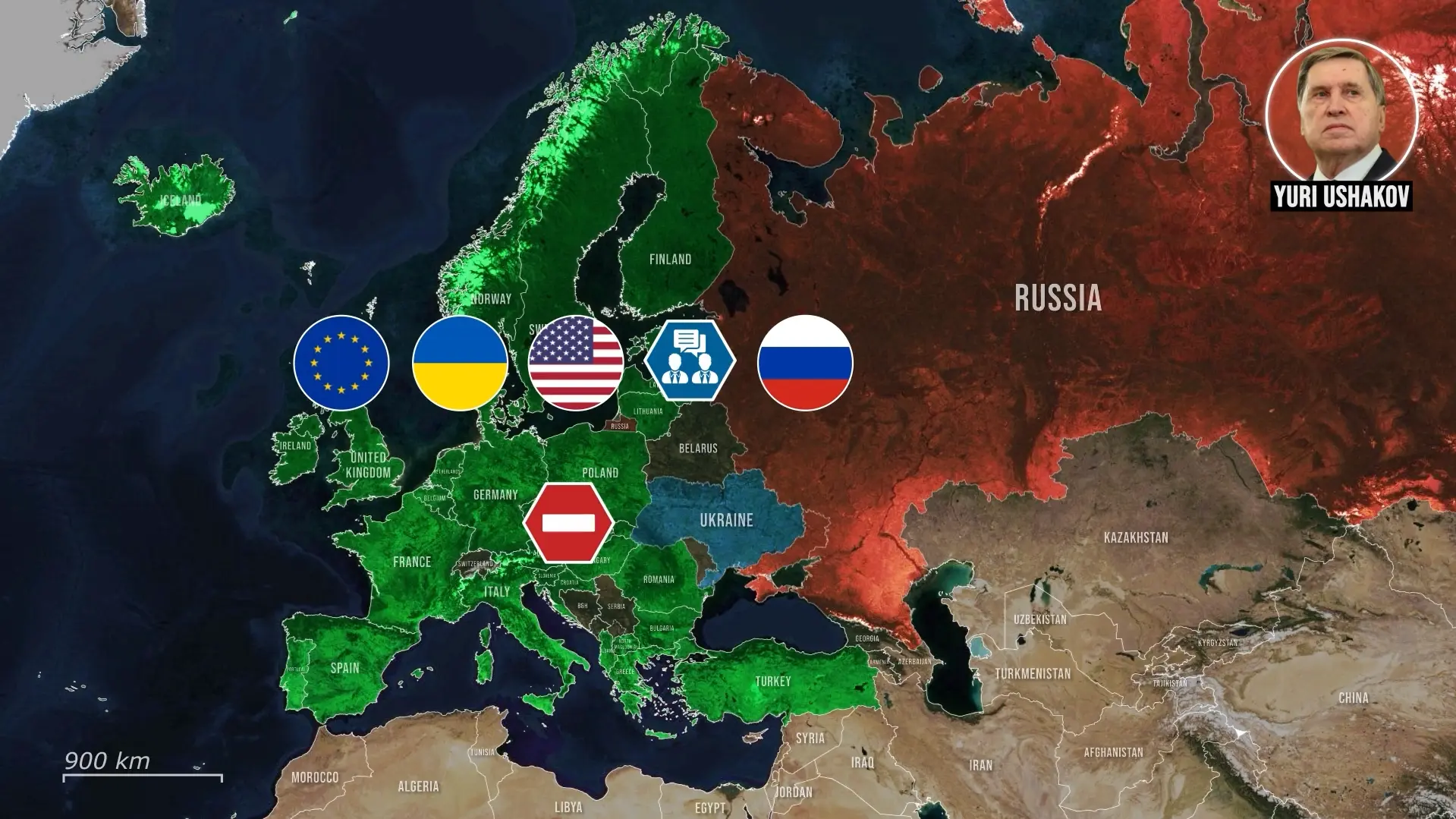
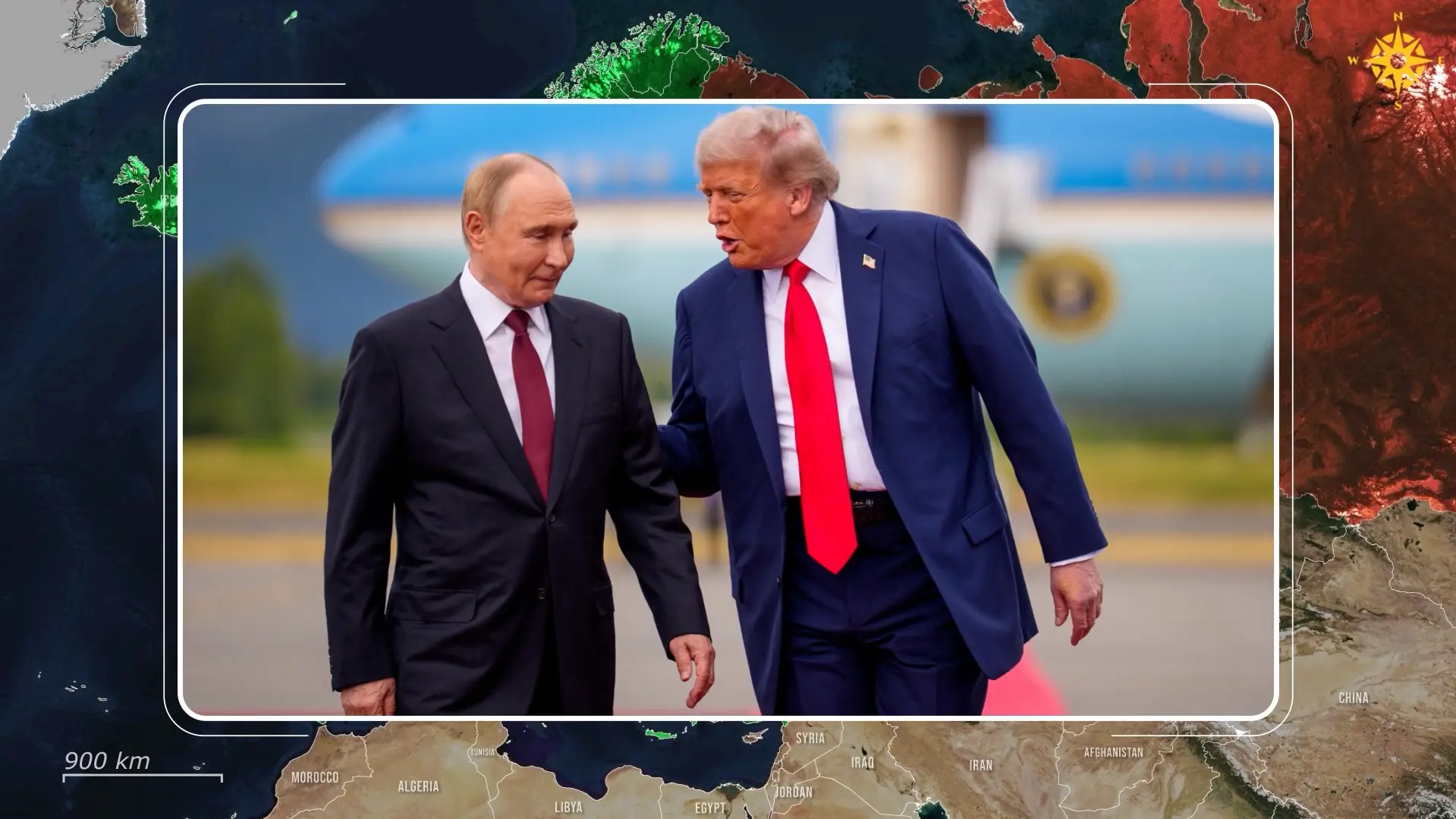
Before this, Russia aimed to reach an agreement with the US without Ukraine or Europe and show that the end of the war can only be decided by superpowers, while no one else is allowed to have a say in it. This change in tone comes after Russia showed willingness to resume trilateral negotiations with US and Ukrainian representatives.
Despite Russia’s initial reluctance to include Europe in the negotiations, it has become clear to them that they need Europe at the negotiating table if they want to end the war. Notably, Europe has become immensely important in supporting Ukraine militarily and financially since the US halted all donated aid after the last presidential election. As such, Russia is coming to understand that talks with only the US are pointless if Europe continues to back Ukraine.
The main reason for this is that Europe has now developed the ability to keep supporting Ukraine and allow it to continue defending itself regardless of the US’ stance. Notably, Europe is providing ninety billion euros worth of financial aid to keep the Ukrainian state running this year and in two thousand and twenty-seven. European countries are also currently providing two-thirds of the total intelligence Ukraine receives from its international partners. This includes extensive satellite imagery, intercepted communications, and real-time tracking of Russian troop movements, while space-based early detection capabilities for ballistic missile launches and military internet connectivity are the only things lacking. To reduce Ukraine’s dependence on Patriot interceptor deliveries, Ukraine is jointly developing the Freya air-defense system with European defense firms.
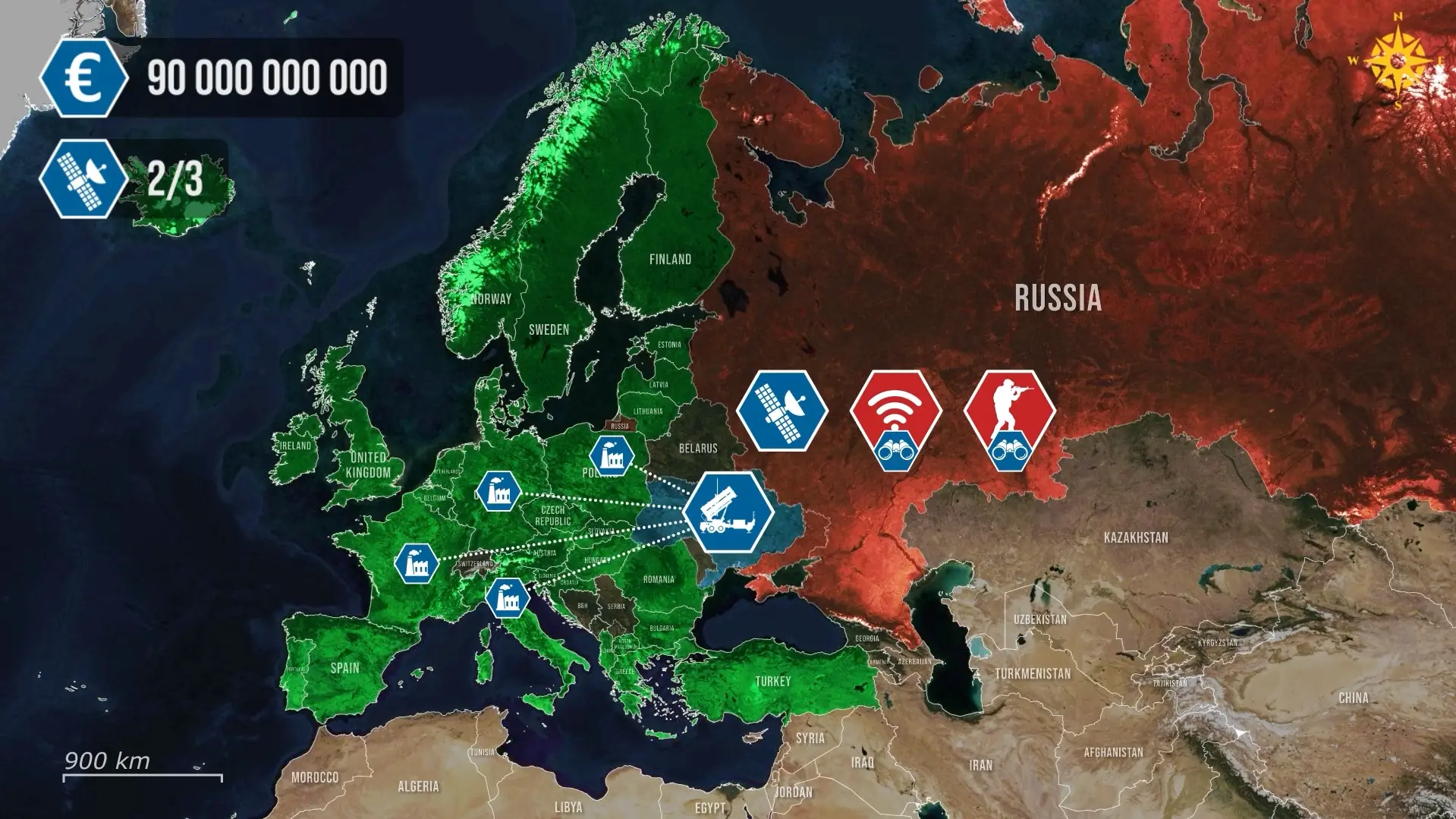
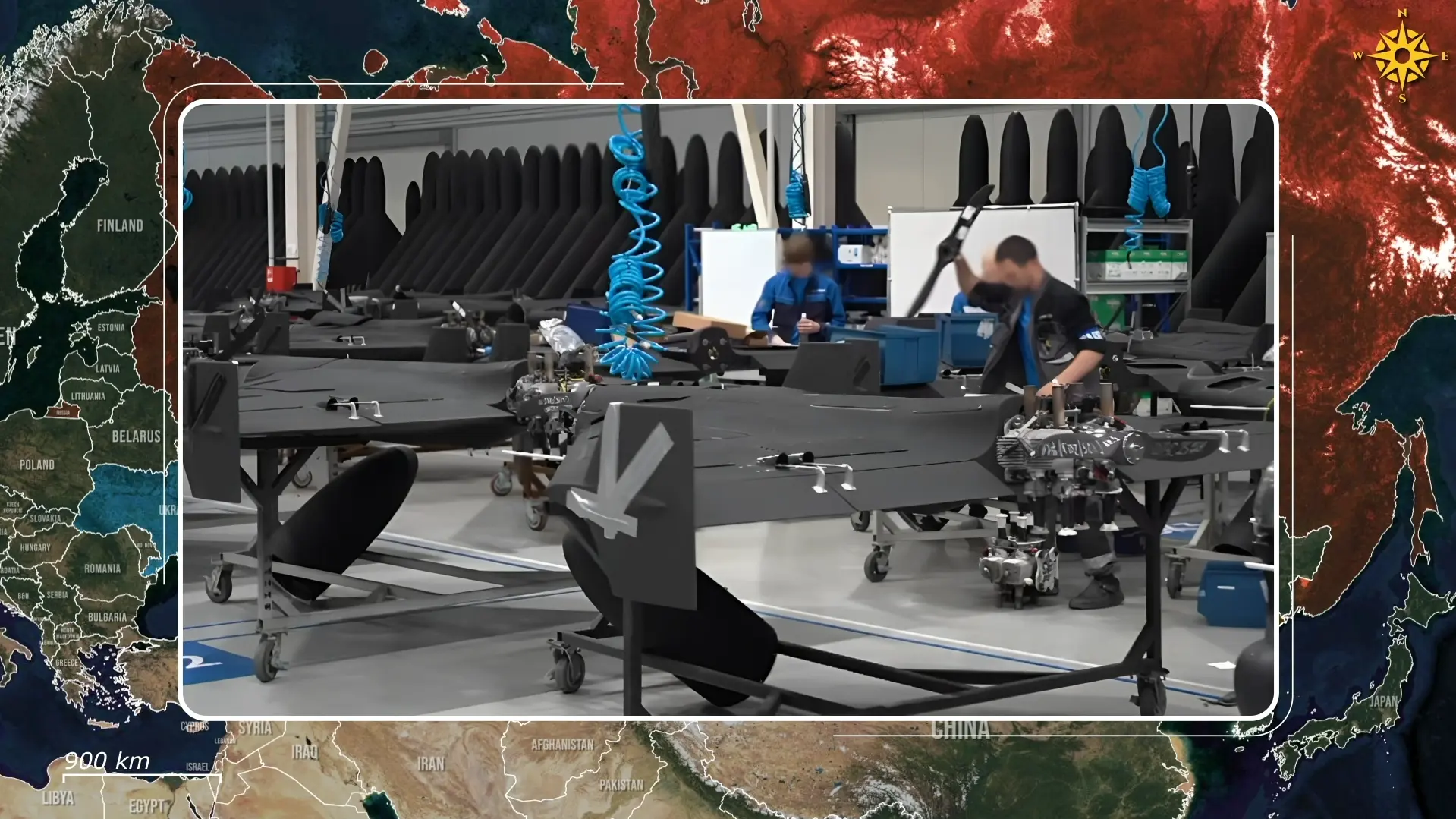
This system will be produced in Ukraine and Europe, providing Ukraine with anti-ballistic protection. European firms are also producing millions of artillery shells and small-arms ammunition, which are then supplied to Ukraine. More importantly, some European countries are manufacturing Ukrainian interceptor, FPV, and long-range strike drones, which allow them to provide Ukraine with more weapons than they could produce domestically and outside of direct Russian strike range. The Purl initiative also gives Ukraine billions of dollars to purchase air defense and other weapons from various defense companies they desperately need.
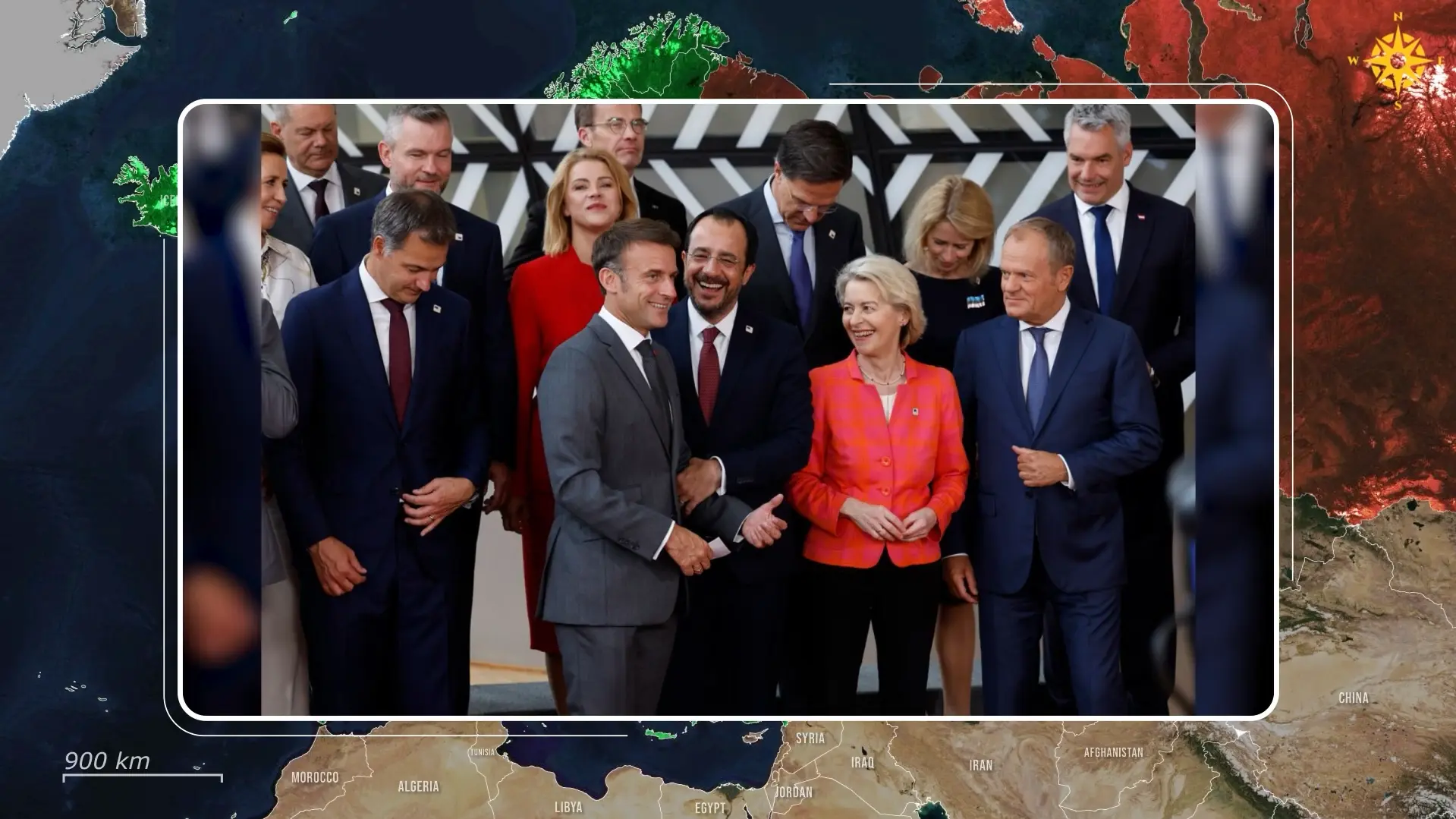
European countries would also play a key role in post-war security guarantees, which would include up to tens of thousands of troops, who would act as a peacekeeping force and a credible deterrent against Russia. Additionally, it is estimated that the war caused six hundred billion dollars’ worth of damage in Ukraine, which means that even if the war ends, Ukraine would need enormous investment for reconstruction, the majority of which would also likely be provided by Europe as part of continued EU integration initiatives. Given that Europe now plays the most important role in military and financial support for Ukraine, Russia has no choice but to invite them to the negotiations.
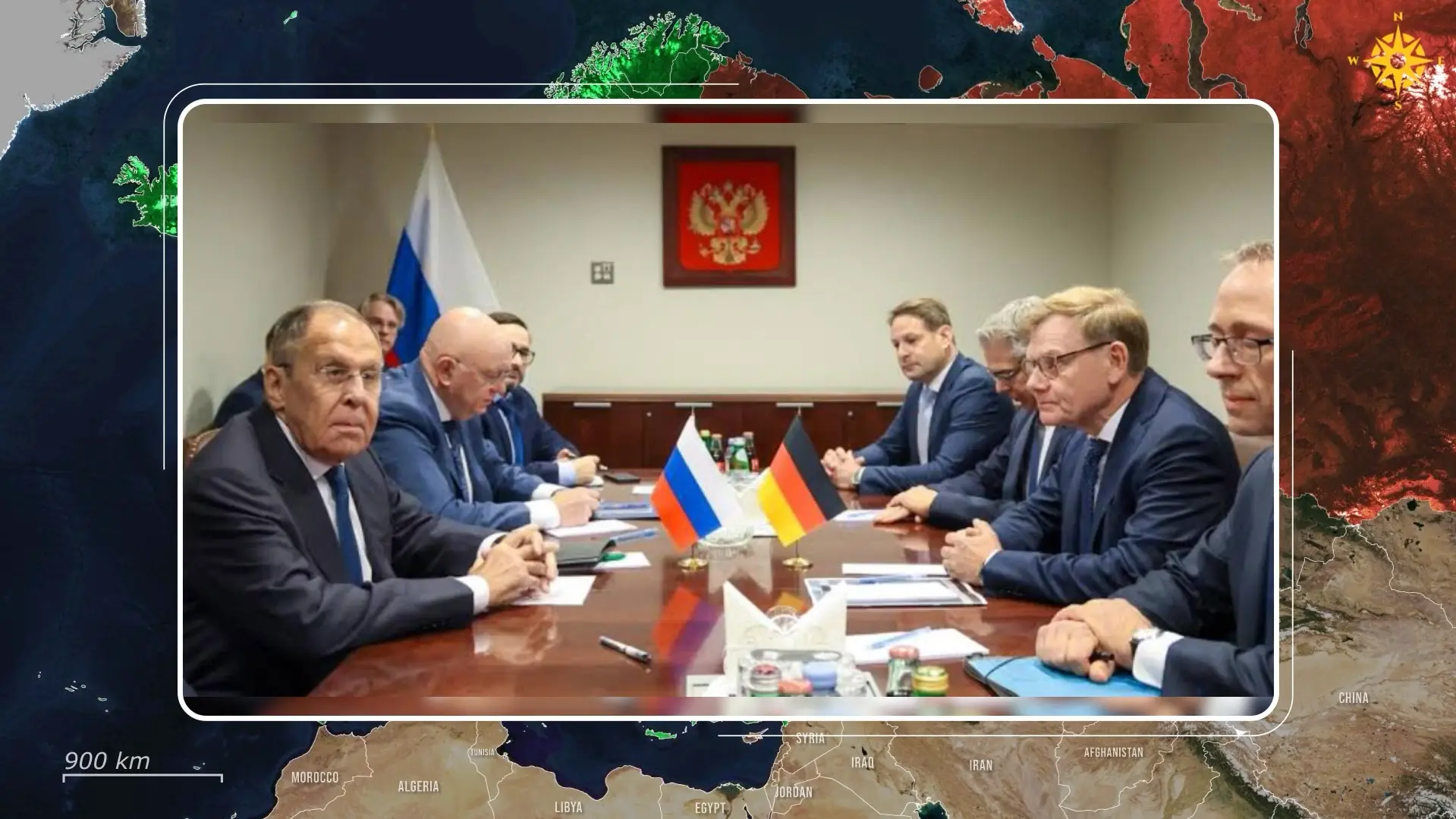
The reasoning for Russia to want Europe to join in the negotiation process could also be that it is seeking larger concessions than just from Ukraine. Geopolitical analysts note that Russia could want to pressure Nato into reducing its military footprint on the alliance’s eastern flank. They state that for years Putin has wanted Nato to reduce its military presence in Europe to its level before former Eastern Bloc countries joined the Alliance. Russia made the same demands in two thousand and twenty-one, shortly before launching its full-scale invasion of Ukraine in a play to frame it as a cause of the war, which Nato firmly rejected then, and it is highly unlikely to accept this now.
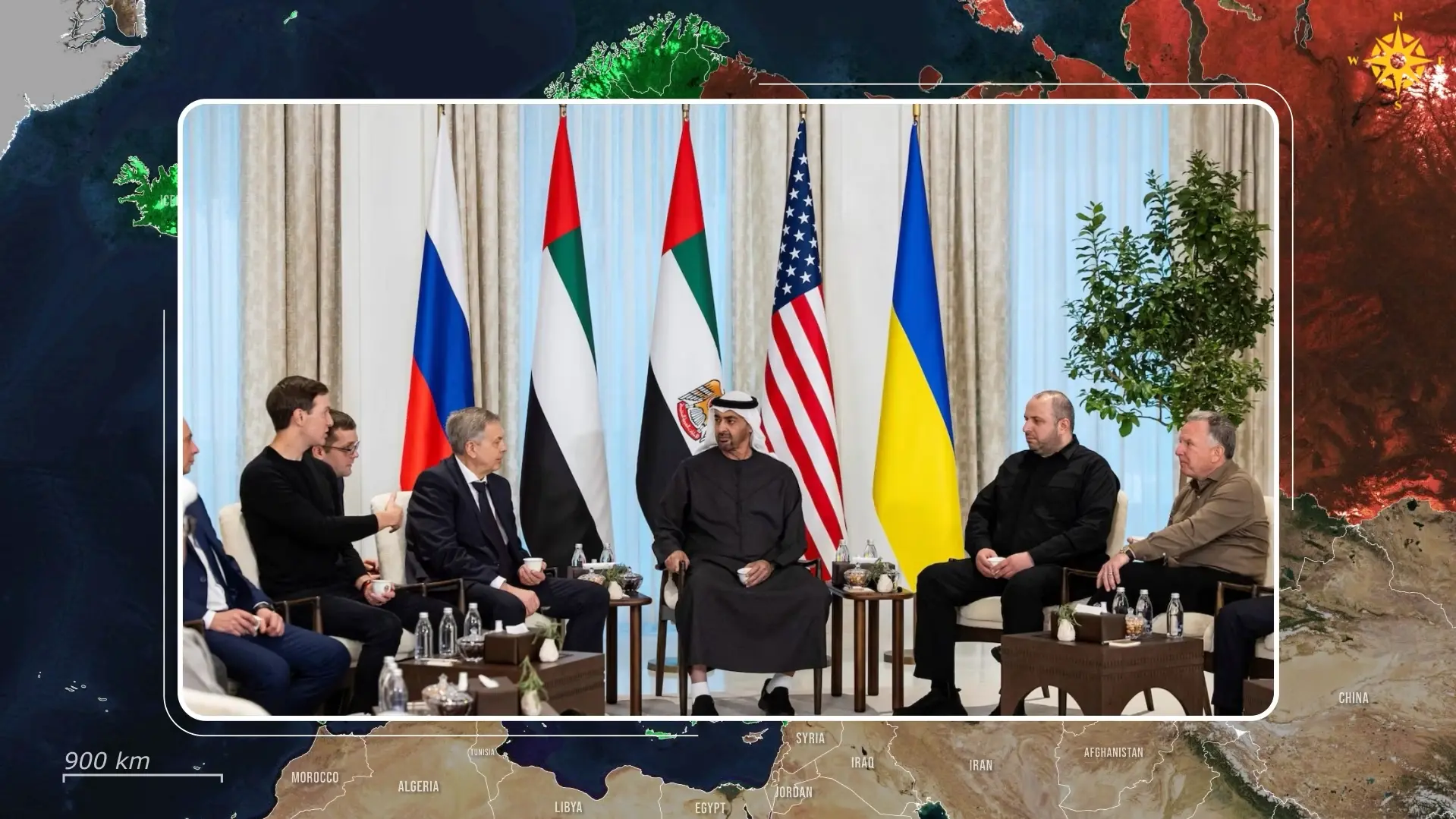
Overall, Russia’s decision to involve Europe reflects that ending the war requires more than an agreement between Washington and Moscow. Any deal must account for the countries financing Ukraine’s defense, supplying its weapons, and shaping its future security. Moscow may hope to use negotiations to weaken European unity, but Europe’s continued support gives it leverage and shows Russia that it cannot exclude Ukraine or Europe from the negotiations if they really intend to end the war.



Comments