


Today, the biggest news comes from Africa.
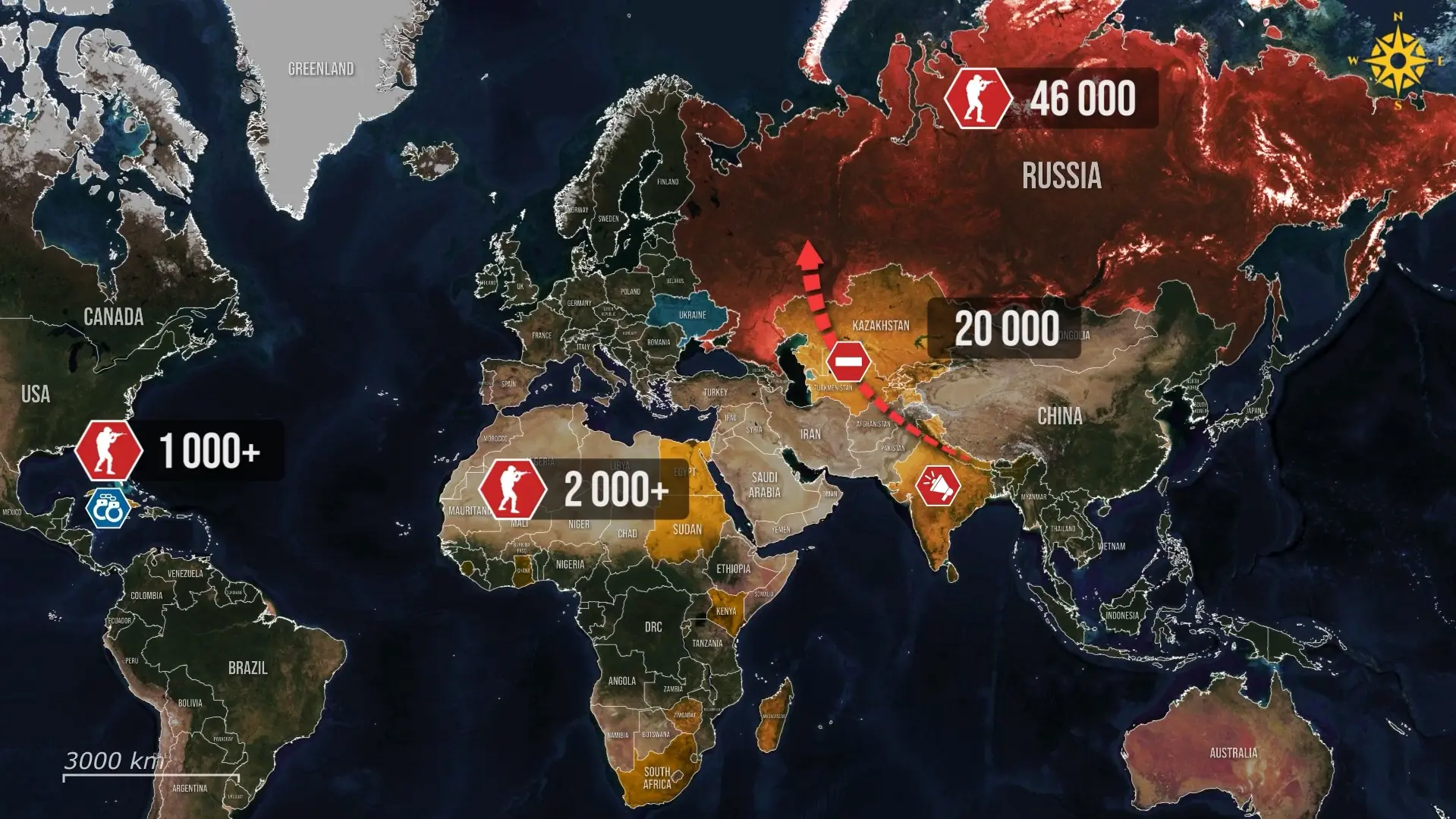
Russia is widening military recruitment across Africa, including hundreds of men from Madagascar for the first time since the full-scale invasion of Ukraine started. A Ukrainian intelligence source said that Moscow recruited six hundred and ninety-nine men from Burundi and five hundred and thirty from Zimbabwe in the first nine months of two thousand and twenty-six. To further increase their manpower, recruitment also expanded in Sierra Leone and other African states.
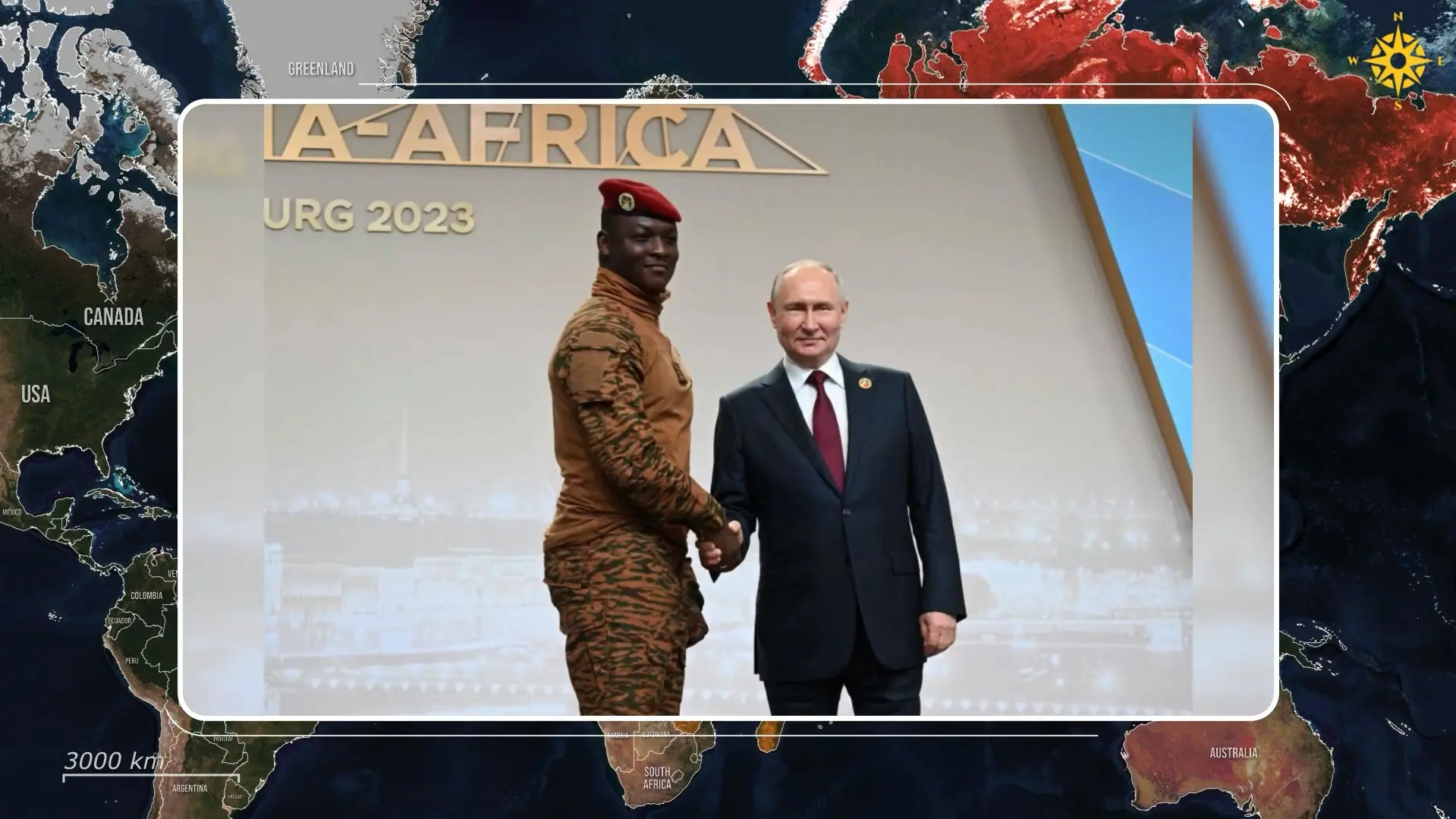
Russia increasingly needs foreign recruits because it cannot meet the army’s domestic demands. Notably, Russia has lost approximately three hundred and thirty thousand soldiers this year, while recruitment has been falling behind, meaning that the size of the Russian army has been decreasing by six thousand soldiers monthly. As a result, Russia is forced to try other options to fill its ranks. Russia has so far avoided another large-scale mobilization since two thousand and twenty-two, fearing a backlash from its citizens, which is why it resorted to foreign recruits.
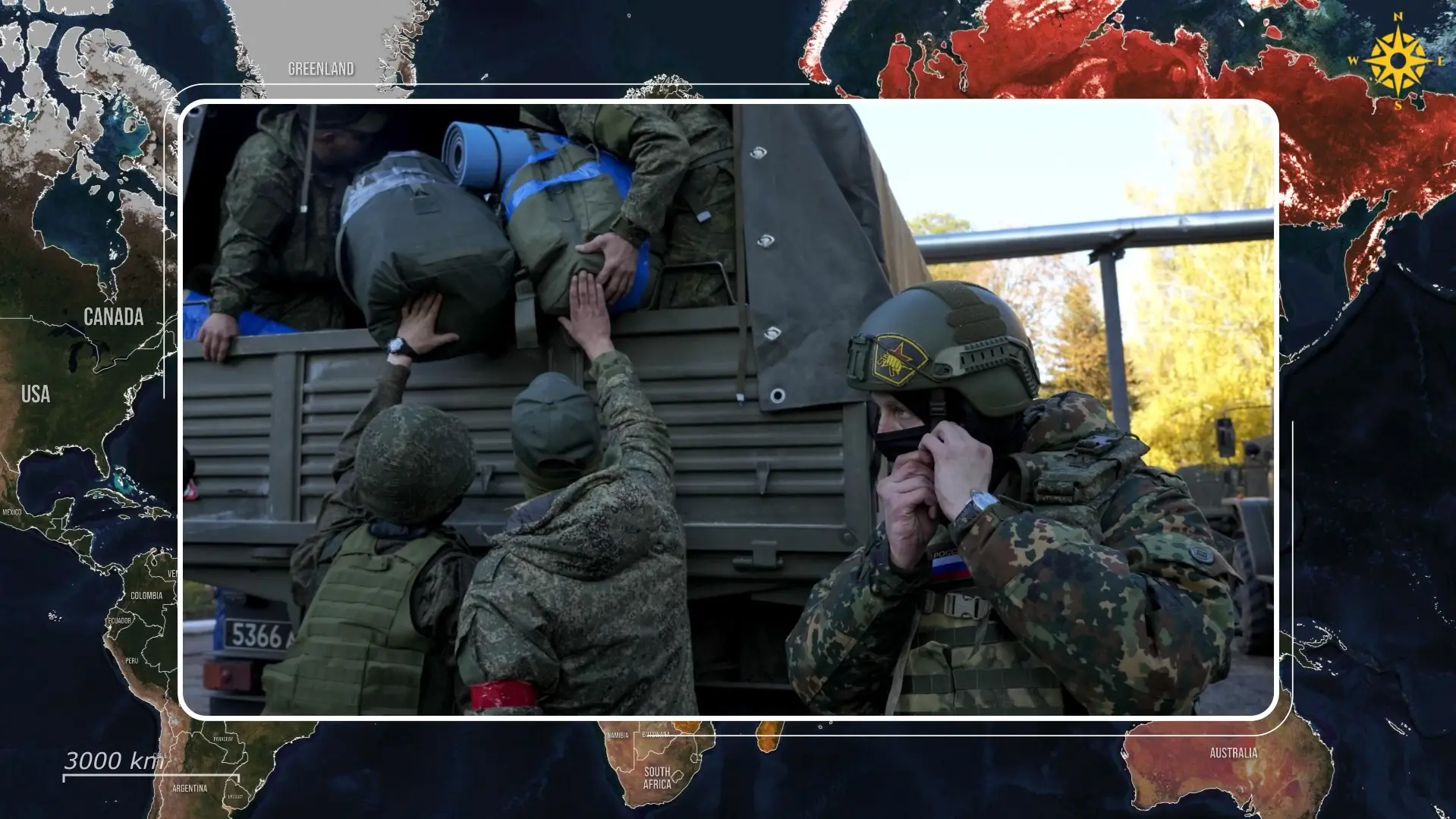
Russia already maintains political, economic, and military ties on the continent, including through the Africa Corps, the state-run Russian paramilitary running Russian operations in Africa, which facilitates networks and access for the Russian state for recruitment. Russia increasingly targets poorer countries with limited press freedom and weak judicial systems. This allows Russia to exploit the weak governance of these African countries, which cannot effectively protect their citizens from covert recruitment. High youth unemployment, poverty, and limited job opportunities in many African nations create a large pool of vulnerable young men who can be drawn in with financial incentives or deception.
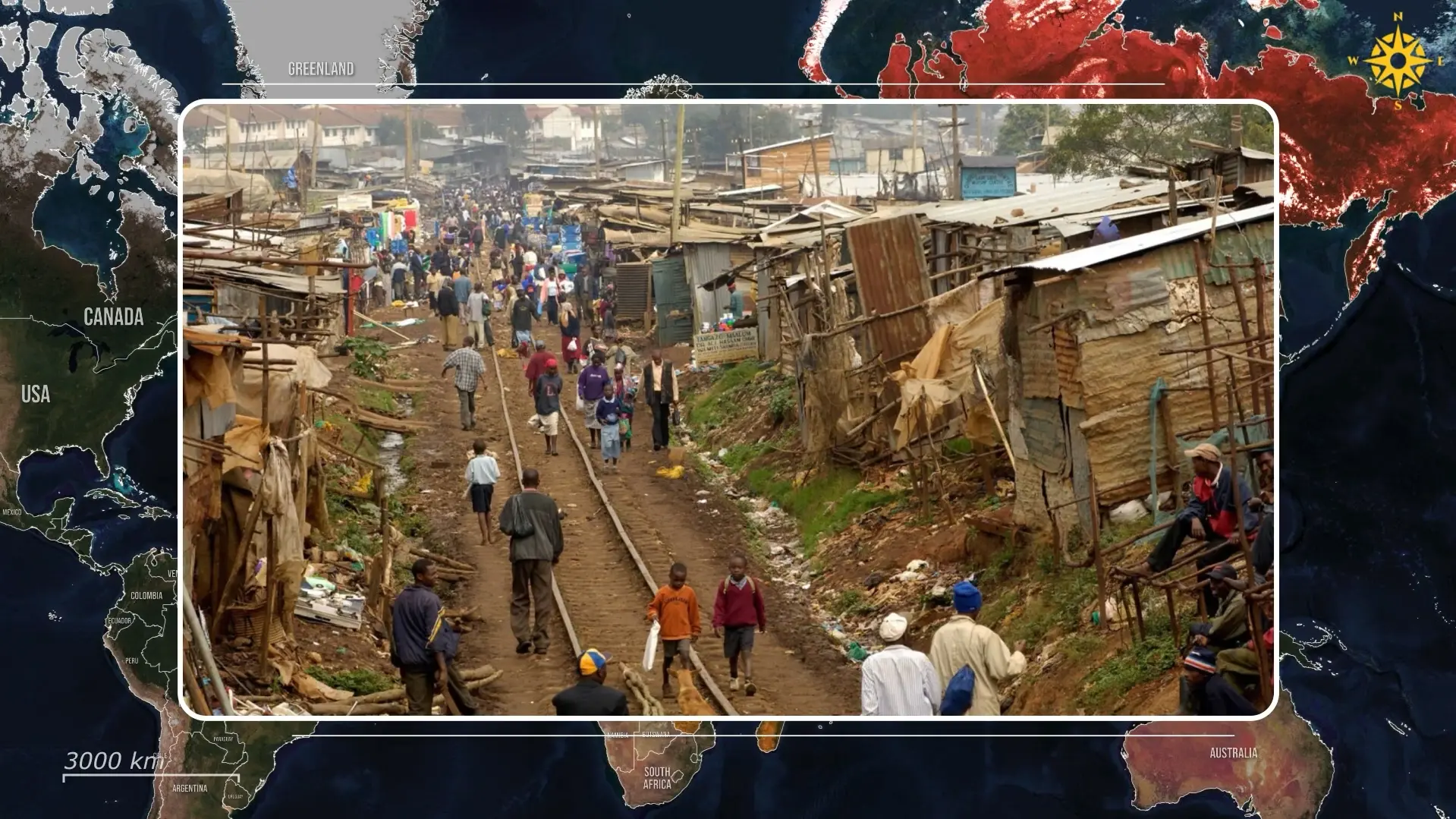
Common lures include well-paid work as drivers, security guards, construction workers, scholarships and study at Russian universities, or tourist visas leading to jobs. Salaries advertised are far above local averages, plus large signing bonuses and a path to Russian citizenship. Russia recruits through social media, online ads, travel agents, influencers, and intermediaries operating in African countries. Some target Africans already in Russia, for example, students or migrants with threats of deportation or offers of legal status. Upon arrival, recruits often face pressure or force to sign Russian-language military contracts they may not understand, with passports confiscated and no chance to leave.
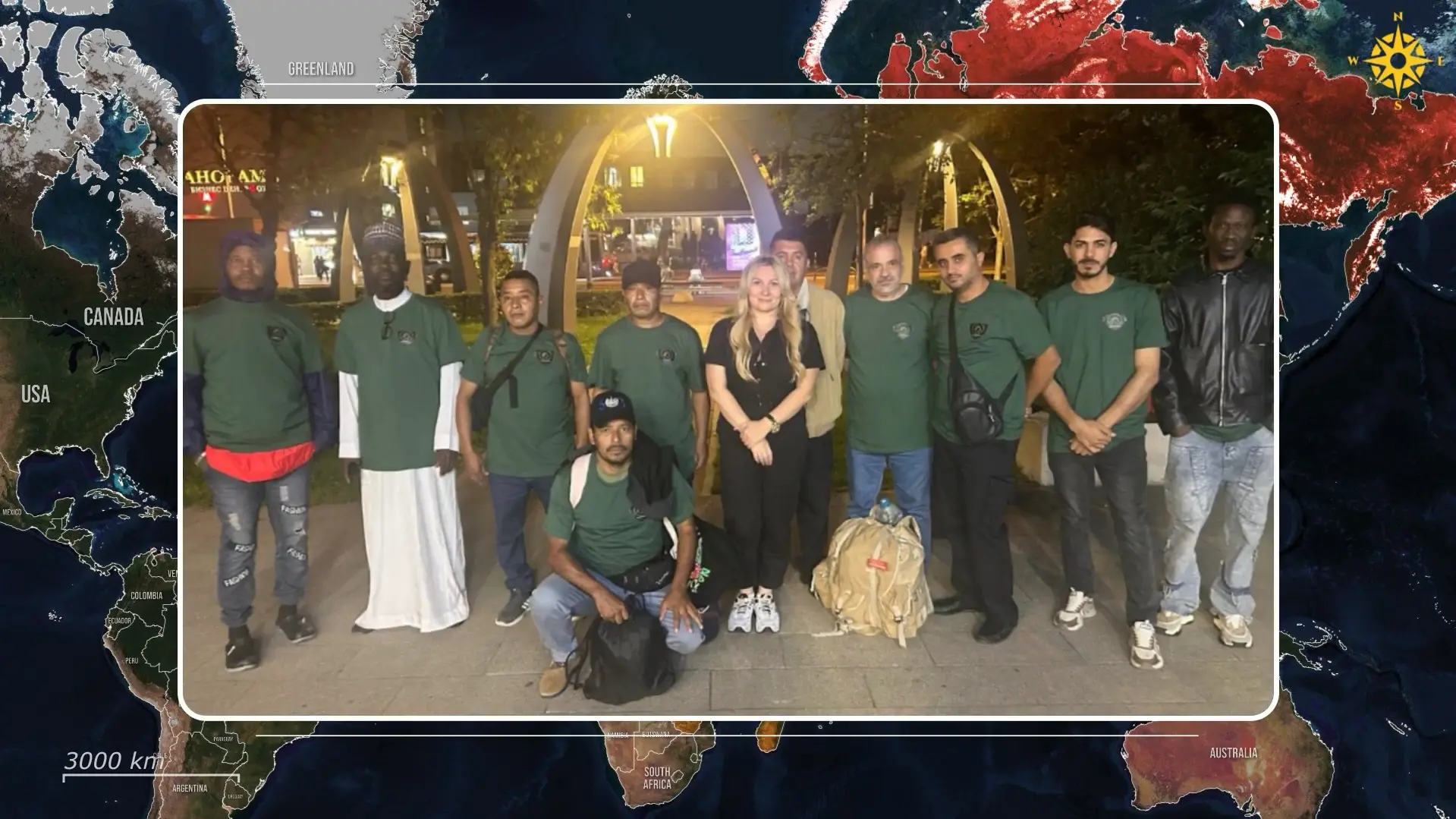
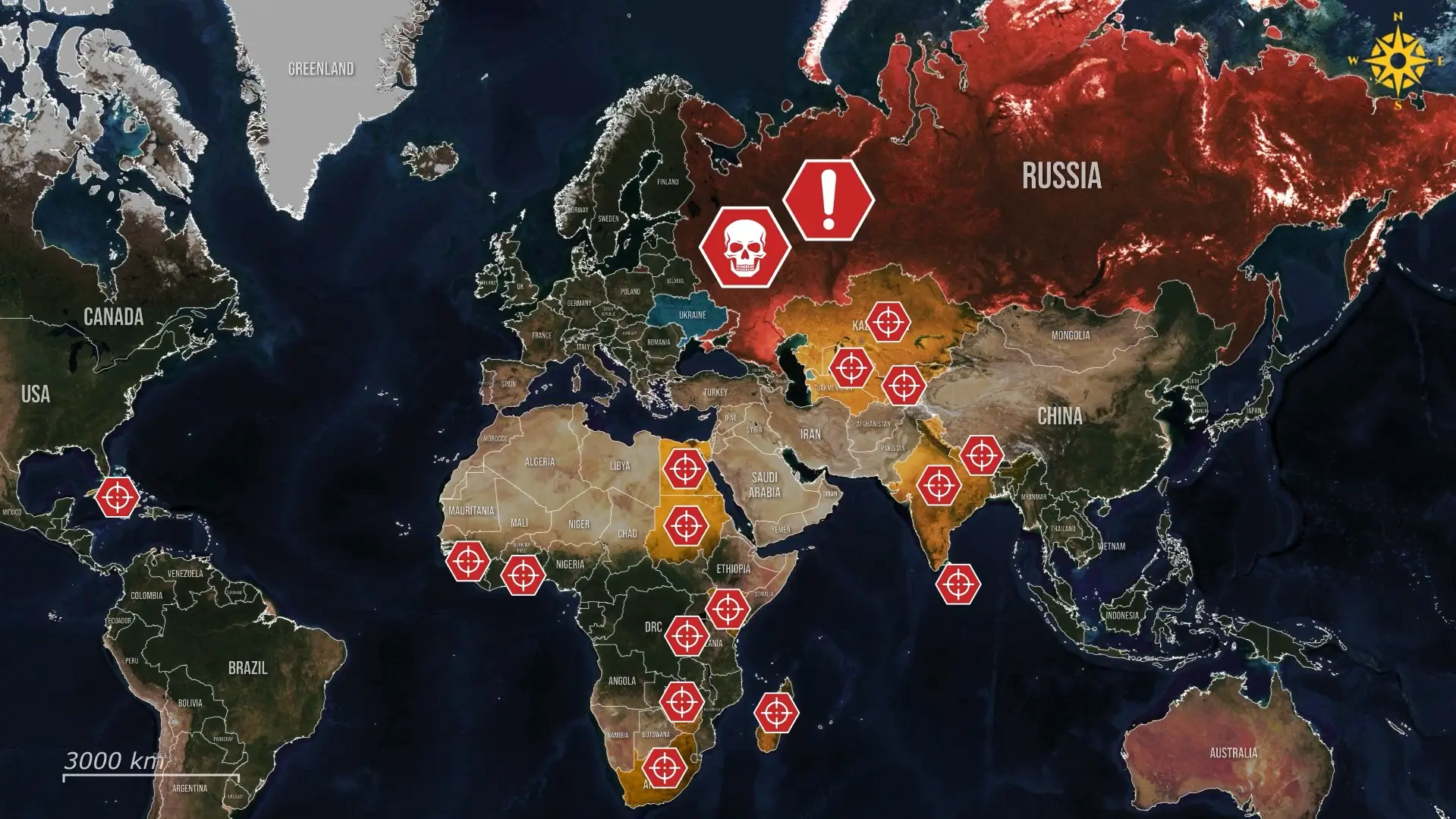
From African countries, at least two thousand people signed contracts with the Russian Ministry of Defense. Top sources include Egypt, Ghana, Kenya, South Africa, and Sudan. All in all, Russia has recruited nearly forty-six thousand foreign nationals from one hundred and fifty-one countries. Central Asia dominates because around twenty thousand, which equals forty-four percent of foreign recruits come from here to join the Russian army. So far, more than eight thousand men from Uzbekistan and five thousand from Tajikistan have fought in Ukraine. In two thousand and twenty-three, Russia lured up to fifteen thousand men from Nepal into Russia, but recruitment dropped sharply after the Nepali government applied diplomatic pressure and banned work permits. Similar cases happened in Sri Lanka and India on a smaller scale, after India protested the cases of deception by Russian authorities. Ukrainian intelligence also verified that more than a thousand men from Cuba joined the Russian army. Cubans were among the larger non-post-Soviet groups, while recruitment faced Cuban arrests of intermediaries and later Ukrainian diplomatic efforts to curb it.
Overall, Russia’s growing reliance on foreign fighters reveals a deeper weakness as the Kremlin is struggling to sustain a war that continues to consume enormous numbers of soldiers. Instead of confronting the political risks of another mobilization at home, Moscow is shifting the human cost onto vulnerable populations abroad. As recruitment scandals spread, diplomatic pressure grows, and governments intervene, Russia may find that exploiting economic desperation can provide temporary manpower, but not a sustainable solution to its long-term military crisis.



Comments