


Today, there are important updates from the Russian Federation.
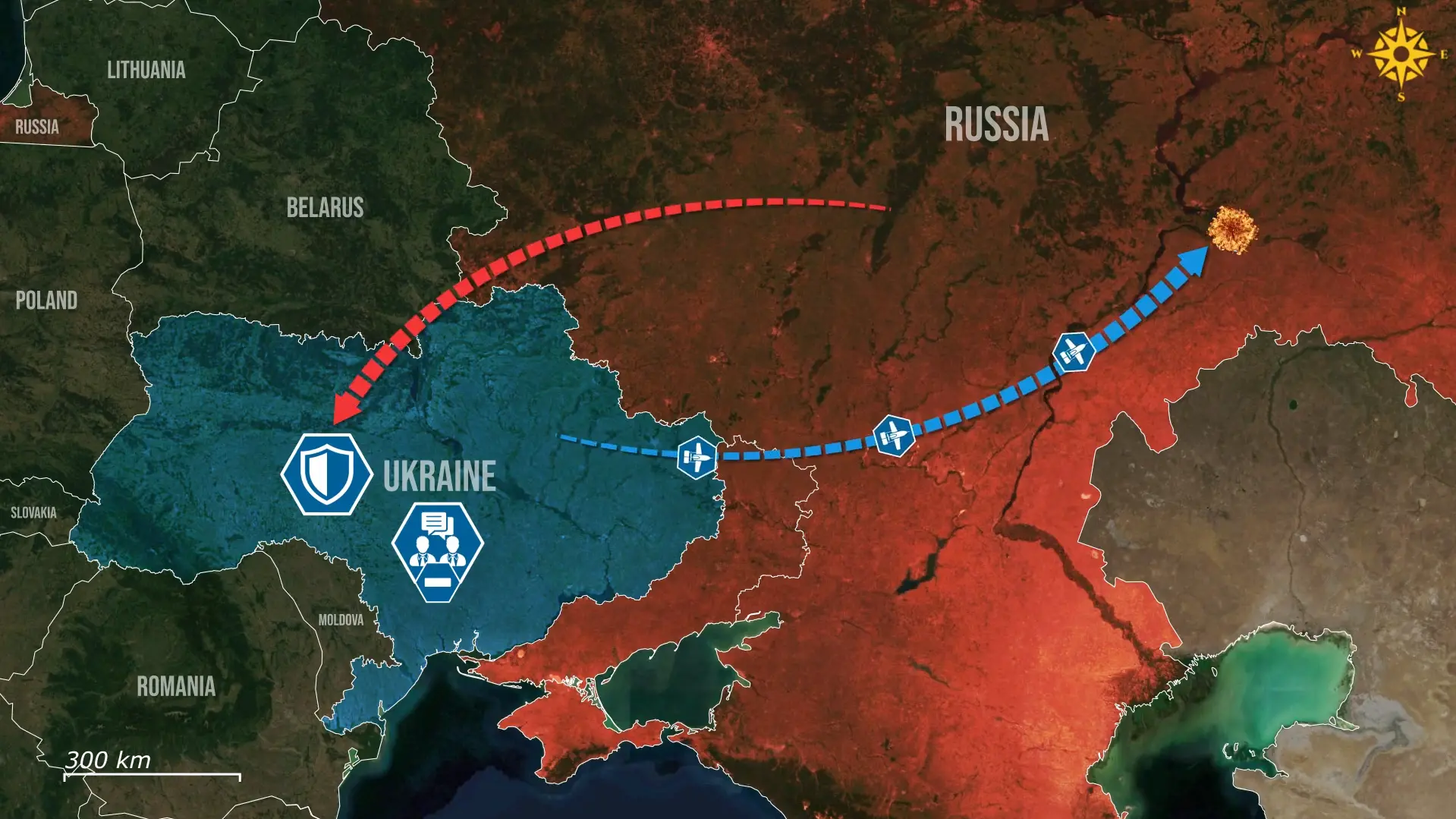
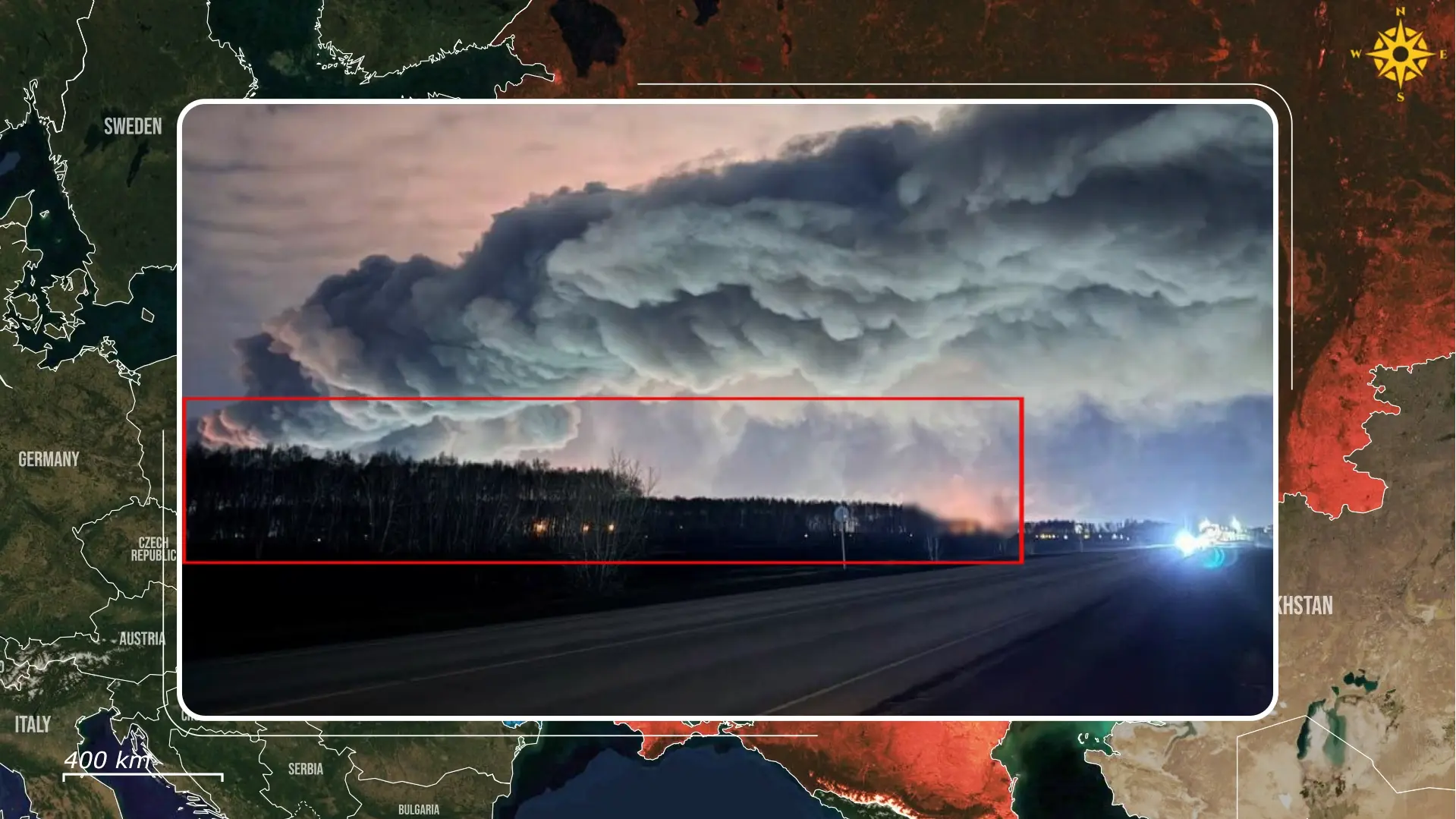
Here, Ukraine has resumed its devastating campaign against Russia’s oil industry, launching a massive overnight drone attack that engulfed the Novokuybyshevsk refinery in Samara Oblast in flames. Footage shows enormous fires burning across the Rosneft-operated complex, with around eleven separate fire locations inside it.
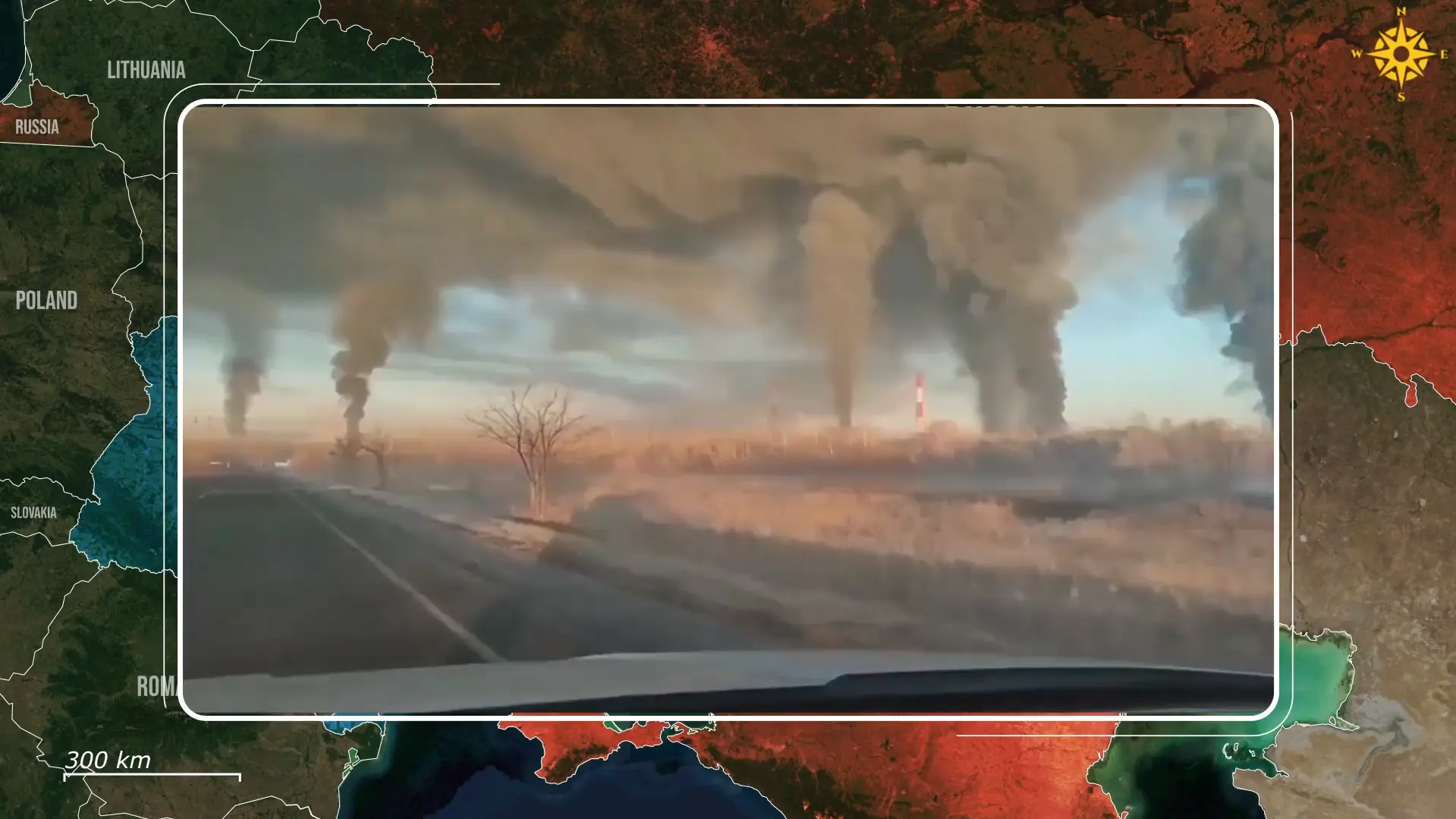
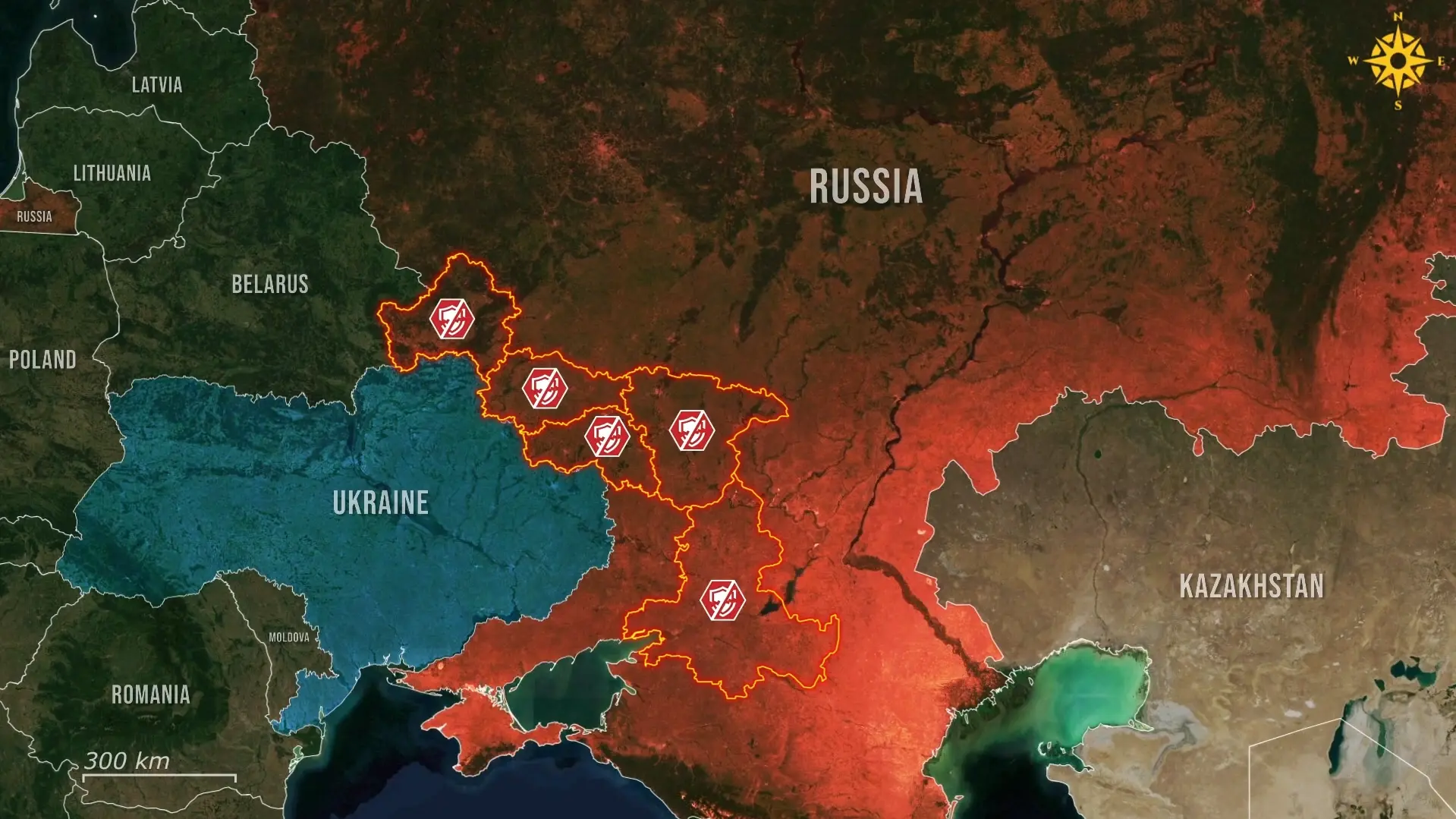
Despite claims by Russian officials that the Russian air defenses operated throughout the night, Ukrainian drones penetrated the refinery’s defenses without any obstacle, causing extensive fires whose full impact remains under assessment. The facility processes approximately nine million tons of crude oil annually, producing diesel, gasoline, aviation kerosene, and other petroleum products essential to Russia’s economy and military logistics. Its importance extends beyond civilian fuel supplies, as Russian aircraft, military vehicles, and logistical formations depend on it to sustain operations, and disrupting Novokuybyshevsk threatens both fuel production and the broader supply network supporting Russia’s war.
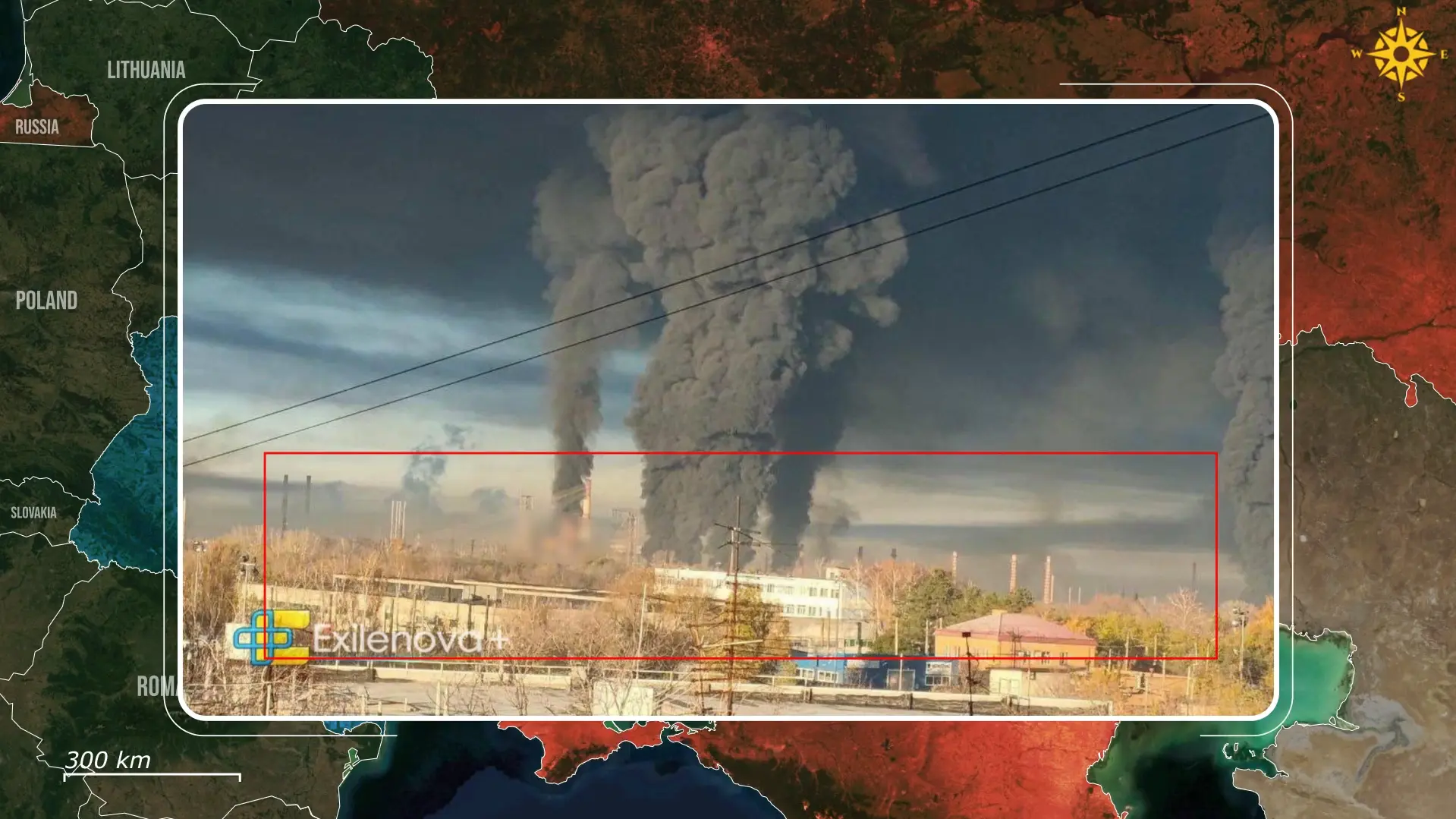
However, the timing is particularly significant, as for approximately two weeks, Ukrainian attacks against Russian refineries paused, which Moscow used to repair damaged facilities and restore production, without offering any comparable restraint. Instead, Russian forces continued attacking Ukrainian energy infrastructure, threatening electricity and heating supplies as winter approached. Meanwhile, Russian oil exports continued generating enormous revenues, helping finance military recruitment, missile production, and drone attacks. The pause was becoming increasingly counterproductive because Ukraine had temporarily suspended one of its most effective instruments of economic pressure while Russia continued both its bombardment and its oil exports.
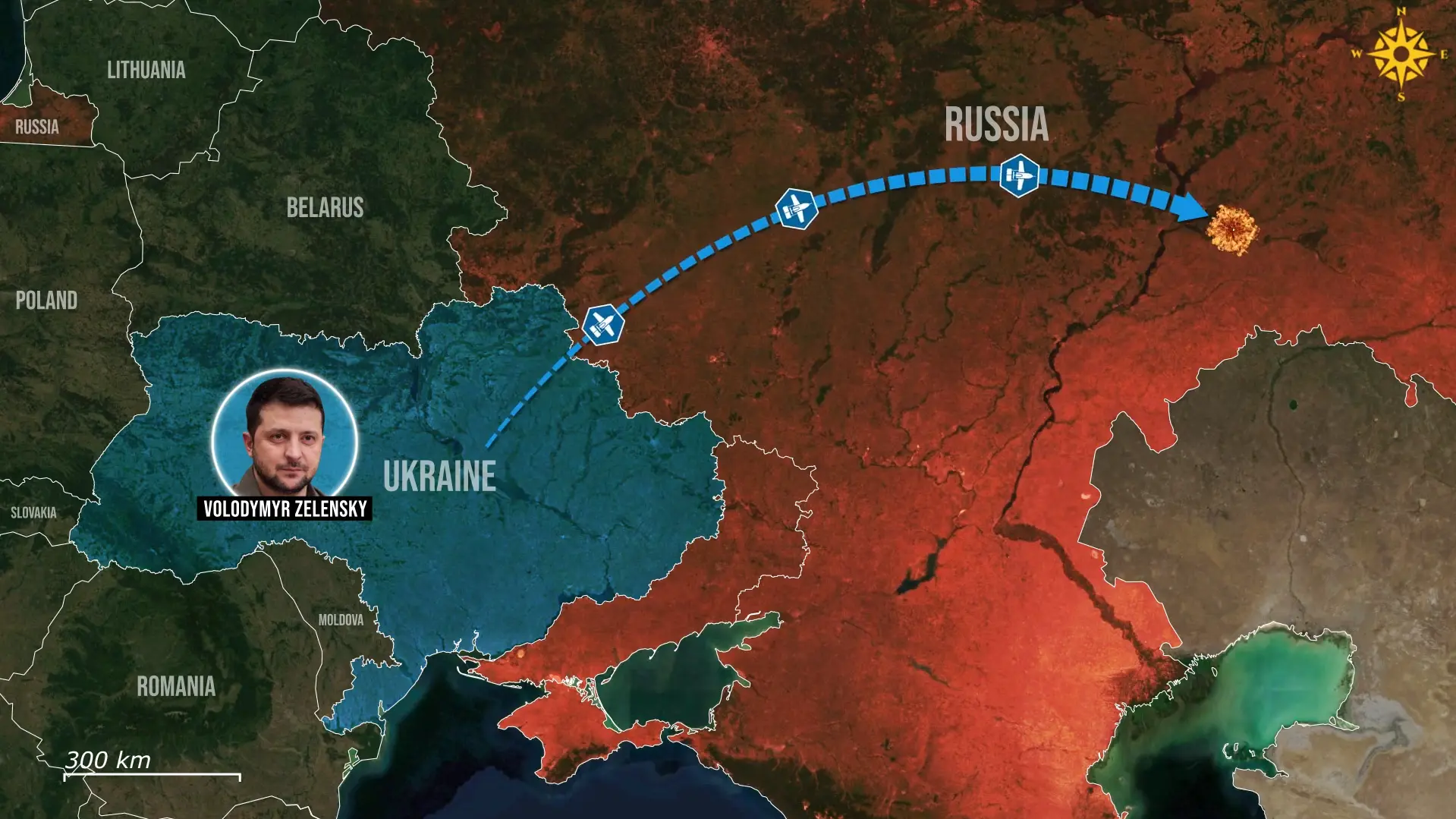
The Samara strike signals that this restraint has ended and the consequences could extend across Russia, as President Zelensky already declared that no Russian refinery is beyond Ukrainian strike range, citing the attack on Omsk approximately two-thousand-and-five-hundred kilometers from Ukraine. As a result, Russia’s entire core refining network is now exposed to potential attacks, and before the October pause, Ukraine’s campaign had already inflicted substantial disruption. Russia possesses approximately six-point-five million barrels per day of installed refining capacity, which fell to approximately three-point-eight million barrels daily, its lowest level in more than two decades and roughly thirty percent below last year’s levels.
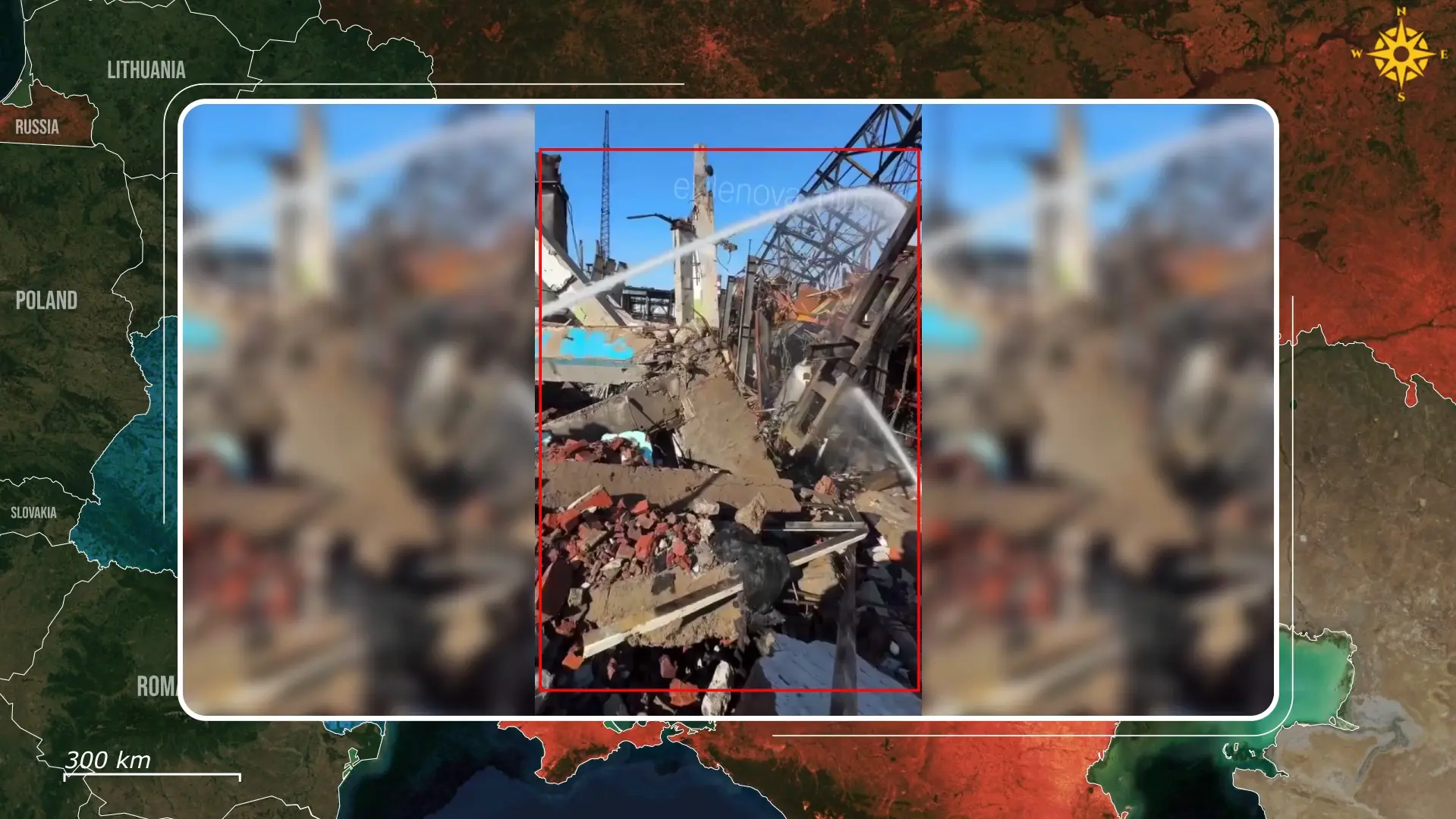
Russian refineries were being attacked approximately once every three days, with certain facilities repeatedly struck, as the damage affected fuel availability, refinery operations, and Moscow’s ability to maintain stable domestic supplies. The pause demonstrated just how effective Ukrainian pressure had become, as Russian crude processing recovered approximately twenty-five percent, reaching around five million barrels daily after attacks subsided.
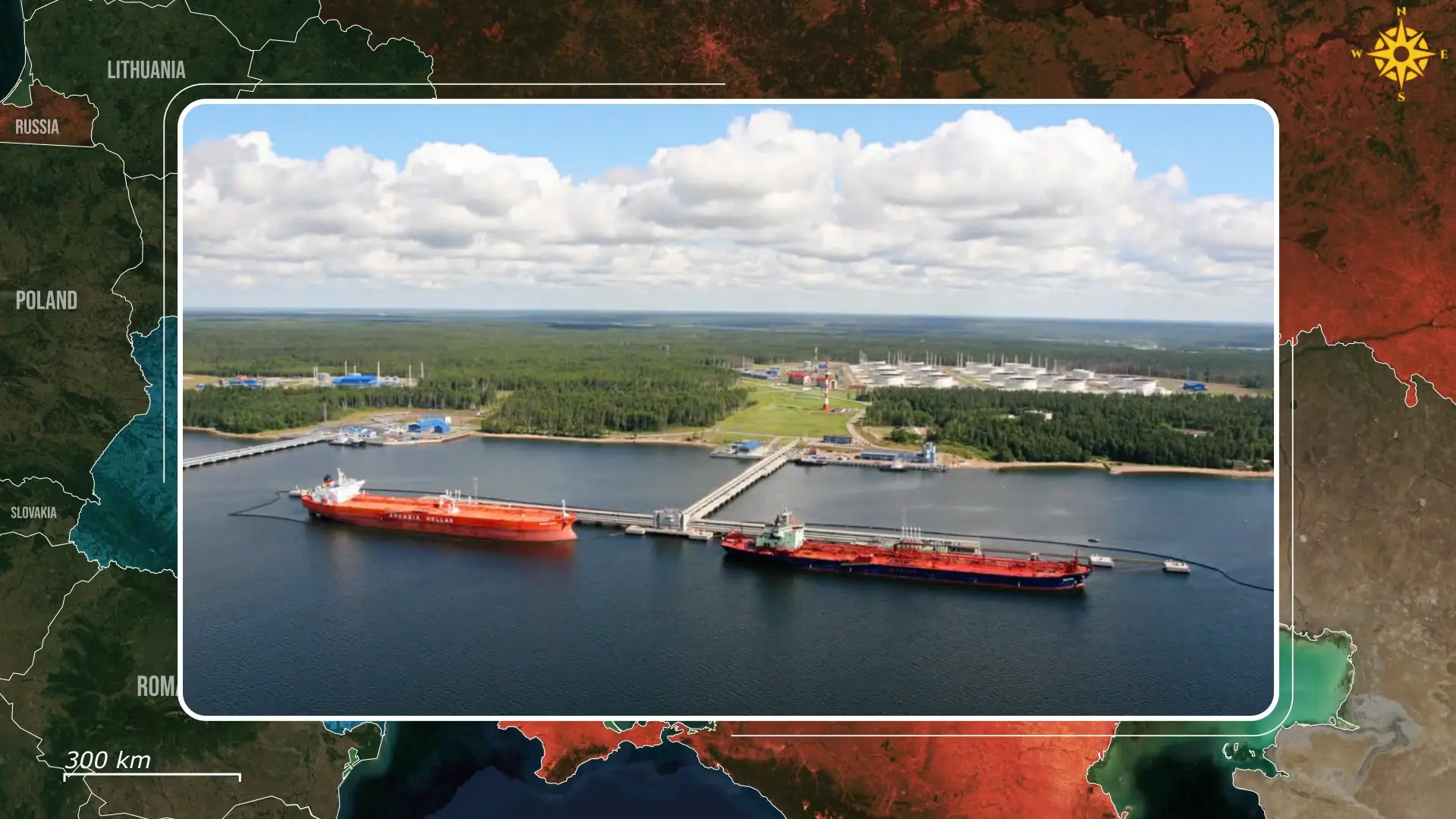
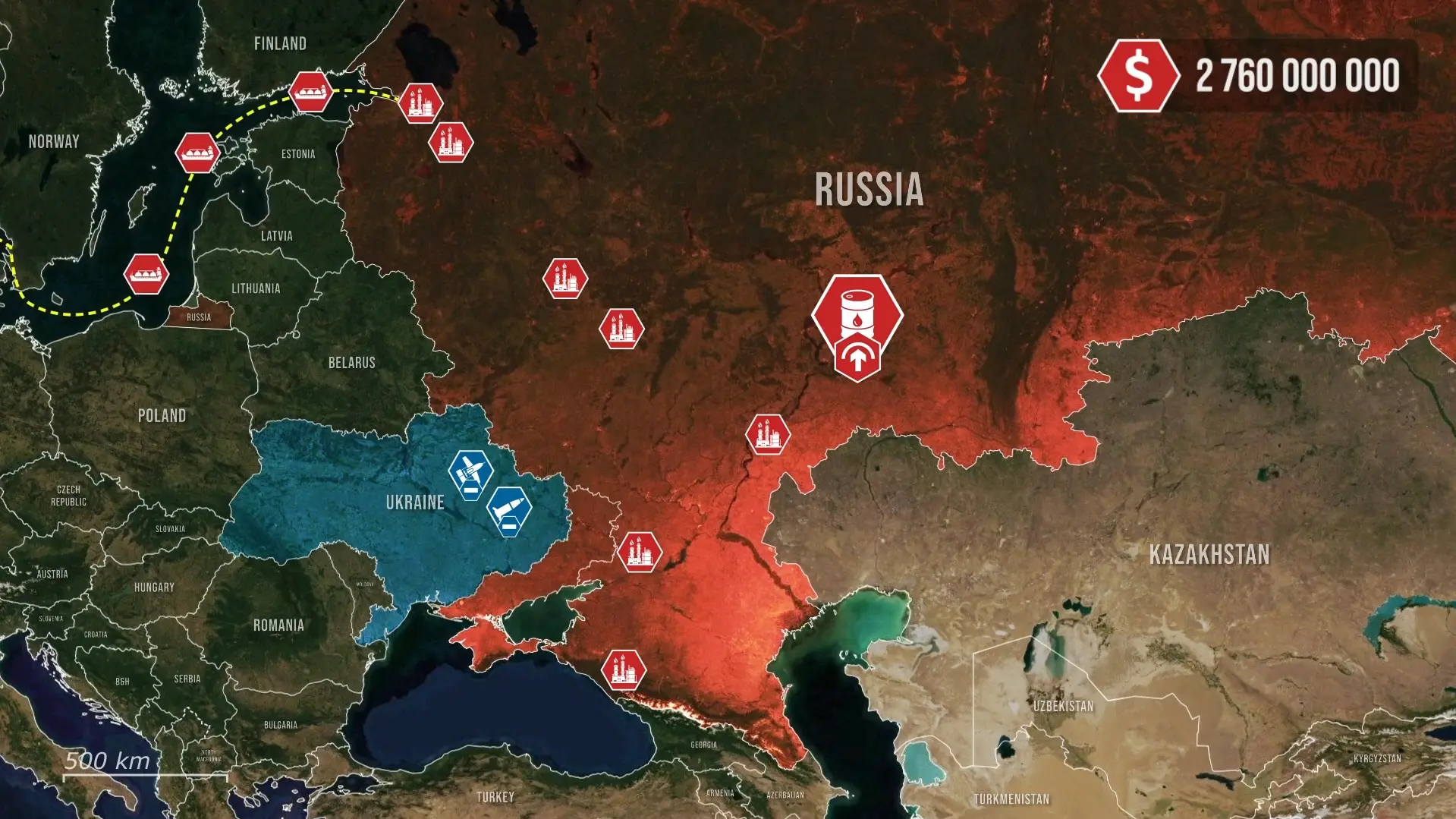
Now the question is whether Ukraine will expand its renewed campaign beyond refineries, as Russian shadow-fleet tankers, oil-export terminals and maritime infrastructure remain central to converting petroleum production into revenue, and attacking them will intensify economic pressure by disrupting exports rather than merely refining operations. However, such a move could create serious tensions with Washington, as the Trump administration has tried to pressure Ukraine to limit refinery attacks over concerns about international fuel prices, so a broader Ukrainian campaign against oil exports could therefore conflict with American energy priorities.

Overall, Ukraine faces a fundamental strategic dilemma, as every additional week of uninterrupted Russian oil revenue provides Moscow with resources to finance soldiers, weapons, and further attacks against Ukrainian infrastructure. Without reciprocal Russian restraint or enforceable protection for Ukraine’s energy system, prolonging a unilateral pause offers little apparent benefit. The fires at Novokuybyshevsk therefore represent more than another refinery attack, as they demonstrate Ukraine’s determination to restore economic pressure despite diplomatic risks. Russia has hoped that international pressure would permanently restrict Ukrainian strikes while its own attacks continued. Instead, Ukraine has resumed targeting the industrial revenues sustaining Moscow’s war, signaling that Russia cannot assume its oil infrastructure will remain protected while Ukrainian cities continue coming under fire.





Comments