


Today, there are dangerous updates from the Kherson direction.
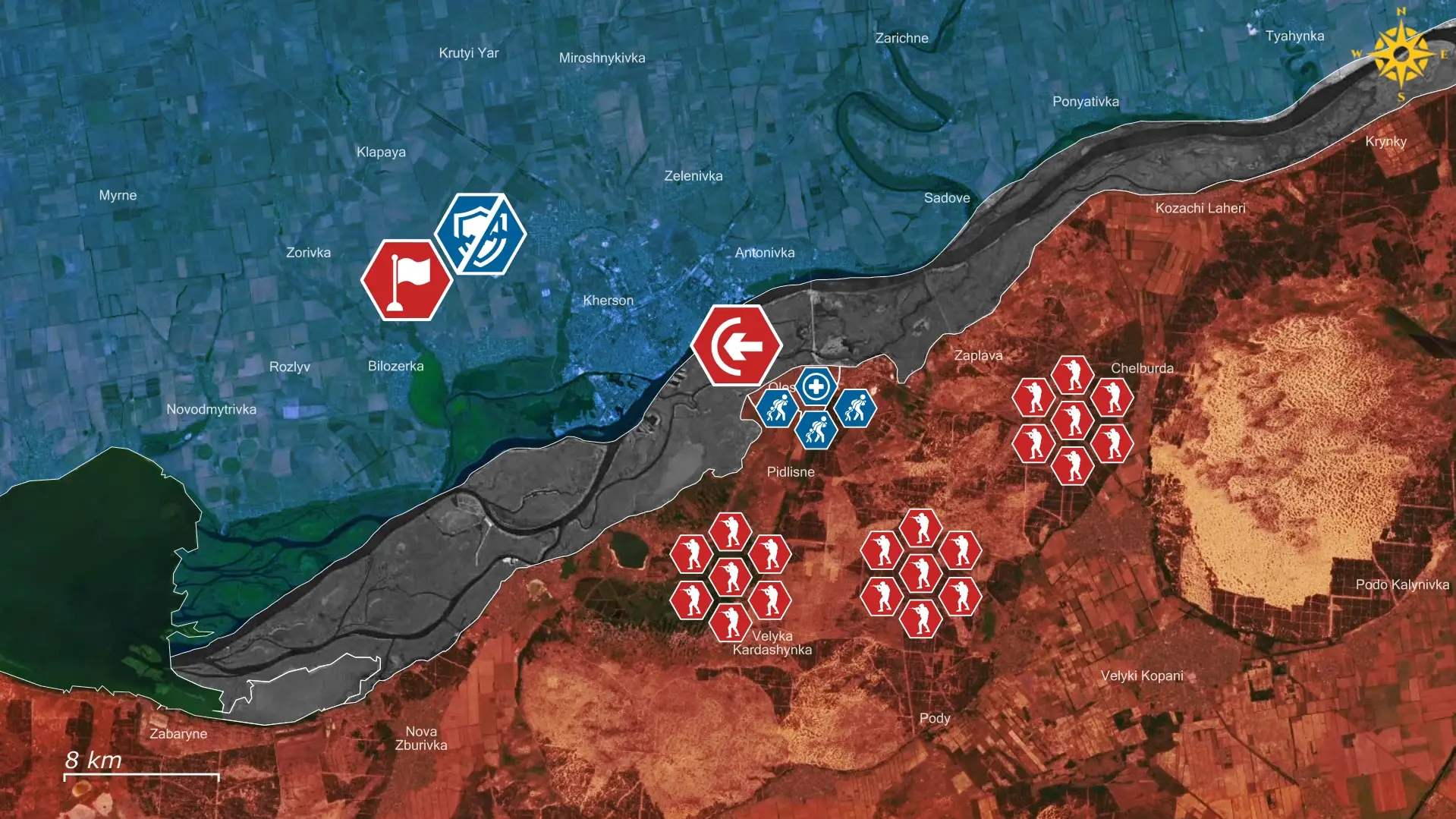
Here, Russian forces are already exploiting the ceasefire around Oleshky that was supposed to provide desperately needed humanitarian relief to strengthen their positions and prepare for another offensive across the Dnipro River.
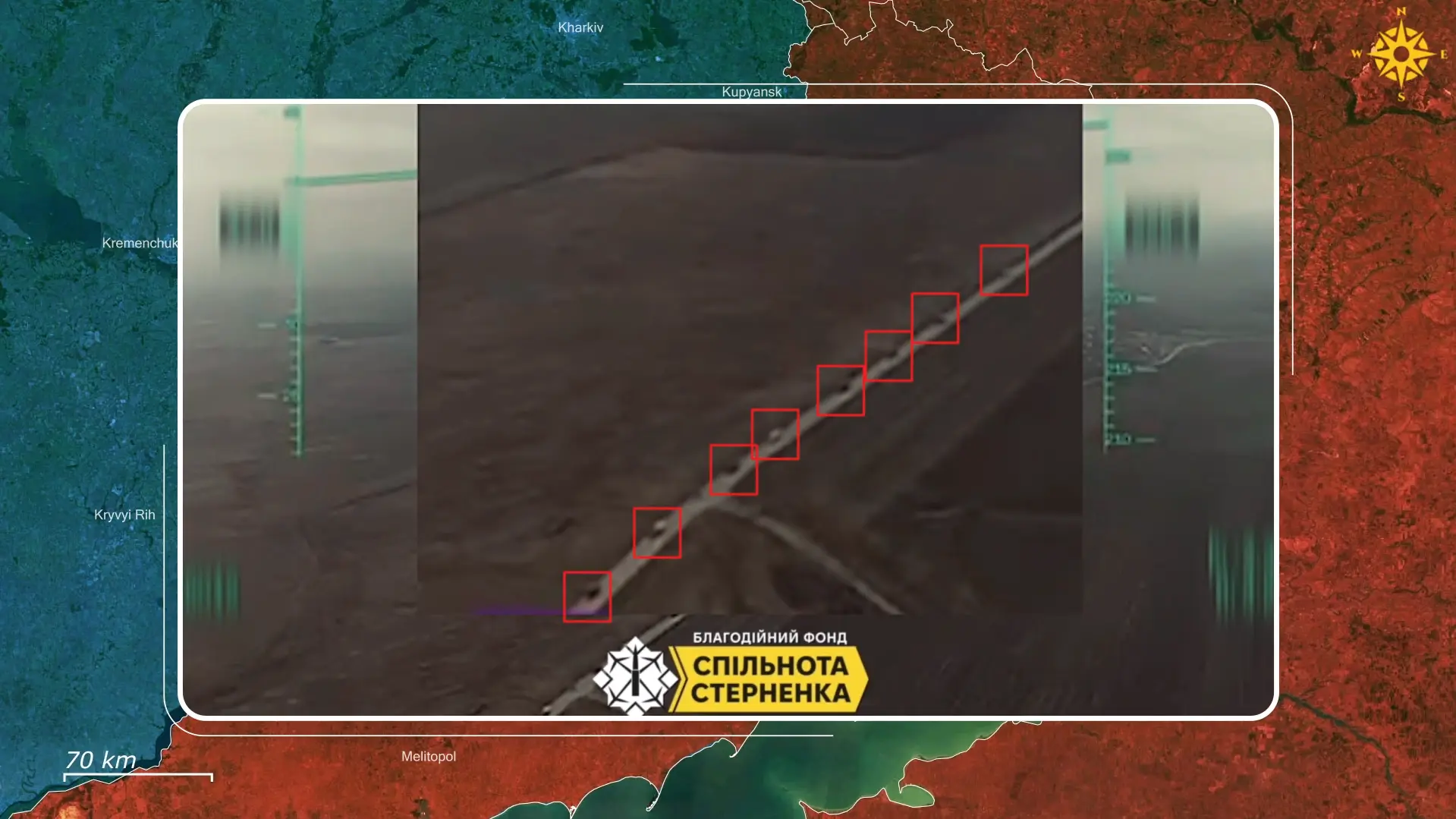
Russian commanders have intensified military preparations around Kherson, constructing fortifications, covering roads with protective netting and transferring additional soldiers, ammunition and supplies into frontline settlements. This confirms that Moscow uses the ceasefire to improve its military position before hostilities resume, which is hardly surprising for Ukrainian commanders.

The temporary ceasefire was negotiated to address the humanitarian catastrophe in Russian-controlled Oleshky, where around three thousand Ukrainian civilians remain trapped without reliable access to food, drinking water, or electricity. The Dnipro River separates them from Ukrainian-controlled territory, while dangerous roads and Russian military positions prevented any evacuation. Ukrainian officials reported that the first thirty hours passed without violations, as the agreement subsequently expanded across the wider Kherson region. The main evacuation is expected on October Thirtieth, with civilians offered routes toward Ukrainian-controlled territory or Russian-held areas, while residents in the city of Kherson briefly experienced something resembling normal life, with streets filled with people who had spent years living under constant threat of Russian FPV drone operators hunting them down.
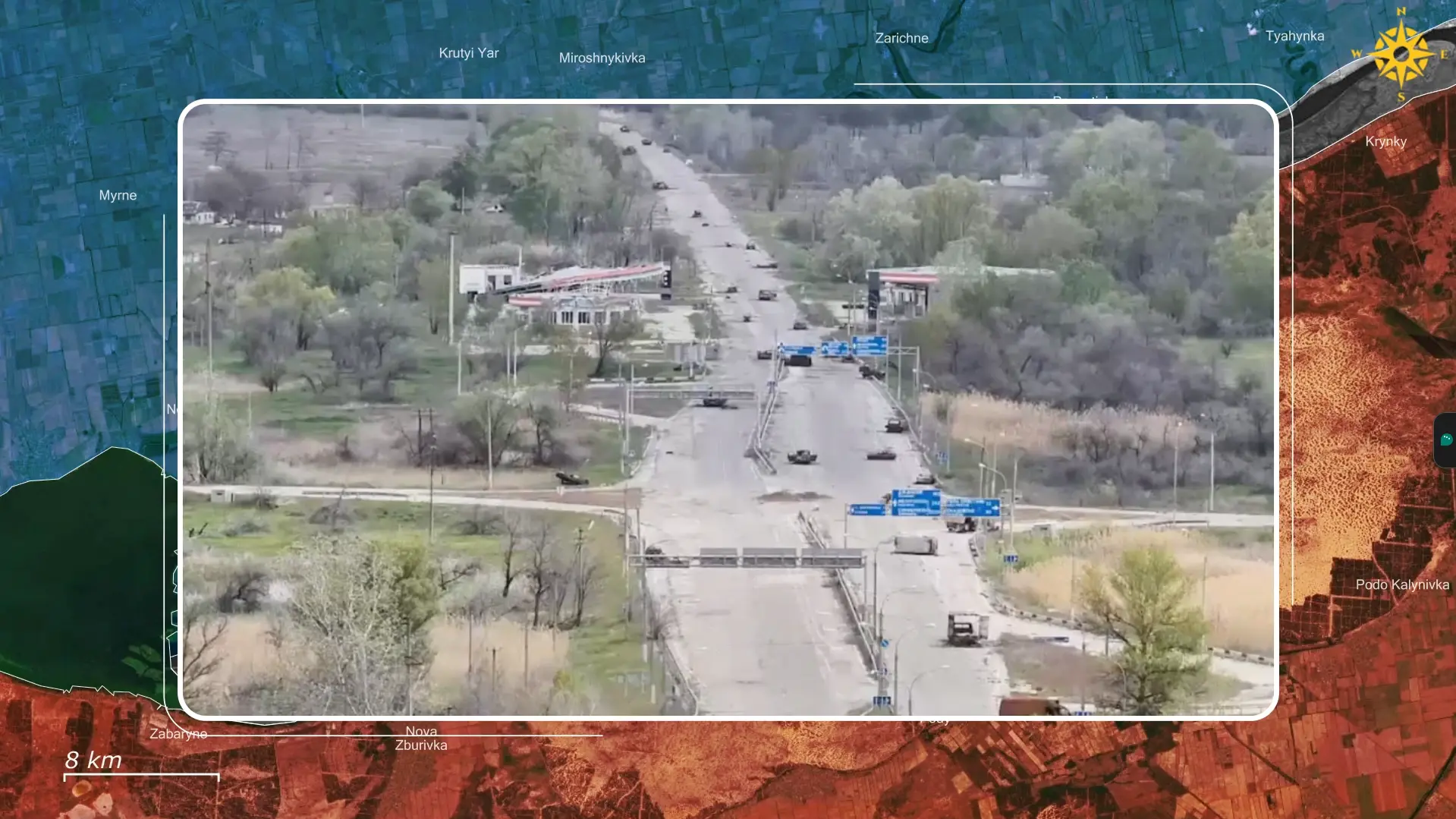
But behind this welcome humanitarian development, Ukrainian officials identified a growing military danger, as Russia's accumulation of supplies and reinforcements supports renewed attempts to infiltrate Ukrainian positions across the Dnipro, especially when autumn weather makes the situation particularly unpredictable.
Heavy rain, fog, and low cloud cover can reduce visibility and complicate Ukrainian drone surveillance, potentially allowing Russian assault groups to approach the river unnoticed. Even without immediately attempting a massive amphibious offensive, Russian commanders could exploit temporary gaps in observation to send small infiltration groups across the water. They can establish successful crossings for reinforcements and start establishing reliable supply routes to sustain bridgeheads, which is a danger Ukrainian commanders cannot ignore.
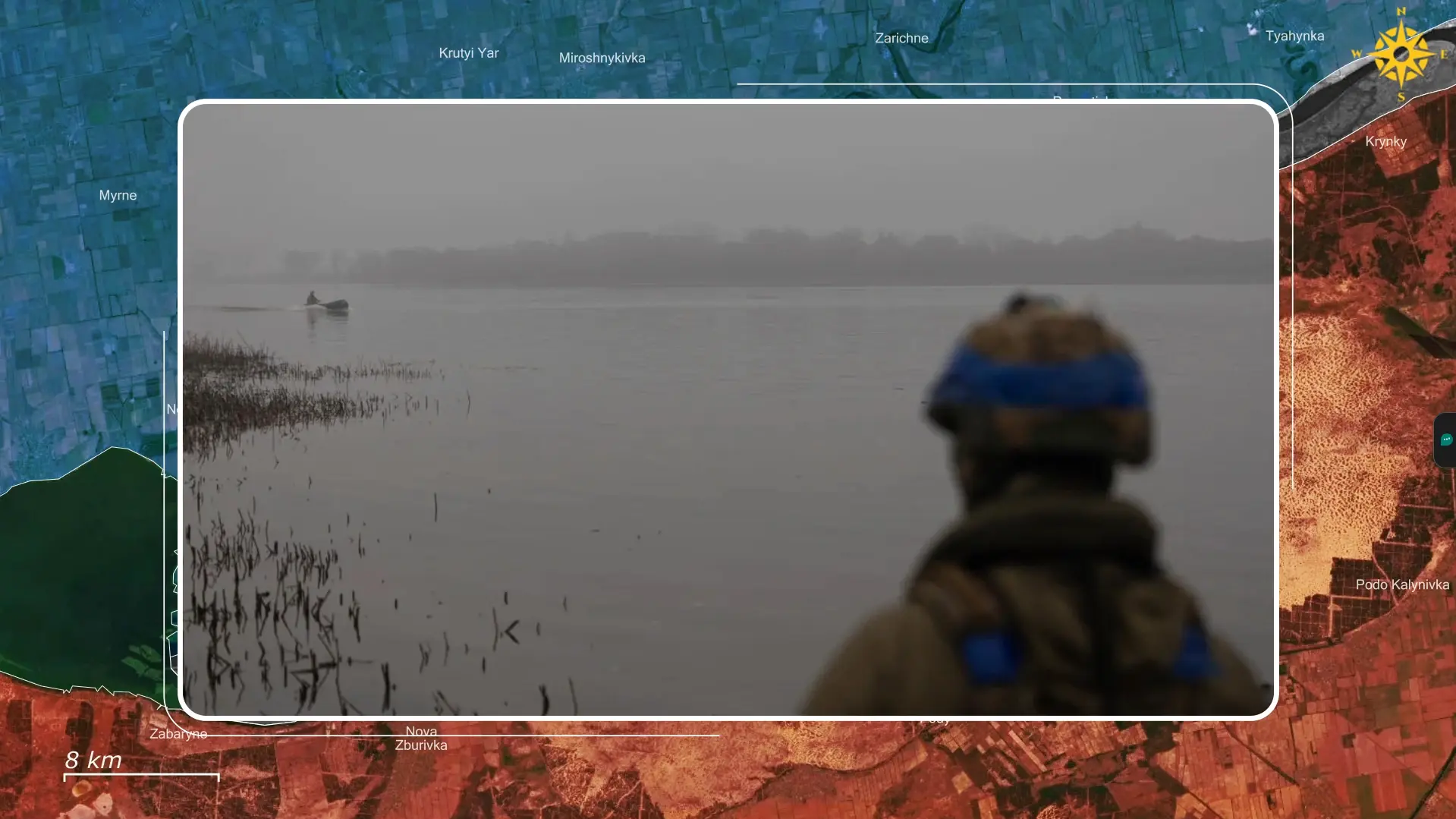
At the same time, this raises a much larger question about any future peace deal, as the Oleshky arrangement is a localized humanitarian ceasefire, not a comprehensive peace deal between Ukraine and Russia. However, Ukrainian officials see it as a warning of what could happen if a nationwide ceasefire were imposed without credible security guarantees. Under such an agreement, Russia could rebuild depleted formations, accumulate ammunition and equipment, strengthen fortifications and prepare new offensives while presenting these activities as defensive measures. Ukraine, meanwhile, might face diplomatic pressure to avoid responding militarily, fearing accusations of violating the agreement, which would create a dangerous imbalance.
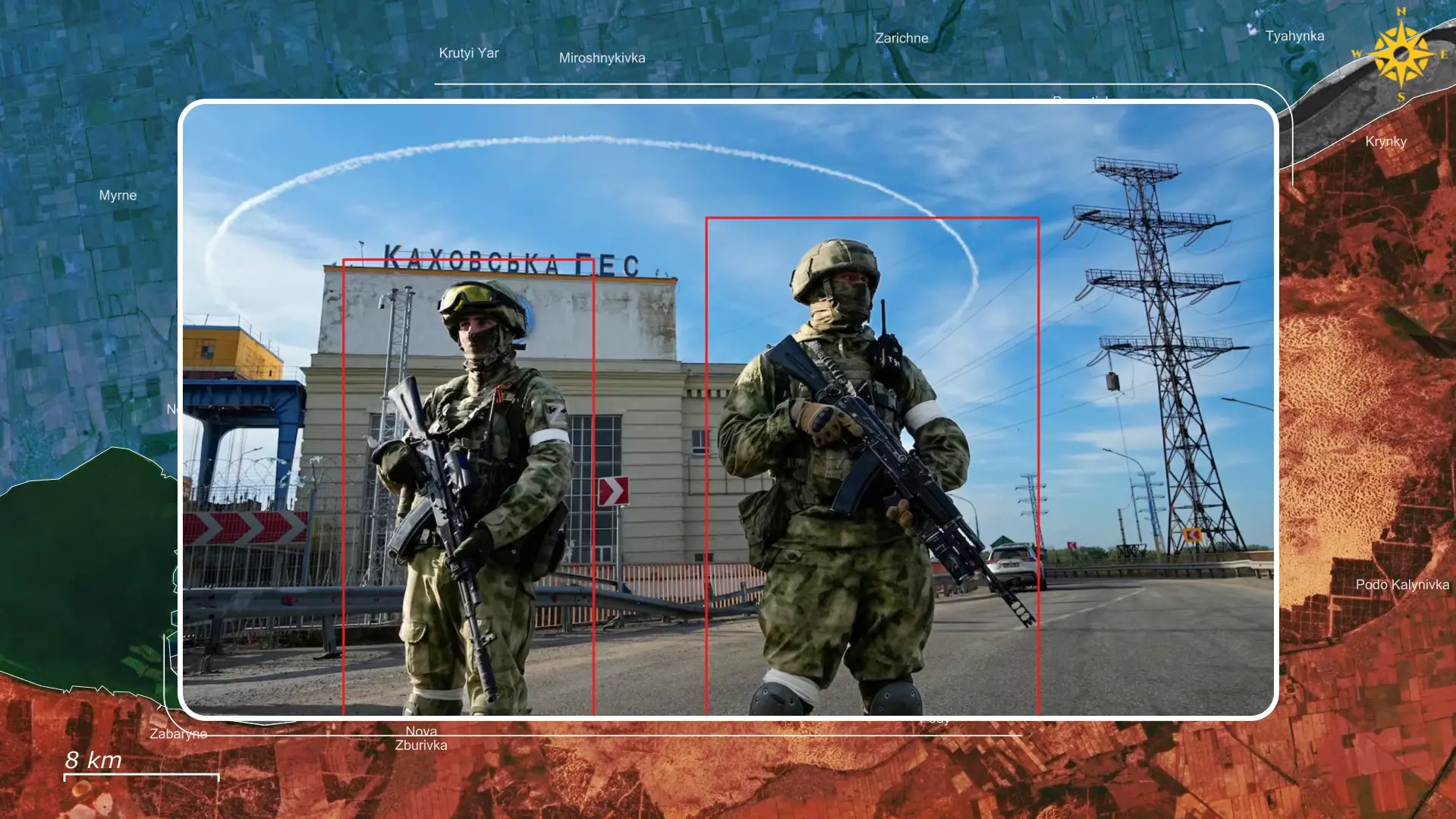
Russia's history of ceasefire violations during the conflict in Donbas following the Minsk agreements reinforces Ukrainian concerns about agreements lacking effective enforcement. If the Russian leadership subsequently abandons the ceasefire, newly reinforced Russian formations could attempt coordinated attacks across multiple sectors, as breakthroughs will threaten Ukrainian territory in the west.
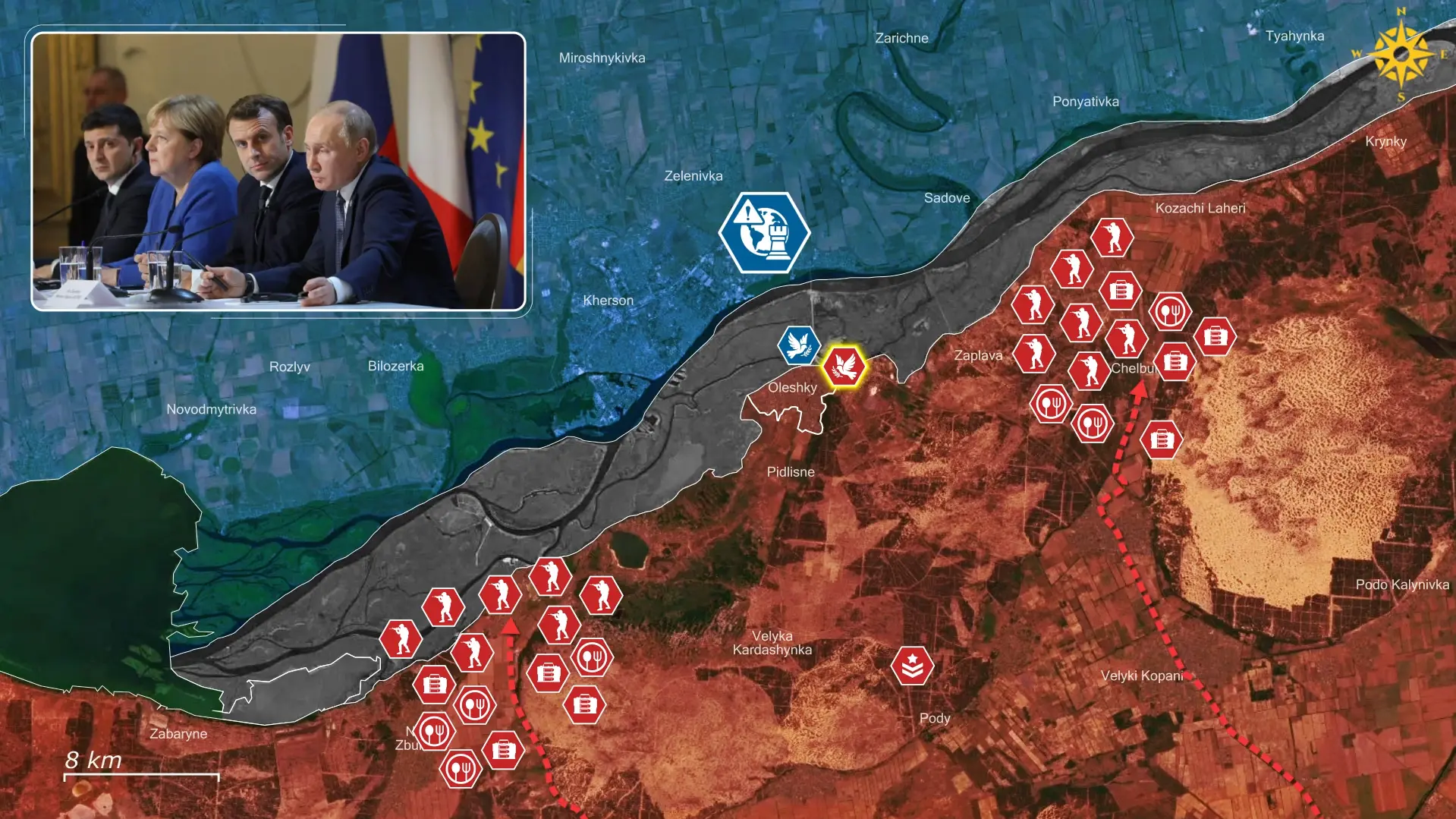
Overall, the immediate concern about Russian activities during the Kherson ceasefire is the possibility of an imminent Russian attempt to conquer western Ukraine, despite the ceasefire remaining valuable because civilians urgently need assistance and evacuation. The Russian buildup demonstrates why Kyiv insists that any lasting settlement must include enforceable restrictions and security guarantees. Otherwise, a pause masked as a bad peace agreement will become an opportunity for Russia to prepare its next attack. For Ukraine, the lesson is already learned, because a peace without credible protection could merely postpone the war while allowing Moscow to return stronger.



Comments