


Today, the biggest news comes from the Russian Federation.
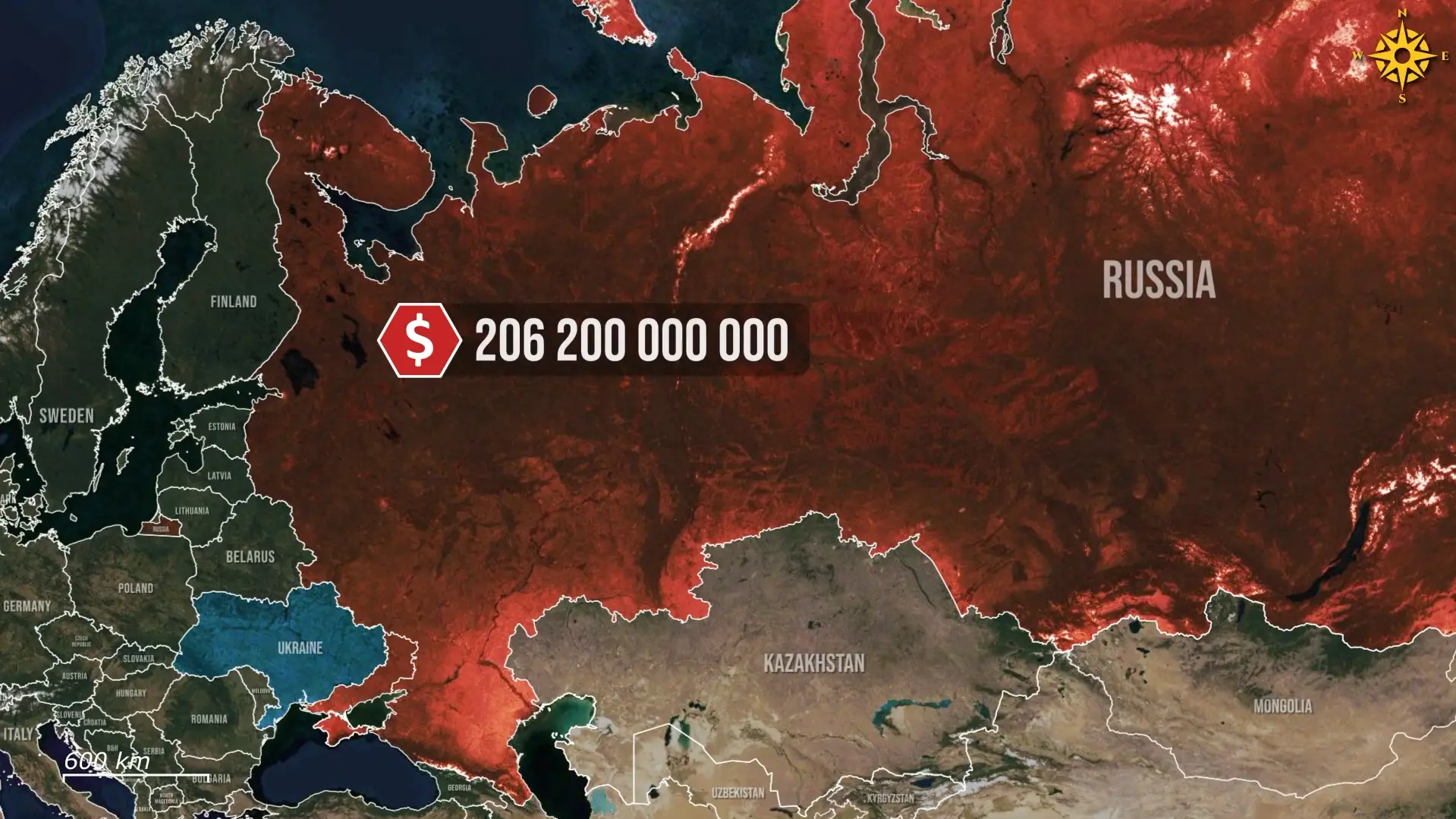
Here, Russia is rapidly cashing in on the pause in Ukrainian strikes against its oil industry, with crude export revenues now reaching their highest level since the full-scale invasion began. In just one week, Russia earned two point seventy six billion dollars from seaborne crude exports, around four hundred thirty million dollars more than the previous week as shipments increased sharply.
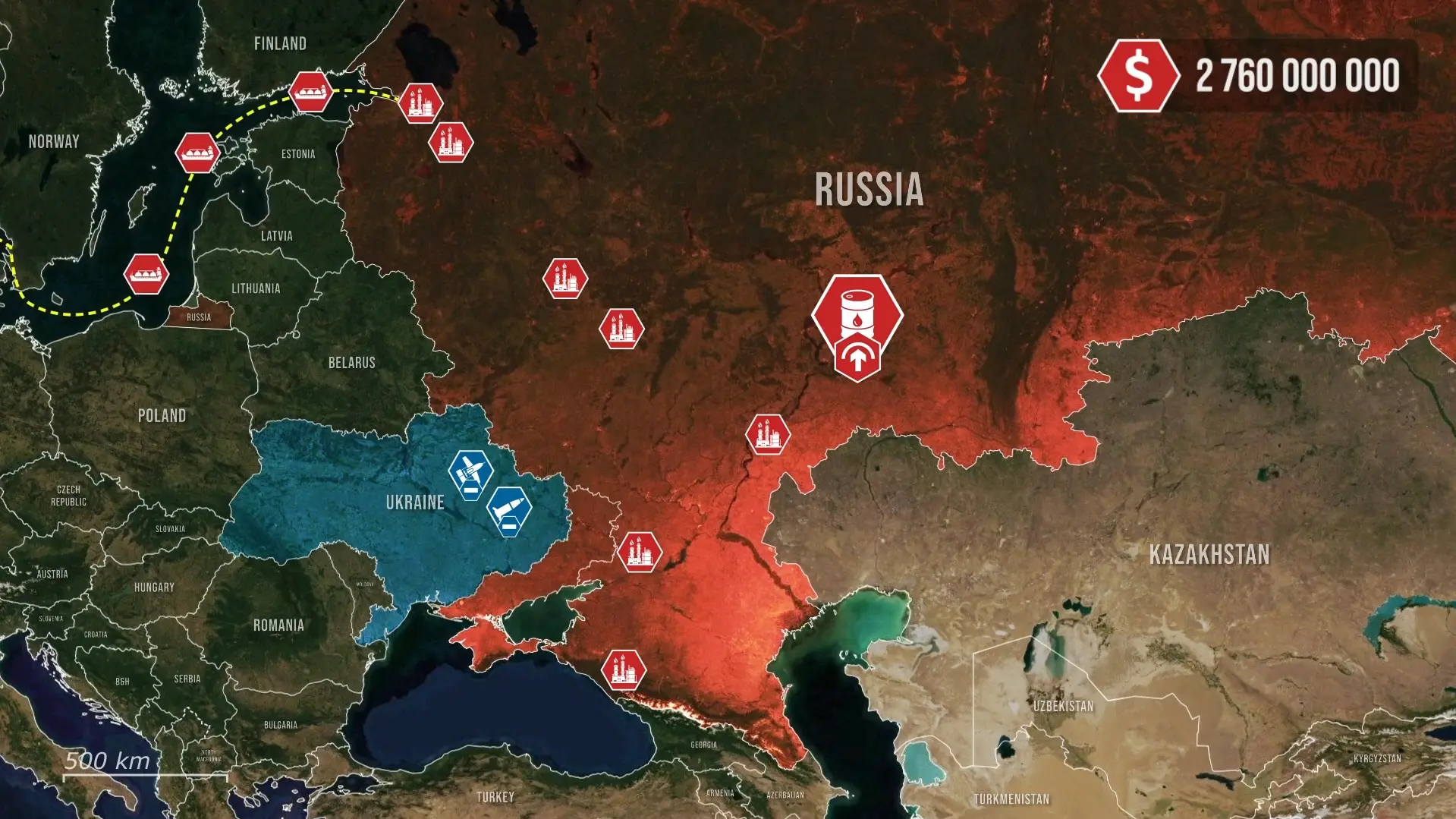
At the same time, Russian refineries have increased oil processing volumes by twenty five percent since Ukrainian drone attacks stopped, allowing facilities to process more crude and increase the production of diesel and gasoline. Russia is therefore benefiting across its oil industry at once, earning more money from crude sold abroad while its refineries restore the fuel production that Ukrainian strikes had previously disrupted. Every additional week without new attacks gives Moscow more revenue and time to recover the energy infrastructure Ukraine had spent months degrading.
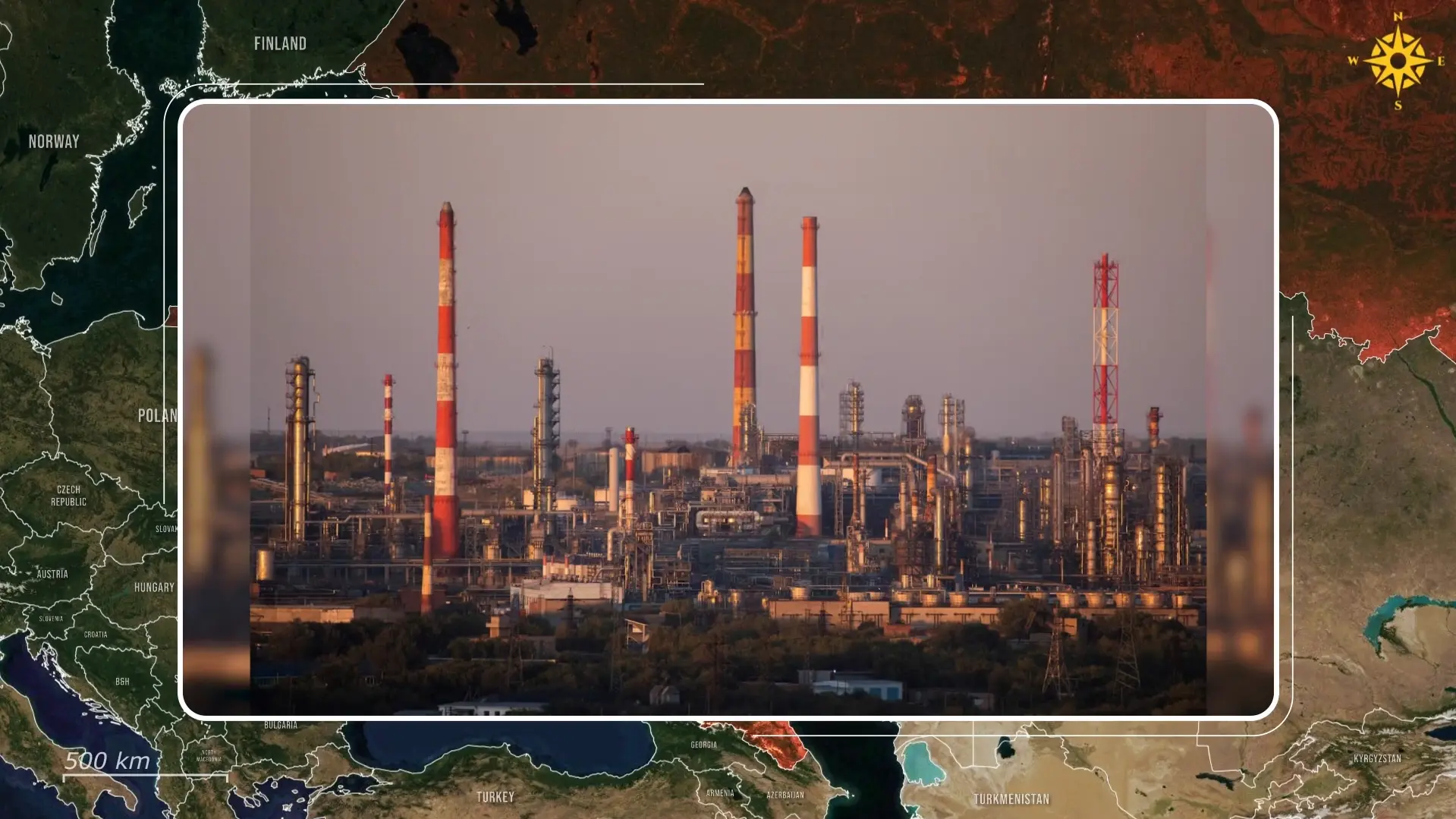
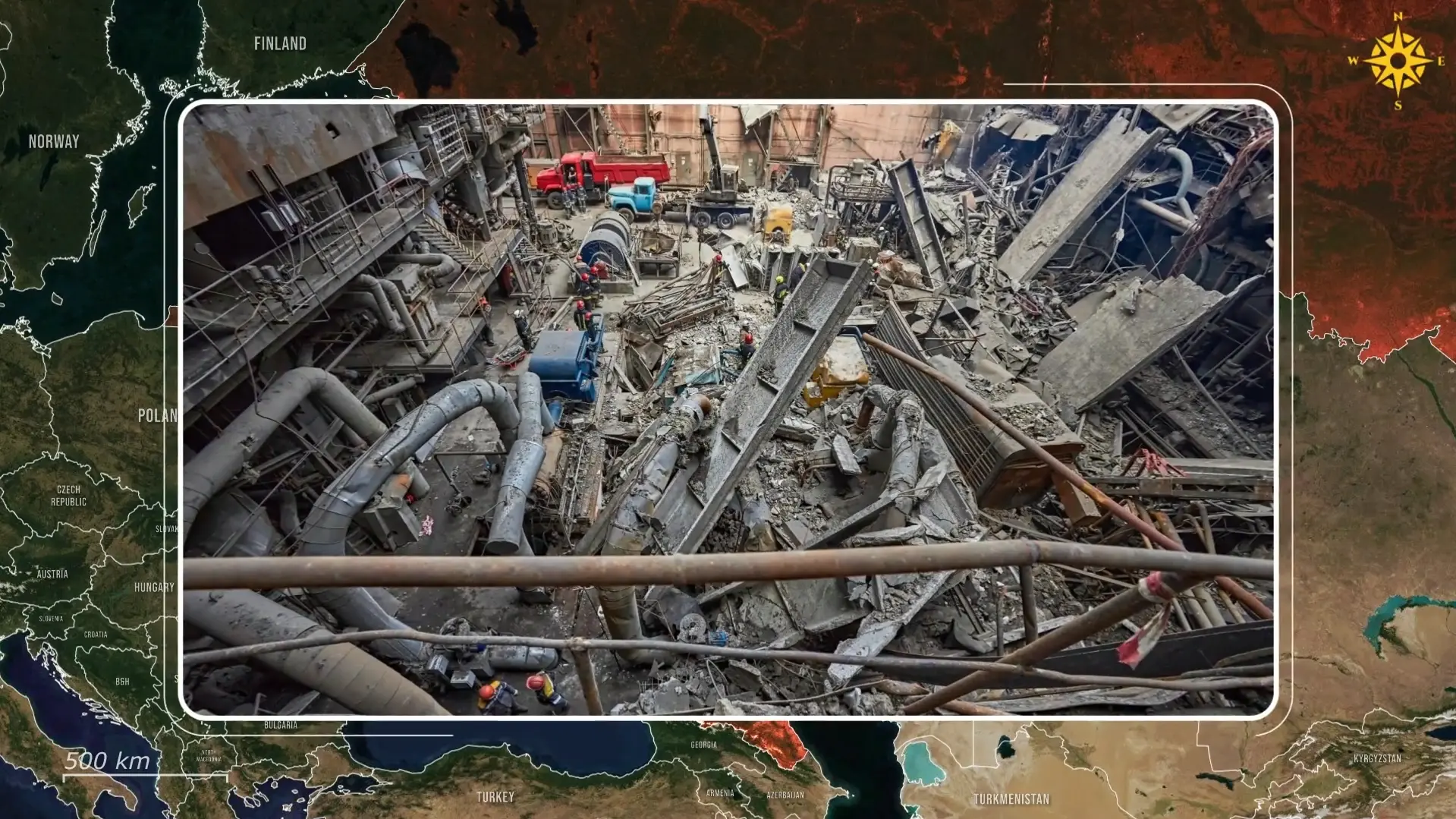
Ukraine had already made clear that it was prepared to stop attacks on Russian energy infrastructure as part of a mutual arrangement, provided Russia stopped striking Ukrainian energy facilities as well. Kyiv then held back, with the last Ukrainian strike on a Russian refinery taking place on October sixteenth. Russia on the other hand continued attacking Ukraine’s energy system even after that, with Russian forces striking power stations in Kharkiv and Khmelnytskyi on October twenty sixth. By then, Ukraine had gone ten days without attacking a Russian refinery, while Moscow was still targeting the very energy infrastructure that the ceasefire was supposed to protect. By continuing those attacks, Russia gave Ukraine little reason to keep holding back when Moscow had offered nothing in return.
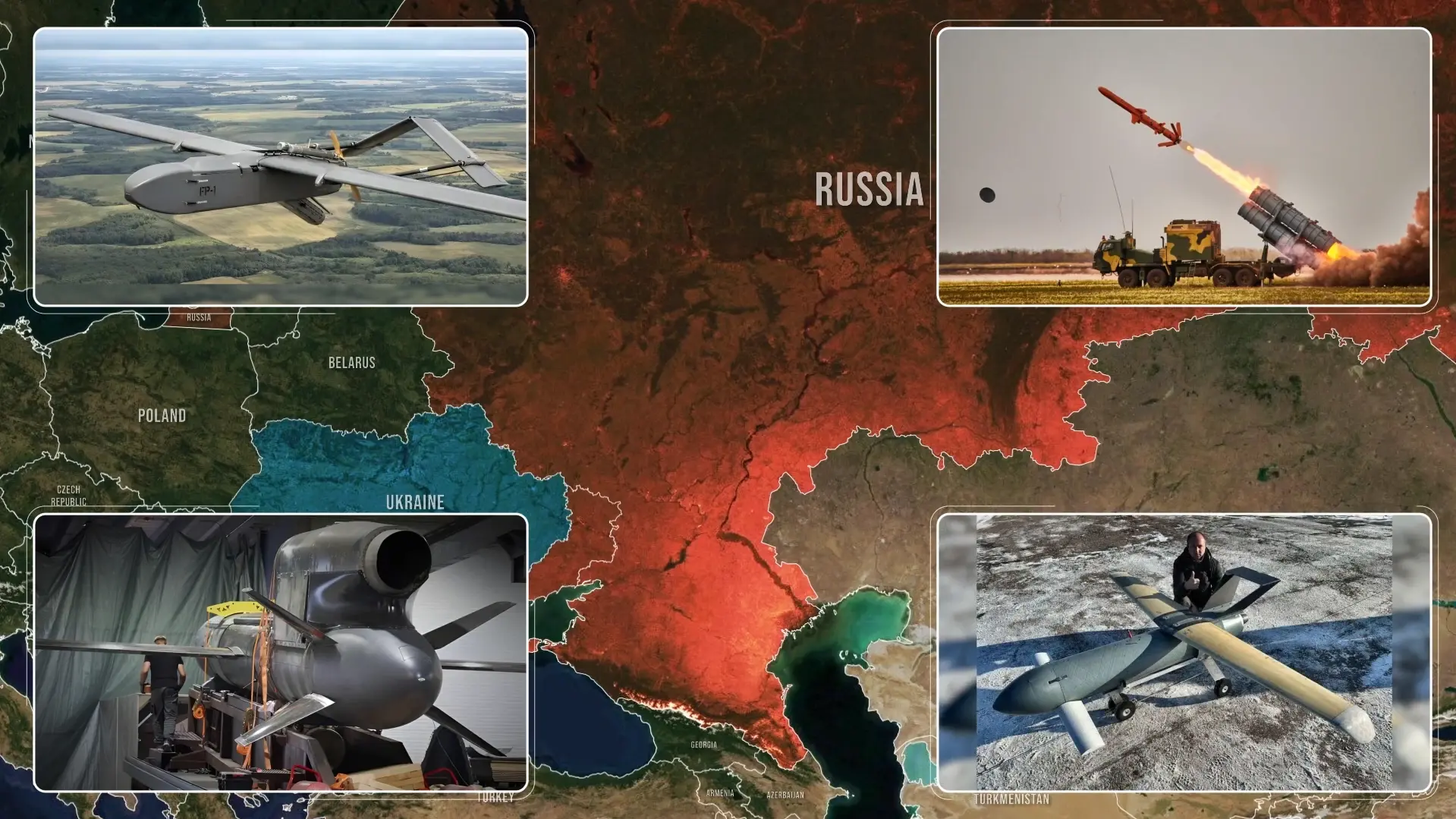
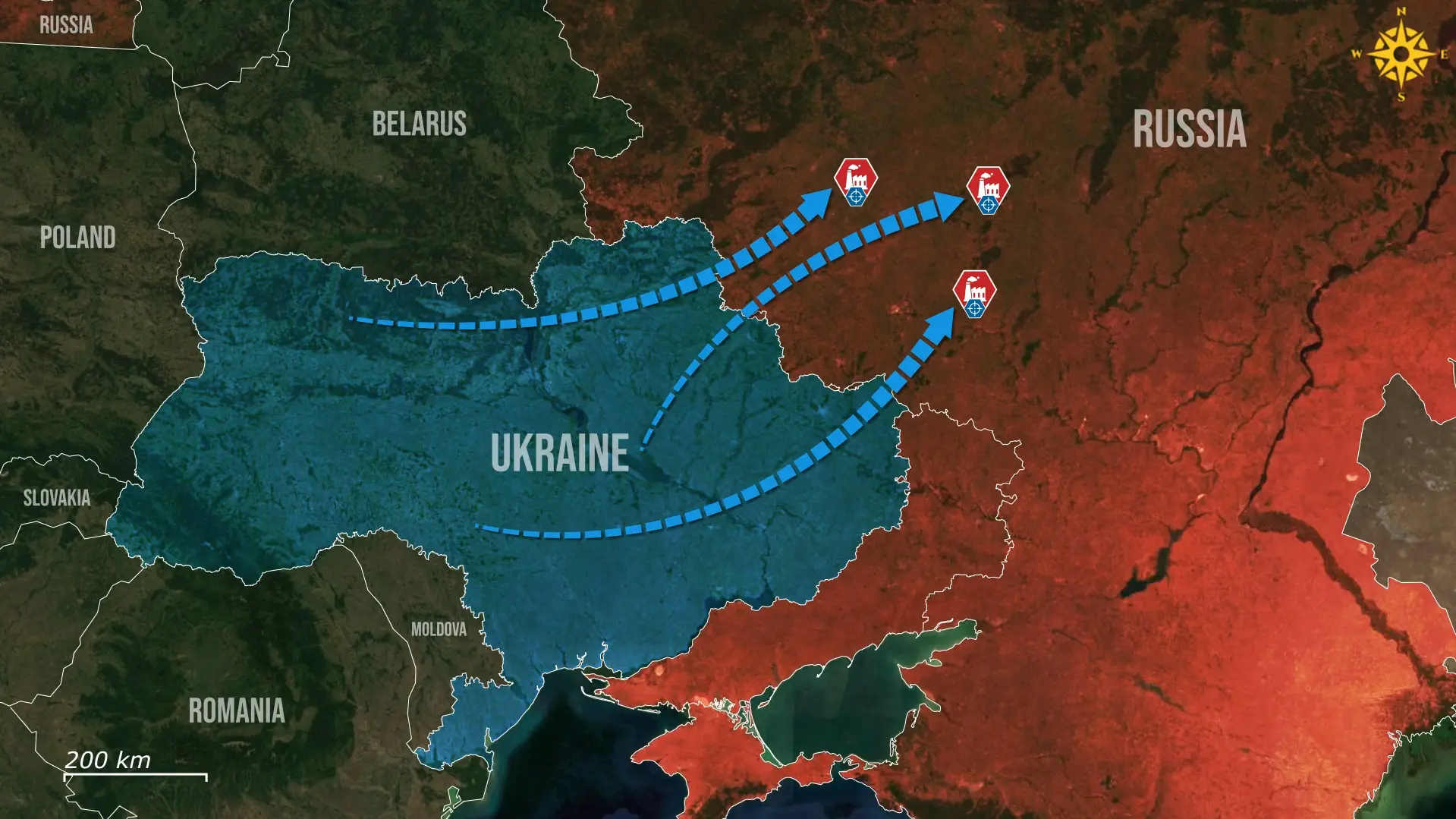
Ukraine now has more room to restart its refinery campaign, as the Starshield restrictions limiting these operations have been lifted. Kyiv also has several long range weapons that can strike Russian oil infrastructure without relying on Starshield, including FP-One and Liutyi drones, Flamingo and Long Neptune cruise missiles, and the Palianytsia missile drone, putting the refineries that have spent the past weeks recovering back under threat. The Kremlin is already trying to preserve this breathing room through Washington by reopening the door to economic cooperation with the United States.
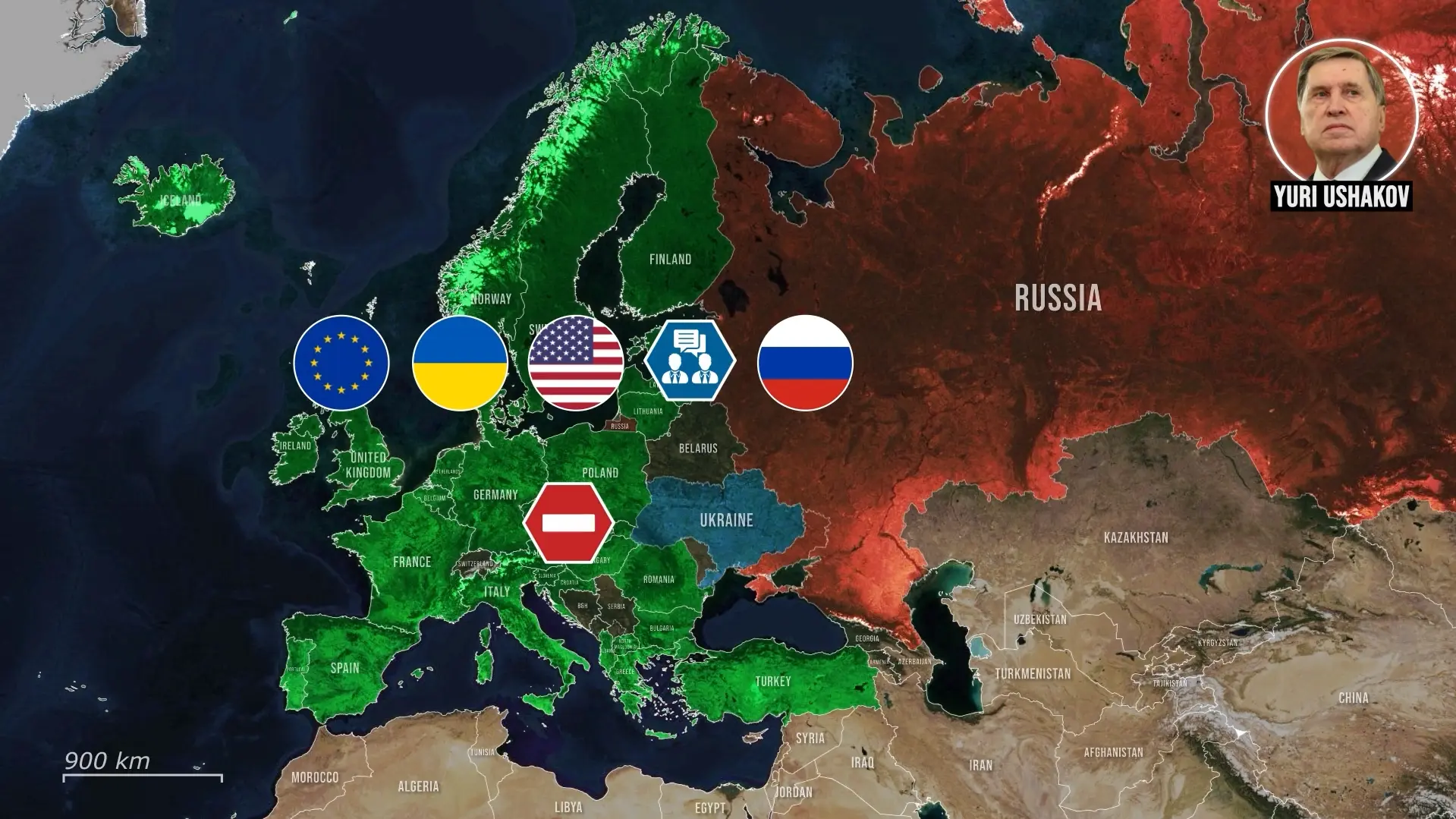
Kirill Dmitriev, head of the Russian Direct Investment Fund, is promoting deals in energy, aviation, rare earth metals, artificial intelligence, and technology, creating new economic interests between Moscow and Washington before Russia has agreed to end the war. During talks in Florida, Trump’s special envoy Steve Witkoff and his son in law Jared Kushner proposed restoring Russian oil and gas transit through Ukraine, promising Kyiv transit revenue and Europe cheaper energy. Kyrylo Budanov, head of Ukraine’s Presidential Office, rejected that direction by declaring that Ukraine’s transit model is through Poland, not Belarus.
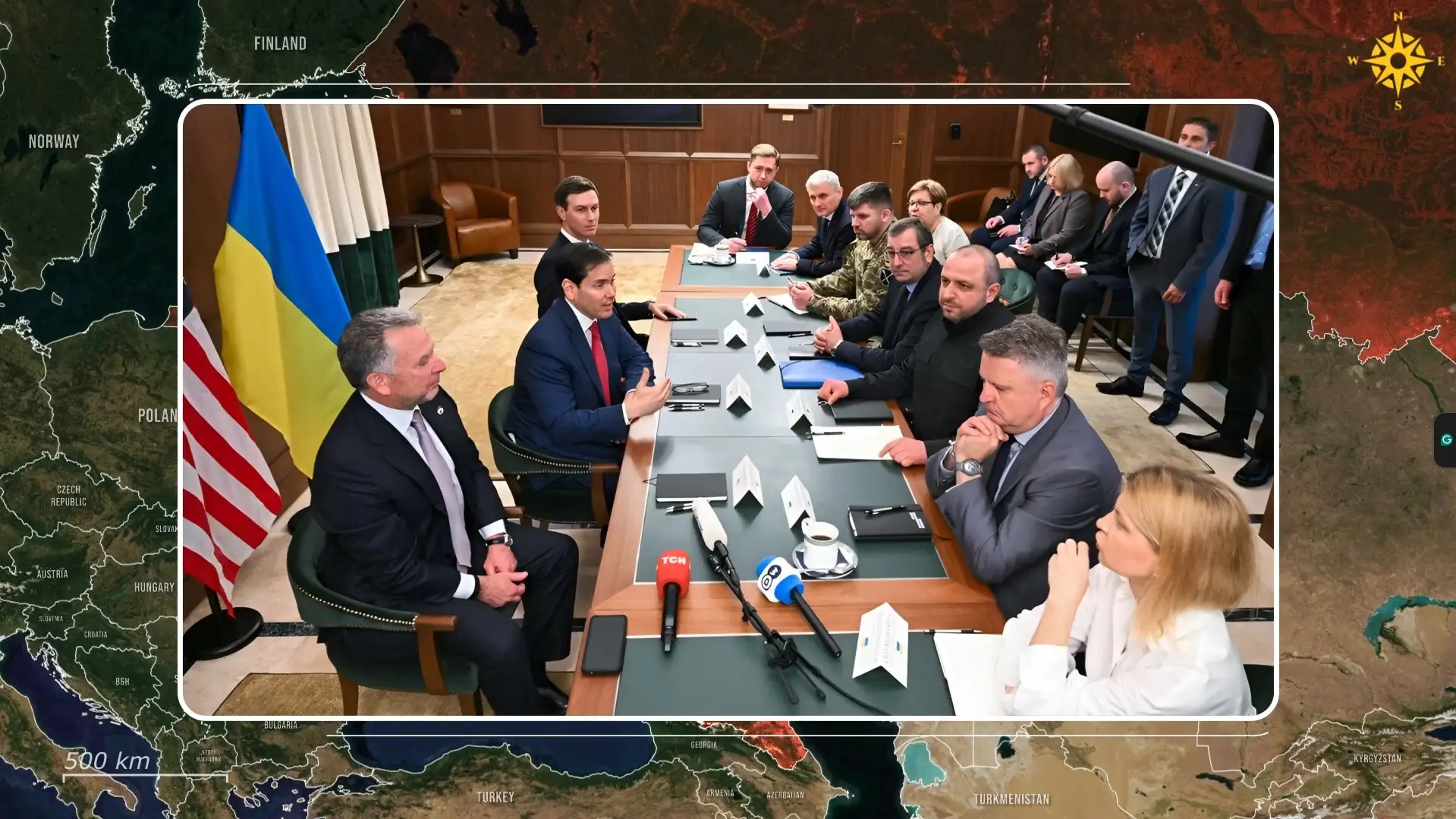
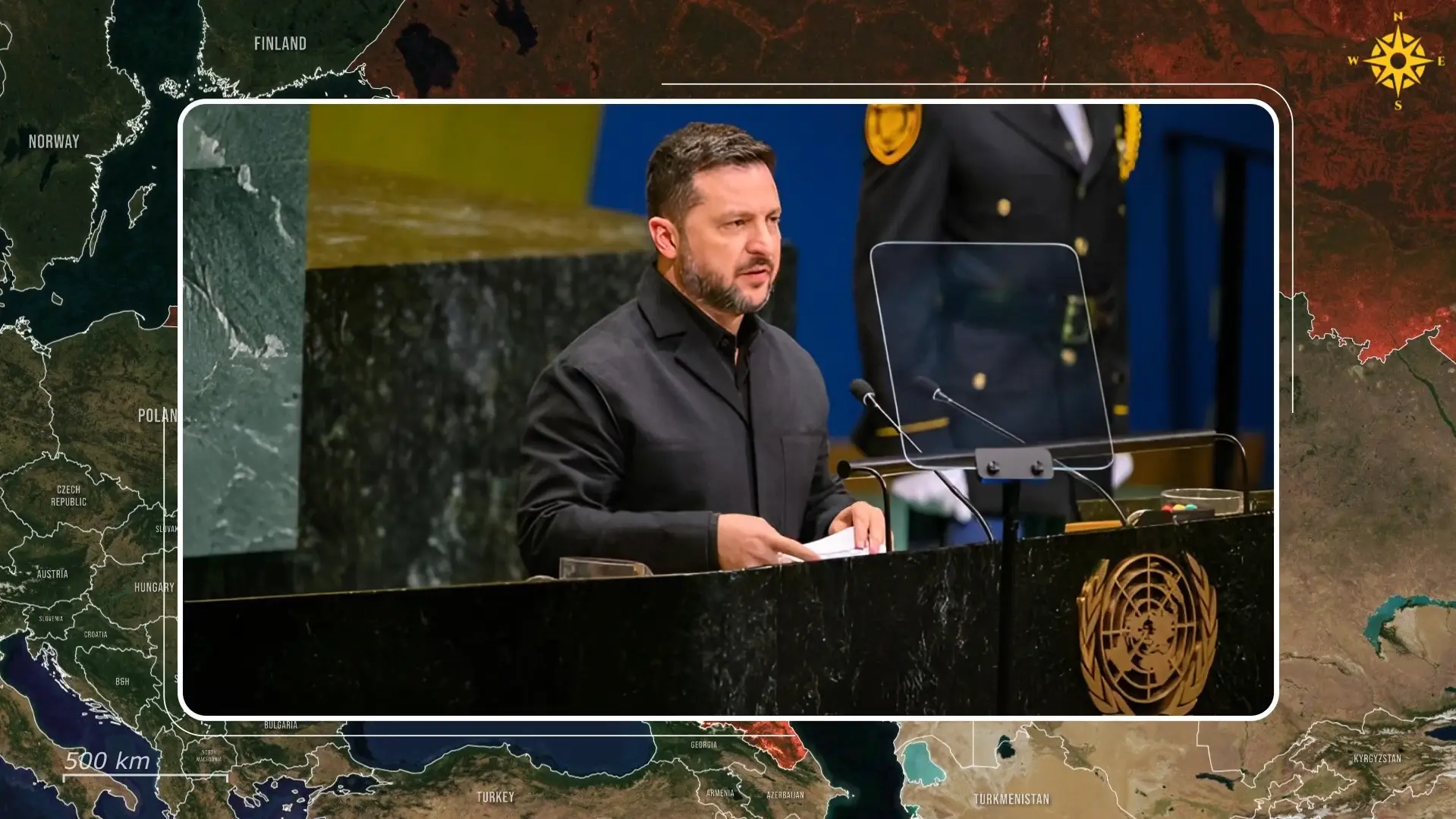
The pressure became even clearer when Trump’s diesel deal with Putin emerged, as Witkoff pressed the Ukrainian delegation to accept it and stop striking Russian refineries even though Moscow had made no concessions in return. Zelensky has since said that Ukraine and Trump agree that the war must end, but disagree on how to pressure Putin into ending it, with Kyiv arguing that strikes on Russia’s vulnerable centralized infrastructure remain one of its strongest tools.
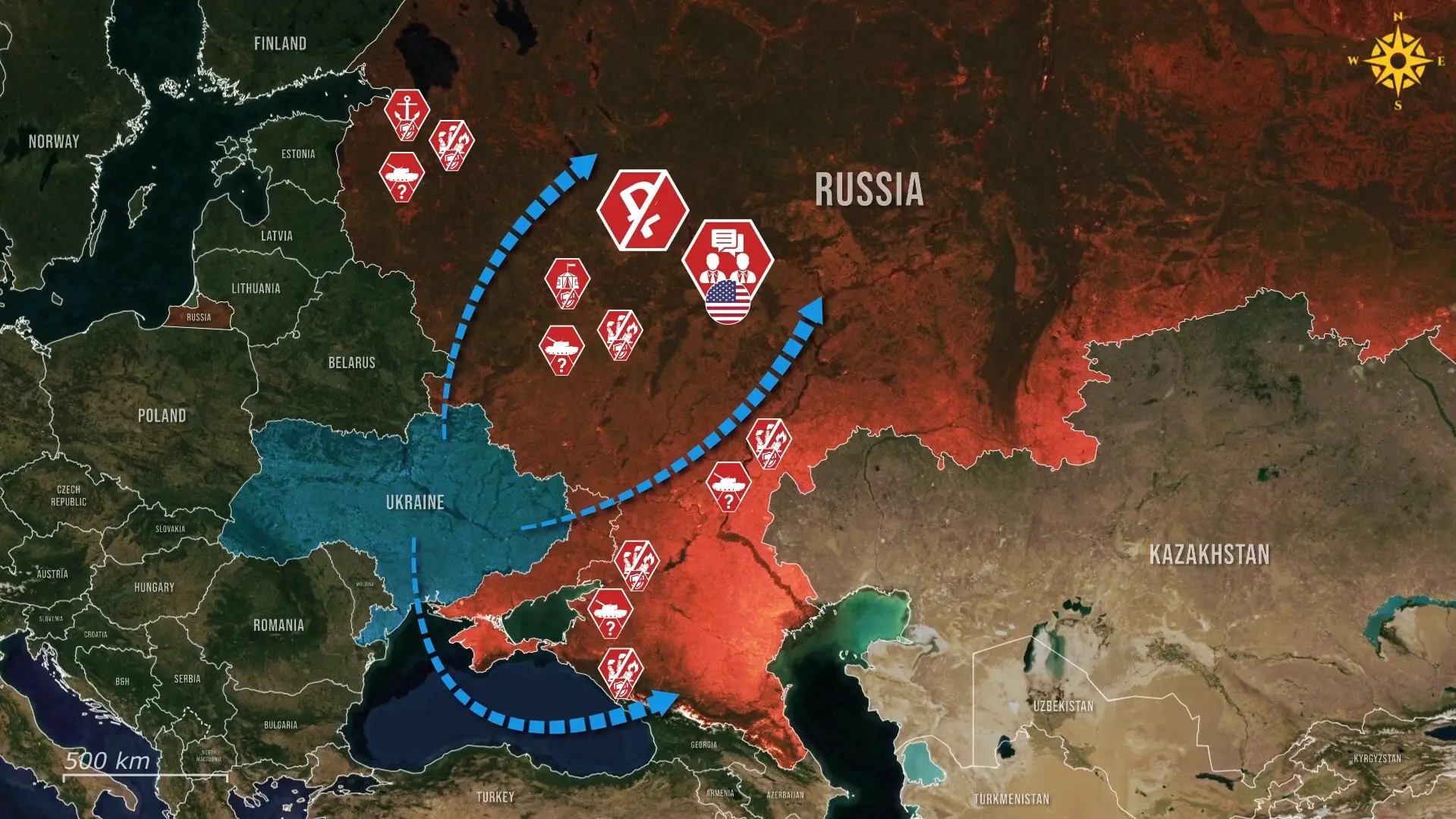
Overall, a renewed Ukrainian oil campaign forces Russia to divide its air defenses between refineries, export terminals, and military sites, leaving more targets exposed across the country. Repeated strikes keep repair crews, spare parts, and money locked into restoring damaged facilities while refinery output falls again. Putin then has a direct incentive to push Washington for agreements that restrain Ukrainian strikes, because diplomacy can shield infrastructure that Russian air defenses cannot protect everywhere at once. The more Ukraine pushes the oil sector back into crisis, the more Russia has to spend defending its war economy instead of using that money to sustain the war itself.



Comments