


Serbia’s October twenty five parliamentary election has ended Vucic’s political dominance, with the Student List winning more than fifty two percent of the vote and securing a projected one hundred and thirty nine of the National Assembly’s two hundred and fifty seats. Vucic’s United Serbia coalition received approximately thirty nine percent, while the Socialists fell below the electoral threshold.
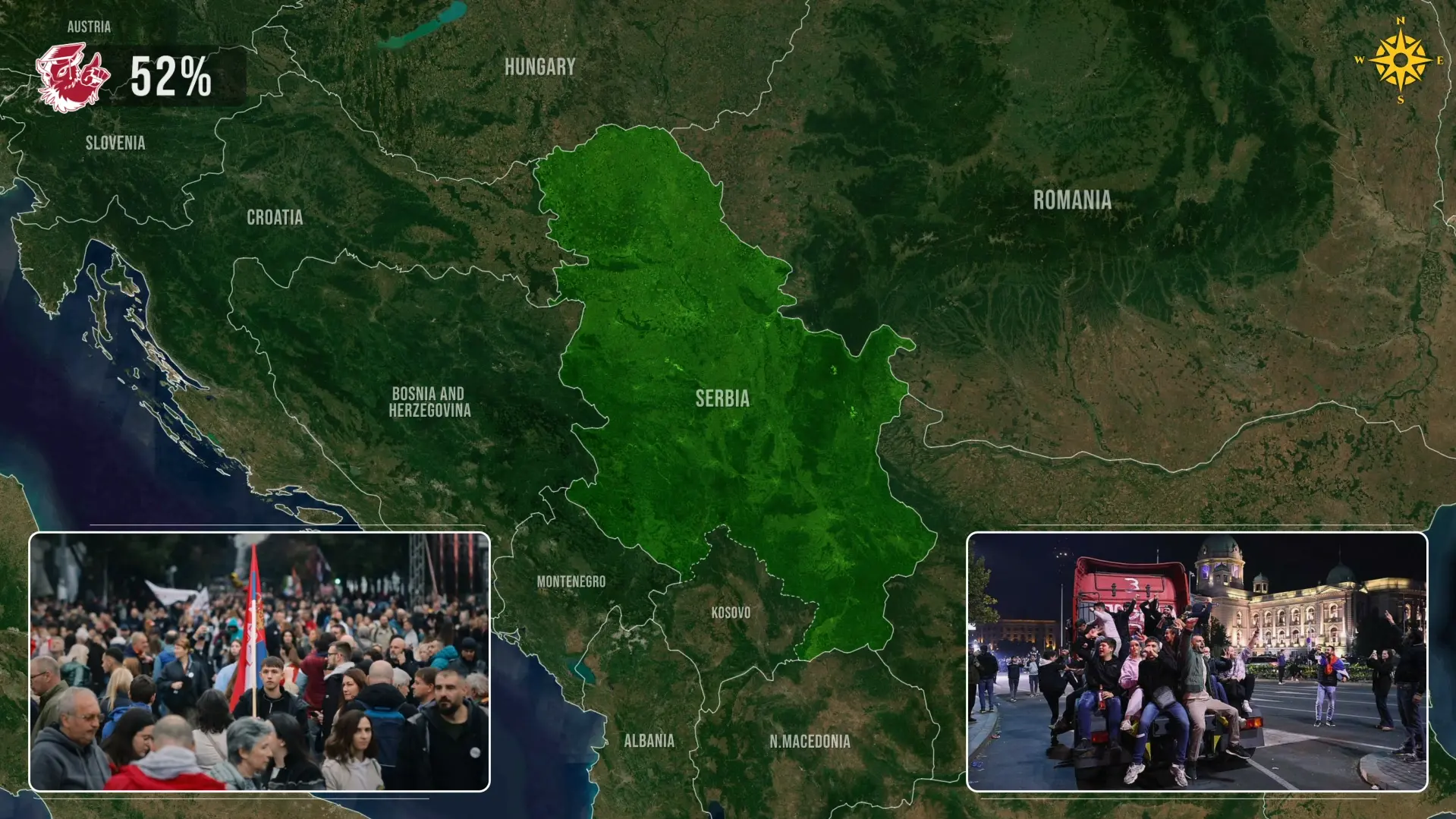
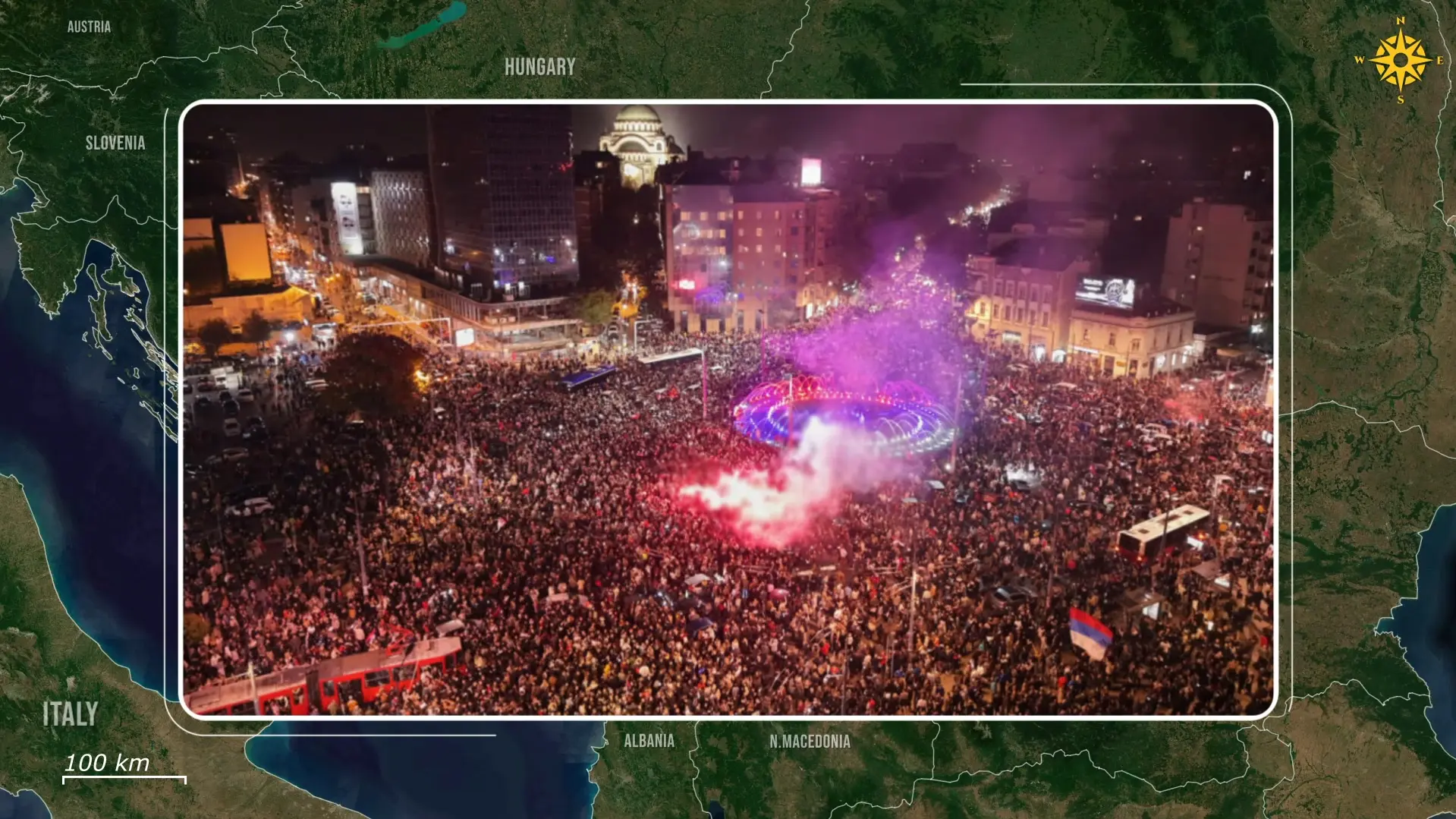
Turnout reached more than sixty eight percent, giving the result a strong popular mandate. The student-led movement has converted a protest against corruption and entrenched power into an electoral majority, displacing the political bloc that has dominated Serbia since two thousand and twelve. Its victory also sidelines much of the traditional opposition, positioning the Student List as the country’s principal governing force. With one hundred and thirty nine of two hundred and fifty seats, the Student List can form a government independently and pass ordinary legislation with a majority of deputies voting, provided a quorum is present, while decisions such as the budget require at least one hundred and twenty six votes and constitutional amendments require a two-thirds majority. Constitutional changes affecting specified fundamental matters also require a referendum. The result therefore gives the incoming leadership substantial room to reshape policy, but not unlimited power to rewrite Serbia’s political framework.
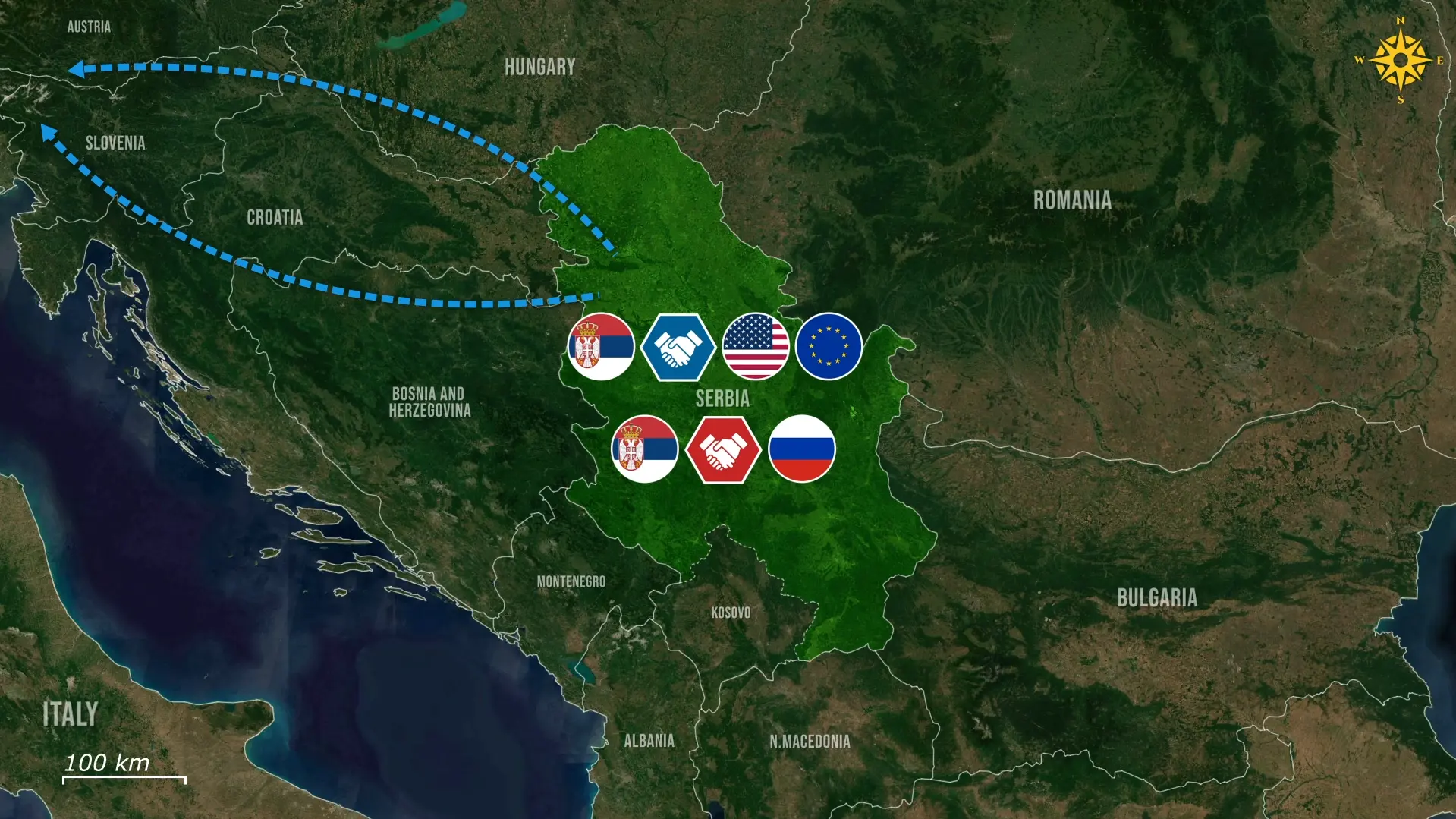
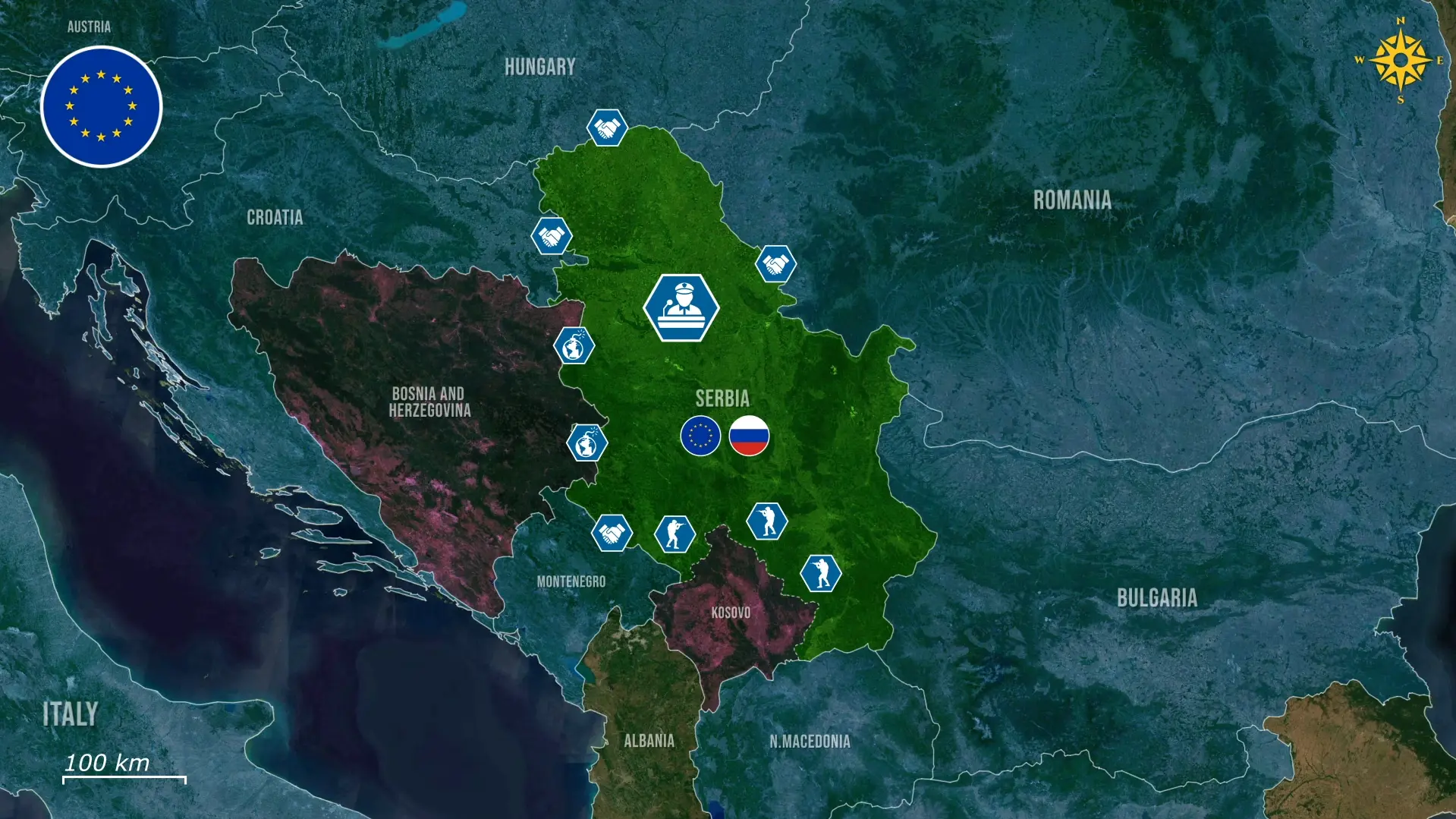
The central geopolitical question is whether Serbia will now move closer to the West, and on which issues. A change of government creates an opportunity to reset relations with Brussels and Washington, but it does not automatically mean a strategic realignment. The Student List supports stronger relations with European countries and the United States, while keeping Serbia militarily neutral and maintaining its partnership with Russia. The most immediate opportunity lies in EU accession. Brussels has linked progress to judicial independence, media freedom and alignment with its foreign policy, including sanctions against Moscow.
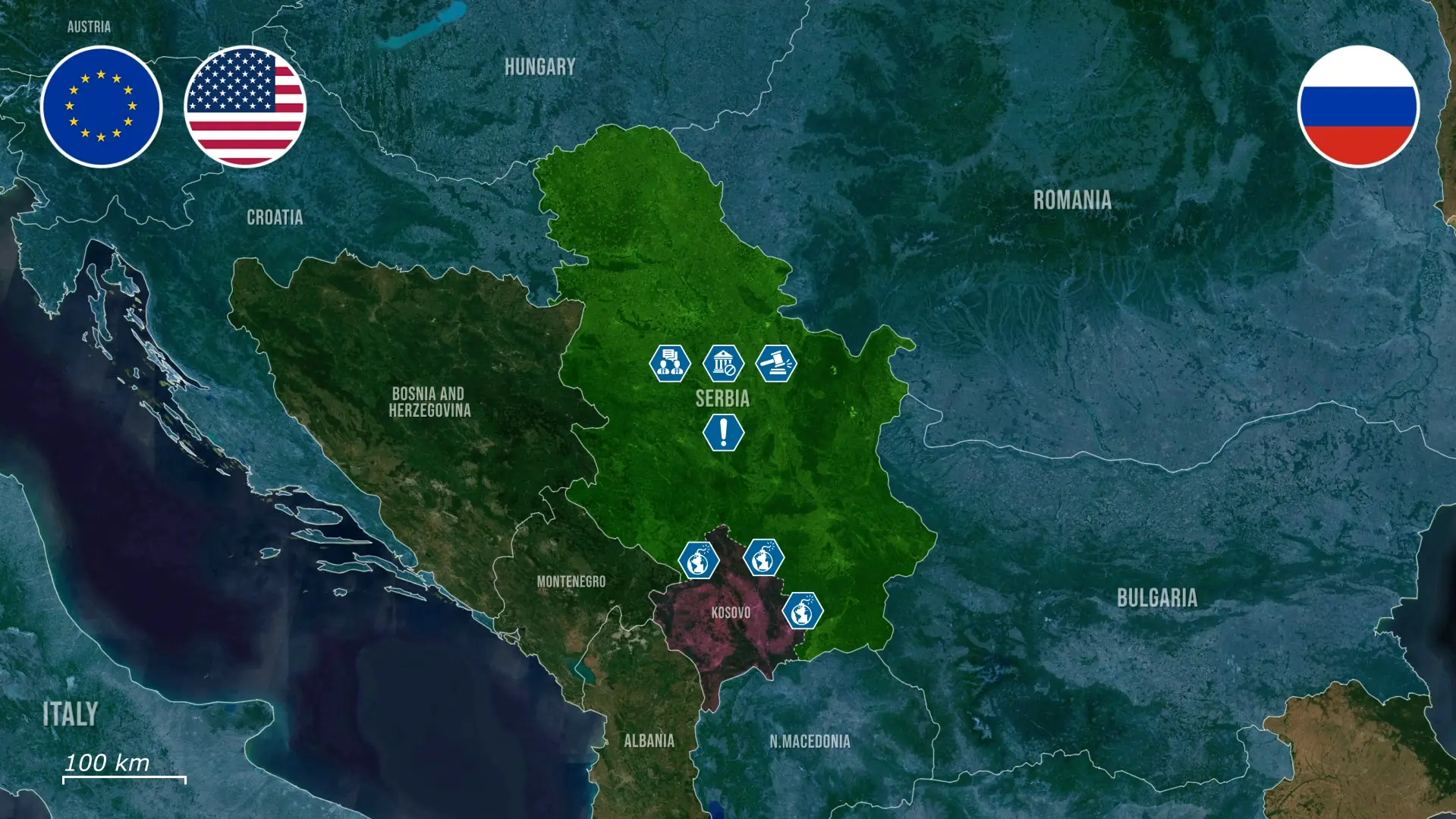
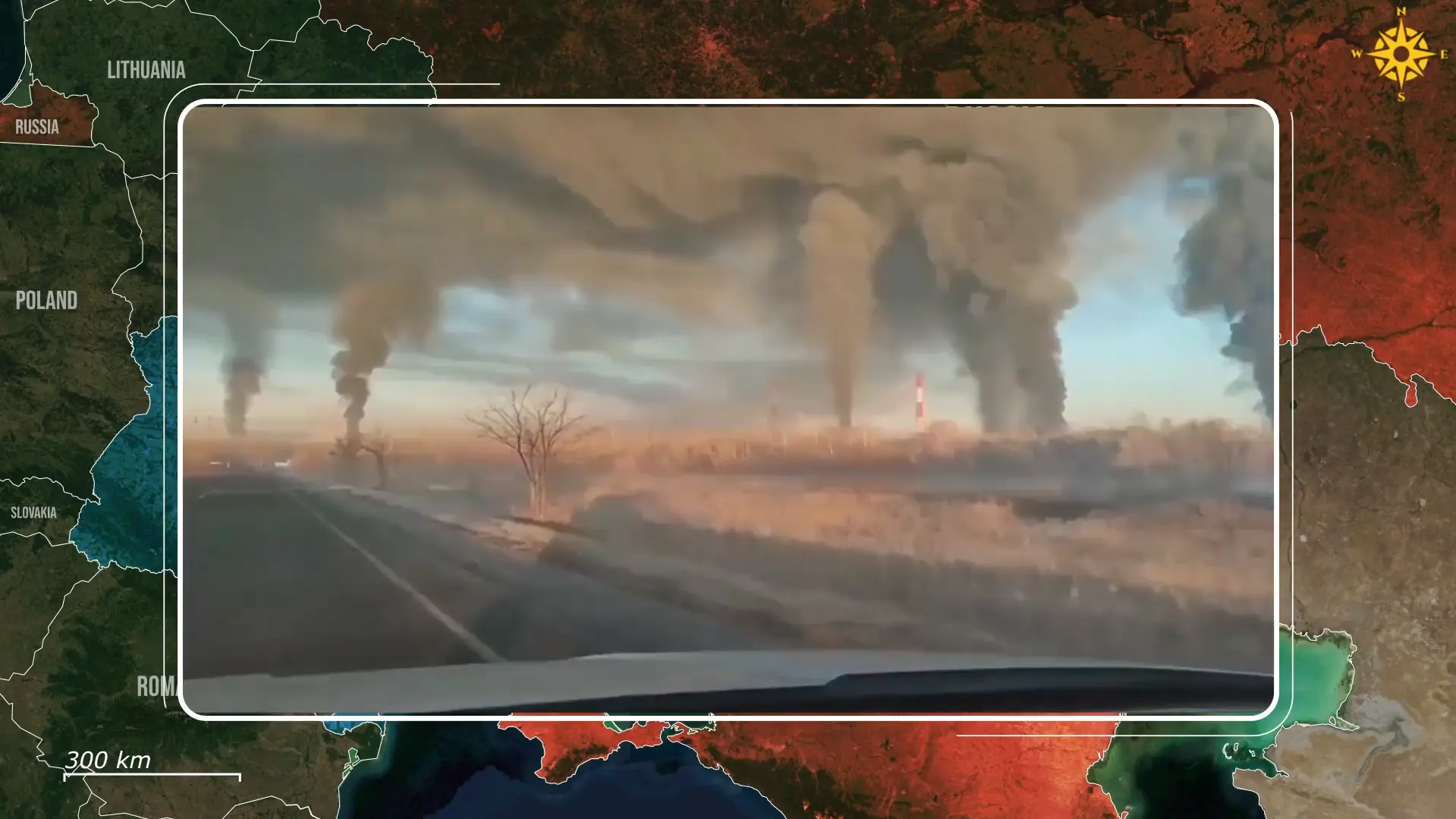
Delivering credible institutional reforms could reopen negotiations that have stalled under Vucic. However, the Student List opposes sanctions on Russia, limiting how far this rapprochement can go. Serbia also remains vulnerable because US sanctions on Russian-owned NIS leave Belgrade dependent on temporary American permission to import oil until Russia sells its stake. At the same time, the Student List’s rejection of Kosovo’s independence conflicts with the EU’s demand for Serbia to normalize relations with Pristina. The likely outcome, therefore, is not a straightforward Western pivot, but a contest between institutional rapprochement and geopolitical continuity.
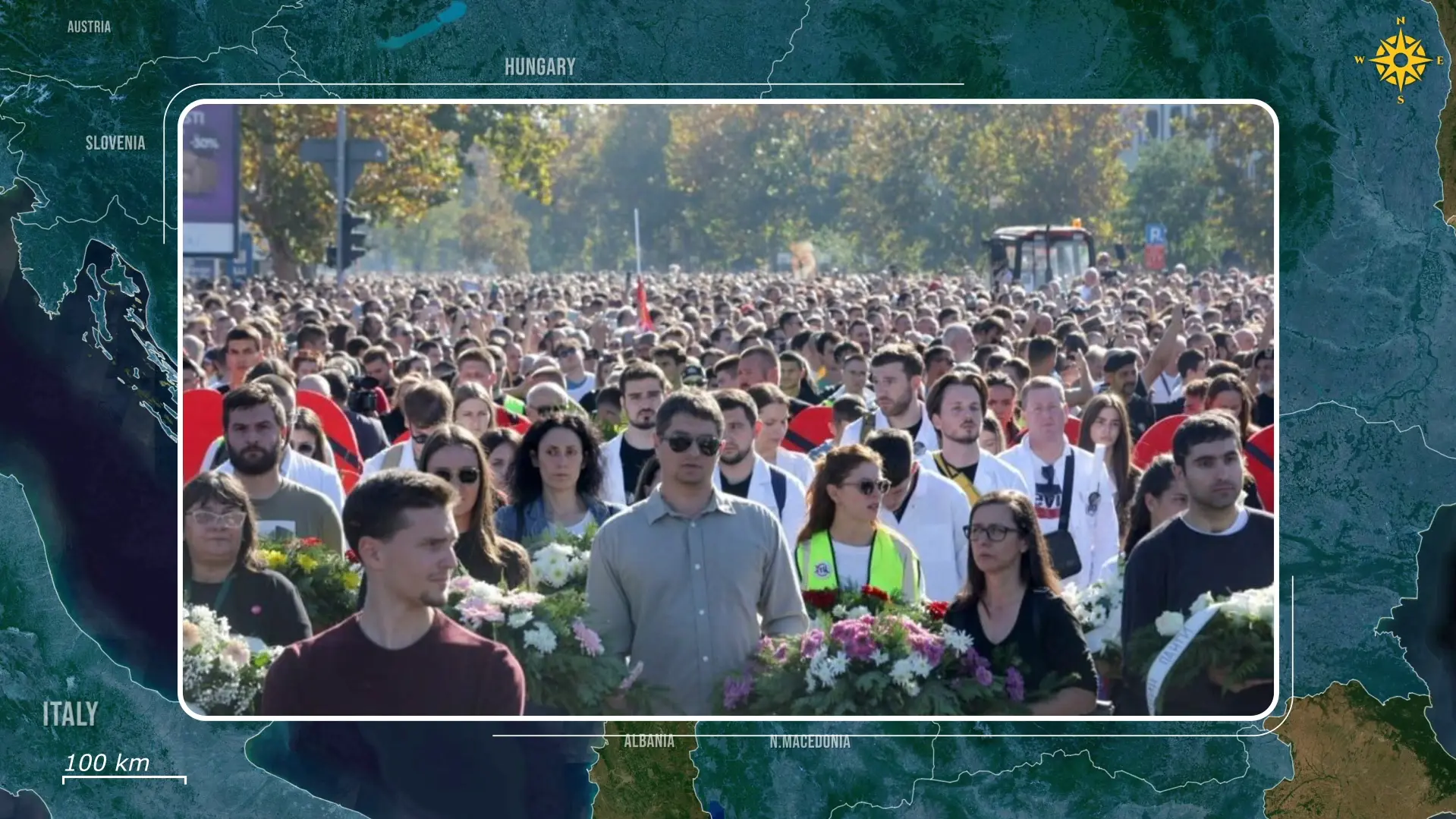
The immediate domestic challenge is whether the Student List can turn an anti corruption mandate into lasting institutional change. The movement emerged from protests following the deadly Novi Sad railway station collapse in November two thousand twenty four, which killed sixteen people. Its campaign centered on accountability and restoring the independence of state institutions. With a parliamentary majority, it can pursue legislation and investigate previous government decisions, but dismantling entrenched patronage networks will be harder.
The movement’s decentralized structure also raises questions about how it will maintain unity once it must make difficult governing decisions. These domestic changes could affect Serbia’s neighbors. Vucic’s government often combined cooperation with Western institutions with nationalist positions on Kosovo and close ties to Moscow. A more accountable government could improve cooperation with the EU and neighboring Montenegro. However, relations with Kosovo will remain strained, while support for Bosnian Serb leaders could continue causing tension with Bosnia and Herzegovina. Serbia could therefore become an easier partner for the EU without giving up the positions that cause its largest regional disputes.
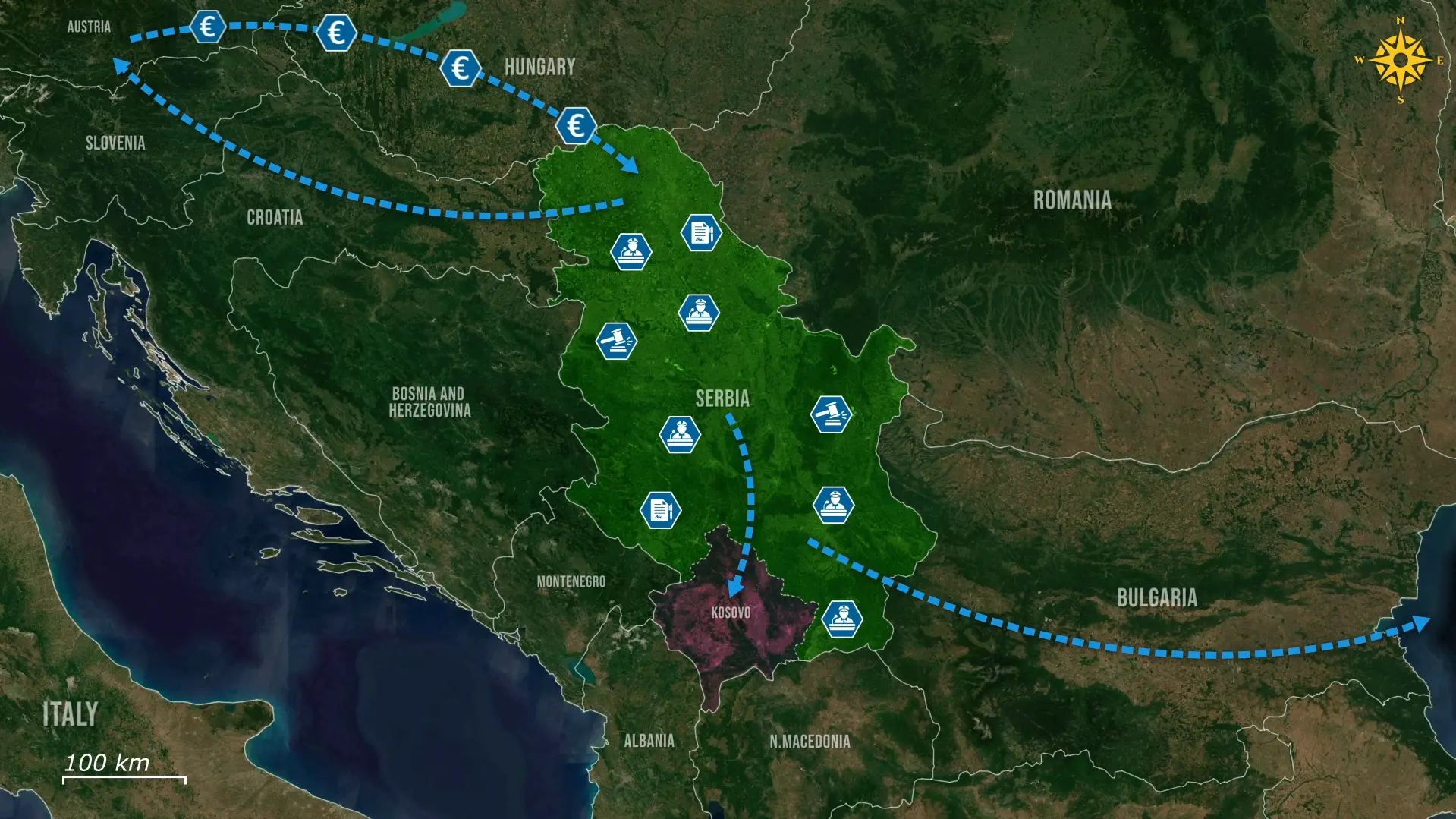
Overall, the election changes how Serbia is governed more than it immediately changes which countries Serbia works with. Stronger institutions, freer media and closer checks on government contracts could make Belgrade a more reliable partner for the European Union while weakening the personal networks Russia used to maintain influence under Vucic. However, military neutrality, Russian energy and the dispute over Kosovo mean Serbia will continue balancing between both sides instead of making a sudden Western turn. If the European Union rewards these reforms with real progress toward membership, Serbia could gradually move closer to the West, but without that reward, the new government may continue much of the same foreign-policy balancing.






Comments