


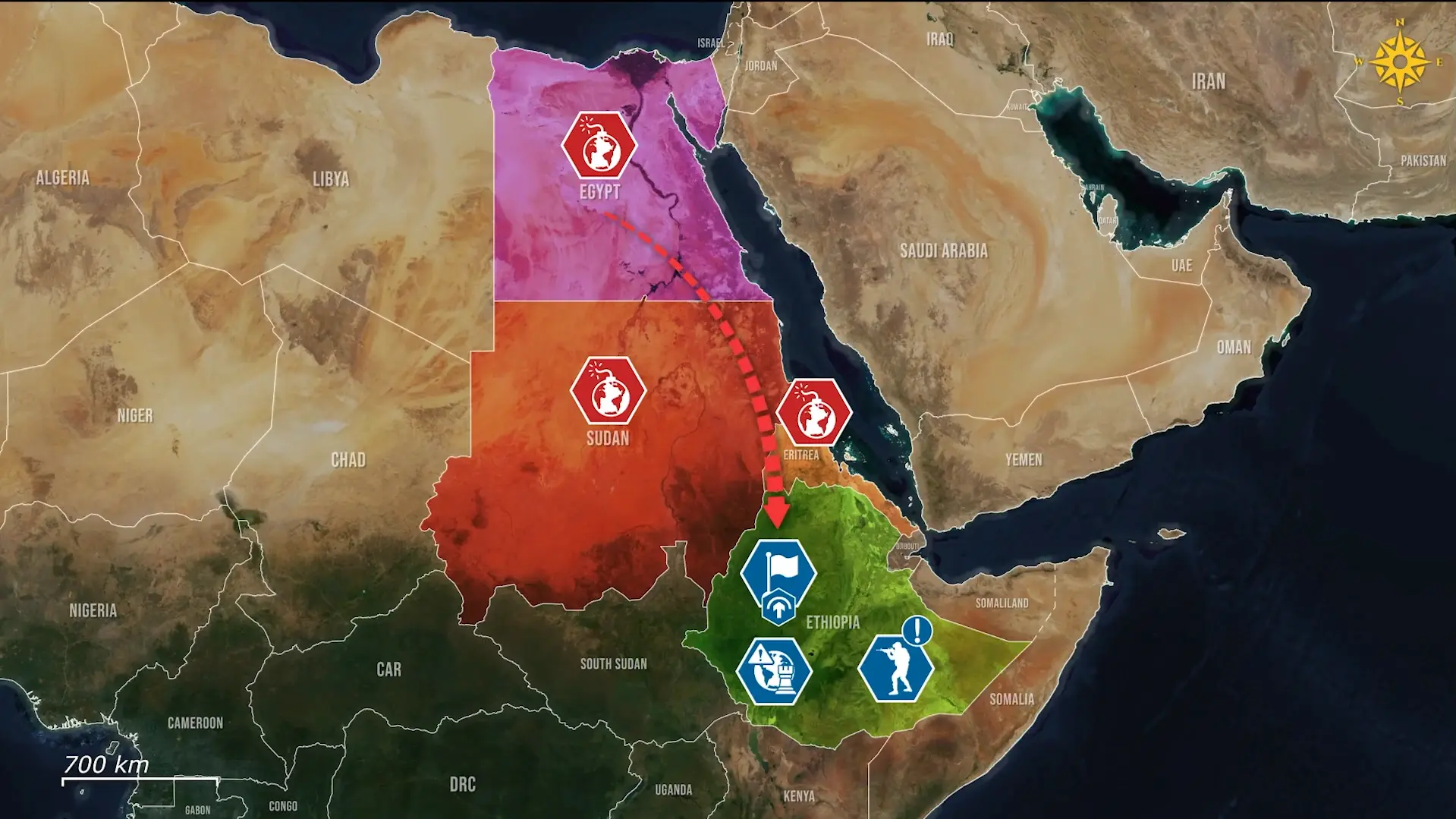
Recently, Ethiopia accused Egypt of supporting rebel groups fighting against the Ethiopian government. In addition, Ethiopia declared Ahmed Mohram Ahmed Soliman, an employee of the Egyptian Embassy in Addis Ababa, persona non grata and ordered him to leave the country within forty eight hours. In response, Egypt expelled an adviser from the Ethiopian Embassy in Cairo. The dispute with Egypt is part of a wider regional conflict, as Ethiopia also faces tensions with Eritrea over its ambition to gain access to a port on the Red Sea. Besides this, Sudan has also accused Ethiopia of providing training and military equipment to the Rapid Support Forces, which has been fighting Sudan’s armed forces in the ongoing civil war.
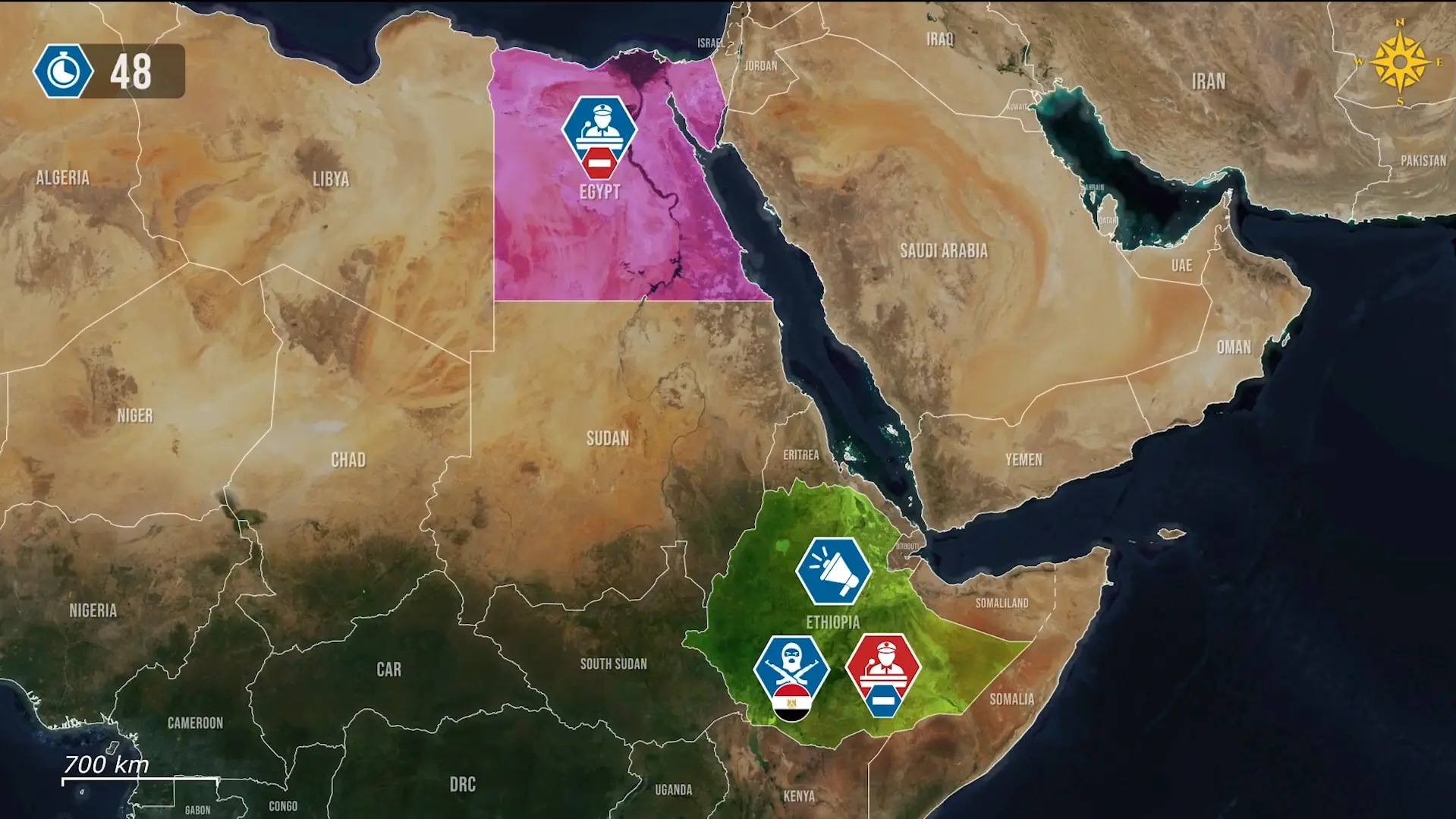
Ethiopia built the Grand Ethiopian Renaissance Dam on the Blue Nile, the Nile River’s main tributary, to generate hydroelectric power. And it considers this massive dam an important project for economic development. However, Egypt views the dam as more than just a power generation project, seeing it as a source of concern. Egypt considers the Nile its primary source of freshwater because the river supplies water to approximately ninety five percent of the country’s population. Sudan also depends on the Nile’s water. According to Sudan, the volume of water in the Blue Nile has decreased by ninety million cubic meters per day since Ethiopia began constructing the dam. By building this massive dam on the Nile, Ethiopia has gained the ability to store vast quantities of water and regulate the river’s flow.
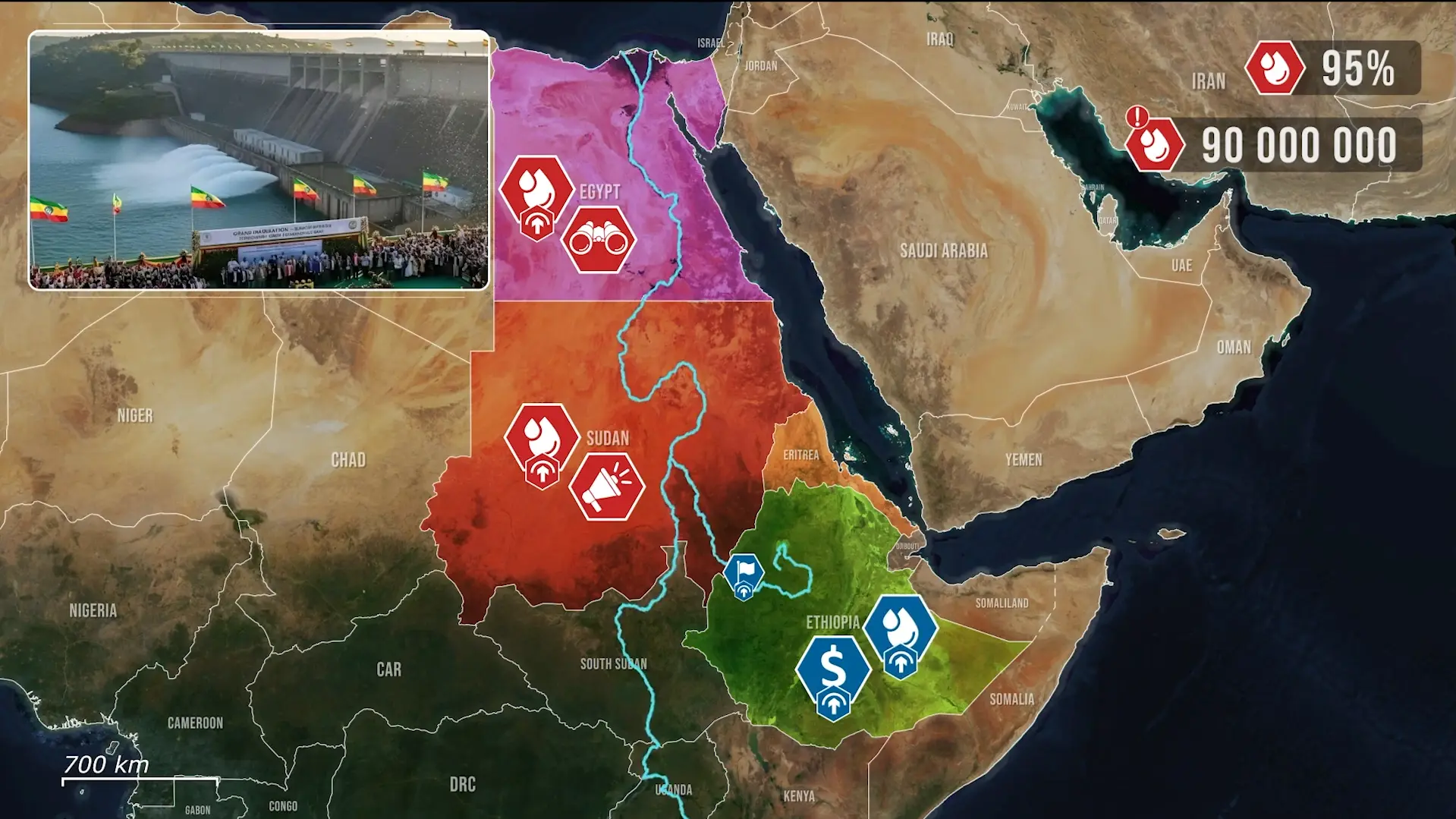
Ethiopia has also strengthened its military with foreign drones, combat aircraft and new domestic drone production facilities. Furthermore, as a landlocked country, Ethiopia is seeking direct access to the Red Sea so it can independently import and export goods. Prime Minister Abiy Ahmed has described access to the Red Sea as an existential issue for Ethiopia. In this context, Ethiopia has been expressing growing interest in Eritrea’s Port of Assab as a potential gateway to the Red Sea. For both Egypt and Sudan, this is like having a gun pointed at their heads, because Ethiopia’s control over the Grand Ethiopian Renaissance Dam on the Blue Nile gives it significant influence over downstream water flows, particularly during prolonged droughts. Reduced water flows could threaten drinking water supplies, limit irrigation and reduce crop production, putting food security in both countries at risk. If Ethiopia grows militarily stronger and expands its regional influence, countering its growing power will become increasingly difficult for Egypt and Sudan.
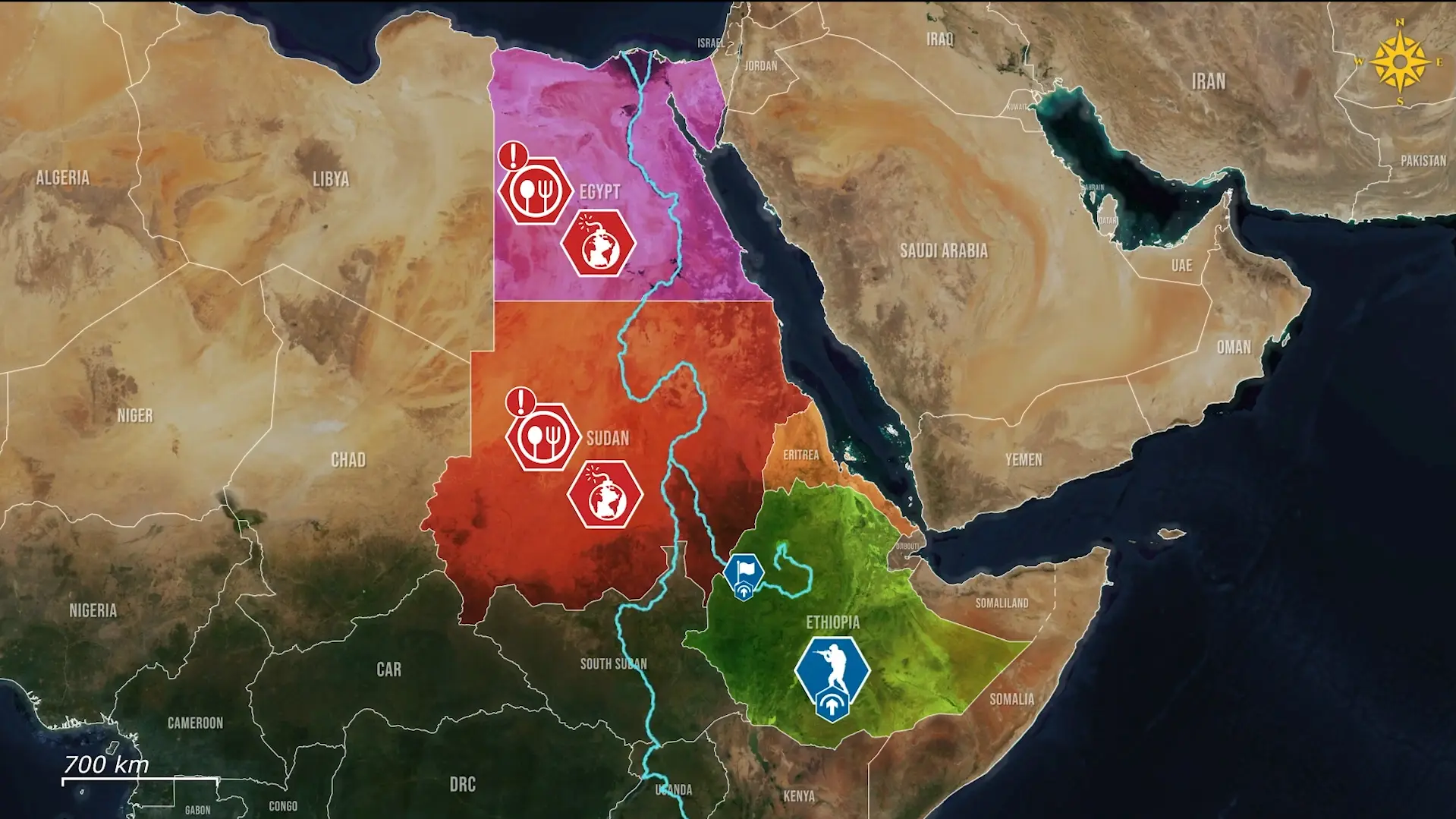
Ethiopia’s growing power has created several regional enemies, and they are now striking back by supporting rebel groups fighting the central government. On September twenty two, seven armed groups, including the TPLF, formed an alliance called the Alliance for Survival and announced that they would fight against Ethiopia’s federal government. The alliance’s main objective is to overthrow the Ethiopian government. In late September, the armed groups moved into Afar and Amhara and, reportedly, targeted supply routes from Djibouti, through which most of Ethiopia’s imports arrive.
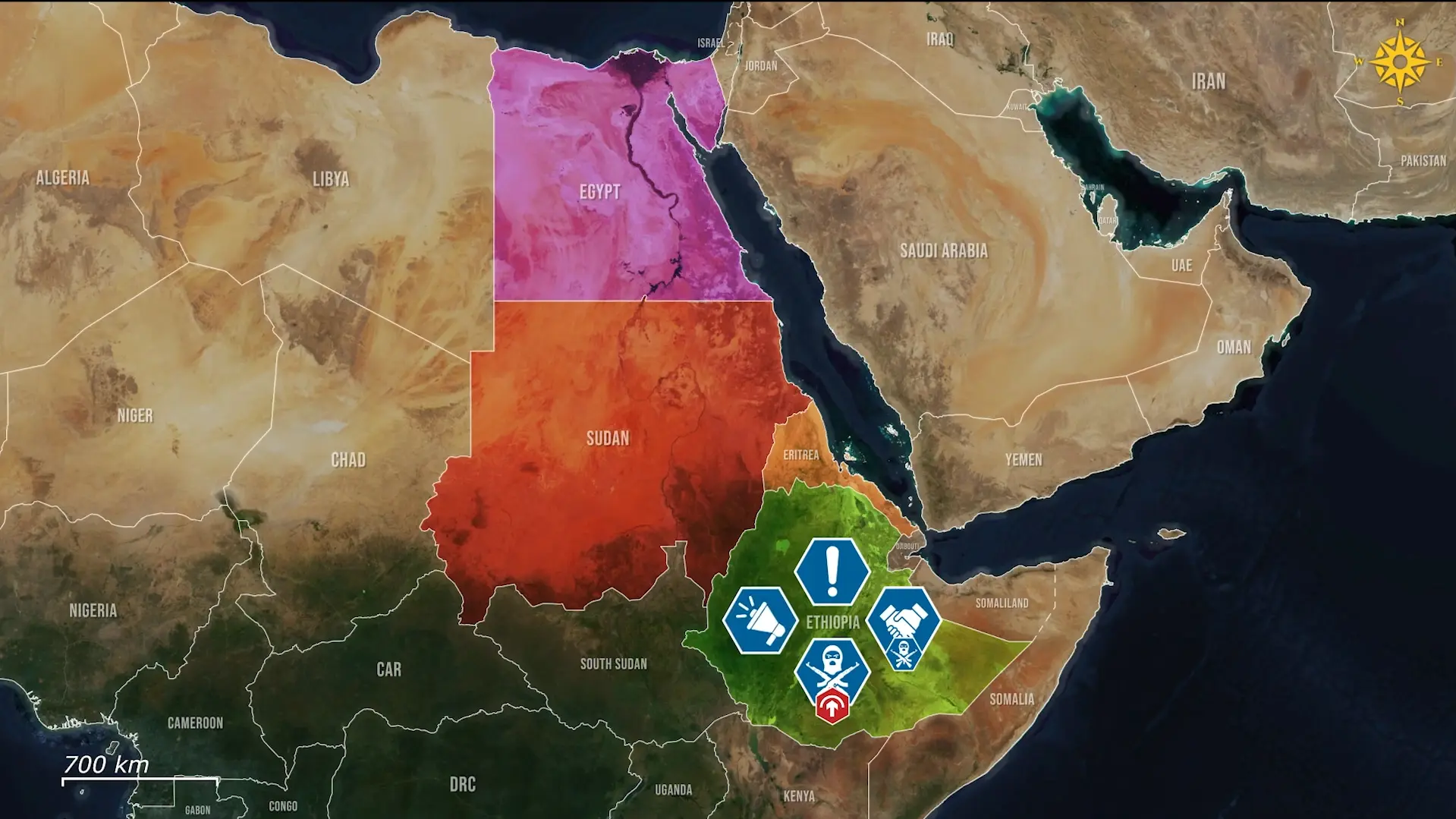
Meanwhile, Ethiopia’s Chief of Staff, Field Marshal Birhanu Jula, stated that Eritrea and the TPLF could achieve nothing on their own without support and supplies from Sudan, Egypt, and other external powers. Supporting the rebels allows Egypt and Sudan to weaken Ethiopia without fighting it directly. By forcing Addis Ababa to use troops and resources against internal enemies, they can limit Ethiopia’s ability to project military power abroad and gain leverage in future negotiations over the Nile and Red Sea access. As a result, the conflict risks spreading beyond Ethiopia’s borders to Eritrea, Sudan, Egypt, and the vital trade routes of the Red Sea.
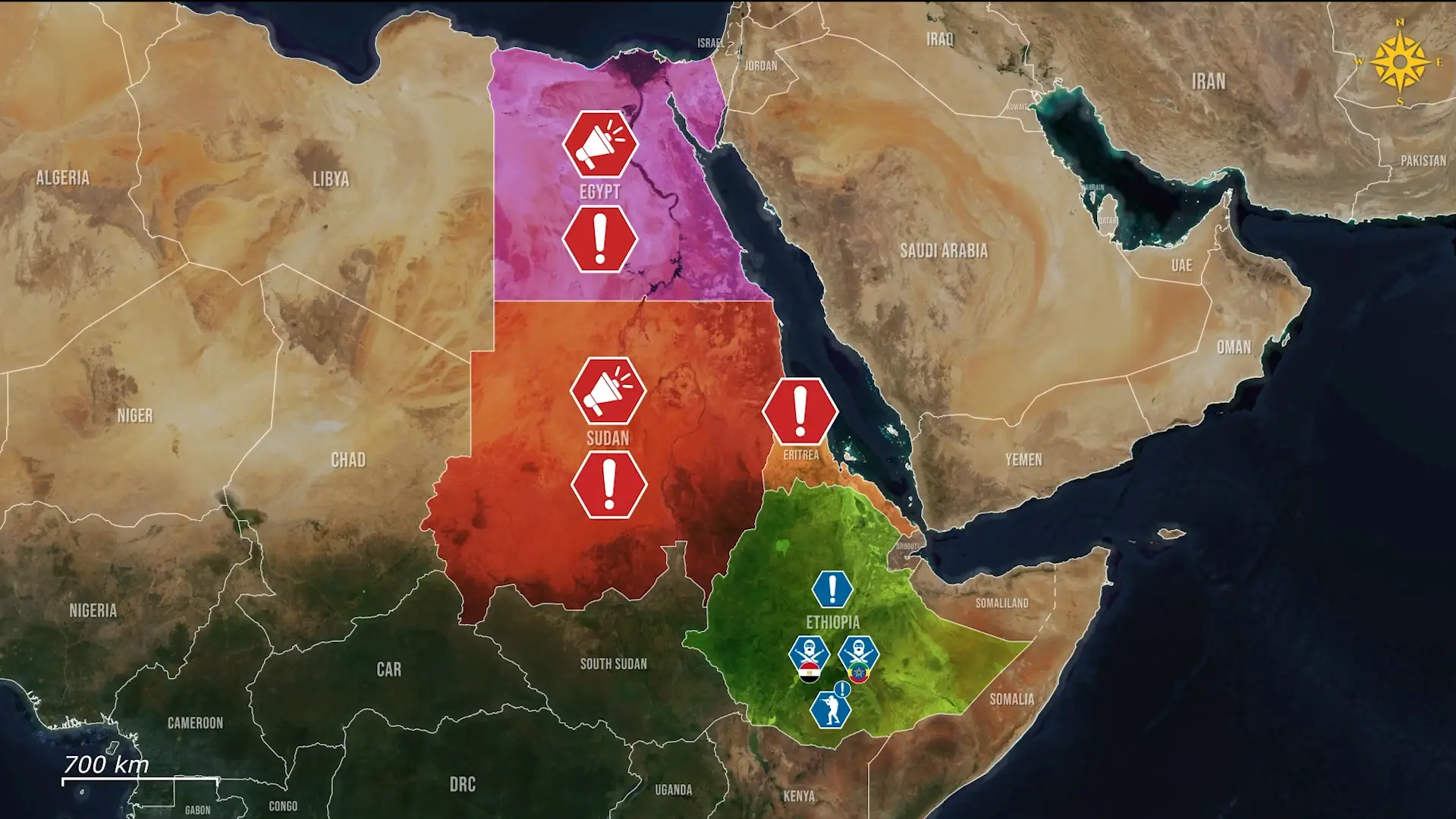
Overall, Egypt is using Ethiopia’s internal weaknesses to contain a rival that now holds leverage over Nile water and is seeking a stronger position around the Red Sea. Supporting Ethiopian rebels can tie down the country’s military and give Cairo more influence without forcing it into a direct war. However, this also turns Ethiopia’s internal conflict into a regional struggle involving Egypt, Sudan and Eritrea. Egypt’s response may reduce the immediate threat from Ethiopia, but it could also create a larger proxy war across the Horn of Africa.





Comments