


Today, there are important updates from Ukraine
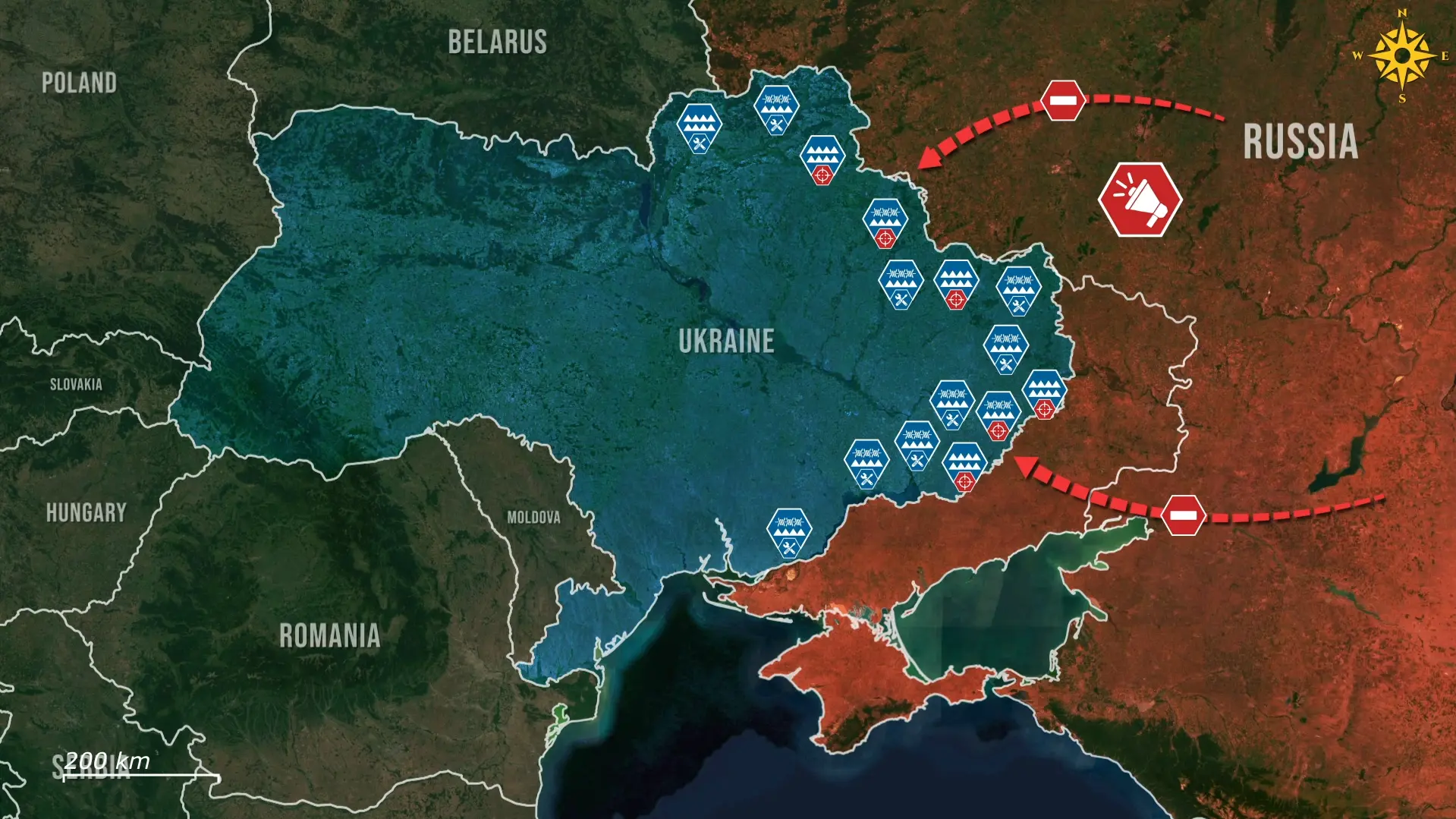
Here, Ukraine has announced that its missiles and drones can now attack targets inside Russia without relying on Elon Musk’s Starlink satellite network. Fire Point CEO Iryna Terekh confirmed that her company developed autonomous navigation capabilities allowing Ukrainian weapons to complete missions without external communications, with the announcement following ten days of Starlink speed restrictions that disrupted Ukrainian drone defenses and mid-range strike operations.
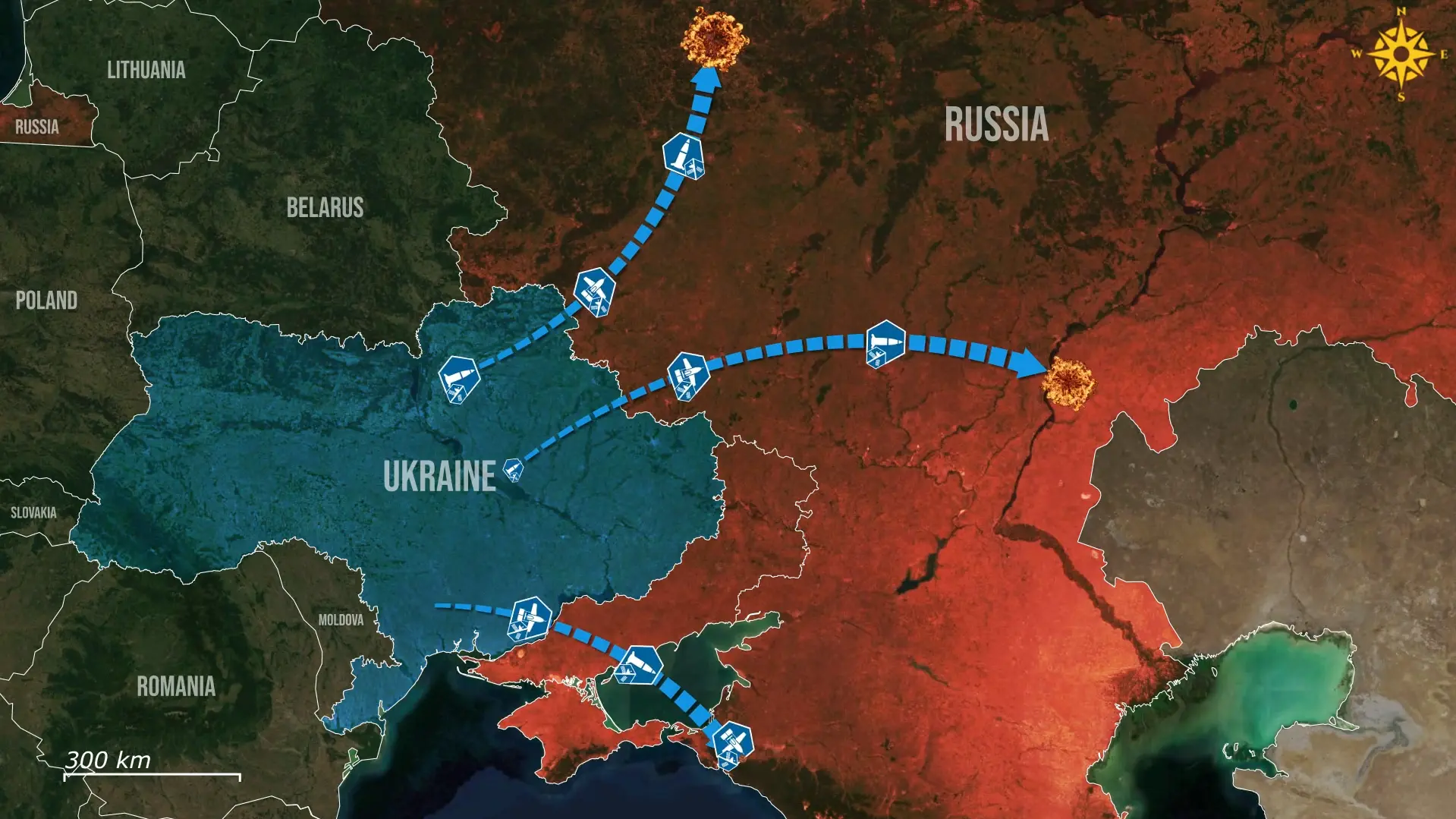
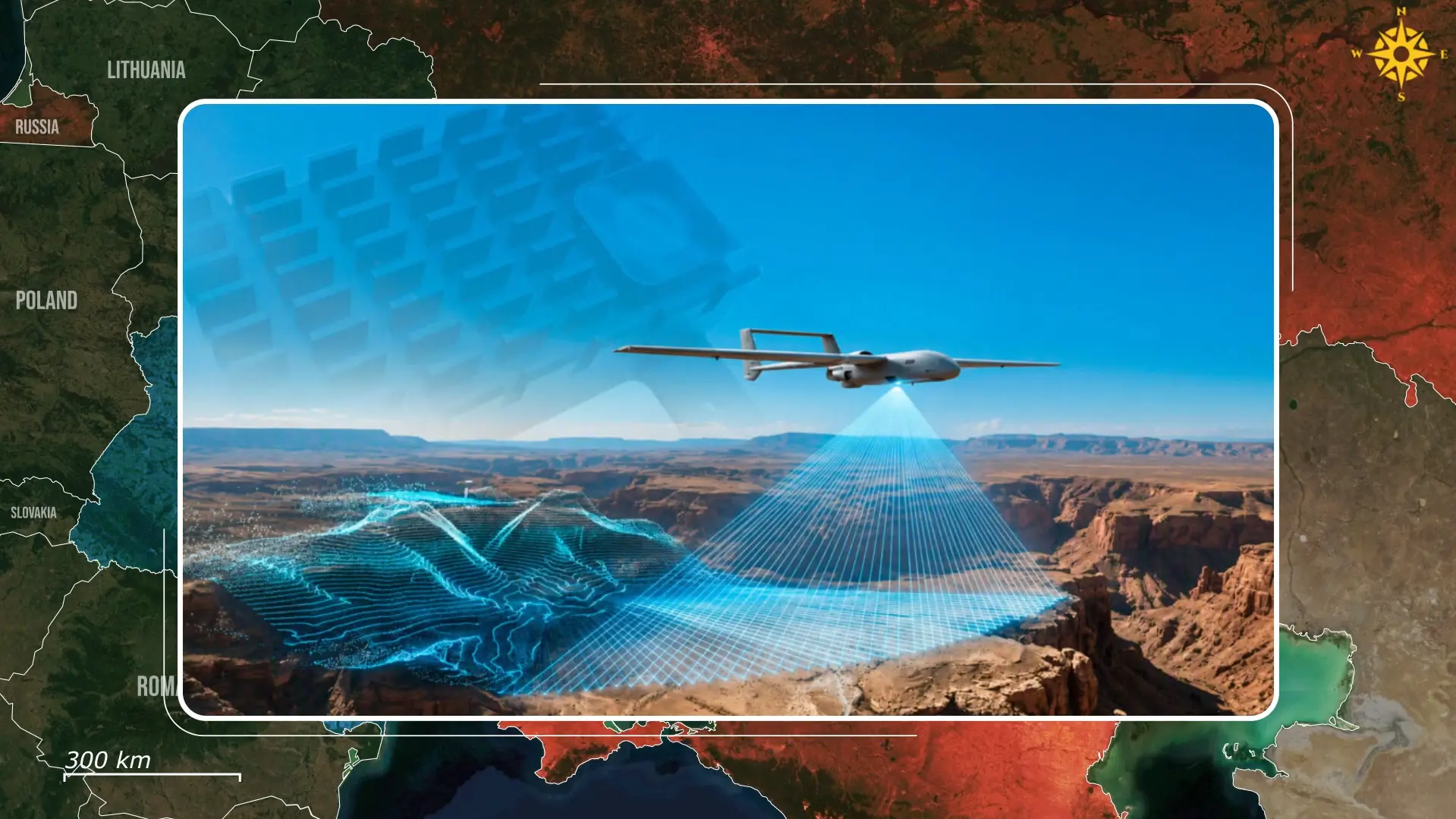
Terekh also revealed that Fire Point had anticipated precisely this vulnerability, so their weapons are designed to complete missions independently, even when satellite communications become unavailable. However, the technological implications are enormous, and although Fire Point has not disclosed its navigation architecture, several established technologies can enable autonomous flight. Inertial navigation uses onboard sensors to calculate movement without external signals, while satellite positioning systems can provide navigation updates independently of Starlink, but remain vulnerable to electronic interference. Terrain-reference navigation and computer vision offer additional possibilities, allowing onboard computers to recognize geographical features and compare them against stored information. Preprogrammed flight paths also enable weapons to continue toward designated destinations without continuous operator communication. These approaches allow the Ukrainian weapon systems to operate, but have limitations, particularly when enemy targets move, making them more suitable for stationary targets.
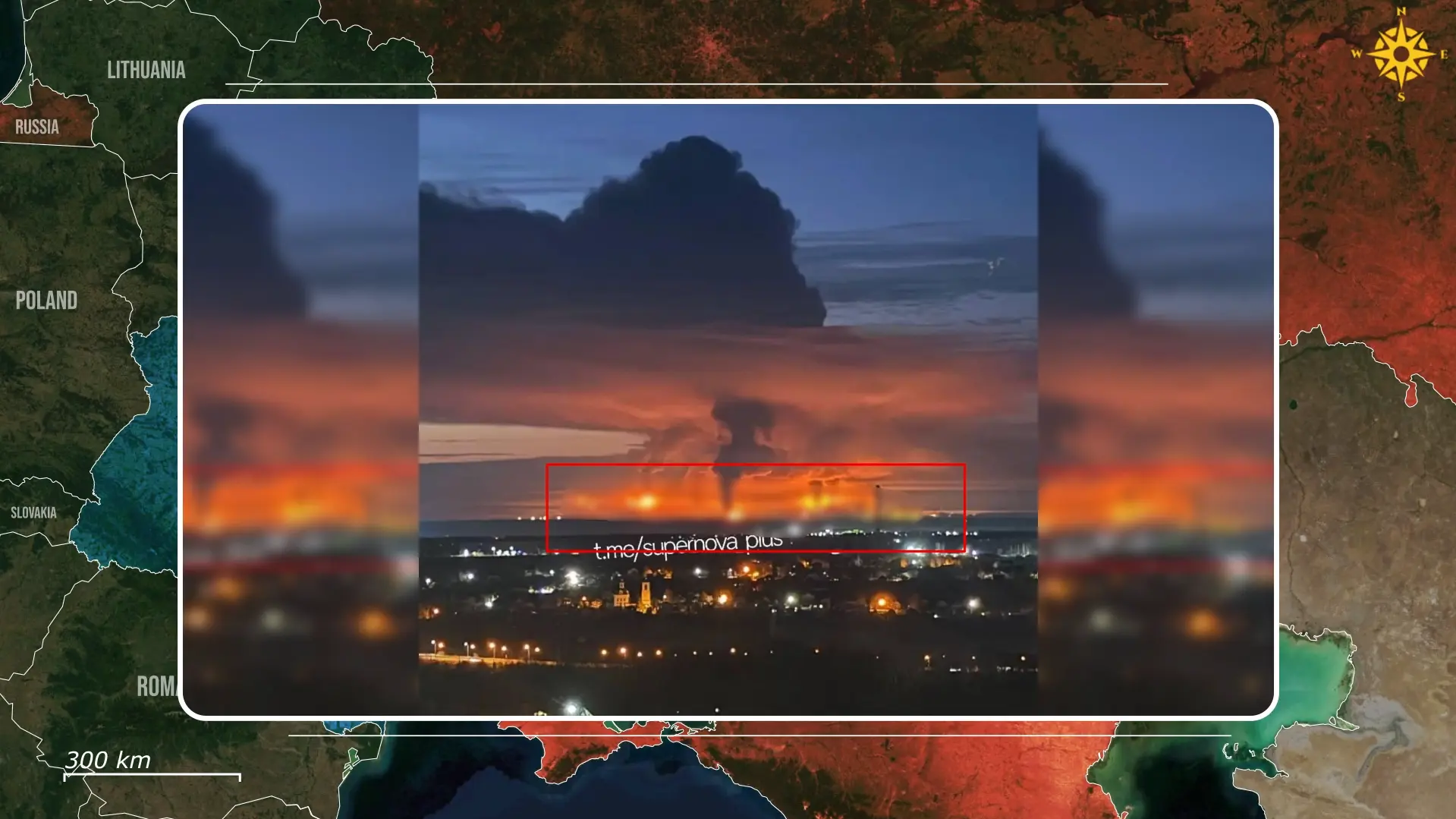
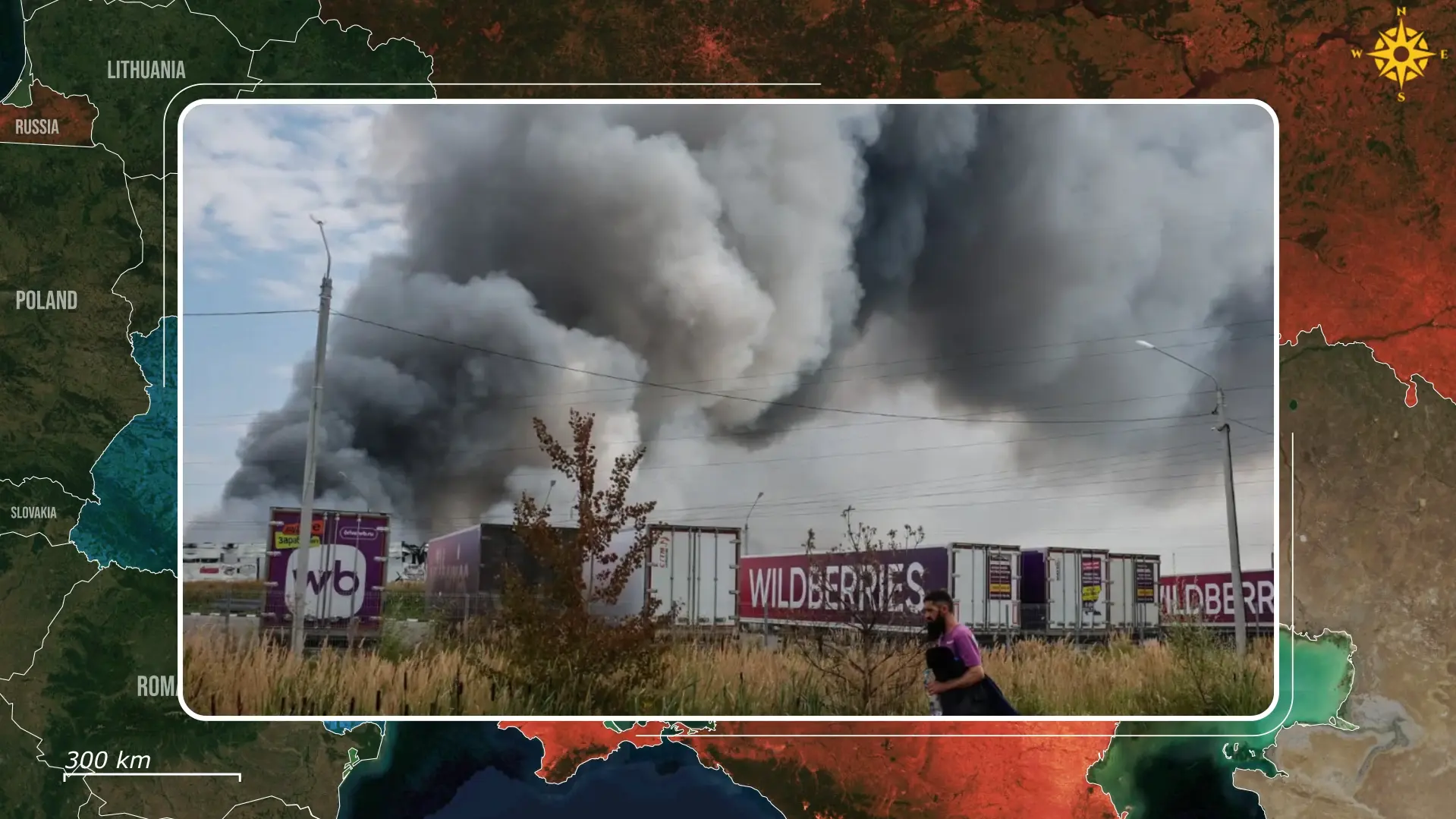
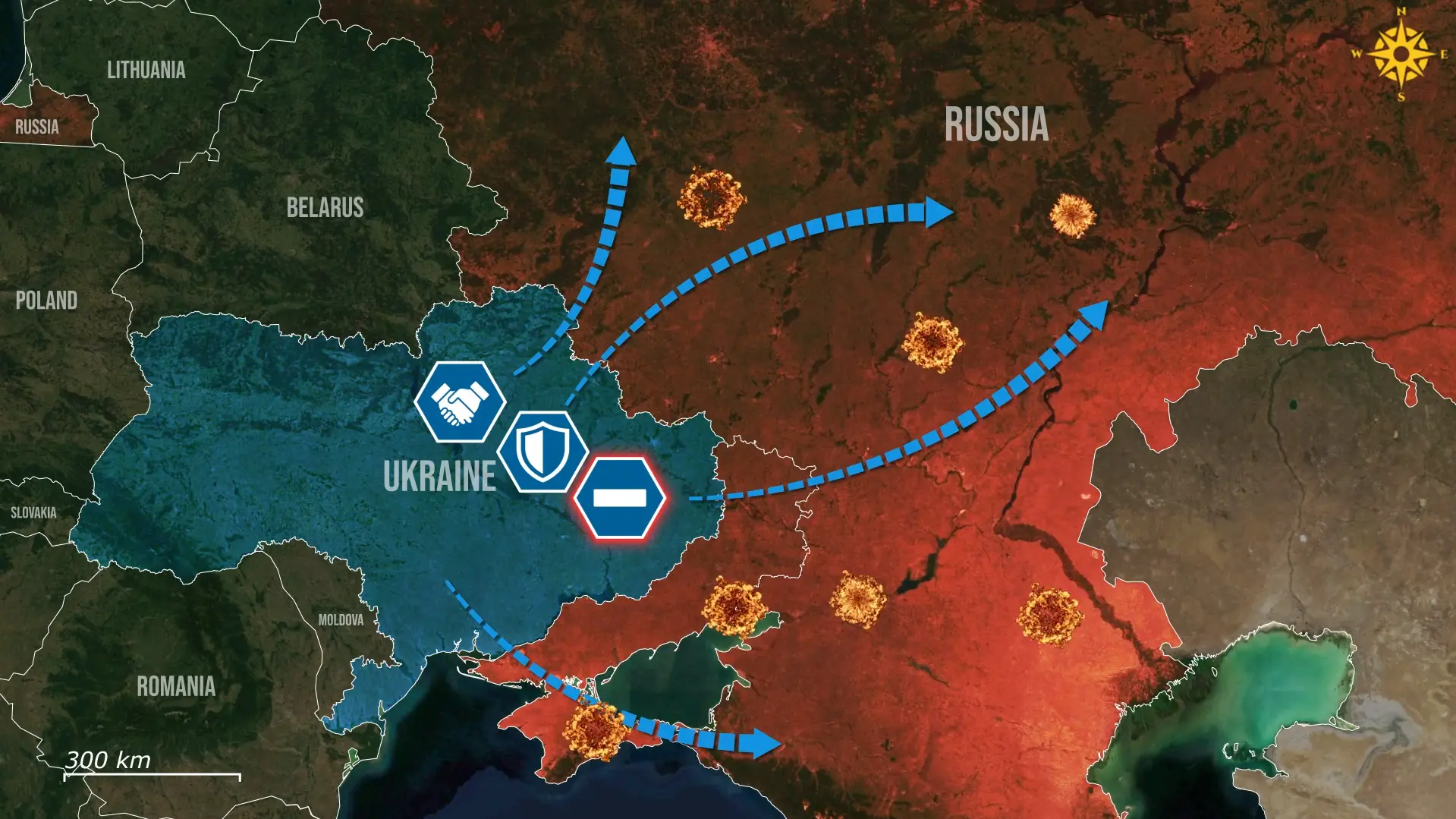
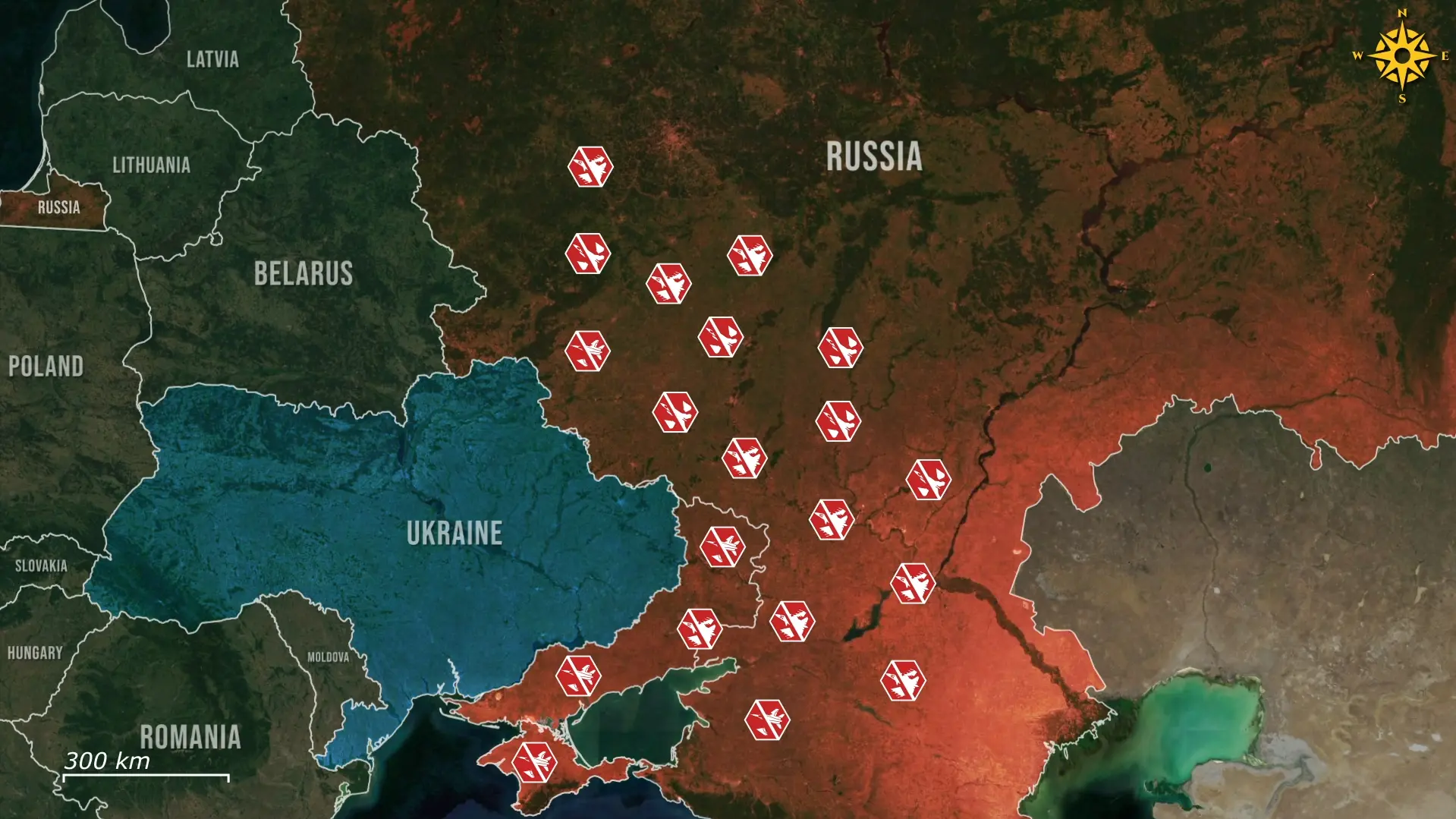
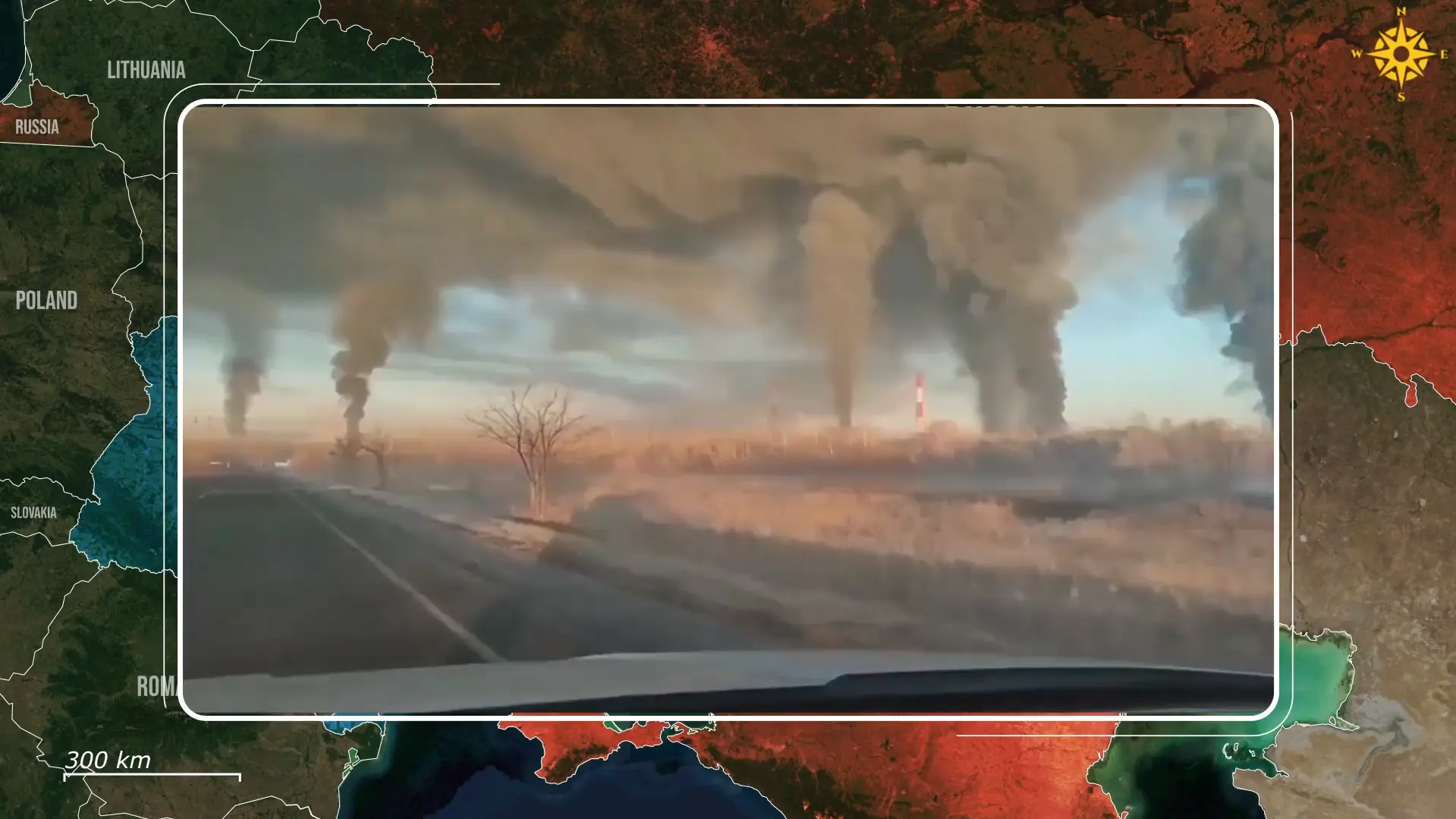
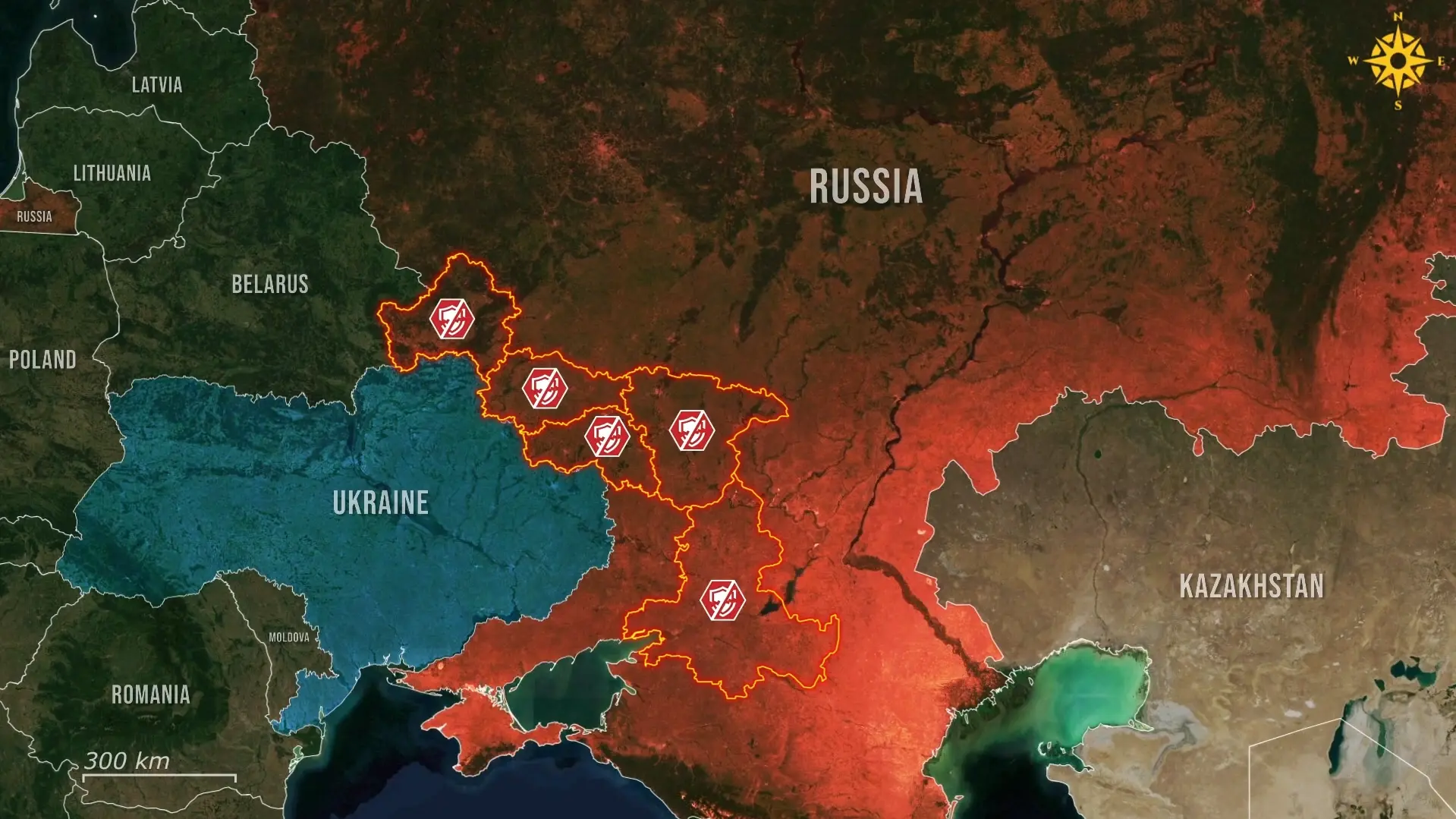
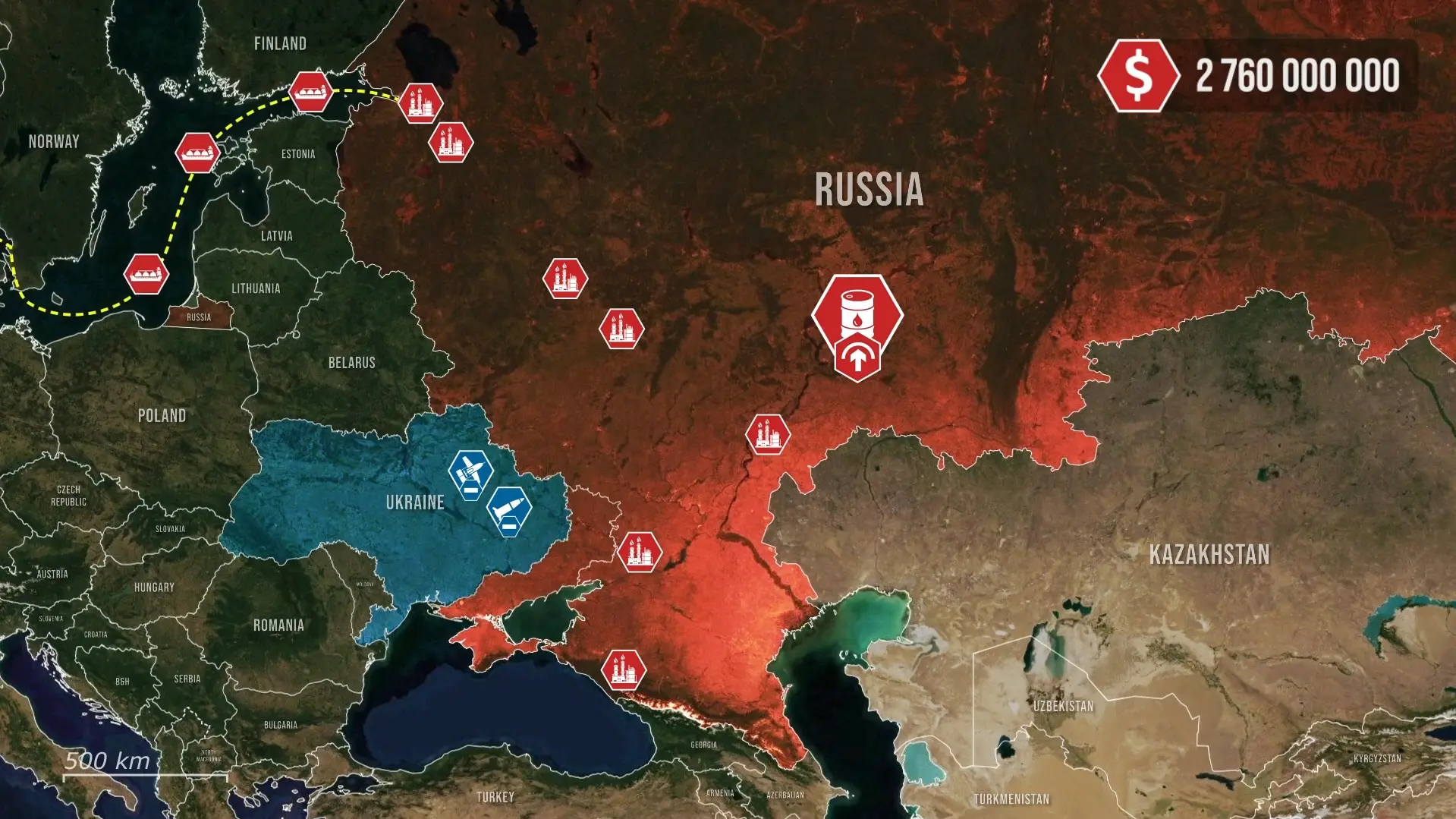
At the same time, Ukraine’s recent strike campaign demonstrates that satellite restrictions have not eliminated its long-range capabilities. In the last two weeks, Ukrainian strikes hit at least twenty-eight facilities inside Russia, excluding Russian-controlled Ukrainian territories. The targets included ten chemical-industry facilities, seven oil-sector installations and four defense-industrial sites, while additional attacks struck data centers, logistics hubs, electrical substations, a military airfield and other infrastructure, extending the consequences across Russia’s economy and military production.
Chemical factories manufacture industrial materials used in explosives, rocket propellants, specialized fuels and military equipment. Oil refineries and petroleum infrastructure support Russian fuel supplies while generating revenues that help finance military operations. Defense factories produce electronics, machinery and specialized components required for missiles, aircraft and other weapons. Meanwhile, attacks against logistics facilities complicate the transportation of ammunition, fuel and reinforcements. Crucially, Ukraine conducted this extensive campaign despite the reported Starlink restrictions, demonstrating its substantial and independent strike capabilities.
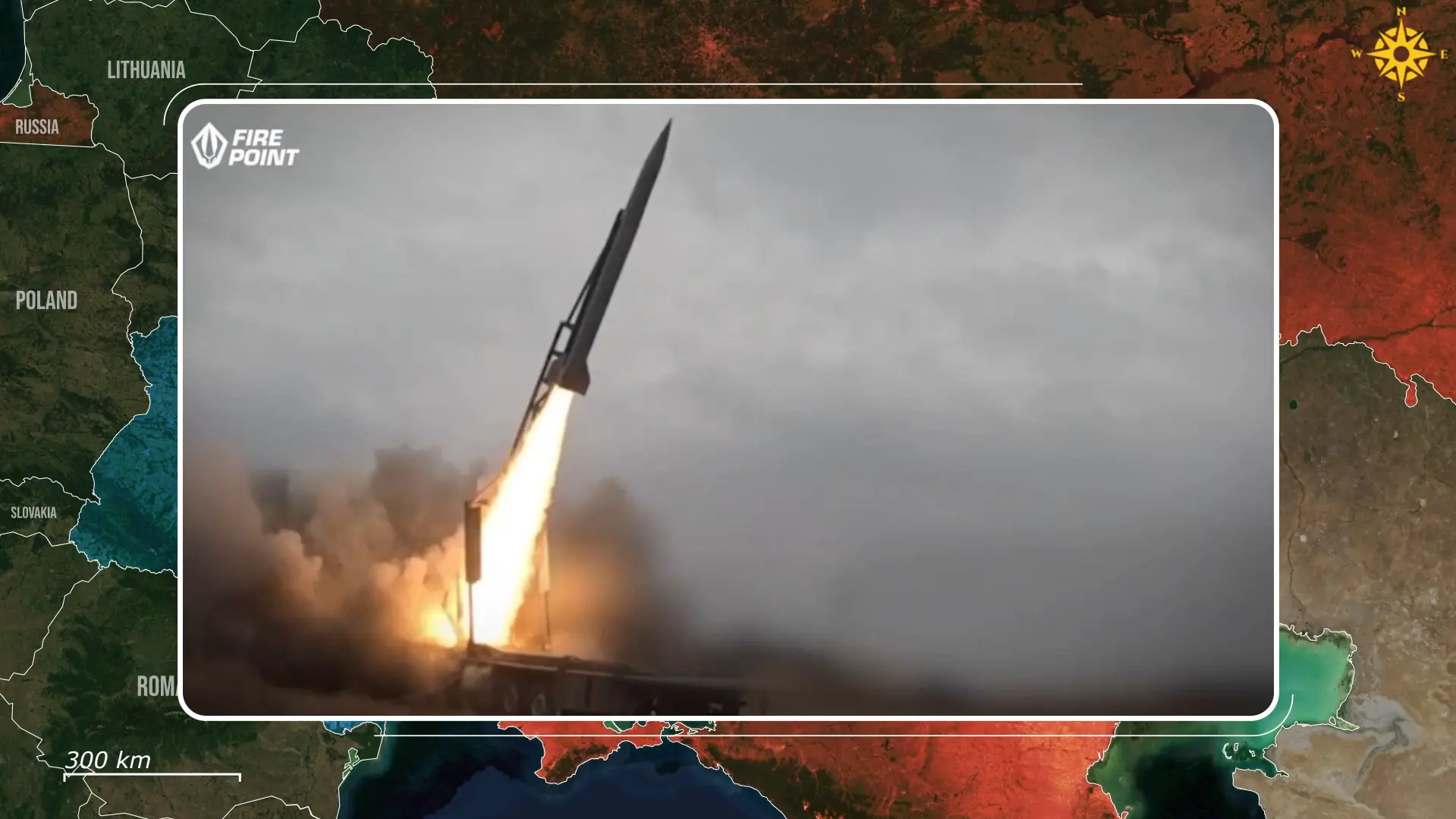
Another development could make Ukraine considerably less dependent on foreign-controlled communications, as Fire Point deployed its FP-Seven tactical ballistic missile in combat for the first time last month. The missile has a range of approximately three hundred kilometers and provides Ukraine with another means of striking Russian military targets. Unlike remotely controlled drones for mid-range strikes, ballistic missiles do not require continuous satellite connectivity.
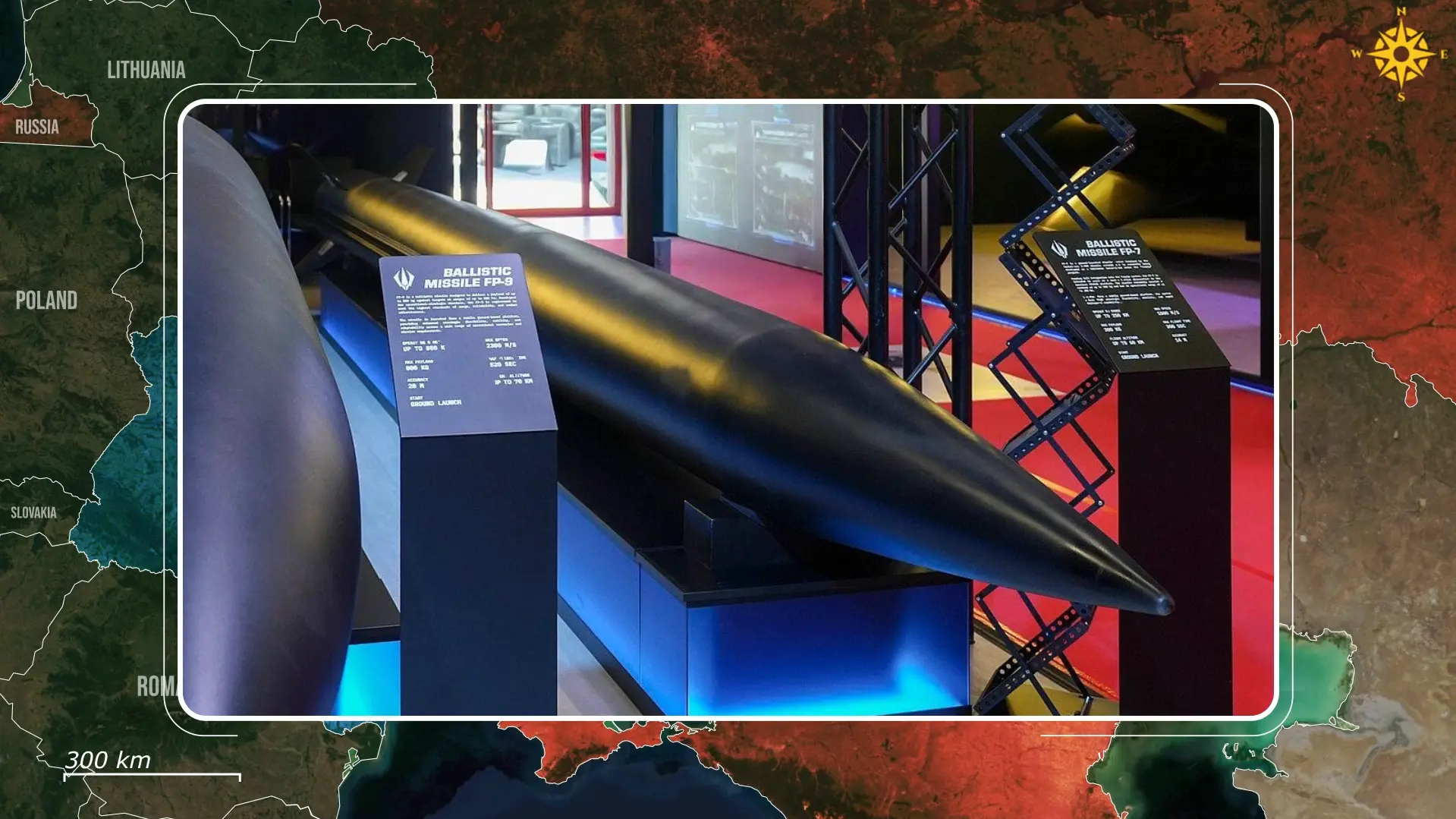
Their speed also offers advantages against certain time-sensitive targets, although successful engagements still depend on accurate targeting information, emphasizing the need for a weapon that cannot be disabled through a foreign-controlled communications switch. Fire Point is also developing the FP-Nine ballistic missile, designed for approximately eight hundred kilometers of range and approaching combat readiness before the end of the year. When manufactured at scale, these systems will substantially expand Ukraine’s ability to threaten Russian military infrastructure without relying on foreign authorization for every mission.
Overall, the broader significance is political as much as technological, as Ukraine wants a dependable American partnership governed by predictable rules, rather than recurring uncertainty over whether essential capabilities will remain available. Recent restrictions have reinforced Kyiv’s determination to develop alternatives, so weapons are designed to remain operational regardless of changes in foreign communications access. Through this, Ukraine intends to preserve both its ability to defend its territory and its capacity to pressure Russia’s military-industrial infrastructure, even when external support becomes uncertain.





Comments