


Today, the biggest news comes from Bulgaria.
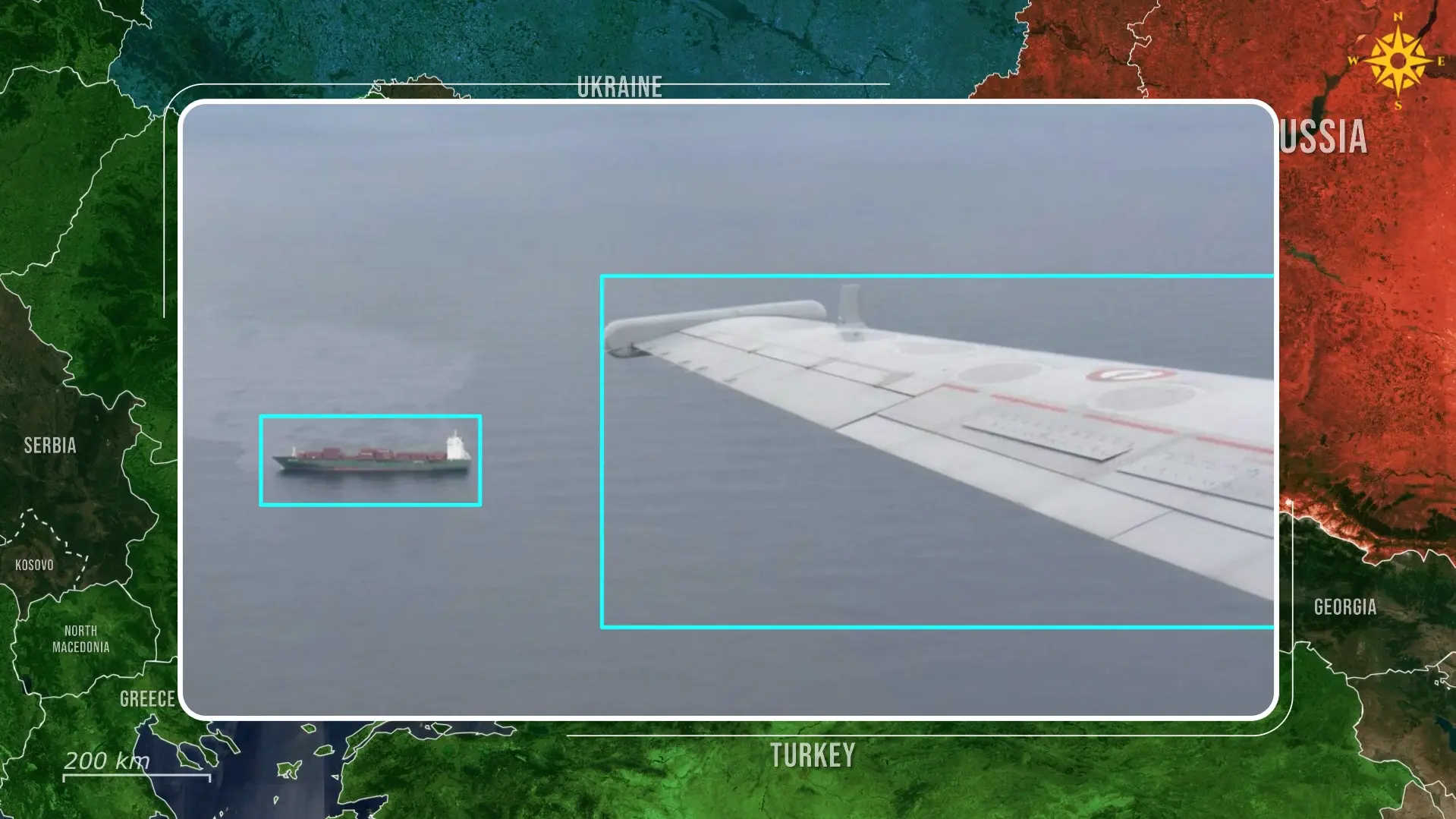
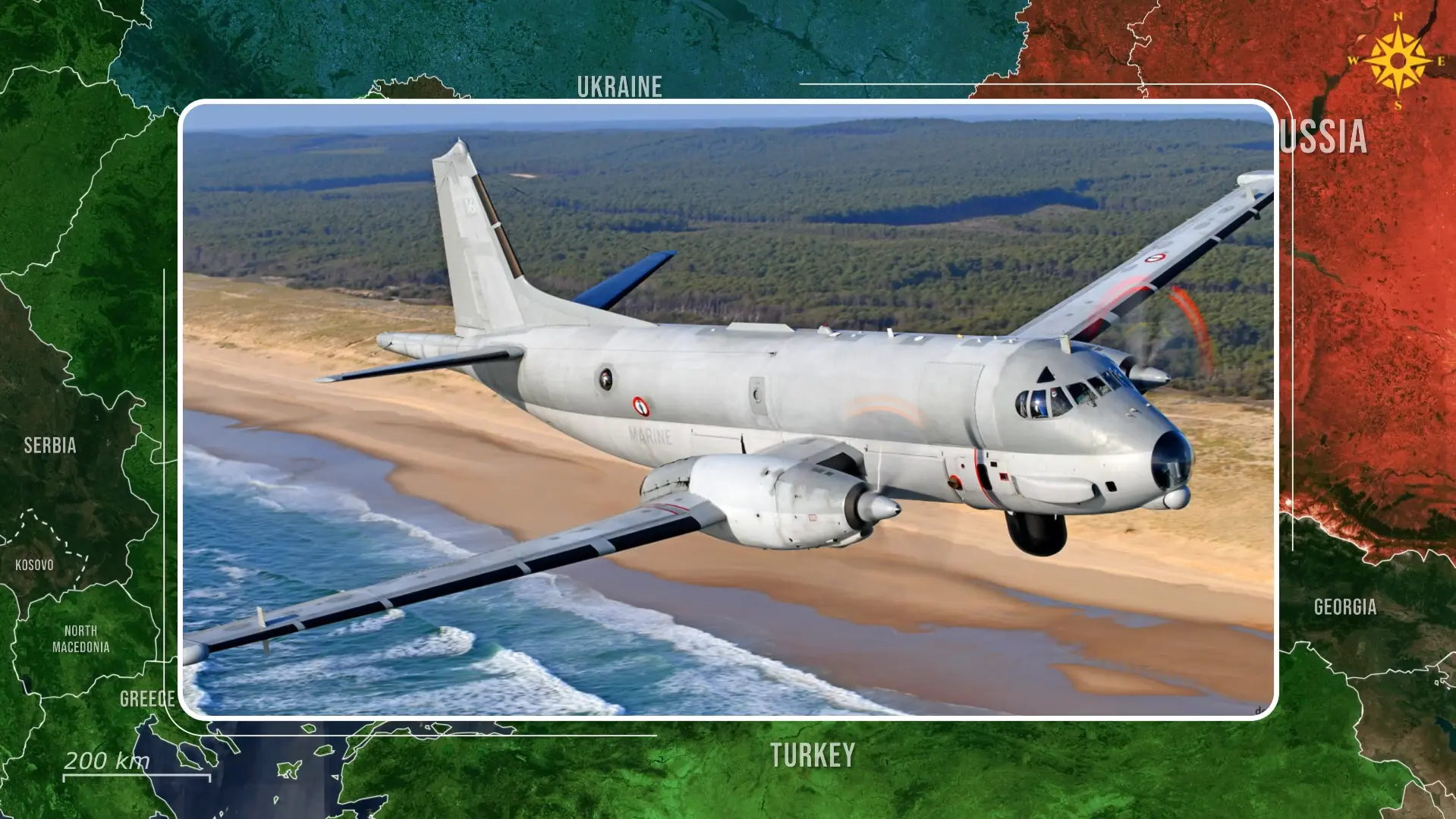
A Russian surface drone attack targeted a civilian vessel approximately thirty kilometers off the Bulgarian coast in the Black Sea. Footage recorded by a crew member aboard the ship captures the attack, with one of the three Russian drones that struck the vessel clearly visible. The attack was first detected by a French Atlantique two reconnaissance aircraft patrolling the Black Sea, which spotted the three drones approaching the civilian vessel and immediately warned its crew.
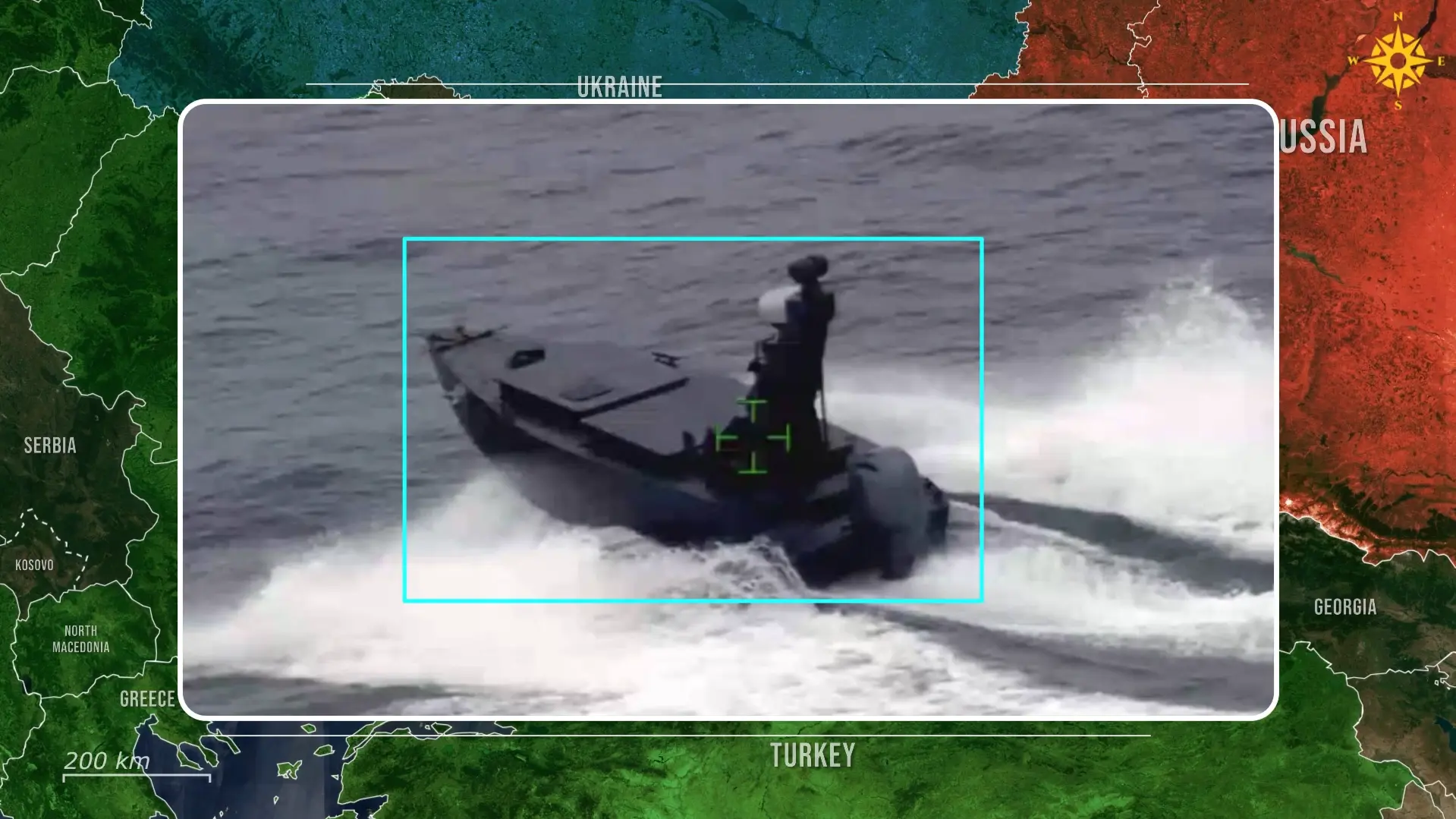
Although the ship was unable to evade the incoming drones, the early warning gave the crew time to reach safe areas aboard the vessel before the strikes hit. As soon as it became clear that Russia was attempting to sink the ship, rescue operations were launched. The vessel eventually sank close to Bulgarian territorial waters, but all eighteen crew members were successfully rescued, and everyone survived.
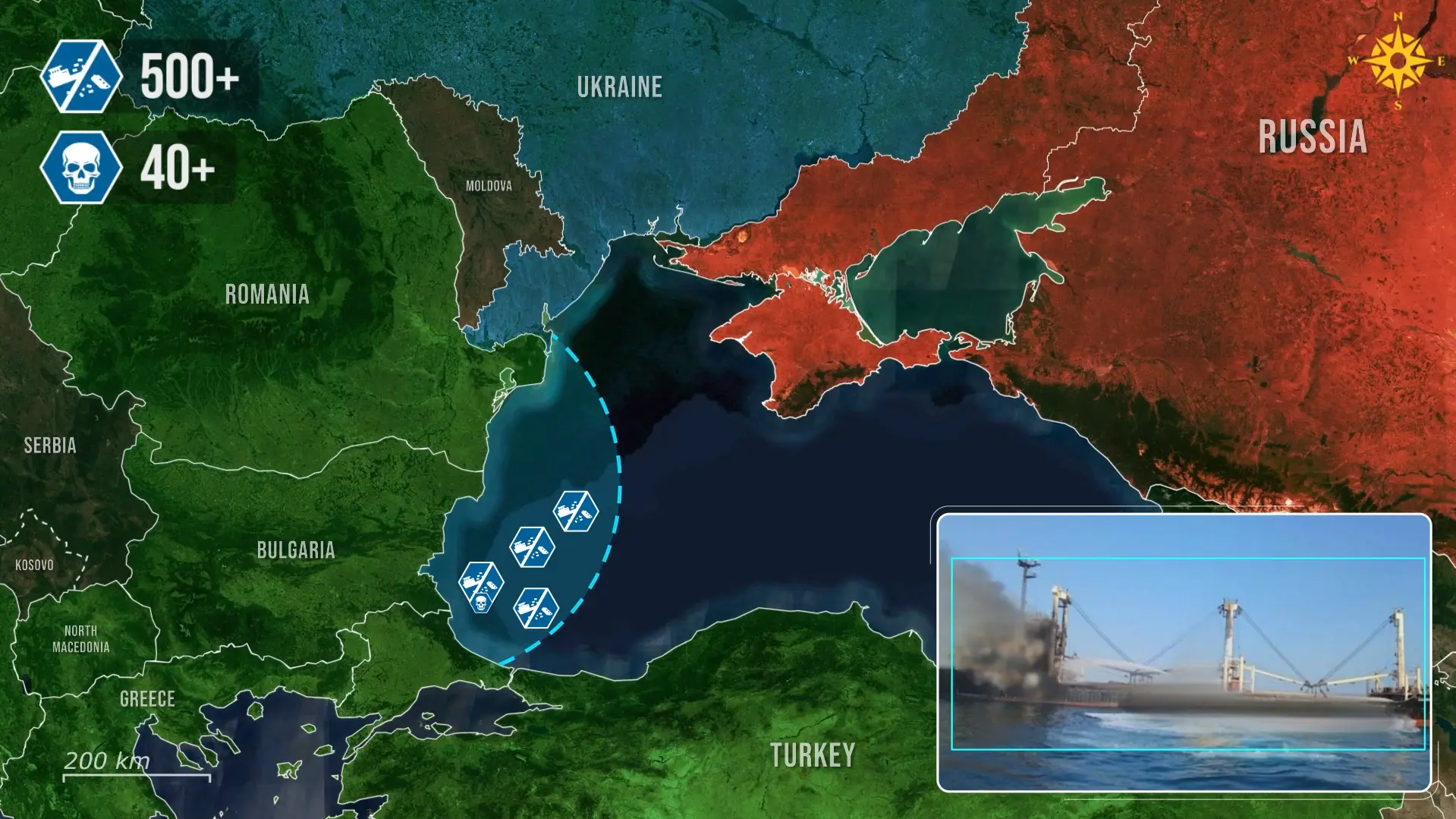
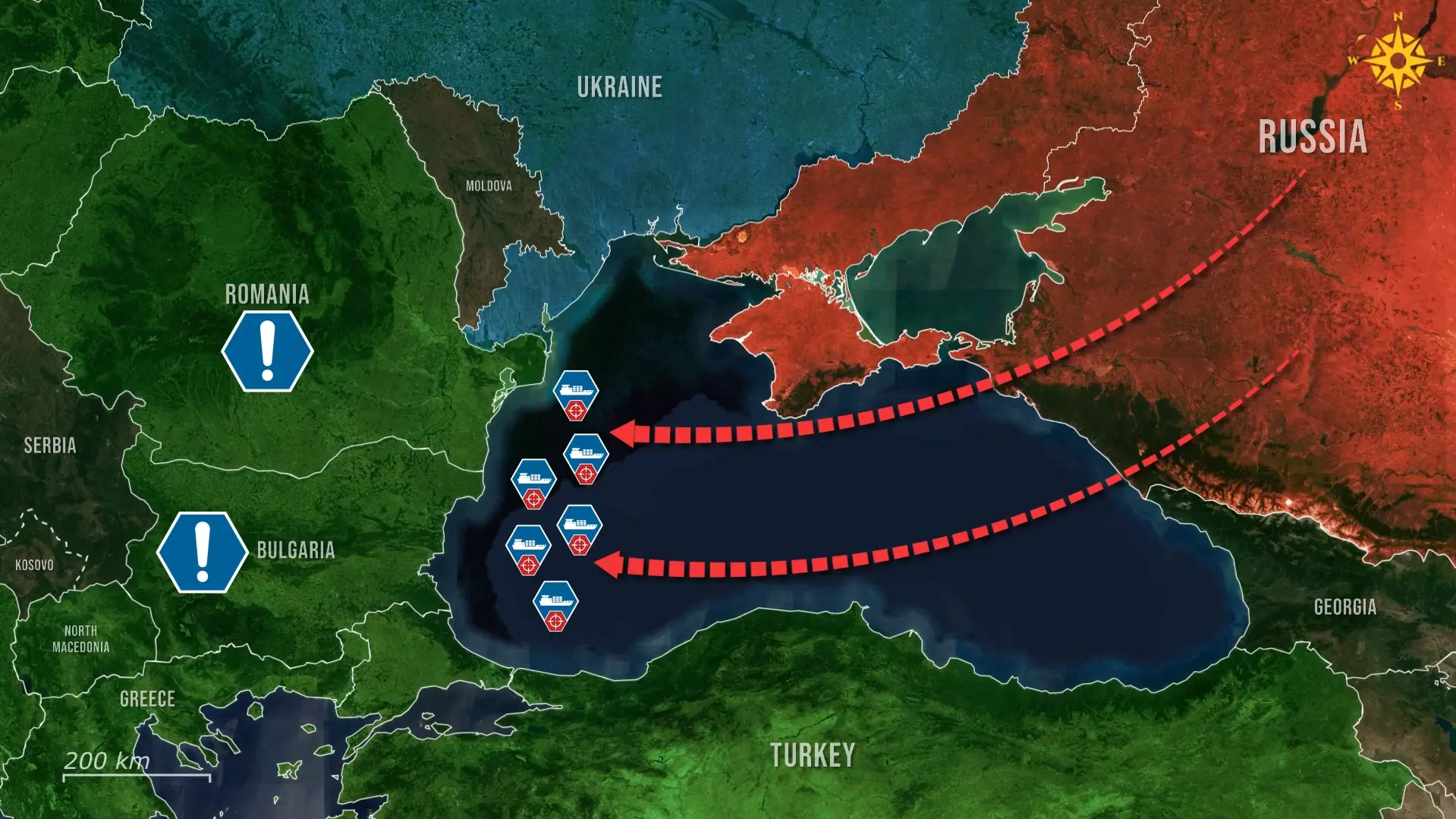
However, this wasn’t a standalone incident, as Russia has already struck over five hundred civilian ships in the Black Sea. Out of these, nine strikes happened in Bulgaria’s and Romania’s exclusive economic zone, which spans two hundred nautical miles, or three hundred and seventy kilometers from the coastal baseline. Most of the attacks happened within neutral waters in the Black Sea. Notably, Russia attacked the Turkish-owned Alfa Watan cargo ship by air and sea drones. The ship sustained critical damage and sank seventy nautical miles from Bulgaria, while its whole crew died. On the same day, Russia hit a grain carrier, which caught fire, but its crew escaped the flames. Then Russia targeted the HS Dignity seventeen nautical miles from Bulgaria. As a result, five crew members were rescued, and eleven went missing and most likely died. Because of these strikes, at least forty sailors were killed on neutral ships by Russia.
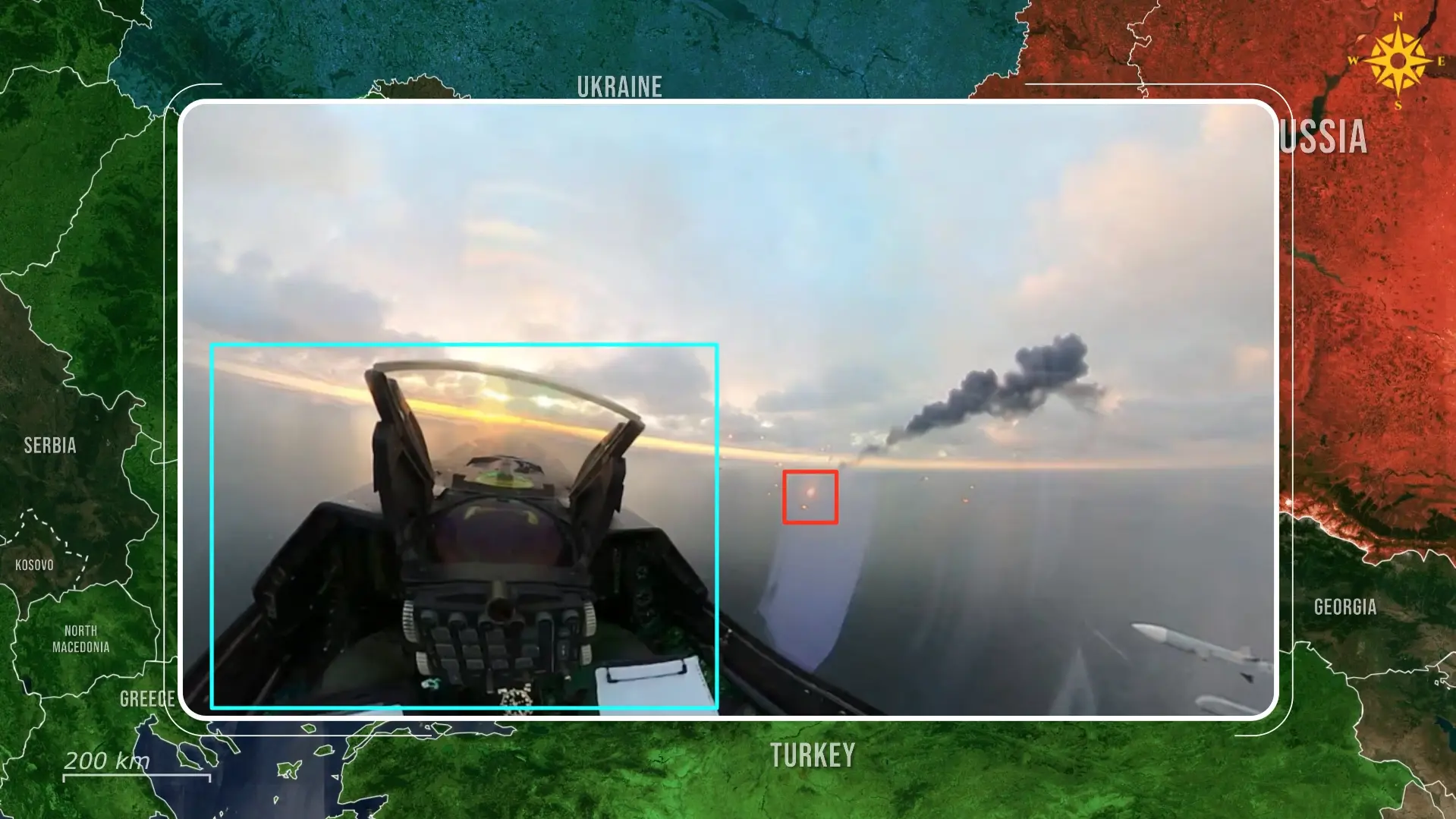
These strikes are a major escalation because Russia targets ships dangerously close to Nato’s territorial waters, which poses a direct threat to the freedom of navigation at sea. The strikes also increase the possibility of a miscalculation by the Russians, which could cause a huge escalation with Nato. Because the strikes happened outside Nato's territorial waters, they don’t constitute an armed attack on Bulgarian or Romanian territory or automatically trigger Nato’s collective defense. However, this doesn’t legalize strikes on civilian vessels. Bulgarian officials condemned the strikes as violations of international maritime law, launched rescue operations, convened security meetings, and in some cases summoned the Russian ambassador. As a response to these strikes, Romanian F-sixteens shot down two Russian jet-powered Geran drones over the Black Sea that were heading to attack merchant ships and were threatening to enter Romanian airspace.
Simultaneously, France responded by deploying an Atlantique two maritime patrol aircraft to Romania to support search and rescue efforts after the wave of drone attacks on merchant ships off the Romanian and Bulgarian coasts. The Atlantique two was designed for anti-submarine warfare and has been upgraded to carry out surveillance and electronic intelligence missions using onboard radar and sonar, while it can fly very low over the water to track ships, submarines, and now also Russian naval drones. Additionally, the United States deployed a P-eight Poseidon maritime patrol and reconnaissance aircraft, which has begun patrolling the Black Sea at Bulgaria’s request. Nato Secretary General Mark Rutte had said that the alliance would adjust its deterrence and defense posture in the Black Sea and was ready to help Romania and Bulgaria strengthen counter-drone defenses and maritime monitoring.
Overall, Russia is increasingly turning the Black Sea into a dangerous environment for international shipping, where even vessels far from the battlefield can become targets. The bigger danger is that these attacks could eventually draw Nato directly into the conflict, especially if a Russian drone strikes inside Nato territory. Moscow is testing how far it can push the alliance without provoking a military response, but every new incident increases the risk that one miscalculation could turn a regional maritime crisis into a direct confrontation between Russia and Nato.




Comments