


Today, there are important updates from Germany.
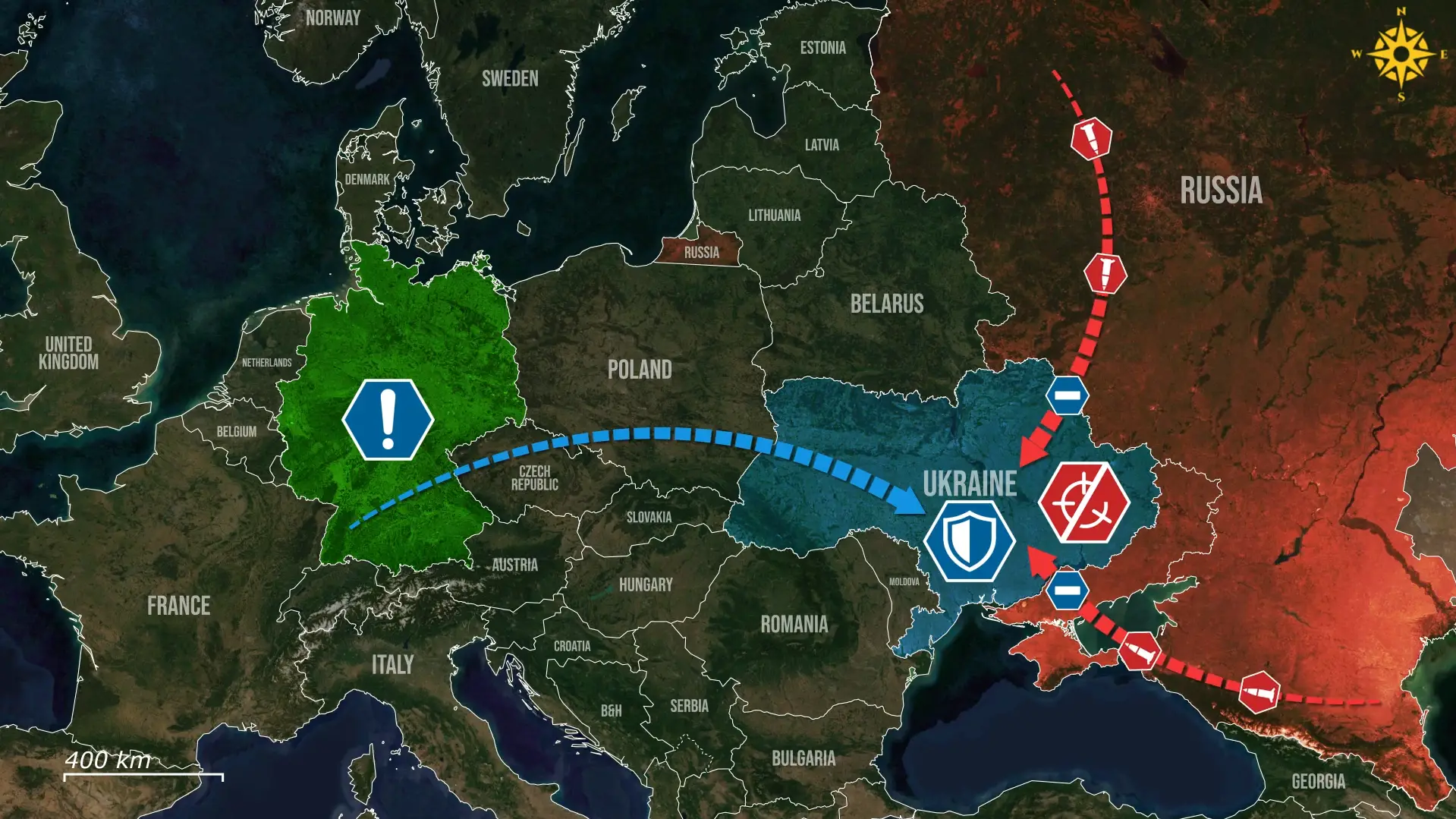
Here, Ukraine just secured a crucial winter military assistance package delivering urgently needed Patriot air defense missiles and more. As Russia is intensifying its campaign against Ukrainian power stations, heating systems, and civilian infrastructure, President Volodymyr Zelensky announced the delivery of additional Patriot interceptors, Iris-T missiles, and support for Ukraine’s F-Sixteen fighter fleet that will prove decisive for Ukraine’s ability to survive the winter. Zelensky also met key German officials, discussing emergency energy assistance and Germany’s planned eleven-point-six billion euro allocation for Ukraine.
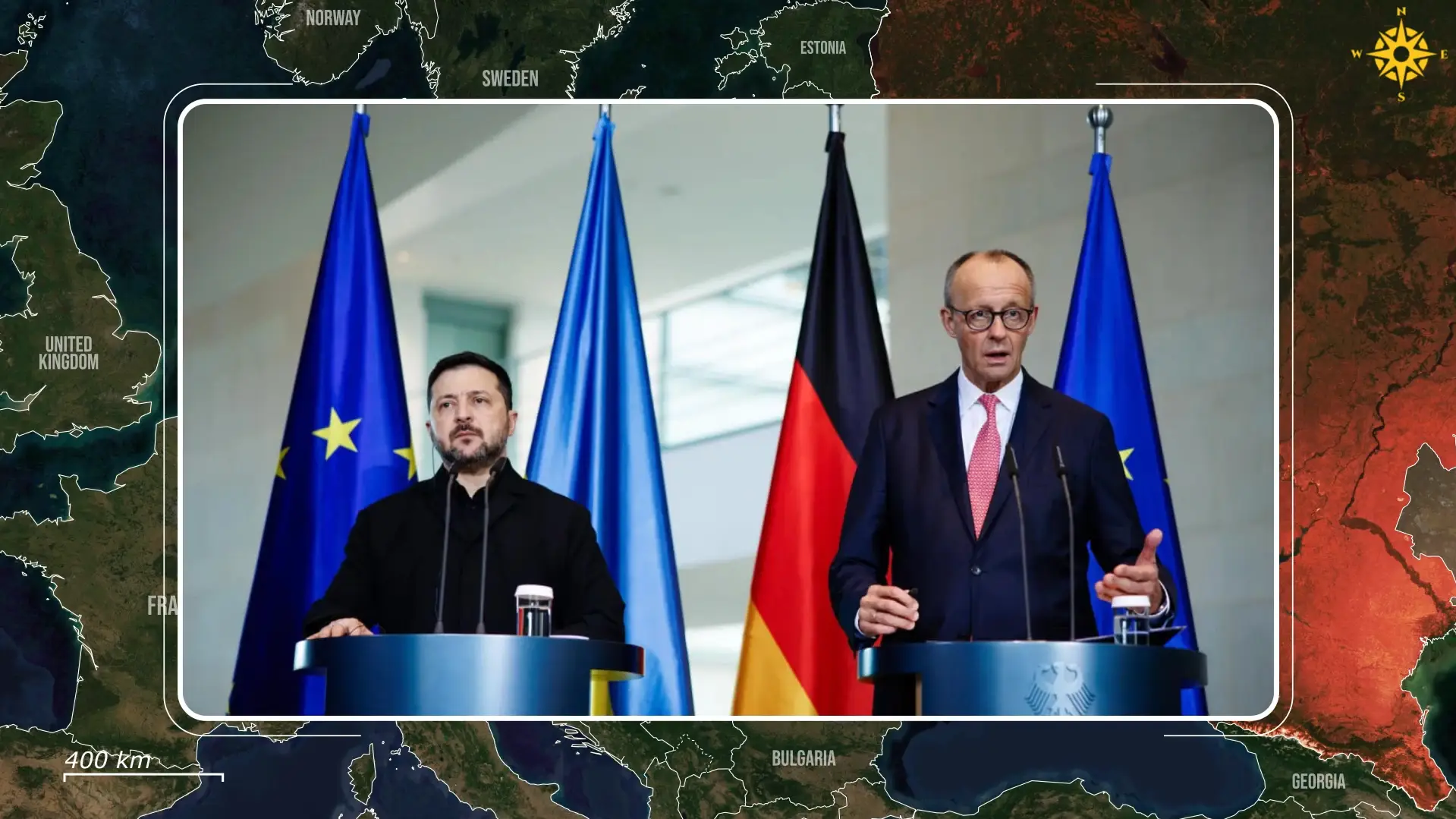
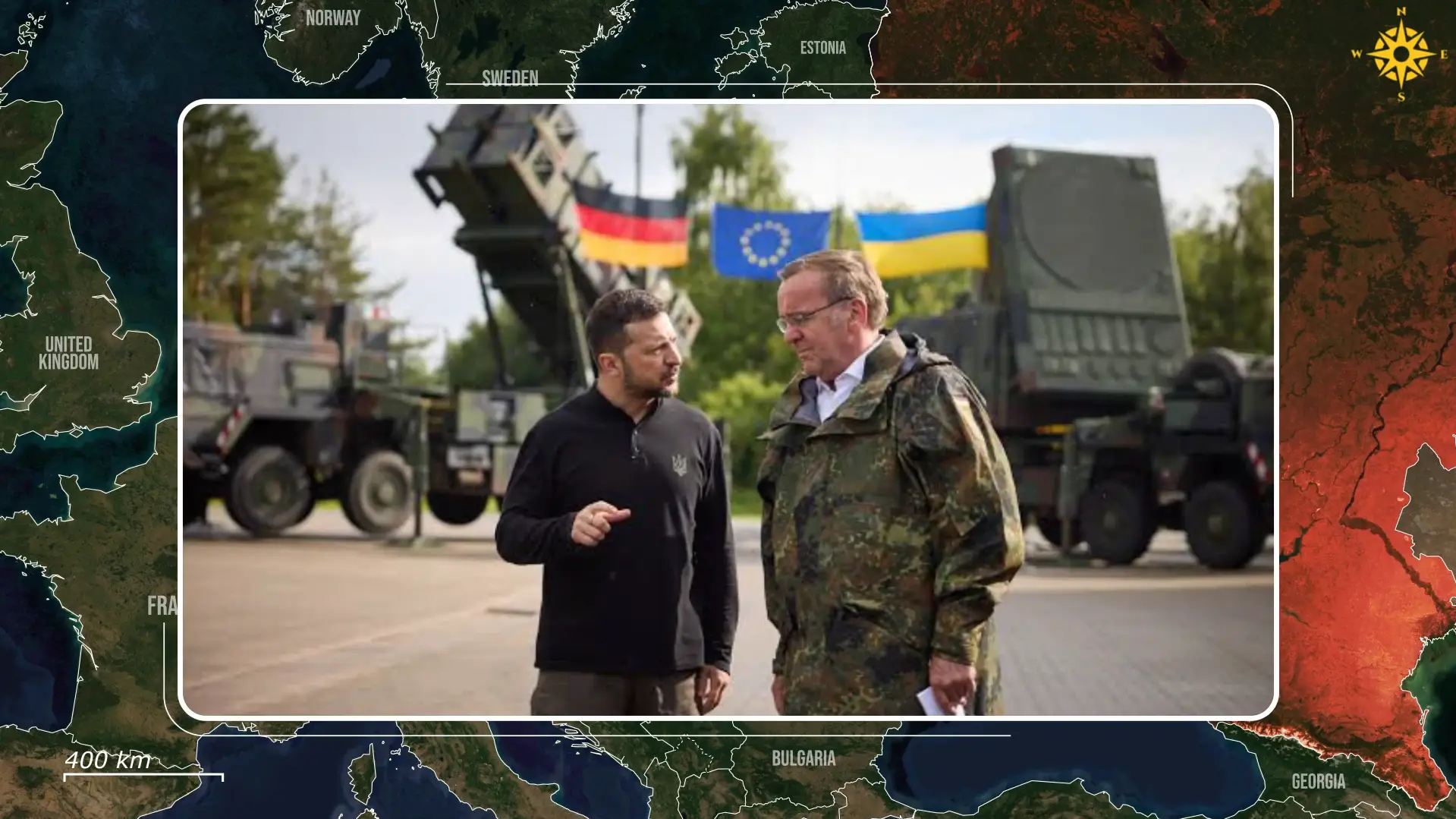
The timing could hardly be more important, as Russia is attempting to exploit the approaching winter by systematically attacking Ukraine’s electricity infrastructure, while Ukrainian air defenses face critical ammunition shortages. Nato members have already financed American-made Patriot missiles through the Prioritized Ukraine Requirements List initiative, but financing weapons does not guarantee their immediate delivery. American approval procedures, production limitations, and delivery schedules have created delays, leaving Ukraine waiting for interceptors it urgently needs, so Germany stepped up to transfer missiles from its existing military reserves instead, as the need could not be higher. German Defense Minister Boris Pistorius has emphasized that Ukraine cannot wait years for newly manufactured interceptors while Russian missiles are destroying critical infrastructure today.
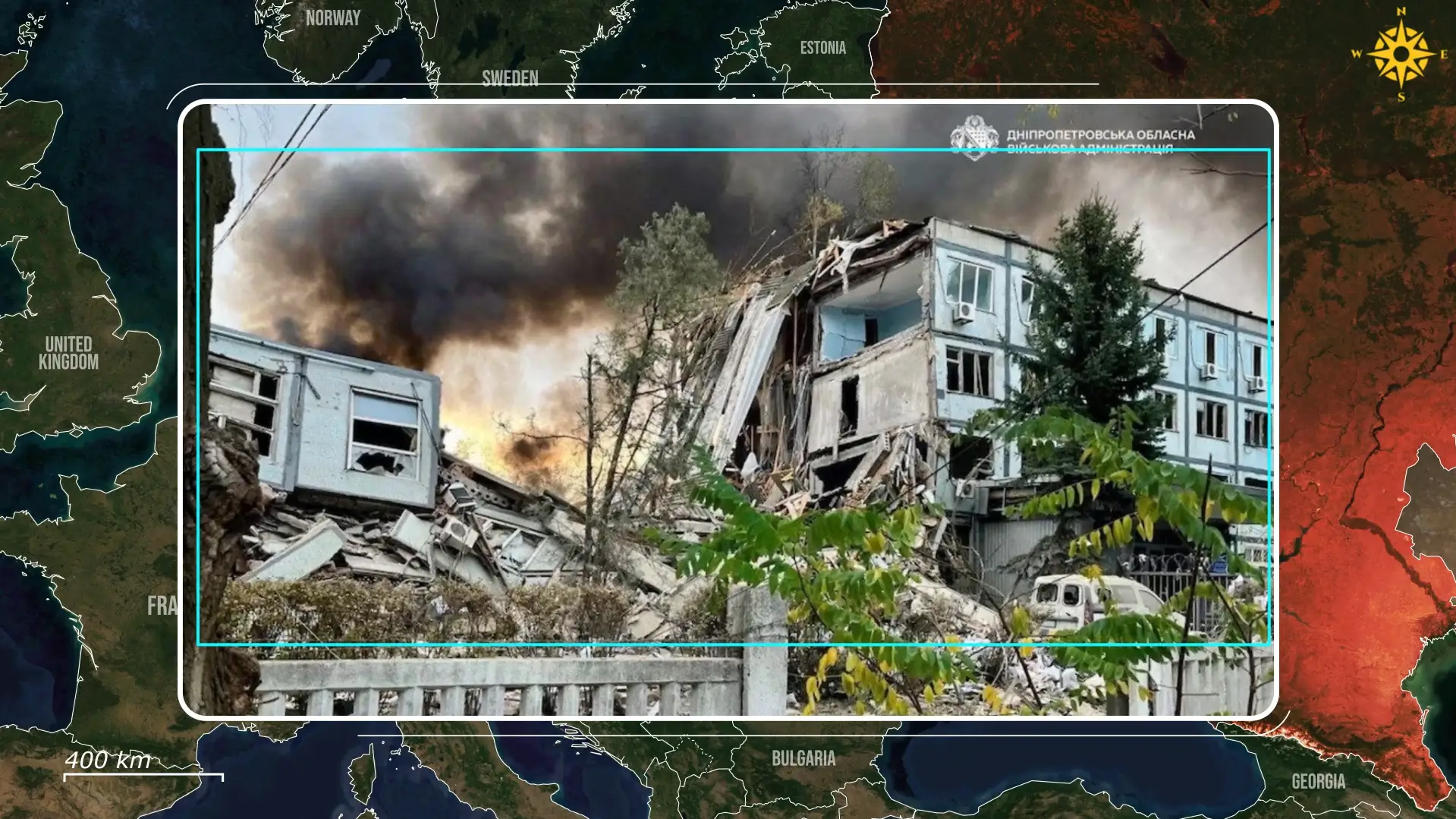
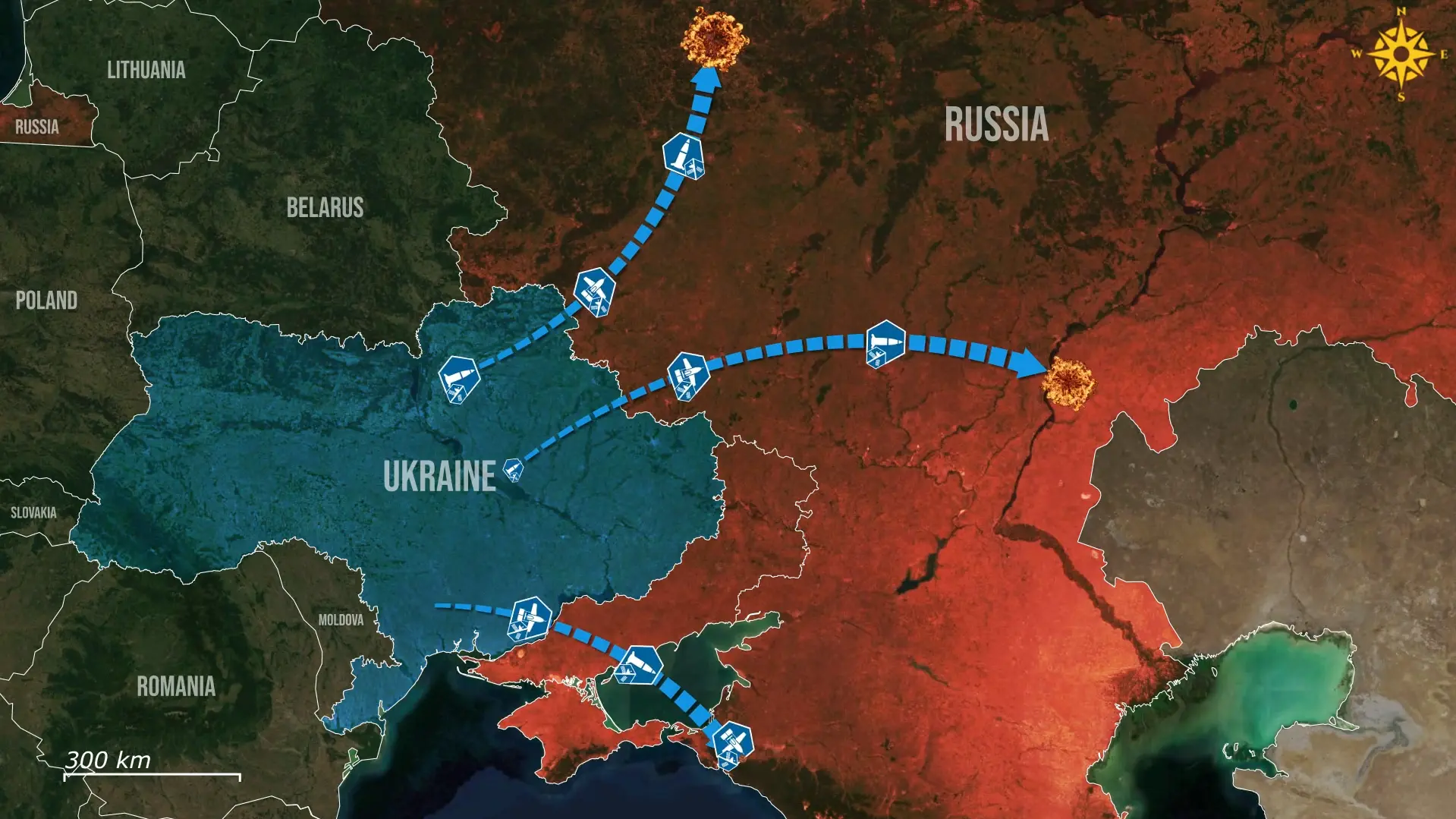
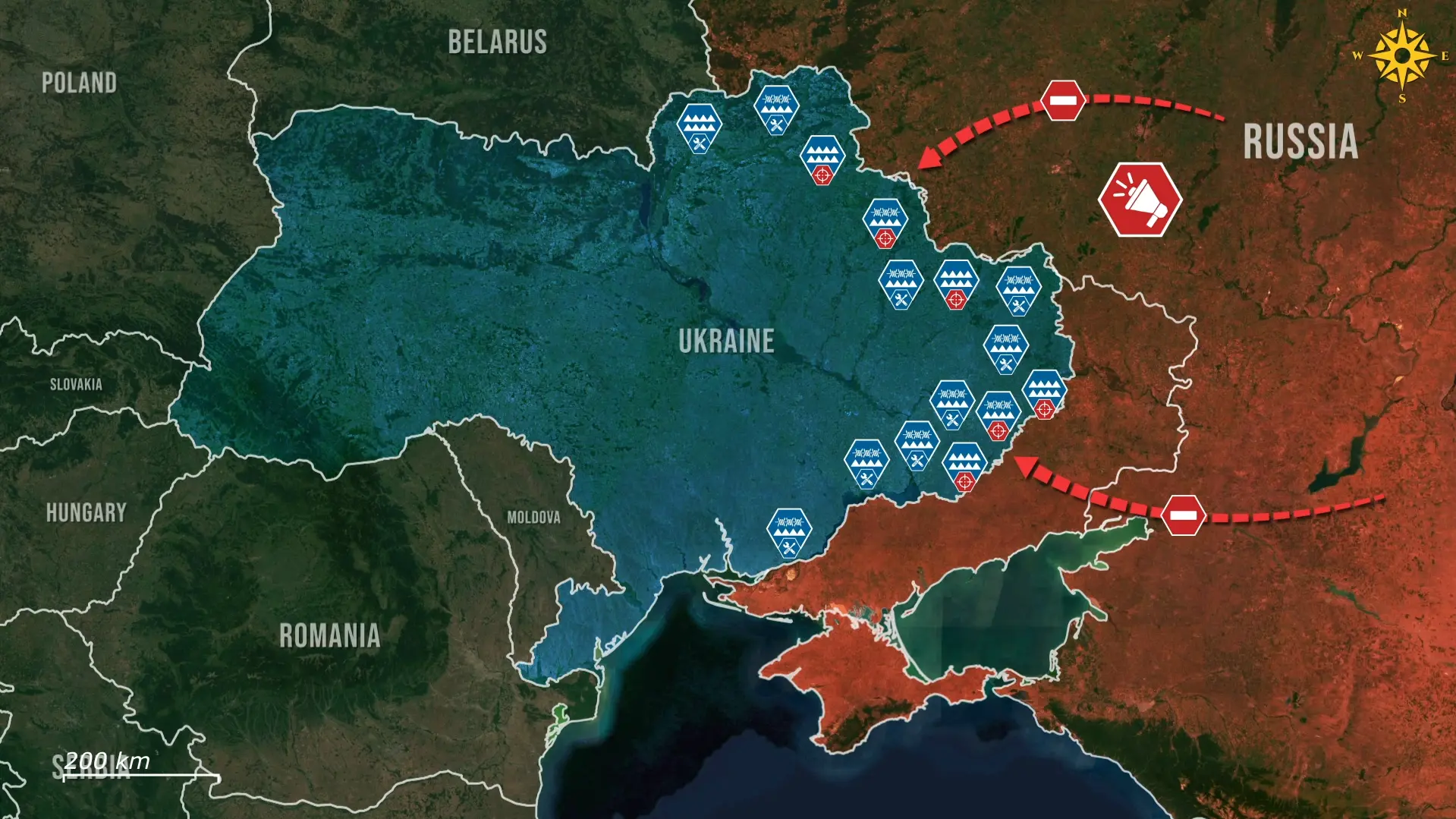
The scale of the Russian threat explains this urgency, as in just one of the latest attacks, seventeen ballistic missiles, fifty-nine cruise missiles, and three hundred drones were launched against Ukraine, and power plants, electrical substations, and other infrastructure were targeted. Ukrainian defenses intercepted fewer than twenty percent of the missiles involved, and this reflects the enormous difficulty of stopping Russia’s most dangerous weapons. Russia exploits this vulnerability by combining different missiles and enormous drone formations, attempting to overwhelm Ukraine’s defensive network and trigger widespread blackouts, interrupt water pumping, and disable heating systems.
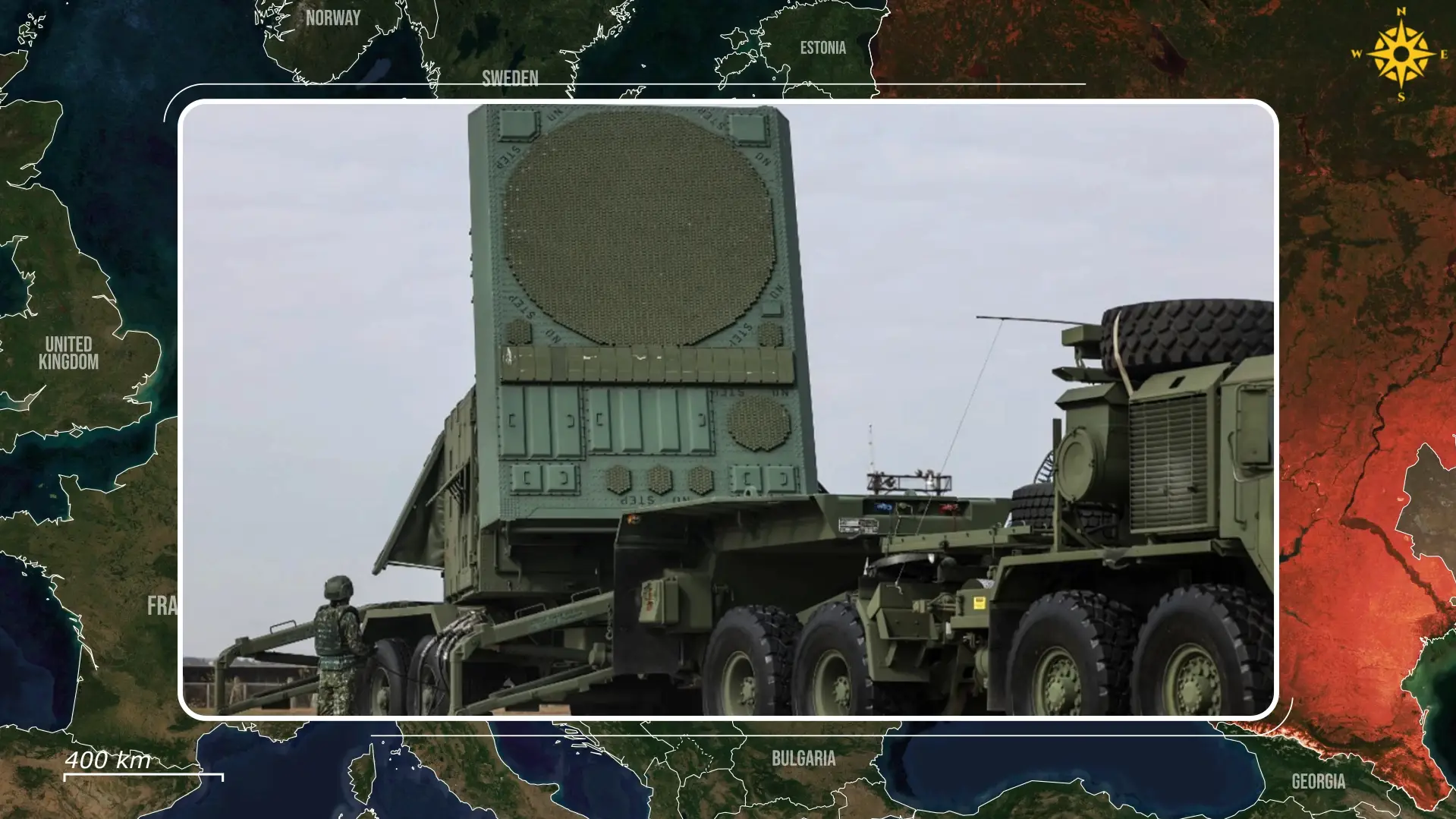
Repeated attacks also exhaust repair crews and consume replacement equipment, making recovery increasingly difficult. This is precisely why Patriot interceptors are indispensable, as the system combines powerful radar, advanced fire-control equipment, and specialized missiles capable of engaging high-speed aerial threats. Pac-Two interceptors primarily destroy targets using explosive fragmentation warheads, effective against aircraft and cruise missiles, and possess capabilities against certain ballistic threats.
Pac-Three interceptors are considerably more specialized for ballistic missile defense, using highly maneuverable guidance systems and hit-to-kill technology, destroying incoming warheads through direct kinetic impact, with this capability particularly important against Russian Iskander-M and Kinzhal missiles, whose speed and trajectories make interception harder. Other air-defense systems in Ukraine’s arsenal cannot simply replace them, as Iris-T and Nasams are highly effective against cruise missiles, aircraft and drones, but their deployed configurations do not provide equivalent protection against advanced ballistic missiles.
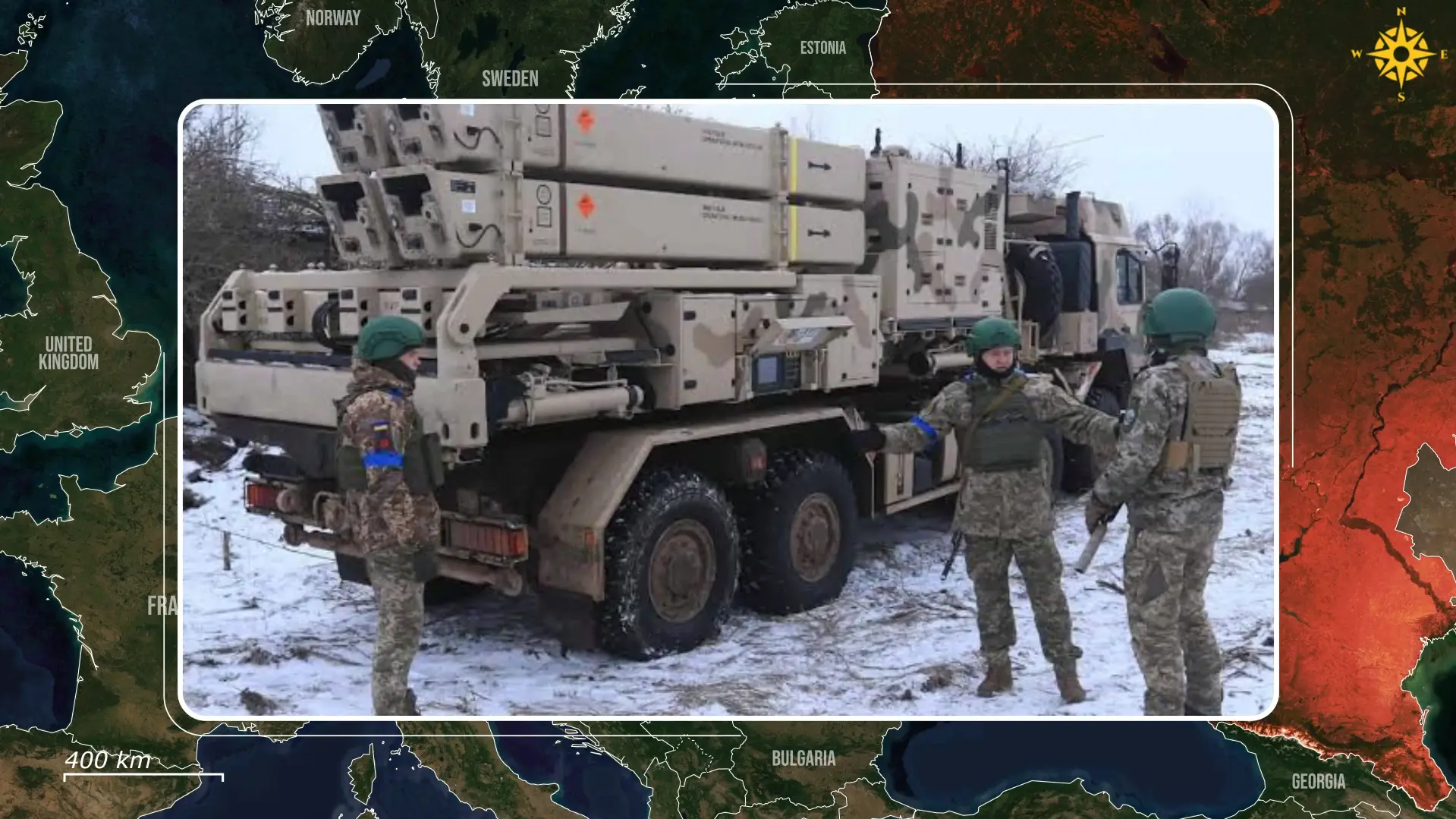
Overall, every additional Patriot interceptor strengthens Ukraine’s ability to defend critical infrastructure, but Germany’s broader package matters not only because of the Patriot interceptors, but because the additional Iris-T missiles can handle other aerial threats, helping preserve scarce Patriot ammunition for ballistic engagements. The German assistance does not eliminate Russia’s missile threat or guarantee complete protection, but it will significantly improve Ukraine’s ability to survive another winter of Russian bombardment. By releasing missiles from its own stockpiles rather than waiting for future production, Germany is responding to Ukraine’s most urgent defensive requirement, as Moscow attempts to plunge Ukrainian cities into darkness and freezing temperatures. Berlin is helping ensure that more Russian missiles are intercepted before they reach their targets, preventing Russian attempts to break down Ukrainian resistance and create a humanitarian crisis.



Comments