


Today, the biggest news comes from the Russian Federation.
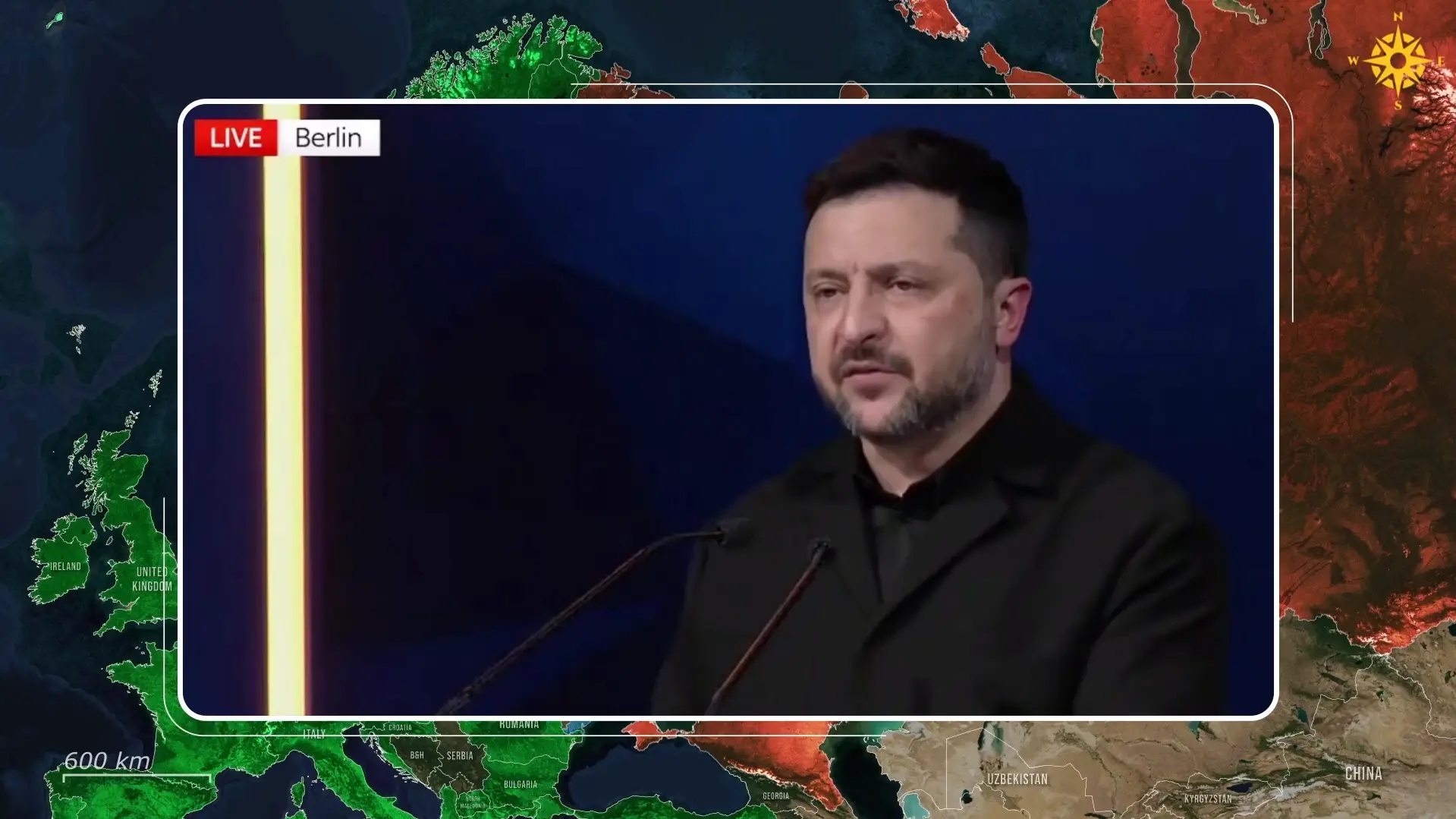
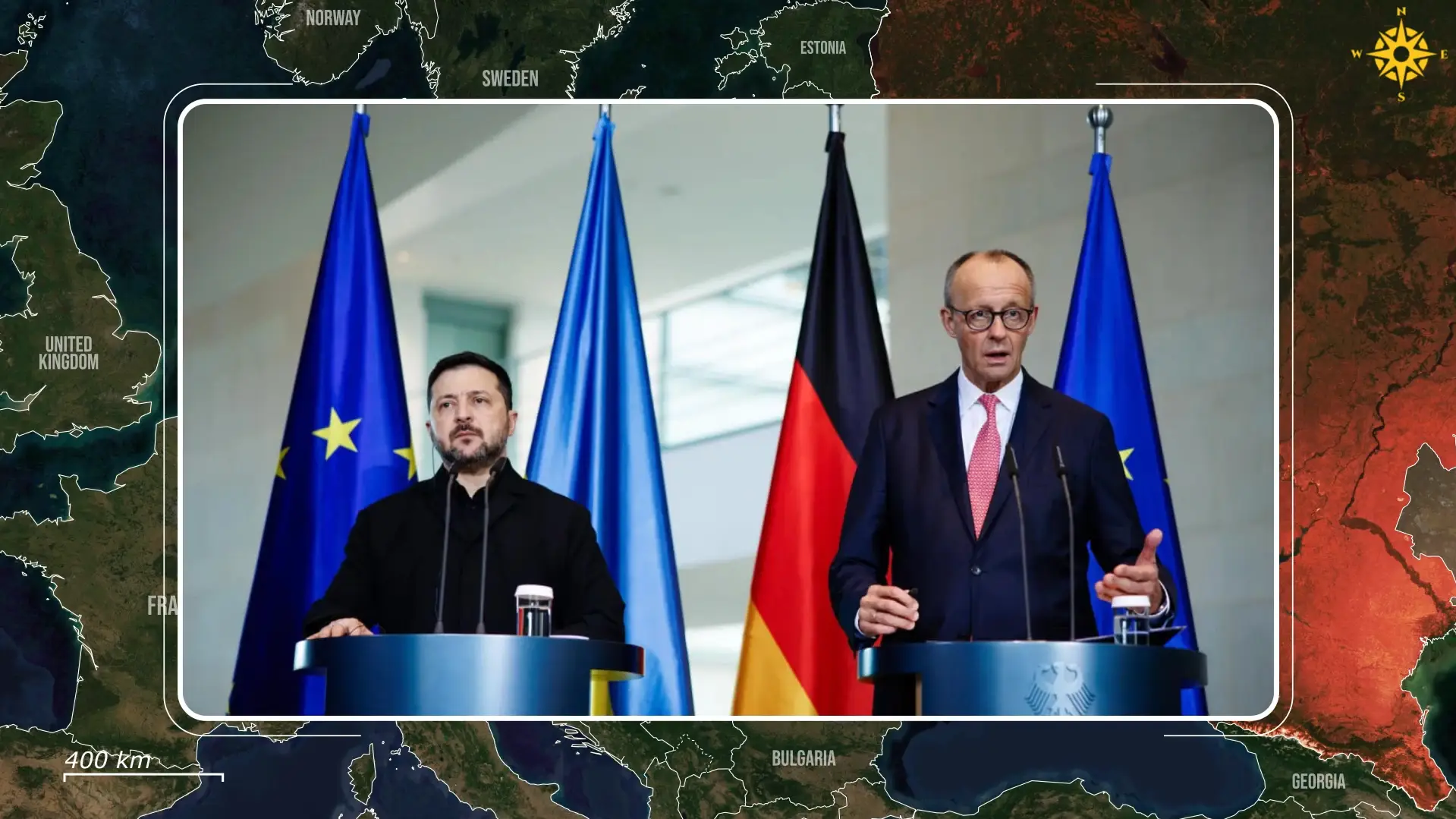
Russia is building up its military capabilities on a scale that goes far beyond what it needs to sustain its war against Ukraine, raising growing concerns about a potential threat to Nato. President Volodymyr Zelensky warned European partners at the Berlin Security Conference that Moscow's expanding military infrastructure should not be viewed solely in the context of the current war. Instead, he argued that Russia's preparations point to a much broader military buildup that could threaten European security long after the fighting in Ukraine ends.
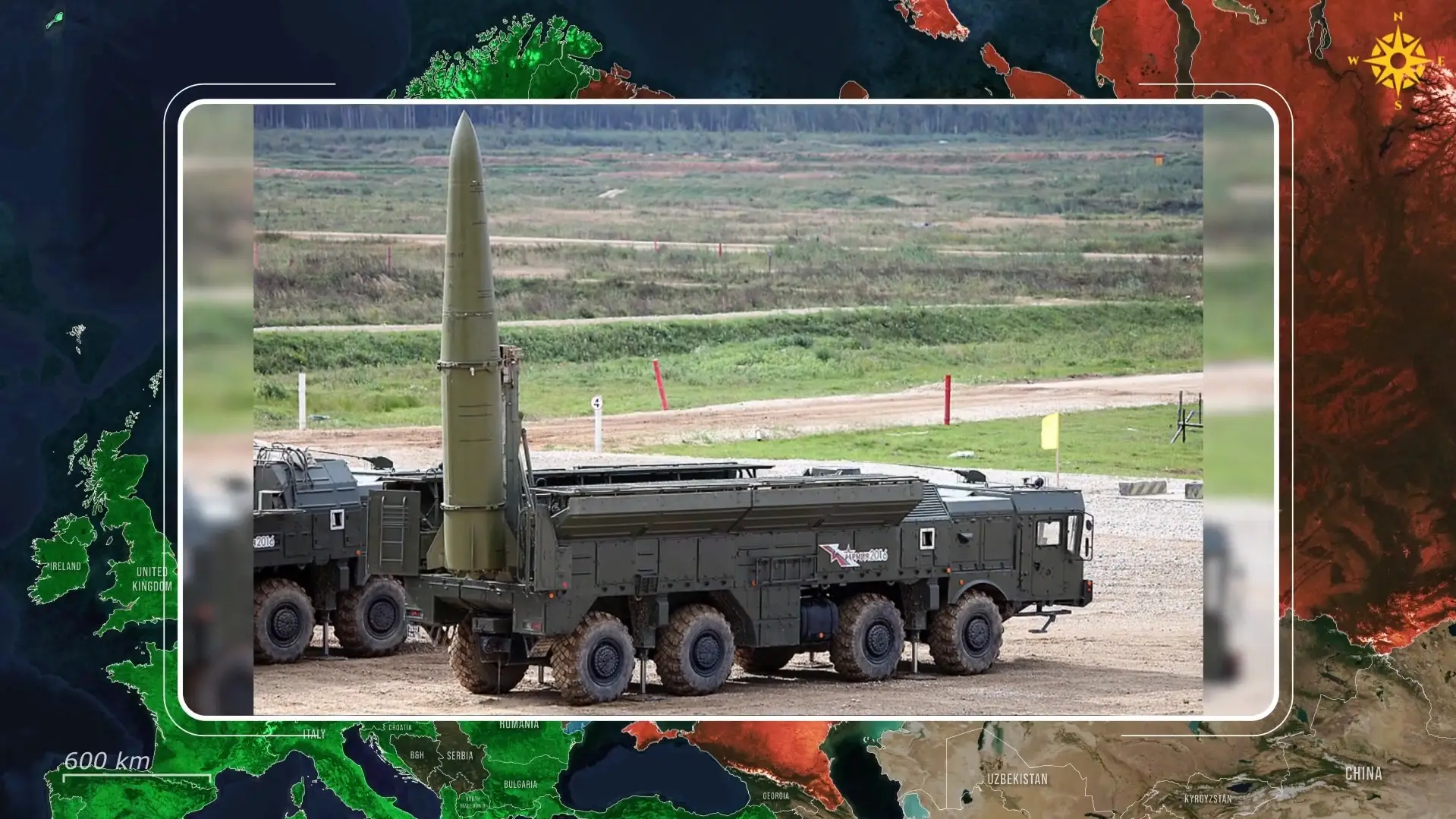
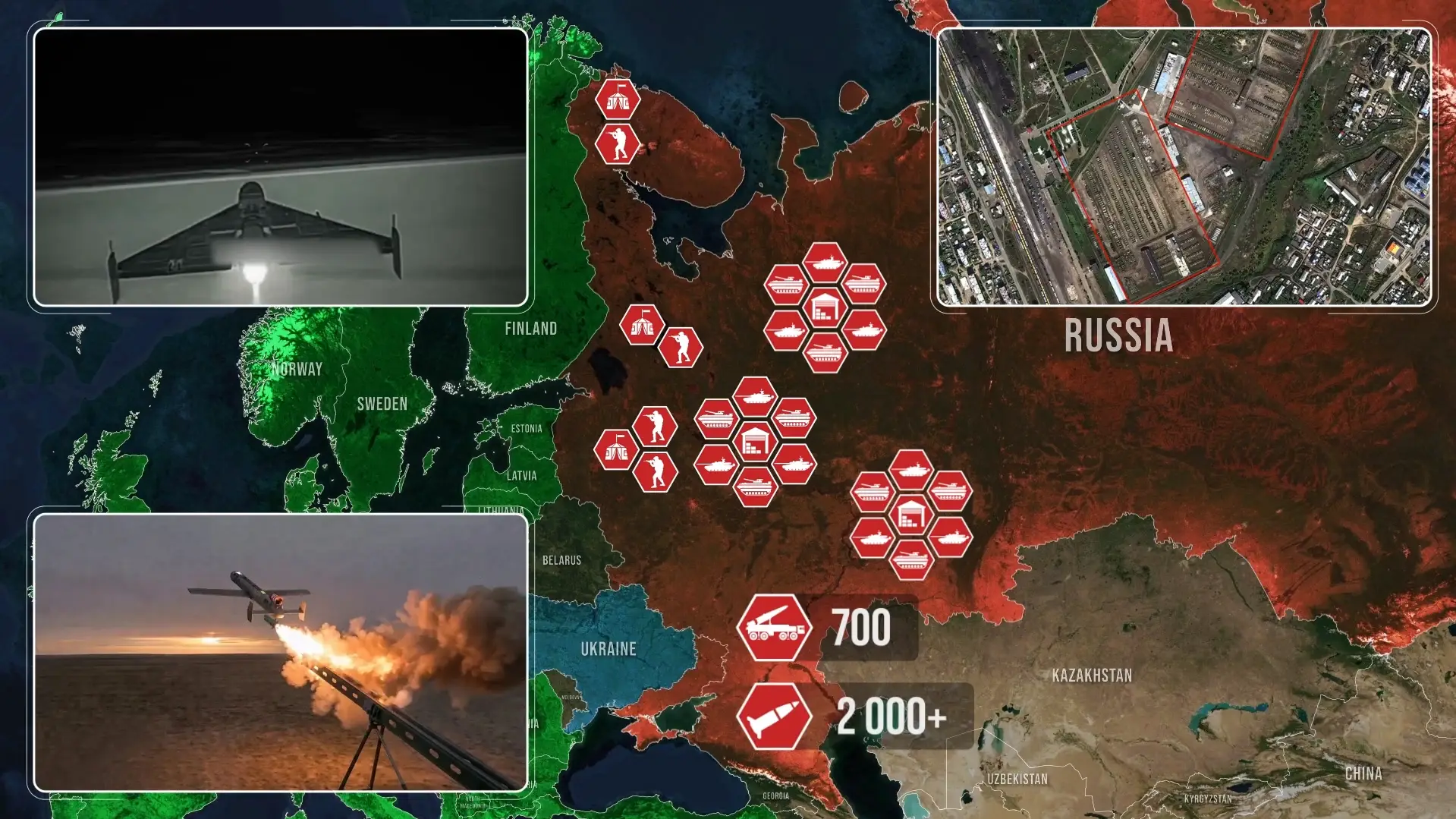
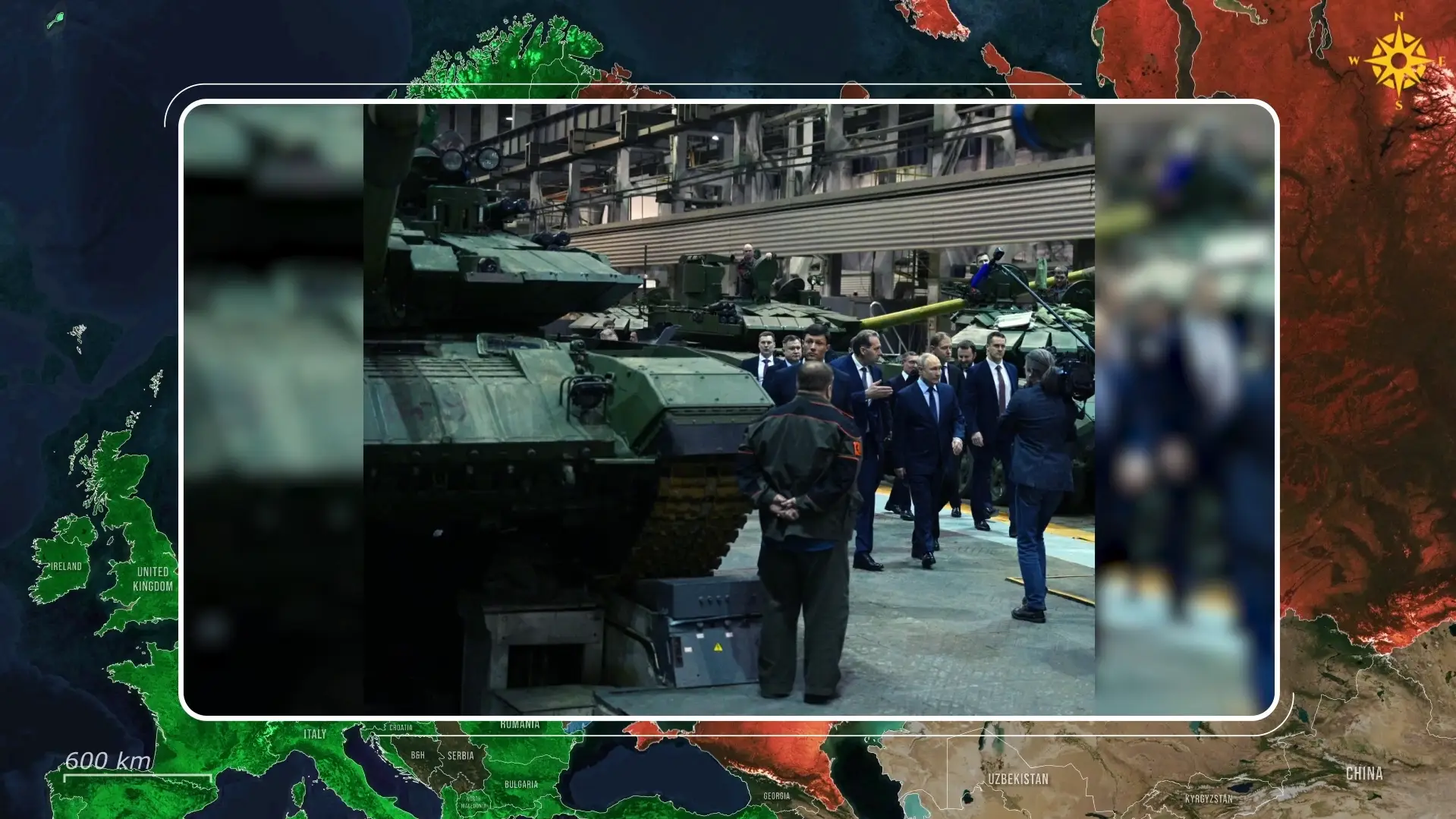
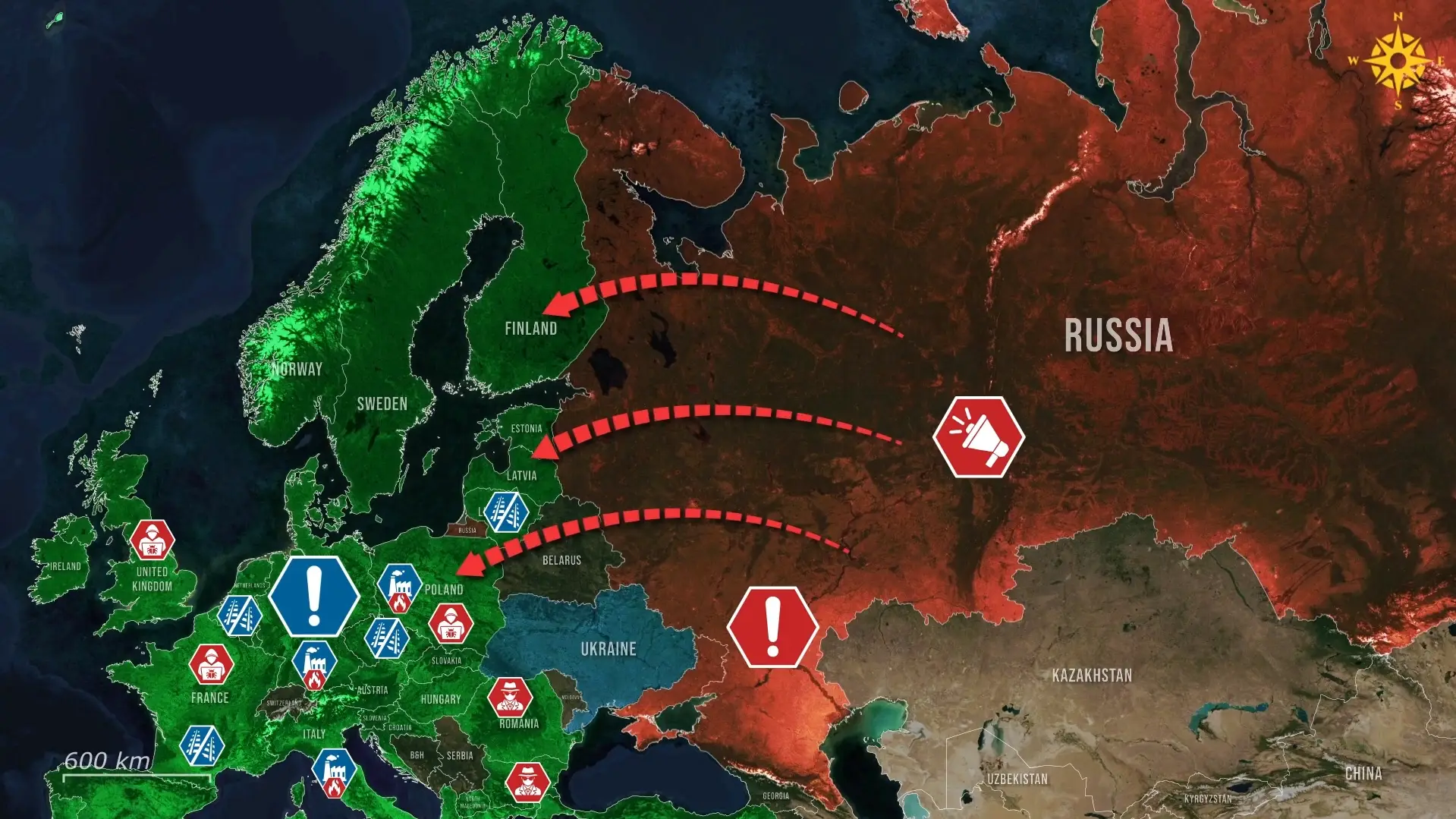
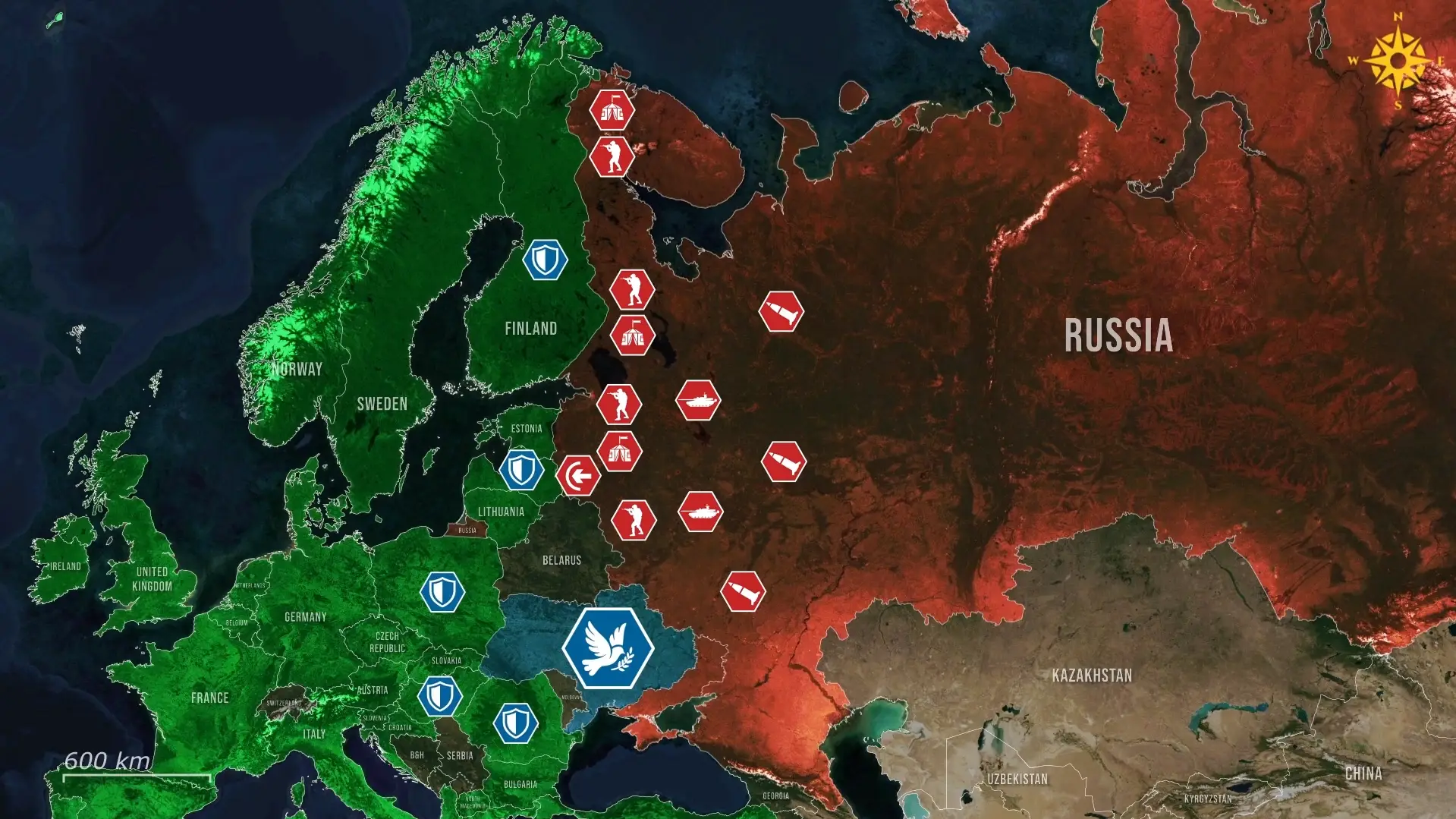
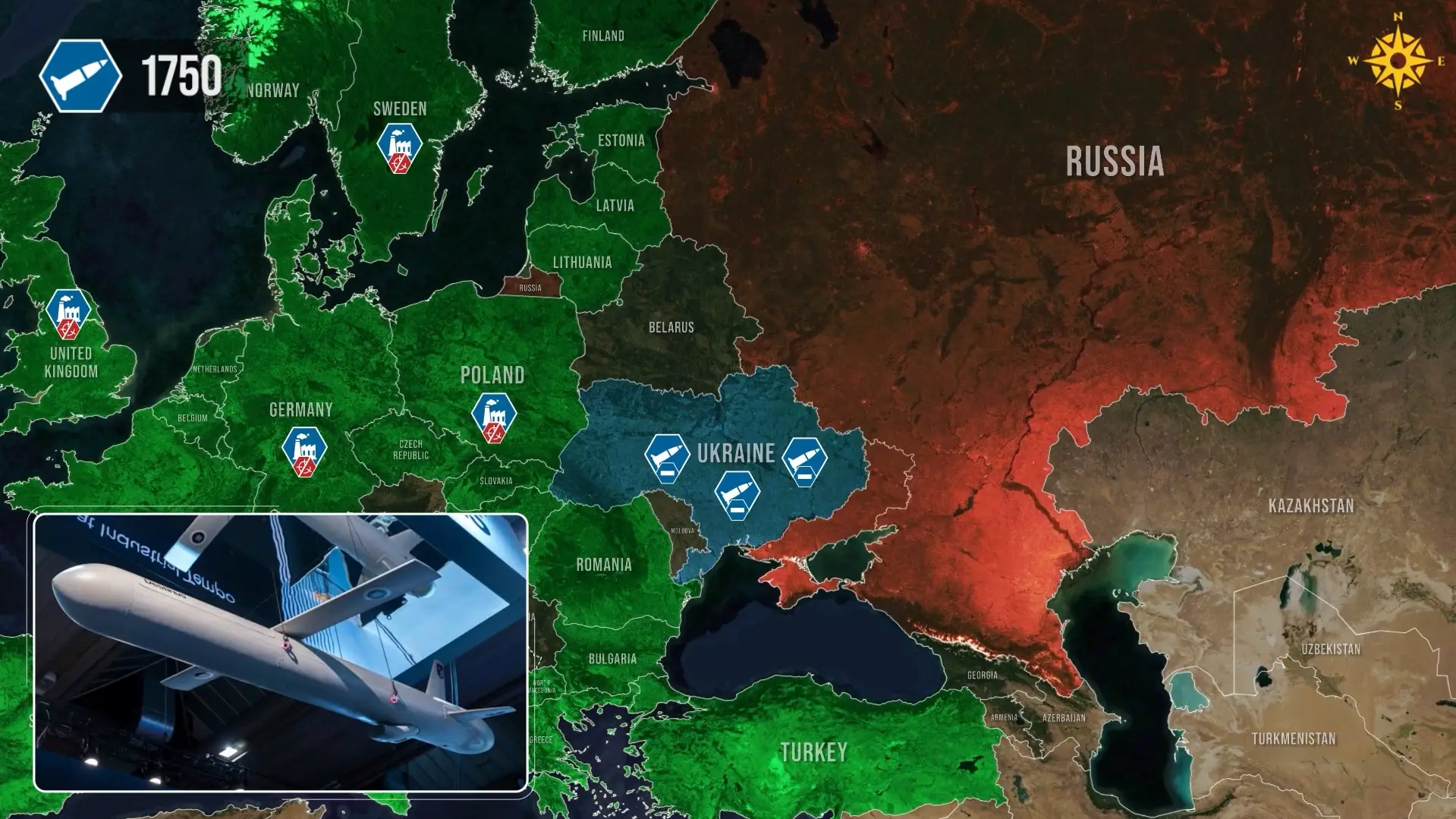
Notably, Russia has been building bases near the border of Norway, Finland, and the Baltics. These bases are currently not manned, as Russia was forced to deploy nearly all of its available forces and reserves to Ukraine. However, in case of a ceasefire, Russia could quickly move tens of thousands of soldiers close to Nato. Additionally, Russia has pulled out its most modern armored vehicles and tanks from Ukraine, while there is a shortage of them on the frontline. Satellite imagery shows Russia building up stockpiles of newly produced armored vehicles in the rear. Russia has also built up massive reserves of missiles, according to Ukrainian military intelligence. Russia is estimated to have seven hundred ballistic missiles and several thousand cruise missiles in storage.
Russia is also producing approximately three thousand jet-powered Shahed drones and seven hundred Geran five drones monthly. These reserves would allow Russia to overwhelm Nato’s air defenses in case of a direct attack as interceptor missiles are scarce in Europe as well, not just in Ukraine. Russia has also added twenty thousand military beds in civilian hospitals near the Baltic states. This is significant because casualties from Ukraine are unlikely to be treated so far from the frontline, which suggests that Russia is preparing to sustain thousands of casualties near Nato’s border in the near future.
All of this represents a growing threat to Nato countries, as Russia is not simply rebuilding its military capabilities to continue the war in Ukraine. The scale of its preparations, from newly built military bases and hospital infrastructure to enormous stockpiles of missiles, drones, and armored vehicles, exceeds what the current conflict would require.
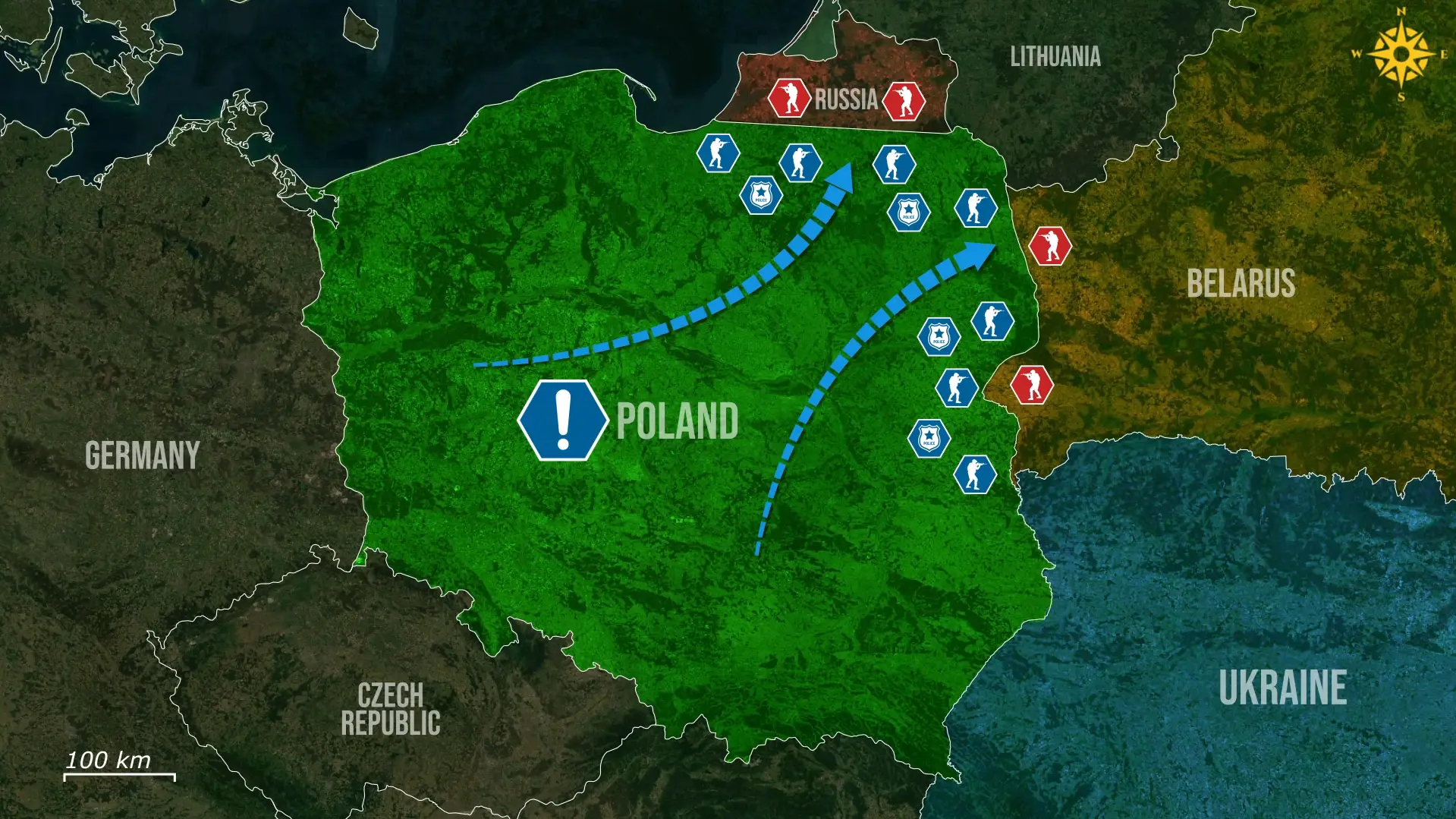
At the same time, Moscow's rhetoric toward the West has become increasingly aggressive, while European and Nato intelligence agencies are repeatedly warning about the possibility of a direct confrontation. The danger is that Russia may be gradually lowering the threshold for military aggression against Nato. Russian aircraft and drones repeatedly violate Nato airspace, while missiles and drones have landed in alliance territory under circumstances often described by Russia as accidental. These incidents test Nato's response, create uncertainty about Moscow's intentions, and risk normalizing military violations that would previously have been considered a serious escalation.
Meanwhile, Russia's hybrid campaign against European countries has increasingly expanded beyond cyberattacks, sabotage, and disinformation, with more aggressive physical operations, such as assassination attempts and direct kinetic activity like setting fire to defense industry and blowing up railways. As hybrid warfare is already ongoing, Russia’s buildup suggests that it might be preparing to direct military confrontation with Nato.
Overall, the real danger is that Russia may not need to make an immediate decision to attack Nato for this buildup to become a serious security problem. By rebuilding its forces, stockpiling weapons, and testing the alliance's response through increasingly aggressive actions, Moscow is creating the conditions to act much faster if a political or military opportunity emerges. A ceasefire in Ukraine could therefore become not the end of the threat to Europe, but the beginning of a new and potentially more dangerous phase, as Russian forces would be freed up to move elsewhere. The question for Nato is no longer just how to deter a Russian attack, but how to ensure that Russia never sees an opportunity to believe such an attack could succeed.



Comments