

.svg)
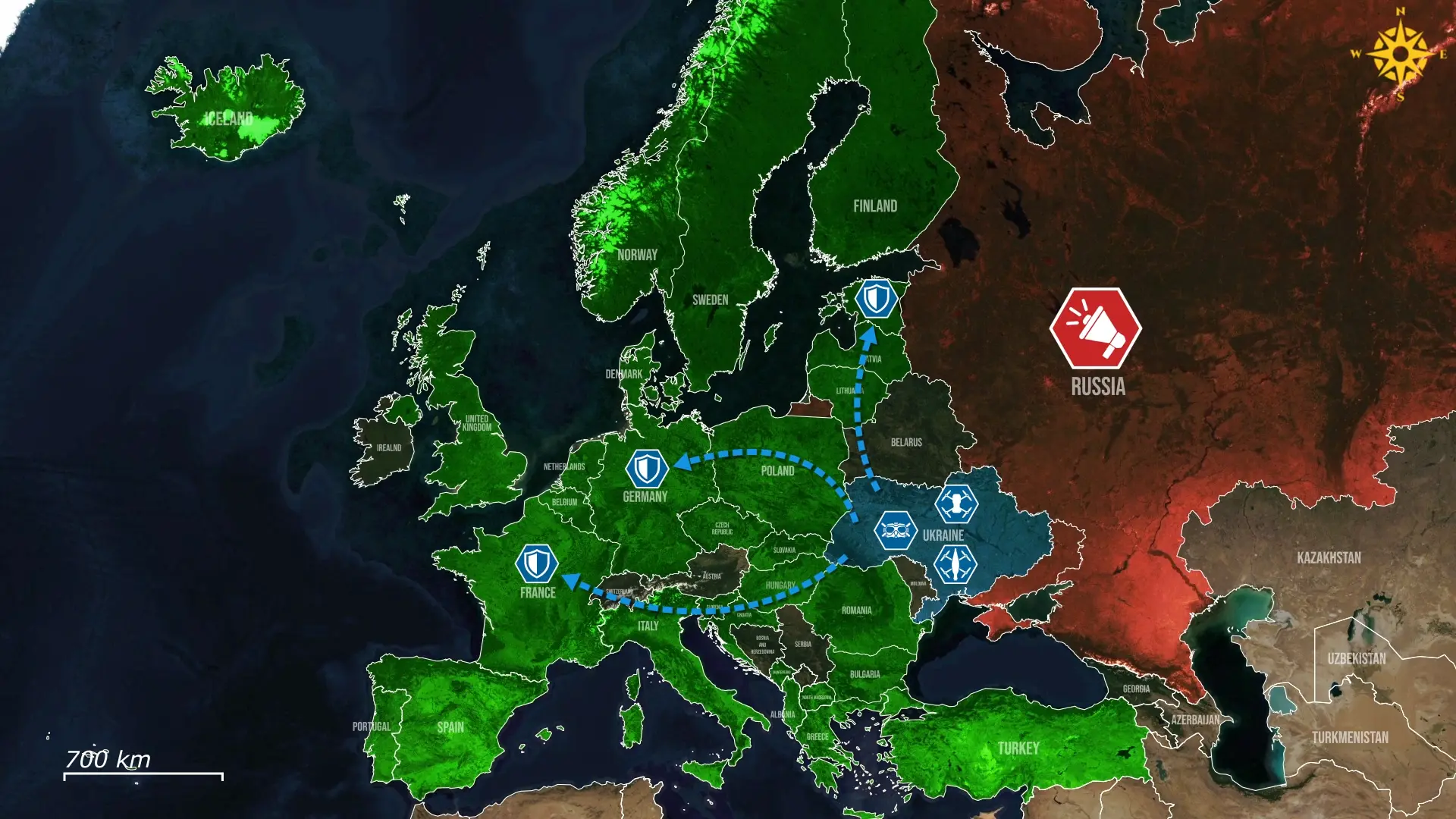
European Nato countries have now begun rebuilding their armed forces around the realities of drone warfare, integrating direct battlefield experience from Ukraine into their military structures. As Europe rapidly closes this gap, Russia is losing a major battlefield advantage that was supposed to give it an edge over what the Russian command thought was a slower and less prepared enemy.
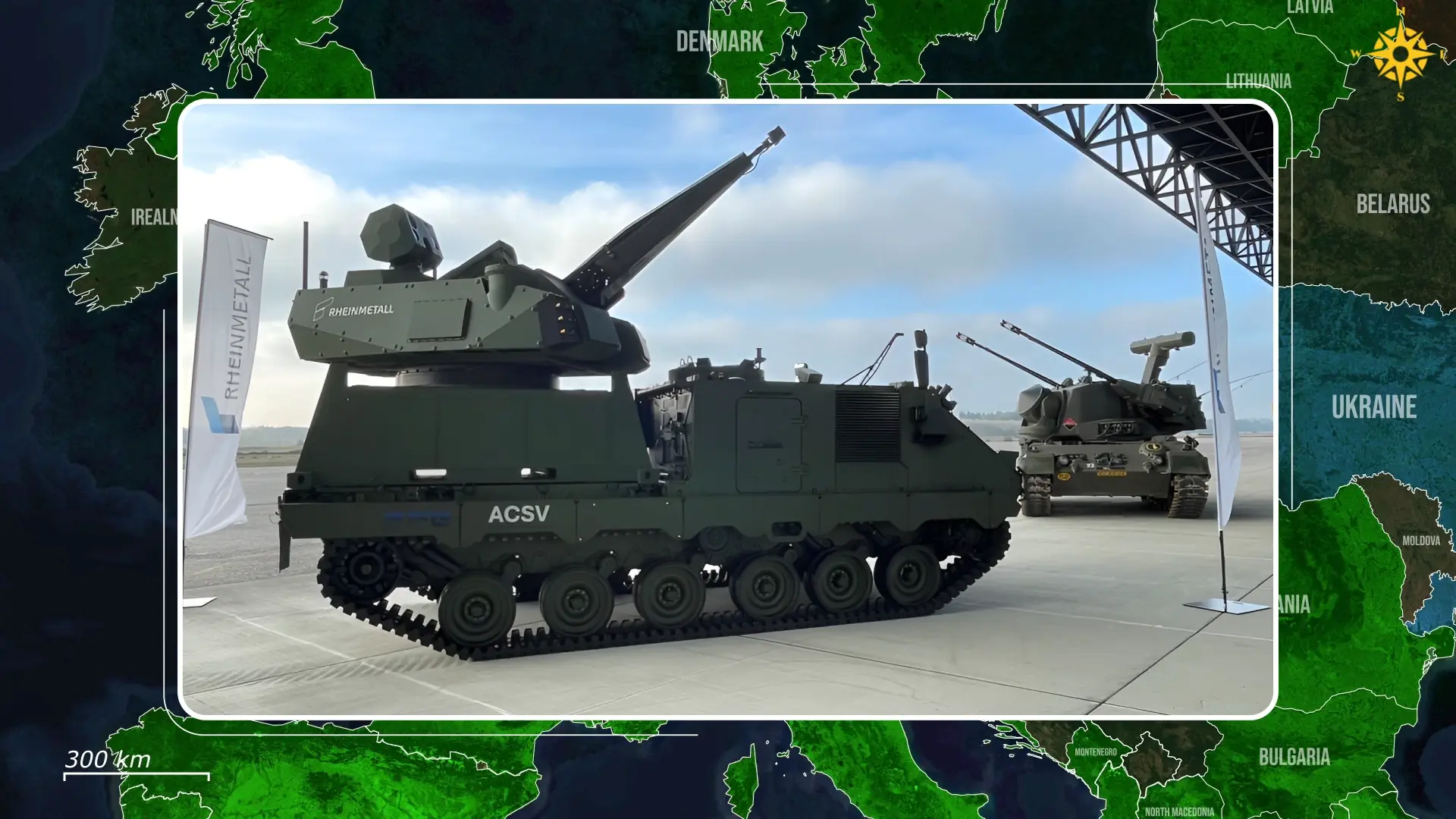
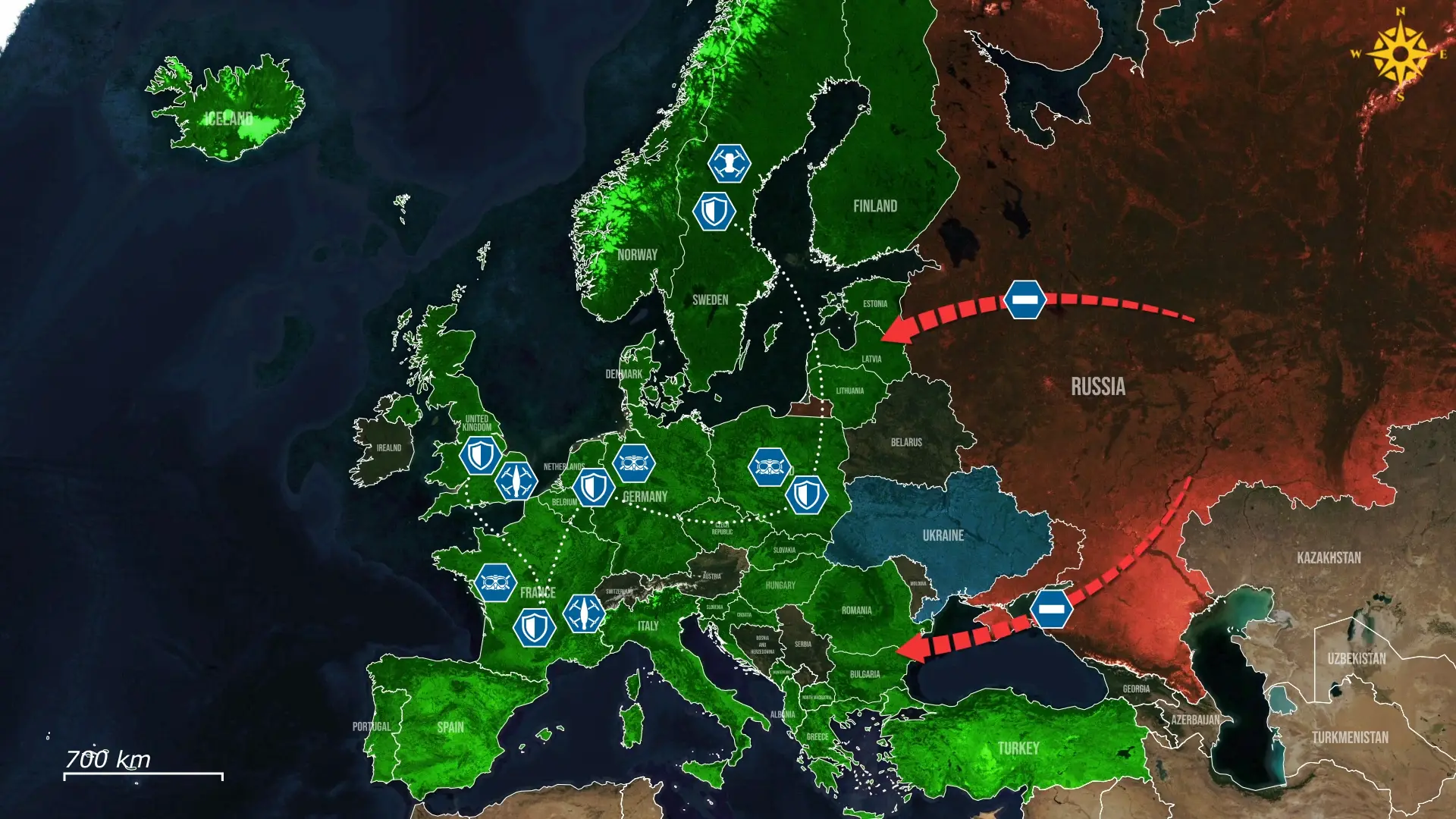
With roughly eighty thousand personnel across its armed forces, the Netherlands plans to assign between one thousand and one thousand two hundred people to drone and counter drone roles, equivalent to roughly one in every seventy members of the force. The most significant change is the planned use of cheap FPV kamikaze and bomber drones as a major frontline weapon, moving far beyond the small reconnaissance systems and limited long range strike drones common in most Nato armies. Dutch brigades will be able to locate enemy movement and attack it immediately with weapons inexpensive enough to be used in large numbers, while the army aims to conduct half of its strikes with drones within five years. Electronic warfare teams and Skyranger anti air guns will support that offensive force by keeping it operational under enemy drone attack. Dutch units are also fitting protective cages onto vehicles, giving crews a final layer of protection by obstructing incoming FPV drones or forcing their warheads to detonate before reaching the roof, turret, or engine compartment. The Netherlands is therefore building one of Nato’s clearest examples of an army reorganized around the same cheap precision strike warfare developed in Ukraine.
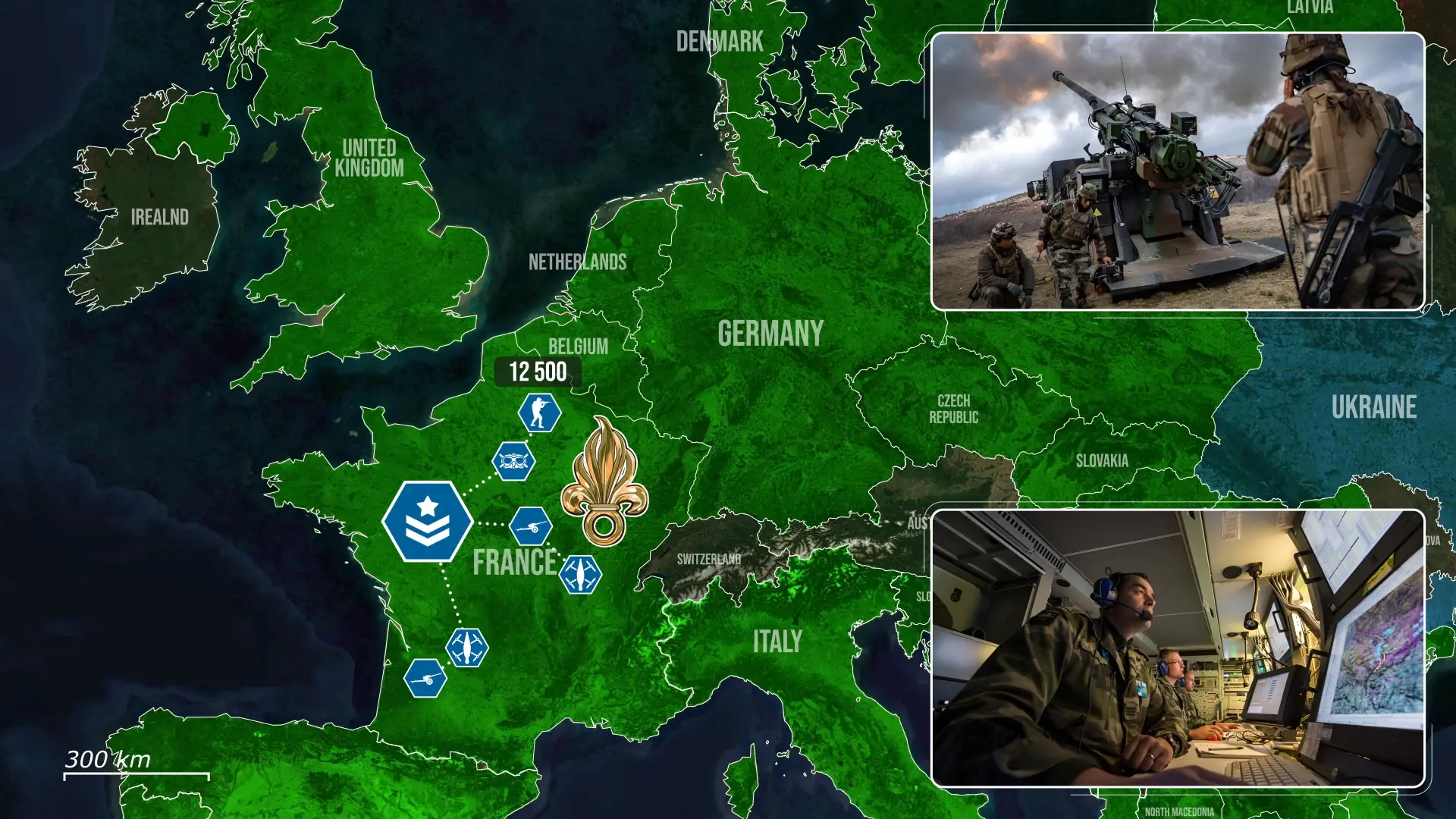
France is taking the same Ukrainian lessons into frontline infantry, large scale exercises, and battlefield command. At the Fourth Foreign Regiment in Castelnaudary, the Legion has introduced a dedicated drone operator course intended to build instructors and eventually give new recruits basic drone training, moving unmanned systems into its permanent training structure. Orion twenty six pushed that change to a much larger scale, bringing together around twelve thousand five hundred troops and approximately one thousand two hundred drones in a high intensity scenario where drone surveillance had to feed artillery while units kept moving to avoid detection. France is also testing Arcadia, an artificial intelligence supported command system developed with companies including Mistral AI, Safran, Thales, and Airbus, which merges battlefield data across formations and uses a decentralized network so command posts can keep operating when links are lost.
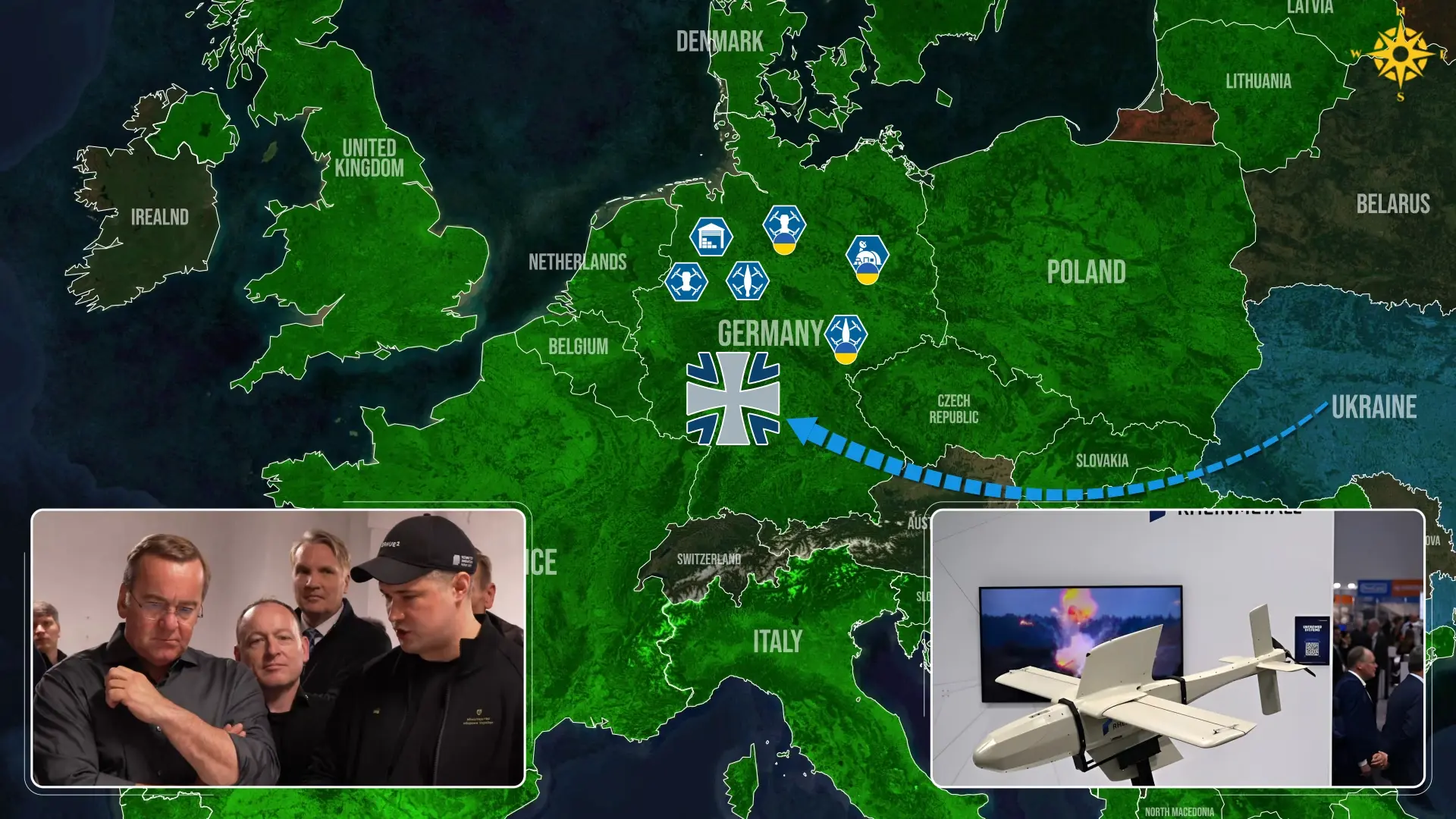
Germany is taking a similar approach by studying how Ukraine coordinates unmanned systems across the battlefield. During German Defense Minister Boris Pistorius’s visit to Ukrainian frontline command posts, he saw how Delta links reconnaissance, logistics, and drone missions inside one shared operational picture. Germany is also trying to meet the industrial demands of prolonged drone warfare, with Rheinmetall preparing serial production of the FV-zero-fourteen under an initial Bundeswehr order worth around three hundred million euros. The wider framework allows Germany to order more than ten thousand drones over the course of the contract, creating the replacement capacity needed so frontline units do not exhaust their stocks after the opening phase of a war. Germany is also following Ukraine’s example by examining how A-four-hundred-M cargo aircraft could serve as drone motherships, carrying strike or interceptor drones closer to the operational area before launching them in flight.
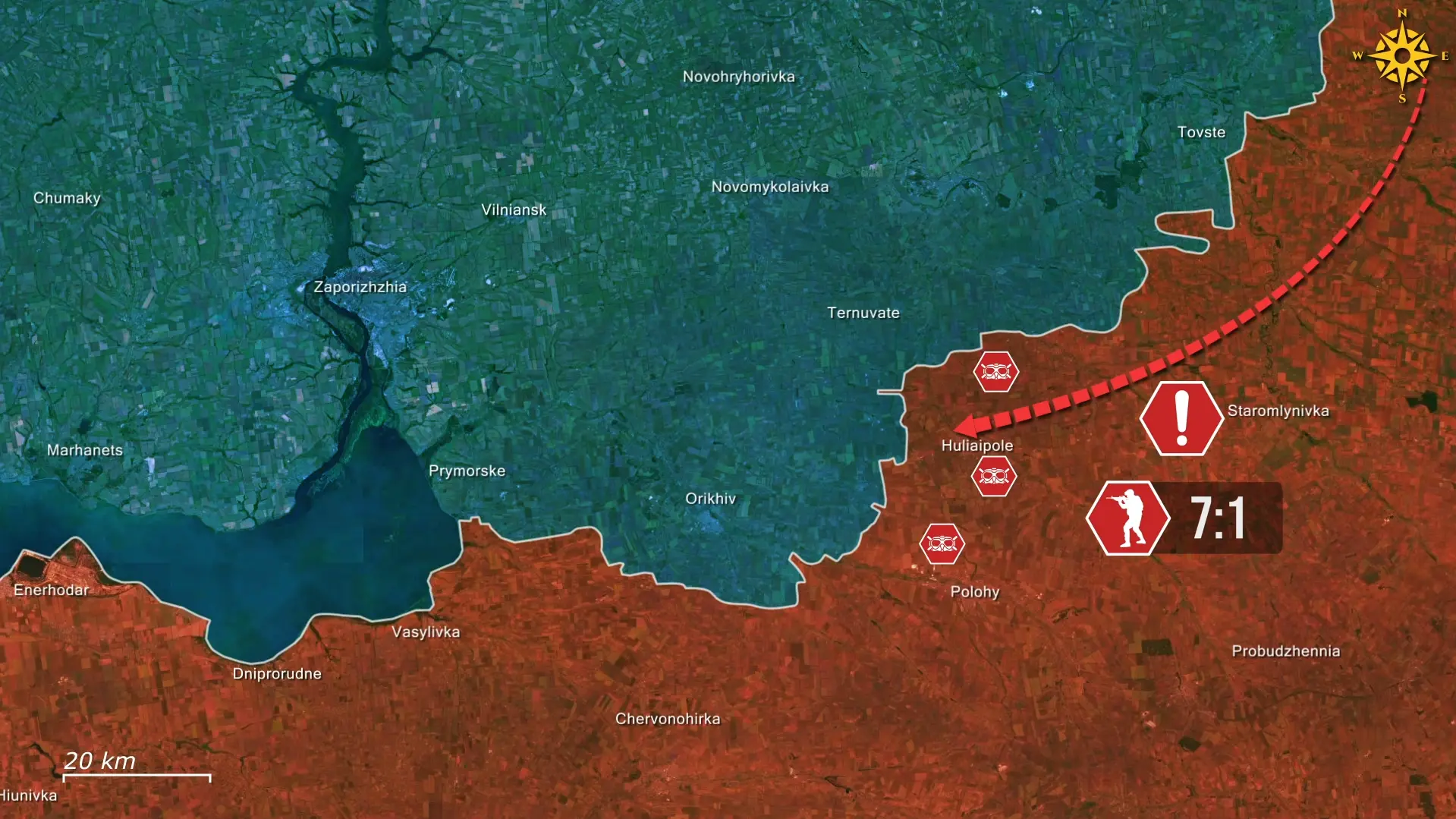
Together, these efforts turn Ukrainian experience into the command structure, production capacity, and launch reach needed to reduce Russia’s advantage in sustaining high volume drone operations. For Moscow, that advantage had been especially valuable because years of combat in Ukraine gave Russian forces far more experience with unmanned systems than most Nato armies.
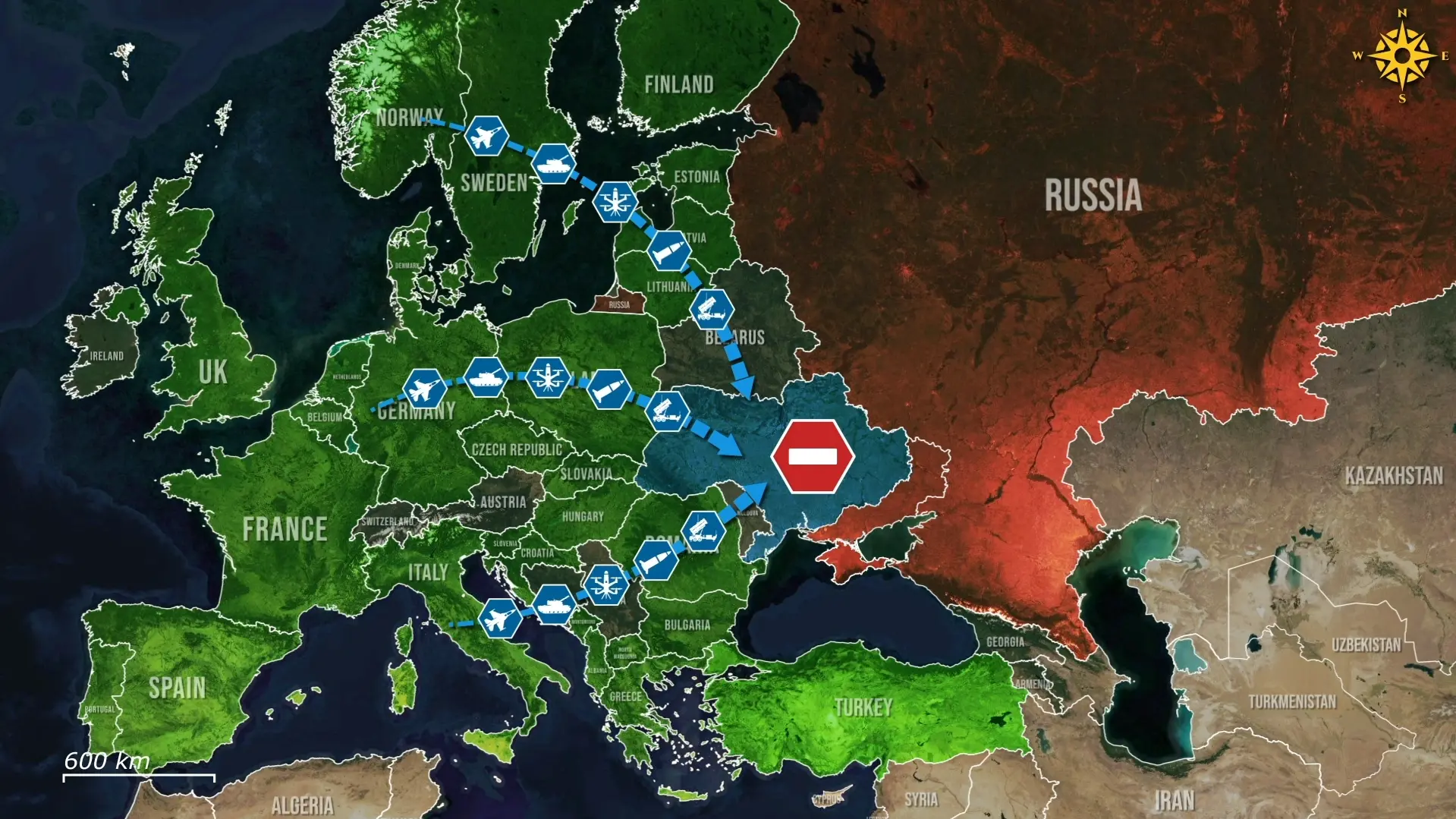
That same industrial logic is now spreading across Nato, as more countries build production capacity large enough to sustain drone warfare beyond the opening phase of a conflict. Norway allocated around one billion and eighty million euros for drones and autonomous systems for Ukraine in two thousand twenty six and signed an agreement allowing Ukrainian drones to be produced on Norwegian territory. This creates a protected manufacturing base inside Nato, expands output for Ukraine, and gives Norway capacity that could later support its own armed forces as drone warfare becomes more deeply integrated. Sweden is following with around three hundred and sixty million euros for unmanned systems across all branches of its military, with deliveries planned between two thousand twenty six and two thousand twenty-eight. Britain is moving on an even larger scale, committing around five billion and nine hundred million euros to strike, protection, and surveillance drones, while separately funding one hundred and fifty thousand drones for Ukraine by the end of two thousand twenty six. Together, these commitments show that European adoption is moving beyond trials toward sustained procurement, domestic production, and wartime output.
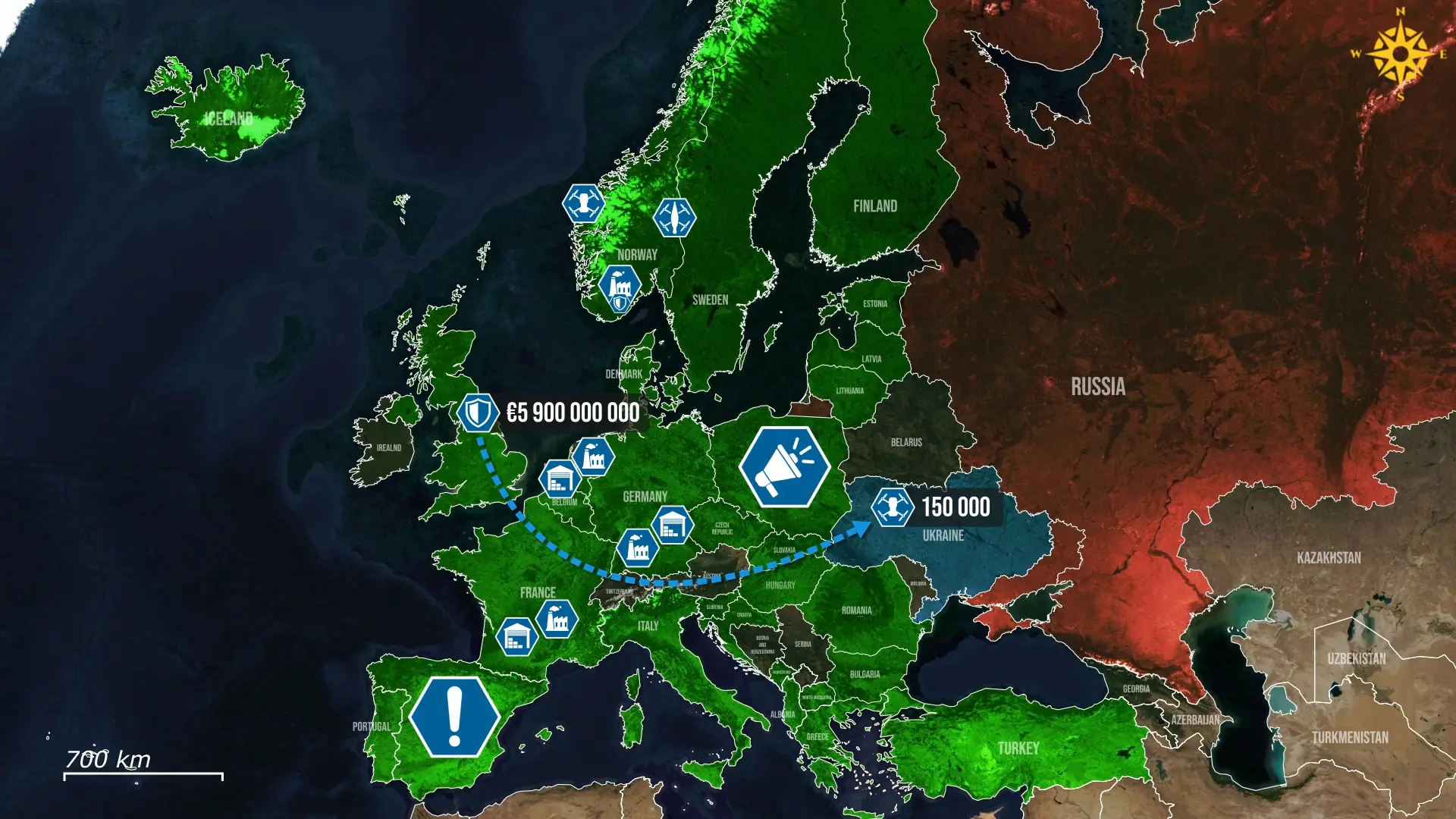
Europe’s rapid transformation began with a blunt demonstration of how badly its forces could perform under constant drone surveillance. During the Hedgehog military exercise in Estonia, ten Ukrainian operators tracked key vehicles inside two Nato battalions and directed simulated strikes before the units could conceal themselves or break apart. By the time the formations reacted, both battalions had been judged combat ineffective. A handful of experienced drone operators had shown that Europe’s mechanized forces could be neutralized before reaching the main battle, delivering a dangerous wakeup call for Nato.

Overall, Europe is finally breaking with years of complacency and rebuilding its armies around the realities exposed in Ukraine. Doctrine is reshaping how units fight, permanent drone teams are changing how formations are organized, and expanded production is ensuring those units do not run out of expendable systems. This will force European armies to replace peacetime procurement cycles with a system that can turn battlefield feedback into updated equipment within weeks, before Russian forces exploit exposed vehicles or outdated defenses again. With these reforms, Europe is finally becoming a force Russia can no longer expect to overwhelm through drone warfare.

.jpg)

Comments