

.svg)
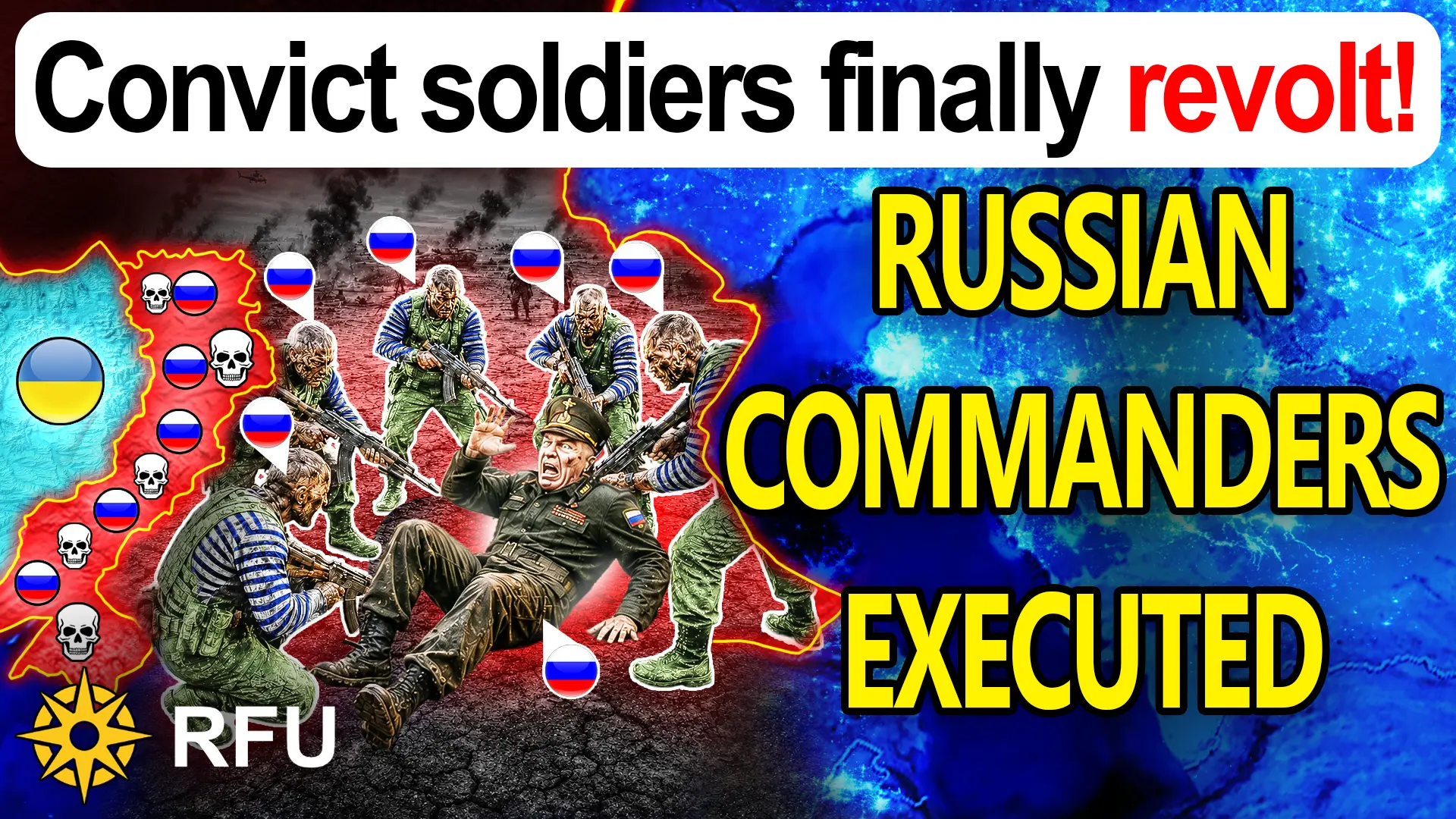
Russian convict soldiers have started to revolt against the very commanders responsible for forcing them into suicidal assaults, with some even executing officers and elite drone operators involved in killing their own men. The first incident involved a Russian soldier who was captured by Ukraine and admitted that he had murdered his own company commander during an earlier deployment. According to his testimony, constant abuse led him to shoot his commander and burn the body to hide the crime, although he was eventually arrested and sentenced to eight years in a maximum-security prison. Despite killing his commander, the Russian Ministry of Defense allowed the convicted commander-killer to leave prison after signing another military contract and sent him back to the front. By doing so, Russia knowingly rearmed a soldier who had already proven willing to kill his own officers, showing that finding more recruits had become more important than protecting its own chain of command.

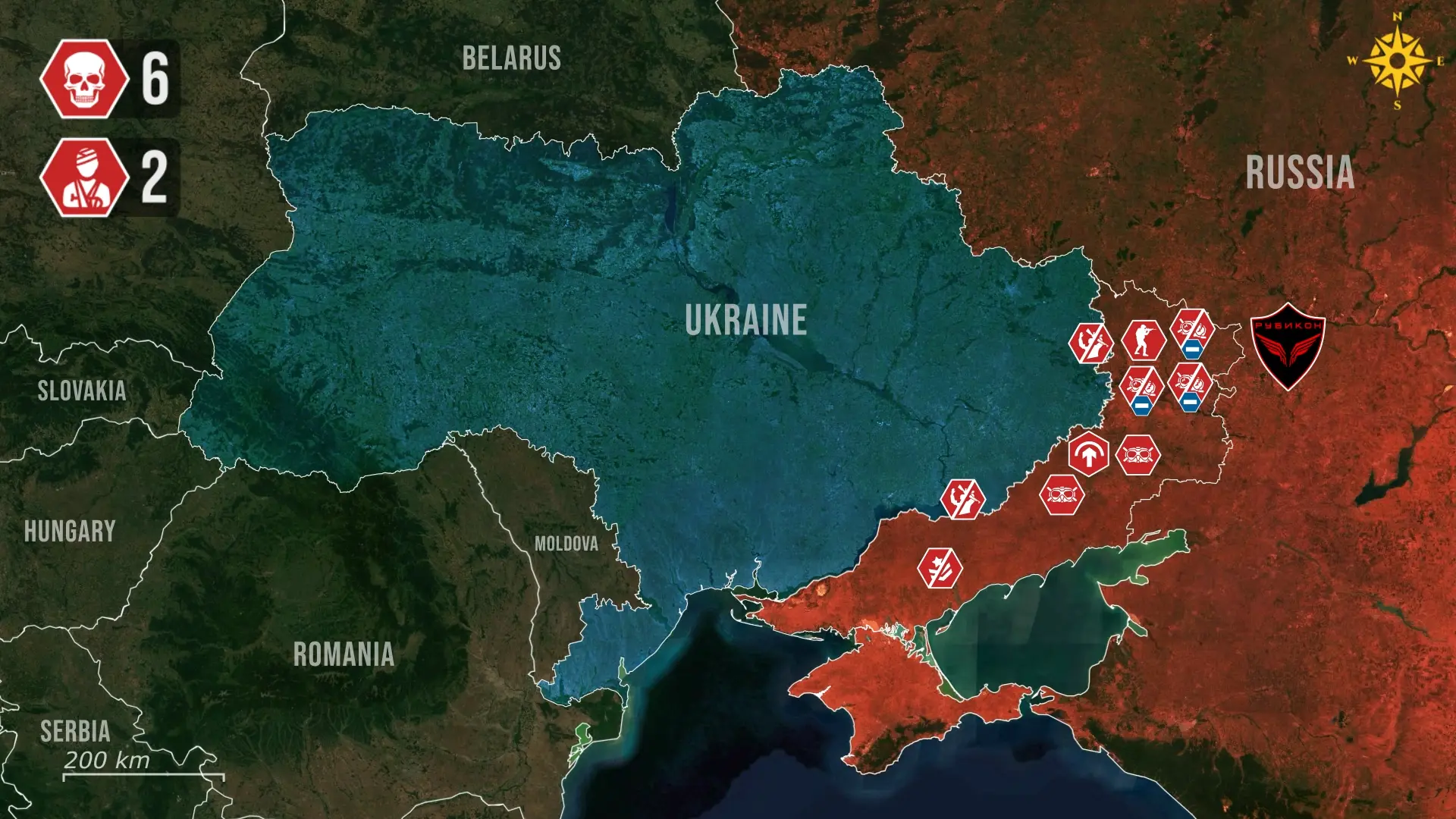
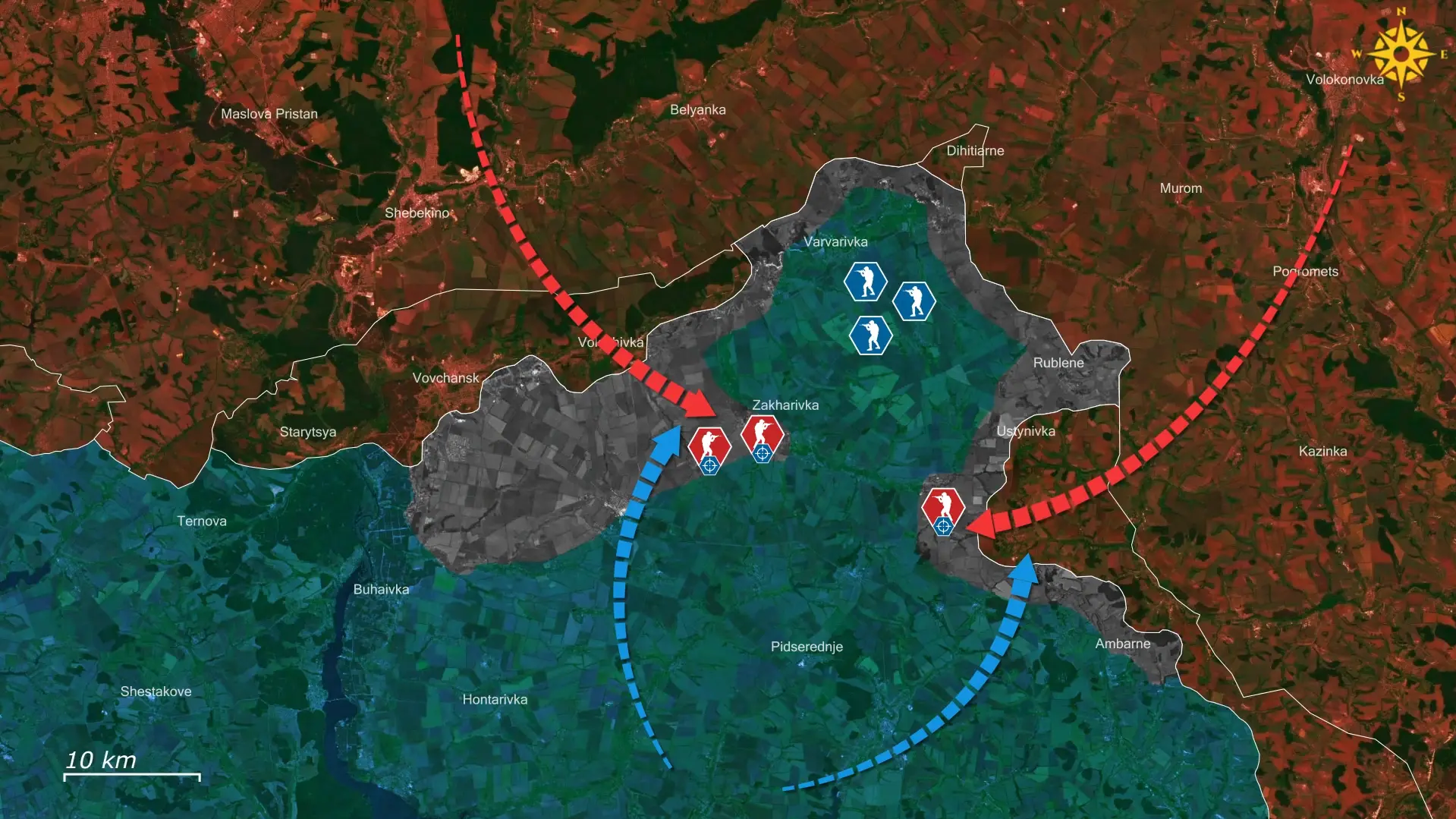
The danger of this policy was not hypothetical, as another prisoner recruit soon turned his weapon against some of Russia's most valuable personnel. A Russian soldier who had previously served a twelve-year prison sentence before joining the army joined the Rubikon drone unit and opened fire on fellow troops in the Kharkiv region. The shooting killed six soldiers and wounded two others, including highly trained Rubikon drone operators. These specialists are difficult to replace and are deployed to Russia's most important offensive sectors. Their deaths represented that convict recruits are beginning to target the very personnel responsible for enforcing Russia's brutal system of control. Since Rubikon drone crews are frequently used to direct strikes against Russian soldiers attempting to retreat or surrender, they have become natural targets for troops seeking revenge against those killing their own comrades.
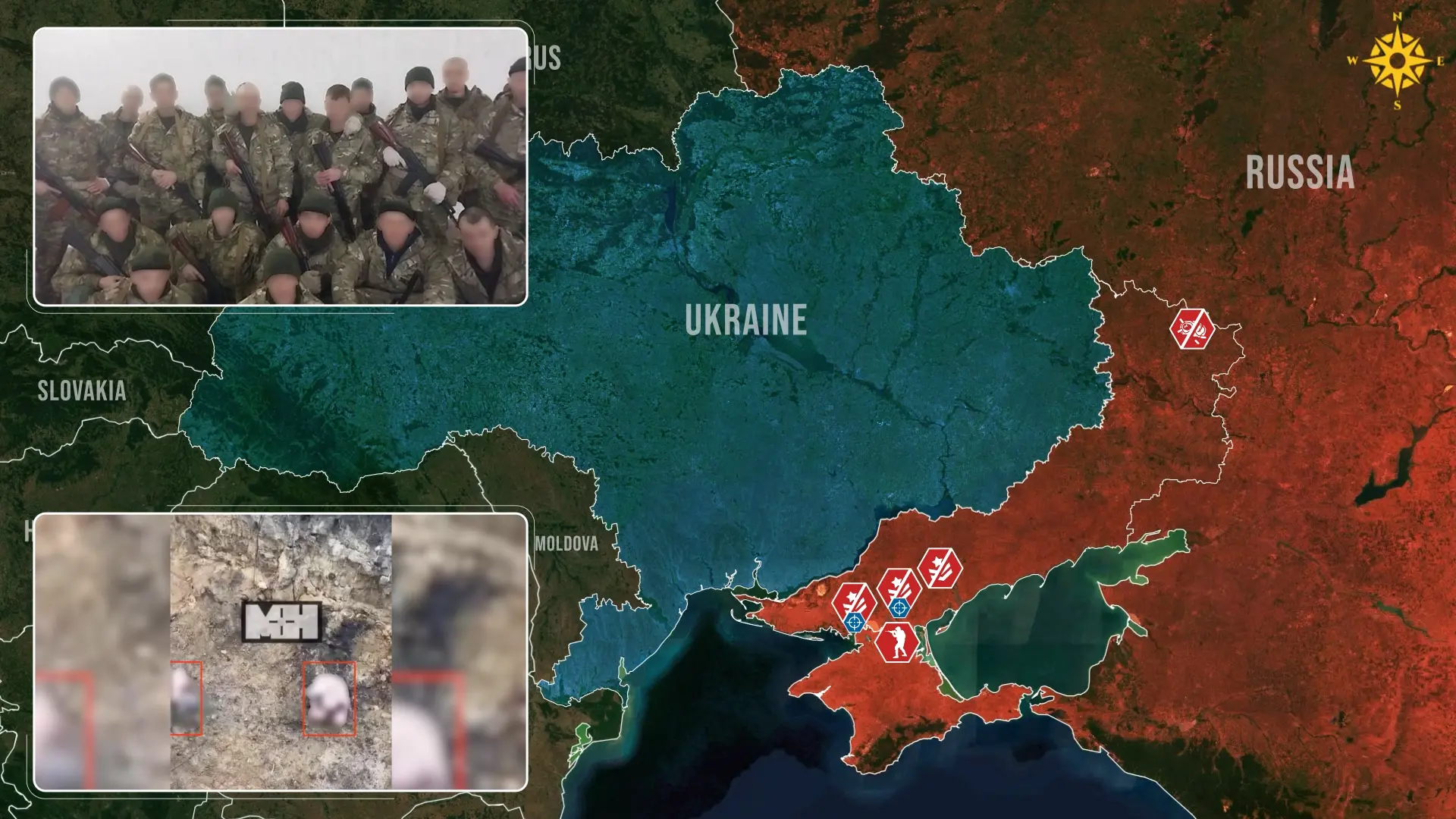
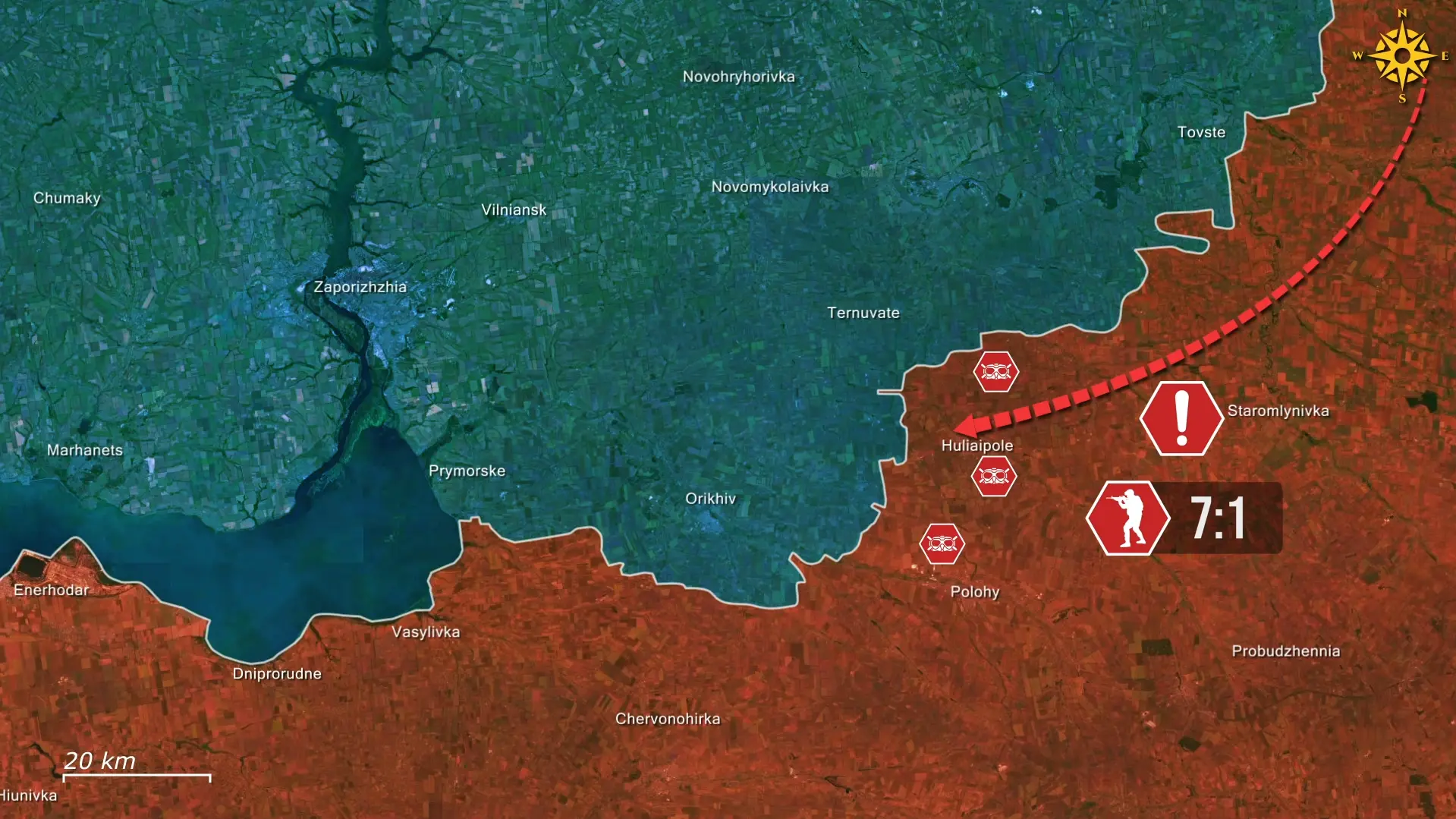
Another similar case occurred last year in the Zaporizhzhia region, showing a recurring response to coercive discipline and problems that Russians clearly do not try to solve. Here, a Russian soldier shot and killed the commander of his grenade launcher platoon while also wounding a sergeant. Together, these incidents reveal the same underlying problem as Russia is filling its ranks with convict recruits while relying on abusive commanders to control them through fear, beatings, and executions. Eventually, some of those soldiers stop obeying and instead turn their weapons against the officers and comrades enforcing that terror.
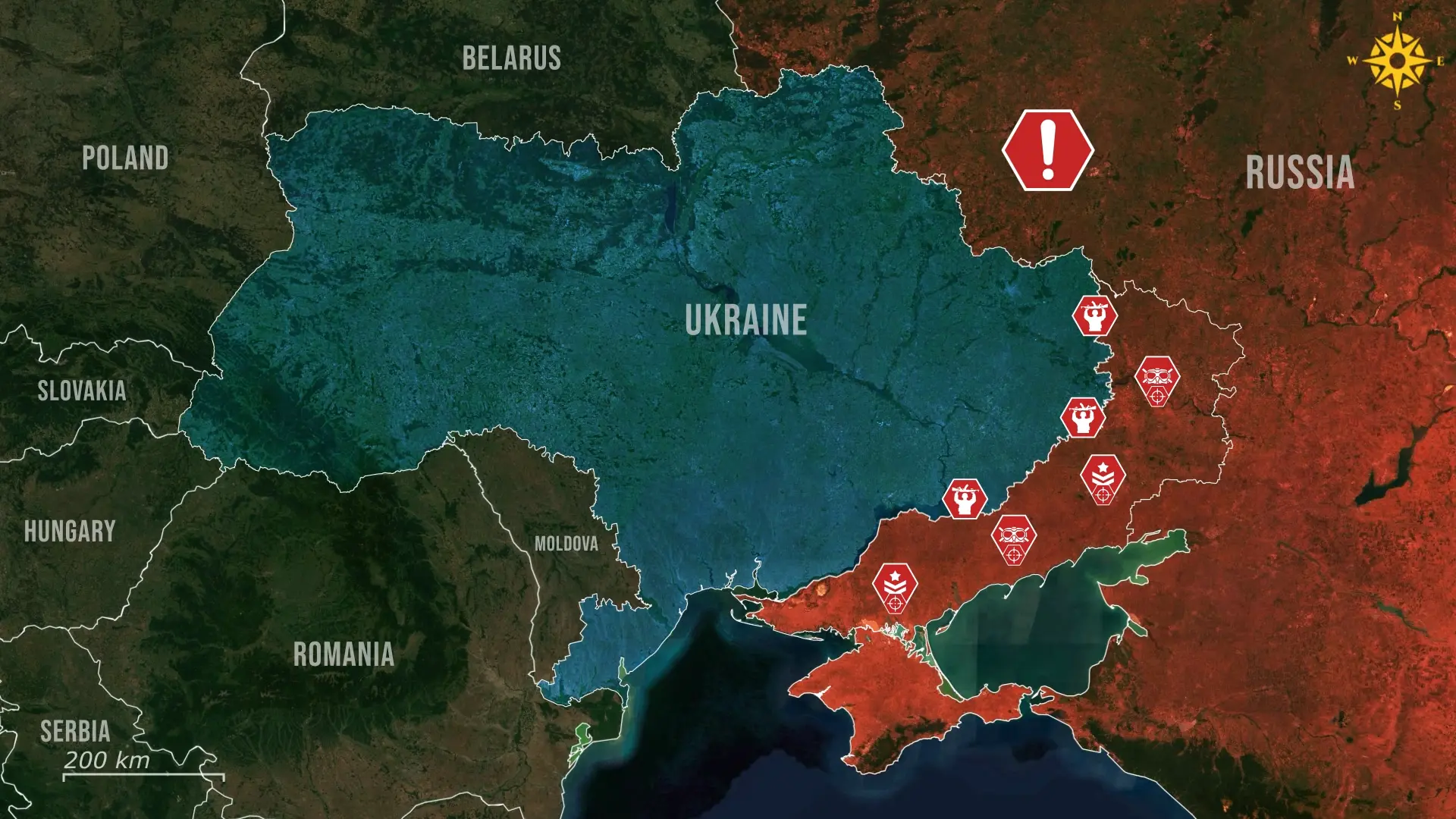
The reason this violence keeps emerging is that many Russian soldiers no longer want to fight but have virtually no safe way to escape the battlefield. Refusing orders can result in imprisonment, severe beatings, or execution. Desertion is prevented by military police and blocking detachments stationed behind frontline units, whose purpose is to arrest fleeing soldiers and force them back into suicidal assaults. At the same time, Russian drone operators monitor their own troops and direct artillery or FPV drone strikes against soldiers attempting to surrender to Ukraine. The goal is to convince everyone else that neither retreat nor surrender offers any chance of survival. Trapped between Ukrainian positions ahead and execution from their own side behind, some soldiers eventually decide that the only way to survive is to eliminate the men enforcing those orders.

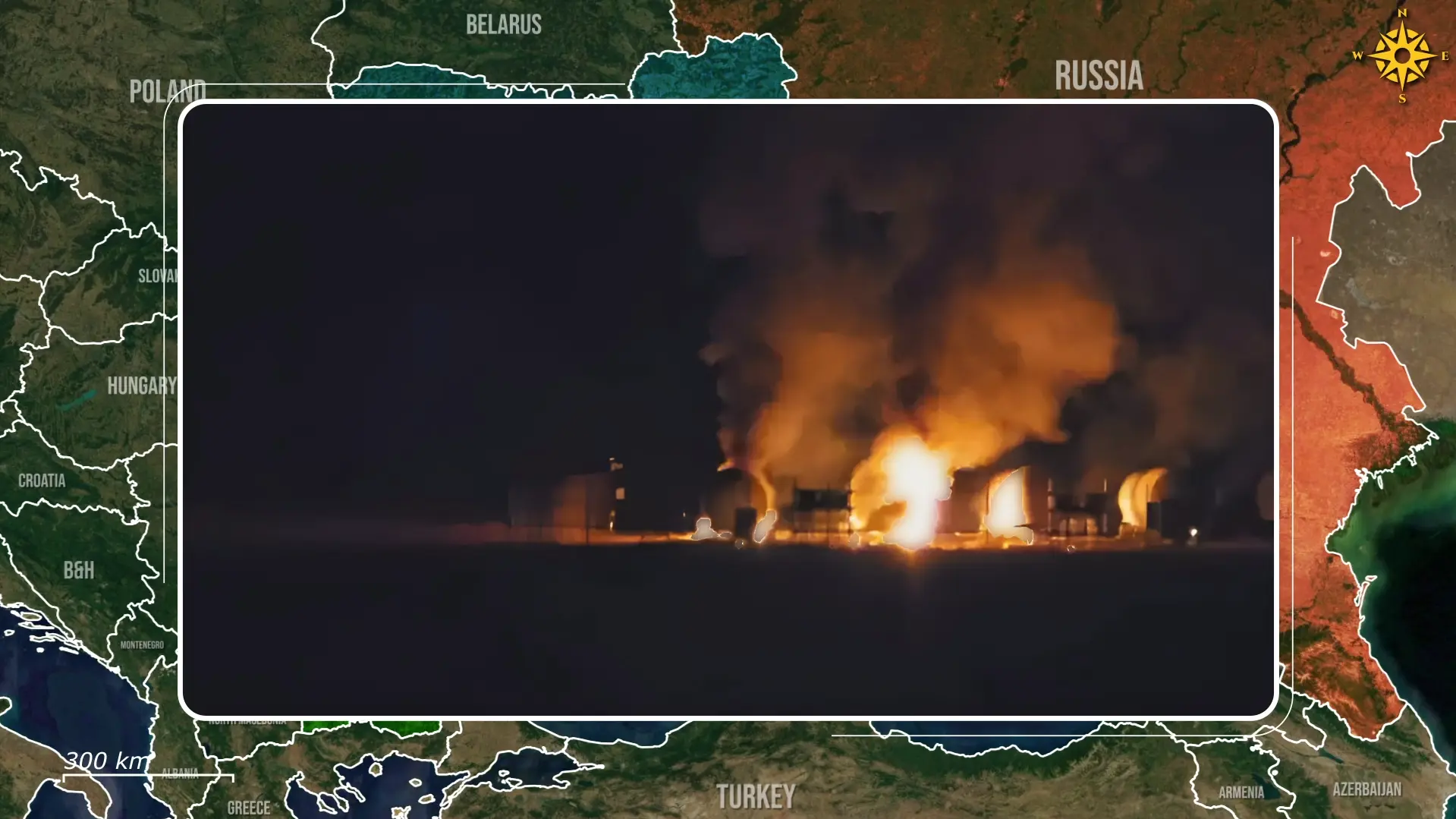
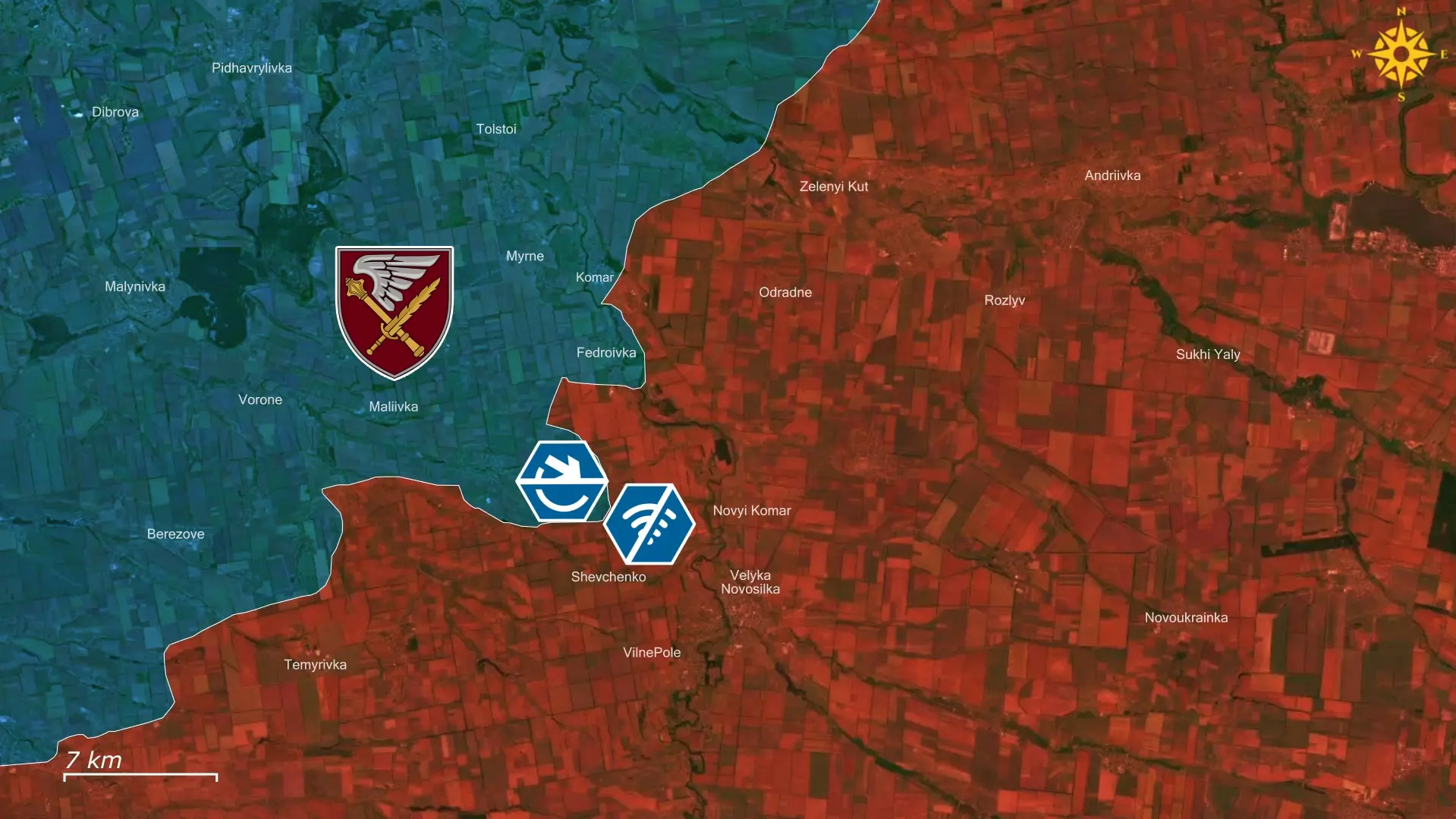
Interestingly, Ukraine has recognized that these blocking detachments are essential to keeping unwilling Russian soldiers in combat and has begun deliberately targeting them. One recent strike destroyed a Russian military police armored vehicle belonging to a unit that had been heavily reinforced across Russian-controlled Donetsk specifically to prevent desertion. This reflects a broader Russian problem as constant suicidal assaults reduce morale, collapsing morale increases refusals and desertions, and those desertions force Russia to deploy even more blocking units to maintain discipline.
As Ukrainian strikes destroy military police vehicles, kill blocking detachments, and disrupt their patrols, gaps begin to appear in this system of coercion. Those gaps make desertion easier, and successful escapes can quickly encourage others to follow. Russia is then forced to divert additional soldiers, vehicles, and equipment away from combat operations simply to police its own troops. Meanwhile, the commanders, military police, and drone operators enforcing discipline become increasingly exposed as they are hunted by Ukraine and also by the Russian soldiers they are trying to control.
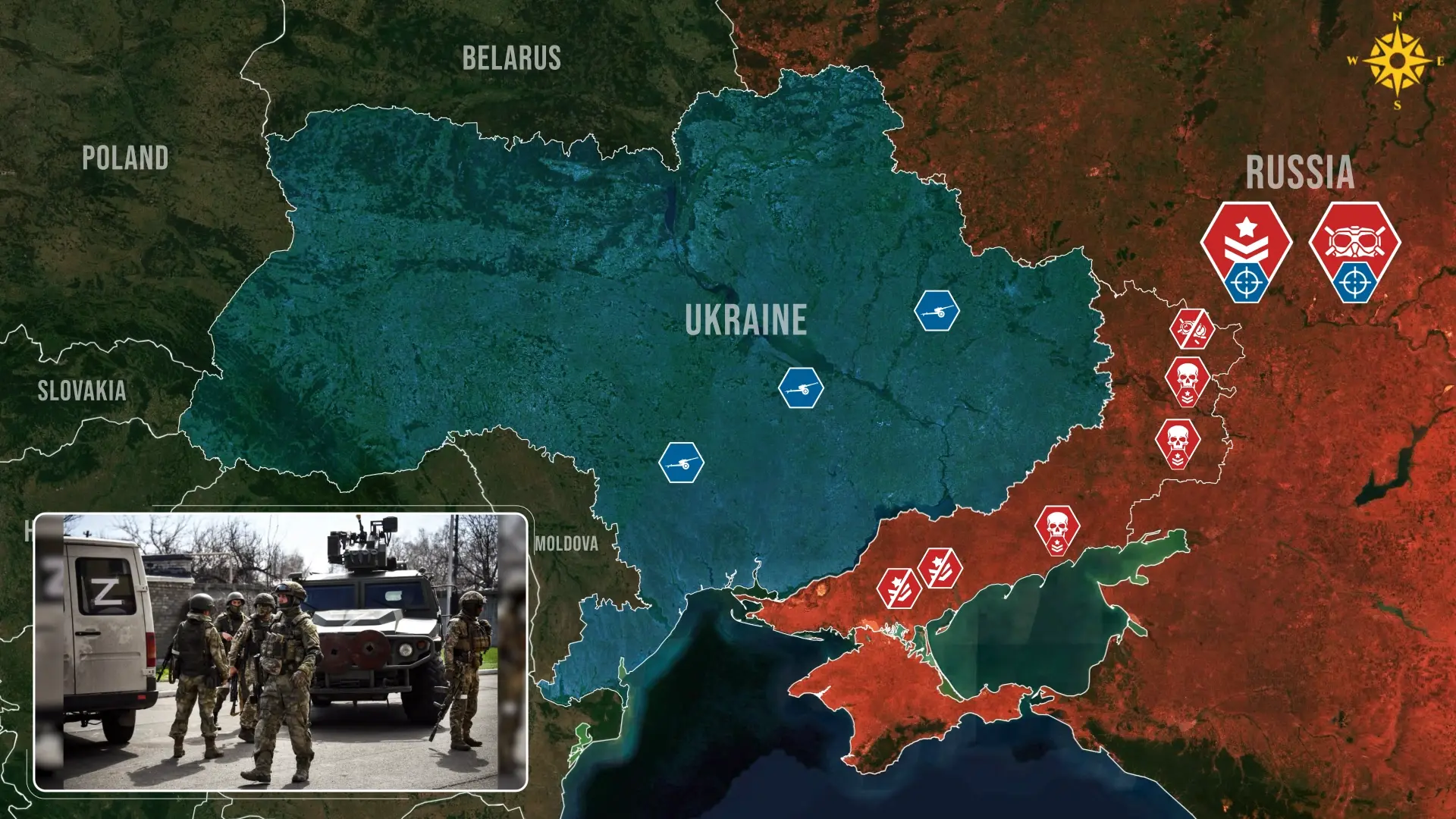
Overall, commanders and drone operators are becoming targets because they carry out violence against their own men. Russia’s recruitment and disciplinary system is now actively reproducing the conditions for more similar attacks, as more penal recruits may start deserting, surrendering, or attacking commanders. The more Russia terrorizes unwilling recruits into fighting, the more likely those recruits are to revolt and turn their weapons against the men enforcing that terror.
.jpg)

Comments