

.svg)
In this video, we will analyze how Russian oligarchs are arming themselves.
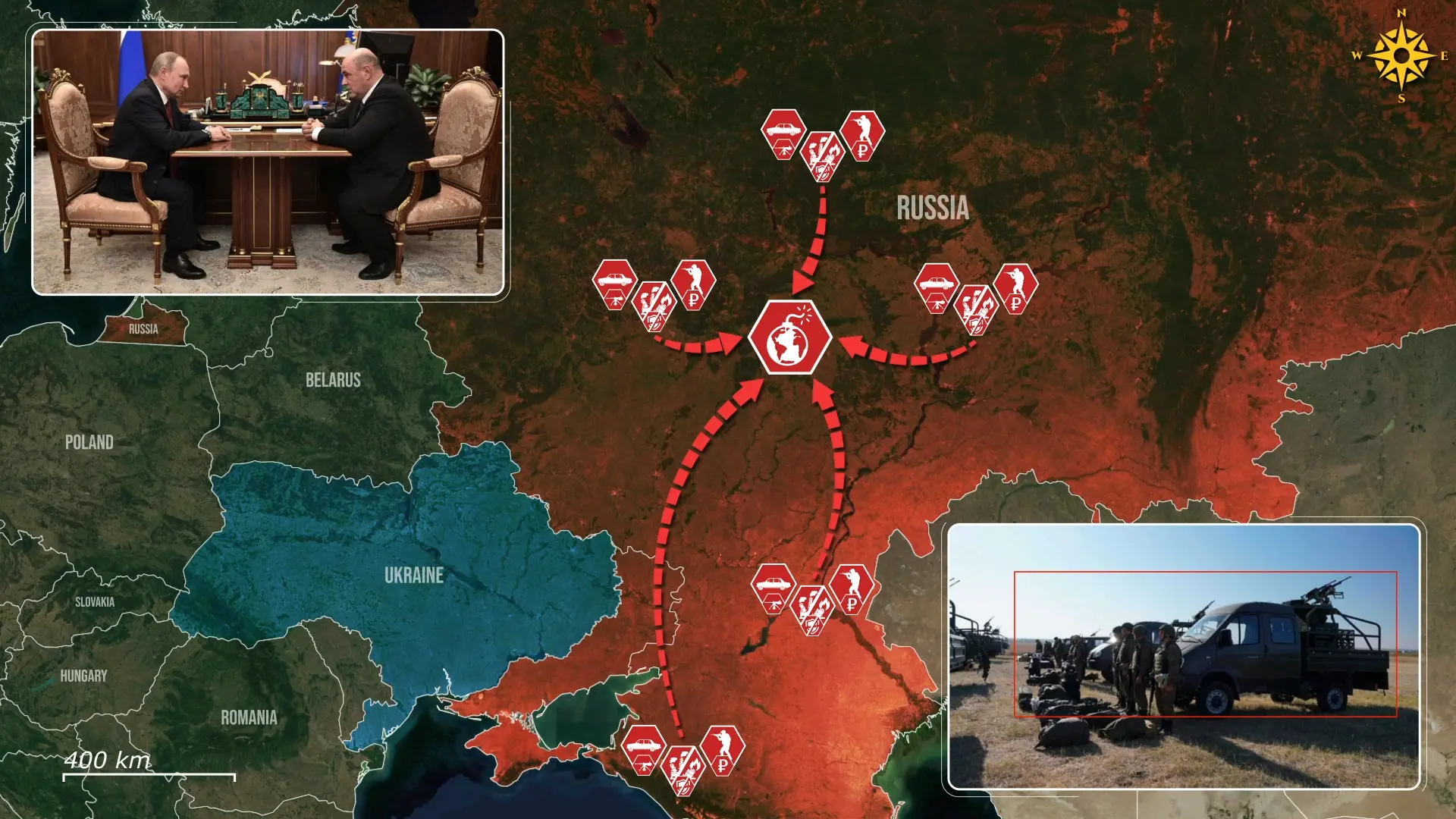
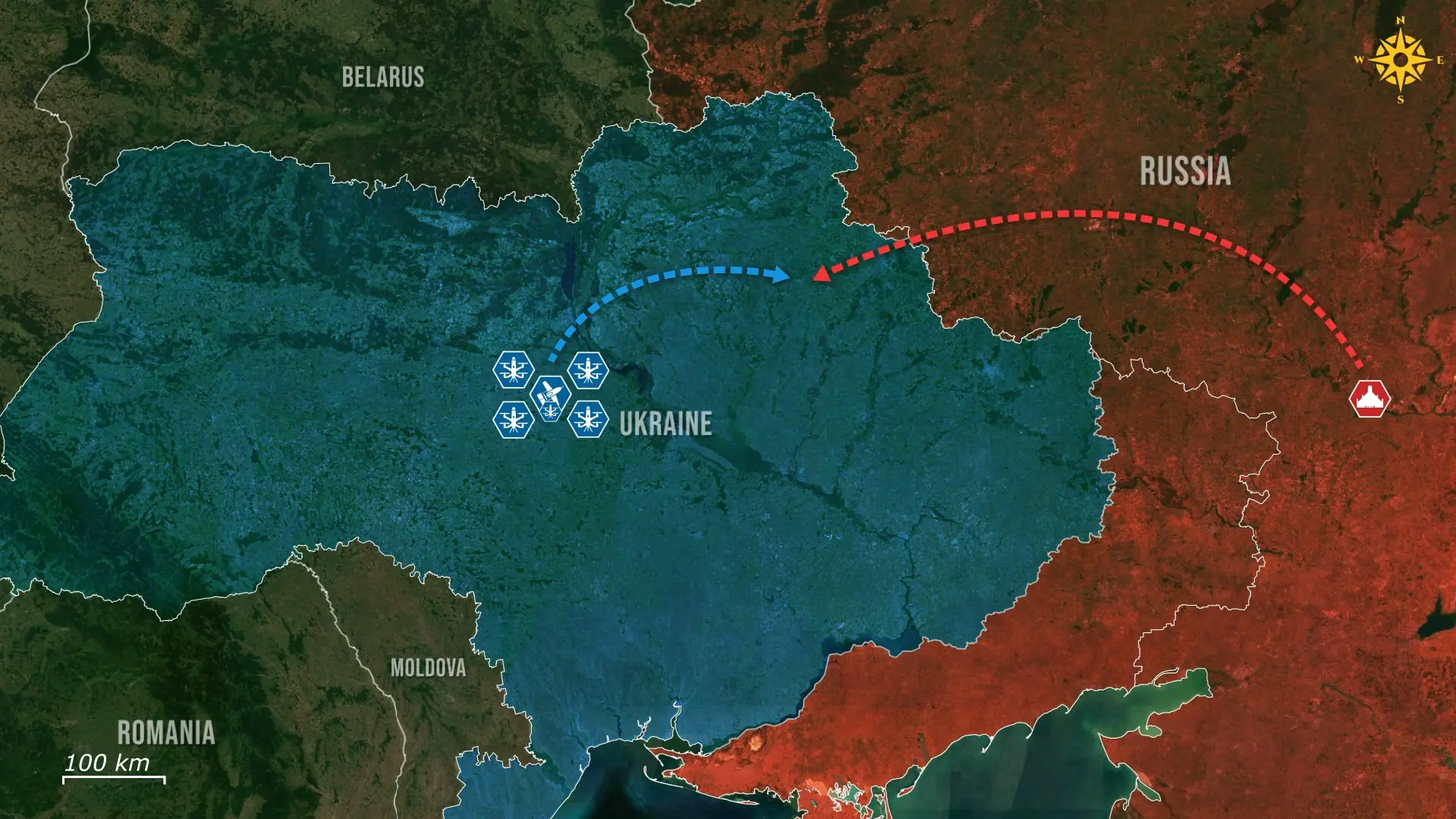
According to Russian media, Gazprom reached an agreement with the Russian Ministry of Defense to establish mobile air defense units. In effect, Russia's wealthiest state linked companies are being allowed to finance, equip, and direct their own armed formations to defend private industrial assets. This fundamentally shifts the balance of power between the Kremlin and Russia's oligarchs by giving major corporations armed personnel under their effective control.
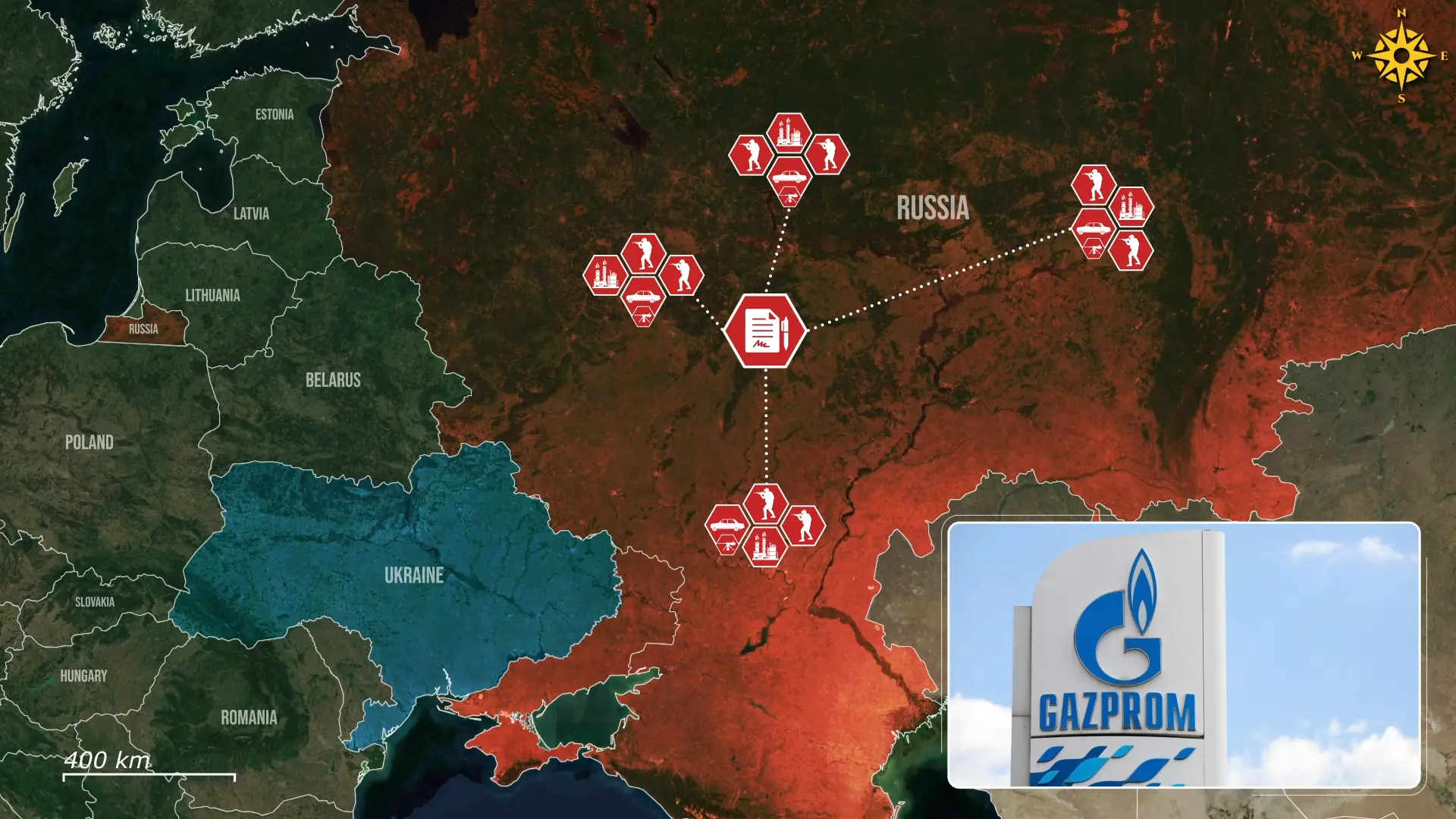
This is significant because it represents another shift away from the Kremlin's sole monopoly on armed forces. While these units are officially tied to the state, they are financed by the companies whose facilities they defend, giving powerful business interests unprecedented influence over organized armed personnel. This is dangerous because these oligarchs now possess money, political connections, and armed personnel, allowing them to increasingly operate as independent power centers beyond the Kremlin's direct control. This could pose a threat to the Kremlin because these oligarchs are already furious, as they are losing billions of dollars because of the war and confiscations. As these tensions grow, the Kremlin risks creating business elites that are increasingly willing to defend their own interests independently of Moscow.
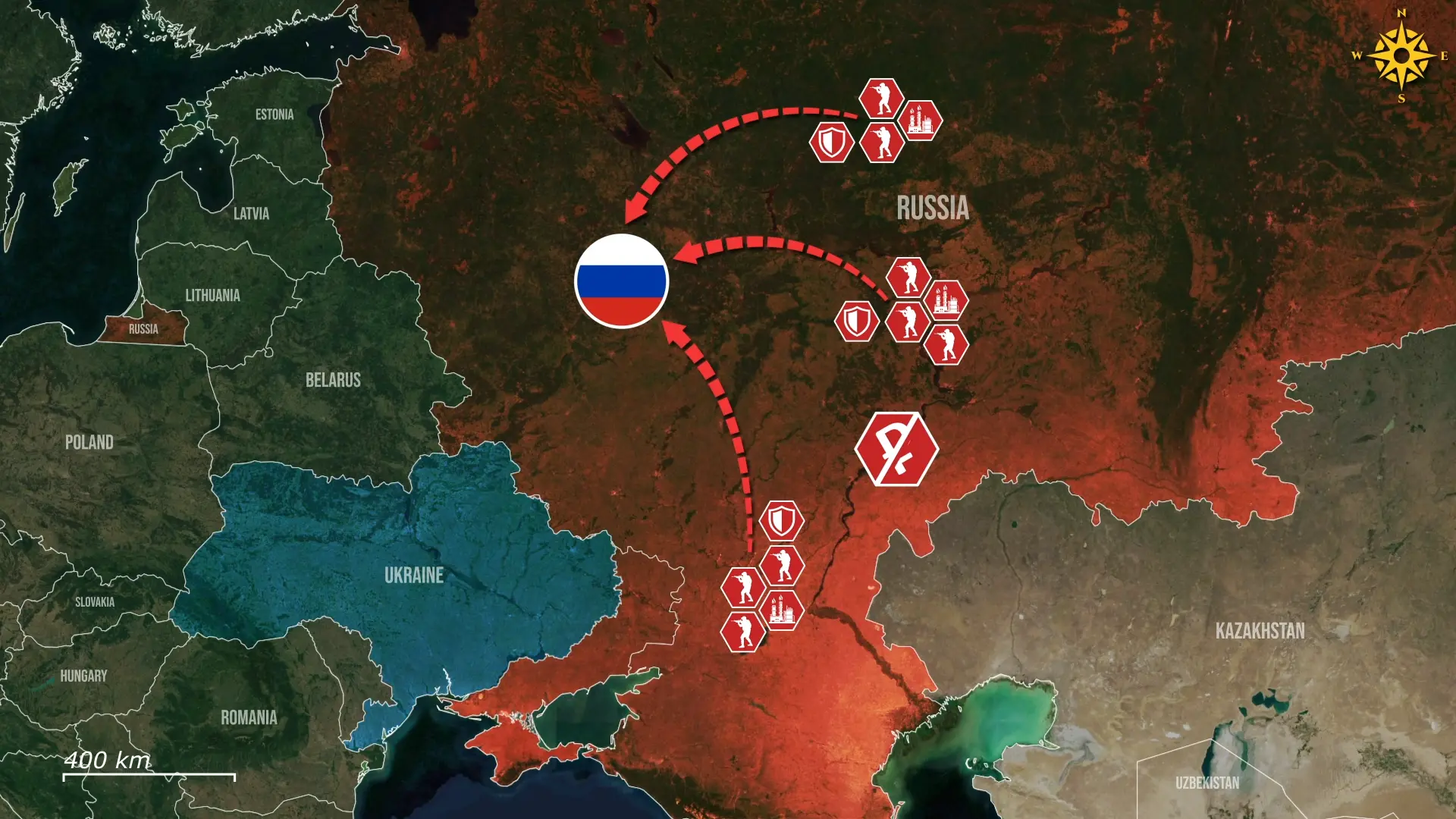
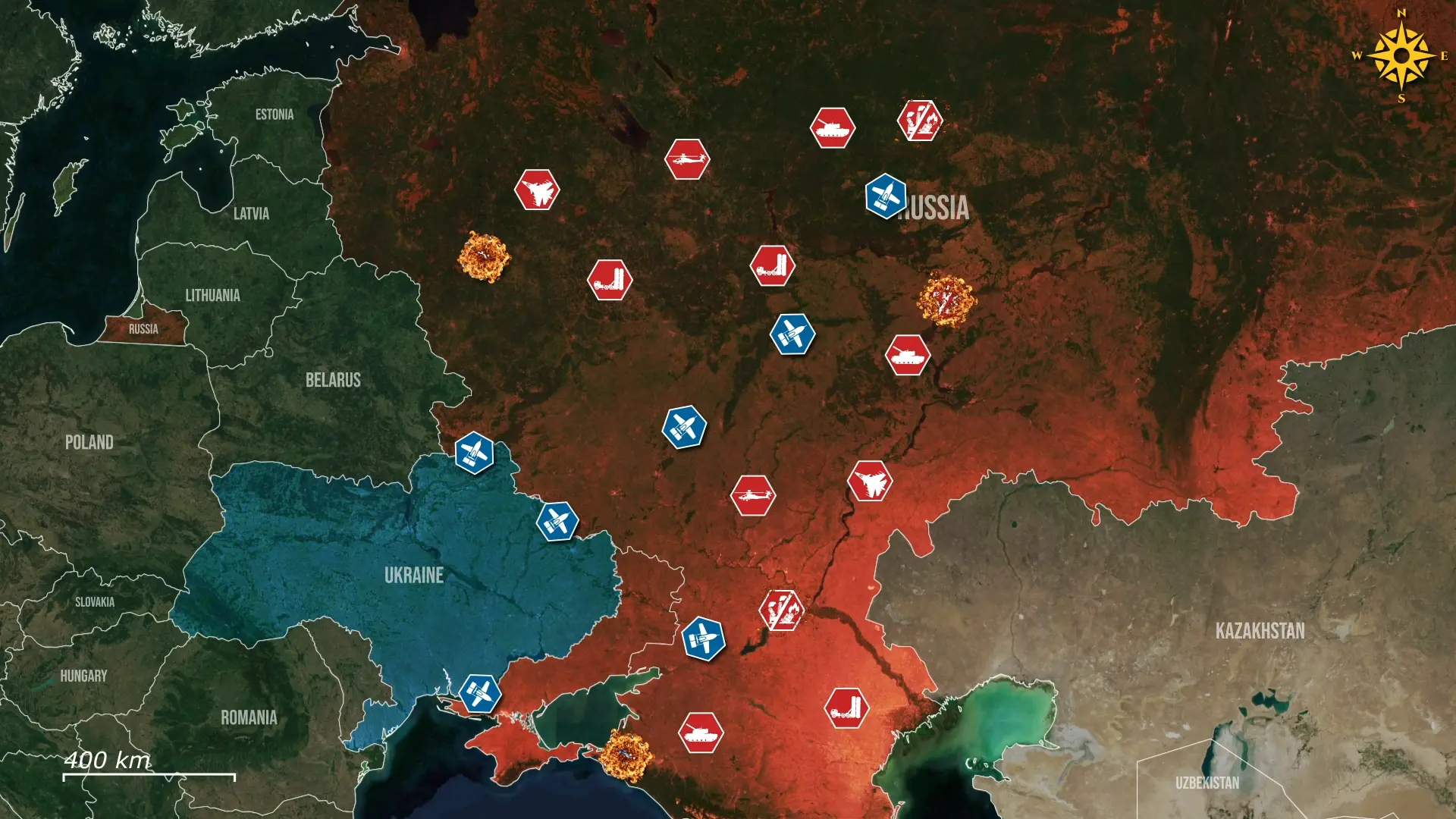
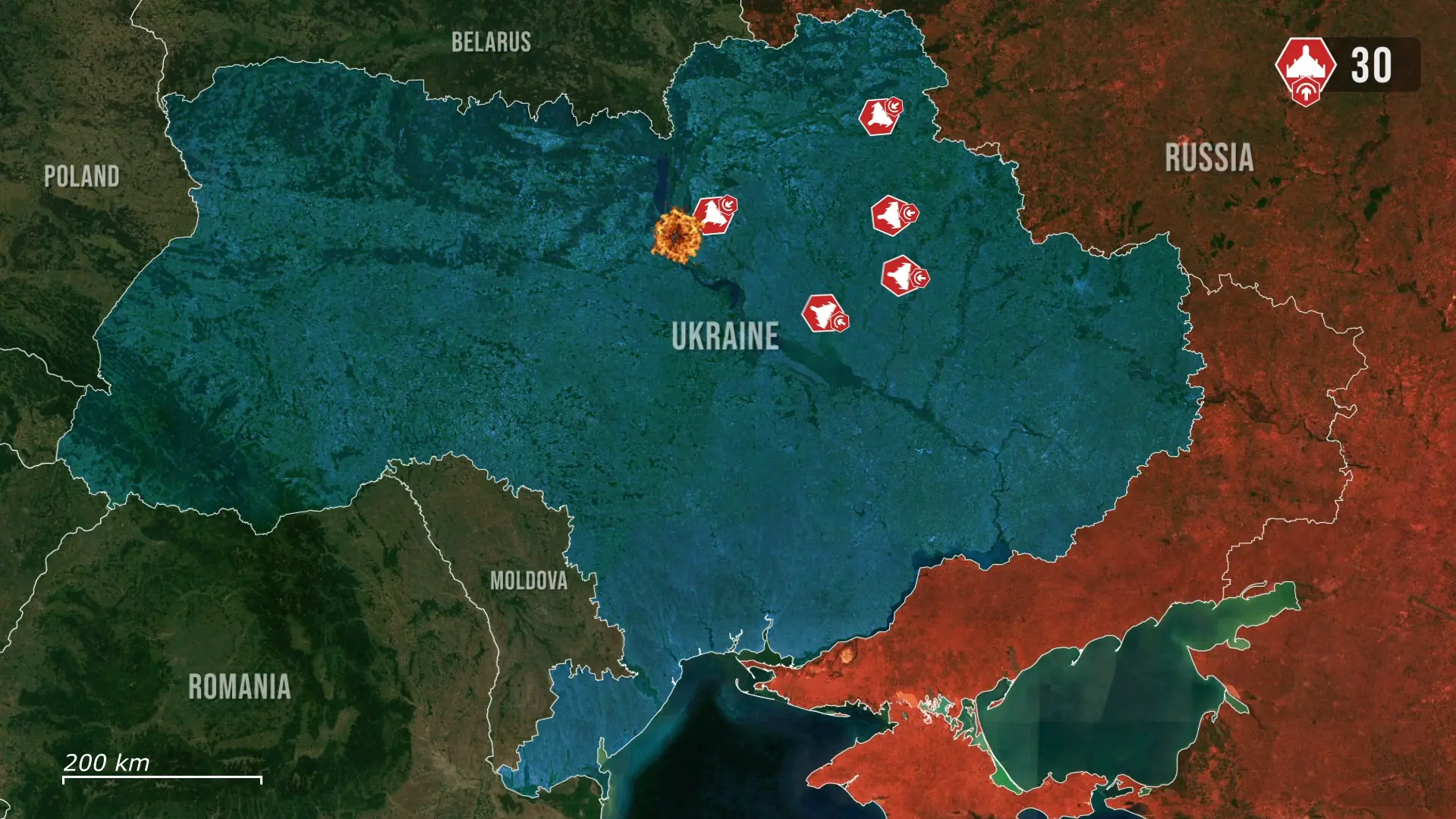
Russia resorted to this solution because, even though it still possesses hundreds of high end air defense systems, helicopters, and fighter jets, it cannot defend its strategic assets. Russia's existing air defense network has repeatedly failed to stop Ukrainian long range drone strikes against the country's energy sector, which continue to penetrate two thousand five hundred kilometers deep into Russian territory and strike refineries, oil depots, and pumping stations. Even the Chairman of the Russian Union of Industrialists and Entrepreneurs, Alexander Shokhin, has acknowledged that the business sector is not equipped to perform national air defense missions. Protecting strategic infrastructure is fundamentally the military's responsibility, and transferring that burden to corporations only highlights how severely Russia's existing air defense system is struggling. Every successful strike costs billions of rubles in repairs, lost production, and disrupted exports, directly hurting Russia’s finances, which can barely sustain the war.
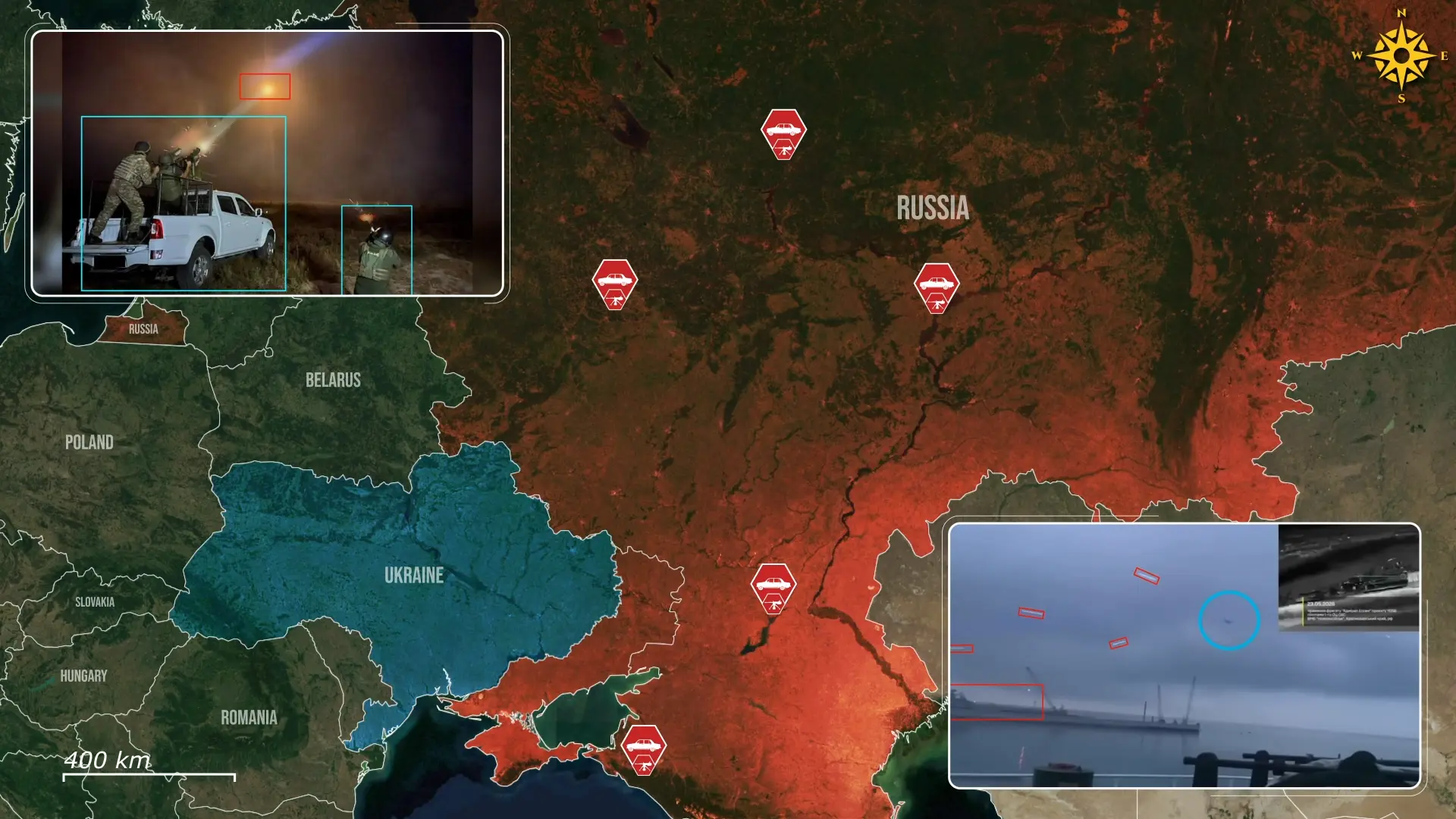
Despite Moscow’s expectations, these mobile firing groups would not solve the problem because historically they had limited success in repelling Ukrainian drone attacks. Russia copied the concept from Ukraine's successful mobile air defense units, which use pickup trucks with machine guns and defend against drones. However, Russian adaptations have proven considerably less effective due to Ukraine's advantages in drone numbers, tactics, and operational experience. Notably, they fly up to two hundred kilometers per hour and are incredibly hard to hit because of their relatively small size, making interceptions especially difficult by mobile firing groups. Russians achieve some intercepts, but many videos show Ukrainian drones evading or striking despite continuous Russian fire, proving that these units are unlikely to solve the underlying problem.
When these new mobile air defense groups prove insufficient, Russia's wealthiest oligarchs are likely to become even more frustrated with the Russian Ministry of Defense's continued inability to protect their refineries, pipelines, and other critical energy assets. Rather than solving the underlying problem, the Kremlin is effectively asking major state linked corporations to compensate for the military's shortcomings by organizing and funding their own defensive forces. Giving soldiers to the oligarchs could make these oligarchs considerably harder for the Kremlin to pressure or intimidate through traditional political means, as they would no longer rely entirely on state security structures for the protection of their most valuable assets. Over time, this could weaken one of the Kremlin's traditional sources of leverage, allowing influential business elites to challenge government decisions with far greater confidence.
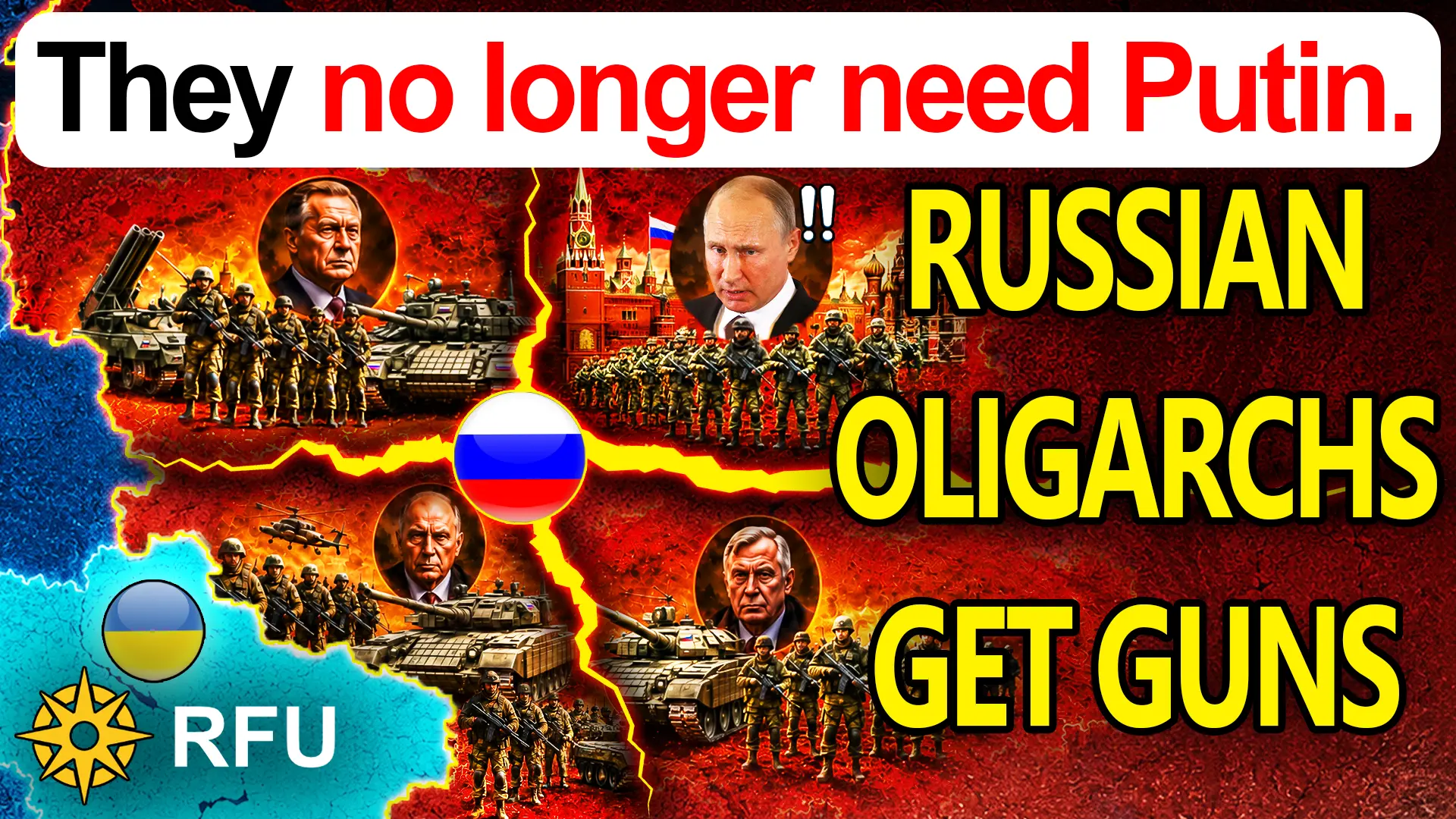
Overall, this decision reflects a deeper structural weakness inside the Russian state. Instead of strengthening its military, the Kremlin is decentralizing power by allowing major corporations to build armed formations around their own interests. History shows that when economic elites accumulate wealth, political influence, and loyal armed personnel simultaneously, the balance of power can shift in their favor. Now, the Kremlin may be creating future rivals who no longer need Putin to protect their interests, fundamentally shifting the balance of power inside Russia.

.jpg)

Comments