

.svg)
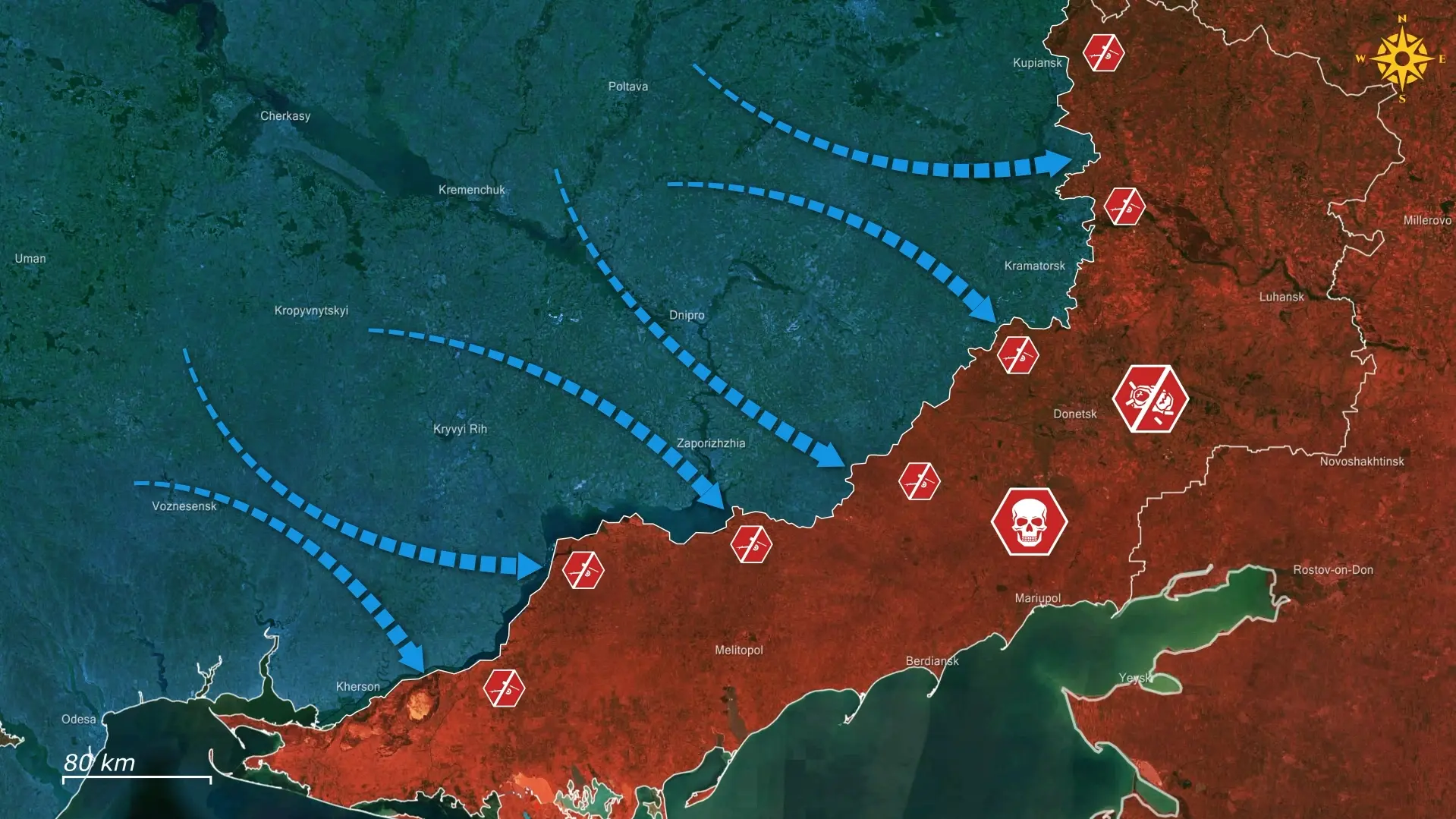
During an insane multi-stage operation Ashan Ukrainian forces struck two hundred thirty one Russian artillery systems across the Kherson, Zaporizhzhia, Donetsk, and Luhansk directions in just forty-eight hours. In this biggest artillery onslaught of the war, one hundred seventy one were confirmed destroyed, the rest were all damaged to various degrees. This extraordinary scale of efficiency equates to the complete destruction of three complete full Russian artillery brigades. The effect was immediate, as Russian artillery activity fell up to eighty one percent across the affected sectors within the first day after the operation was completed.
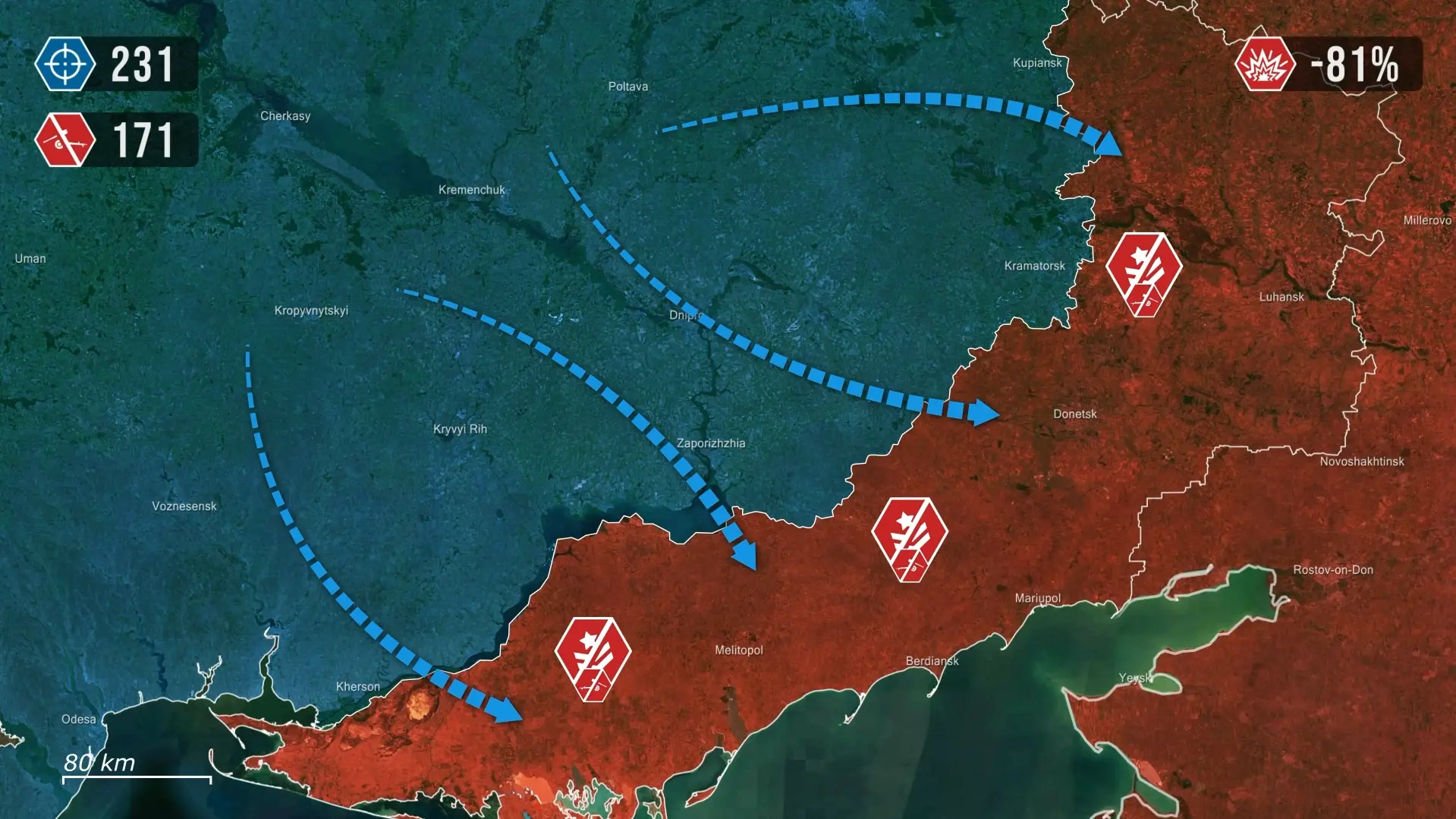
Operation Ashan was carefully prepared by operators from the Lasar Group of the Ukrainian National Guard as a concentrated campaign to dismantle this one specific component of the Russian army. The first stage involved Ukrainian analysts working with other units across large sections of the frontline to gather intelligence on Russian artillery positions. They mapped out active enemy guns, their firing areas, and monitored the locations where howitzers were concealed.
While the target network was being established, Ukrainian engineers executed the second stage of the operation by developing specialized munitions for destroying howitzers, focusing particularly on burning through their barrels. This was very important because a direct hit on the barrel would eliminate the system's weakest and most important point. This is enough to remove the weapon from combat and make rapid repair extremely difficult, due to the Russian defense industry struggling to produce new barrels.
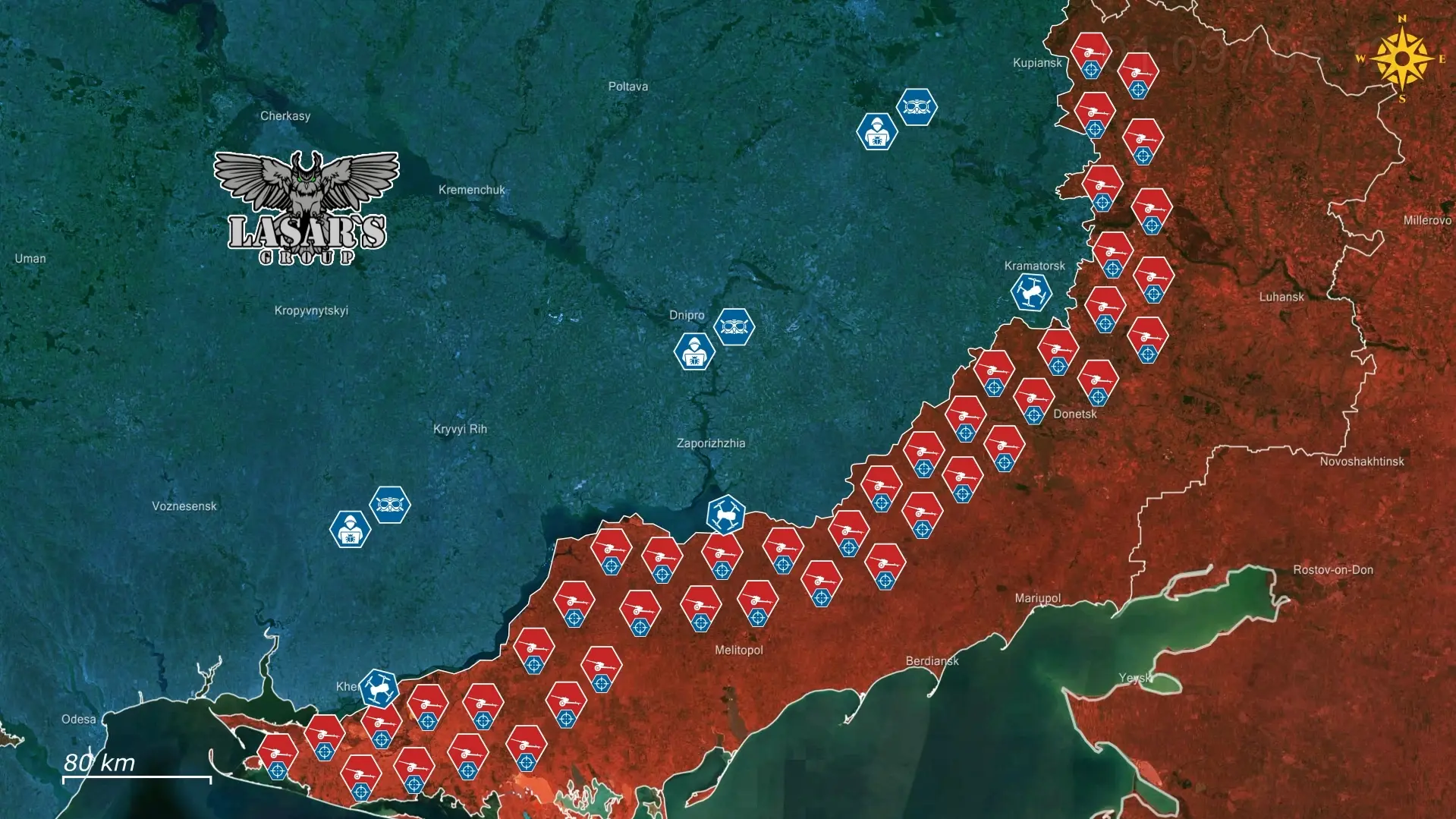
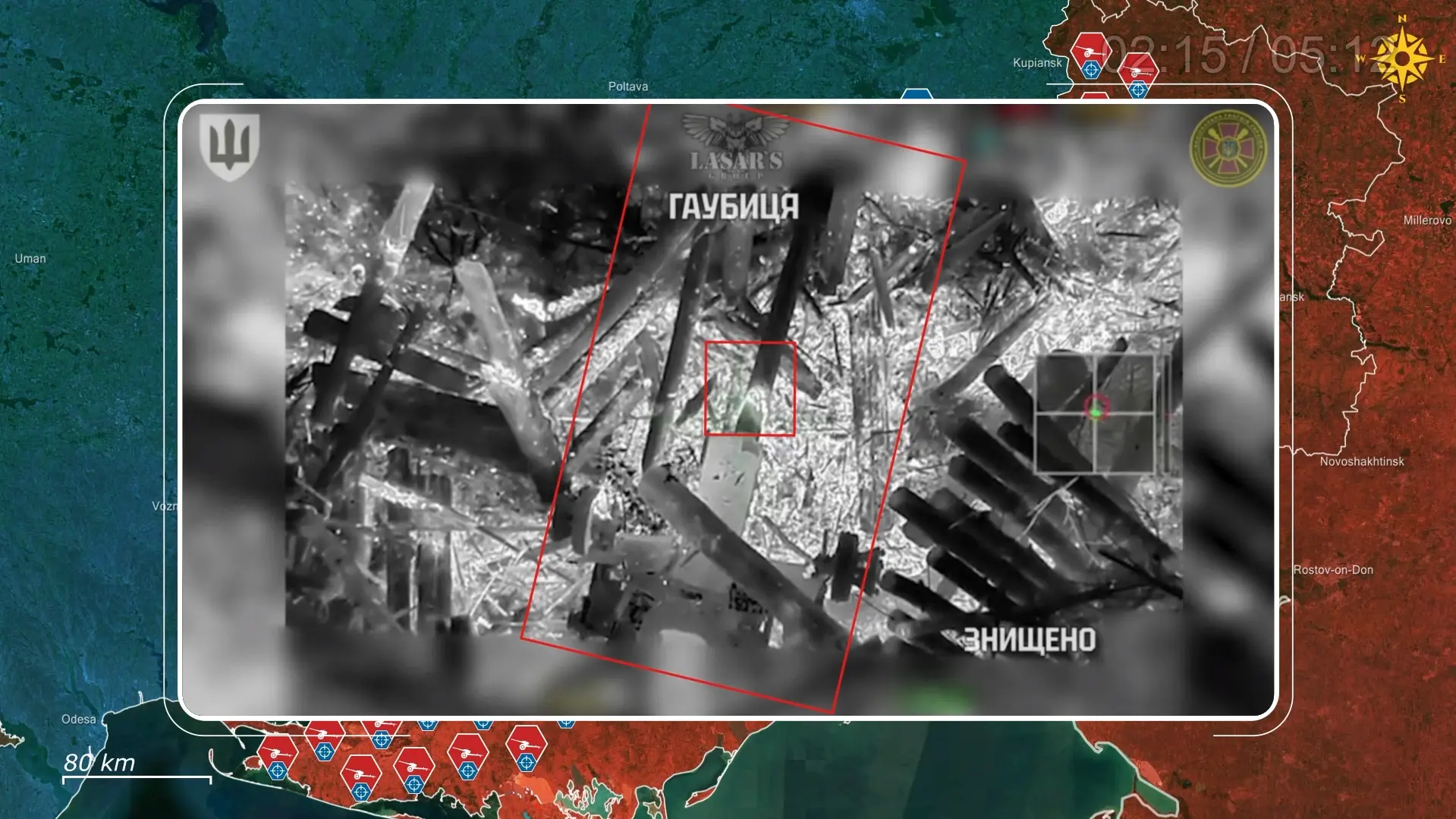
Then the Ukrainian operators prepared the final strike phase, ready to launch eight hundred drones over two nights simultaneously across key directions. Instead of allowing Russia to react to isolated losses, Ukraine compressed hundreds of strikes into two nights. Russian batteries had little time to disperse, recover damaged systems, or adapt their positions. Follow-up Ukrainian drone observation confirmed destruction, while intercepted Russian communications revealed the scale of the disruption.
The consequences should not be underestimated, as Russia has lost one hundred seventy-one guns outright, while another sixty were damaged. Three artillery brigades normally provide fire support to multiple frontline formations, and their disappearance means fewer Russian shells suppressing Ukrainian positions, weaker bombardments before assaults, reduced counterbattery fire, and far less protection for Russian infantry.
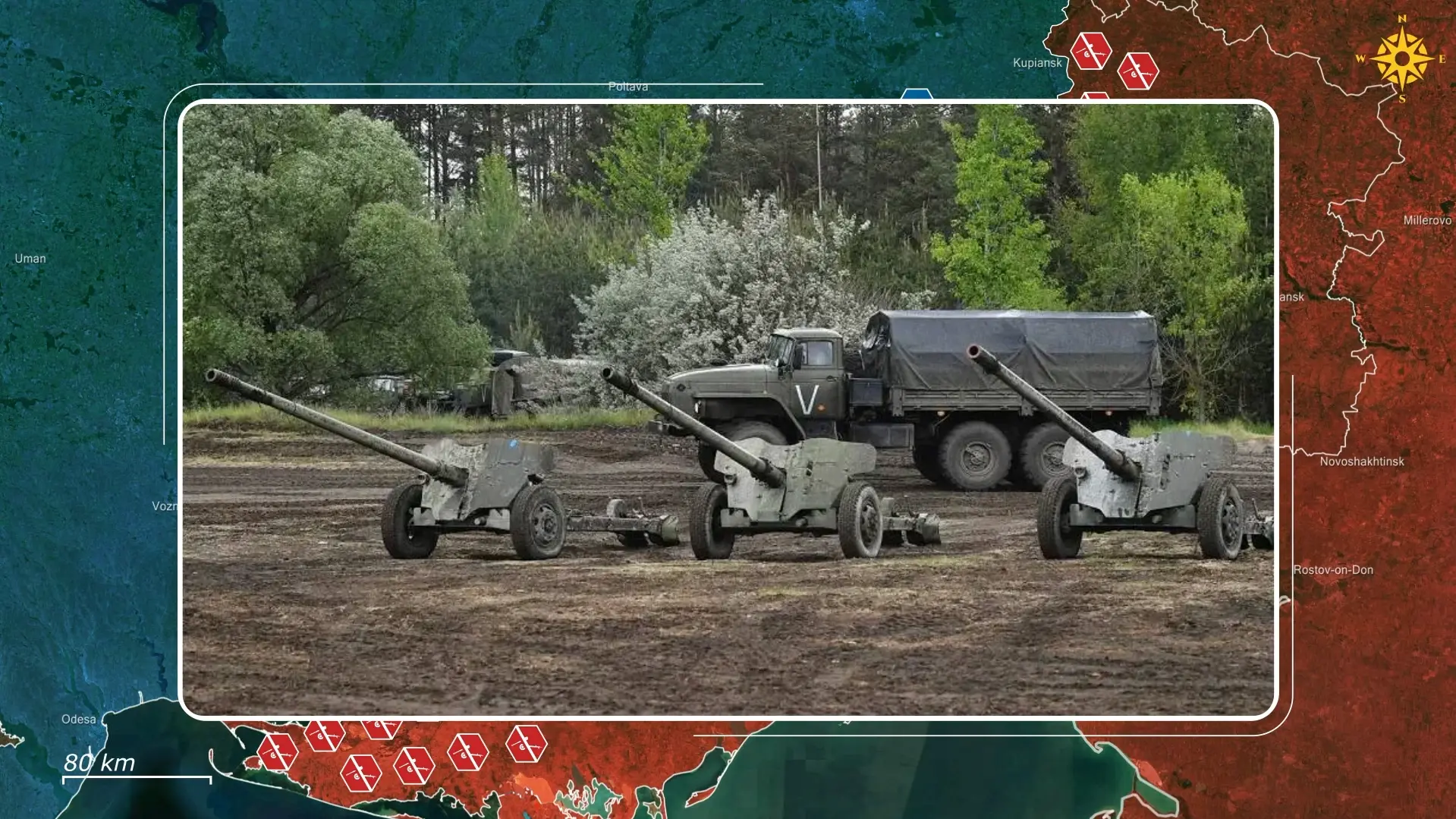
Most importantly, Russia cannot simply replace these losses tomorrow, as reserve guns must be removed from storage, inspected, repaired, transported forward, supplied with ammunition, and assigned to crews. Russia increasingly depends on aging Soviet stockpiles, which were already depleted to thirty-five percent of pre-war levels as of last year. At the same time replacement barrels and experienced artillery personnel are more limited than ever in the fifth year of the war, with Russia able to produce only five barrels per month. Now, Russia is left without options, as reconstituting the destroyed formations could take more than six months, while moving artillery systems from quieter sectors only transfers the shortage elsewhere and creates new vulnerabilities.
As a result, Russia cannot conduct a major assault, as it would need massed artillery due to the Russian offensive doctrine, which depends on bombardment to suppress defenders before infantry advances. By eliminating three brigades of firepower, Ukraine has severely damaged Russia’s ability to prepare and sustain large assaults. Combined with continuing vehicle losses and logistics strikes, this operation has completely denied Moscow the artillery concentration required for any major offensive this year. Russia will therefore become even more dependent on small infantry infiltration groups, often numbering fewer than five soldiers. However, these troops are already advancing and dying without meaningful armored support, and now, many will also be thrown into the meat grinder without sufficient artillery cover.
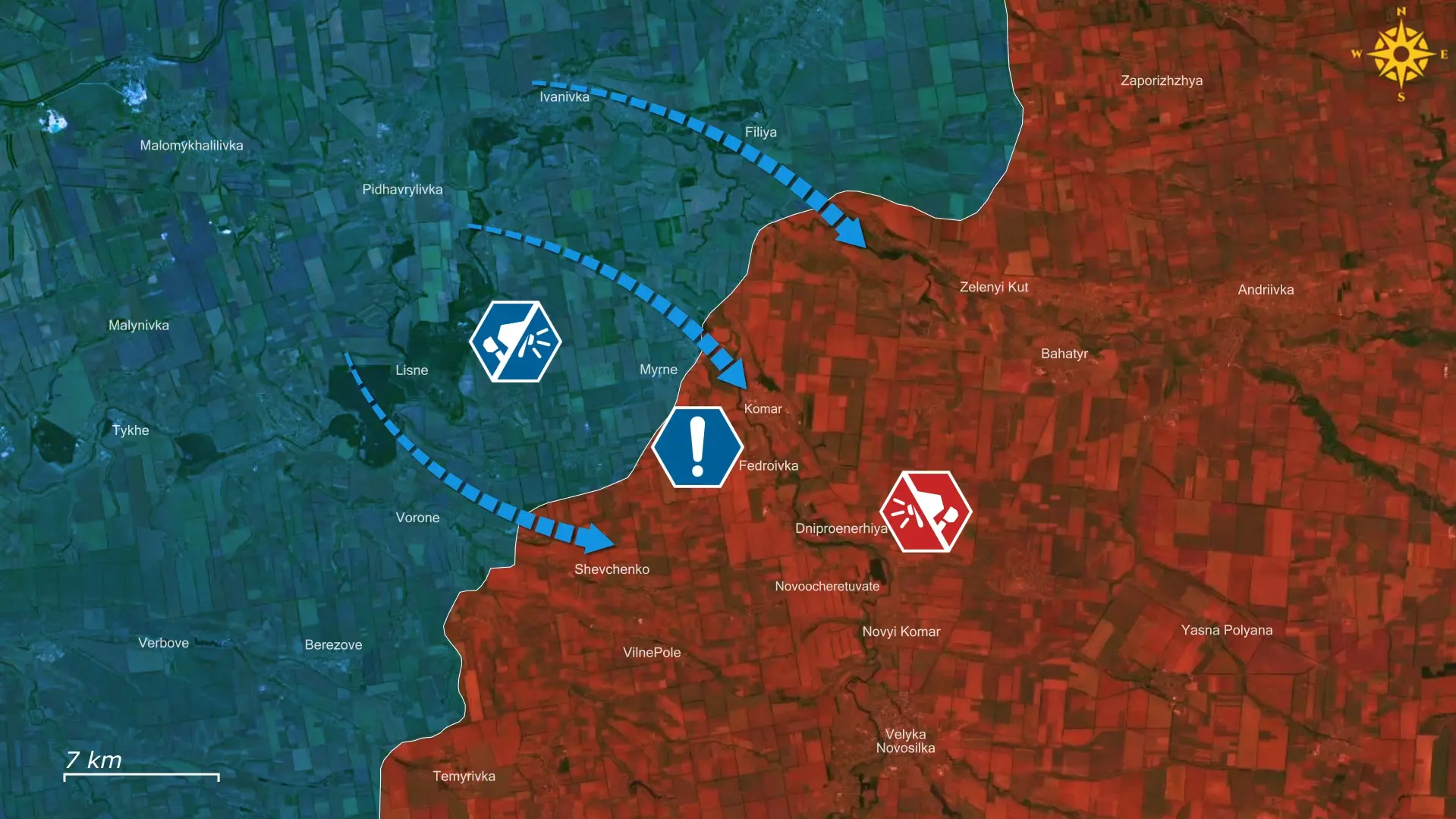
Additionally, that gives Ukrainian drone operators and artillery crews greater freedom. With fewer Russian guns conducting counterbattery fire, Ukrainian systems can operate longer and more aggressively, while the Ukrainian command can plan localized offensives that now have even better chances to succeed.
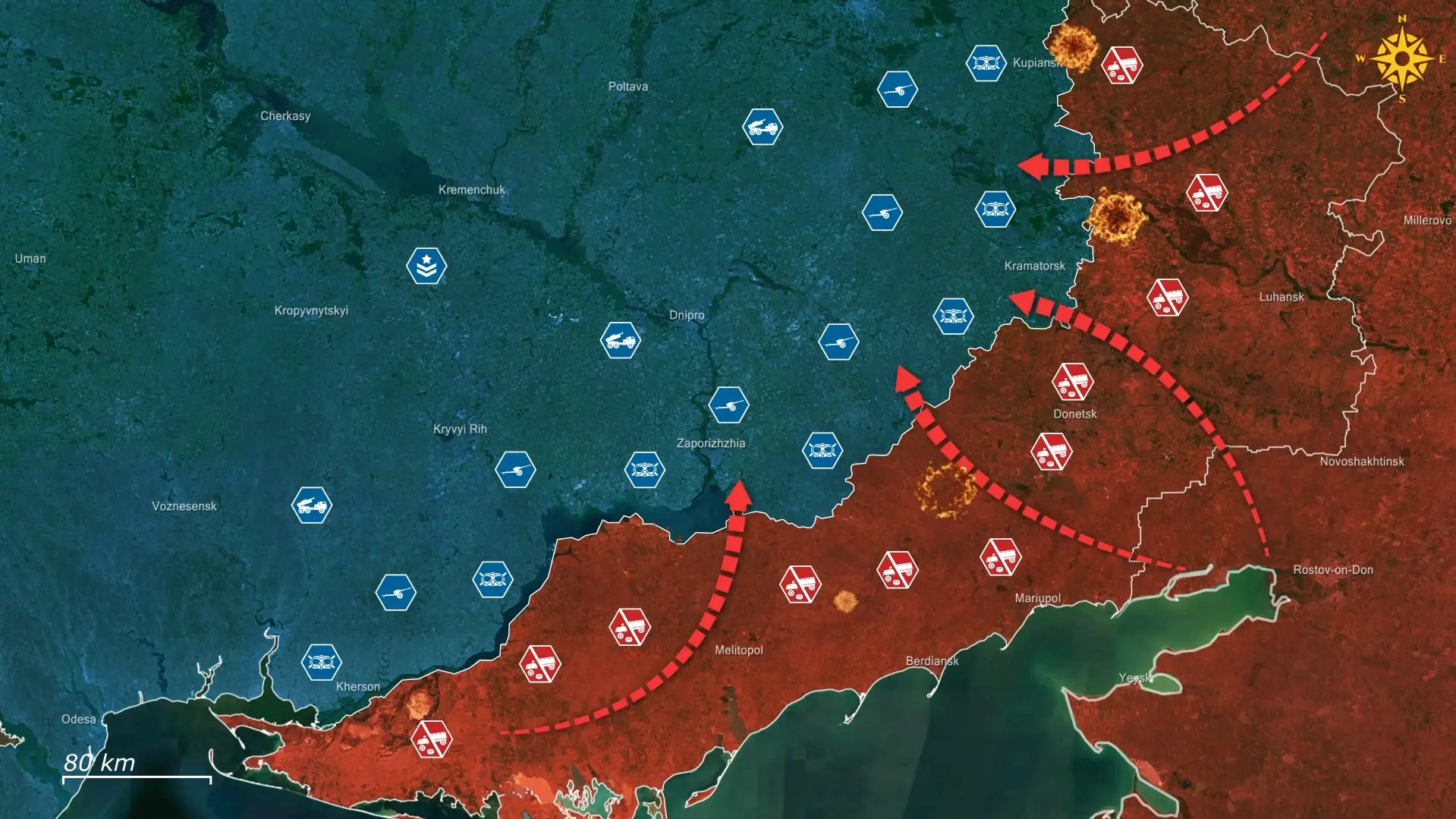
Overall, the Ukrainian operation Ashan was carefully prepared to remove the backbone of Russian offensive and defensive warfare, and in forty eight hours, three brigades effectively disappeared. This leaves Russia increasingly dependent on both infantry and drones, which are plagued by their own issues due to the increasing lack of skilled soldiers and operators. At the same time, Ukraine gained the freedom to hunt the enemy without having to worry about large-scale Russian shelling, effectively compensating for Russia's numerical advantage in systems and shells.

.jpg)

Comments