

.svg)
In this video we will analyze why Russia is moving troops to the Finnish border.
Relations between Russia and Finland have entered a far more dangerous phase as Moscow issues increasingly aggressive threats against its Nato neighbor. What began as a steady deterioration in relations is now being accompanied by increasingly direct Russian threats and military moves that many fear could mark the beginning of a far more dangerous confrontation.
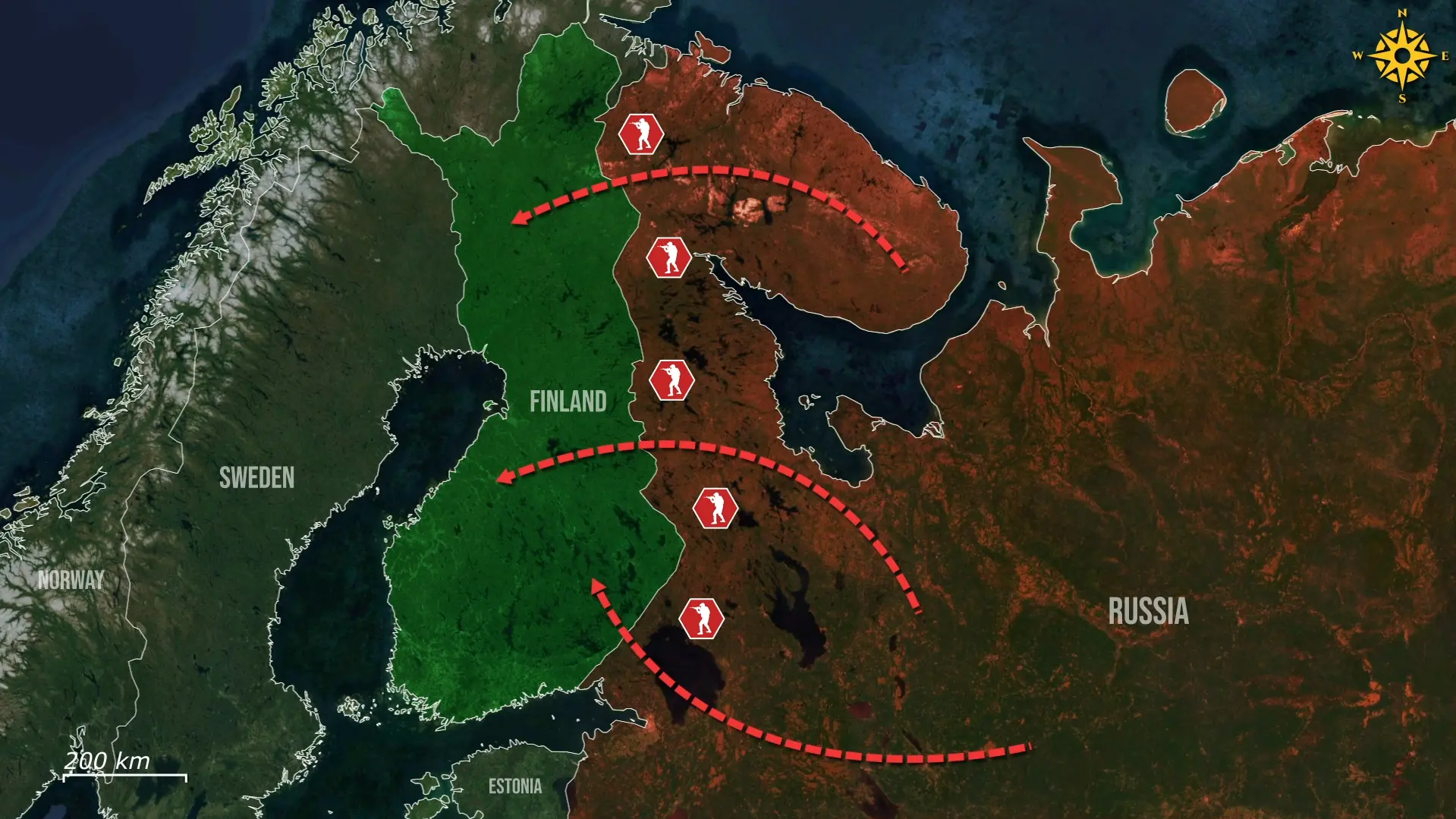
Tensions rose sharply after several Russian officials issued unusually direct warnings toward Finland, arguing that Helsinki's recent actions had crossed Moscow's red lines. Among the most striking statements was a reported threat that Russia could seize roughly half of Finland within a matter of days if the situation continued to escalate. Russian officials framed these warnings as a response to what they described as repeated Finnish provocations rather than as an unprovoked act of aggression. Russian officials also cited the new missile maintenance facility as another example of Finland's alleged provocations. Moscow portrayed these developments as part of a broader pattern of increasingly provocative actions by Finland. Russian officials argued that Moscow therefore had no choice but to respond with stronger military measures if Finland continued on its current course, setting the stage for an increasingly dangerous confrontation.
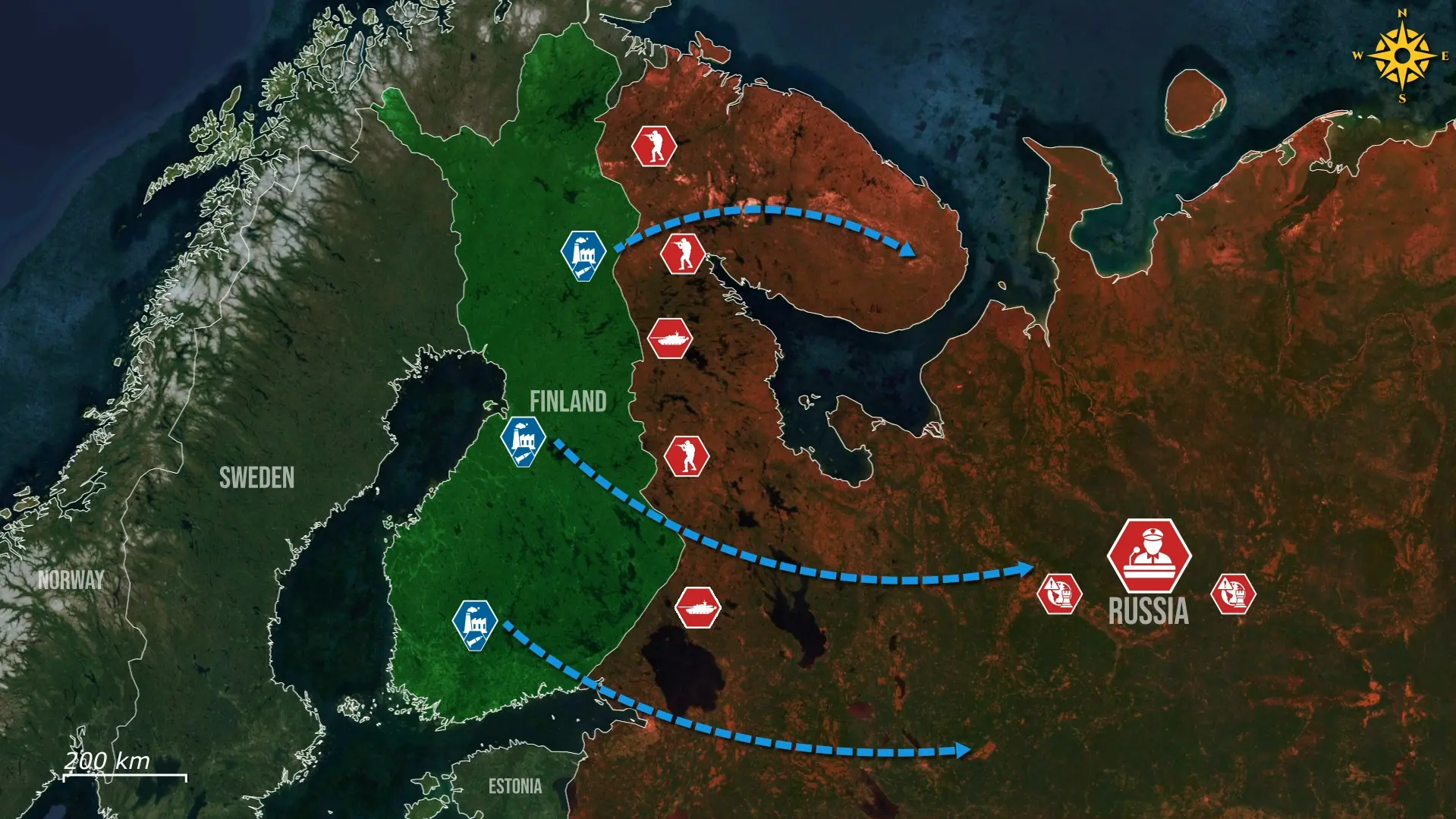
Russian officials argue that their increasingly hostile rhetoric is driven by what they describe as a rapidly worsening security situation around the Baltic region. Moscow's main justification is the claim that Ukrainian drones are now using Finnish airspace to attack Russian Baltic ports before continuing toward targets in the Leningrad region. Russian officials present this as evidence that the conflict is expanding beyond Ukraine's borders. Russian officials also point to Finland's Nato membership as a major factor behind the deterioration in relations. They argue that Helsinki is no longer acting as a neutral neighbor, but is instead becoming an increasingly integrated part of Nato's military infrastructure. The opening of a new facility to support the maintenance of Western missile systems has been cited by Russian lawmakers as another example of this trend. Taken together, Moscow portrays these developments as a pattern of growing military cooperation that directly threatens Russian security and, in its view, justifies a stronger response along the Finnish border.
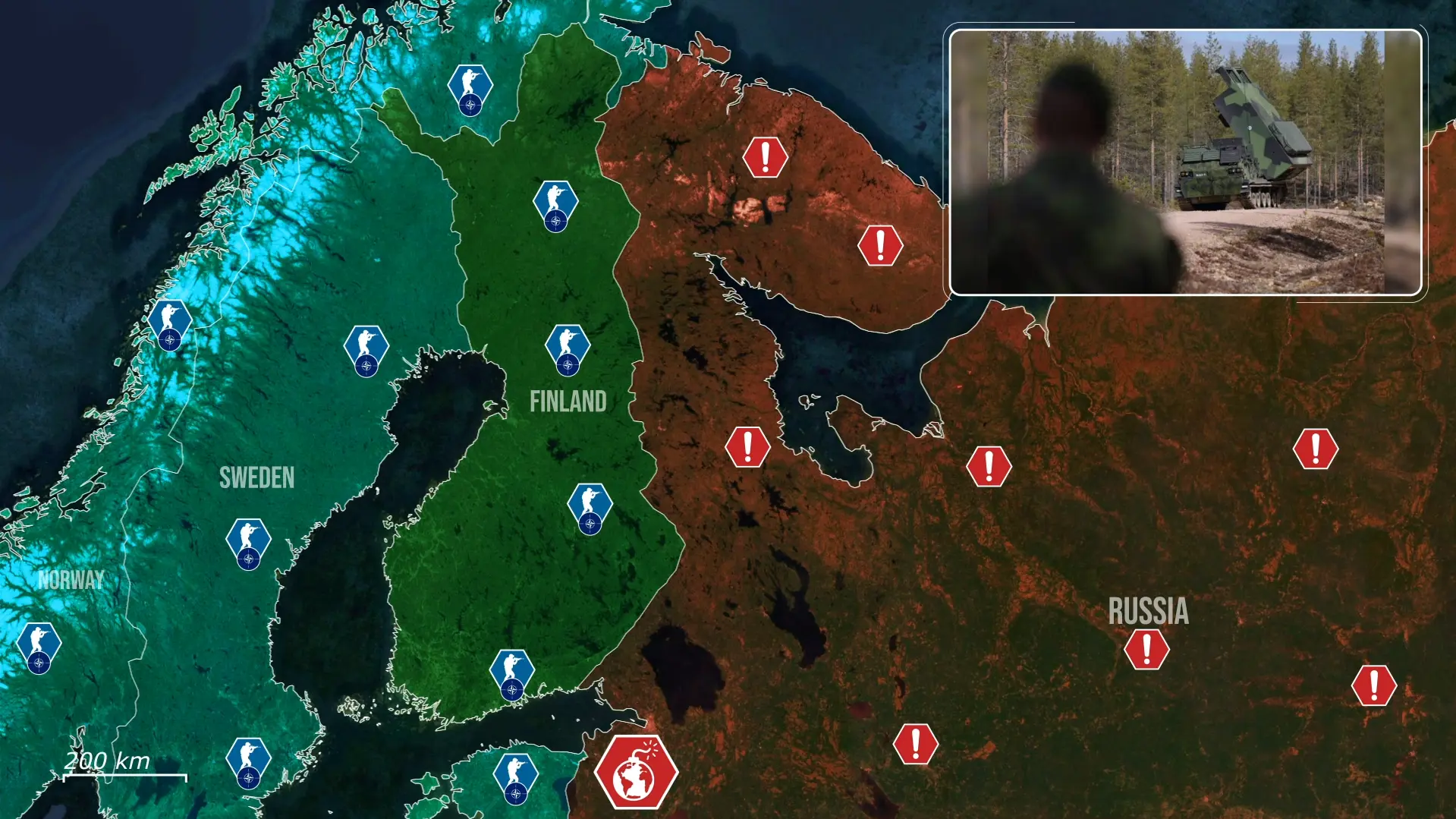
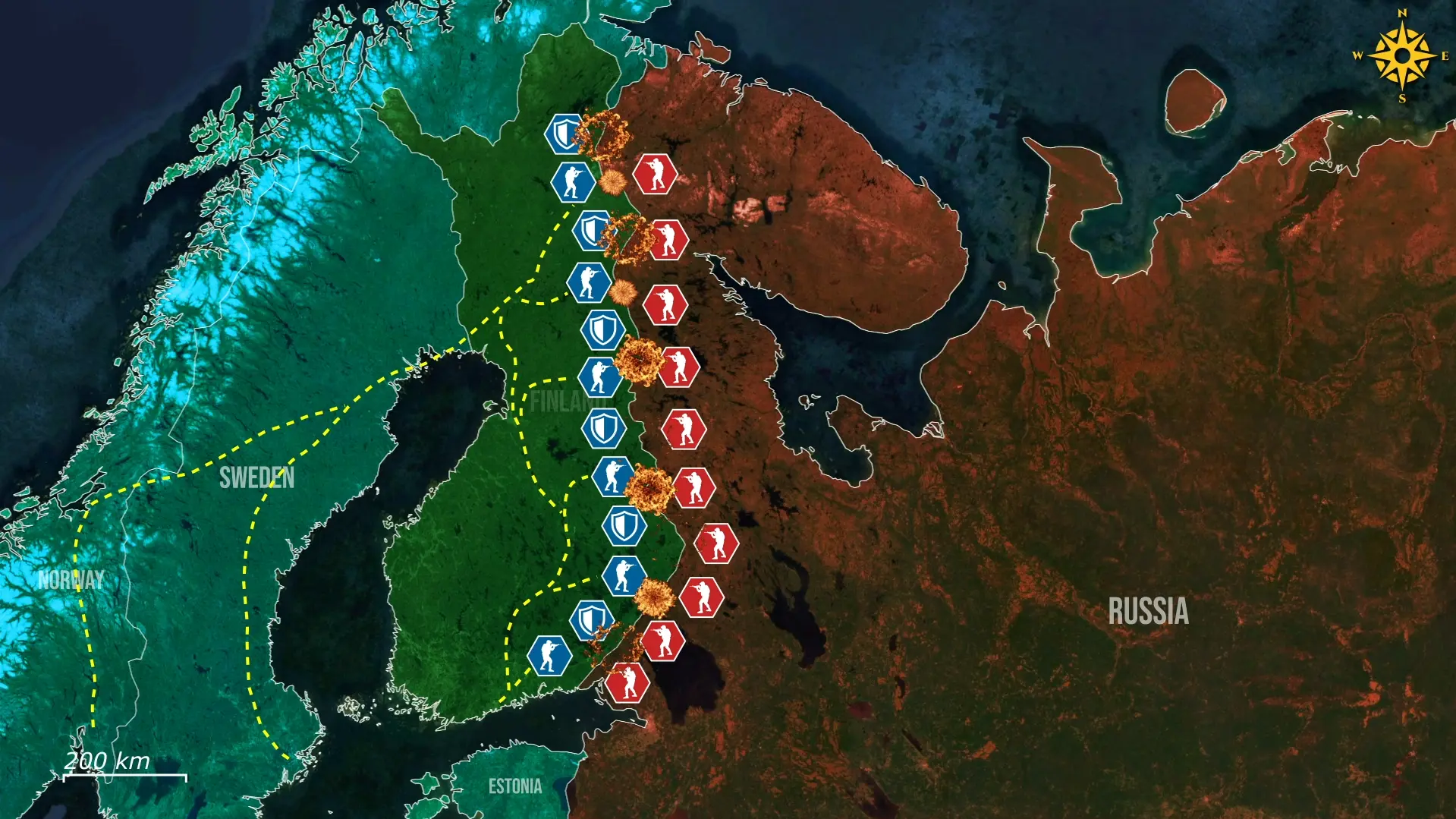
Regardless of the competing narratives over what caused the latest escalation, both countries are now increasing their military activity along the shared border. Russia has announced the deployment of additional forces to the Finnish frontier, arguing that the measures are necessary to respond to what it describes as growing security threats and repeated provocations. These announcements have been accompanied by increasingly aggressive public statements from Russian officials, reinforcing the perception that Moscow is prepared to back its warnings with military pressure. On the Finnish side, authorities have continued strengthening their defensive posture in response to the changing security environment. While Russia deploys additional troops and equipment toward the Finnish border, Finland is responding by strengthening its own defensive posture. Finnish border guards and defense forces have expanded training focused on repelling a potential cross border attack, reflecting concerns that tensions could escalate further if the situation continues to deteriorate. The simultaneous military preparations on both sides have significantly increased the level of tension along one of Europe's longest land borders. As forces continue to reinforce their positions, the risk of miscalculation or further escalation is becoming increasingly difficult to ignore.
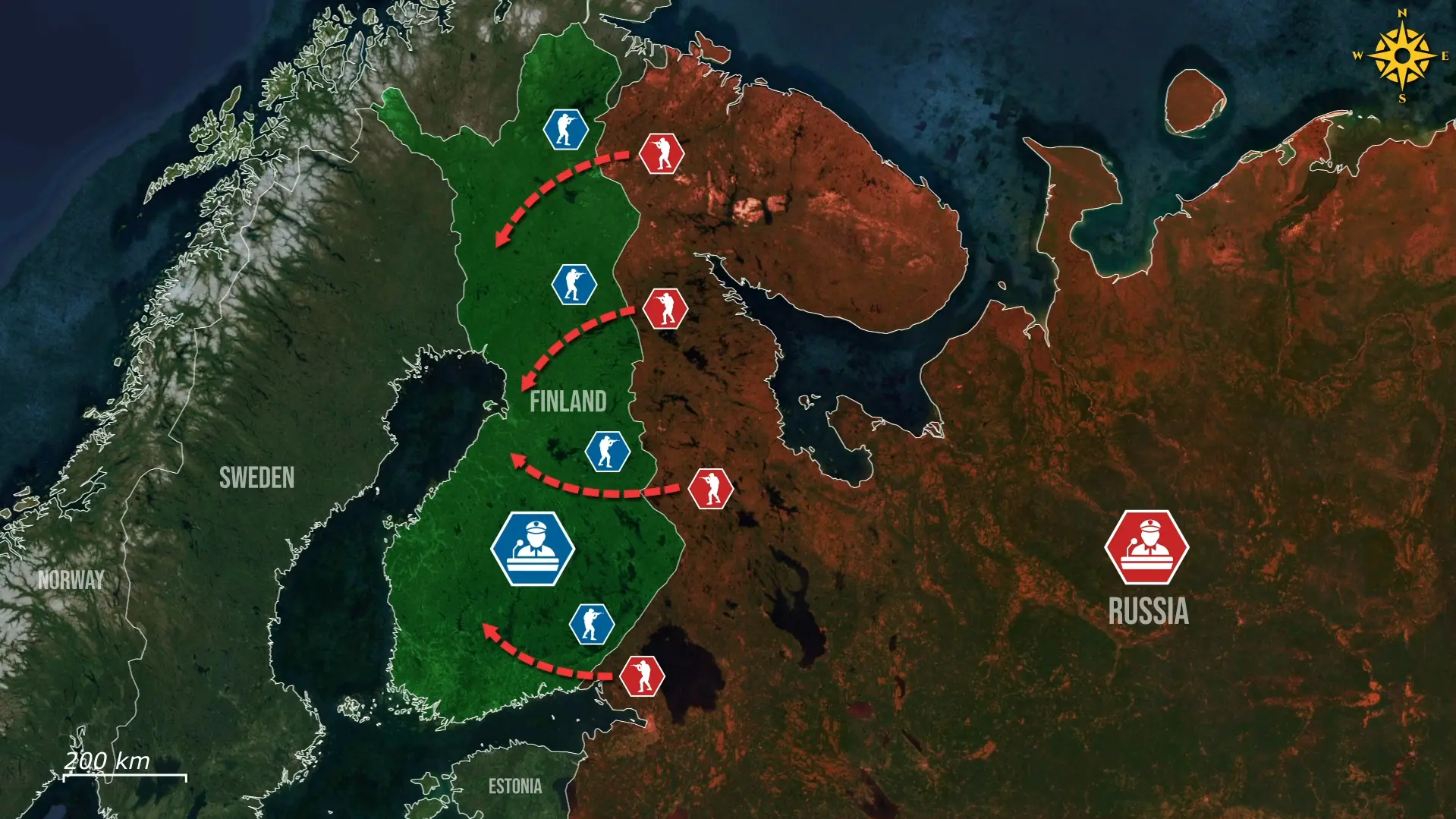
Overall, the significance of these developments lies in the steady erosion of the political and military restraints that once helped keep the Finnish-Russian border relatively stable. As Finland becomes more deeply integrated into Nato's defense structure and Russia increasingly portrays that integration as a direct security threat, both sides appear to be preparing for a prolonged period of confrontation rather than a temporary crisis. More significantly, Russia's threats are no longer limited to political rhetoric, as they are now accompanied by military deployments along the Finnish border and reciprocal defensive measures by Helsinki. If this trajectory continues, the growing concentration of troops and military assets along the Finnish Russian border will make the region an increasingly unstable flashpoint where even minor incidents could trigger a much broader confrontation.

.jpg)

Comments