

.svg)
In this video, we will analyze the evolving tensions between Russia and its former allies.
Here, the very countries that once stood under the same strategic umbrella as Russia have now become Moscow’s greatest challenge. Against this backdrop, Russia’s former allies are joining forces one by one to forge a new anti-Russia alliance, tightening the noose around Moscow from every direction.
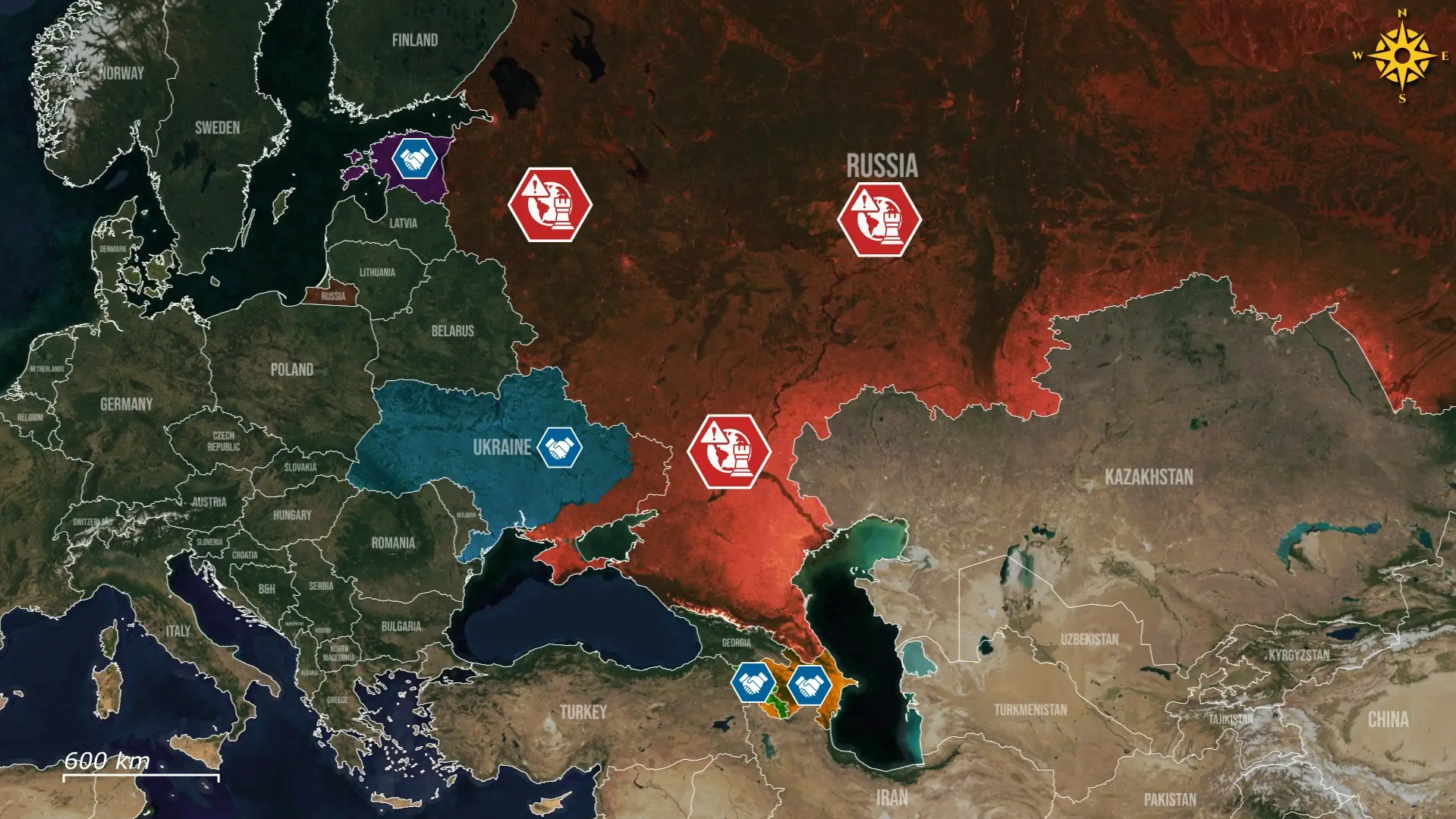
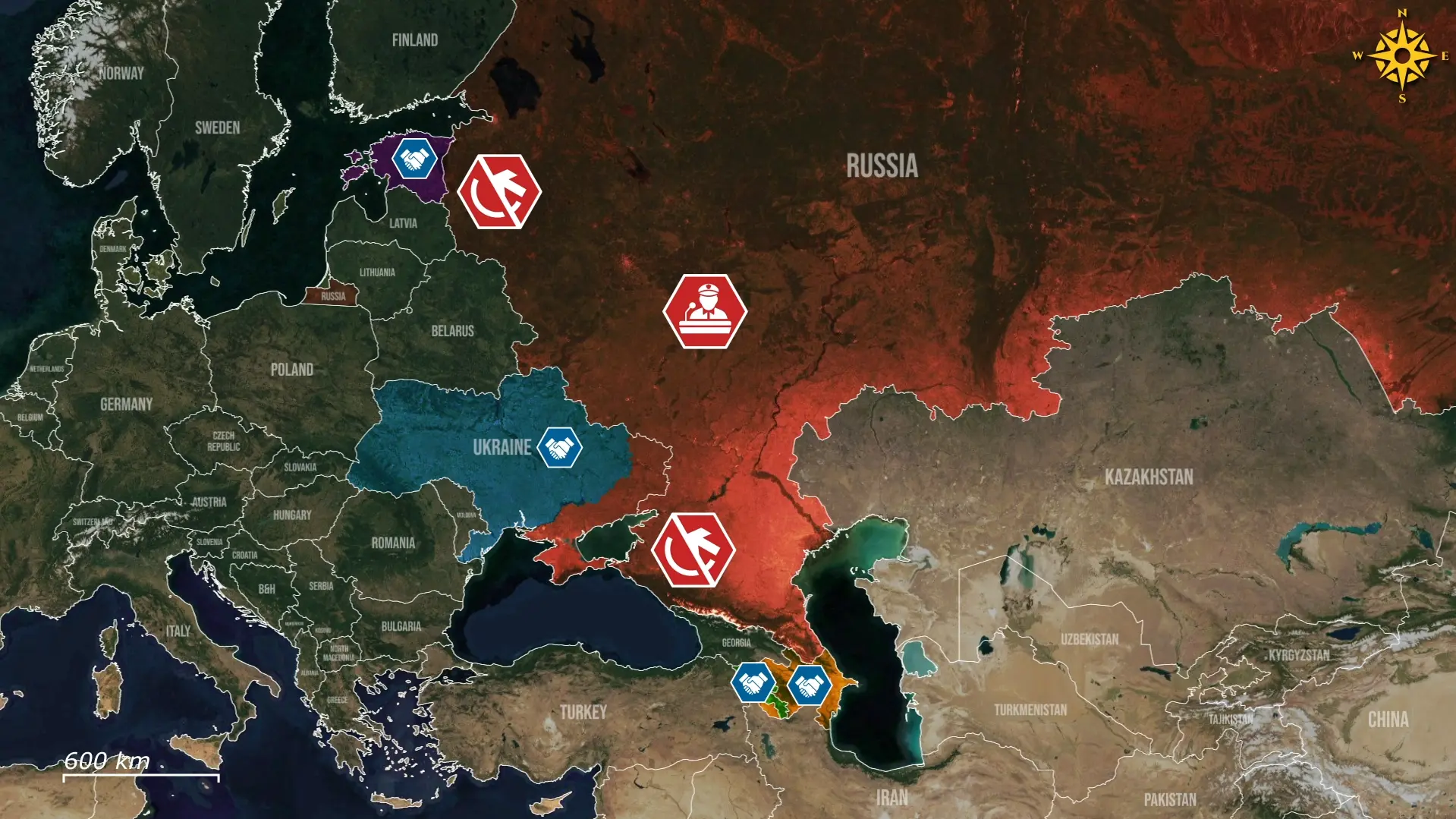
Recently, there has been intense discussion among Russians that the former soviet states of Estonia, Armenia, Azerbaijan, and Ukraine, have formed a new alliance called the Commonwealth of Eurasia, however deliberately excluding Moscow. Russian state-affiliated news sources report that these discussions are actively realizing a CIS alliance without Russia. However, it is important that zero evidence was provided to support the claims of an anti-Russian alliance, and that no official talks to form it have started between these countries.
However, it is important to note that Ukraine, Armenia, Azerbaijan, and Estonia are currently the main four countries facing various forms of direct and indirect military pressure and threats from Russia; insinuating that the Russian claim of these countries forming some sort of an anti-Russian alliance has a hidden agenda.
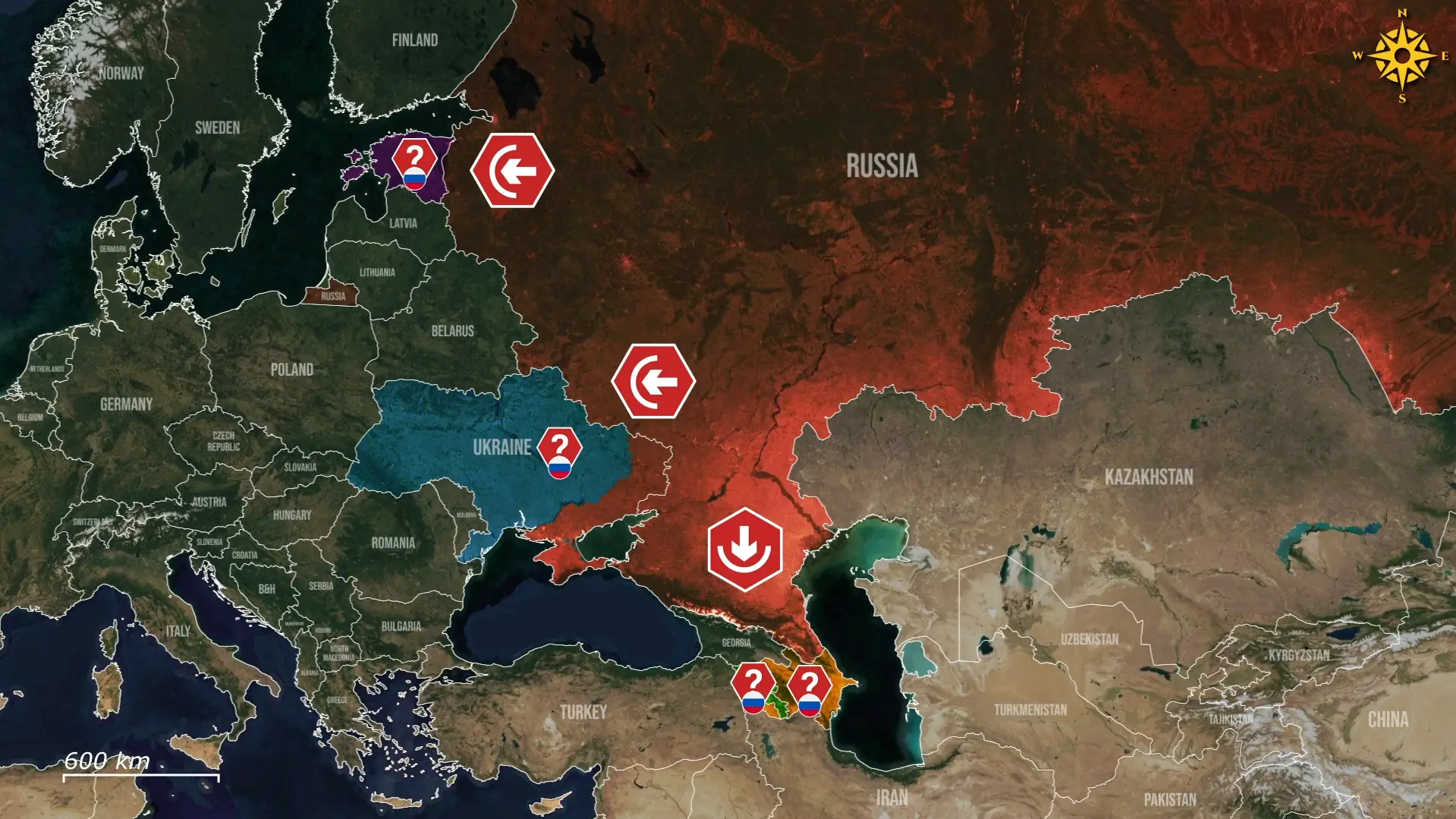
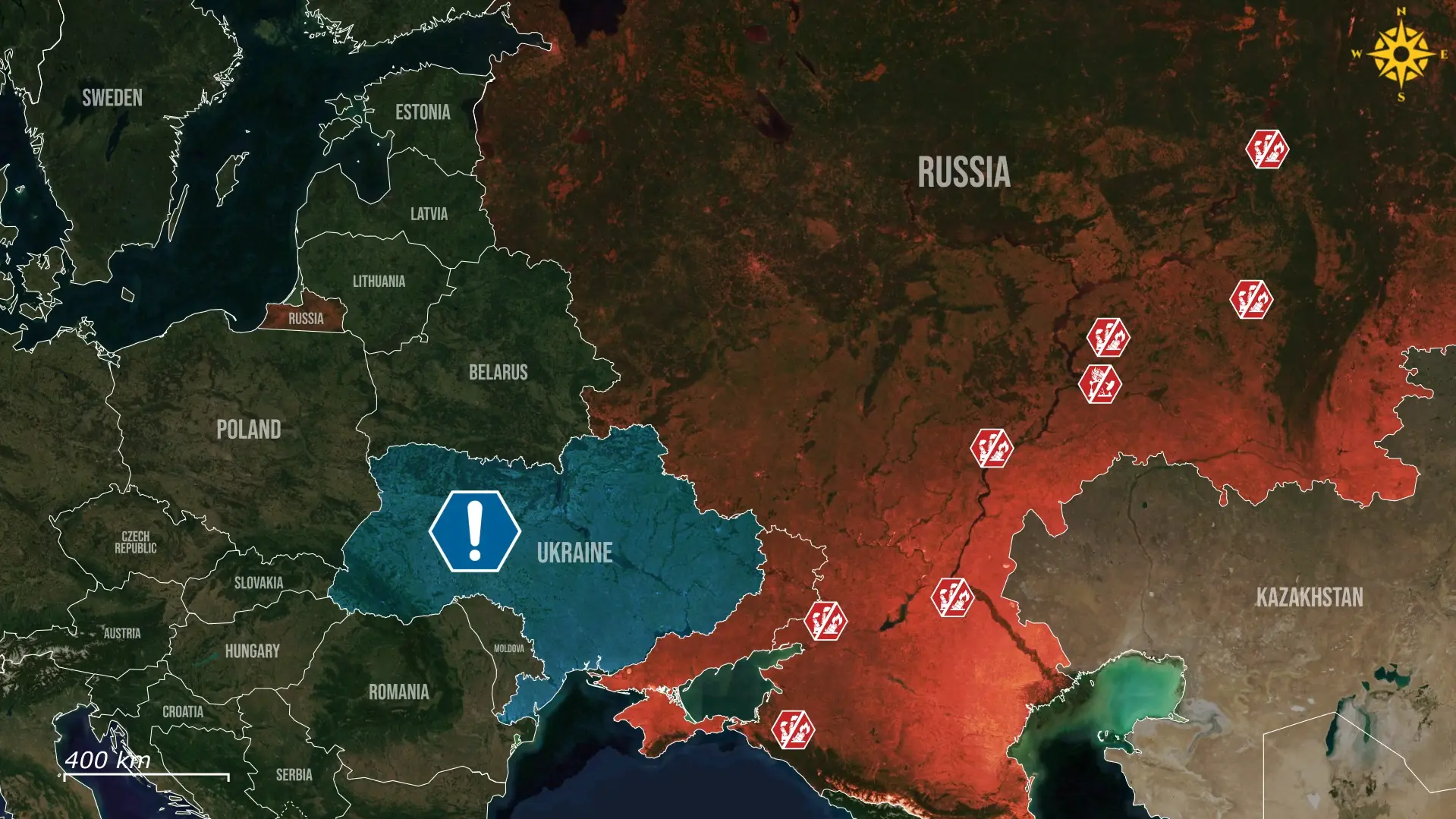
The clearest manifestation of Russia’s hidden objective to realize this agenda is already evident in its aggressive actions against Ukraine. Russia annexed Crimea in two thousand-fourteen and, in two-thousand-twenty-two, escalated the conflict into a full-scale invasion. Since then, Russia has continued its full-scale military aggression against Ukraine, and the war remains ongoing throughout the country. Such aggressive actions by Russia are not confined to just Ukraine; rather, their scope is expanding to other countries across Europe.
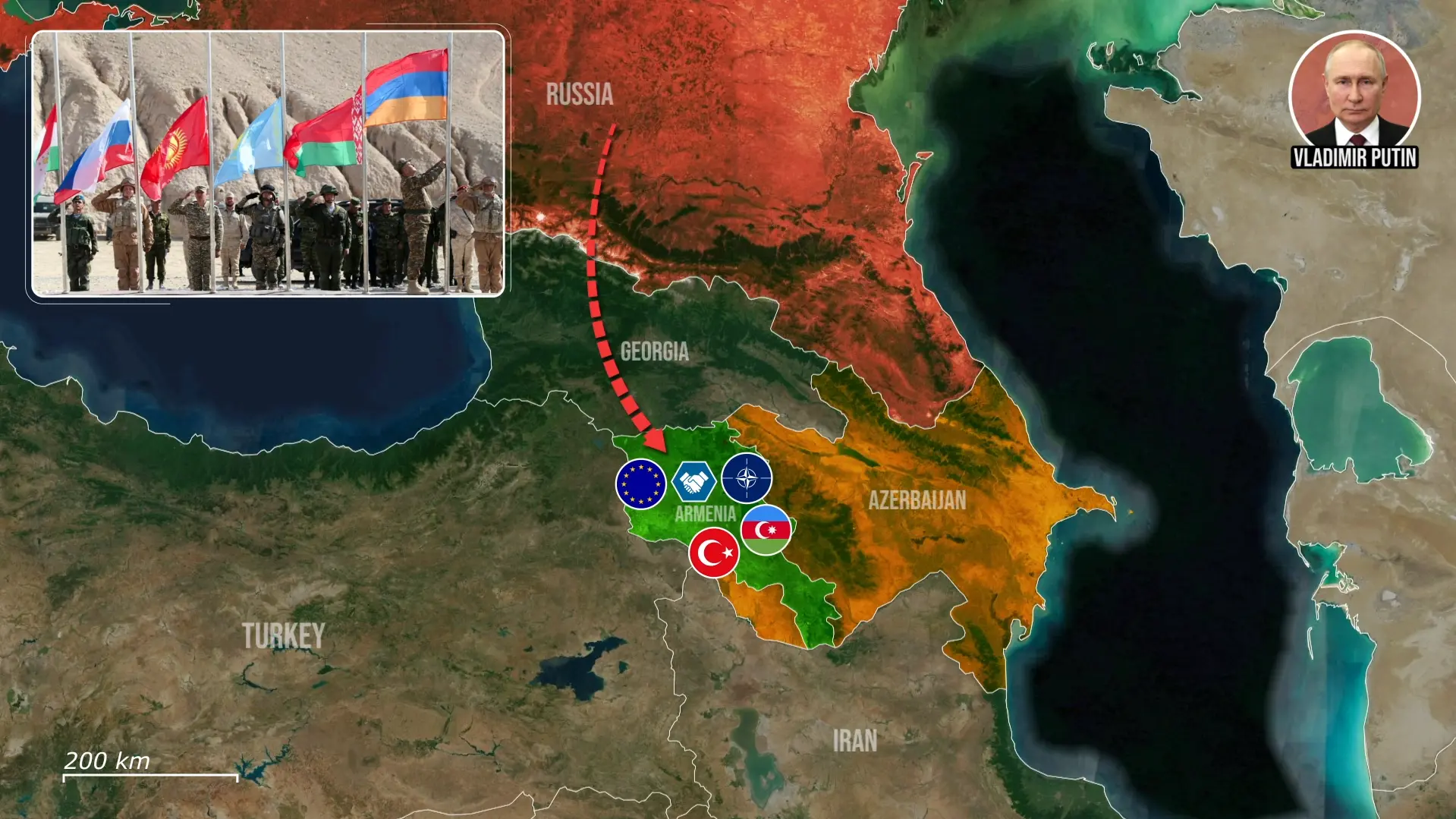
In parallel, Armenia is under intense political and economic pressure from Russia. After the country formally abandoned the CSTO military alliance after Russia failed to intervene in latest Nagorno-Karabakh war, Armenia has taken massive steps to deepen its relations with the European Union, Nato alliance, and its former adversary neighbors of Turkey and Azerbaijan. Russian President Vladimir Putin has already warned that if this course continues, Armenia could also face a Ukrainian scenario. At the same time, Russia has reportedly threatened to halt exports of gas, petroleum products, and rare earth minerals to Armenia, while imposing strict restrictions on Armenian agricultural imports, as well as conducting large information warfare campaigns as Russia tries to maintain its military foothold in the country.
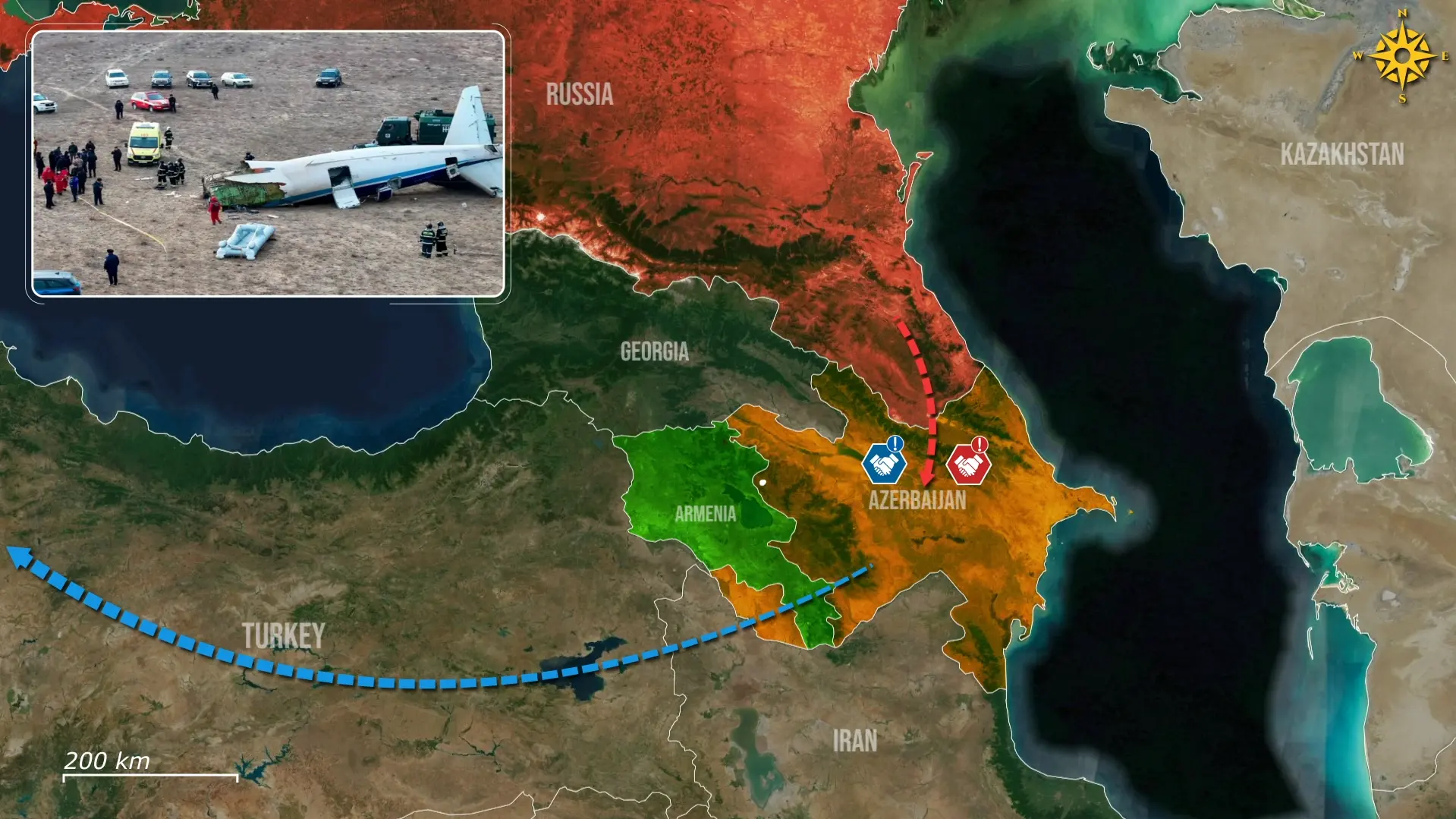
Furthermore, tensions between Azerbaijan and Russia began in December two thousand twenty-four, when an Azerbaijani passenger aircraft was shot down as a result of an impact from Russian air defense systems. This incident is regarded as the most serious crisis in bilateral relations in the post-Soviet period. Azerbaijan, as part of an ongoing strategy to reduce Russian influence, initiated efforts to deepen its diplomatic and economic relations with Western countries. In this context, Azerbaijan has joined the new Zangezur transport corridor project, bypassing traditional transport routes controlled by Russia. As a result, Moscow’s long-standing influence over trade flows in the South Caucasus will gradually weakening, which Russia perceives as a direct strategic challenge.
In the case of Estonia, Russian pressure is largely hybrid in nature, avoiding direct military aggression in favor of indirect tactics, such as GPS signal interference, cyber and information warfare through the spread of disinformation, and the creation of security and separatist tensions in border areas. Through these measures, Russia is attempting to undermine Estonia’s internal stability, an approach widely regarded as part of a broader strategy of the same political and strategic pressure exerted on Ukraine before triggering the war in Donbas.
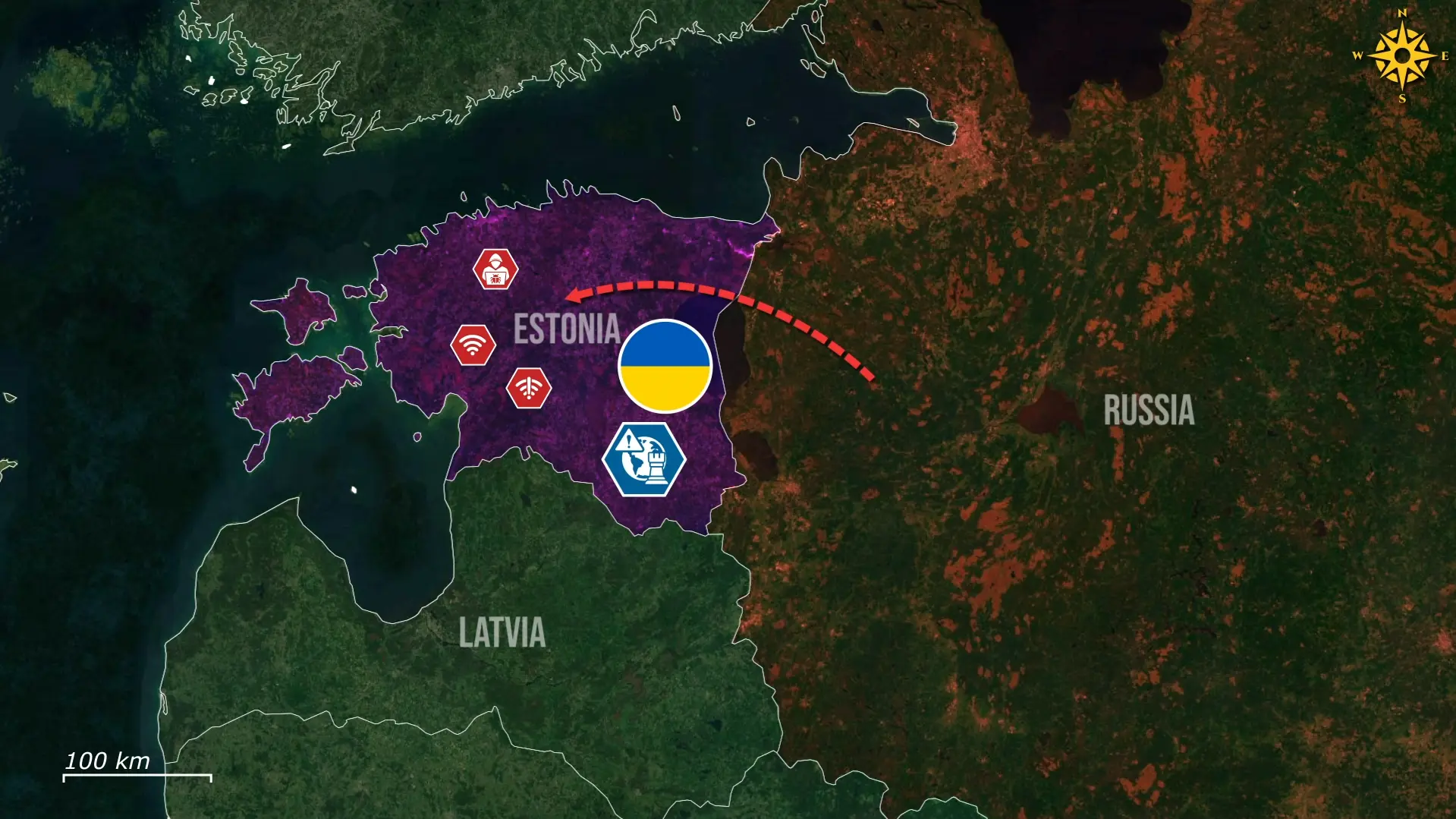
With this in mind, the claim regarding the formation of an anti-Russian CIS alliance has no evidence becomes part of something bigger. For a long time, a notion has prevailed in Russia’s state discourse that the country is encircled by Western and Nato-aligned forces. As a result, various alliances and forms of cooperation among these countries are viewed not merely as outcomes of independent foreign policy decisions, but as part of a coordinated anti-Russian containment structure. Through this interpretation, Russia primarily strengthens their own nationalist sentiments in the Russian people, and portrays the sovereign decisions of neighboring countries as part of a Western conspiracy. In doing so, Russia can systematically construct a sense of existential crisis, presenting itself as a state that is insecure and under constant threat. The ultimate effectiveness of this fear-based narrative lies in its ability to provide a pre-established justification for any future military aggression as a defensive response in the eyes of both domestic and international public opinion. Its real manifestation has already been observed in the case of Ukraine, and there is also concern that similar strategies may be repeated in relation to other neighboring countries.
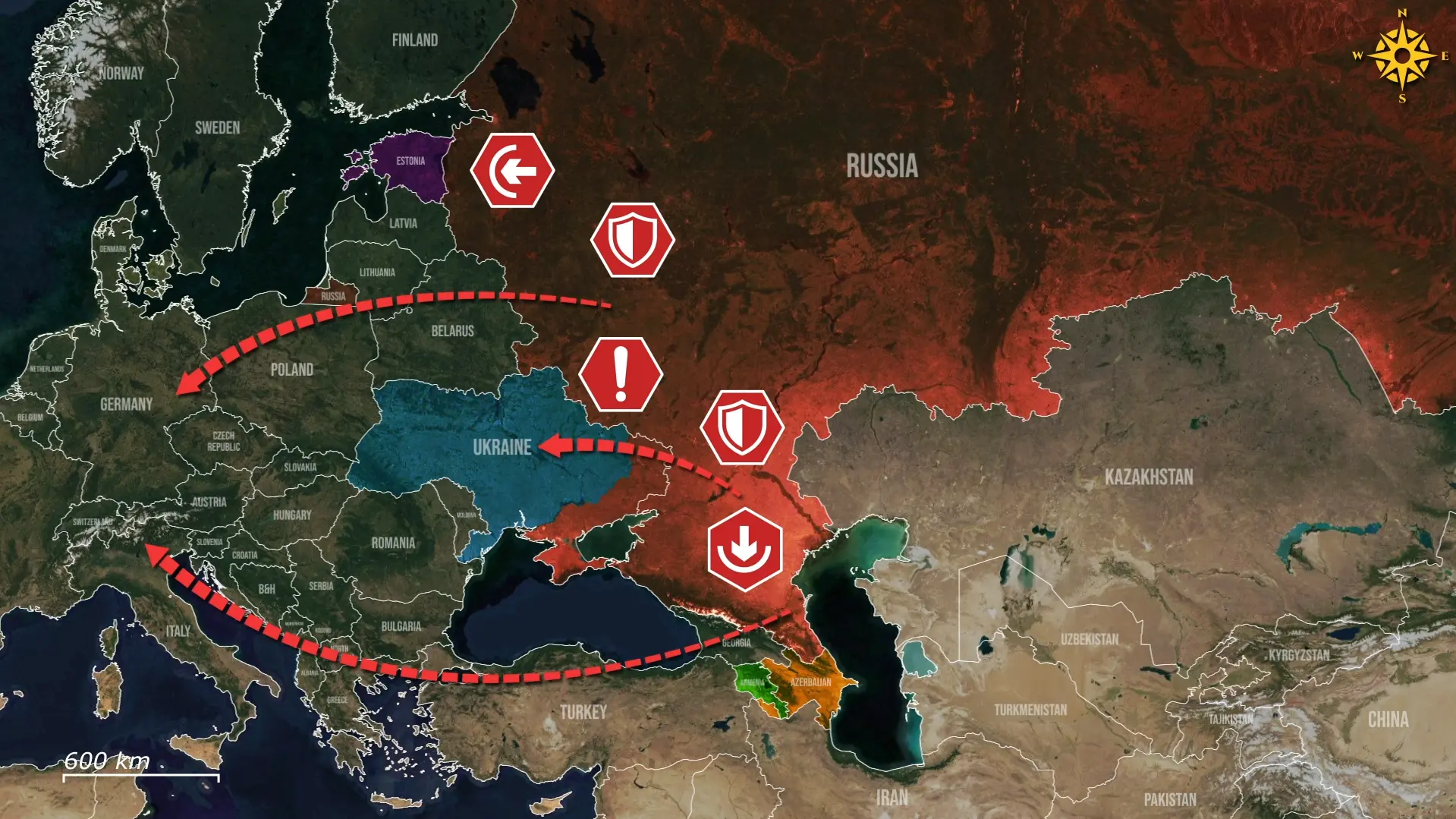
Overall, Russia is simultaneously exerting military, economic, and cyber pressure on Ukraine, Armenia, Azerbaijan, and Estonia while portraying these very same countries as conspirators plotting against Moscow. This indicates that the allegation is not a reflection of reality but rather a strategic narrative constructed to legitimize Russia’s own aggressive policies and potential future actions. At the same time, the primary motivation behind this narrative is Russia’s fear of losing its historical influence and regional dominance. As the countries within the post-Soviet sphere of influence increasingly orient themselves toward the West, Moscow portrays this shift not as the natural outcome of their independent foreign policy choices but as part of a deliberate external conspiracy.

.jpg)

Comments