

.svg)
In this video, we will analyze why the Brics is falling apart.
For years, Brics presented itself as a coalition of rising powers that would challenge Western influence and reshape the global economic order. Russia now watches its partners increasingly turn against each other at the worst time as rivalries and distrust begin straining the unity that once defined the bloc.
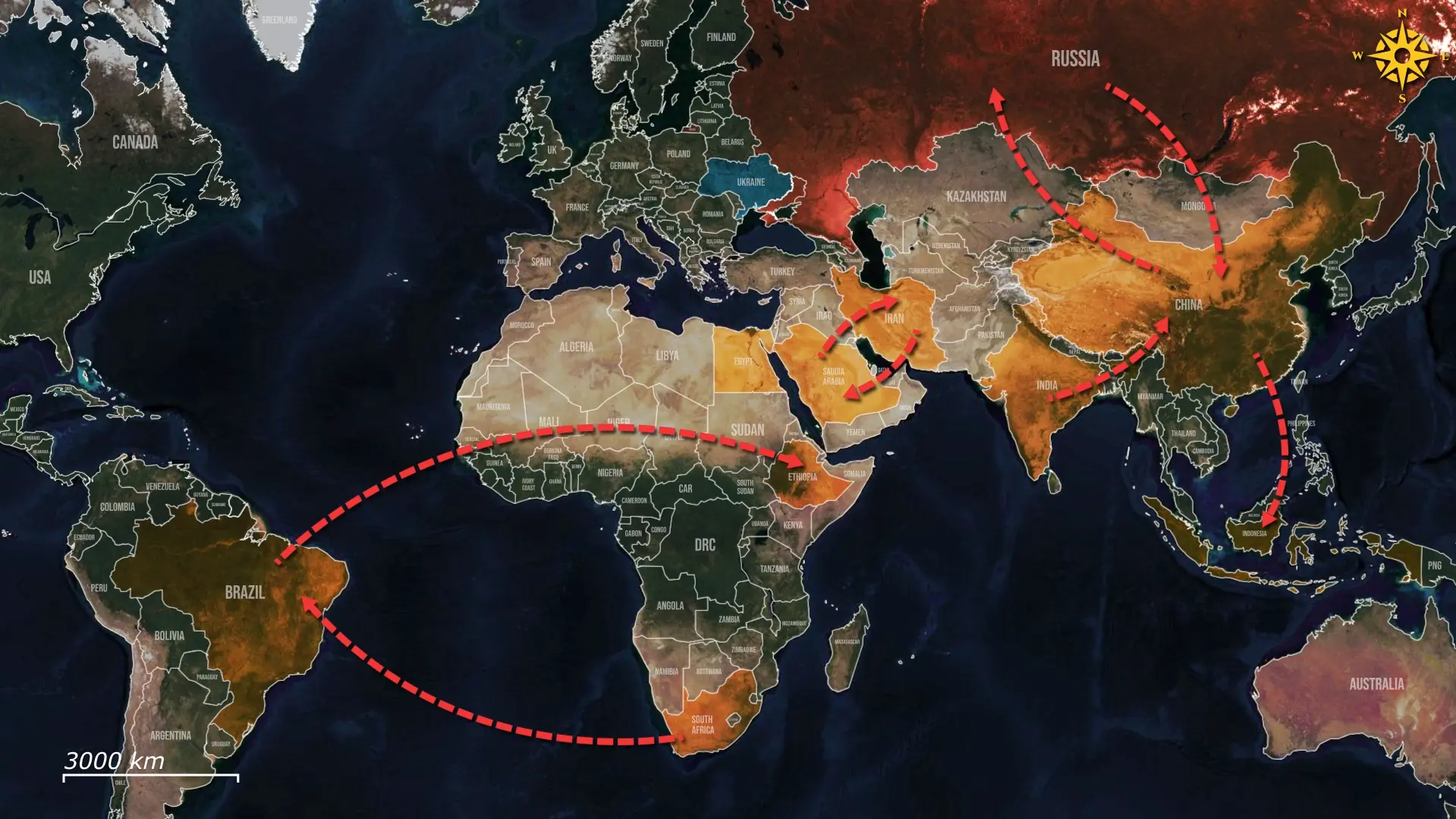
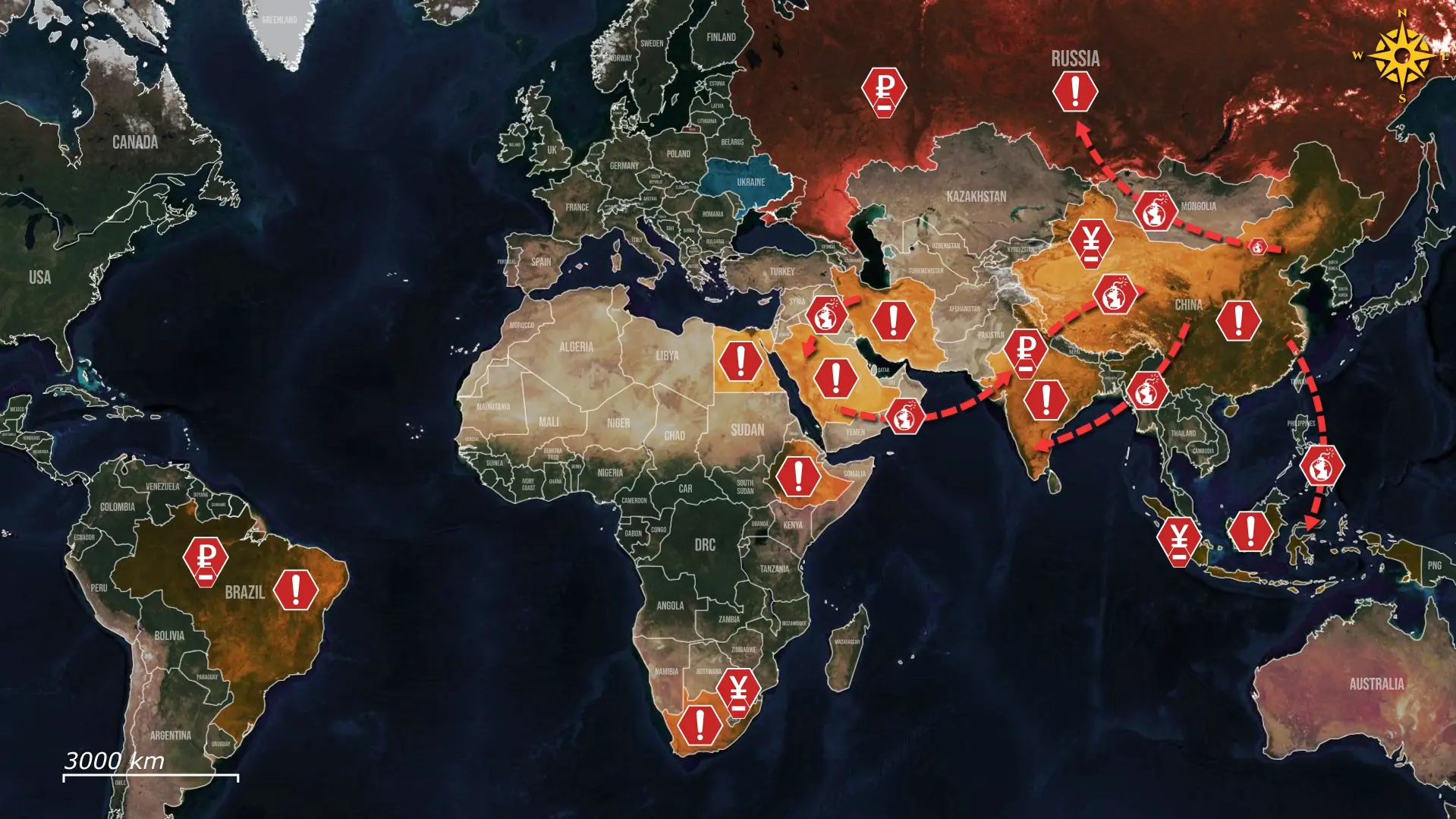
The idea of Brics acting as a unified geopolitical bloc becomes harder to sustain when its members increasingly support interests that collide with one another. China and India remain divided by long-standing border disputes while simultaneously competing for influence across Asia and the Indian Ocean region. India has strengthened strategic cooperation with the United States and partners in the Indo-Pacific through arrangements such as Quadrilateral Security Dialogue, an initiative widely viewed as balancing China’s regional influence. China maintains close relations with Pakistan, India’s principal regional rival. Russia has also strengthened defense and energy cooperation with China while simultaneously maintaining close ties with India, two Brics members that continue competing for regional influence and remain divided by long-standing strategic tensions. Instead of moving in a common direction, national interests increasingly pull Brics members toward different strategic partnerships.
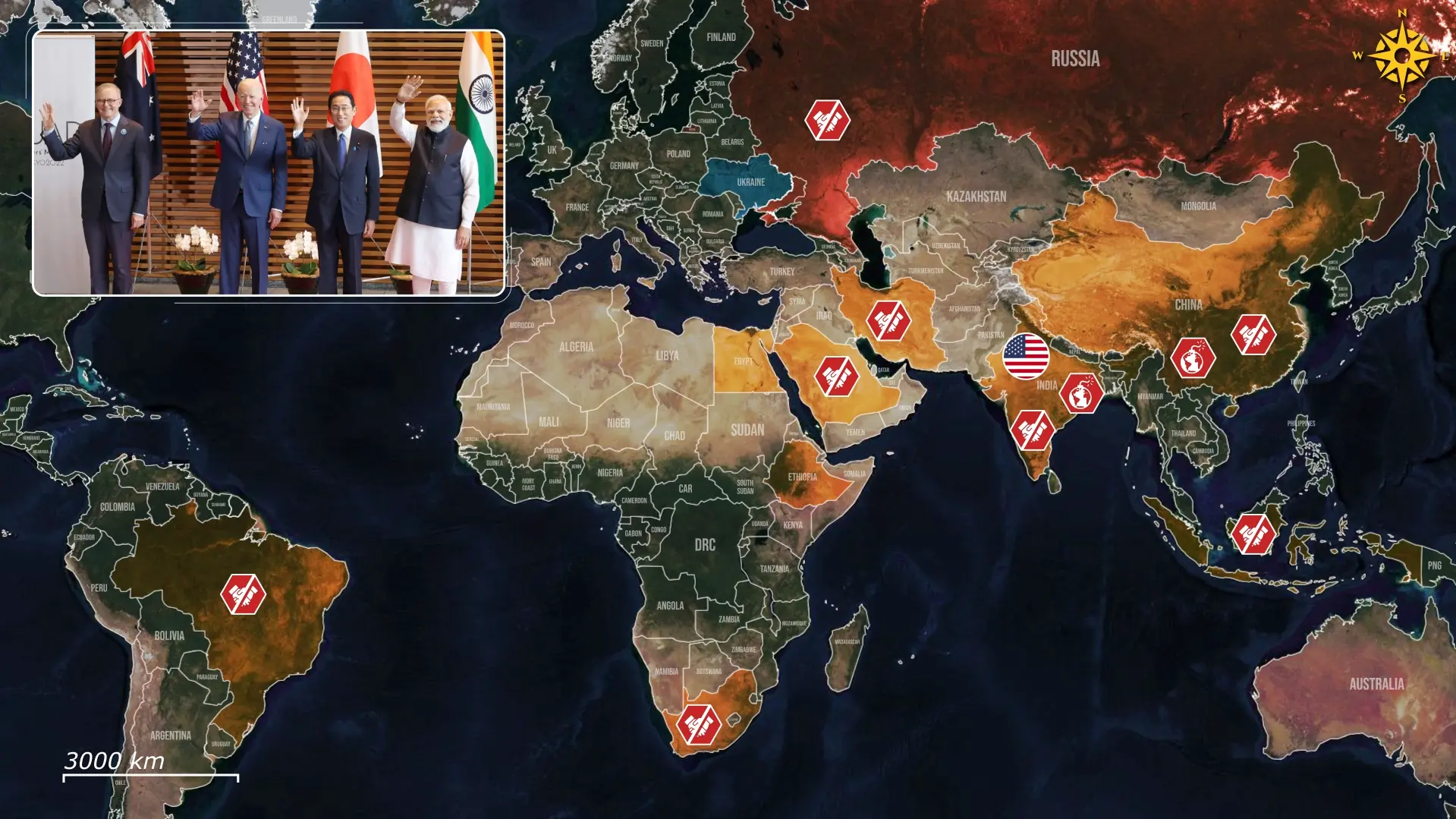
As a result, the geopolitical tensions inside Brics increasingly spill into the bloc’s economic ambitions, as the members operate on very different economic scales, creating structural imbalances inside the group itself. China accounts for more than half of the combined economic output of the original five Brics economies, giving Beijing far greater economic weight than its partners. Russia has faced sanctions pressure and trade disruptions, following the war in Ukraine, while South Africa has struggled with persistent energy and structural constraints, including electricity shortages linked to the state utility Eskom. Brazil also faces issues, as the country has periodically dealt with slower growth and fiscal pressures, due to its economic policy. These differences create uneven priorities because countries facing different economic realities rarely pursue the same long-term financial strategy at the same speed.
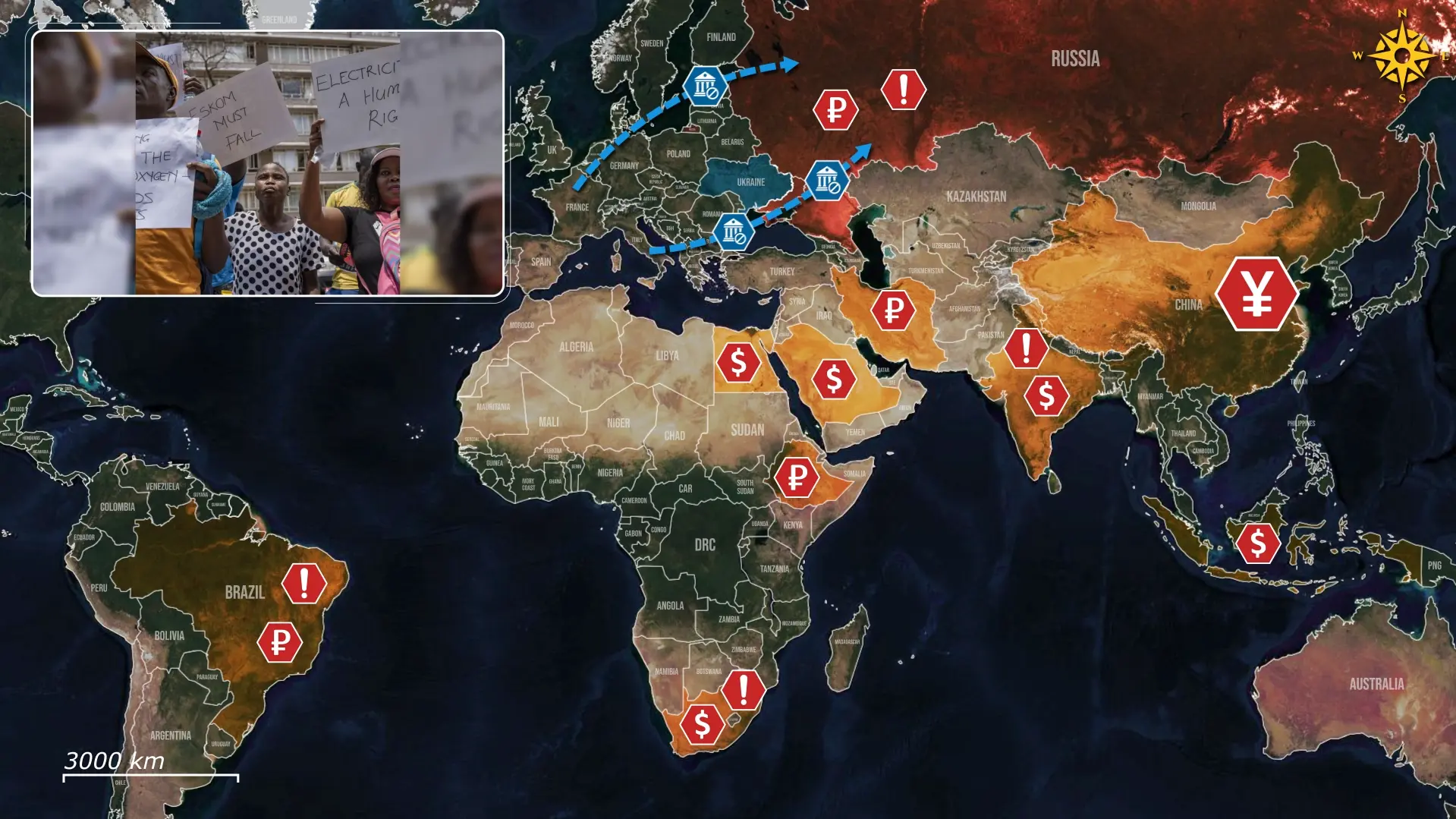
As internal pressures grew, Brics increasingly searched for ways to reduce reliance on Western financial systems and the dominant role of the US dollar in global trade. One of the most discussed ideas involved creating a common settlement mechanism or eventually a shared currency framework that could support transactions between members. The proposal gained attention because Russia pushed for alternatives after sanctions pressure and because China has long supported greater international use of its currency. However, the project immediately ran into deeper structural obstacles. China’s economy is several times larger than those of most other members, India has shown caution toward arrangements that could increase Beijing’s financial influence, and the members maintain very different monetary systems, making a unified currency framework politically and economically difficult.
After the difficulties surrounding a shared currency, Brics shifted toward a more practical alternative focused on payment infrastructure rather than monetary unification. Instead of replacing national currencies, the proposal focused on developing the Brics Pay system, designed to allow members to conduct transactions outside traditional Western-dominated financial networks. The approach focused on expanding local-currency trade and connecting national financial systems more closely. This option required less political integration and fewer economic concessions than creating a single currency. It also allowed members to preserve control over their own monetary policies while still attempting to reduce financial dependence on external institutions.
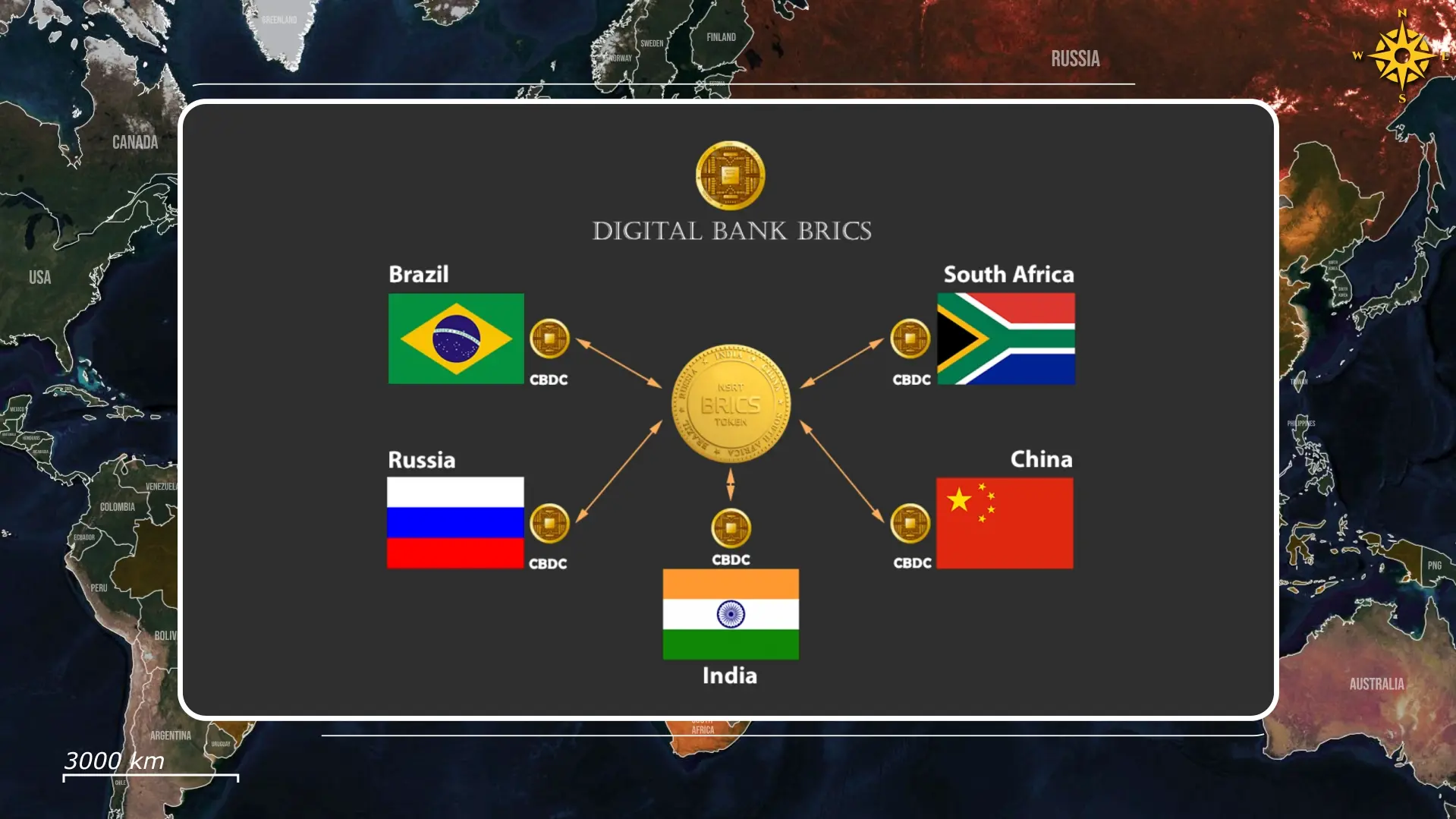
Today however, the effort has moved away from large symbolic ambitions and toward slower and smaller steps. Trade in national currencies has expanded, particularly between Russia and China, while India has also increased the use of local-currency arrangements in selected transactions, but broader coordination across the entire bloc remains uneven. Different strategic priorities still affect the pace of cooperation, with Russia and China strongly supporting efforts to reduce dependence on Western financial systems, while countries such as India and Brazil have generally taken a more cautious approach by balancing those initiatives with broader economic and trade relationships. Rather than becoming a fully unified economic framework, the initiative currently appears to function as a collection of parallel efforts that advance at different speeds and with different levels of commitment.
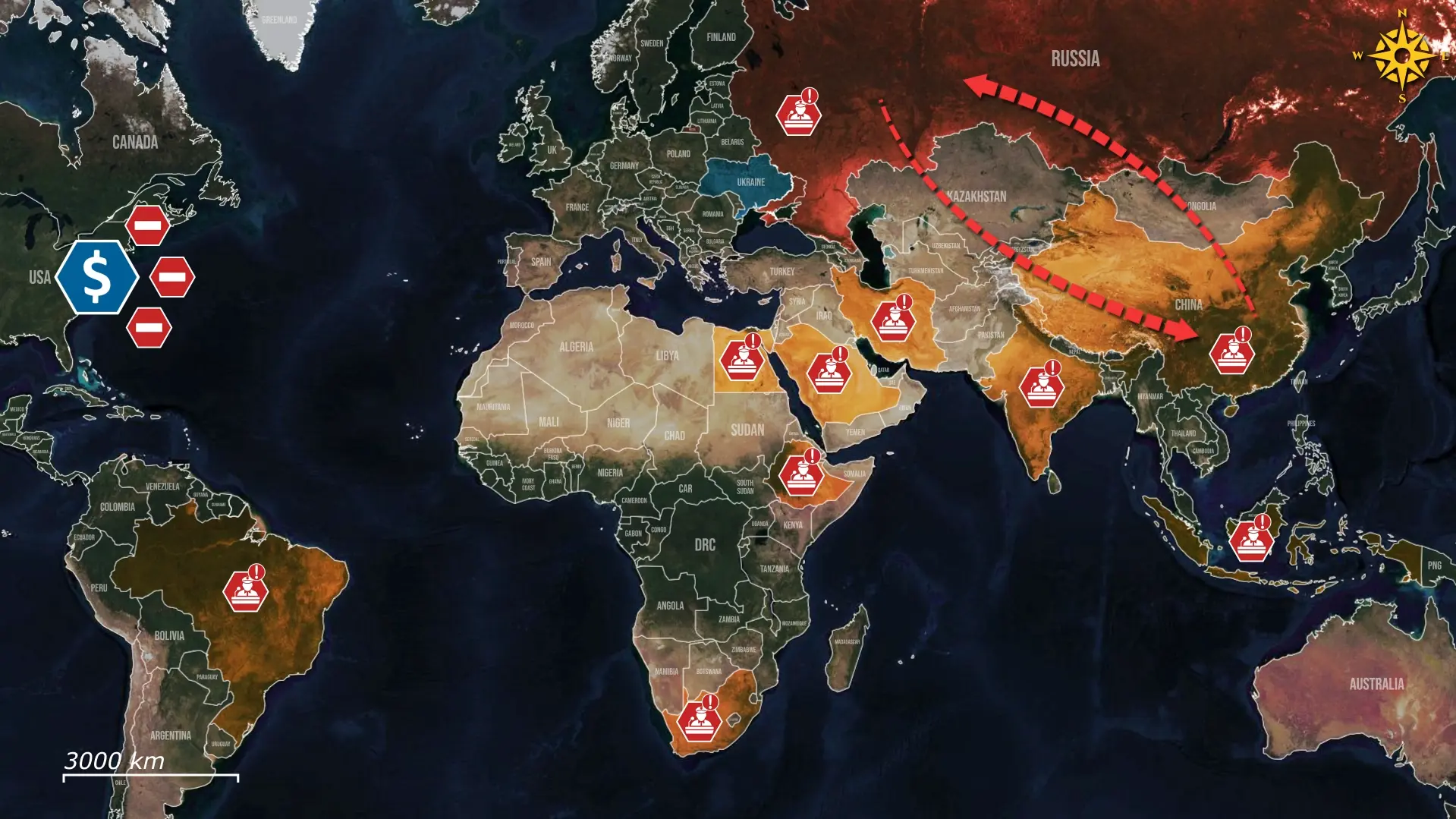
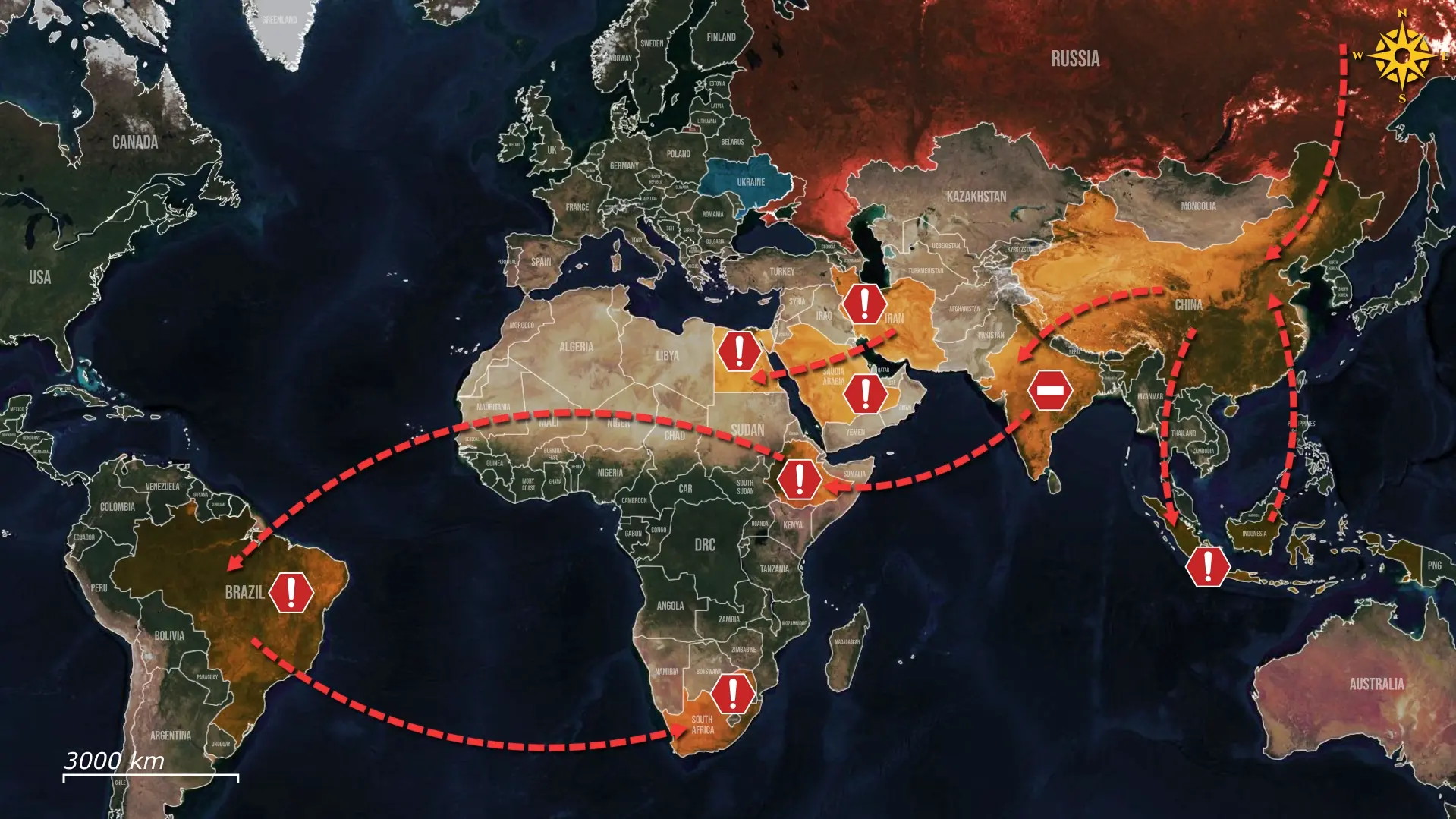
Overall, the developments inside Brics point toward a deeper problem than disagreements over trade or economic coordination. The bloc was built on the idea that shared opposition to parts of the existing global order could unite its members, yet rivalries and competing ambitions are increasingly pulling that foundation apart from within. Economic projects meant to strengthen the group have repeatedly run into the same obstacle because financial cooperation becomes difficult when strategic trust continues weakening. If these internal pressures continue growing, the biggest threat to Brics may not come from outside pressure but from members increasingly undermining one another from within.

.jpg)


Comments