

.svg)
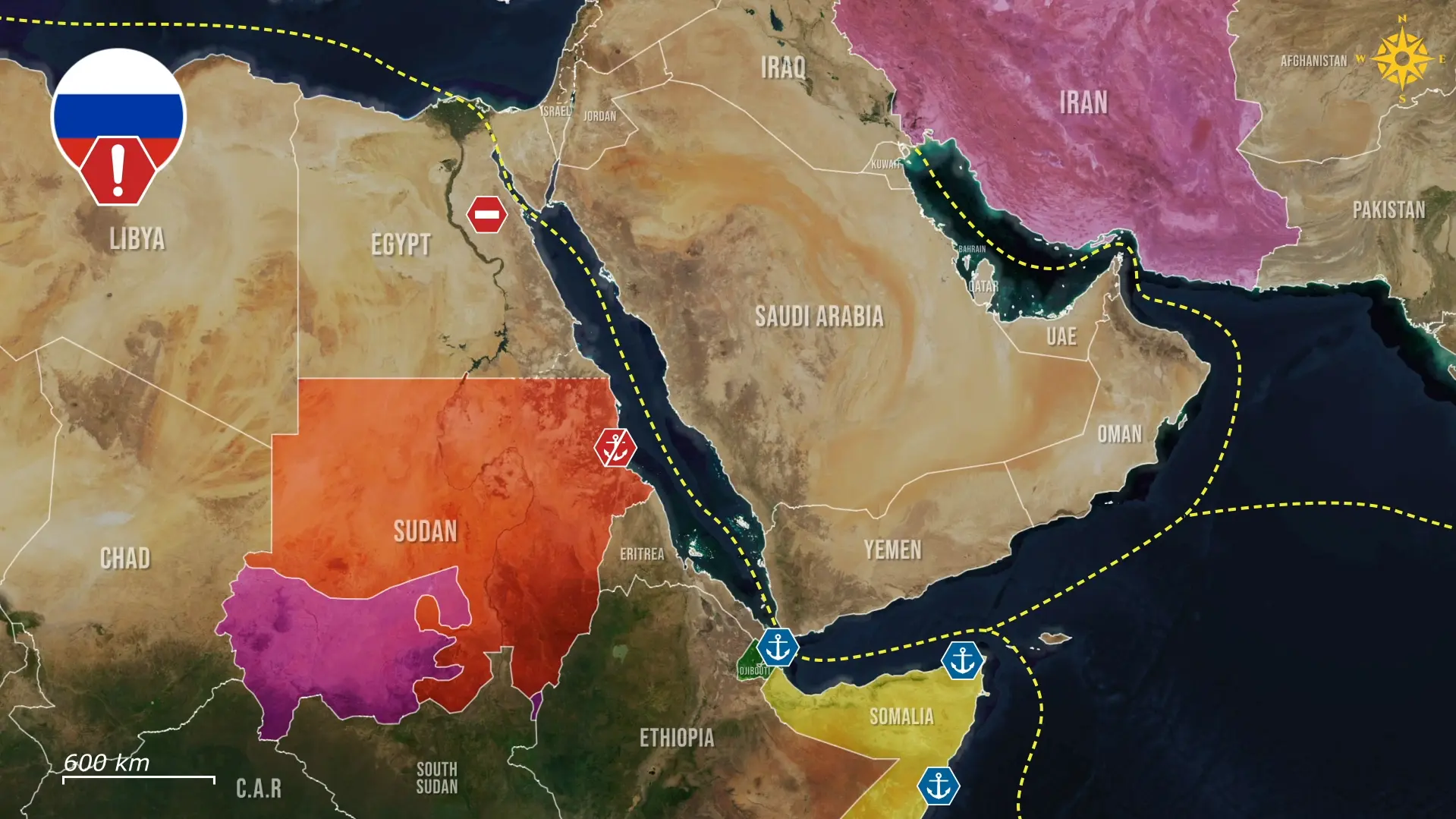
For years, Russia has aimed to build a naval base in Port Sudan, but the project has turned into a strategic failure that is becoming increasingly costly with time. From the moment Russia began negotiating the plan in two thousand twenty, Moscow pursued a permanent Red Sea foothold that would extend its reach toward the Indian Ocean.
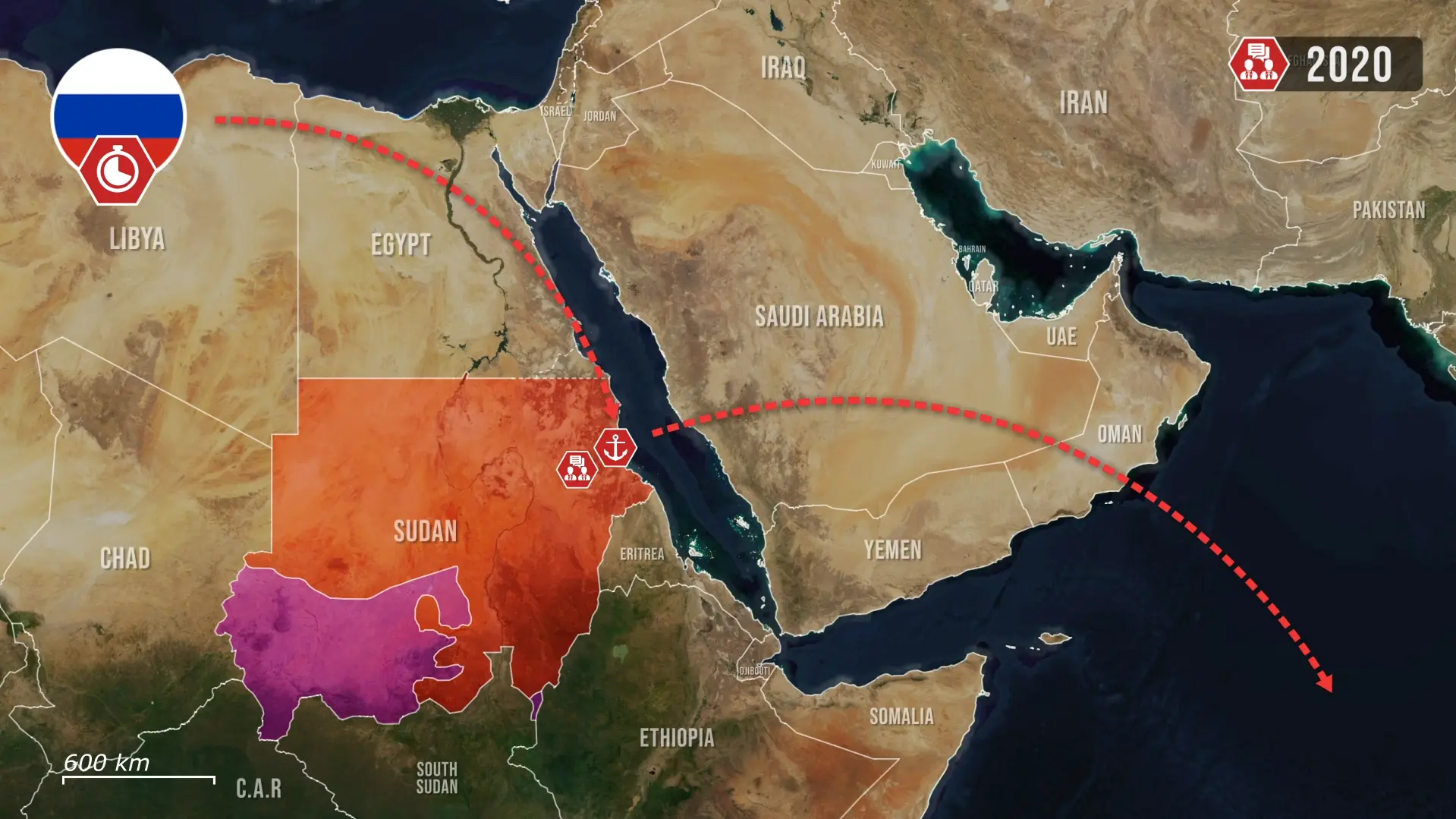
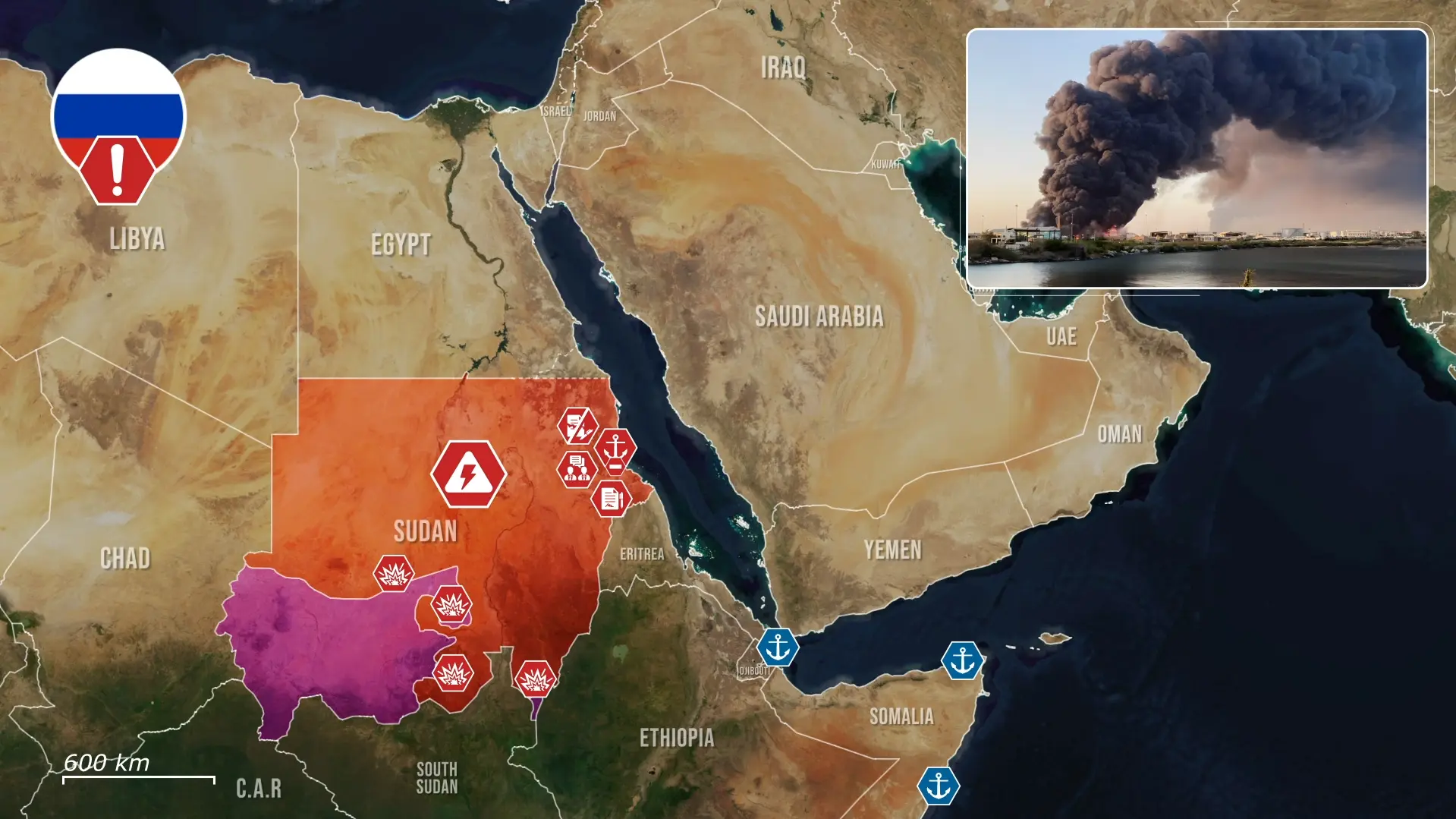
However, Sudan’s civil war between the Sudanese Armed Forces and the RSF repeatedly disrupted the agreements and the planning of the Russian naval base. In this unstable context, Sudan’s political leadership repeatedly changed course, at times confirming the agreement and at other moments delaying or freezing it, while logistical problems have further prevented Russia from turning the deal into an operational base. Additionally, Port Sudan was hit by drone attacks linked to the RSF in May two thousand twenty five, further undermining the project. Hence, the naval base remains stalled while Russia’s competitors already maintain established military footholds across the region, leaving Moscow without a permanent position at one of the worst possible moments to fall behind.
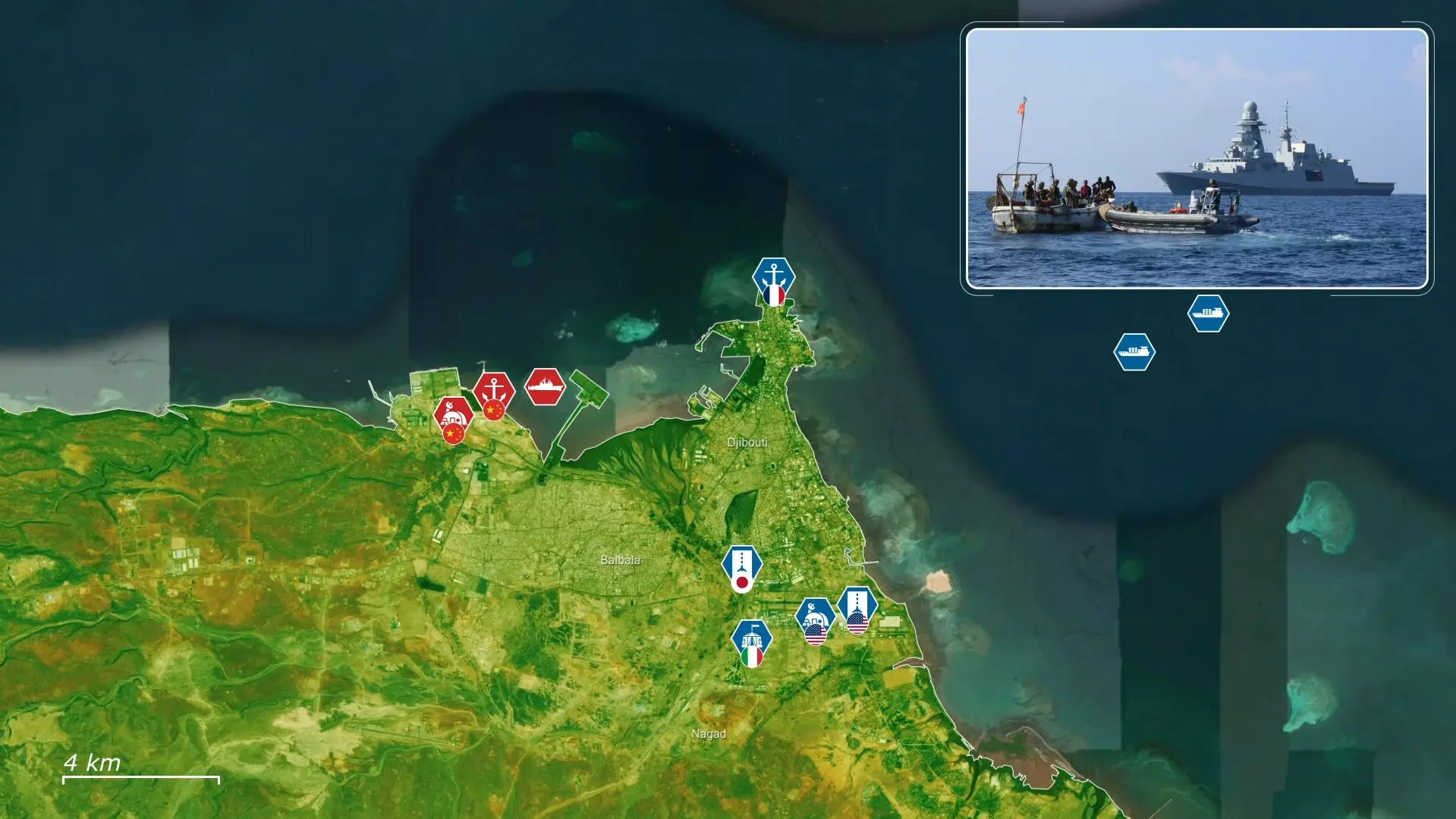
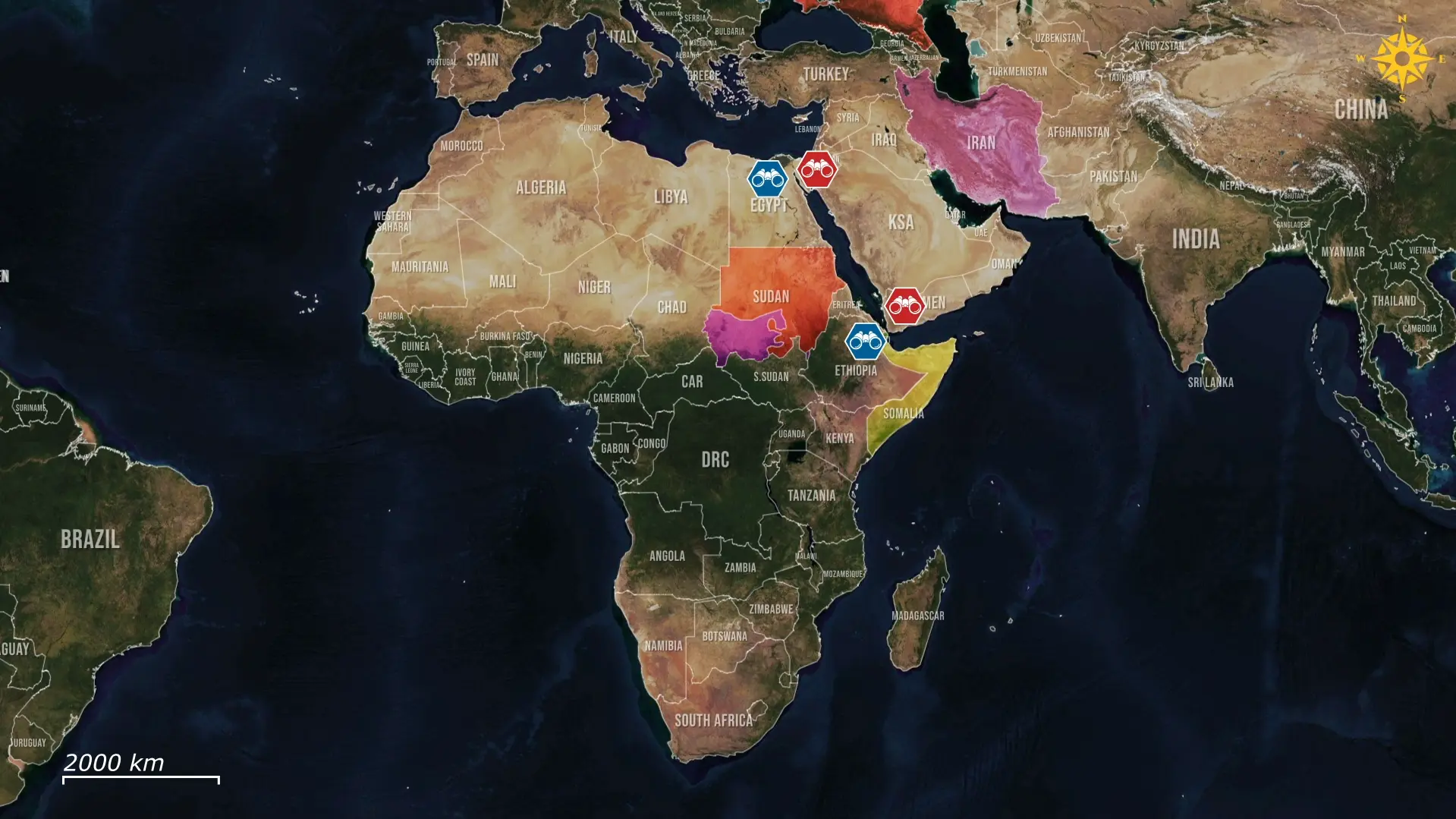
Notably, Djibouti has become one of the most militarized territories in the world, hosting American, Chinese, French, Italian, and Japanese facilities that operate across the Gulf of Aden and the Bab el Mandeb. The United States operates Camp Lemonnier, its largest and most capable base in Africa, serving as a platform for counterterrorism missions and cementing regional power projection. China opened a large naval base in two thousand seventeen, marking the first Chinese overseas military facility and securing its presence in the region. Japan opened its base in two thousand eleven, using it to run maritime patrols and anti‑piracy missions that protect commercial shipping through the Red Sea corridor. France uses its long-standing military presence in Djibouti for regional patrols, training missions and rapid deployments across the Horn of Africa and the Red Sea corridor. Italy relies on its smaller facility in Djibouti to support EU maritime security and anti piracy operations.
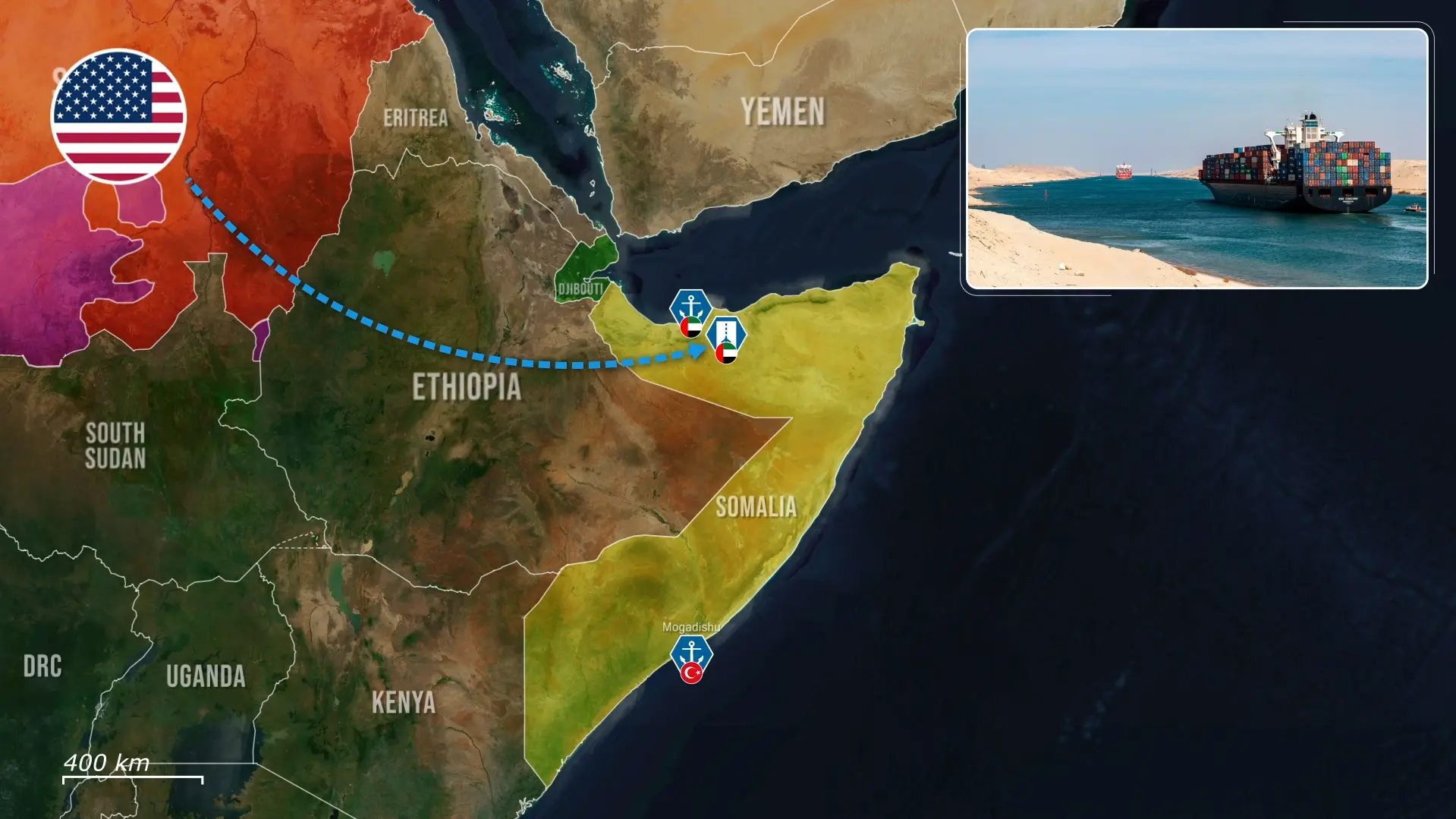
Meanwhile, in Somalia, Turkey has consolidated its position through its long‑standing military training mission and its base in Mogadishu, anchoring its presence along the western flank of the Gulf of Aden. In parallel, the UAE has been developing Berbera’s port and airport into a military and logistics hub, adding hardened infrastructure, air-defense systems and drone facilities that significantly expand the site’s strategic value. As the developments on the base took shape, the United States also gained access to Berbera through Emirati facilitation, using the site for surveillance flights and logistics near the Bab el Mandeb strait.
The rush for positions around the Red Sea and the Bab el-Mandeb is being driven by the growing importance of maritime chokepoints and the demonstrated vulnerability of these narrow passages. The outbreak of the Iran war demonstrated how reliant the global oil economy and other traded goods were on the Strait of Hormuz after it was eventually closed. Houthi attacks in the Red Sea reinforced the same lesson by directly disrupting commercial shipping through the Bab el-Mandeb corridor. In fact, the attacks on commercial vessels have shown that the Bab el‑Mandeb can be disrupted directly, with shipping still being diverted or delayed around the strait today. The importance of Bab el Mandeb is as critical as the Suez Canal, located at the edges of the same maritime corridor that links the Indian Ocean to the Mediterranean. Any instability or blockade on these narrow gates would ripple across Europe, Asia and the Gulf, as ships can be forced around the Cape of Good Hope, adding enormous time and costs. Therefore, powers with global ambitions are building or upgrading positions that allow them to monitor shipping at critical junctures, deter rivals and respond quickly to crises.
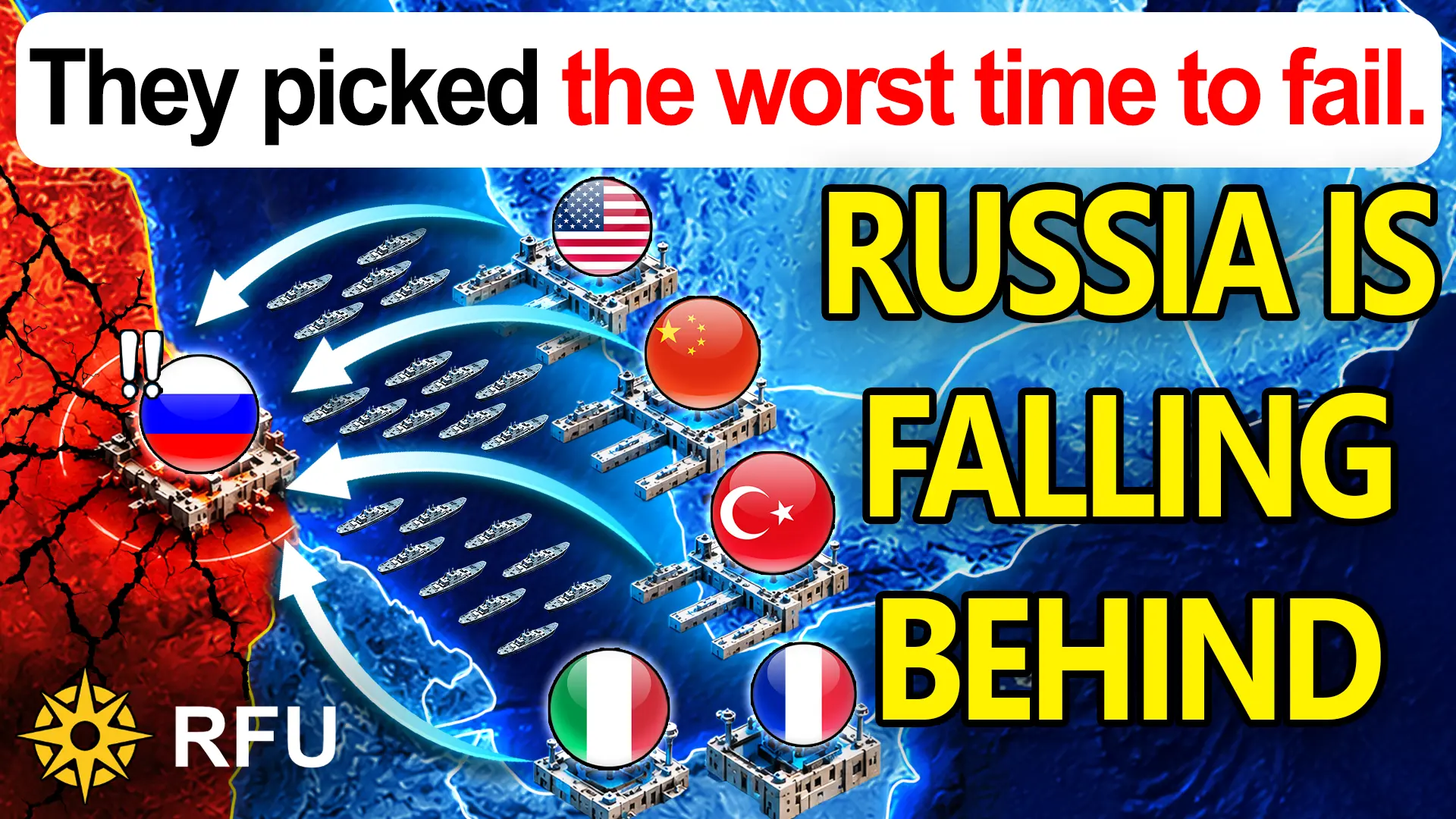
Overall, Russia’s failure in Port Sudan is not only a logistical problem for Russia’s ambitions in Africa, but signals a deeper strategic lag at a moment when the Red Sea corridor is becoming one of the world’s most contested maritime spaces. As rivals gain leverage across the Bab el Mandeb, Russia remains stuck without a foothold in Sudan, falling further behind as competitors consolidate their positions around the corridor. The timing makes that failure particularly damaging, as Russia remains without a permanent Red Sea foothold precisely when events at Hormuz and Bab el Mandeb are demonstrating how much strategic leverage these maritime chokepoints can provide.
.jpg)


Comments