

.svg)
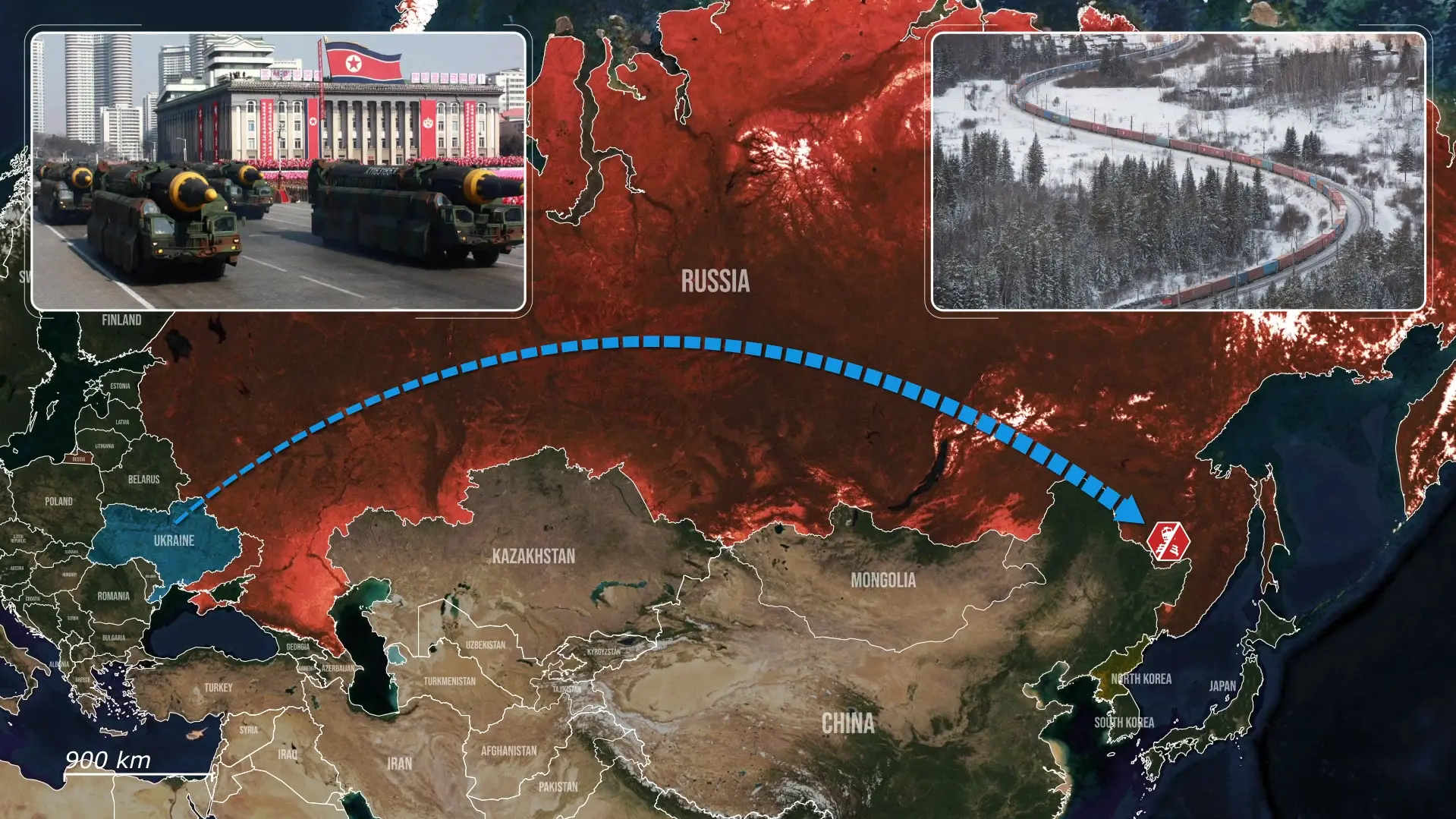
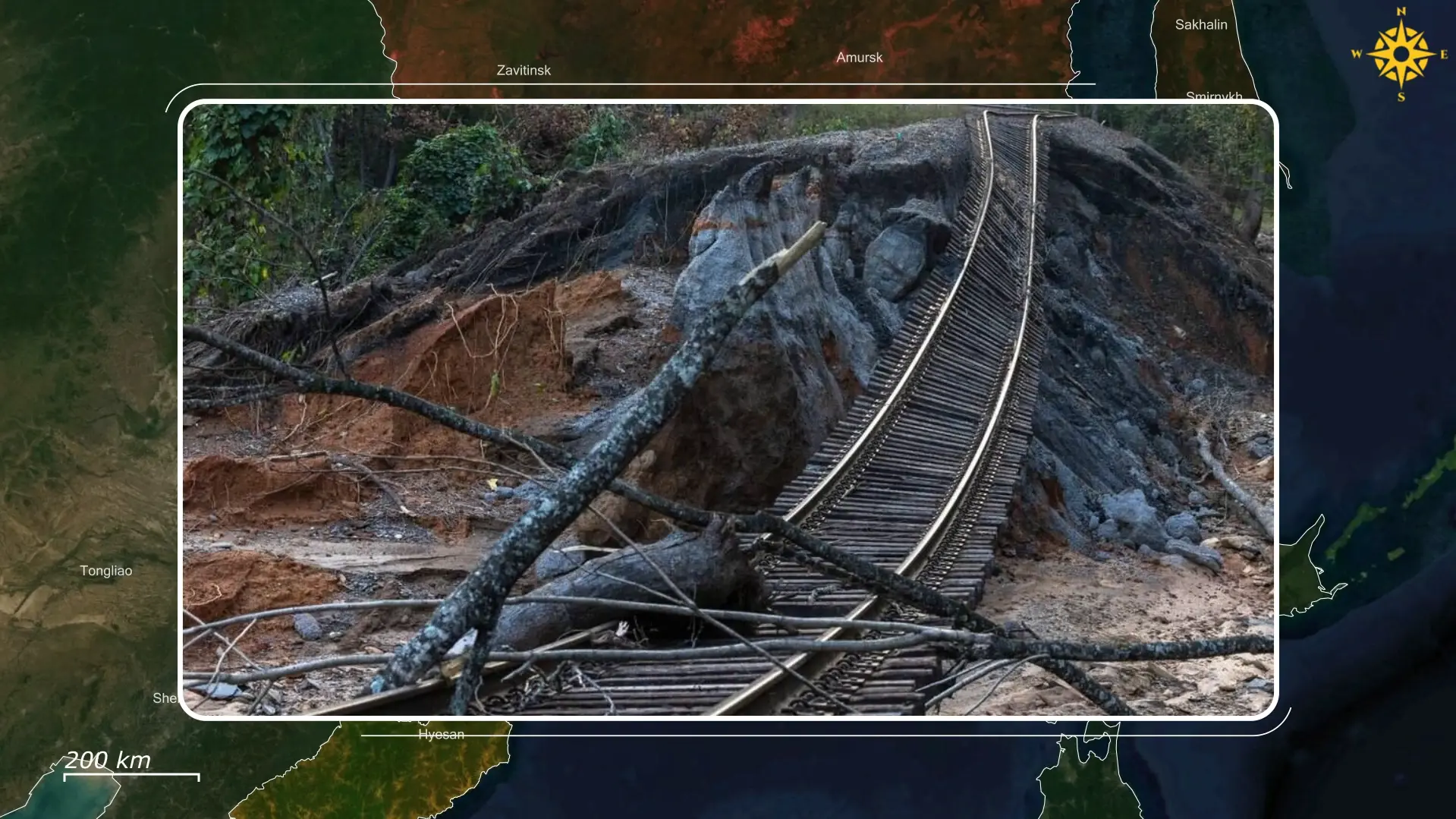
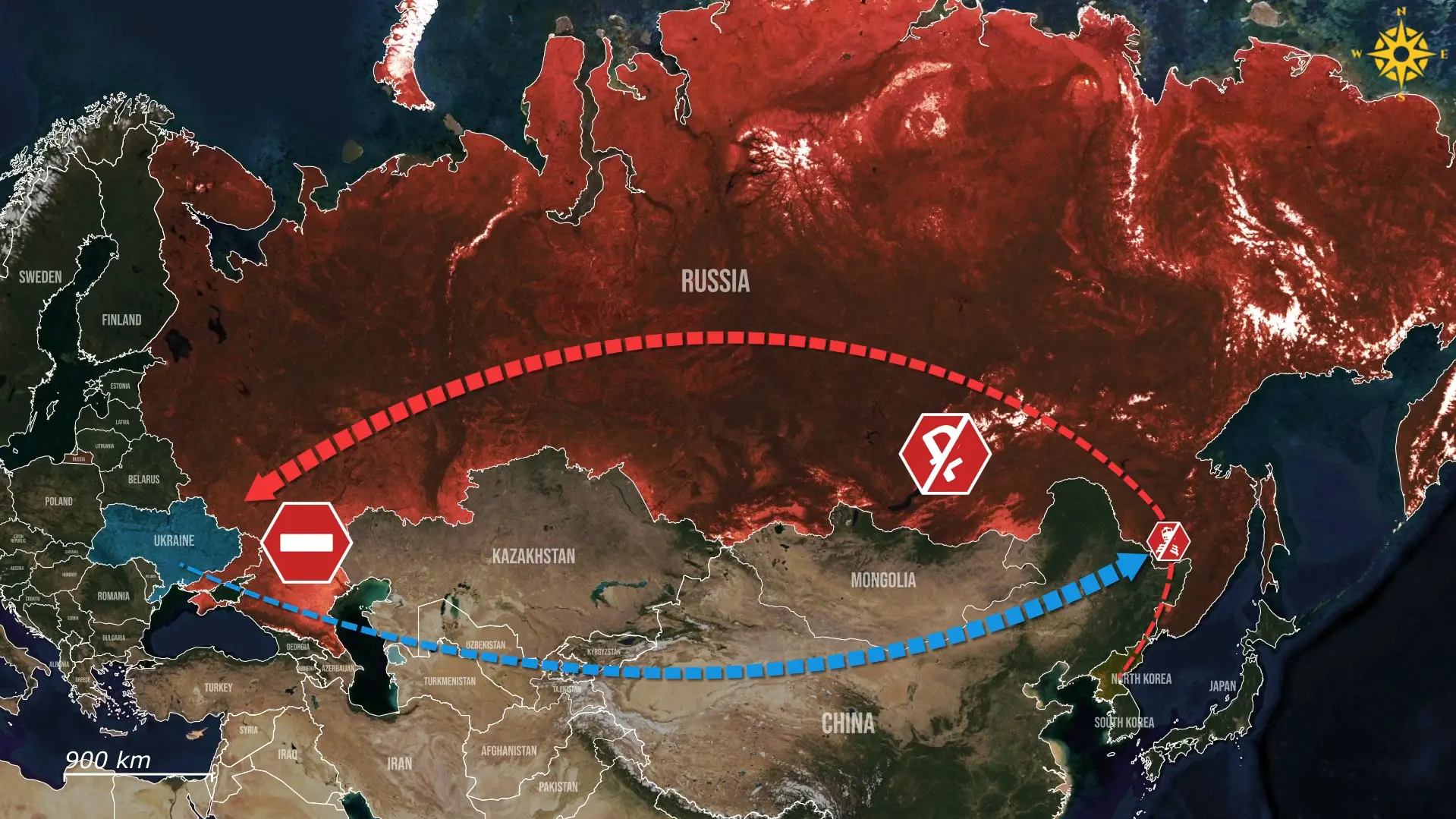
Today, Ukrainian army sources revealed a reported sabotage operation against a Russian military train carrying North Korean weapons that was targeted around six thousand kilometers from the frontline. According to Ukrainian military sources, simultaneous explosions destroyed a train transporting KN-Twenty-Three and KN-Twenty-Four ballistic missiles together with railcars loaded with artillery ammunition on the Trans-Siberian Railway. The attack occurred geographically much closer to North Korea than to Ukraine itself, and the resulting detonation destroyed the train, devastated part of the surrounding railway infrastructure, and halted traffic along the affected section. Official confirmation from Ukraine’s Main Intelligence Directorate has not yet been released, but once confirmed, this would rank among the deepest Ukrainian operations conducted inside Russian territory.
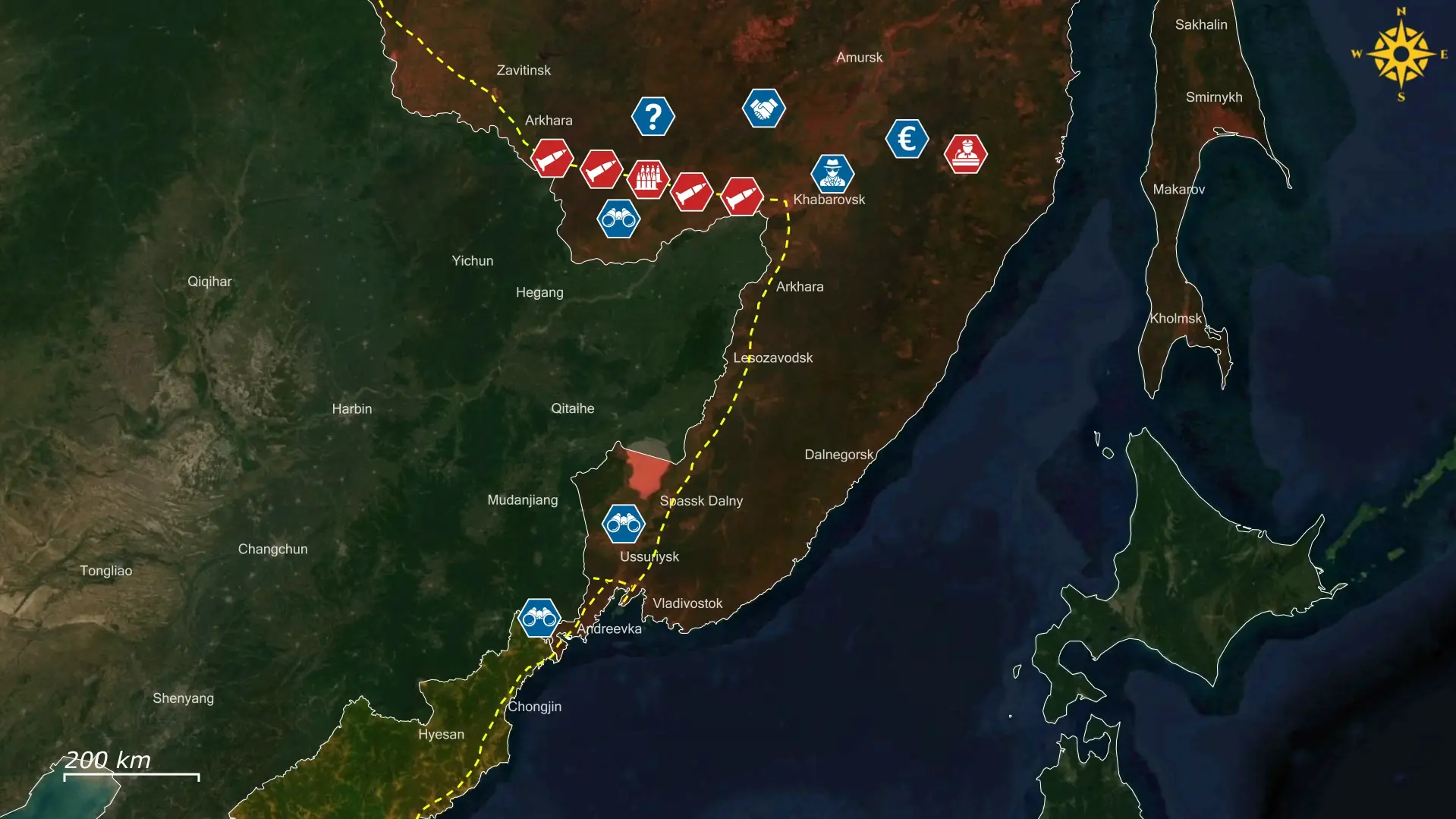
According to operatives within Ukrainian intelligence circles, the operation was preceded by a lengthy intelligence effort. The reported shipment was allegedly tracked from the vicinity of the North Korean border as it moved westward across Russia. Such an operation would have required establishing the train’s timetable, identifying where it would slow down, and selecting terrain where repairs after an attack would be particularly difficult. Ukrainian operatives have also needed to determine exactly which convoy contained the strategic cargo before committing valuable assets. Local assistance cannot be ruled out, as some remote Russian regions have long complained of economic neglect, potentially making discreet cooperation with outside intelligence services more feasible. Ukrainian agents would have also exploited the well-known corruption among the Russian administration, as such officials with access to railway schedules or cargo manifests could be bribed to reveal when a valuable shipment would pass a specific location.
According to the reports, remotely controlled explosive charges were allegedly placed beneath the railway tracks and near critical points of the train before being detonated as it entered a difficult section of the line. Choosing such terrain aims to maximize destruction while making restoration substantially more complicated.
The effects of the explosion were dramatic, as they triggered a chain reaction that detonated the missile warheads and the accompanying ammunition cargo. The KN missiles carry a warhead weighing roughly five-hundred kilograms, meaning even a single detonation is capable of causing severe destruction.
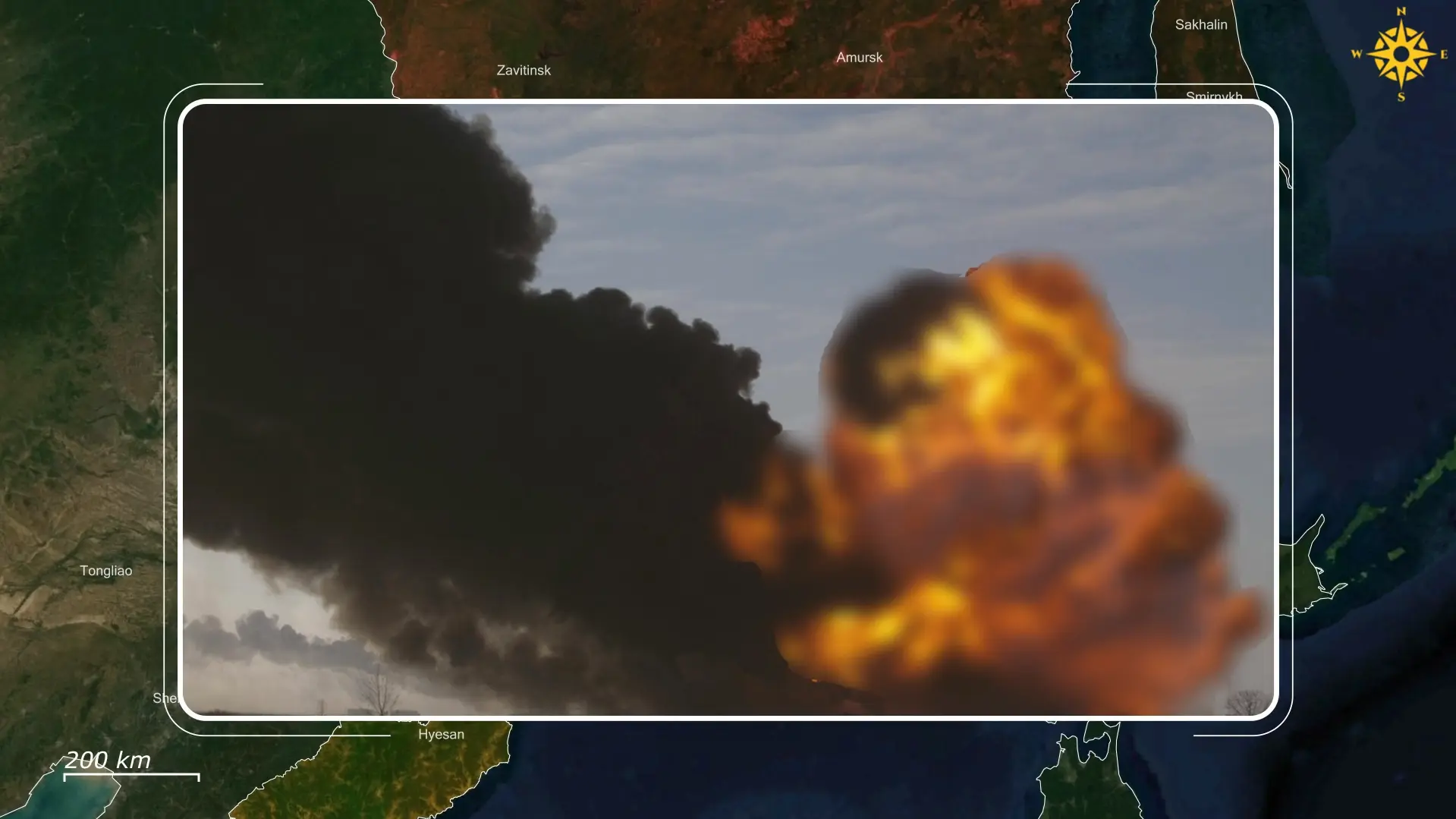
The exact number of missiles reportedly aboard the train has not been established yet, but the combined explosion reached the equivalent of dozens of tons of TNT, excavated a crater more than fifteen meters deep, and completely incinerated both the locomotive and the convoy. Burning fragments from solid-fuel rocket motors ignited surrounding vegetation and railway infrastructure.
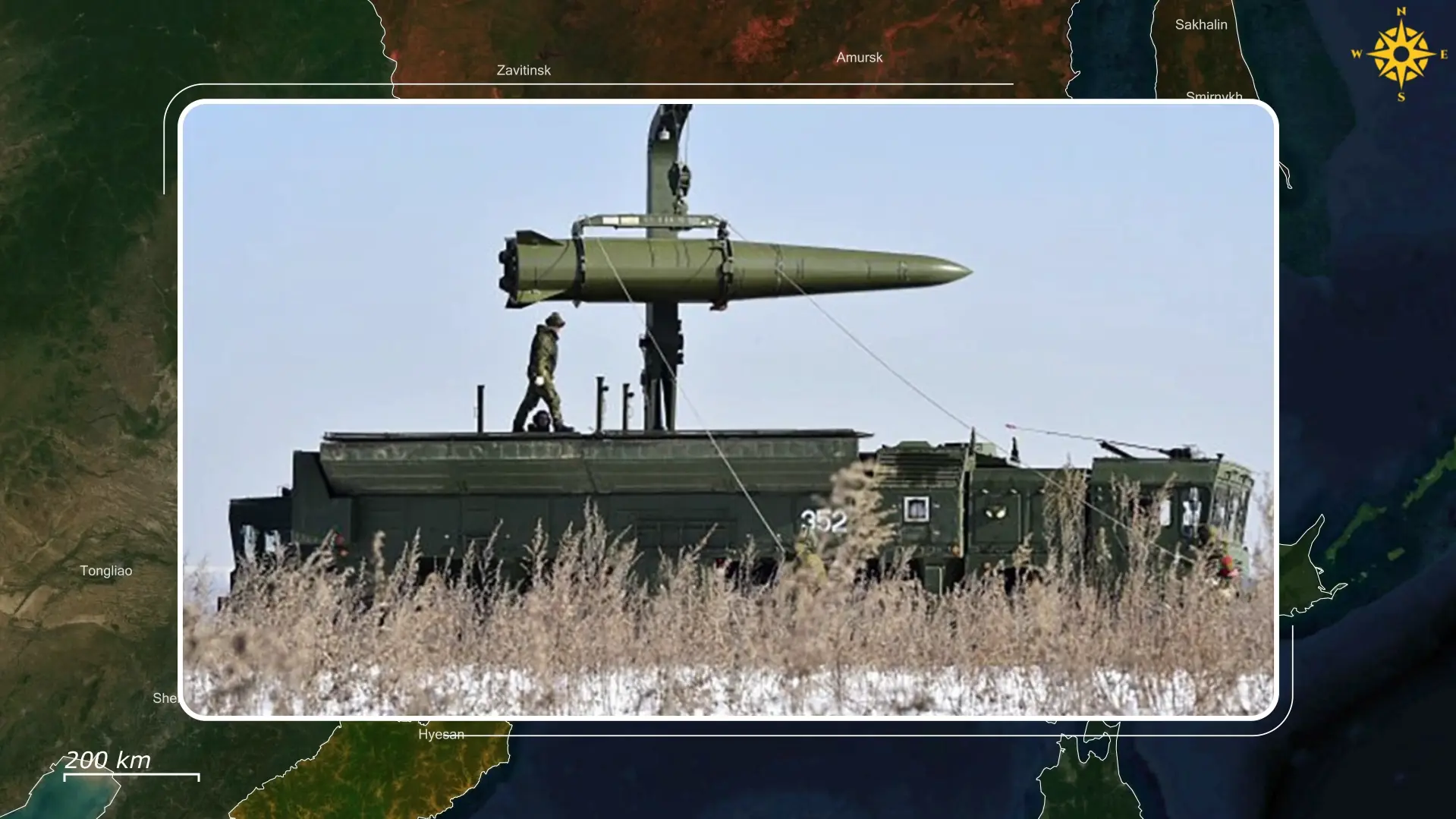
The consequences extend well beyond the destroyed shipment, even though a Ukrainian intelligence source stated that the objective was to ensure none of the missiles intended for attacks on Ukrainian cities survived the operation. However, the Trans-Siberian Railway is Russia’s main east-west rail artery, stretching roughly nine-thousand-three-hundred kilometers from European Russia to the Pacific coast and connecting industrial centers with trade routes toward China, Mongolia, and the Korean Peninsula. It carries tens of millions of tonnes of freight annually, making it one of Russia’s most important logistical networks. Disrupting even one section can create delays of up to several weeks while damaged track, electrical systems, and wreckage are cleared and repaired.
Overall, the reported sabotage represents a direct Ukrainian response to the expanding North Korean military assistance to Russia, which includes missiles, launchers for them, artillery shells, and personnel for both the delivered systems and infantry. Destroying a huge single shipment would deny Russia valuable weapons immediately, while simultaneously damaging the railway itself could delay subsequent deliveries, increasing the logistical cost of relying on long-distance military support from North Korea.
.jpg)



Comments