

.svg)
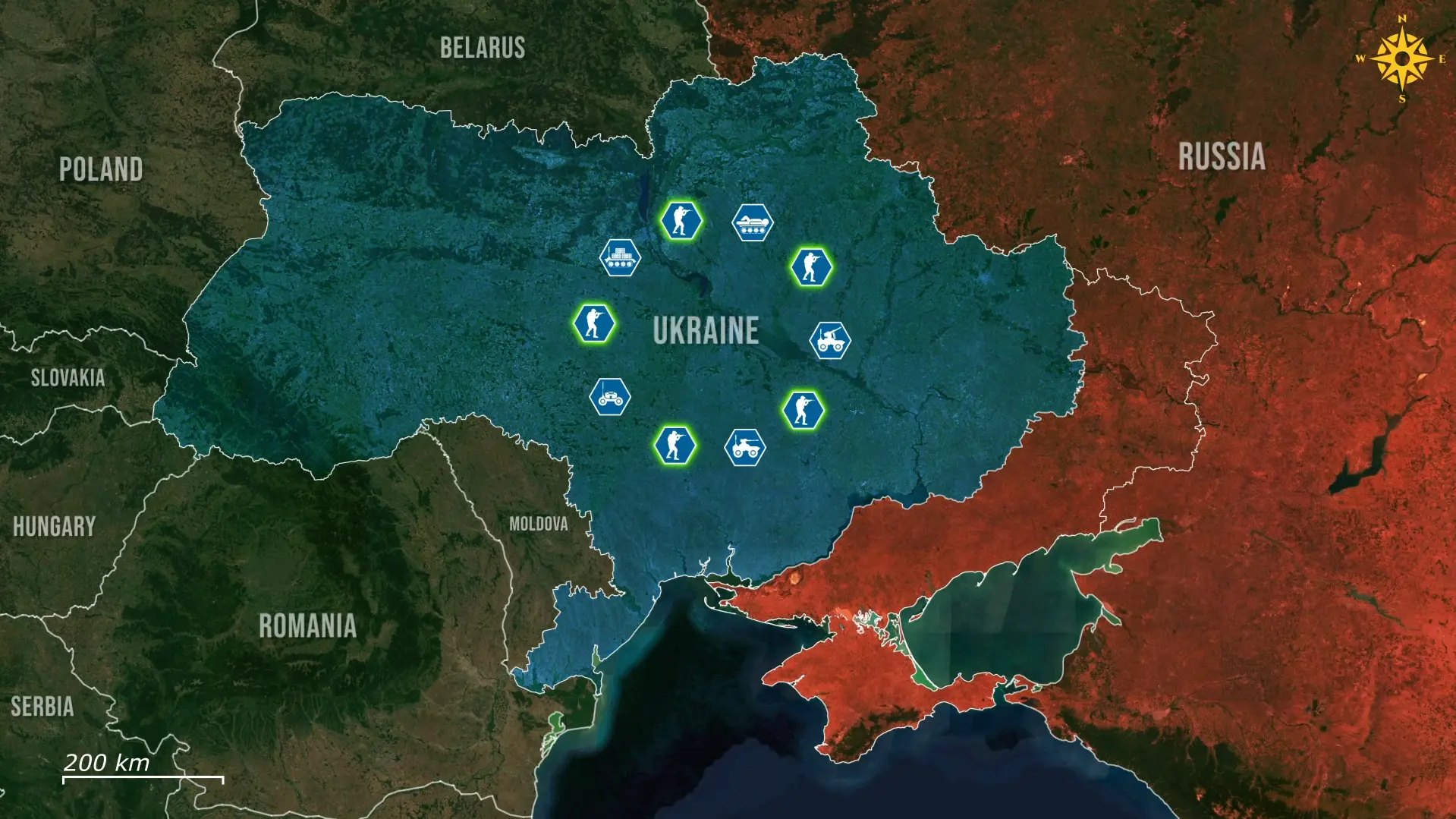
Russians are increasingly struggling to believe their eyes as Ukraine pushes another futuristic technology onto the battlefield, in the form of humanoid robots. The reaction has been increasingly defeatist, with Russian lawmakers complaining that Ukrainian forces are now deploying machines that resemble the Terminator of science fiction. The reality is less dramatic, but potentially more significant, because in February two thousand twenty six, two humanoid robots were sent to Ukraine for testing under real combat conditions. The machines have already moved beyond laboratory demonstrations, as Ukrainian forces have tested them in frontline areas.
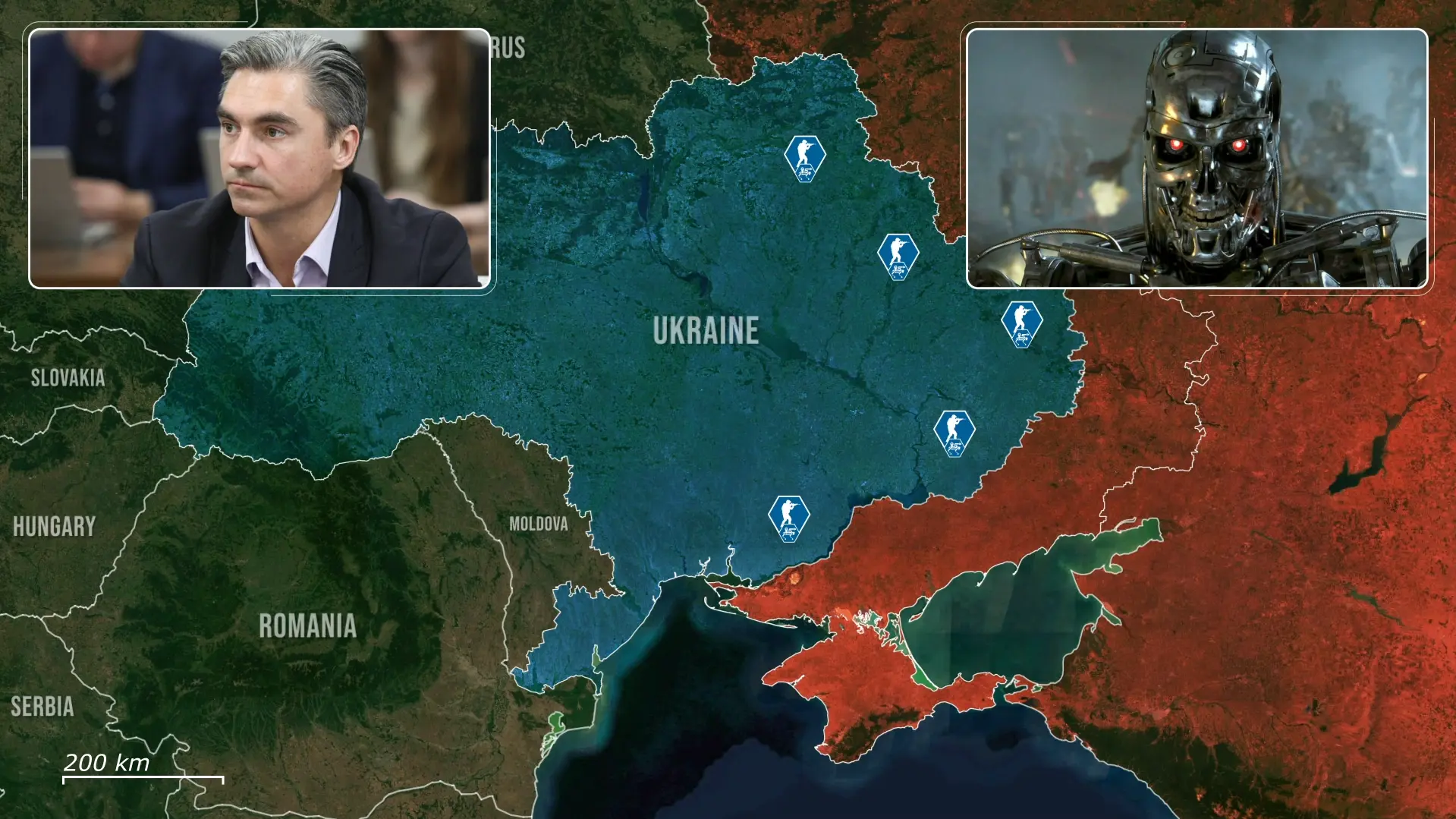
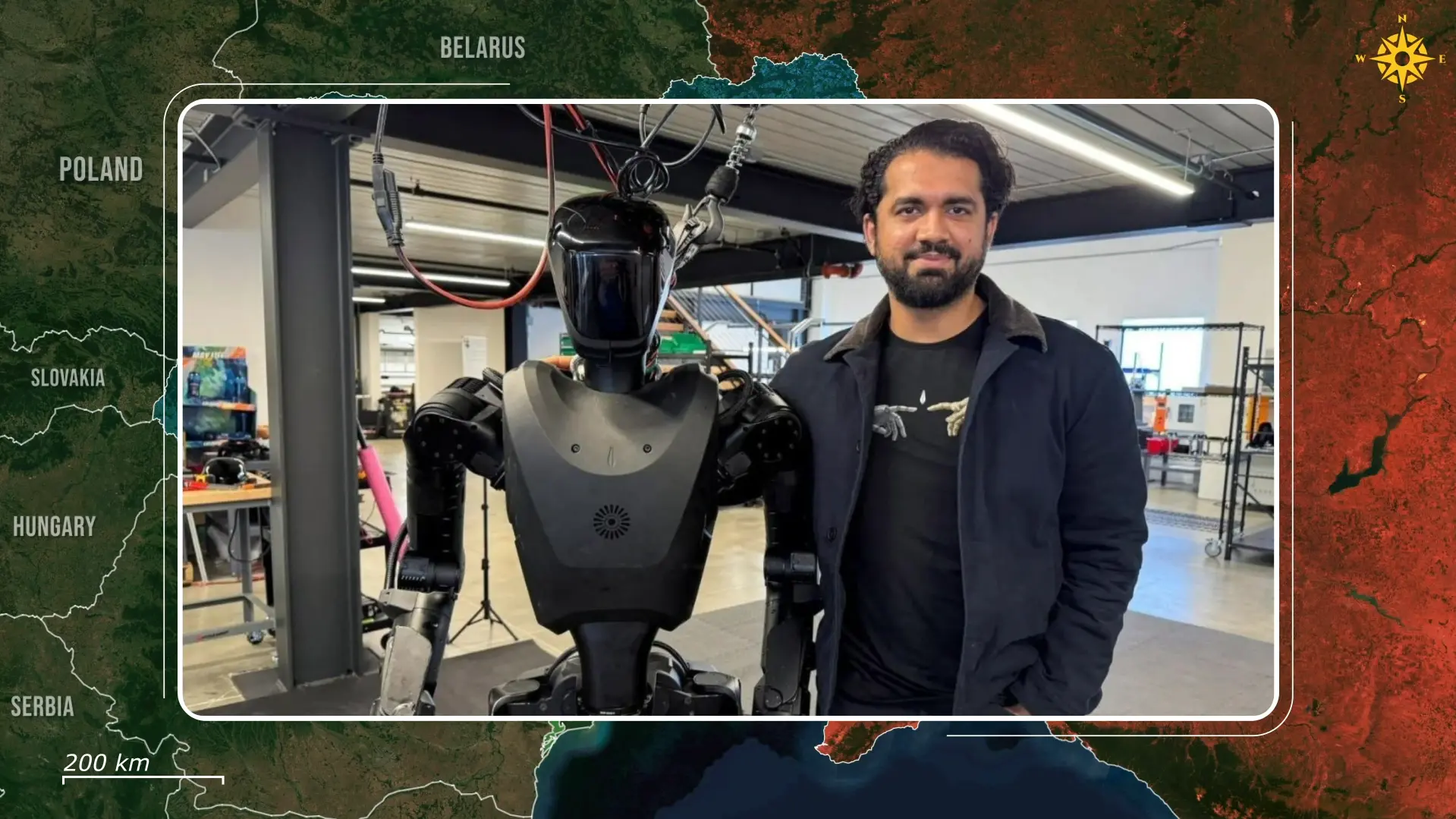
Their initial role has focused on logistics, including carrying ammunition and supplies to positions where sending soldiers would expose them to unnecessary risk. This makes Ukraine more than a battlefield for the robots themselves, as it is becoming a testing ground where developers can observe humanoid machines, identify their weaknesses and feed those lessons directly back into the next generation. Foundation has already been working toward more capable models, designed for military and industrial applications. The disturbing part is not simply that robots have arrived, but that Ukraine is helping turn battlefield experience into the next version of them.
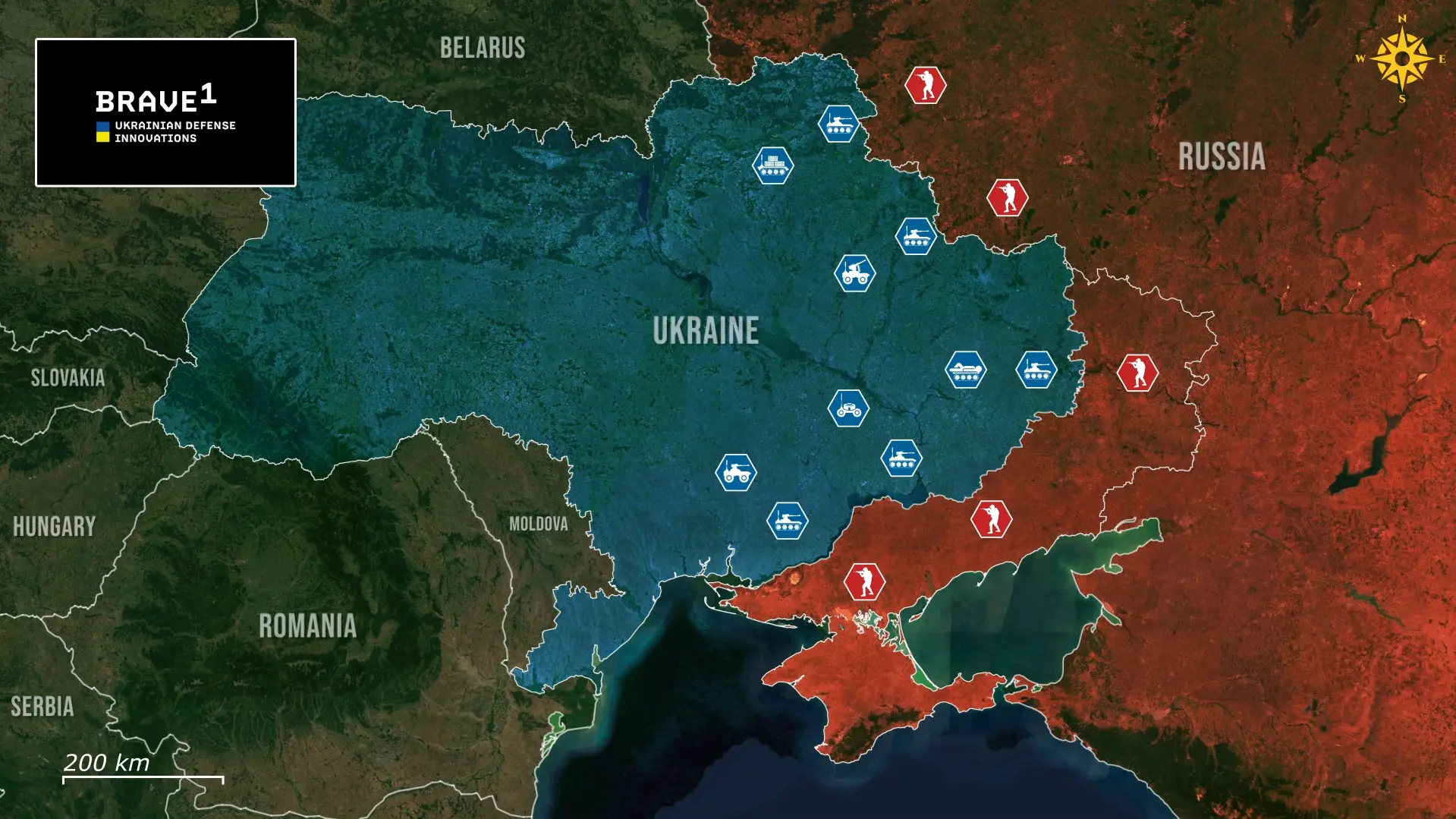
In July two thousand twenty six, Ukraine’s Brave one defense technology cluster announced a grant competition specifically aimed at developing humanoid robots for the needs of the Armed Forces. The stated objective is to automate frontline tasks as far as possible and reduce the exposure of Ukrainian personnel to Russian fire. Humanoid systems could take this process further because their human-like form is suited to the environments Ukrainian soldiers already operate in, allowing a single platform to potentially move through trenches, supply positions and perform dangerous tasks without putting another Ukrainian soldier at risk. Future military applications could therefore include carrying ammunition, evacuating wounded personnel and possibly direct combat missions. The goal is not simply to put robots beside soldiers, but increasingly to replace soldiers wherever a machine can perform the task instead.
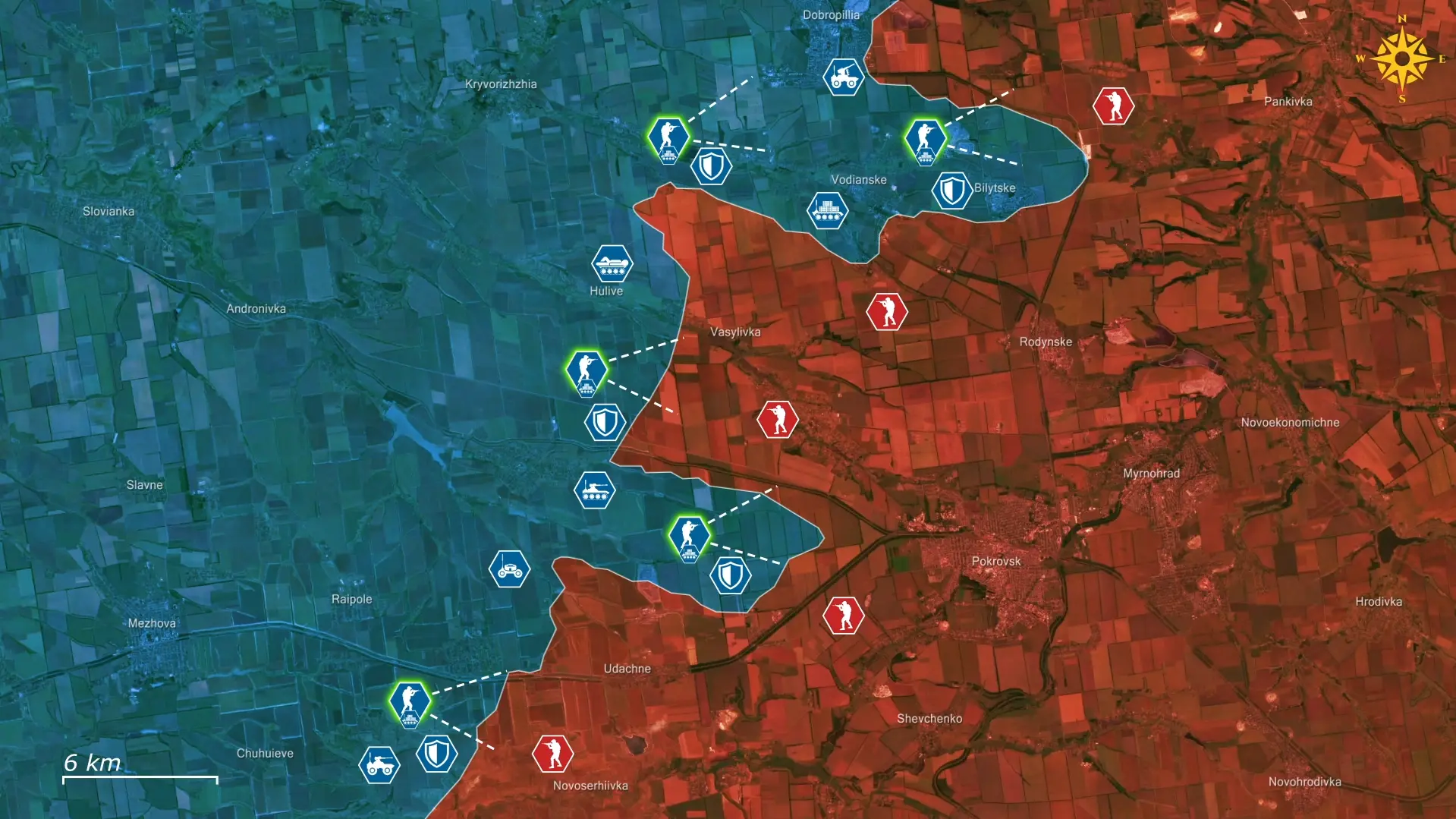
Ukraine’s futuristic army is not confined to experimental humanoid robots. On the Pokrovsk front, Ukrainian artillerymen are already using wearable exoskeletons to make some of the hardest parts of their daily work easier. The one hundred and forty seventh Separate Artillery Brigade of the seventh Air Assault Corps began combat-testing the systems in March two thousand twenty six, making this a real battlefield application rather than a laboratory demonstration. Ukrainian officials said gunners can handle fifteen to thirty shells weighing approximately fifty kilograms each during a day of work. The exoskeleton is designed to redistribute that physical load and reduce strain on the soldier’s legs. Ukrainian testing indicated that the system could reduce physical exertion by around thirty percent, allowing crews to become less fatigued and perform repetitive tasks more quickly. That matters enormously in the Pokrovsk sector, where artillery units continue operating under intense Russian pressure. Instead, it helps preserve their physical capacity, allowing them to move ammunition, reload guns and sustain their tempo for longer. This is the practical side of Ukraine’s technological transformation, because machines are already being used to make the soldiers themselves more capable.
Overall, Ukraine’s adoption of humanoid robots and exoskeletons shows how the war is moving beyond conventional mechanization toward systems designed to progressively reduce the physical exposure of soldiers. While the military value of the humanoid robots remains limited at this stage, the exoskeletons are already demonstrating a practical benefit by reducing the physical burden on Ukrainian troops, showing two different stages of the same technological shift. The deeper implication is that Russia is not simply facing individual robotic platforms, but an emerging Ukrainian model of warfare in which human soldiers, wearable machines and autonomous systems are increasingly integrated into the same battlefield ecosystem.
.jpg)



Comments