

.svg)
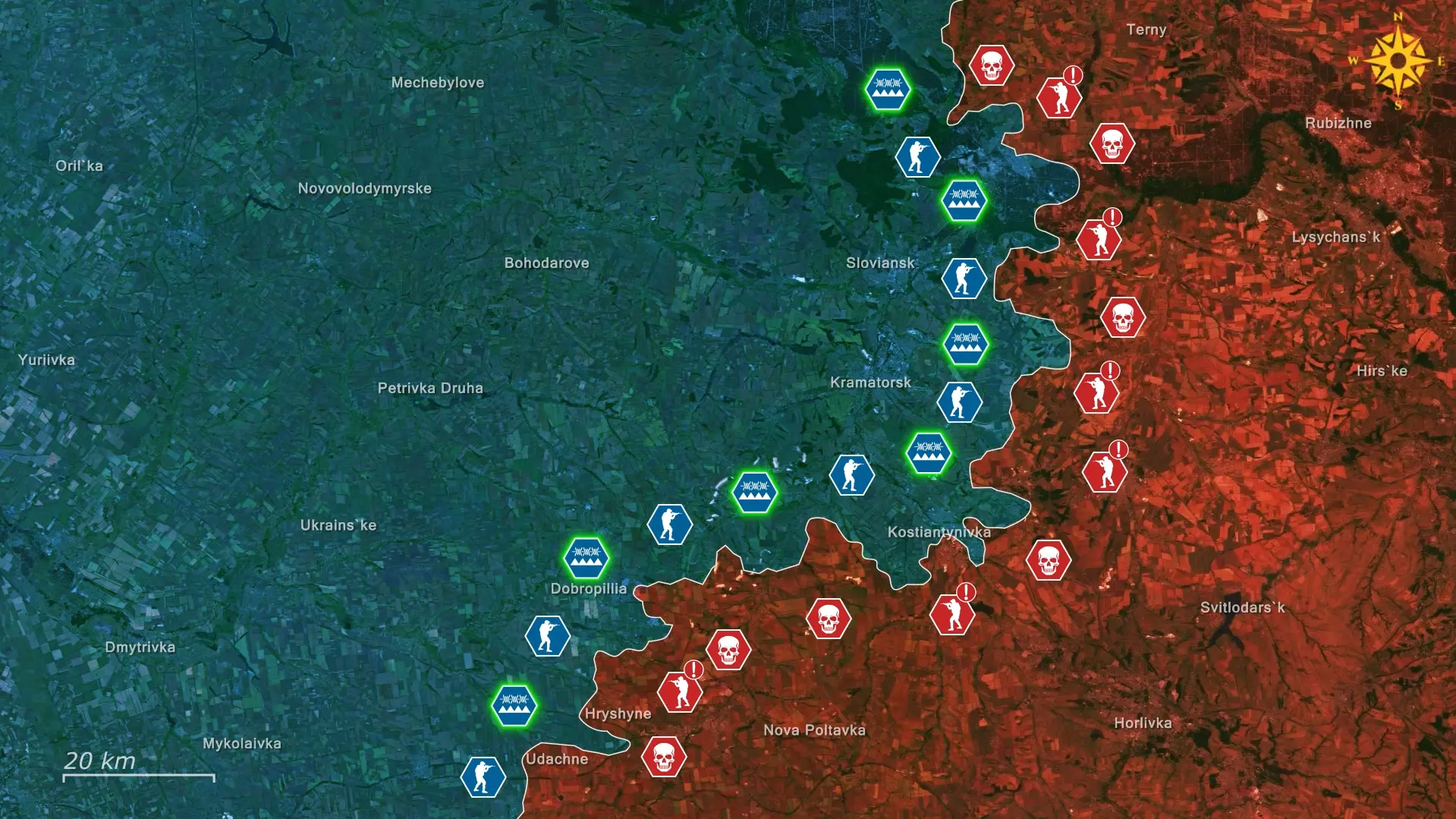
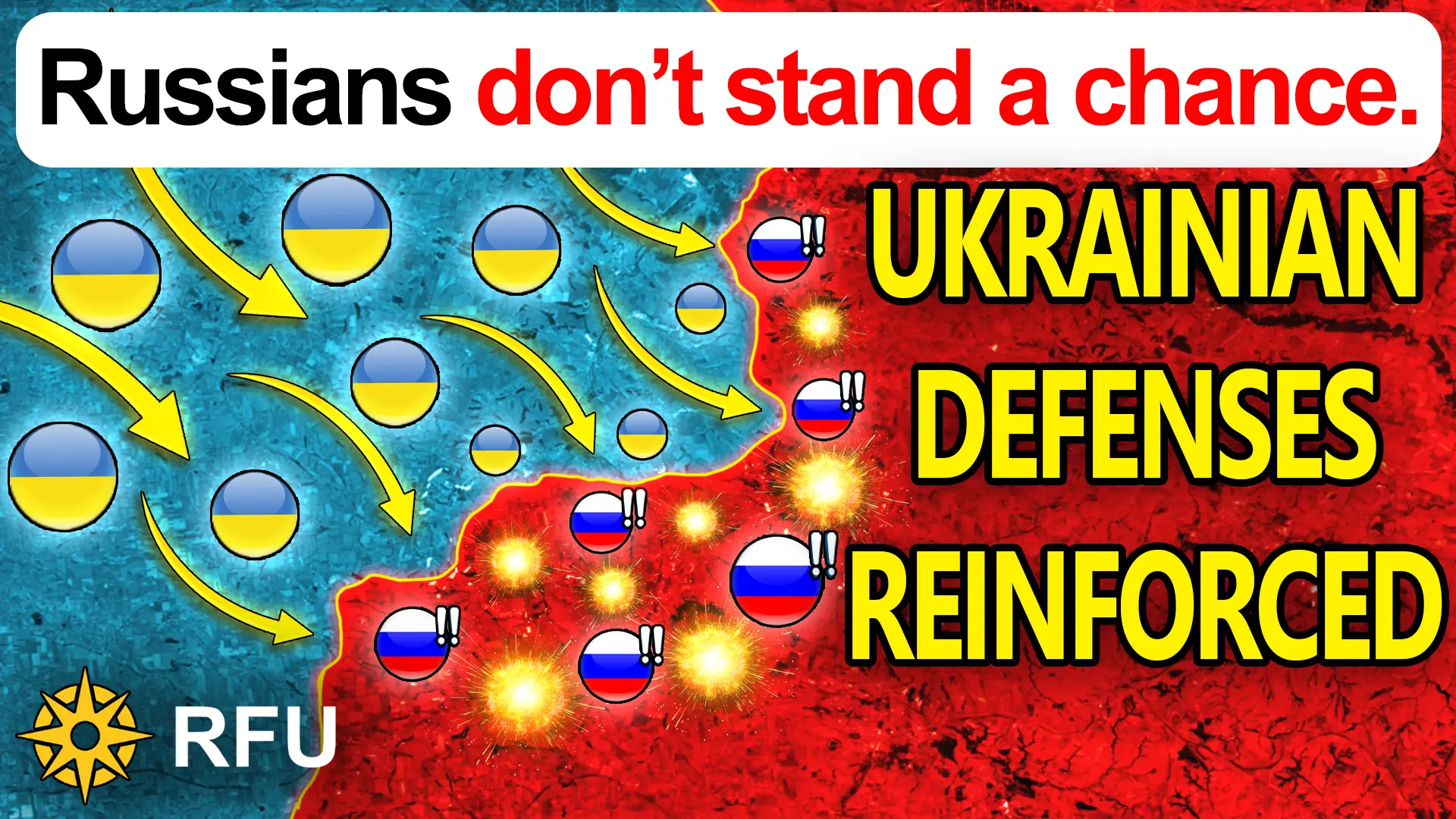
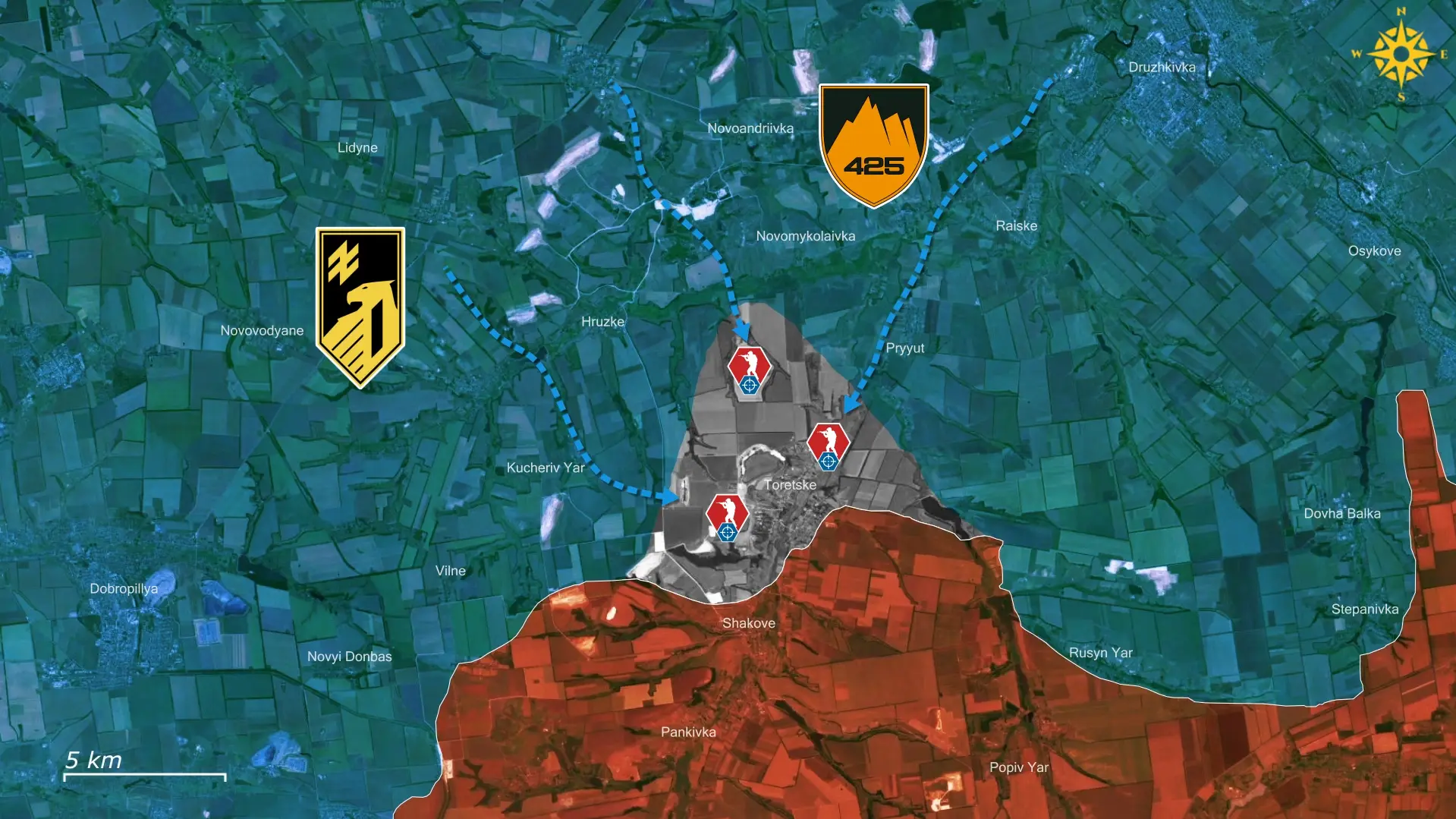
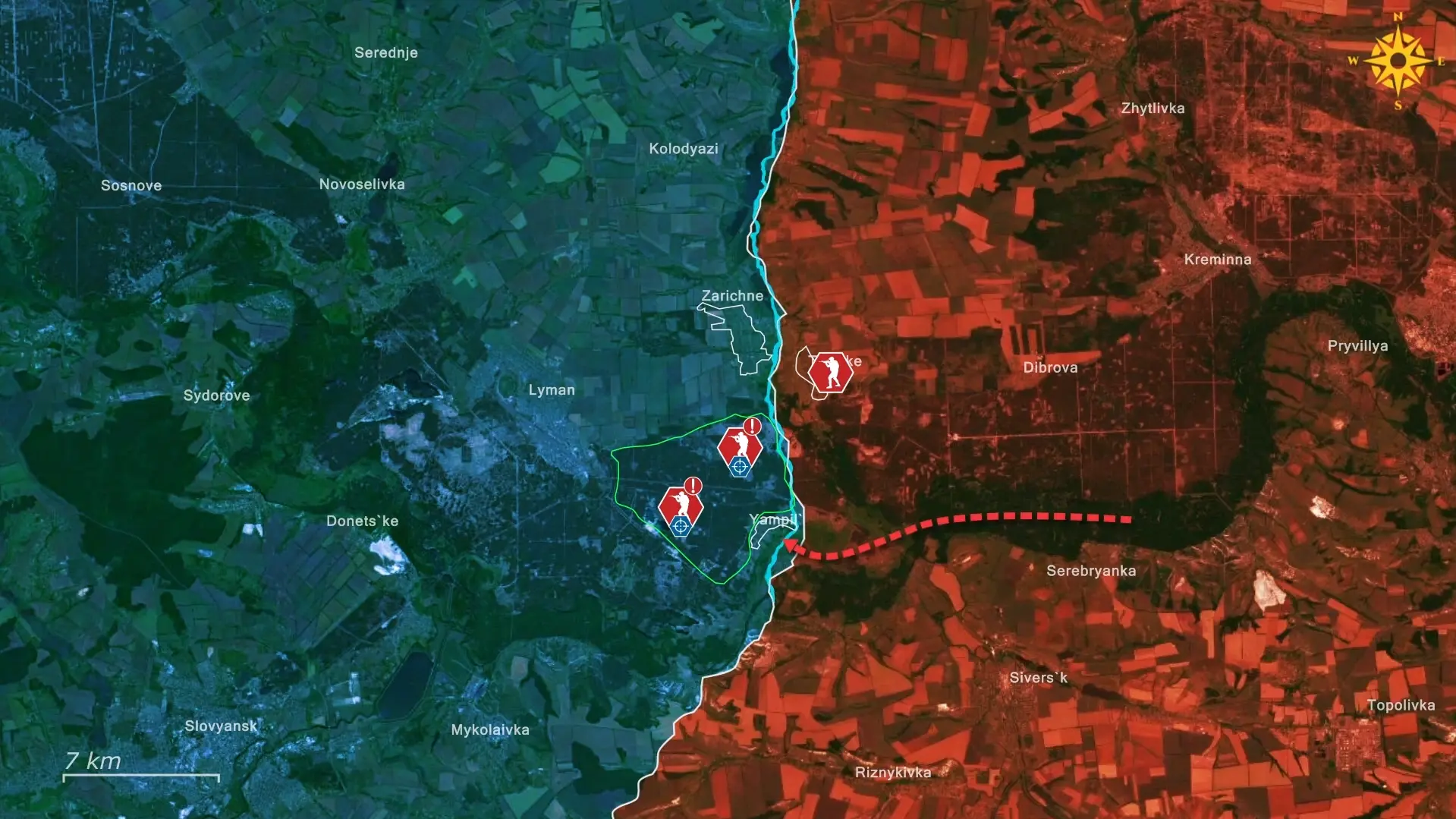
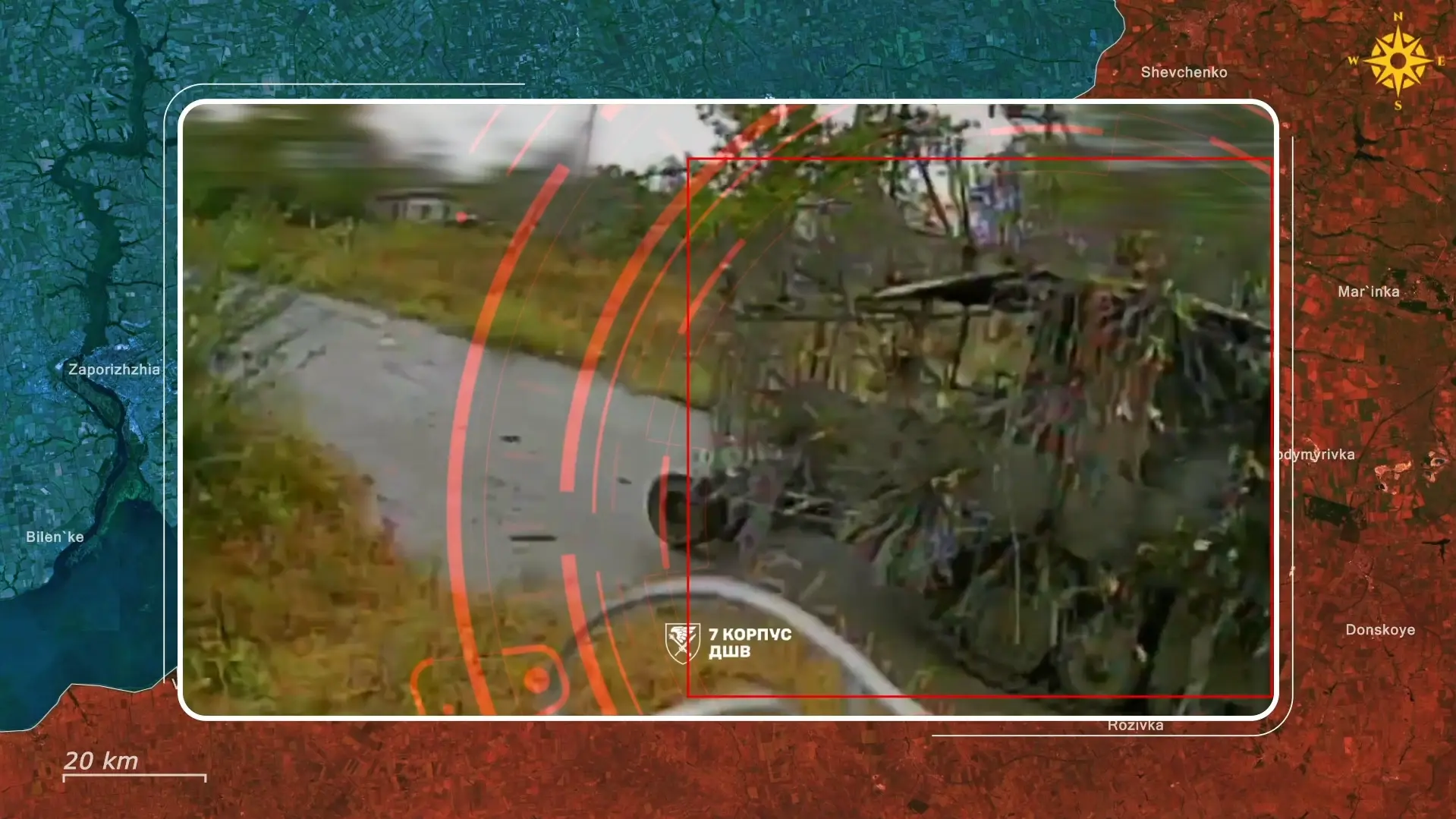
Ukraine is reinforcing its defenses across the Donetsk fortress belt, with particular attention on the sectors around Dobropillia, Kostiantynivka and Sloviansk. These areas have become the main focus of Russian pressure as Moscow attempts to break through the Ukrainian defensive line in Donetsk Oblast. Both sides are strengthening their positions as the fighting intensifies, but Ukraine is placing particular emphasis on defensive depth and fallback positions behind the sectors facing the strongest Russian pressure. The main effort is happening around Dobropillia, where Russian forces have been trying to approach the city from several directions, and around Kostiantynivka, where fighting has increasingly reached the city itself. Further north, the approaches to Sloviansk and Kramatorsk are also being reinforced as Russian forces attempt to secure elevated terrain that would give them more advantageous positions overlooking the two cities. The pattern is clear, as Ukraine is concentrating its defensive resources where Russia is applying the greatest pressure, turning the fortress belt into an increasingly difficult obstacle to overcome.
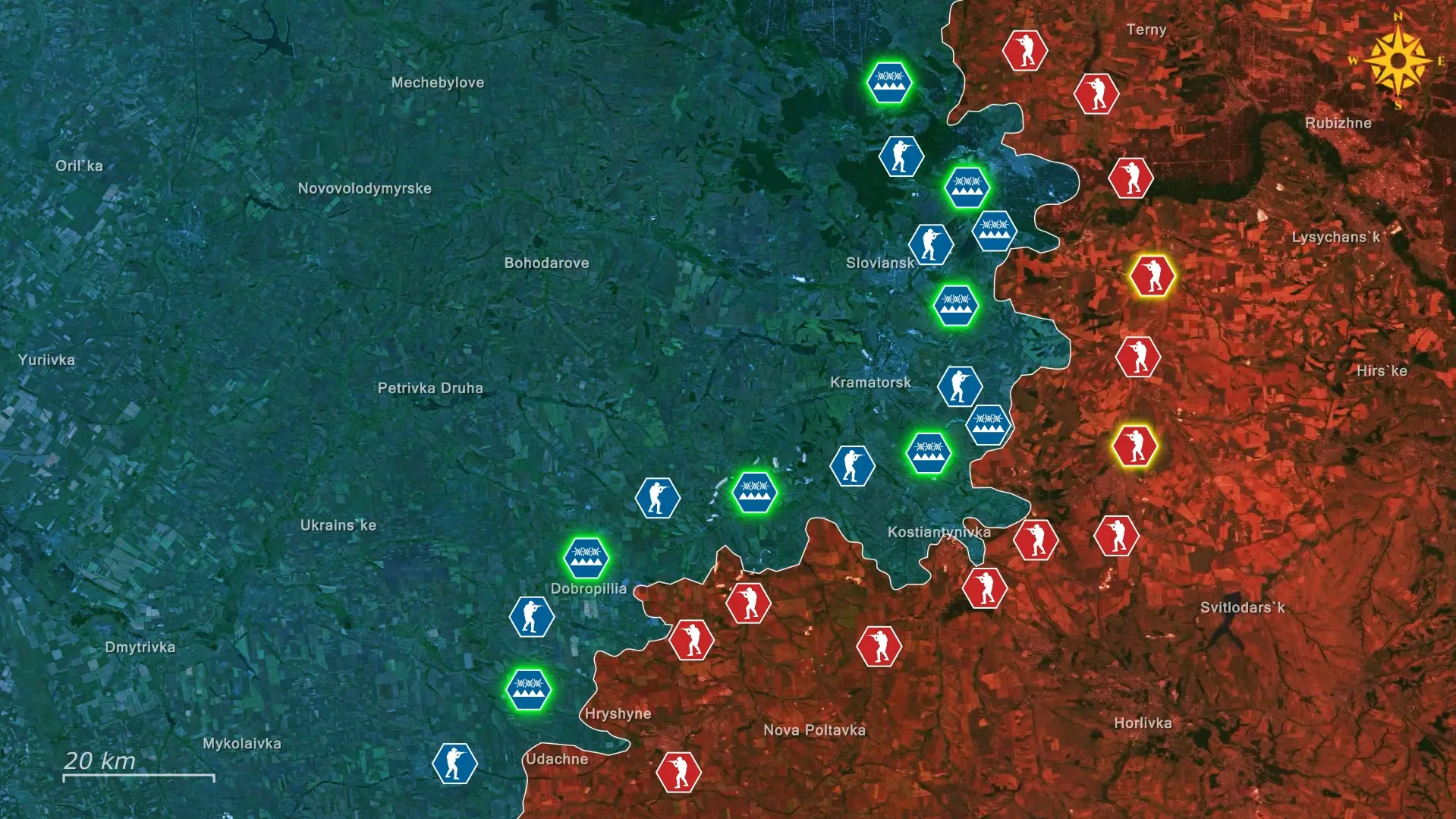
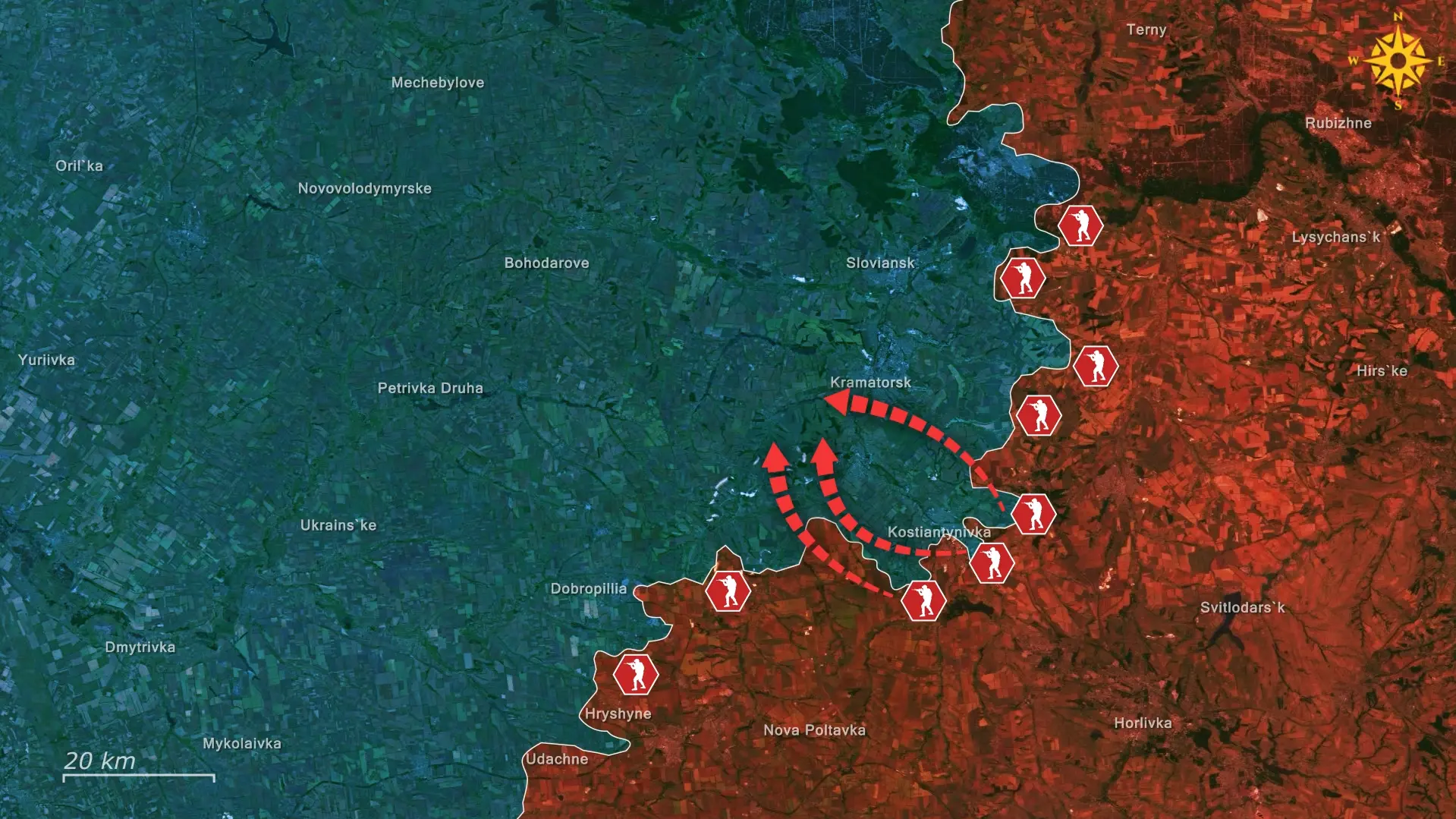
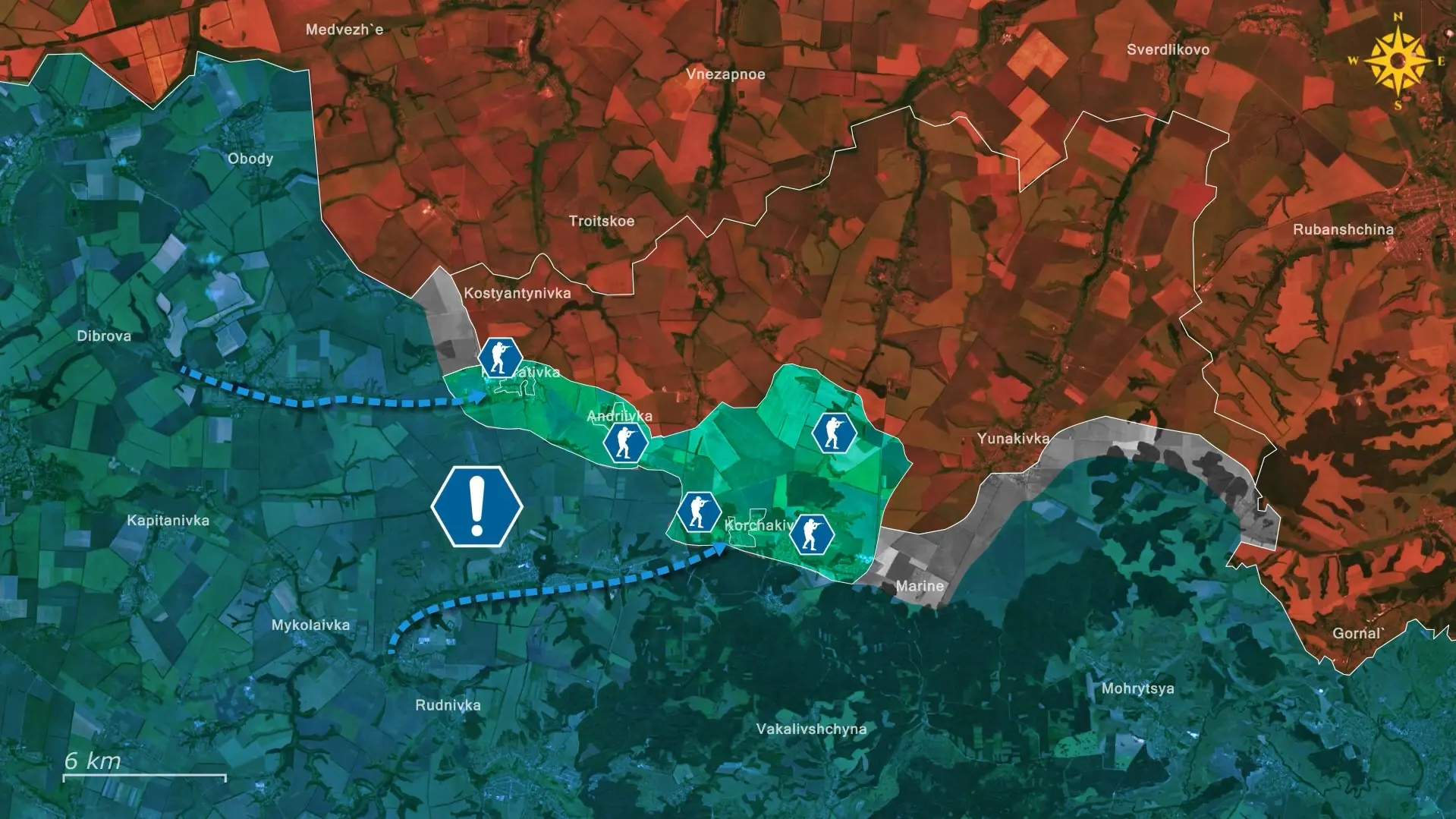
The concentration of Ukrainian reinforcements reflects the direction of Russia’s main effort. Moscow’s broader objective is to break the fortress belt from the south and east and eventually seize the remaining Ukrainian-held part of Donetsk Oblast. Around Dobropillia, Russian forces are advancing from the north while also pushing through the Hryshyne line of settlements to outflank the city from the south. Around Kostiantynivka, Russian troops have infiltrated parts of the city and are attempting to turn those penetrations into more secure positions through continued infantry attacks and bombardment. Further north, Russian forces are attempting to secure elevated positions around Kramatorsk and Sloviansk while continuing infiltration efforts toward the two cities. Russia is therefore advancing only incrementally, with its offensive increasingly defined by costly infiltration and positional gains rather than the decisive breakthrough needed to unravel the fortress belt.
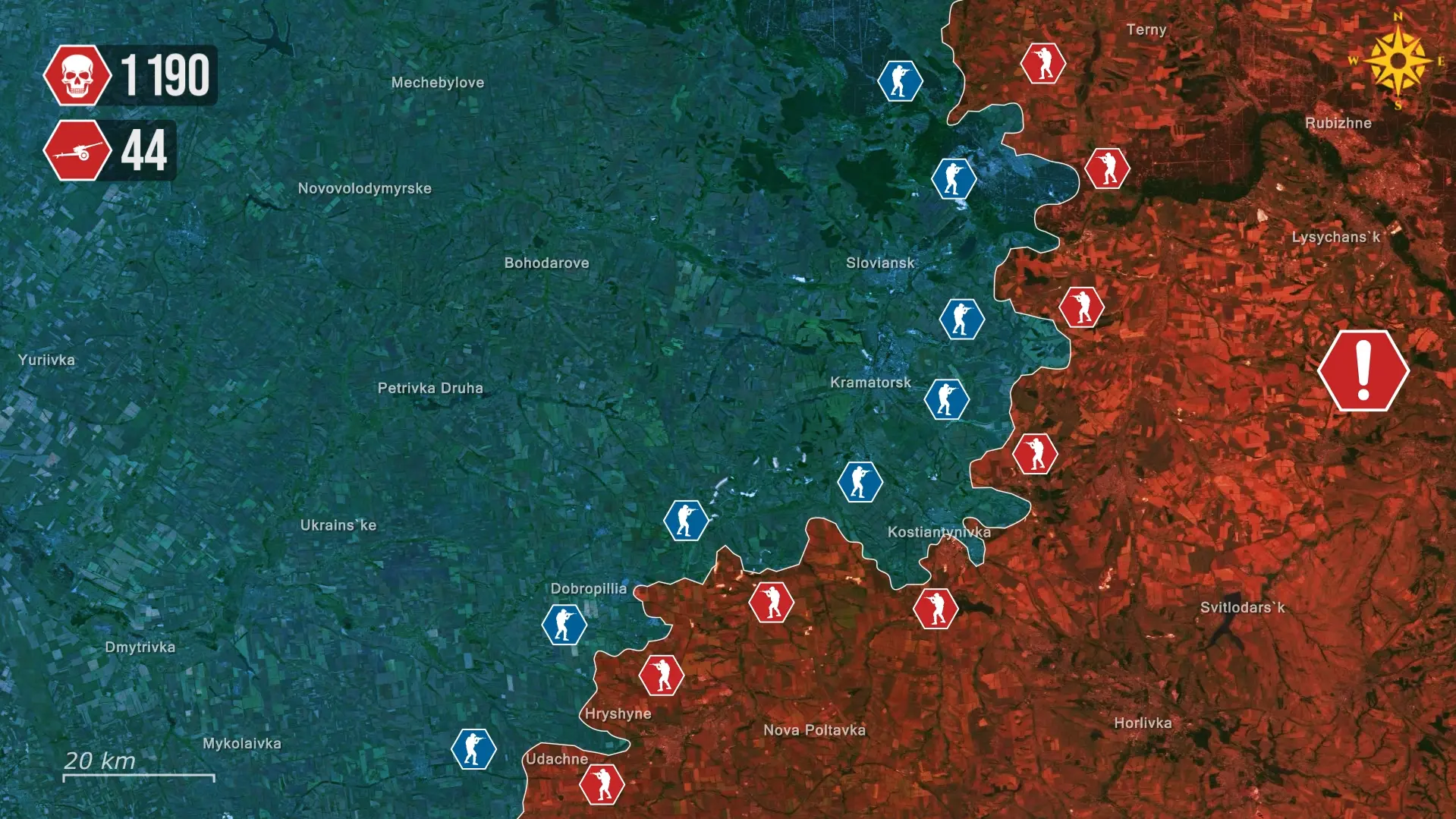
Russia is paying a heavy price for every increment of ground gained in the offensive. Ukrainian forces are repeatedly stopping assaults and forcing Russian units to commit additional manpower for limited territorial gains. Ukraine’s General Staff reported one thousand one hundred and ninety Russian personnel losses on August tenth alone, alongside the destruction of forty four artillery systems. The broader pattern is equally important, because Russia’s clearest gains are concentrated around the fortress belt while progress across much of the wider frontline remains limited. Even where Russian troops have entered Kostiantynivka, progress remains measured in small infiltrations rather than a decisive breakthrough. This means Russia is advancing, but at a pace that remains extremely costly. The fortress belt is therefore not collapsing under the pressure, but it is absorbing repeated attacks, and continuing to deny Moscow the rapid breakthrough it needs.
The scale of the remaining task makes Russia’s objective look increasingly unrealistic at the current pace. As of June thirtieth, Russian forces still needed roughly five thousand three hundred and five square kilometers to capture the remainder of Donetsk Oblast. At their June rate of advance, around three point seventy nine square kilometers per day, that would require almost four years even if the rate remained constant and Ukraine made no successful counterattacks. The calculation becomes even less favorable when looking at the fortress belt itself. In the Dobropillia, Kostiantynivka and Sloviansk directions, Russian forces captured only seventeen point thirty three square kilometers in one week in mid-July. At that pace, simply covering an equivalent area would take almost six years, illustrating how far current Russian progress remains from the scale of Moscow’s objective. However, this is only a mathematical extrapolation, not a forecast, as the battlefield does not move at a constant rate. Defensive lines, terrain, reserves and Ukrainian counterattacks can slow Russian advances further. Therefore, Russia’s stated ambition to seize the remainder of Donetsk this year remains far removed from its current battlefield performance.
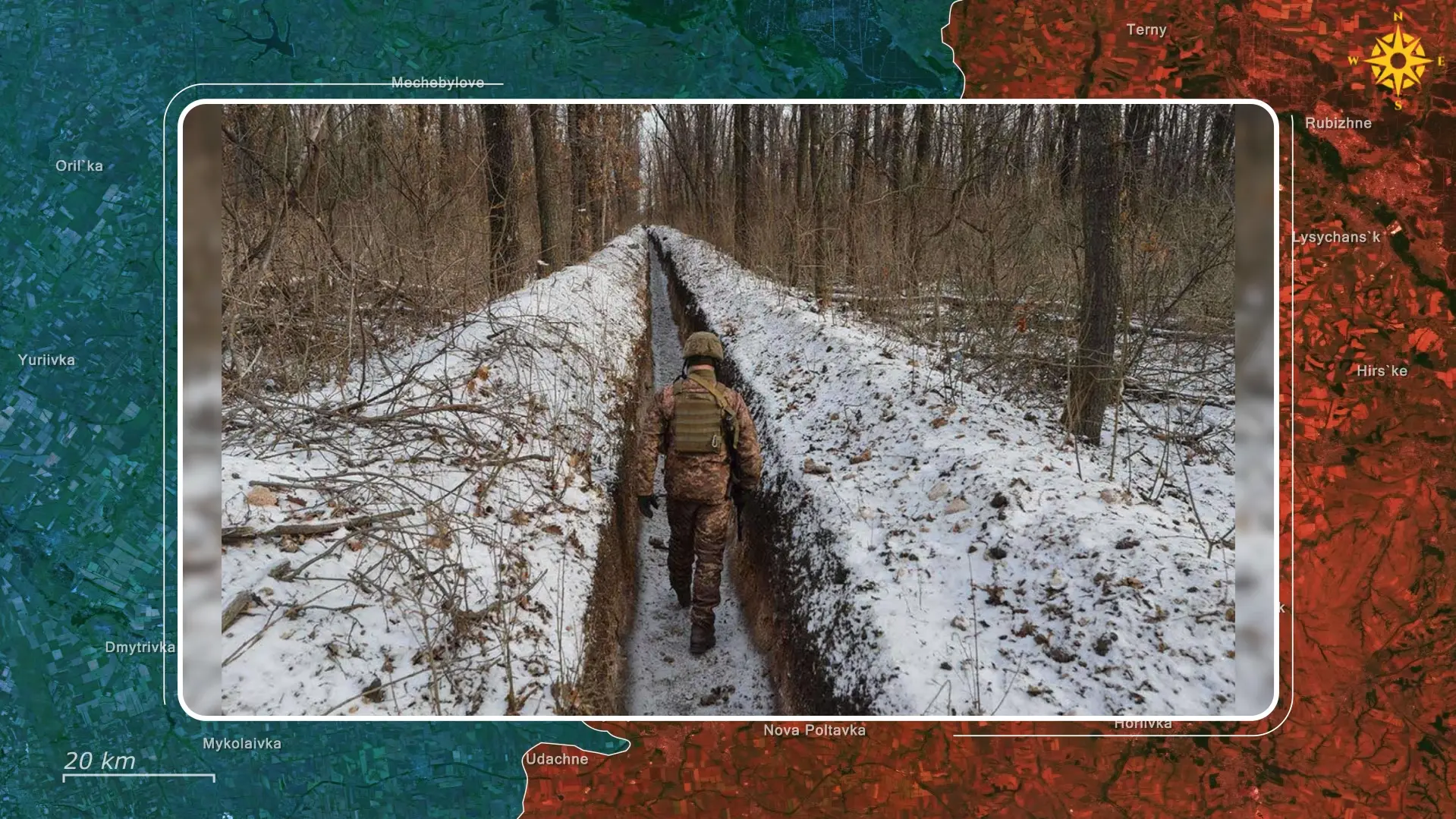
Overall, Ukraine’s decision to reinforce these sectors should be understood as a response to concentrated Russian pressure, not as evidence that the fortress belt is on the verge of collapse. Russia is making its most meaningful territorial gains here precisely because this is where Moscow has concentrated its offensive effort, while much of the wider front remains comparatively static. The implication is that Ukraine is reinforcing the battlefield’s decisive pressure points, forcing Russia to spend more men and resources for every additional kilometer rather than allowing a local advance to develop into an operational breakthrough. Therefore, Russian forces face a fortress belt that Ukraine is actively strengthening, while their limited progress elsewhere provides little evidence that they can rapidly overcome the remaining defenses.
.jpg)

Comments