

.svg)
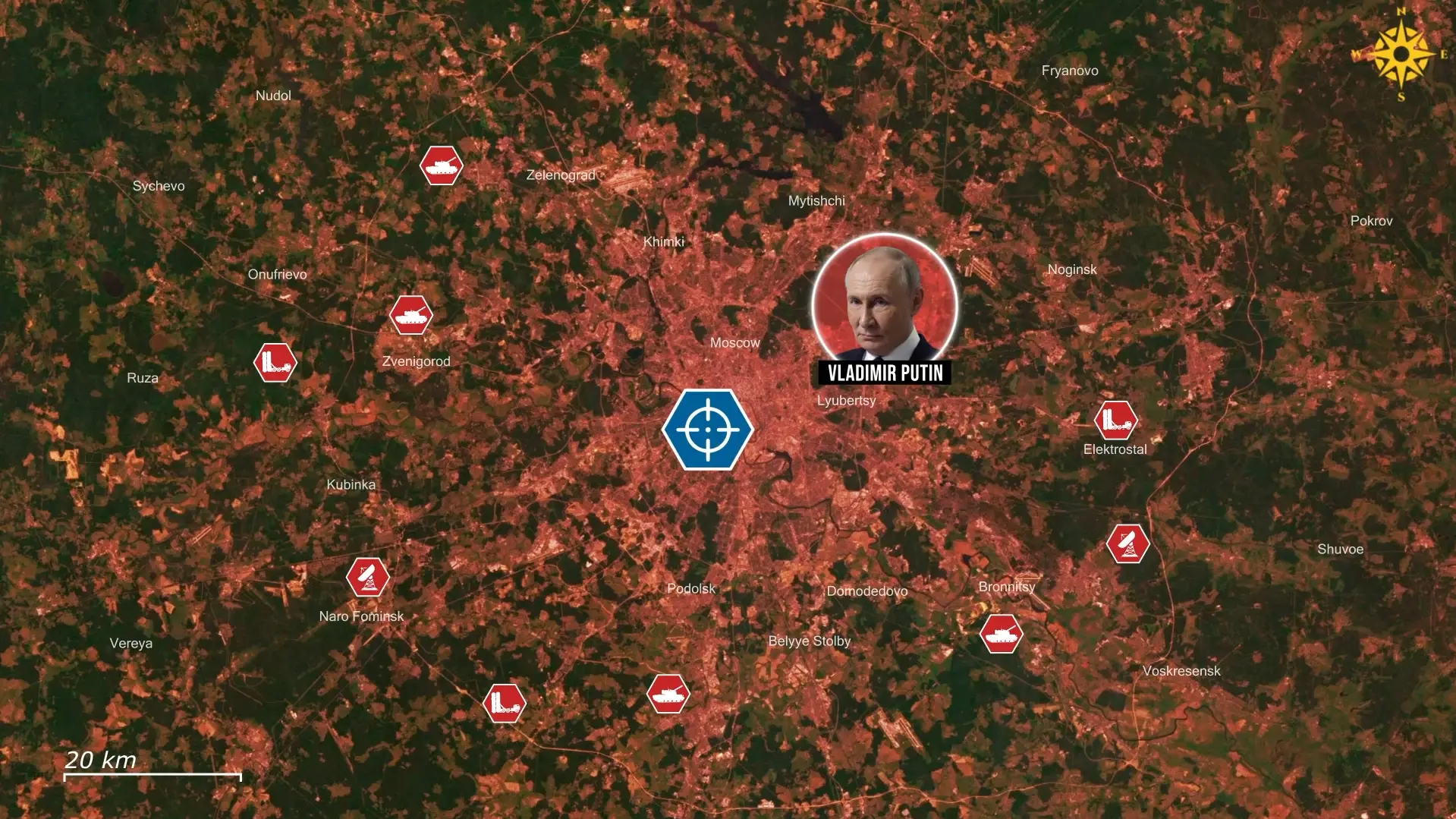
Today, Moscow experienced the largest Ukrainian drone attack of the war, with more than six-hundred-and-fifty drones targeting the Russian capital and the surrounding region overnight. According to Moscow Mayor Sergei Sobyanin, most of them were reportedly heading toward Moscow and were intercepted, while around one-hundred-and-eighty of them were brought down over the Moscow region. Even accepting those Russian claims, Ukrainian drones still penetrated the wider defensive network, making this the most extensive assault yet against Russia's political and economic center, affecting multiple targets simultaneously.
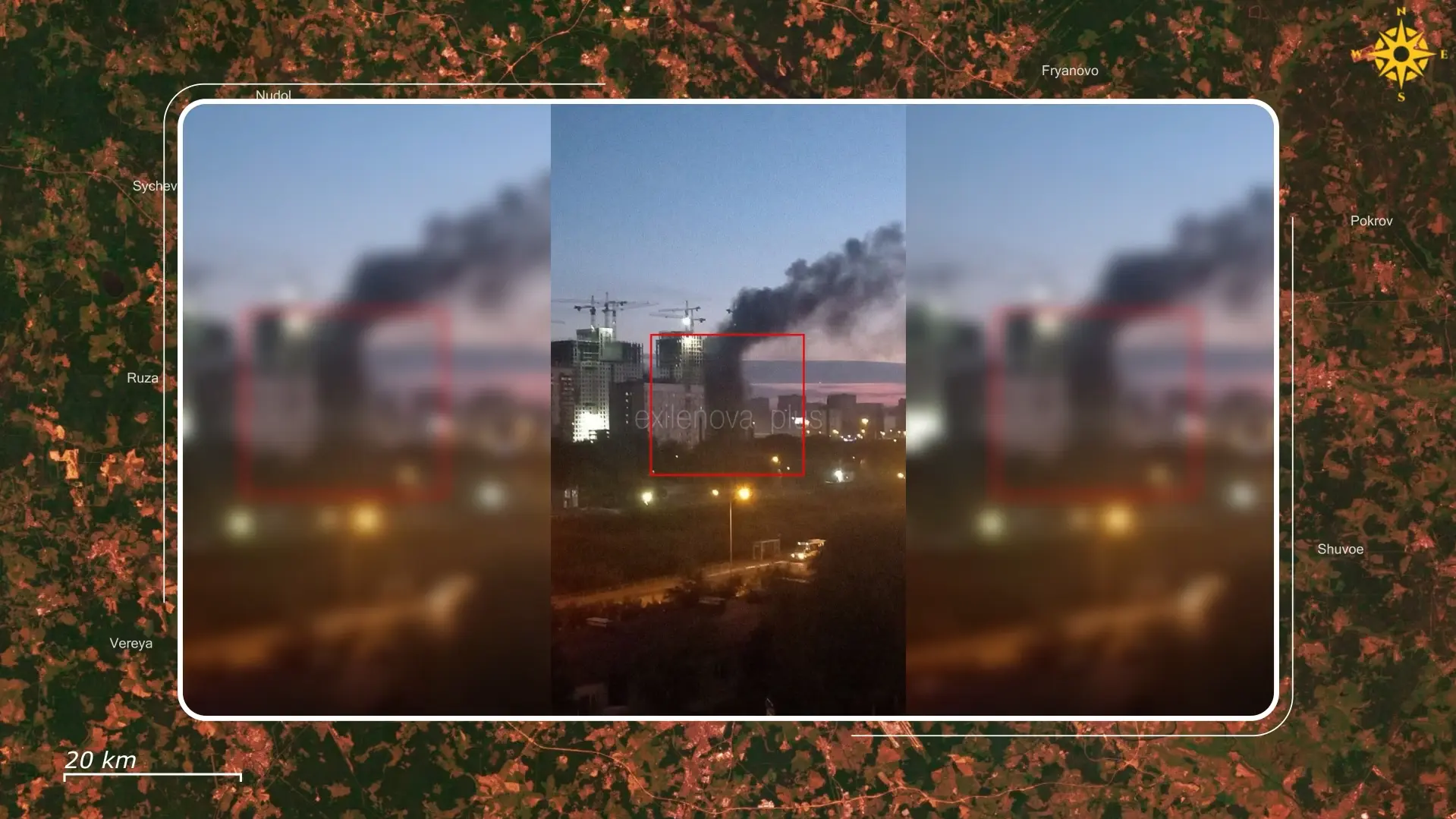
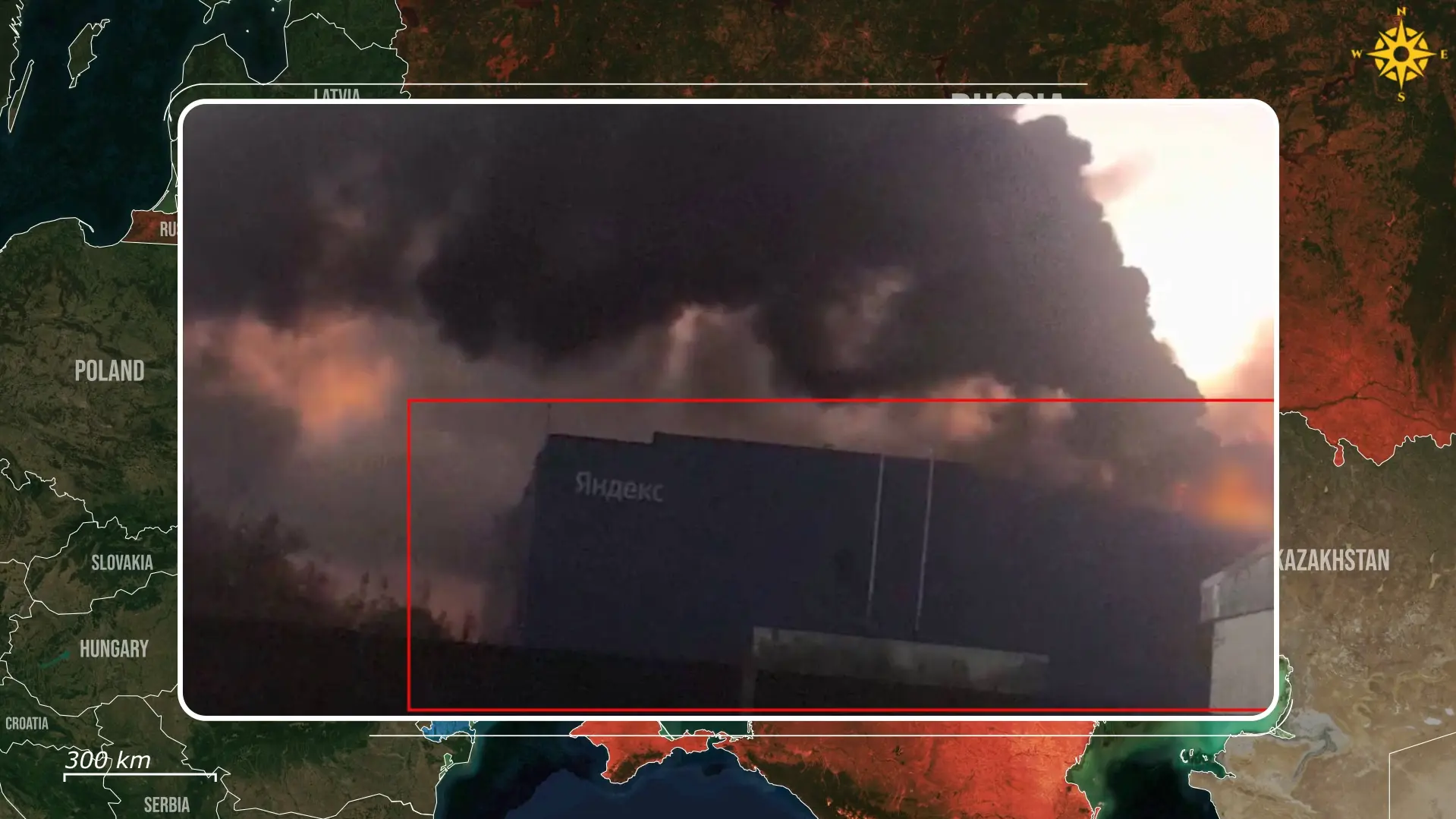
A Wildberries warehouse caught fire after being struck, while witness footage showed visible damage despite company statements minimizing the incident. Power infrastructure was also hit, with damage to equipment cutting electricity to more than ten thousand consumers and nearly fifty important government facilities. Russian authorities acknowledged this was the first outage of such scale in the Moscow region, while local reports also described a fire near the Kapotnya refinery, damage to various buildings, vehicles, and a transformer substation, and all four Moscow airports imposed flight restrictions as the raid continued through the night and into the early morning.
This attack represents the latest stage of an escalating Ukrainian campaign against Moscow that has intensified throughout the past week. Only hours earlier, on the sixteenth of August, the Moscow region also faced an enormous drone raid, with Russian officials reporting approximately six-hundred incoming drones and more than two-hundred intercepted over the region. During that operation, Ukrainian drones successfully struck the Severnoye Domodedovo warehouse hub, setting one of Russia's largest production and logistics centers ablaze.
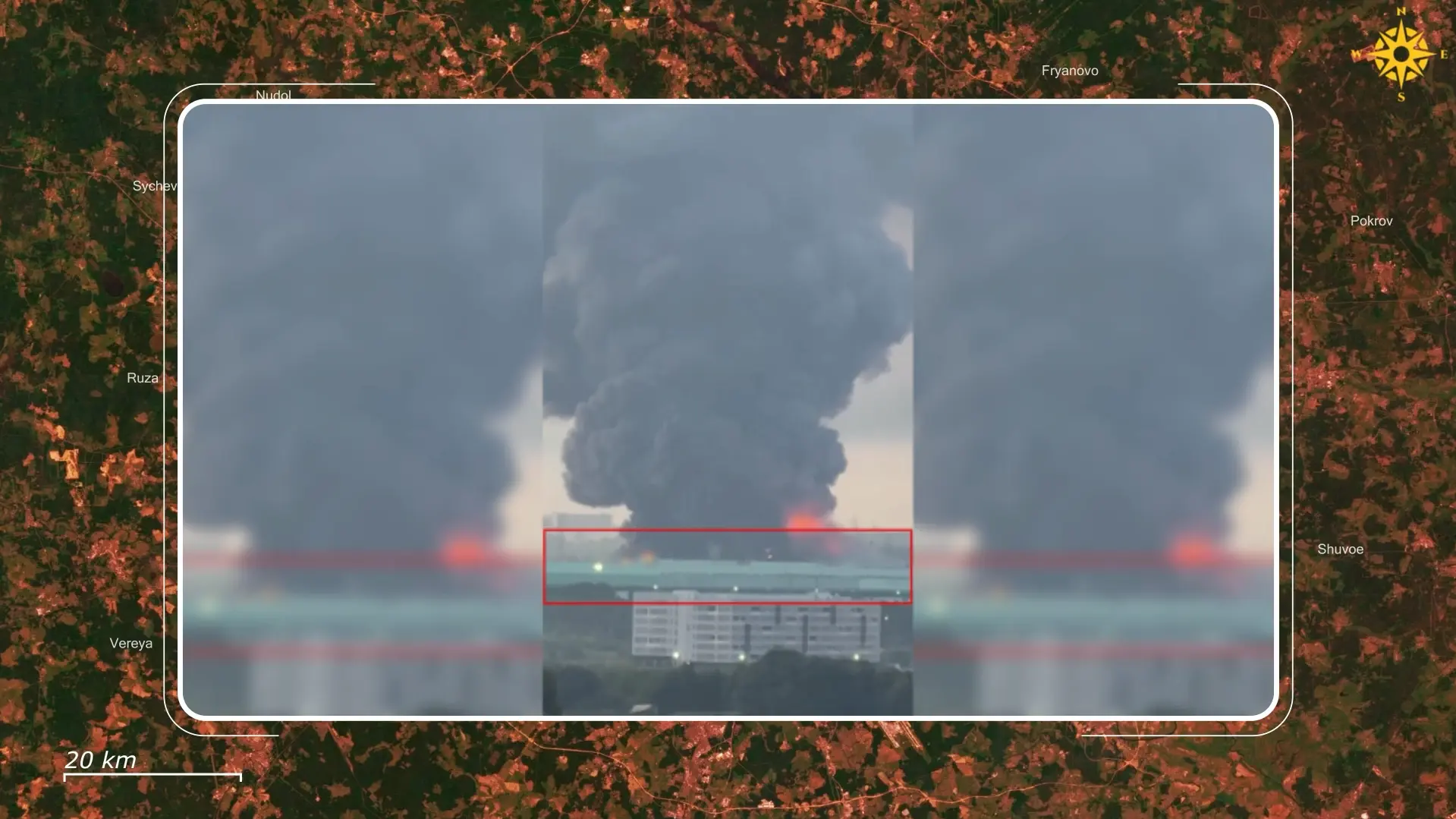
At the same time, Ukrainian drones ignited the massive Wildberries logistics complex in Koledino near Moscow. Covering roughly a quarter of a million square meters, the facility served as Wildberries' largest logistics hub after the destruction of its Elektrostal warehouse in July. Satellite imagery and footage from the scene indicated the complex was completely destroyed despite extensive firefighting efforts involving helicopters. Independent estimates suggested that goods worth nearly one billion US dollars were lost, as the warehouse had been central to maintaining one-to-two-day deliveries across Moscow and the surrounding region.
The Moscow campaign has extended well beyond commercial warehouses, as earlier attacks targeted the Central Research Institute of Machine Building, a major Russian aerospace and rocket engineering research center, causing significant damage to the building. Another strike near the Wildberries logistics center in Novoselki near Moscow damaged a nearby power substation and administrative building.
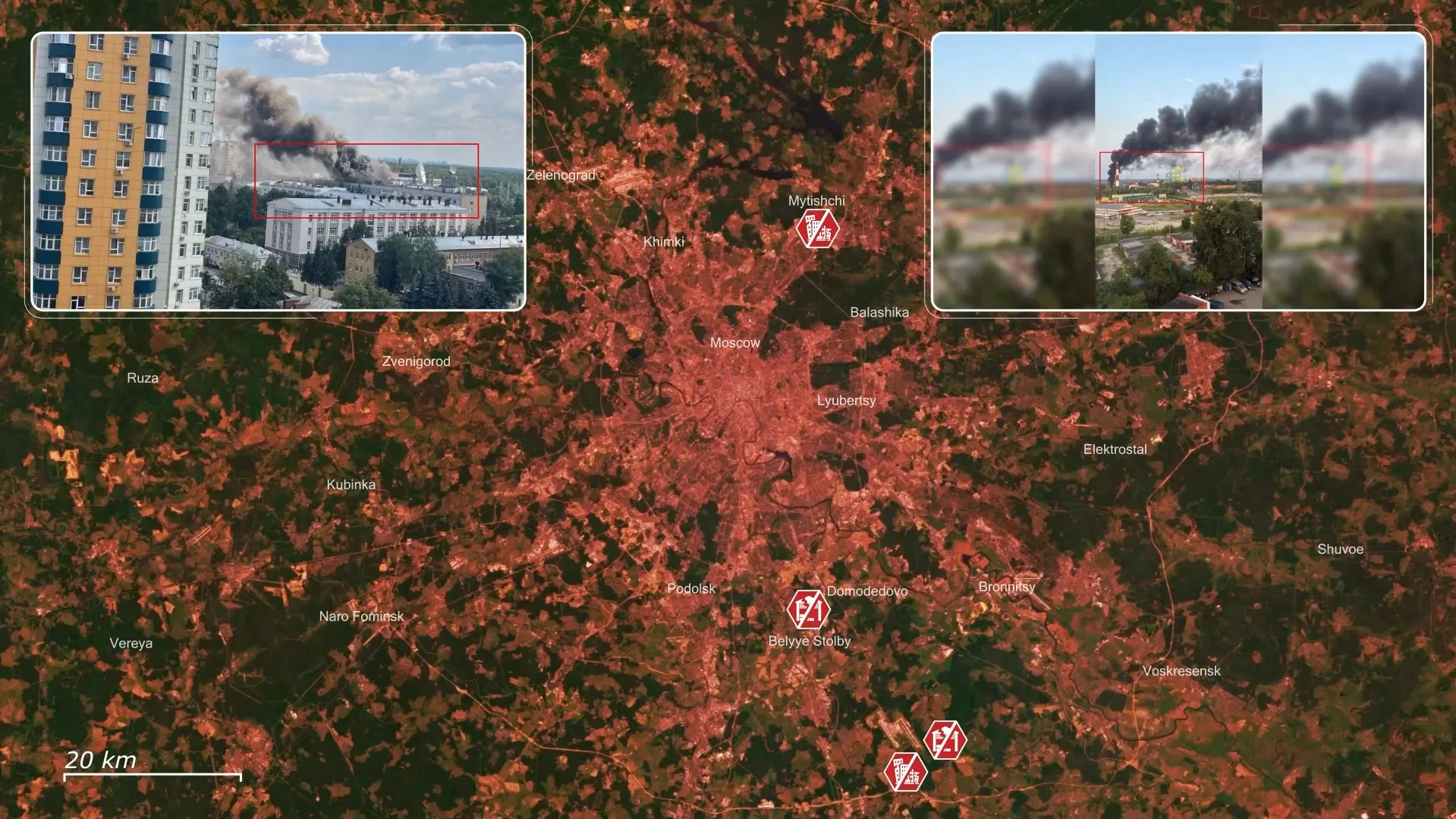
These operations reveal a consistent pattern, as Ukraine continues to systematically target logistics hubs, research facilities, warehouses, and supporting infrastructure around Moscow, gradually increasing pressure on both Russia's economy and its ability to sustain military production and distribution. Instead of concentrating on a single type of target, the campaign forces Russian authorities to defend dozens of important facilities simultaneously, stretching already limited air-defense resources across an ever-growing number of critical sites. At the same time, Russia's air-defense network faces mounting strain from depleted interceptor missile inventories, growing pressure on radar coverage, and an increasing shortage of experienced operators.
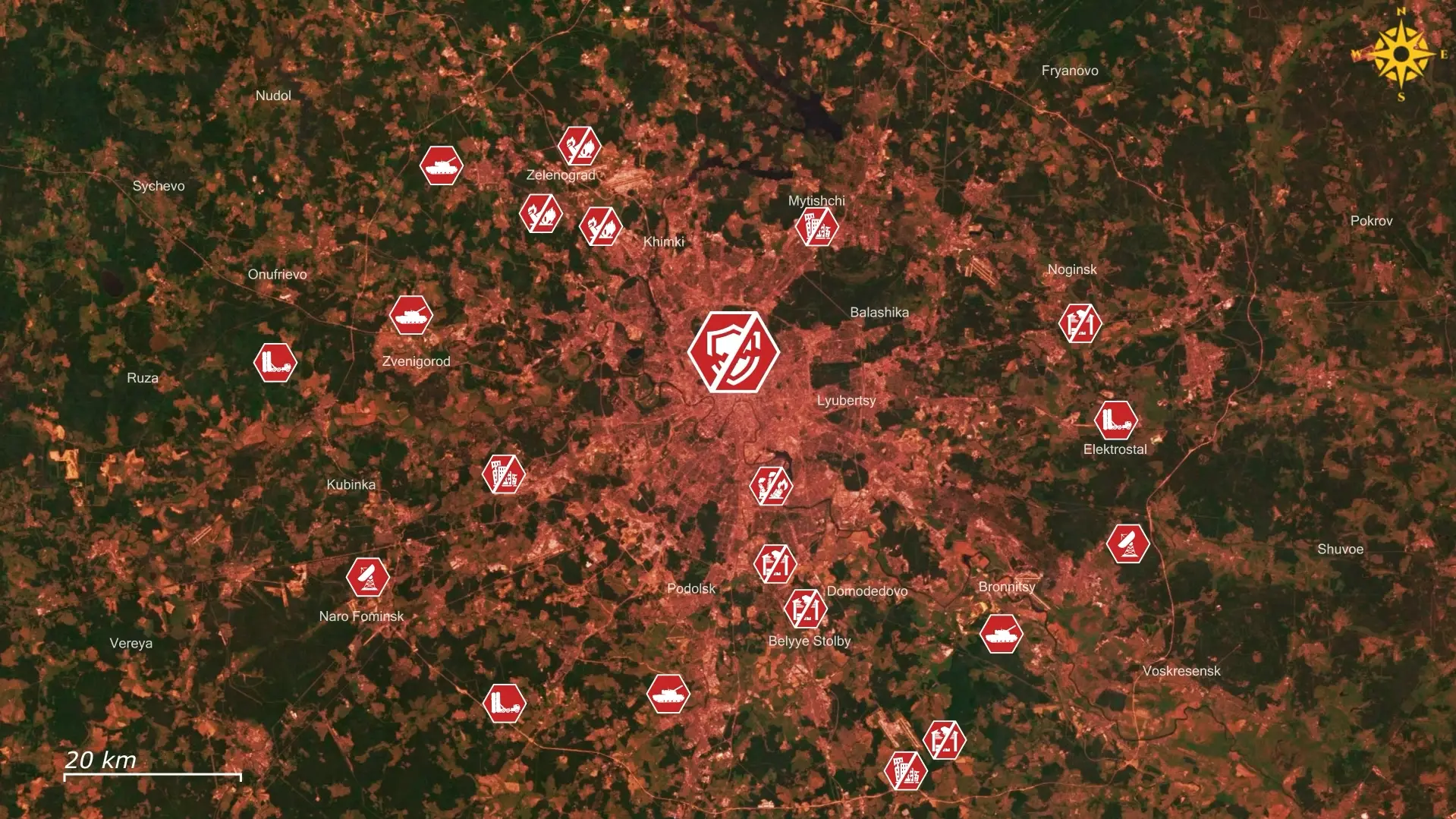
Perhaps the most significant trend is the sheer scale of Ukraine's expanding drone operations. Only several months ago, raids involving around three-hundred long-range drones against multiple targets represented an exceptional effort. That later increased to approximately six-hundred drones directed across several regions during the same night. Now Moscow alone is reportedly facing more than six-hundred-and-fifty Ukrainian drones night after night. This rapid growth reflects Ukraine's expanding production capacity and continuous development of new long-range unmanned systems capable of reaching deeper inside Russia in greater numbers.
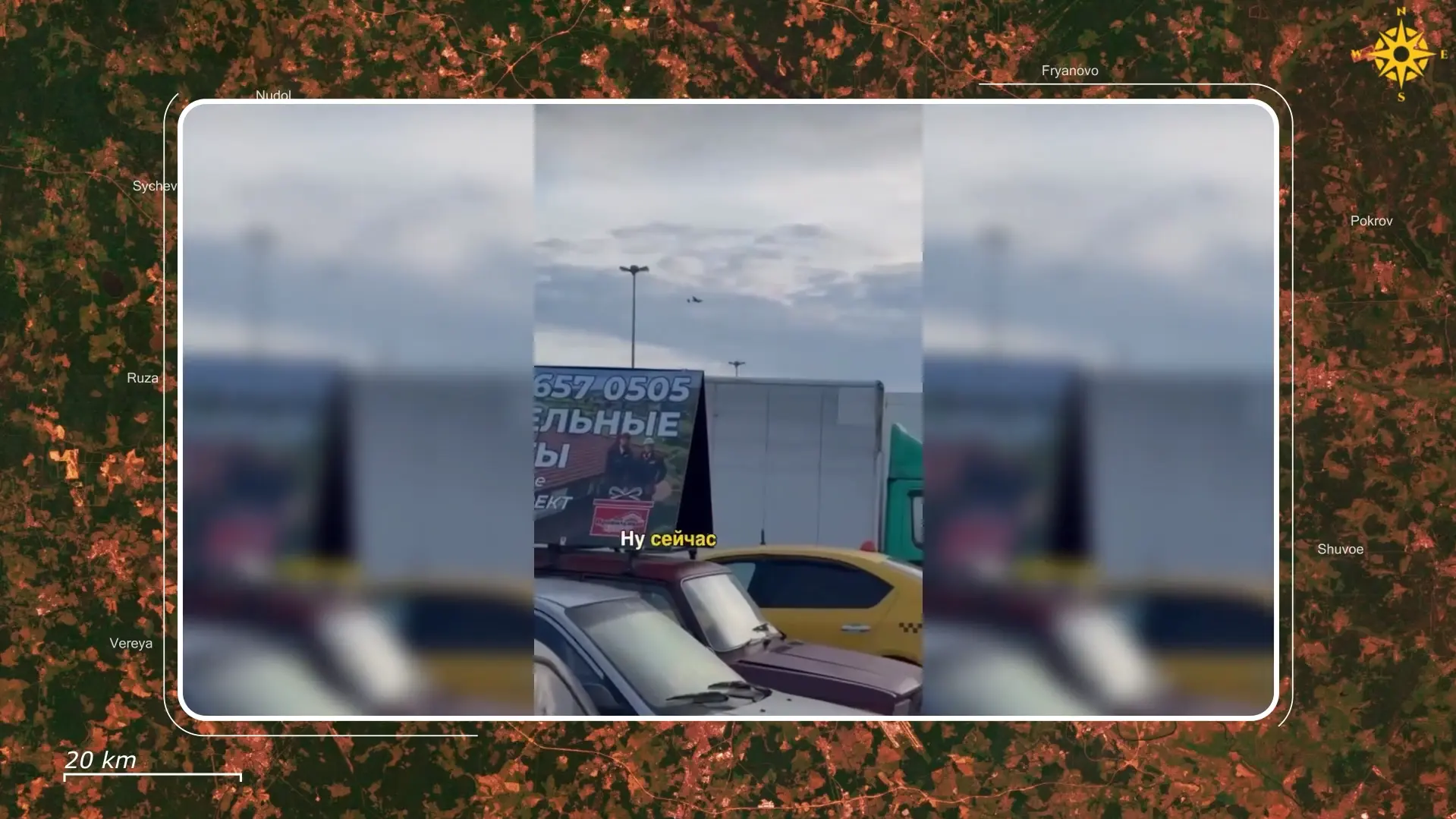
Overall, as larger Ukrainian drone swarms arrive more frequently, the burden on the Russian defenders continues rising, increasing the risks of interception failures, infrastructure damage, and even friendly-fire incidents. If Ukraine maintains its current production trajectory while further refining its long-range drone capabilities, the scale and intensity of future attacks on Moscow and other strategic regions will continue growing, putting Russian officials under more pressure.
.jpg)

Comments