

.svg)
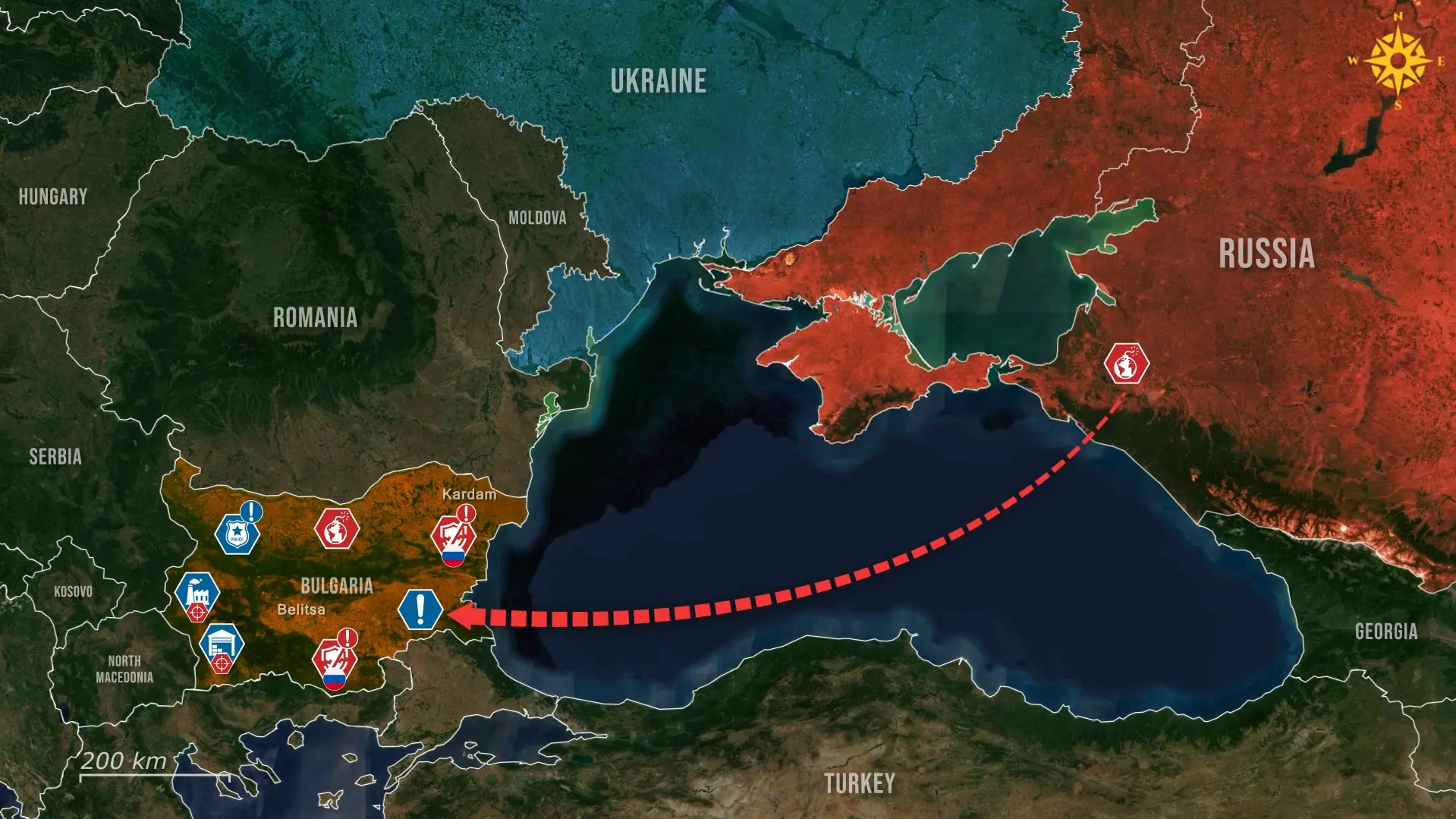
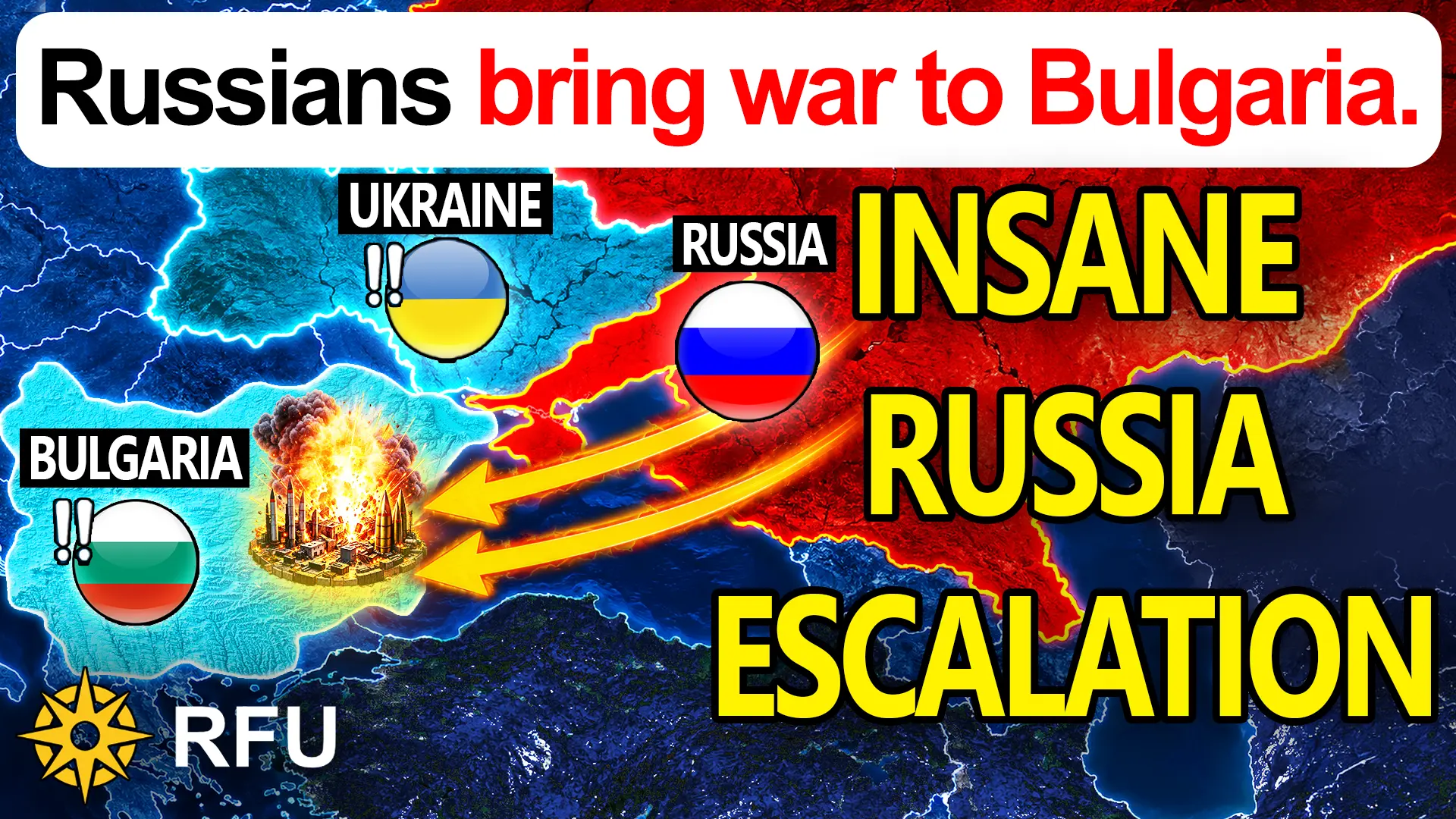
In an unprecedented escalation, Russia’s war has now reached Bulgaria’s arms industry, after a major explosion tore through an ammunition warehouse at the Emco military plant near Belitsa, outside Tryavna. A truck fire was reported at the facility shortly before a series of explosions tore through the ammunition warehouse, while roughly three hundred workers and nearby residents were evacuated and no casualties were reported.
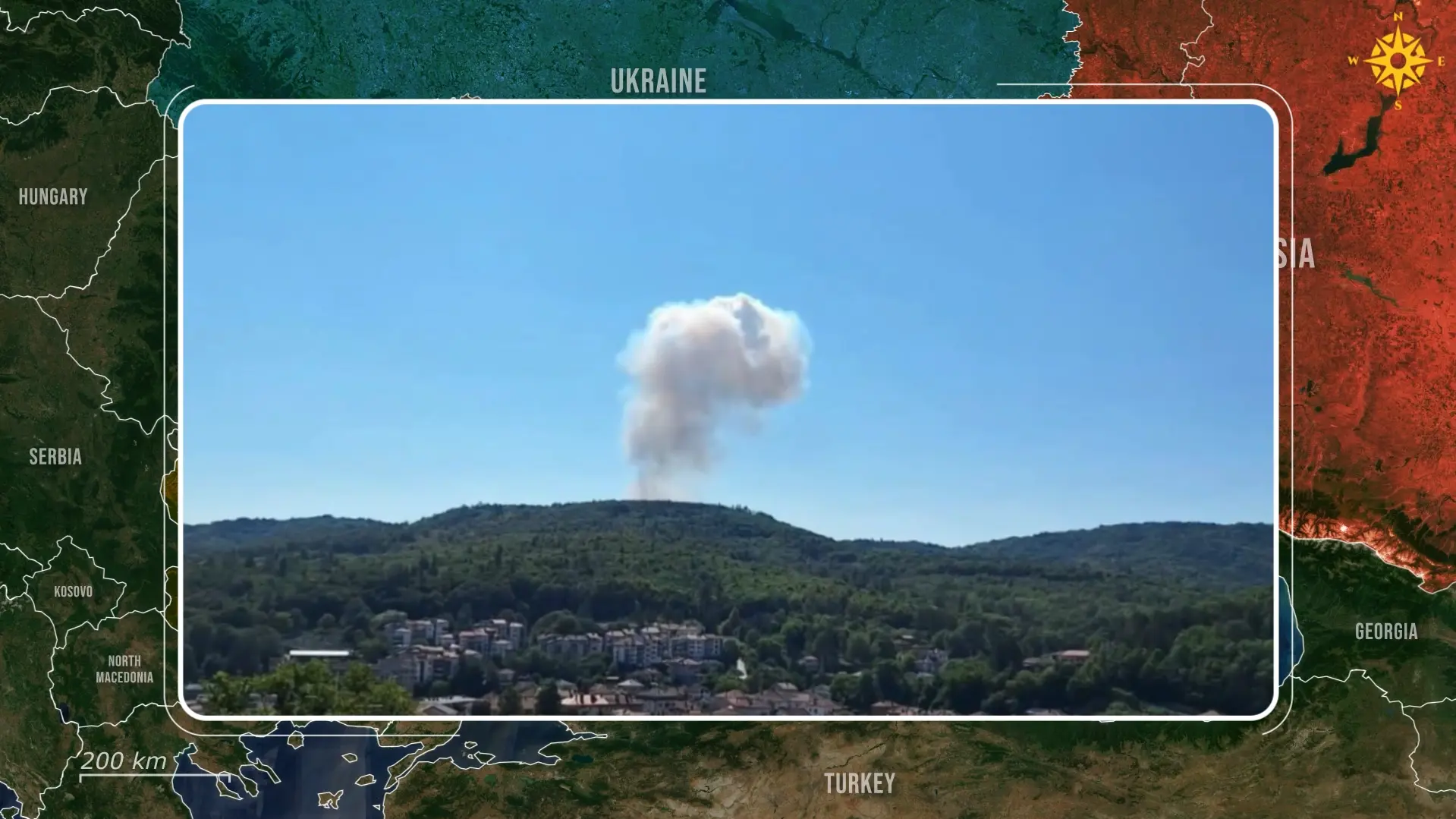
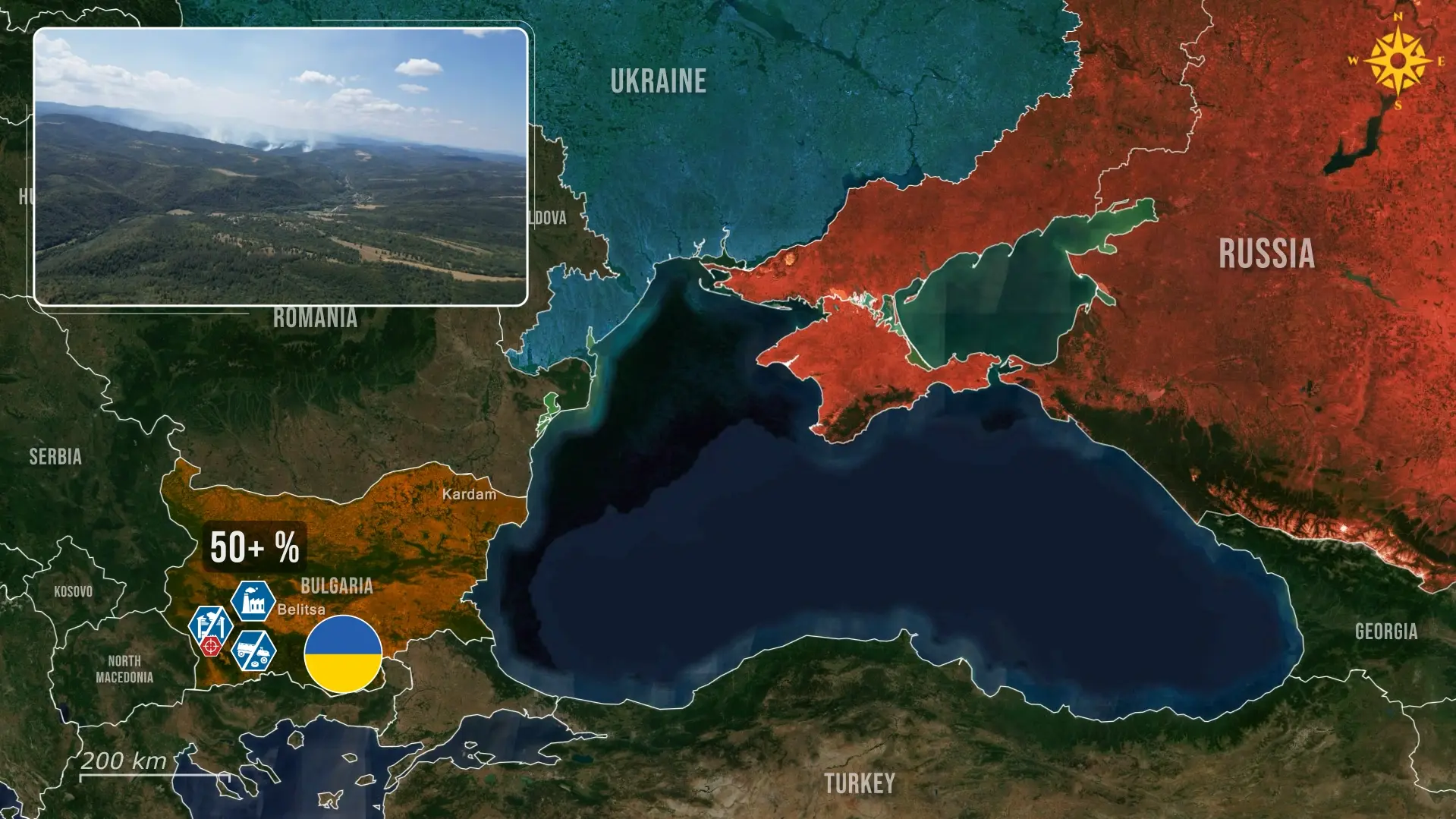
Emco has supplied Ukraine since twenty fourteen, while Bulgarian officials have said more than half of the country’s ammunition production reaches Ukraine directly or indirectly. Locals reported loud explosions as smoke spread into the surrounding forest, while authorities activated Bulgaria’s nationwide emergency alert system, cordoned off the area and sent fire and police teams to the plant. The blast therefore hit a facility tied directly to Ukraine’s ammunition supply, bringing the consequences of the war into Bulgaria’s defense industry.
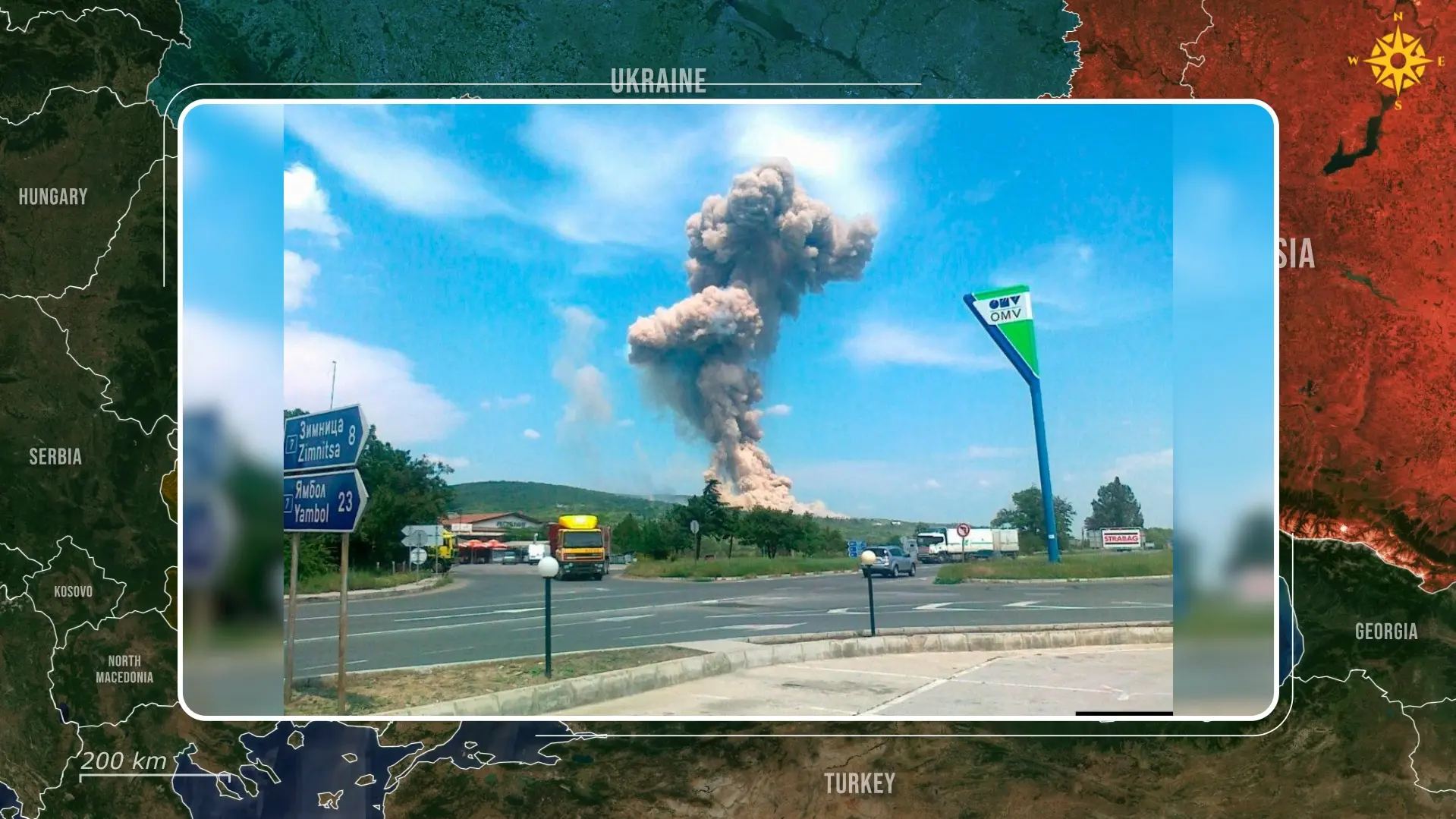
No foreign perpetrator has been officially identified in the explosion, but Emco and its owner, Emilian Gebrev, have repeatedly appeared in investigations into suspected Russian sabotage operations over the past decade. Bulgarian prosecutors investigated six Russian nationals in connection with four explosions at arms sites between two thousand eleven and two thousand twenty, including an Emco depot in Lovnidol. The pattern also extended beyond Bulgaria, when explosions destroyed ammunition depots in the Czech village of Vrbetice in two thousand fourteen and investigators later found links between the site and Emco, although it remains unclear which company’s ammunition was actually targeted. Gebrev himself and a major supplier of ammunition to Ukraine, was poisoned in Sofia in two thousand fifteen together with his son and a company executive. Bulgarian prosecutors later charged three Russians over the attempted killings, while subsequent investigations linked the same GRU unit to the poisoning and ammunition depot sabotage. That history does not prove Russia caused the latest blast, but it immediately revived suspicions of Russian sabotage.
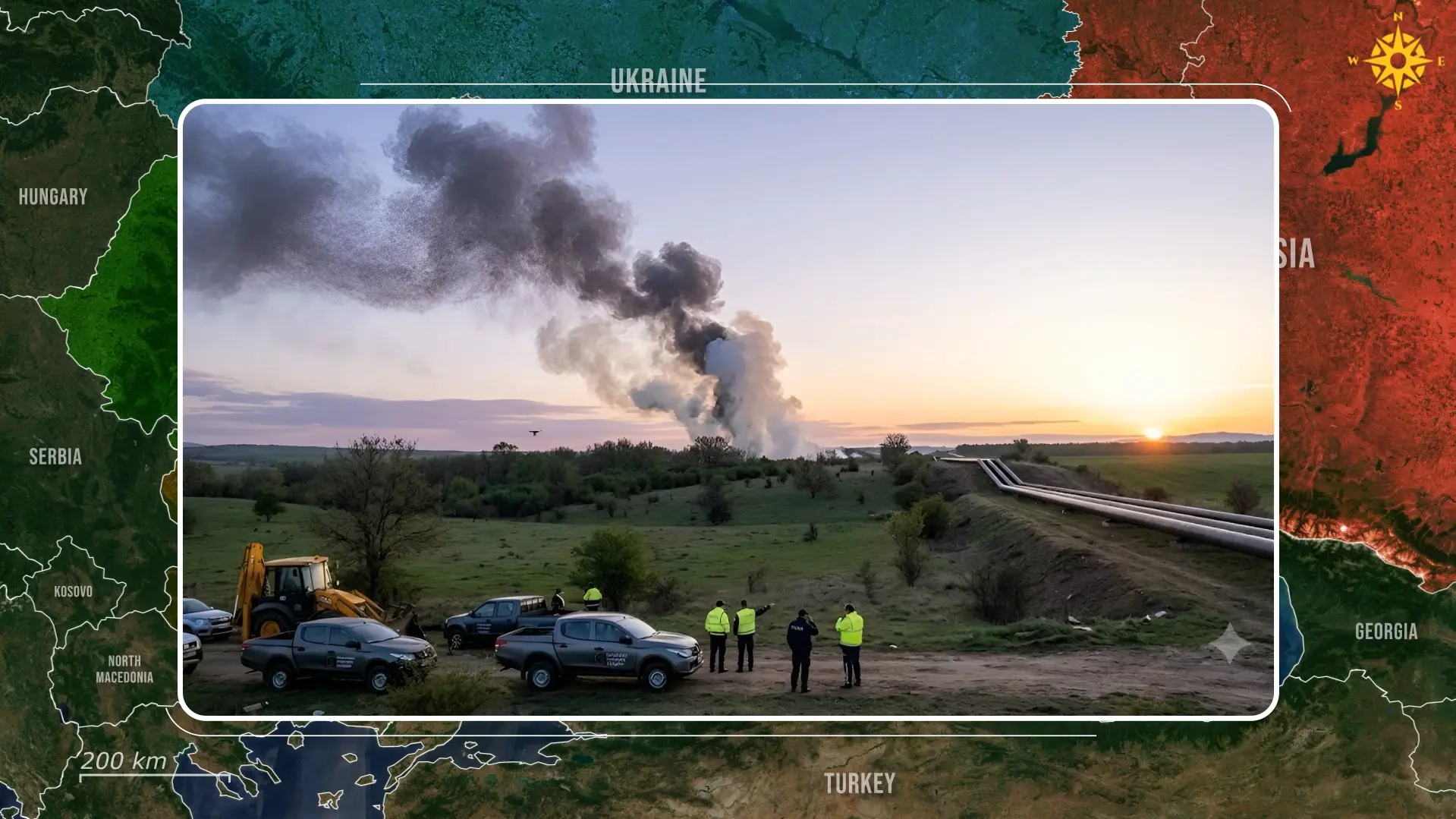
Only two days before the ammunition plant explosion, Bulgaria had already faced another spillover from the war when a drone crossed from Romanian airspace and entered Bulgaria near the village of Kardam. Bulgarian authorities identified it as a likely Ukrainian Maya decoy drone and said there was no sign it entered Bulgaria intentionally. The drone came down roughly one hundred meters inside Bulgarian territory, close to the Trans-Balkan gas pipeline, with the Bulgarian compressor station about one kilometer away. Officials said GPS jamming or a technical failure may have pushed it off course, while some local witnesses said they had not personally heard the explosion reported by Bulgarian authorities. Prime Minister Rumen Radev publicly described it as a Ukrainian decoy drone, while Ukraine denied deliberately targeting Bulgaria and said it was cooperating with Sofia to establish what had happened.
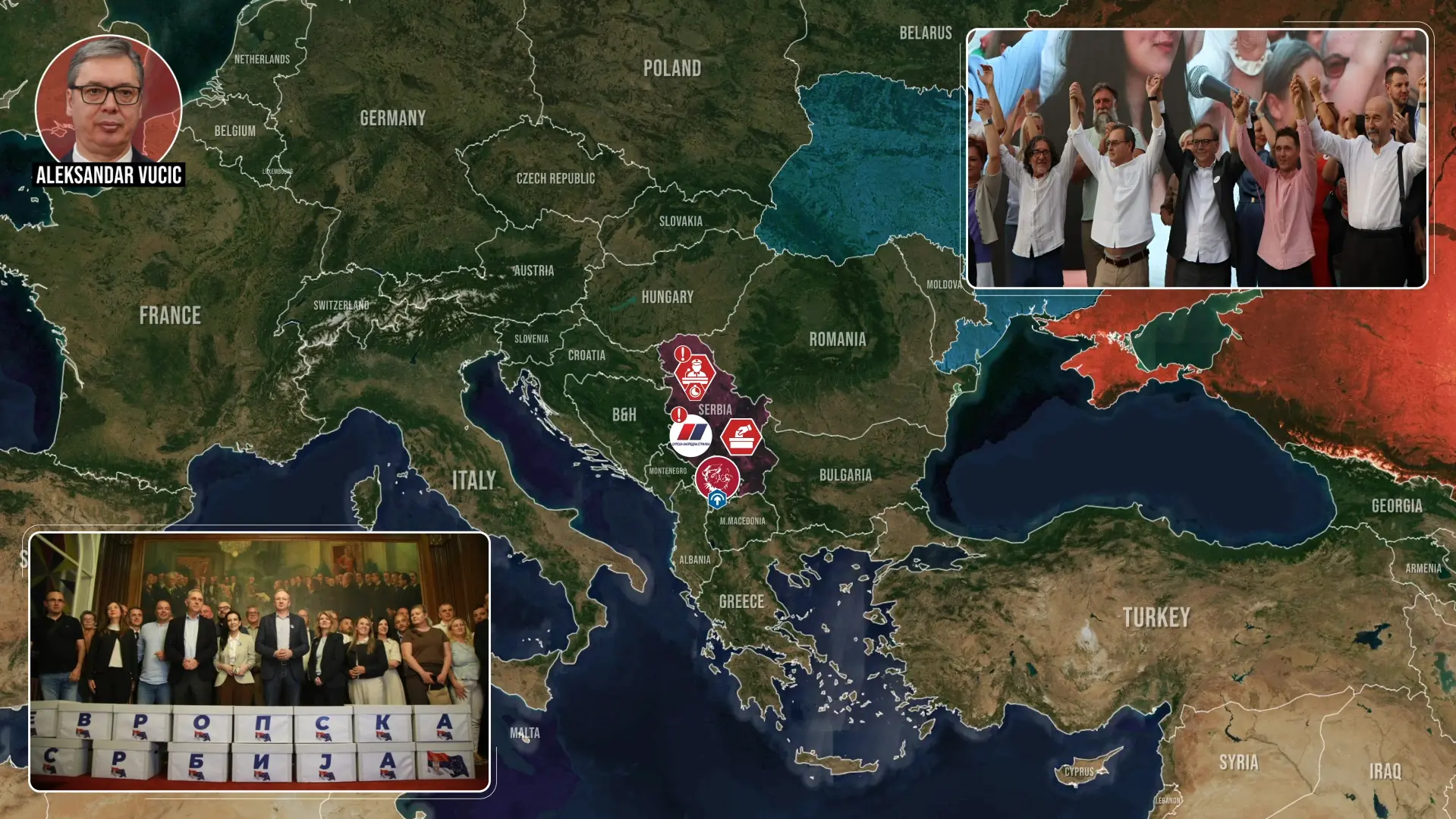
Bulgaria has meanwhile moved sharply toward a government far more skeptical of supporting Ukraine. Rumen Radev’s Progressive Bulgaria won forty-four point six percent of the April vote and one hundred thirty-one of two hundred forty parliamentary seats, before parliament elected Radev prime minister in May. Then in July, Bulgaria withdrew from the Coalition of the Willing supporting Ukraine, with Radev saying the country would not participate in a group committed to continuing financial and military assistance to Kyiv. Radev’s government has instead begun pushing Bulgaria toward a more Moscow friendly position inside the EU and Nato, while distancing the country from deeper military support for Ukraine. But if Russian involvement in the ammunition plant blast is confirmed, Moscow would effectively have attacked the defense industry of one of the EU governments most sympathetic to improving relations with Russia.
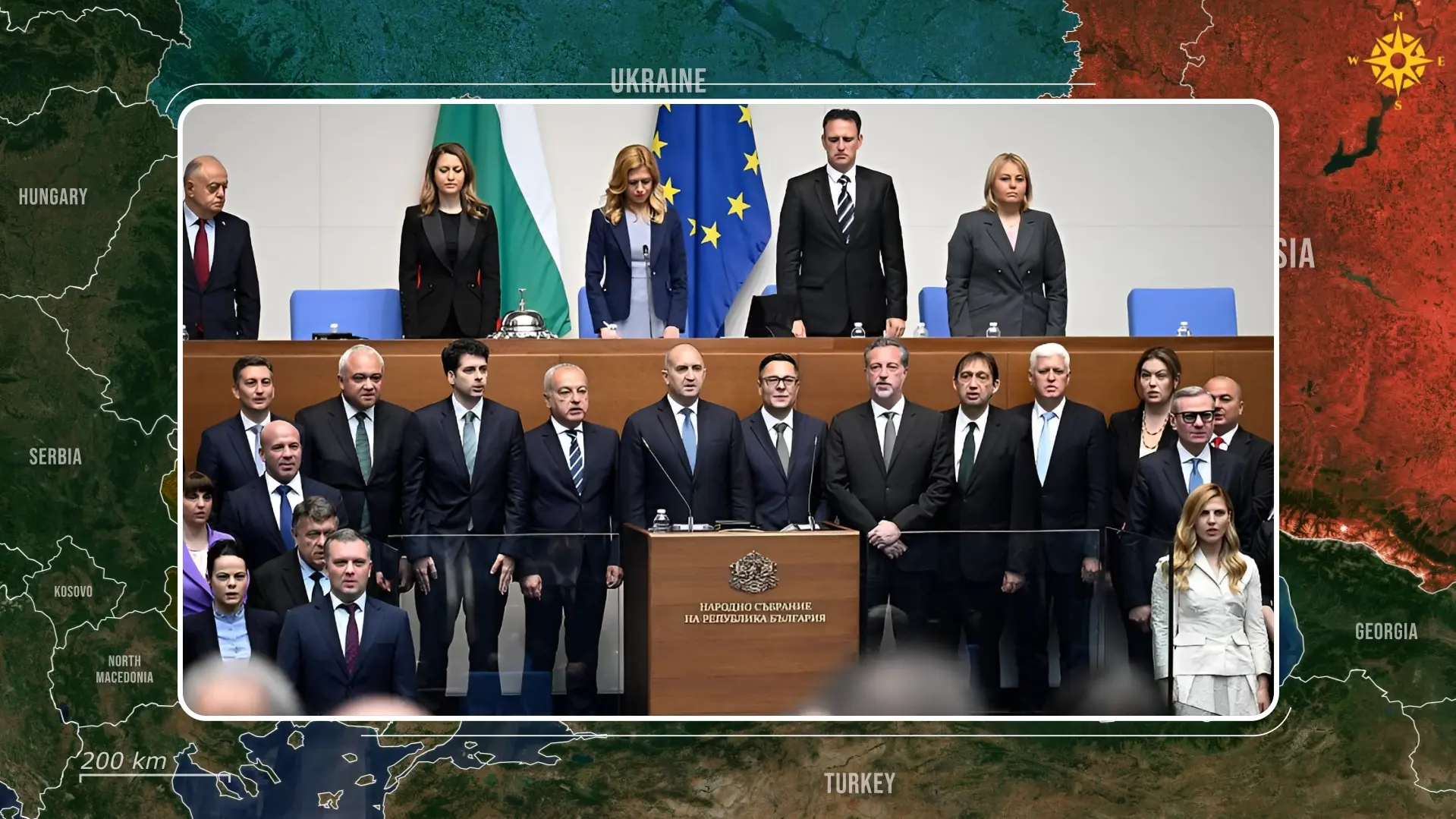
Overall, the latest explosion shows how suspected Russian pressure against Ukraine’s military supply can create a direct political problem even for a government moving closer to Moscow. Every Russian linked attack or suspected sabotage operation on Bulgarian territory directly undermines the argument that a pro-Russian government can make Bulgaria safer. It would also increase pressure on Bulgarian security institutions to strengthen protection of the country’s defense industry even as the government seeks a more favourable relationship with Moscow. If Russian involvement is eventually established, Moscow would have created its own strategic problem by bringing the war directly into Bulgaria and weakening the political case for closer ties with Russia.
.jpg)

Comments