


Today, there is interesting news from the Mediterranean Sea.
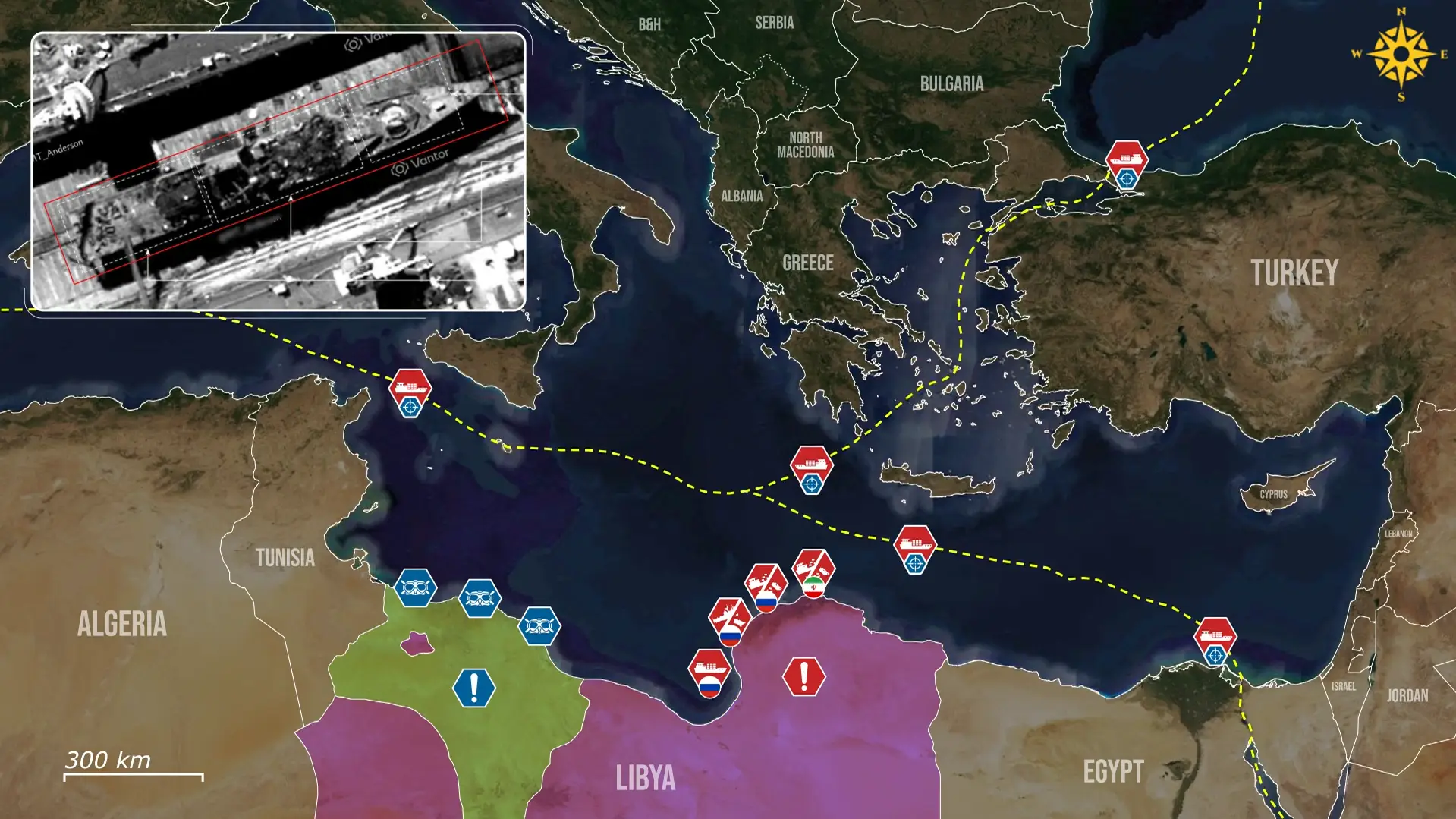
Here, Ukraine has carried out its most daring naval operation of the year, striking multiple Russian vessels thousands of kilometers from the Black Sea, in Libya’s Mediterranean waters. The most spectacular attack occurred inside Benghazi’s port, where the Russian corvette Merkury was engulfed by explosions and enormous fires.
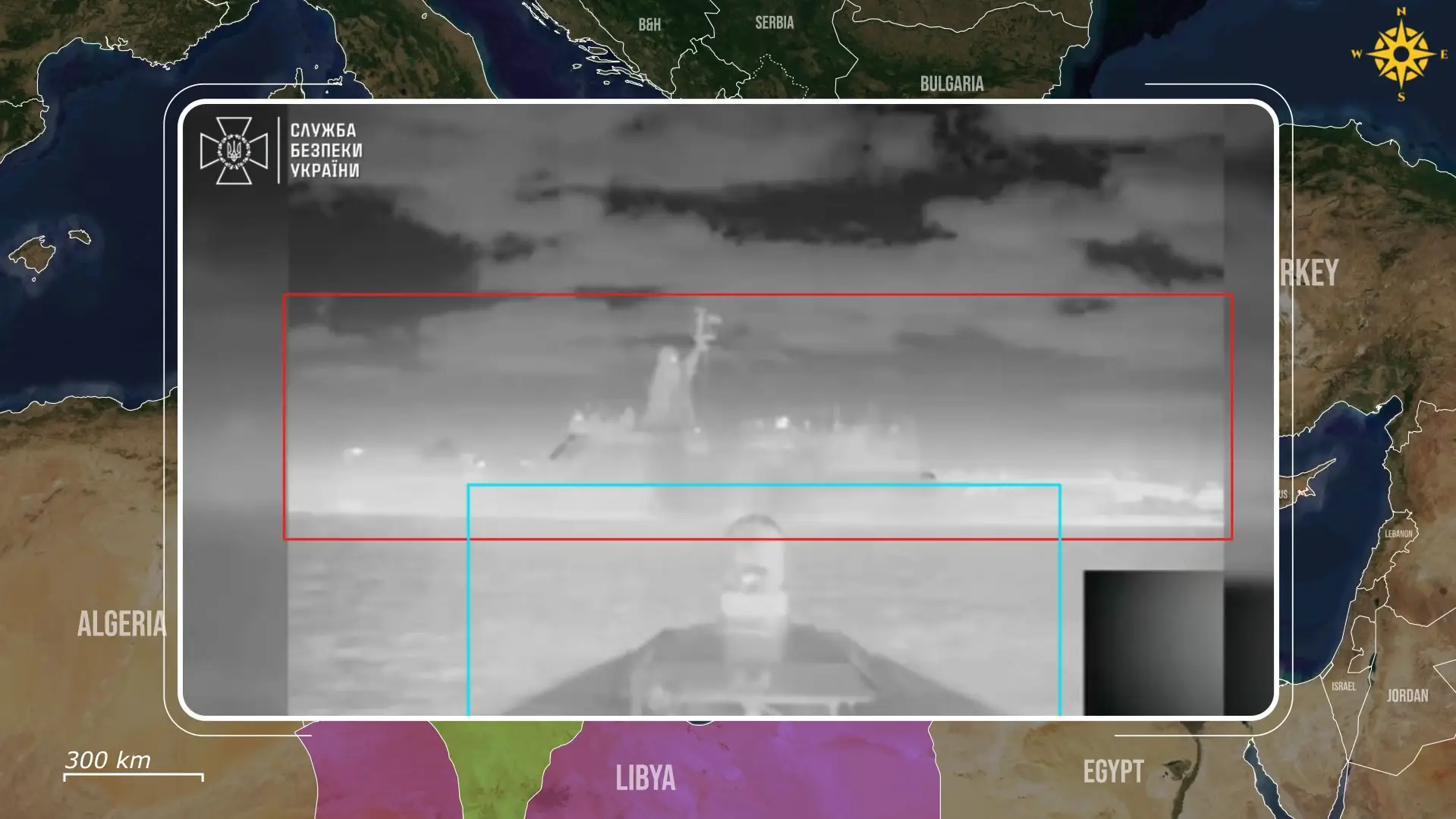
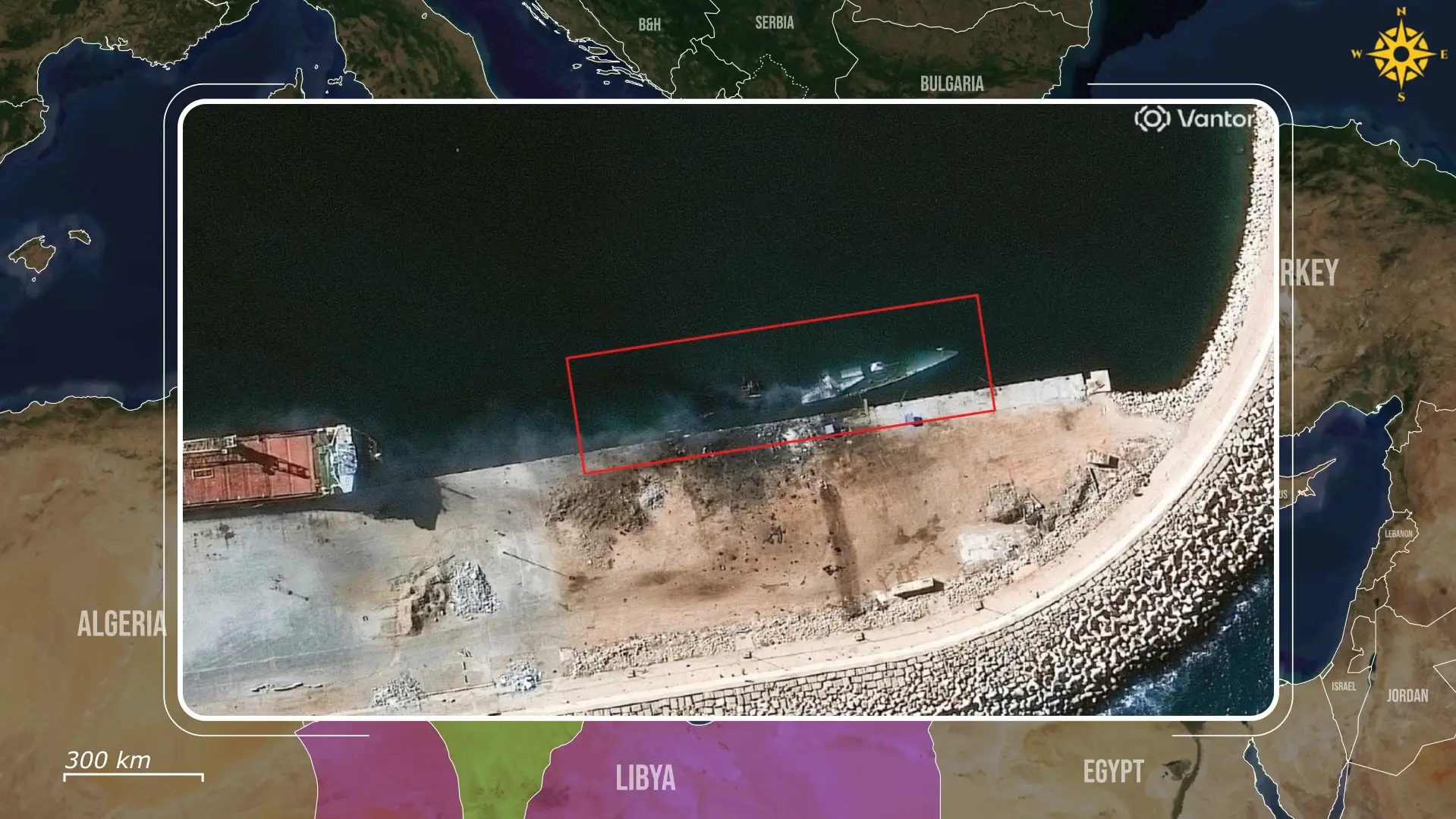
Footage showed flames illuminating the harbor, while satellite imagery revealed extensive destruction across the vessel’s stern and midsection, confirming that the warship sank with an embarked Ka-Twenty-Seven helicopter. Commissioned just three years ago, the corvette carried Kh-Thirty-Five anti-ship missiles and Redut air-defense systems, and was valued at an estimated three hundred million US dollars. Its mission was particularly important to escort Russian military cargo shipments supplying Russian ally Khalifa Haftar’s forces and Russia’s own Afrika Korps.
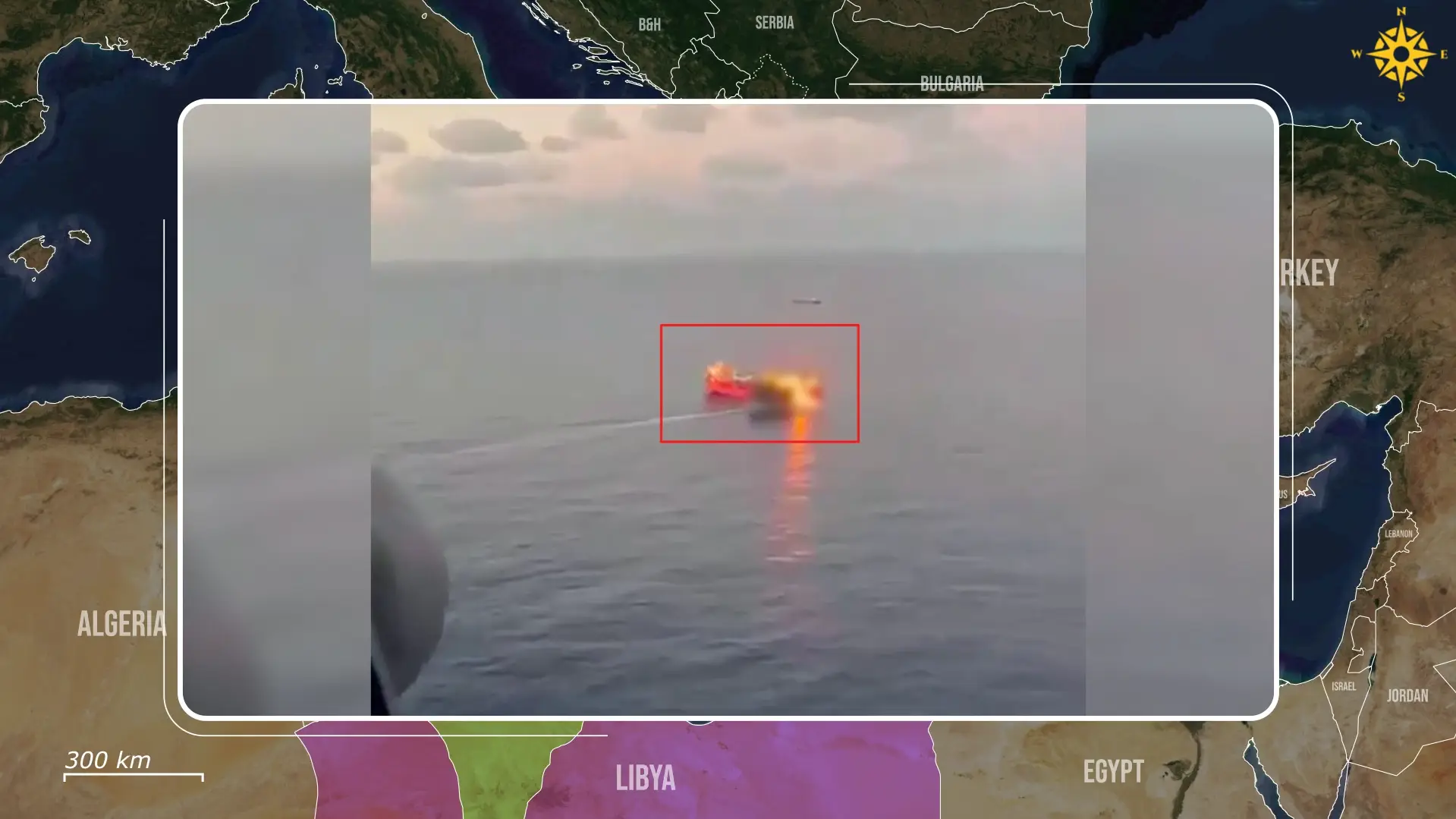
But Merkury was only the first victim, as hours later Ukrainian naval drones attacked the Russian cargo vessel Angara off Benghazi, with footage filmed from a Libyan military helicopter apparently showing an explosive surface drone striking the ship. Angara transported military equipment from Kaliningrad to eastern Libya. Ukrainian operators also attempted to strike another Russian cargo vessel, Anastasiia, while it was unloading in Benghazi, although initial information indicates that this attack missed. Open-source data analysts previously tracked Anastasiia and other ships traveling toward Libya under the protection of the landing ship Aleksandr Shabalin, transporting armored vehicles and logistical equipment. Meanwhile, the Iranian cargo ship Alvan, operated by the Iranian state, was struck by drones near its port quarter, but emergency crews contained the resulting fire, and the vessel remained afloat.
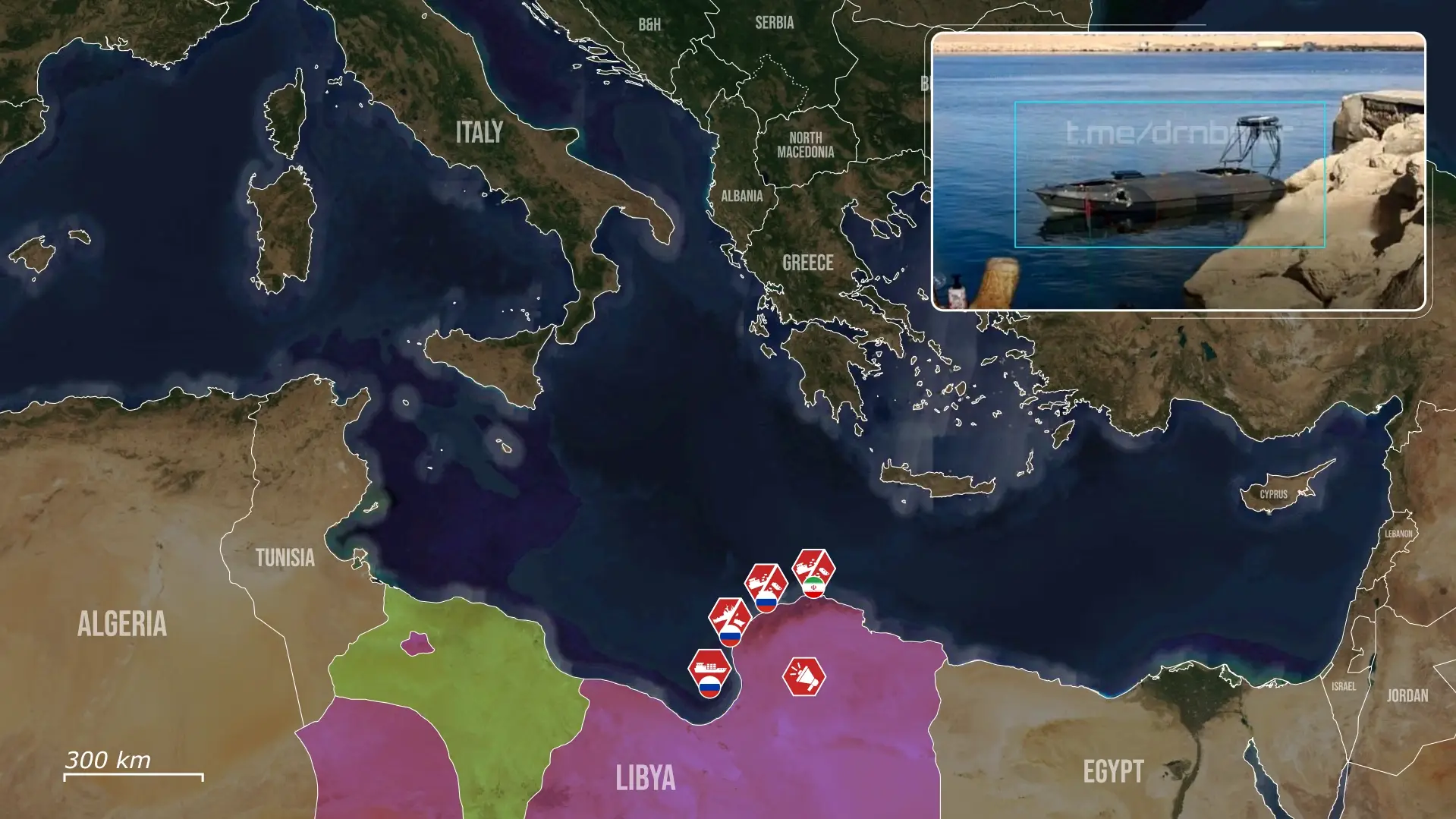
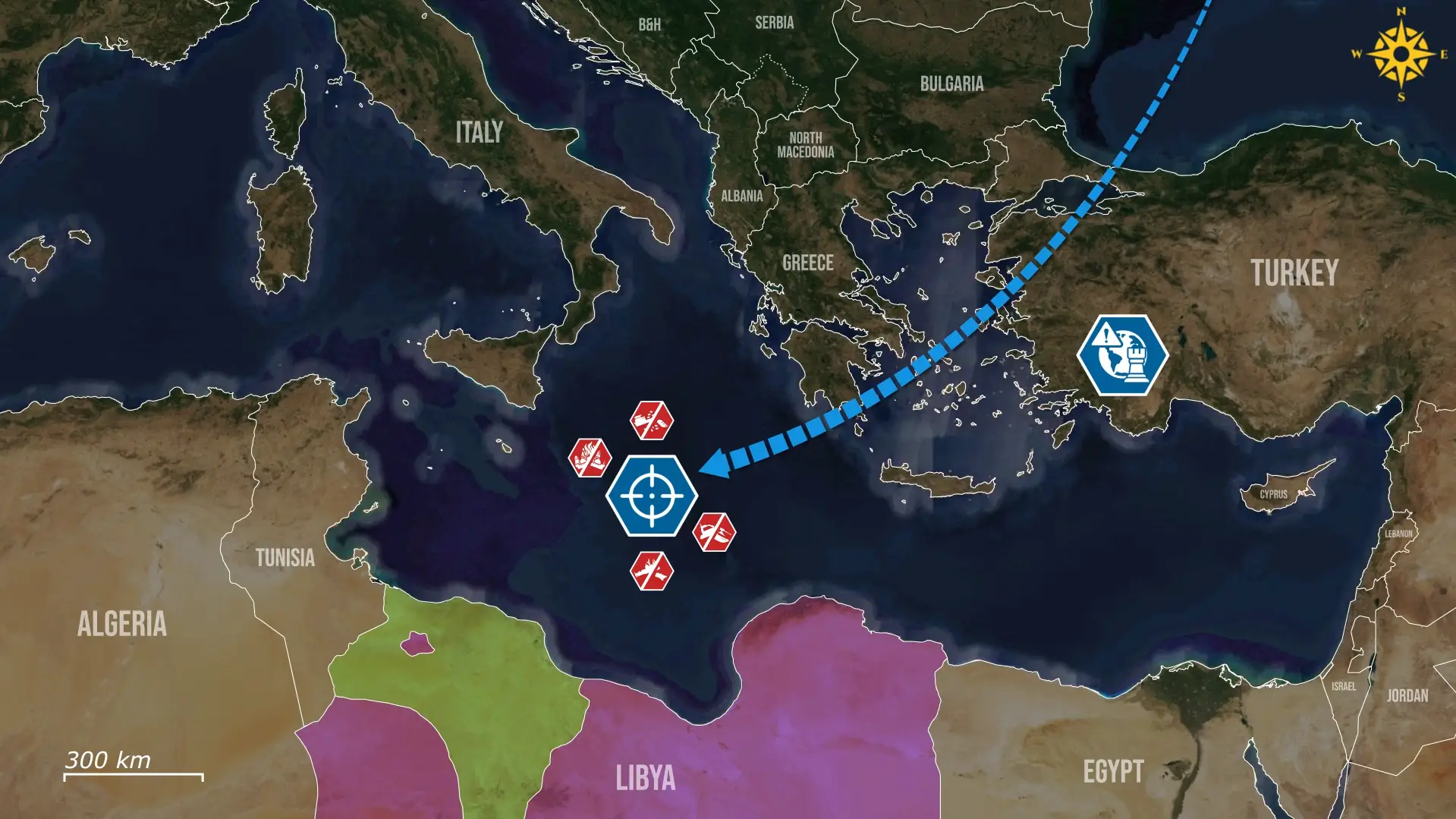
The operation’s most remarkable feature was how Ukrainian naval drones reached targets so far from home. Ukraine’s Security Service confirmed deploying seven domestically manufactured unmanned surface vessels, initially travelling aboard a mothership before being launched near their designated targets. This eliminates the need for the explosive-laden vessels to independently navigate thousands of kilometers across the Mediterranean. Maritime analysts identified one apparent drone as the Sargan Three Thousand, as Libyan officials claimed that at least four drones were intercepted, while two successfully struck Merkury, which suggests a coordinated attack designed to exhaust or penetrate local defenses. Another option is also possible, with the launches originating from Ukrainian-supported facilities in western Libya, outside Russia’s sphere of influence. French analysts previously described Ukrainian specialists operating around Misrata, Tripoli, and Zawiya, including facilities supporting maritime drones, which could also be the launch location of the mothership before the drones were dropped later to execute the attack.
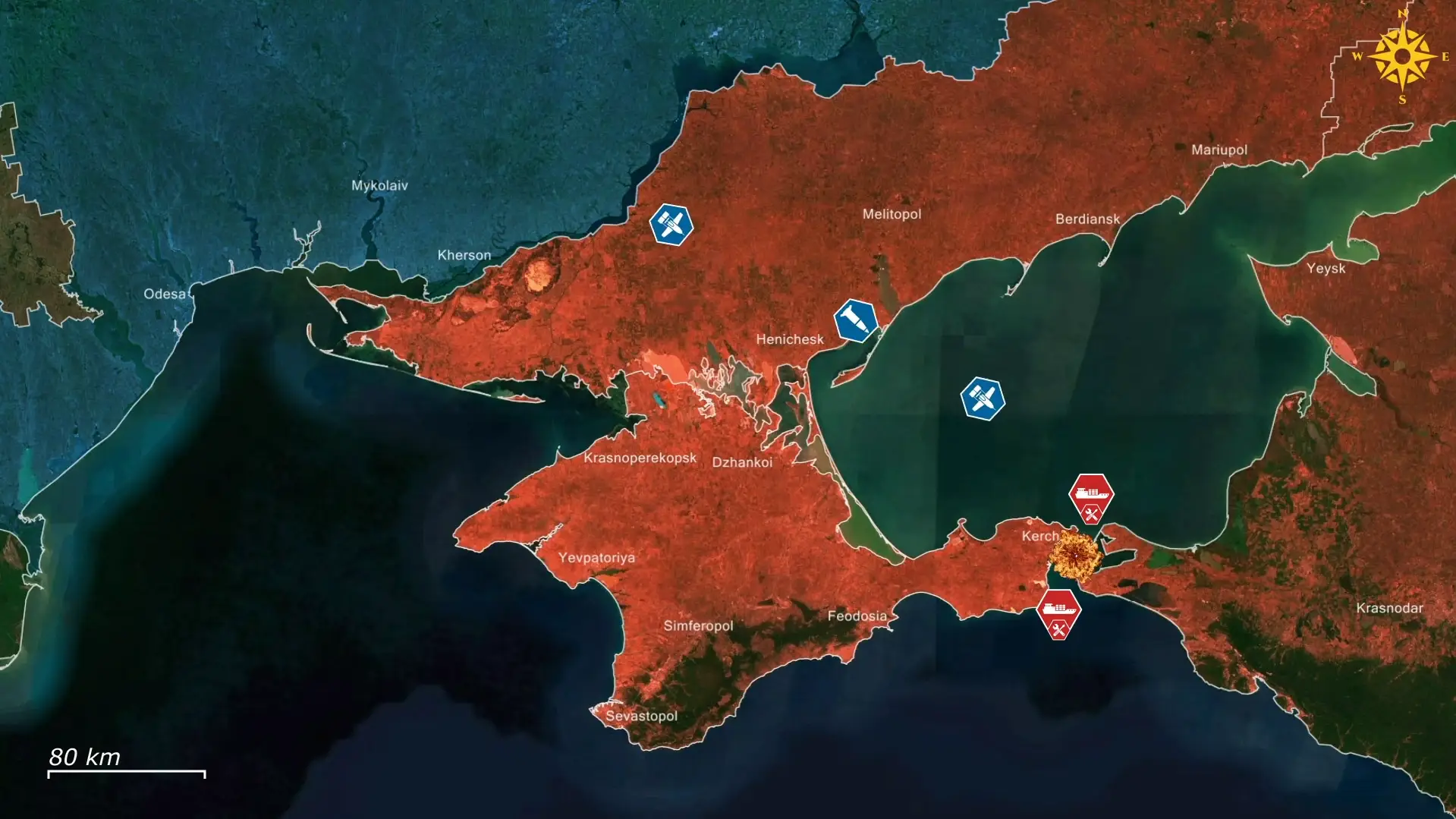
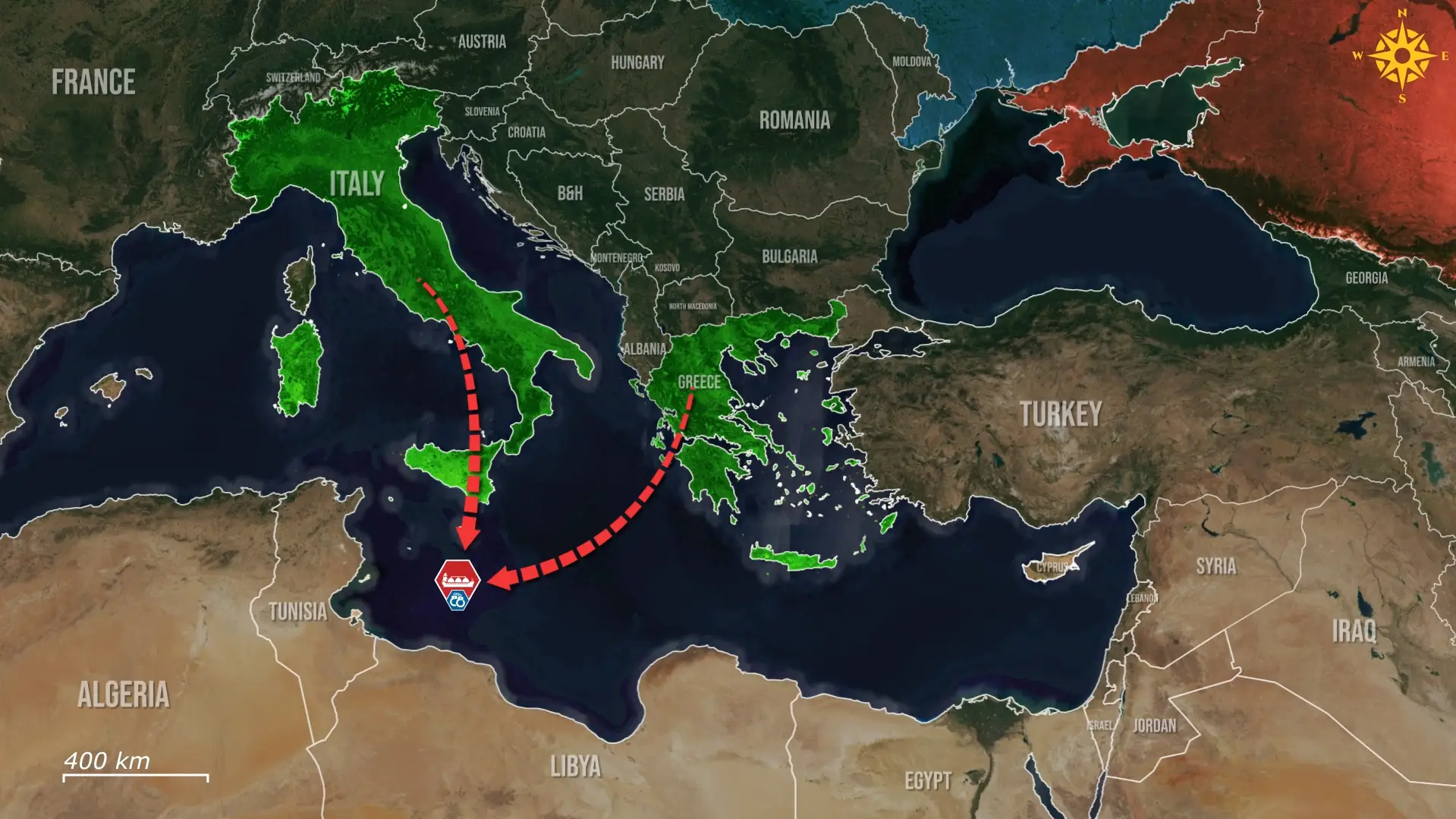
Strategically, these attacks transform the security situation for Russian maritime logistics, as Russia depends on a limited number of suitable warships to escort military cargo through distant waters, and losing a modern corvette further constrains those resources. Another vessel of the same class was destroyed earlier this year at Kronstadt, with the cumulative impact especially significant, as Russia faces growing difficulty protecting military shipments to Africa while simultaneously defending its remaining naval assets elsewhere.
Overall, Ukraine has demonstrated the ability to threaten Russian shipping far beyond the Black Sea, and enemy military transports, sanctioned cargo vessels, and shadow fleet oil tankers face greater risks if similar Ukrainian operations continue. The strategic warning is unmistakable, as distance from Ukraine no longer necessarily guarantees safety for Russia’s maritime operations. What began as Ukrainian naval drone warfare in the Black Sea is now expanding into a much broader campaign against Moscow’s global military supply network.



Comments